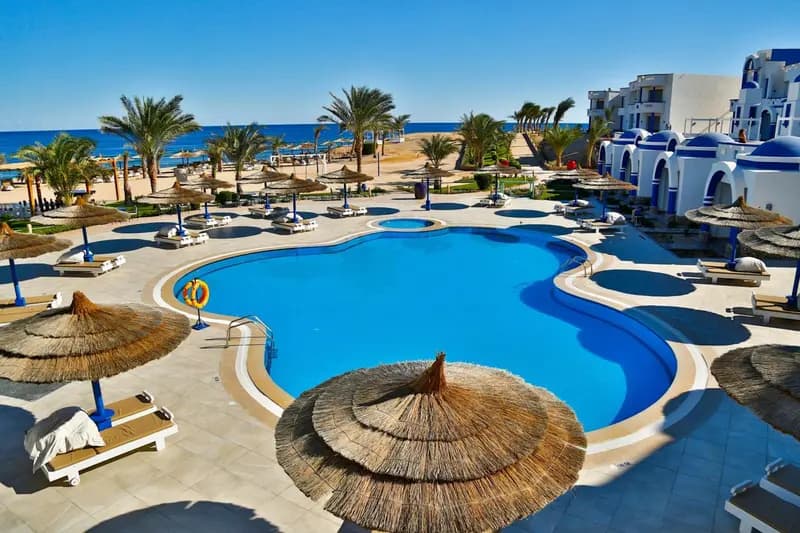
Coral Sun Beach
★★★★
★ 8.1/10 (348 reviews)
28 km away as the crow flies
Dive centre · Safaga · Egypt
4.4157 Google reviewsCustomisable liveaboard safaris aboard the Aquastar 1 and 2 offer access to the Red Sea's most remote reefs and wrecks.
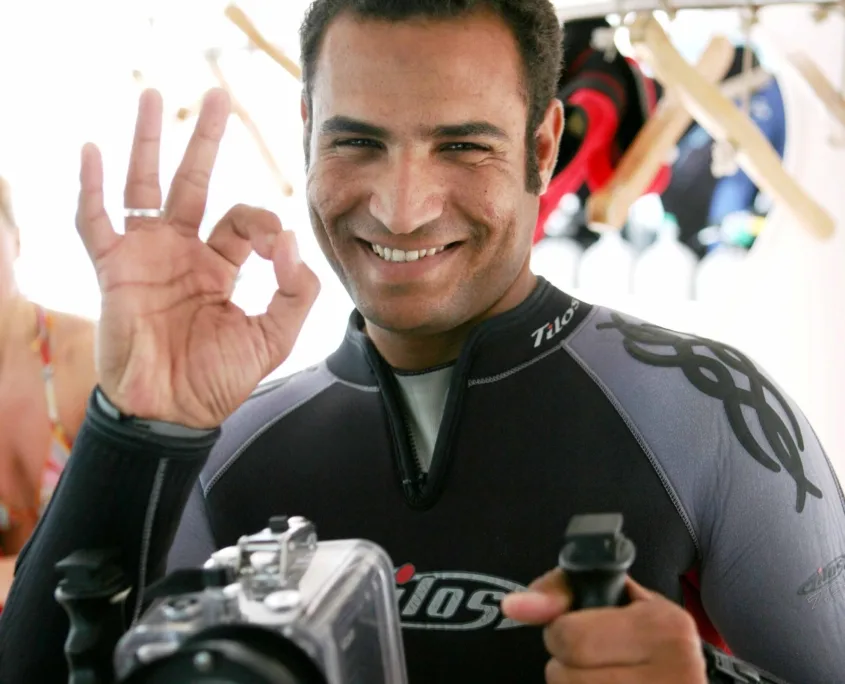
Aquastars Dive Centre & Dive Safaris has been a fixture of the Red Sea diving scene since 1989. Based around Safaga, Soma Bay, and Hurghada, the centre has spent over three decades refining its approach to both daily excursions and extended liveaboard adventures.
They offer a dual approach to diving, catering to those who prefer the flexibility of daily boat trips from shore and those seeking the immersive experience of a safari. Their liveaboard itineraries are specifically designed to be customisable, allowing groups to bypass the standard routes in search of less crowded reefs and more pristine marine environments.
The centre is led by Moustafa Awad and Tessa McLean, overseeing a team of experienced dive guides, instructors, boat crew, and chefs. This professional setup ensures that both the technical aspects of diving and the logistics of life on board are handled by specialists.
Instruction is provided in both English and French, making the centre accessible to a wide range of international divers. The team places a heavy emphasis on environmental preservation and respectful interactions with marine life, particularly during their specialised dolphin and nature swims.
Aquastars provides a comprehensive curriculum of PADI courses for every stage of a diver's development. Beginners can start with Discover Scuba Diving or work through the Open Water Diver and Scuba Diver pathways.
The training catalogue extends to advanced certifications including Advanced Open Water Diver, Deep Diver, Wreck Diver, and Drift Diver. For those looking to professionalise their skills, they offer the Divemaster programme, as well as specialty courses such as Peak Performance Buoyancy, Multi Level Diver, Boat Diver, and Underwater Naturalist. First Aid training, including CPR, is also available on-site.
The safari operation is run from two dedicated vessels, Aquastar 1 and Aquastar 2. These boats are designed for comfort during extended trips, with a capacity of up to 16 passengers on the first and 20 on the second.
On board, you will find spacious, air-conditioned cabins equipped with private bathrooms and showers. The boats feature sun decks with loungers for relaxing between dives, and facilities to charge phones, cameras, and laptops. Meals are prepared on board, with options available for vegetarians, vegans, and those requiring gluten-free diets. Nitrox is available on board, and Zodiacs are used for easy access to dive sites.
For divers travelling without their own kit, a full range of rental equipment is available. This includes wetsuits (both full suits and shorties), regulators, BCDs, masks, snorkels, fins, weight belts, dive computers, torches, and boots.
Nitrox is available for use, and the centre maintains the necessary equipment to support extended diving programmes. For those opting for daily trips, local transfers are organised to move you between your hotel and the dive boats.
The Thistlegorm is perhaps the most iconic wreck in the region, sitting at depths between 16 and 33 metres. It offers a hauntingly preserved look at history, with divers exploring Bedford trucks, motorcycles, and various pieces of wartime equipment.
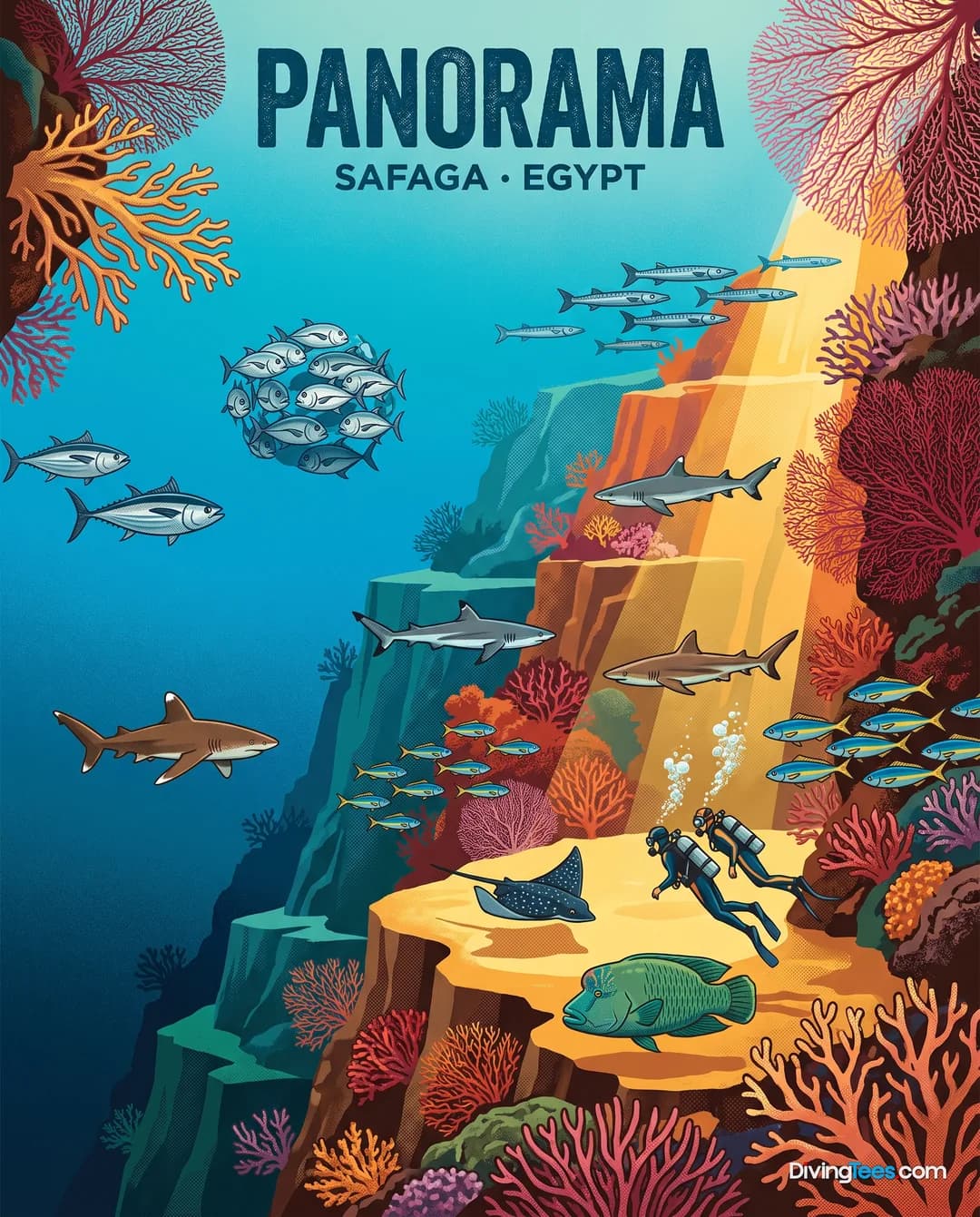
Panorama Reef is one of the largest reefs in the Safaga area, featuring a massive wall that descends to 100 metres. It is a premier site for observing large schools of anthias and spotting blue-spotted rays on the sloping plateau.
Abu Nuhas is a famous reef known for its concentration of wrecks, including the Carnatic and the Chrisoula K. It is also a reliable spot for those hoping to encounter bottlenose dolphins.
El Mina is an advanced wreck dive located in the Hurghada harbour. The 70-metre mine sweeper lies between 25 and 30 metres, where you can still see its anti-aircraft guns and demining equipment.
And some of the dive sites the centre runs.
The reefs around Safaga and the Giftun Islands are teeming with life. You will regularly encounter large schools of anthias, various species of butterflyfish, and barracuda. The deeper walls and plateaus are prime locations for spotting blue-spotted rays, tuna, and jacks, while larger pelagics like sharks and larger tuna may pass through the area.
In the shallower gardens and lagoons, such as those at Abu Ramada or Shaab Sabina, the focus shifts to vibrant coral architecture. Here, you can find clownfish living among anemones, as well as porcupinefish, lionfish, and various species of wrasse and triggerfish.
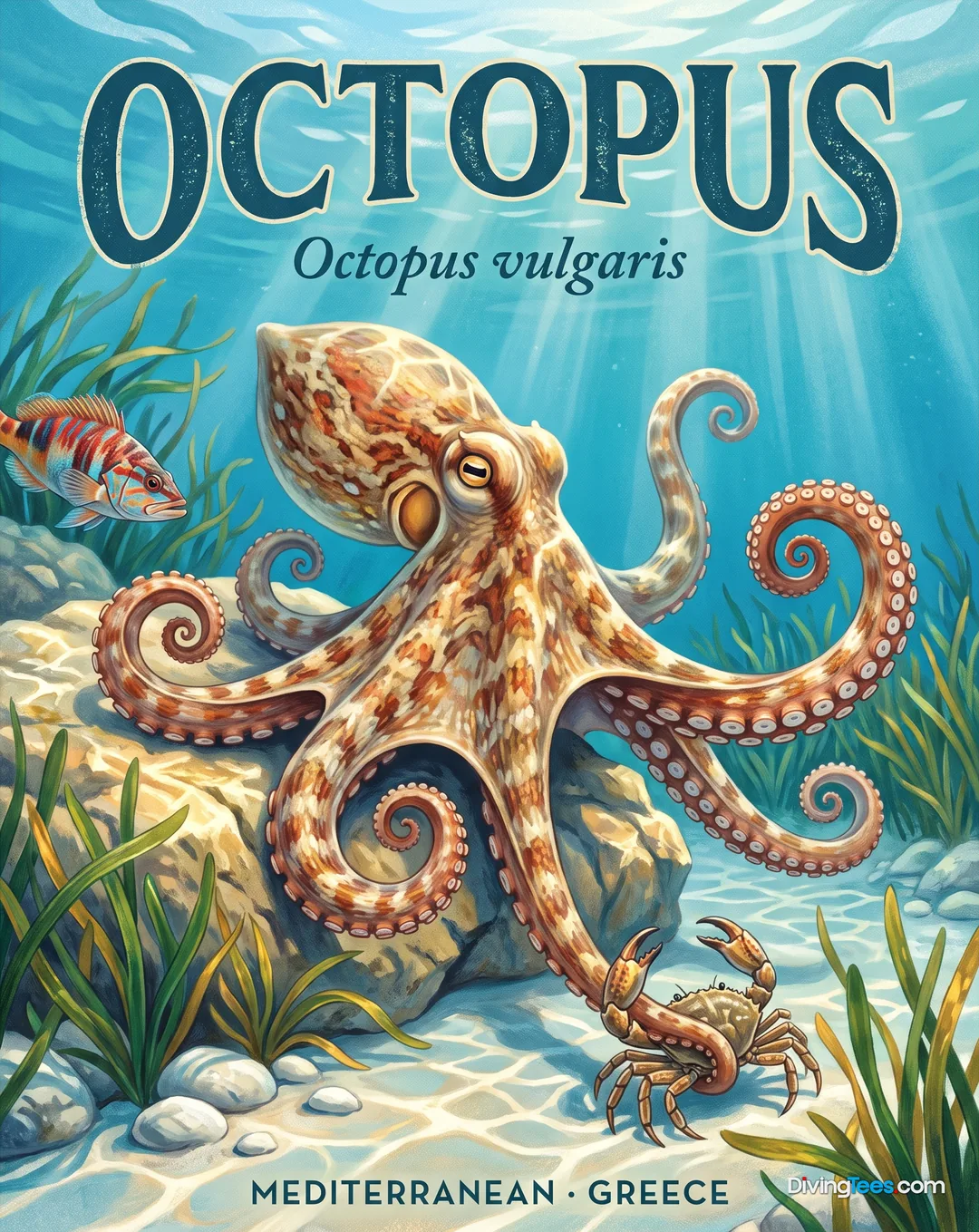
For those interested in macro life, the crevices and coral heads offer plenty of discovery. Keep a close eye on the reef for octopuses, stonefish, scorpionfish, and nudibranchs, as well as various species of moray eels and flatfish.
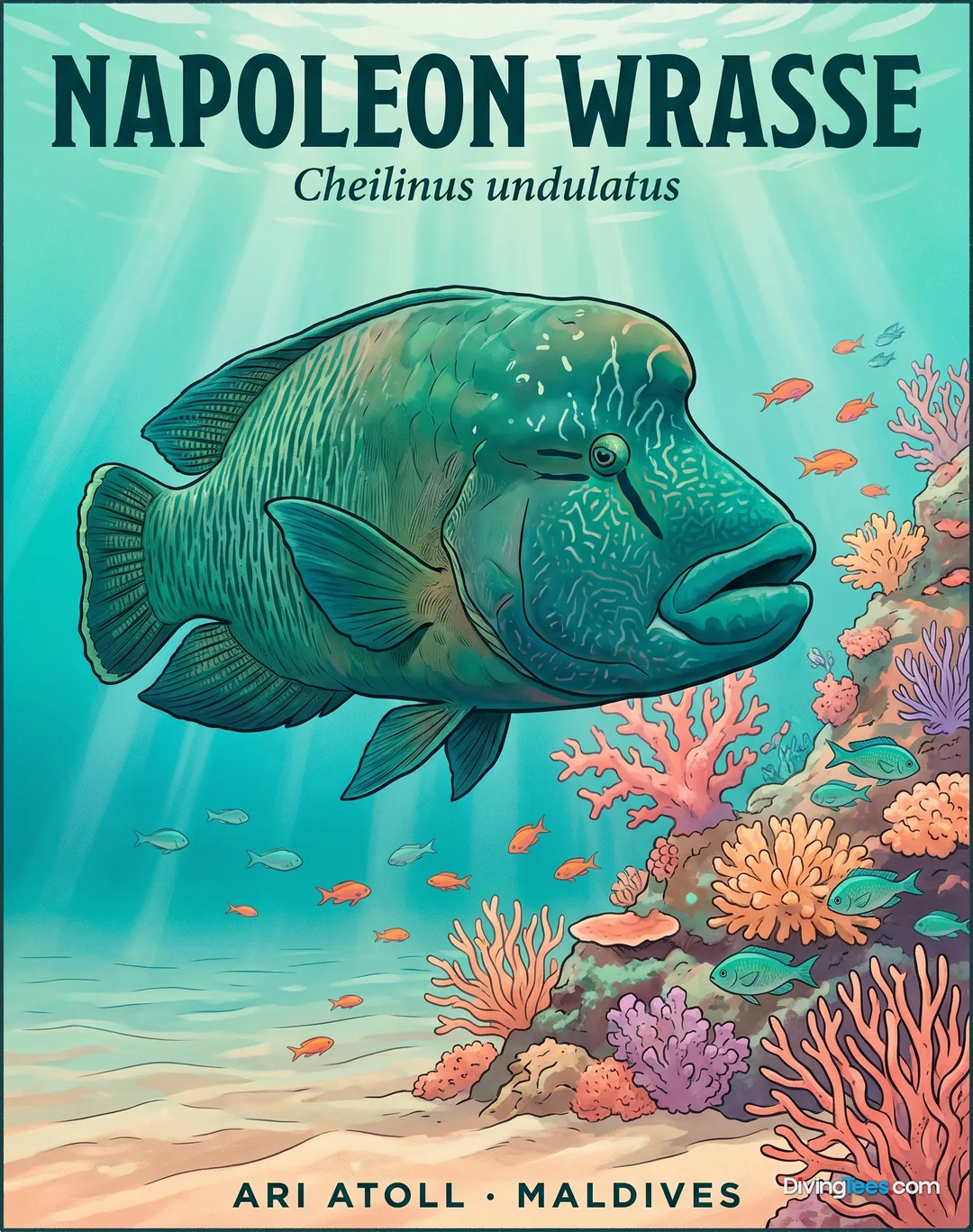
Large marine animals are a highlight of the region, with turtles and Napoleon wrasse being common sights. Depending on your location, you may also encounter mantas, stingrays, and various species of sharks, including whitetip sharks.
The diving environment is characterised by a variety of habitats, from sheltered lagoons and coral gardens to deep walls and open-sea reefs. While many sites like Abu Ramada are well-protected from weather, other areas involve drift diving along reefs or walls.
Seasonal timing is important for certain encounters; the period between April–May and October–November is noted as a particularly good time to visit the area.
Hello, I'm Marina, DivingDeal.com's AI assistant. I answer in detail about hotels, dive centres and liveaboards.

Thinking about the whole trip and the flights? Talk it over with Edith →
Marina is an AI. Some links are affiliate links: DivingDeal may earn a commission, at no extra cost to you. Bookings are made with the partner.
Your last day stays dry: no diving in the 18-24 hours before a flight the perfect window to see the destination from another angle.
Ratings and reviews collected by Viator and Tripadvisor.