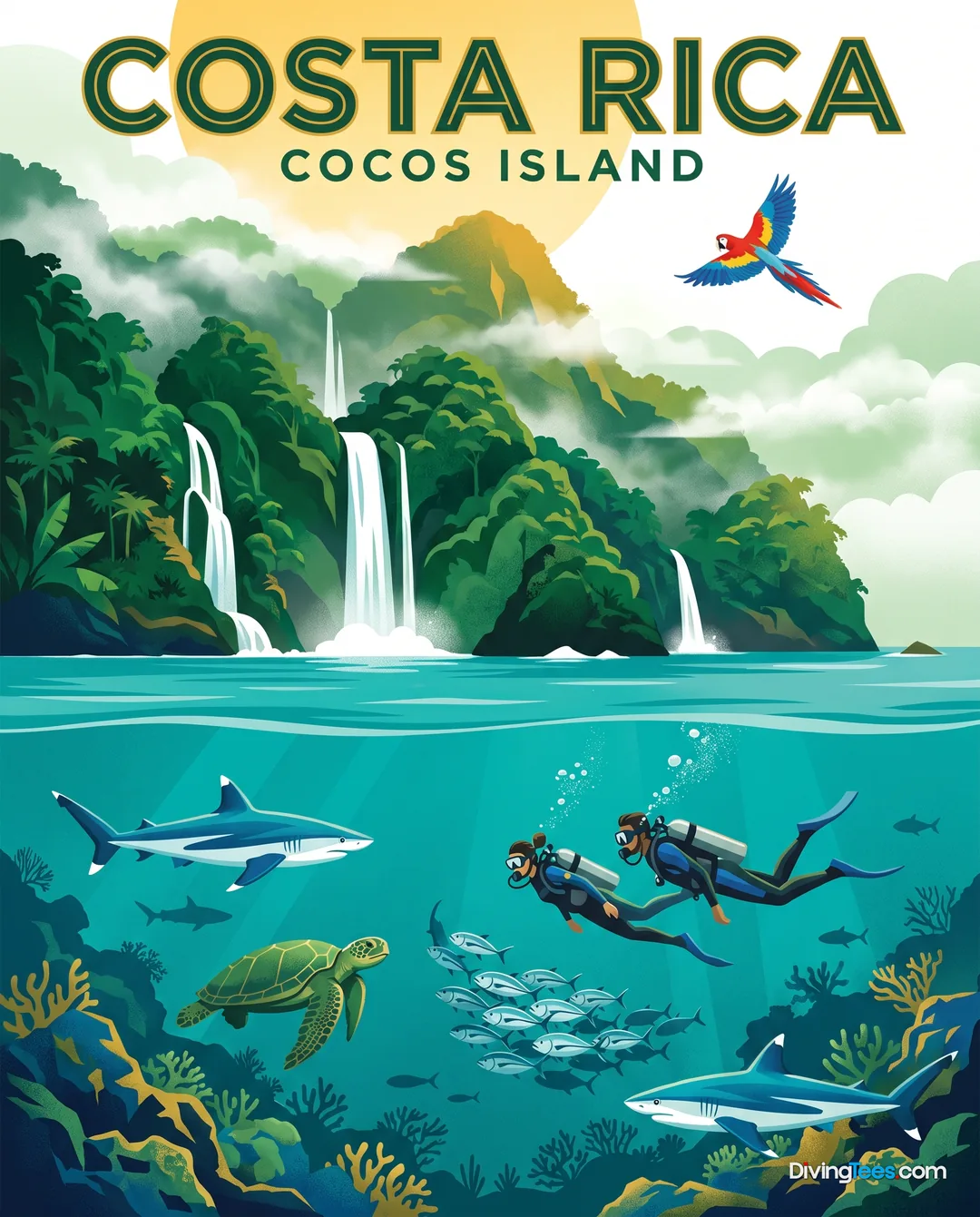
Cocos Island · Costa Rica · Americas
Max. depth · 40 mBajo Alcyonne, Cocos Island: Seamount Diving with Hammerheads
Descend onto Bajo Alcyonne, a submerged pinnacle off Cocos Island, and hold position as schools of scalloped hammerheads circle above cleaning stations.
What makes this site special
- Consistent large schools of scalloped hammerhead sharks
- Encounters with Galapagos and silky sharks
- Sightings of manta rays and mobula rays
- Deep pinnacle dive with strong currents
- Regular presence of green and hawksbill turtles
- Open ocean pelagic diving experience
Bajo Alcyonne about the site
Bajo Alcyonne presents itself as a submerged pinnacle, with its top situated around 25 metres below the surface, extending down to flanks that drop past 40 metres. Your dive begins with a descent along a permanent mooring line, often used as a reference point in the prevailing currents. The seamount’s structure acts as a natural magnet for pelagic life, drawing in the large schools of sharks and rays that define the Cocos Island experience, especially around the plateau where cleaning stations are active.
The main action at Bajo Alcyonne unfolds on the top of the seamount, between 25 and 30 metres, where the concentration of marine activity is highest. Divers typically position themselves in current-protected areas or along the shot line, waiting for the dynamic display of pelagic sharks. The deeper flanks, dropping past 40 metres, offer additional exploration but the primary focus remains on the plateau for consistent encounters with larger species and observing their natural behaviours.
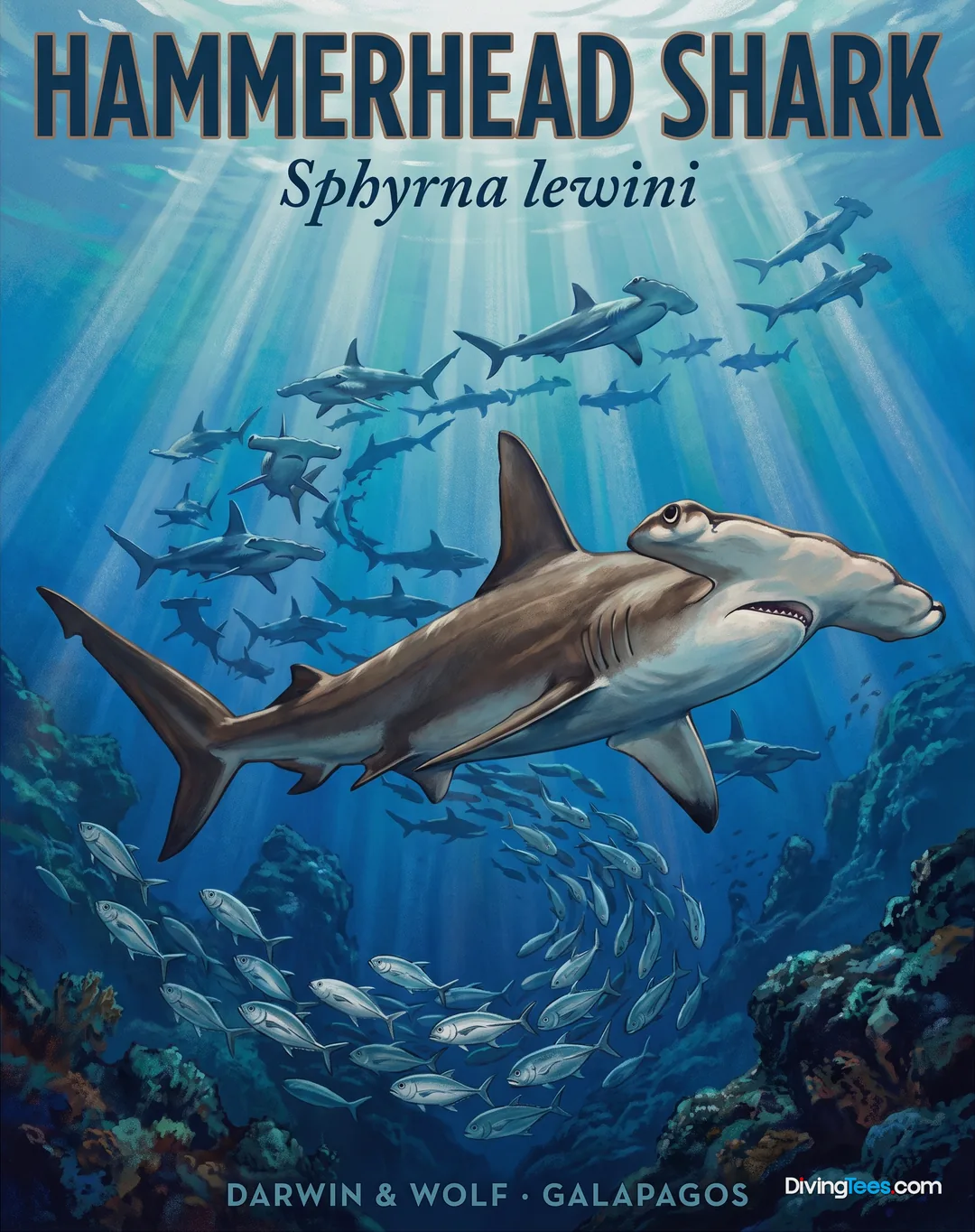
Bajo Alcyonne is particularly known for its scalloped hammerhead sharks (Sphyrna lewini), which frequent the seamount in significant numbers. You will often see these schools moving in patterns around the seamount, utilizing the cleaner fish found here. Beyond hammerheads, you can expect to encounter Galapagos sharks, silky sharks, and whitetip reef sharks, with blacktip sharks and silvertip sharks also making appearances, contributing to the site’s reputation as a shark-dense environment.
The currents at Bajo Alcyonne are a defining feature of the site and play a critical role in attracting and concentrating pelagic life. These strong currents necessitate careful dive planning and good buoyancy control, often requiring divers to hold position. While challenging, these conditions are precisely what make the site so productive, bringing nutrients and attracting the large aggregations of sharks and rays that thrive in open ocean environments.
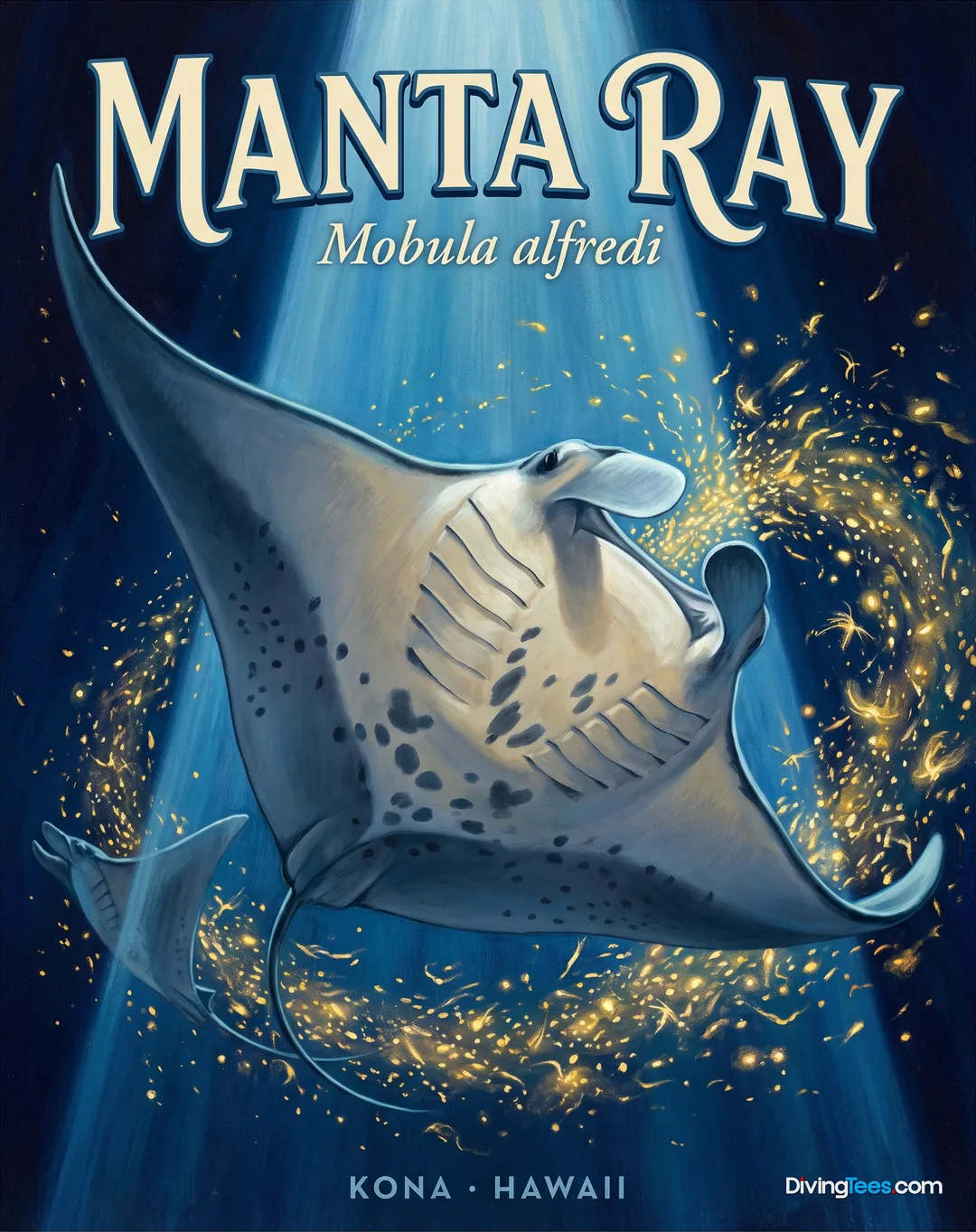
Beyond the prominent shark species, Bajo Alcyonne also hosts a variety of rays, including large manta rays and mobula rays gliding past the seamount. You might also spot eagle rays and marble rays, adding to the pelagic diversity. Yellowfin tuna and jacks are common sights, moving in fast-paced schools through the water column, hunting smaller fish around the pinnacle.
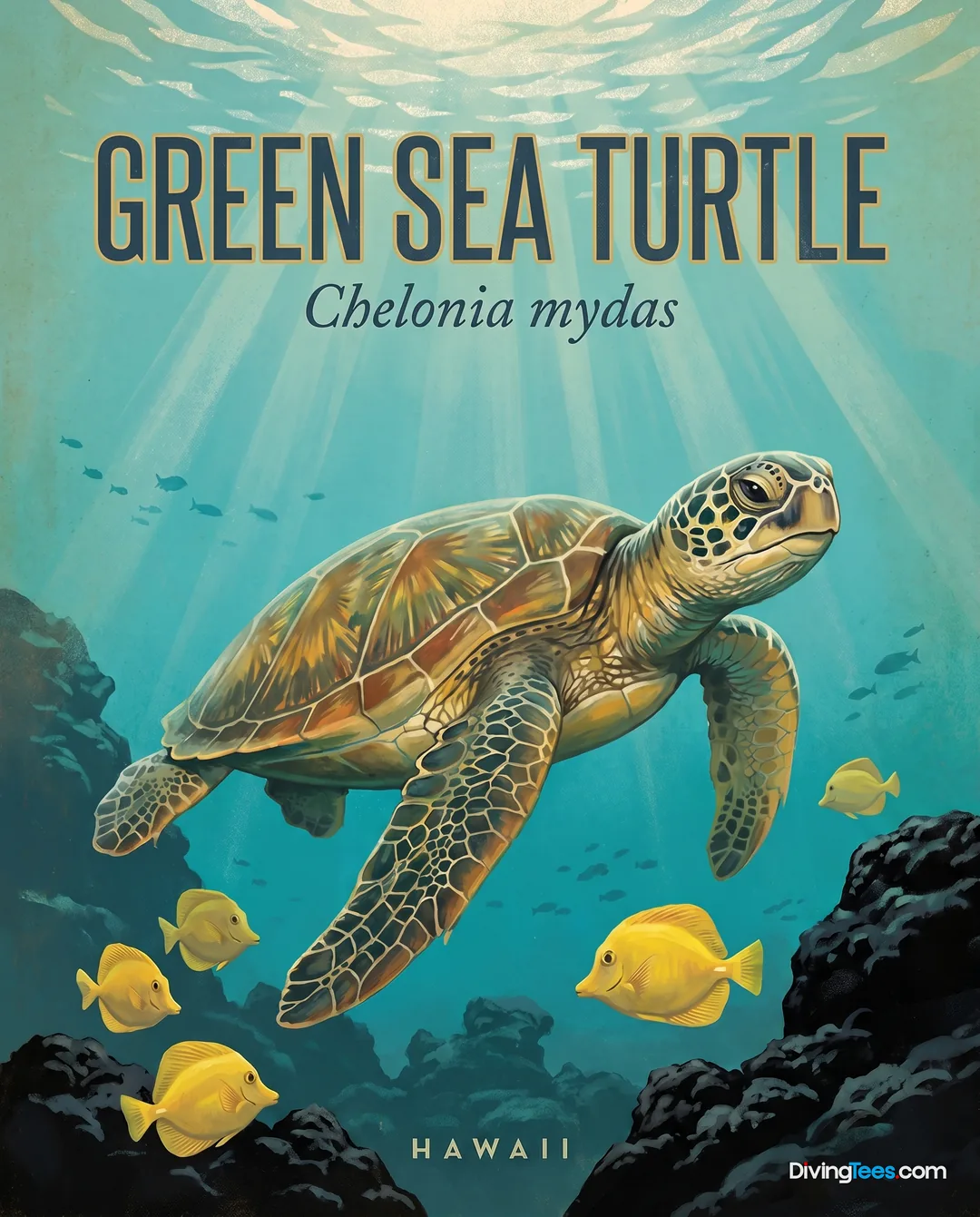
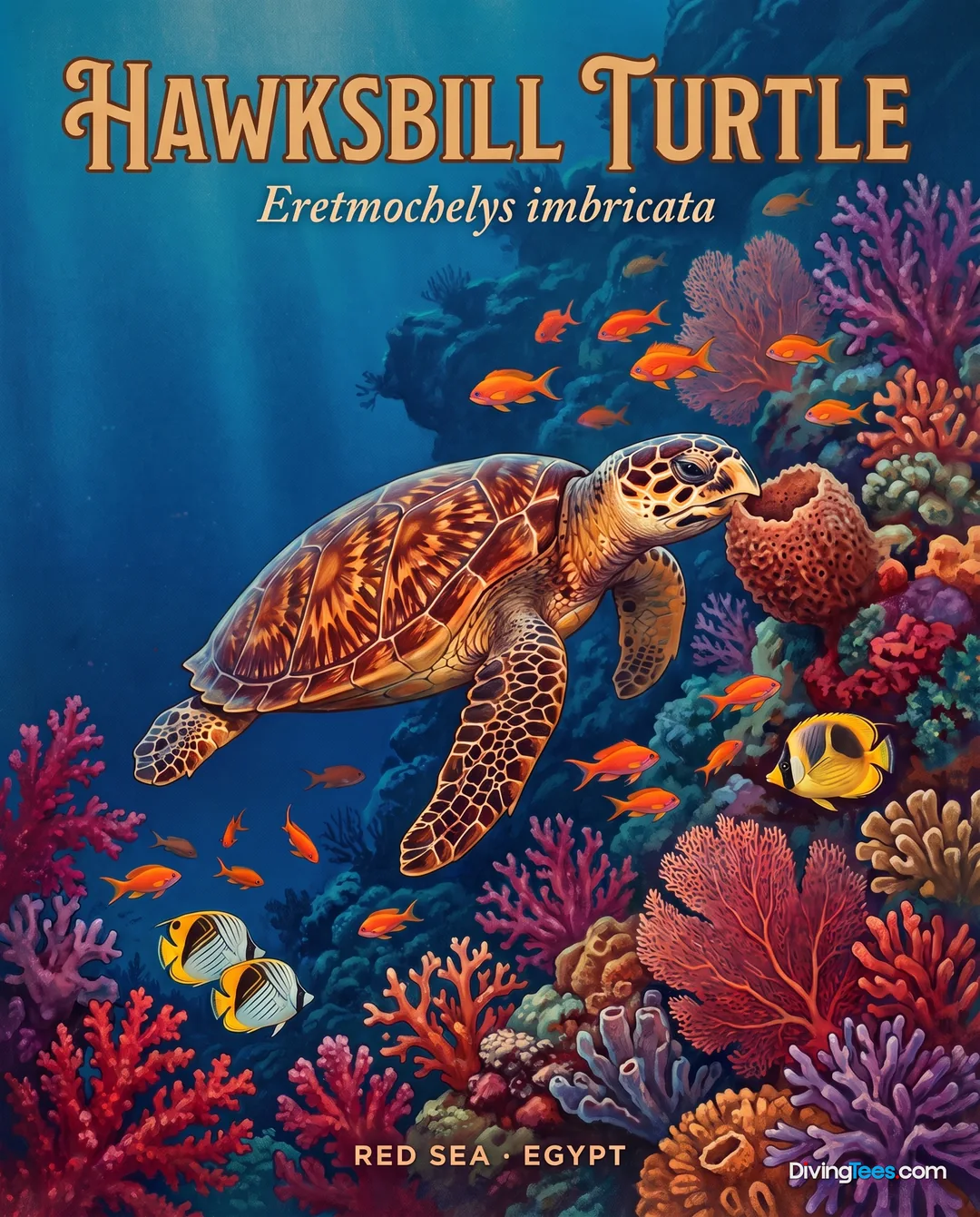
Sea turtles are also residents of Bajo Alcyonne. Green turtles and hawksbill turtles can be observed navigating the seamount, sometimes resting or feeding on the deeper parts of the structure. Their presence adds another layer to the site's rich biodiversity, providing a moment of calm amidst the often-fast-paced encounters with larger pelagic animals in the blue.
The experience at Bajo Alcyonne is distinct from a typical reef dive. It is characterized by blue-water conditions and the constant presence of pelagic species, making it a dive focused on open ocean encounters rather than intricate reef ecosystems. This seamount acts as an oceanic landmark, a point of convergence for large marine life, offering a pure pelagic shark diving experience that stands out in the region.
Diving Bajo Alcyonne: the marine life you’ll meet
Diving conditions
Dive depth at Bajo Alcyonne ranges from 25 metres on the pinnacle top down to a maximum of 40 metres on its flanks. This site requires advanced certification, along with demonstrable experience in drift diving and managing strong currents, and comfort at depths between 25 and 35 metres. Visibility typically ranges from 15 to 35 metres, influenced by oceanic conditions. Strong currents are a consistent feature here, especially around the seamount, concentrating marine life but demanding a high level of dive skill. While hammerheads are present year-round, the June to November period is often considered the best season for diving the site.