

East Cape Explorers
★ 4.9/5 (548 reviews)
18 km away as the crow flies
San José del Cabo · Mexico · Americas
Max. depth · 18 mChileno Bay offers protected, shallow reef diving with healthy Gorgonians and frequent encounters with turtles and reef sharks.
For subtitles in English: start the video firstthen click the gearat the top right of the video, select “Subtitles/CC”, then “Auto-translate” and choose “English”.
Diving Chileno Bay means encountering an active, shallow reef ecosystem. The site is characterized by an extensive rocky reef interspersed with sand patches, creating diverse habitats for marine life. You'll find the corals here are particularly healthy, especially comparison to other shallow areas closer to Cabo San Lucas, due to less human impact in this protected corridor. This makes for a vibrant visual experience from the moment you descend.
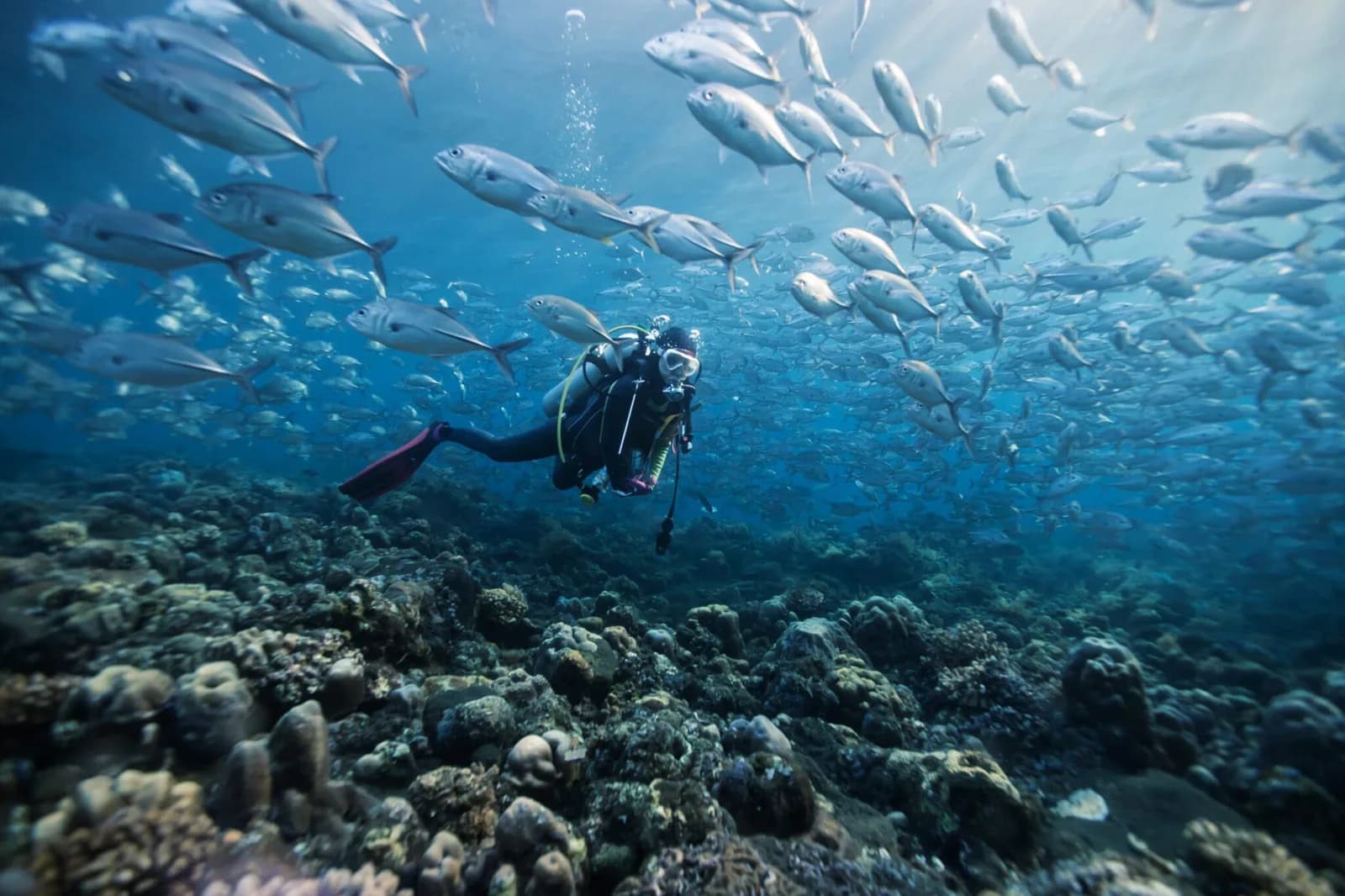
The dive profile at Chileno Bay typically runs shallow, keeping you between 8 and 18 metres. This depth range allows for extended bottom times and plenty of light penetration, which fuels the rich marine growth. As you explore the rocky outcrops, you'll often find yourself surrounded by schooling jacks, snappers, and grunts and you should keep an eye on the sand patches for passing rays. The transition between reef and sand creates a dynamic environment, with creatures moving freely between both habitats.
Below the rocky ledges, it's common to spot white-tip reef sharks (Triaenodon obesus) seeking shelter. You'll also encounter a variety of tropical fish active across the reef. Keep an eye out for turtles (Chelonia mydas, Eretmochelys imbricata) foraging among the coral and gorgonians. The calm nature of the bay means these encounters are often relaxed, allowing for good observation opportunities without fighting surge.
Chileno Bay's protected status and consistent conditions make it a prime location for observing a variety of rays. Eagle rays (Aetobatus narinari) are frequent visitors, gracefully cruising over the reef. During specific seasons, you might also see mobula rays (Mobula thurstoni or Mobula munkiana) passing in the shallows. Their presence adds a pelagic dimension to an otherwise reef-centric dive experience.
The site also hosts numerous healthy gorgonians (often commonly called sea fans), which are indicative of good water quality and moderate currents, as they thrive in gentle flow, filtering nutrients. These fan corals provide an important habitat and shelter for smaller reef fish and invertebrates, adding texture and colour to the underwater landscape. Pay attention to the smaller details here; the calm conditions often allow you to slow down and observe the reef's intricacies.
Beyond the common reef residents, Chileno Bay offers a chance to see different behaviors. Observe the schooling fish moving as one entity, or watch turtles as they casually graze, undisturbed by your presence. The shallow nature of the site means light is good, enhancing colours and making it easier to spot marine life nestled within the reef's nooks and crannies. This dive is about immersion in the vibrant life of a healthy, accessible reef.
Chileno Bay is a shallow dive, with maximum depths reaching 18 metres. It is largely accessible from an Open Water Diver certification or beginner level. The waters are typically calm, with mild currents, making it suitable for divers of all experience levels. Visibility tends to be good, allowing for clear views of the reef structure and marine life.