


East Cape Explorers
Google 4.9/5 (552 reviews)
31 km away as the crow flies
San José del Cabo · Mexico · Americas
Max. depth · 27 mDescend into the calm waters of Pelican Rock to explore a unique underwater sandfall and its vibrant resident marine life.
For subtitles in English: start the video firstthen click the gearat the top right of the video, select “Subtitles/CC”, then “Auto-translate” and choose “English”.
Pelican Rock sits within the marine reserve of Cabo San Lucas, offering a dive that combines sheltered conditions with a varied topography. The reef begins in shallow water and gradually slopes downwards, forming a canyon that leads to the site's signature feature: an underwater sandfall. This geological formation creates a dynamic environment, drawing in a variety of marine life seeking refuge or hunting in the currents it generates.
The dive profile here typically starts shallow, allowing for a gradual descent along the reef's edge. As you explore, the gentle slope deepens into the canyon, where the sandfall becomes prominent. This transition from hard coral to sand offers diverse habitats, supporting different communities of fish and invertebrates. It’s a site designed for exploration, with plenty of nooks and crannies to investigate without feeling exposed.
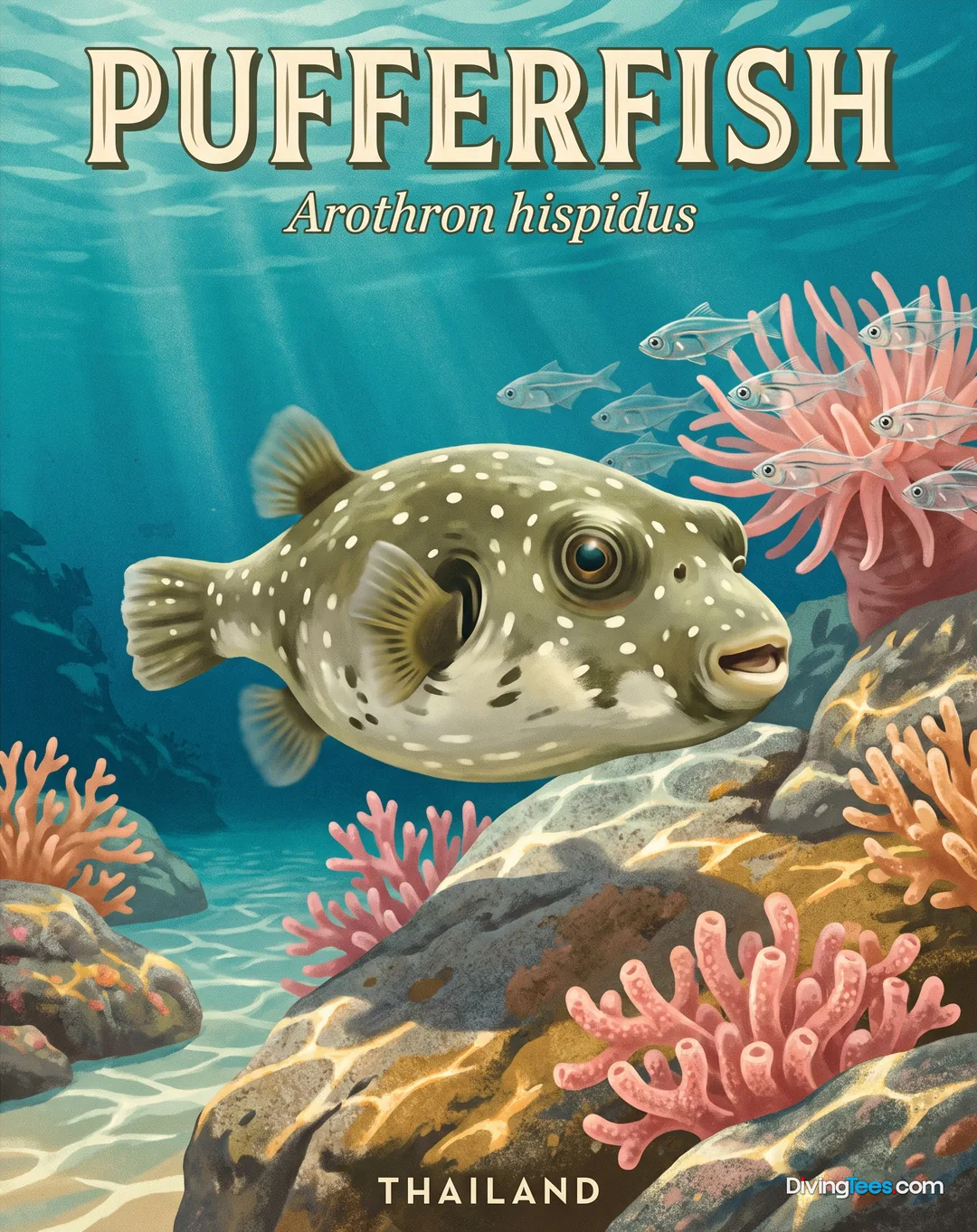
Expect to encounter a range of resident species that thrive in these protected waters. Moray eels are a common sight, often observed peeking from crevices. Pufferfish drift along the reef, while scorpionfish camouflage themselves against the rockwork. The interplay of reef and sand bottom ensures a constant display of tropical fish, creating a visually rich environment throughout the dive.
The protected nature of Pelican Rock also makes it a valuable location for observing more transient species, especially during specific seasons. While the general conditions are calm, the deeper sections of the canyon offer a unique setting for encounters. Mobula rays are known to visit these waters, often gliding through the open sand areas adjacent to the reef structure.
Pelican Rock is accessible for all certification levels, making it a suitable dive for beginners to more experienced divers. Depths here range from 5 metres down to 27 metres, allowing for both shallow reef exploration and deeper canyon dives. The site is known for its calm and protected conditions, with generally mild to absent currents.
Pelican Rock is accessible to all certification levels, so you can explore it whether you are a beginner or a more experienced diver. Its protected setting, gradual reef profile, and range of underwater habitats support relaxed shallow exploration as well as deeper canyon diving, giving you room to choose an approach suited to your training.
At Pelican Rock, depths range from 5 metres to 27 metres. You can begin in shallow water along the reef edge, then follow the gentle slope as it descends toward the canyon. This profile lets you explore coral, sand, reef crevices, and the underwater sandfall at different depths during the dive.
Pelican Rock is known for calm, protected conditions, with generally mild to absent currents. You can explore the reef without feeling exposed as the bottom changes from hard coral to sand and the slope leads into the canyon. The deeper canyon has currents generated by the sandfall, creating a distinctive setting for marine life.
At Pelican Rock, you can look for moray eels peeking from crevices, pufferfish moving along the reef, and scorpionfish camouflaged against the rocks. Tropical fish occupy the reef and sand habitats, while mobula rays may glide through open sandy areas beside the reef, particularly during specific seasons.