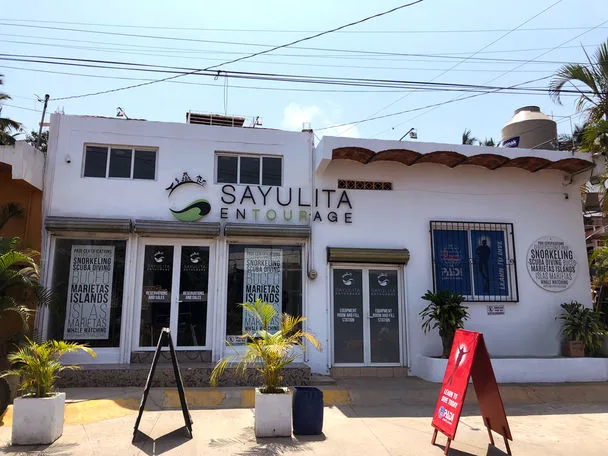

Sayulita Entourage
Google 4.9/5 (437 reviews)
Mexico · Americas
Volcanic pinnacles, Los Arcos’ shallow reef and deep wall, El Morro’s caves, and winter manta encounters shape diving from Puerto Vallarta.
For subtitles in English: start the video firstthen click the gearat the top right of the video, select “Subtitles/CC”, then “Auto-translate” and choose “English”.
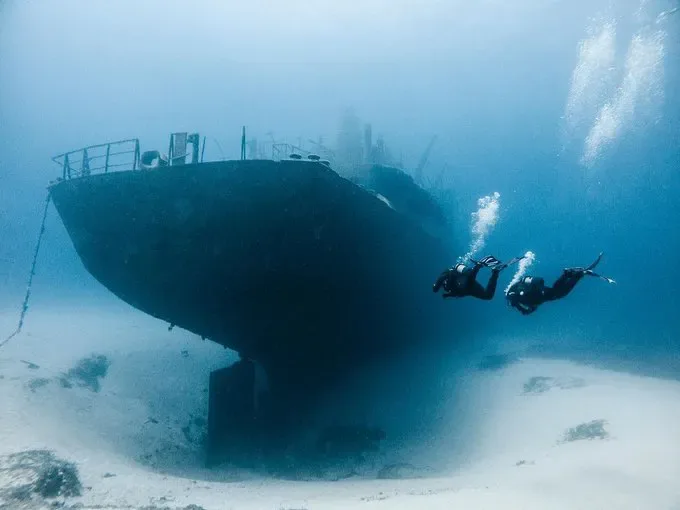
Los Arcos’ rock formations and El Morro’s volcanic pinnacles give Puerto Vallarta its underwater character. This is a shore-based holiday with boat diving from the port and marinas, rather than a liveaboard destination. The diving combines shallow rocky terrain, walls, caves and deeper exposed sites with the practical ease of staying in a lively Mexican coastal city. It suits divers who want several boat days, some seasonal pelagic interest and a proper town for non-diving time.
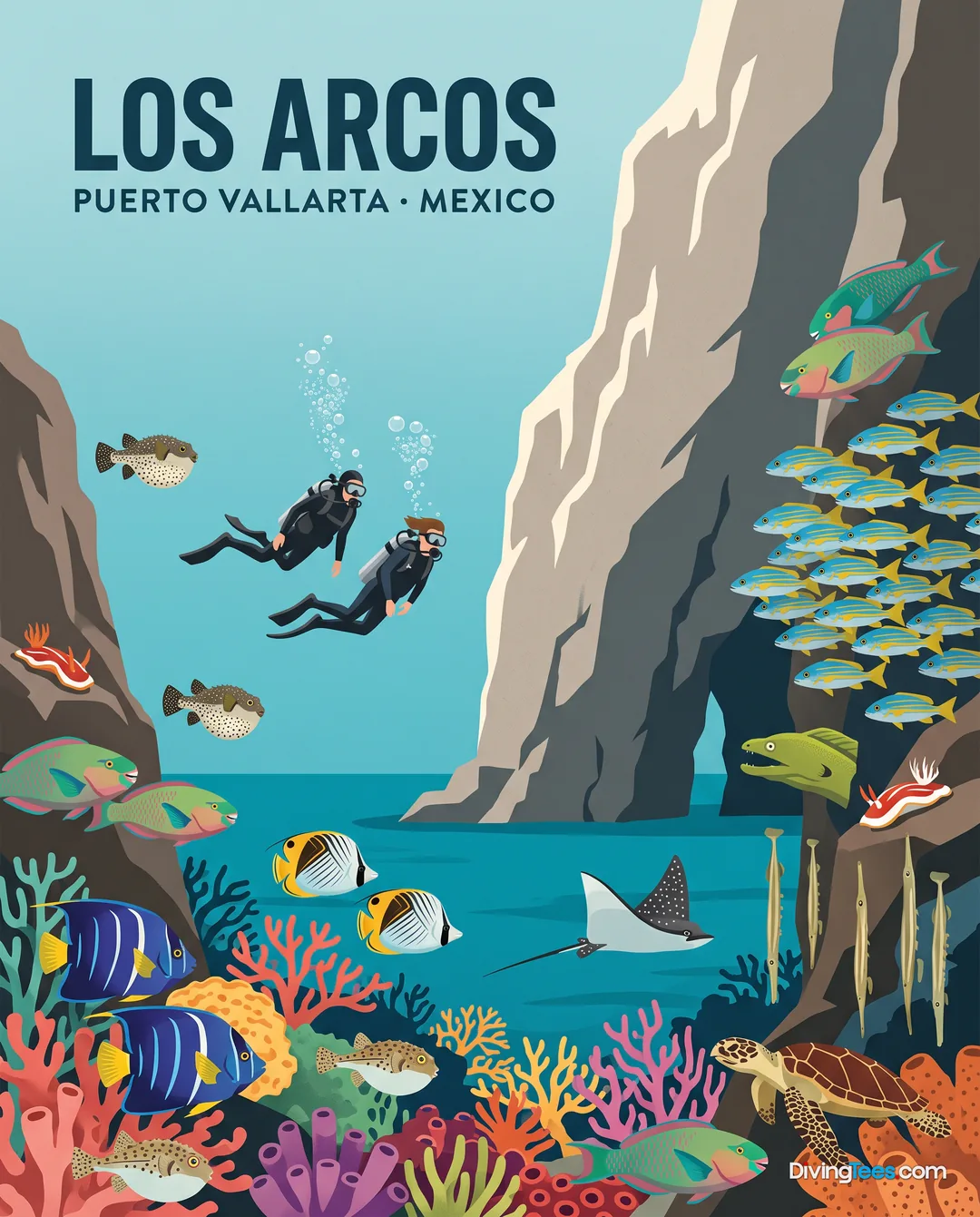
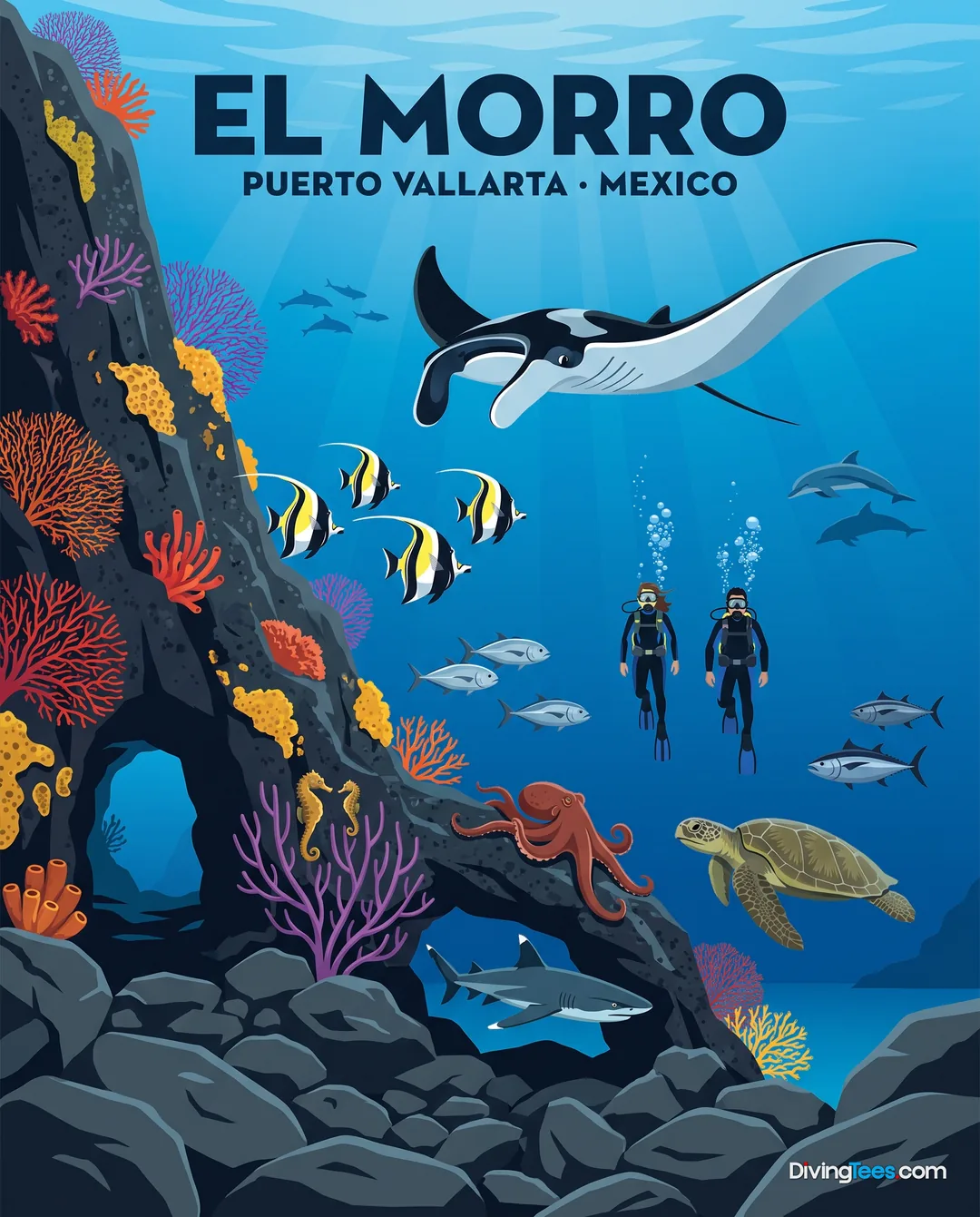
Most dives are reached by local boat from Puerto Vallarta, with the bay and nearby islands providing the main day-boat territory. Los Arcos runs from about nine metres over its shallow reef to forty-five metres on deeper sections such as El Cañón del Diablo; its arches, rock formations and wall allow different profiles in the same area. El Morro is more exposed, with volcanic pinnacles, caves and depths from eighteen to thirty-six metres. Currents are generally light around the coastal sites, but El Morro can develop strong, unpredictable flow. Visibility is variable and may be affected by suspended particles, so early departures are worthwhile. The diving is not a flat Caribbean-style reef experience: it is a sequence of rocky drops, pinnacles and changes in depth, normally planned as two or more boat dives during a day out.
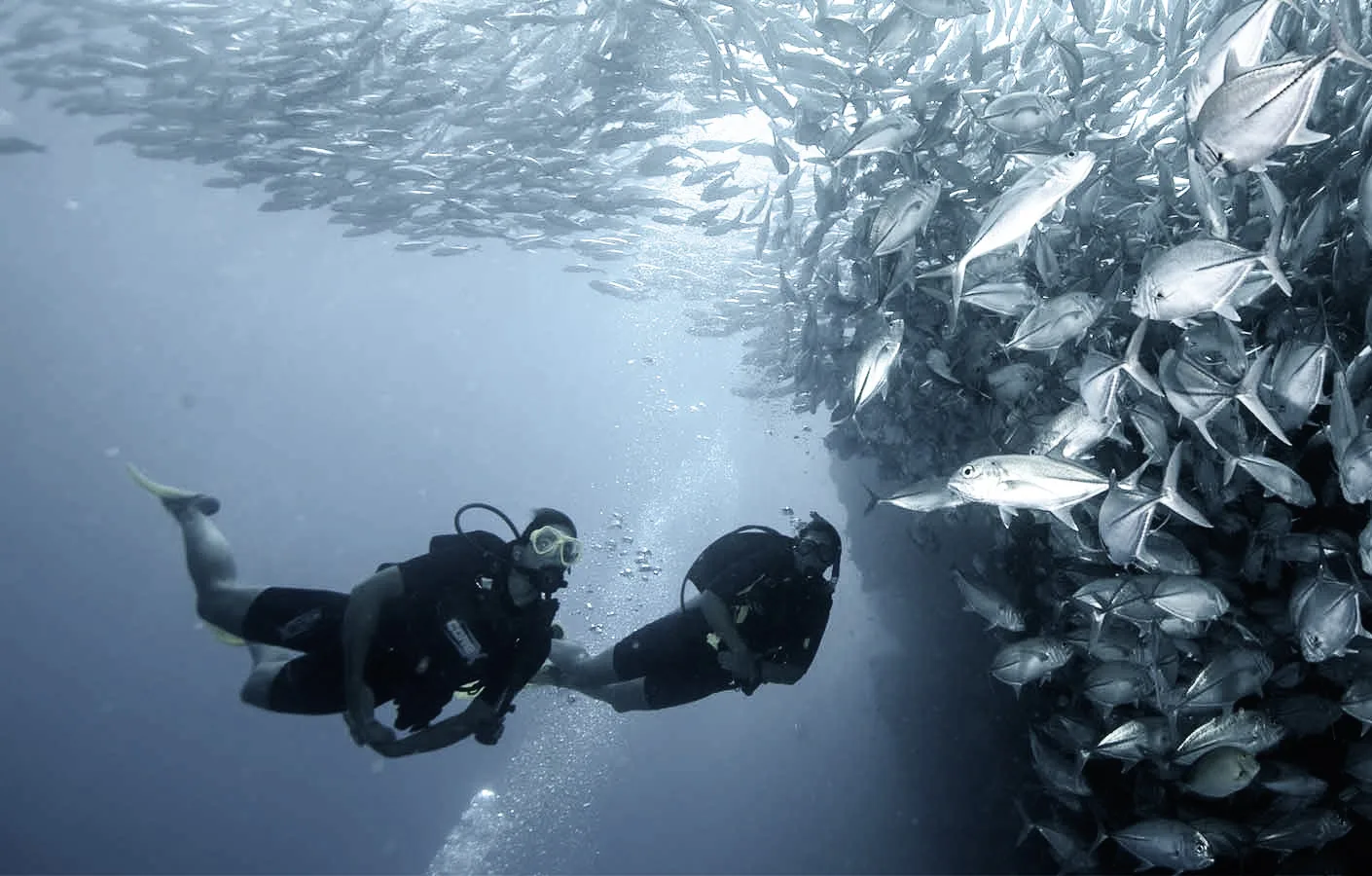
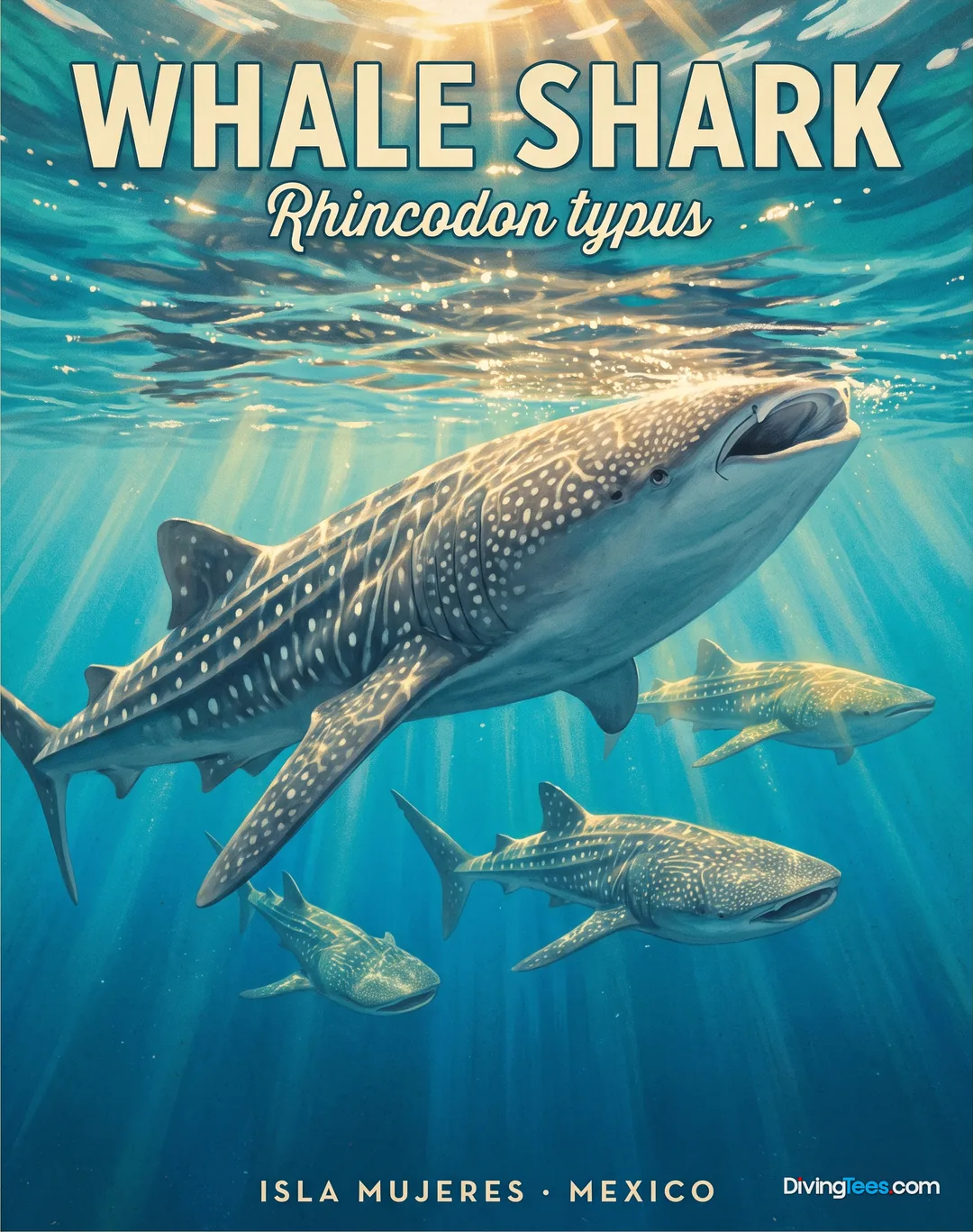
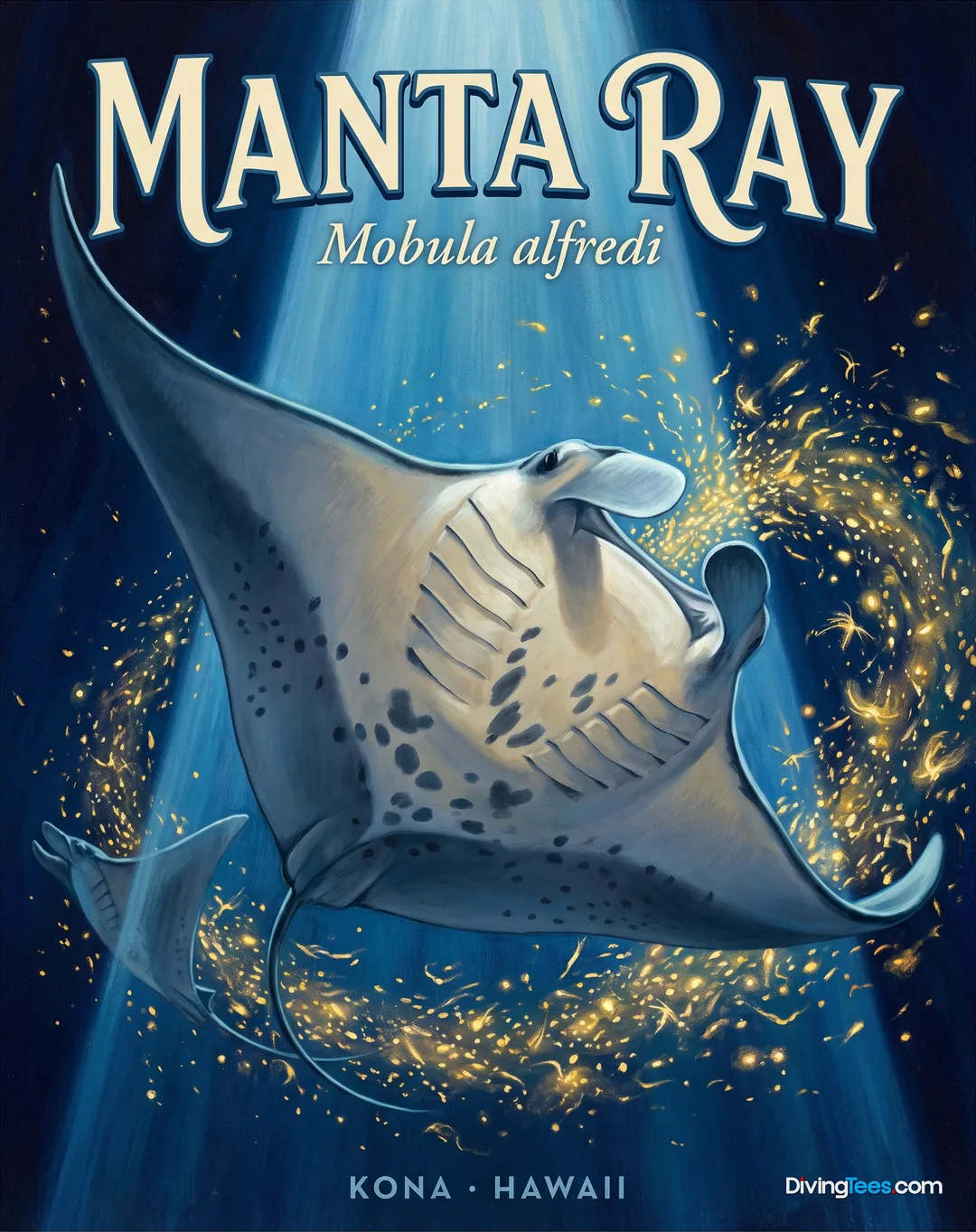
Los Arcos offers the most varied close-to-town wildlife setting, with reef fish moving around the rock, shallow reef and deeper wall. Parrotfish, butterflyfish, pufferfish and butterflyfish are part of the everyday visual interest, while nudibranchs reward slower searches on the rock and reef. Angelfish and manta rays are also associated with the area. Around the bay and neighbouring islands, manta rays and pelagic marine mammals are occasional winter-to-spring encounters rather than a fixed appointment. Mola mola and whale sharks are rare possibilities, not reasons to build the whole trip around a sighting. El Morro’s deeper pinnacles and exposed position are the places where a diver keeps an eye into blue water, while still checking the smaller life tucked into the volcanic structure.
For the most dependable overall holiday, November to May is the sensible working season: it is the drier part of the year and sea conditions are generally more settled. The measured seasonal pattern also points to June through November as a stronger period for diving conditions, so the overlap around November is especially useful. July, August and September are the least attractive months for a carefully planned dive trip because heat, rain and seasonal agitation can reduce water quality and make boat departures less consistent. Winter and spring also offer the more plausible window for occasional manta rays and pelagic marine mammals. High-season demand is the trade-off: the easiest boat dates fill sooner and island trips can be busier.
This coast is exposed to sargassum strandings, whose intensity varies greatly from year to year.
Puerto Vallarta is suitable for all levels, provided the diver is comfortable with boat procedures and rocky entries. Open Water is enough for the shallower parts of Los Arcos, while the deeper wall and El Cañón del Diablo call for sensible depth planning and, preferably, Advanced Open Water experience. El Morro deserves Advanced certification and real practice in variable conditions, particularly where current can strengthen unexpectedly. BSAC, PADI and SSI qualifications are all relevant; Nitrox is useful when several consecutive boat days are planned.
From the UK, the journey begins at London Heathrow, London Gatwick or Manchester and continues by air to Puerto Vallarta’s international airport. The important local constraint starts after landing: diving begins from the coast, port or bay marinas, and the useful sites are reached by local boat rather than a diving ferry. Staying near the port or malecón keeps the morning transfer short; accommodation farther out generally means arranging a taxi or brief transfer. For Marietas Islands National Park, the operator must work within the park’s authorised system, with permits, daily quotas and advance booking. The boat timetable and sea state therefore matter more than finding a land-based alternative.
Stay in Puerto Vallarta the night before an island trip. Departures are tied to the port and the sea, so a long morning transfer can cost the best navigation window. Book the Marietas Islands with the park’s access rules in mind: permits and daily quotas mean that an advertised island excursion is not automatically entry to the protected area. Keep a weather margin in the itinerary rather than promising yourself a dive every day. Early boats are preferable when possible, before traffic and surface disturbance add to the particles in the water. Bring a personal mask and computer if fit and familiarity matter; boat operations tend to cover the larger rental items better than small personal accessories. Expect volcanic rock, not a continuous Caribbean reef. On exposed El Morro, a conservative current plan is more useful than chasing a particular profile.
Four to seven days works well as a land-based diving holiday, allowing several boat outings without making every day dependent on navigation. Puerto Vallarta suits mixed groups: a non-diver can use the beaches, malecón, old town and restaurants while the boat is away. Keep at least one day flexible for sea conditions and use the final day for land-based time rather than a last-minute dive before flying. Staying near the port or waterfront makes both the diving and the town easier to manage.
Hello, I'm Marina, DivingDeal.com's AI assistant. I guide you through destinations, areas and countries.
Thinking about the whole trip and the flights? Talk it over with Edith →
Marina is an AI. Some links are affiliate links: DivingDeal may earn a commission, at no extra cost to you. Bookings are made with the partner.
Your last day stays dry: no diving in the 18-24 hours before a flight, the perfect window to see the destination from another angle.
 Nature
⏱ 5 h · ★ 5.0 (92 reviews)
from £135$181€161
see on Viator ↗
 Culture
⏱ 3 h · ★ 5.0 (38 reviews)
from £42$56€50
see on Viator ↗
 Culture
⏱ 5 h · ★ 5.0 (37 reviews)
from £228$304€272
see on Viator ↗
 Adventure
⏱ 5 h · ★ 5.0 (28 reviews)
from £259$346€309
see on Viator ↗
Ratings and reviews collected by Viator and Tripadvisor.
November to May is the sensible working season, with drier weather and generally more settled sea conditions. Winter and spring also offer the more plausible window for occasional manta rays and pelagic marine mammals. July through September can bring heat, rain, poorer water quality and less consistent boat departures.
Puerto Vallarta suits all levels if you are comfortable with boat procedures and rocky entries. Open Water is enough for shallow Los Arcos. Deeper walls and El Cañón del Diablo need careful depth planning, while El Morro deserves Advanced certification and experience with variable conditions and potentially stronger currents.
You can explore Los Arcos’ arches, shallow reef and deeper wall, plus El Morro’s volcanic pinnacles and underwater caves. Parrotfish, butterflyfish, pufferfish and nudibranchs inhabit the rocky sites. Winter and spring may bring manta rays and pelagic marine mammals, while mola mola and whale sharks are rare possibilities.
Plan a land-based stay of four to seven days, with several boat outings and at least one flexible day for sea conditions. Staying near the port or waterfront shortens morning transfers. Book Marietas Islands trips around permits and daily quotas, and leave the final day for land-based time before flying.