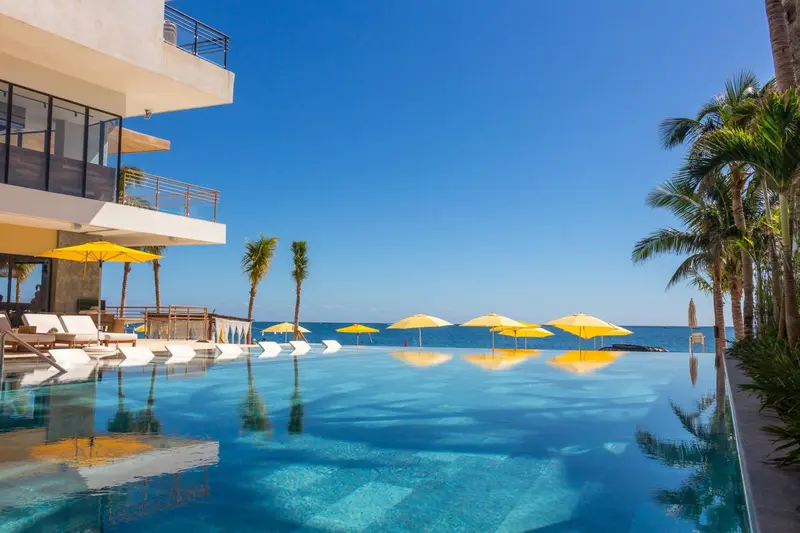
 Dive centre in the hotel
The Fives Oceanfront
★★★★★
Google 4.7/5 (3,534 reviews)
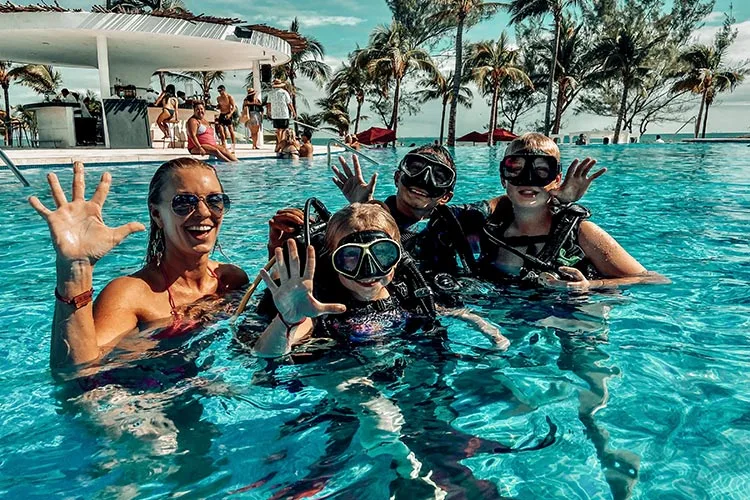
The dive centre
The Fives Dive Center
SSI
Google 5/5 (6 reviews)
Dives: Arrecifes de Playa del Carmen, Arrecifes de Cozumel, Arrecifes de Puerto Morelos
Mexico · Americas
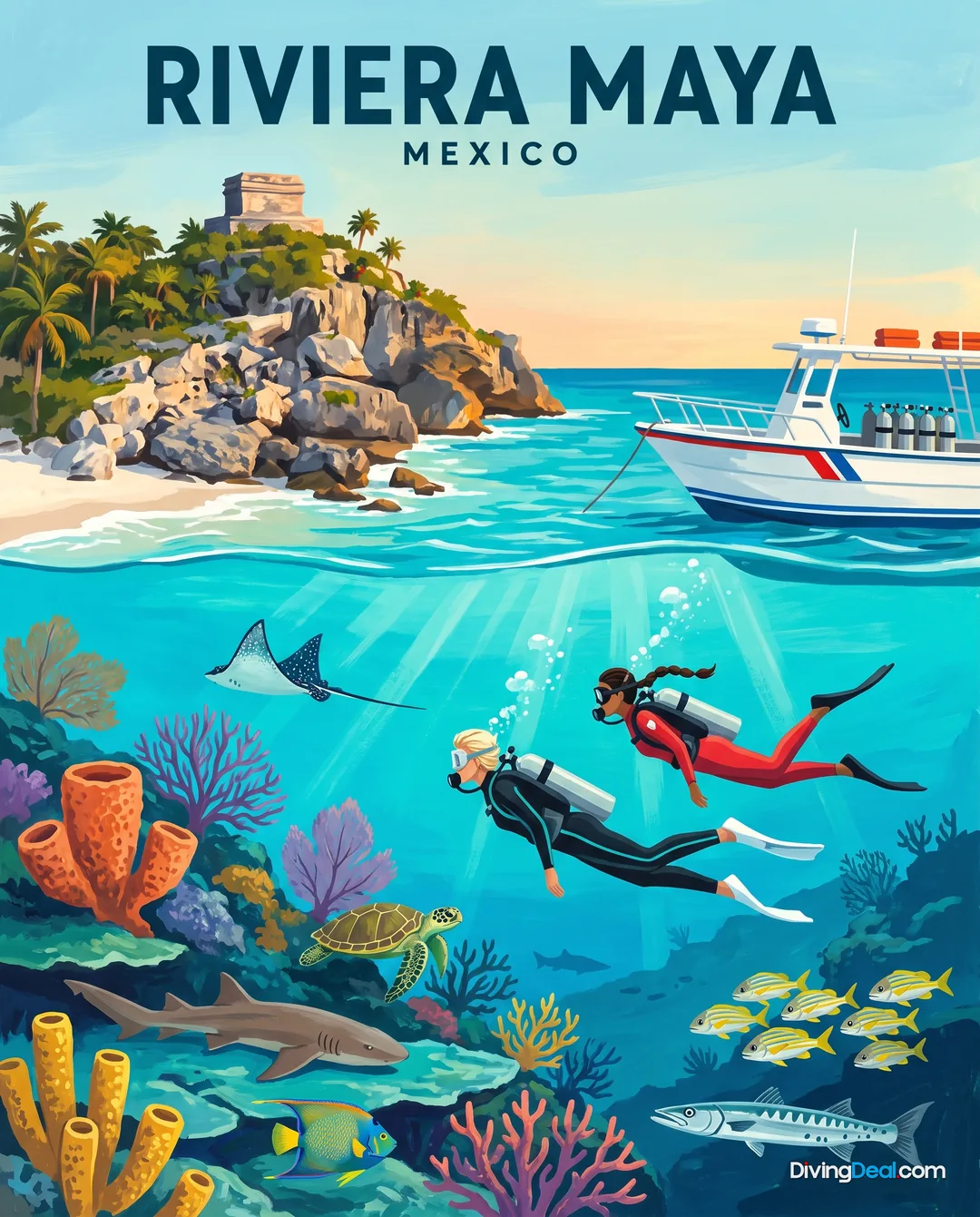
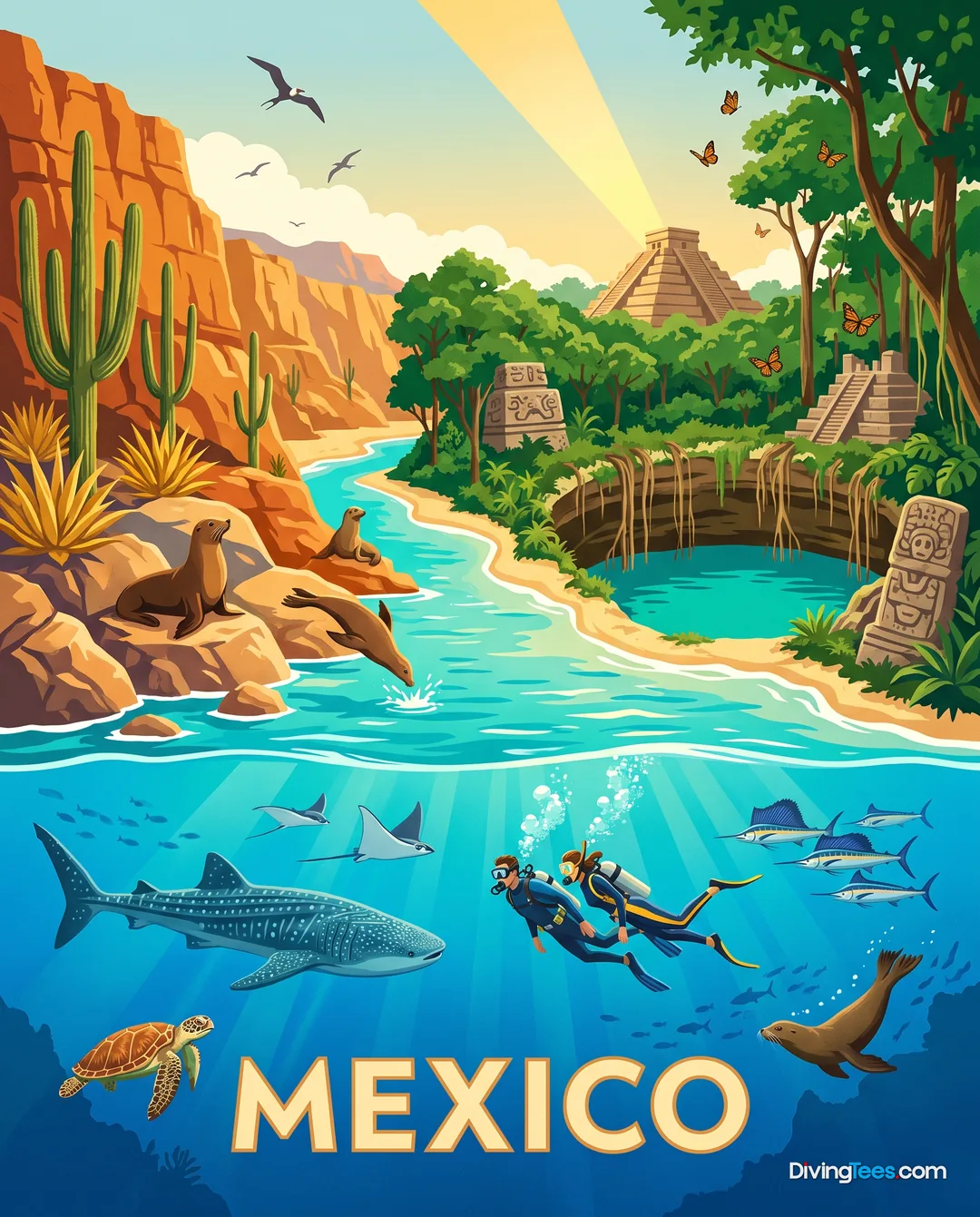
Shallow reef boat dives, the C-56 Juan Escutia at 26 metres, and cenote light cutting through a sulphur cloud define Puerto Morelos.
For subtitles in English: start the video firstthen click the gearat the top right of the video, select “Subtitles/CC”, then “Auto-translate” and choose “English”.
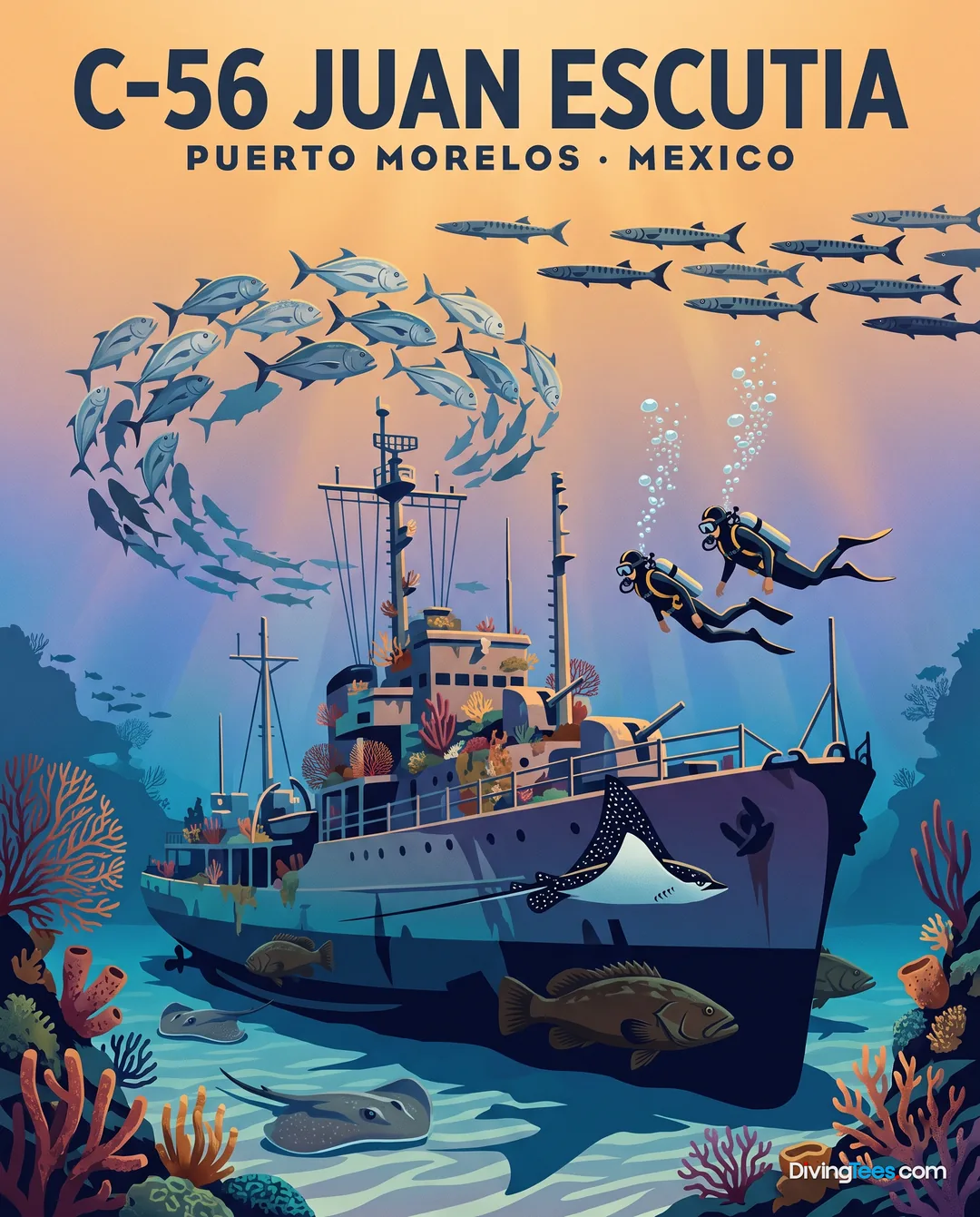
The C-56 Juan Escutia, a former Mexican Navy vessel resting at 26 metres, gives Puerto Morelos a solid wreck option alongside its shallow coastal reefs. Inland, Cenote Maravilla and Cenote Zapote replace open water with limestone, darkness and unusual geological shapes. Puerto Morelos works best as a land-based diving holiday between Cancún and Playa del Carmen: a few days of boat diving, a carefully planned cenote outing, and enough time for the weather to dictate the programme.
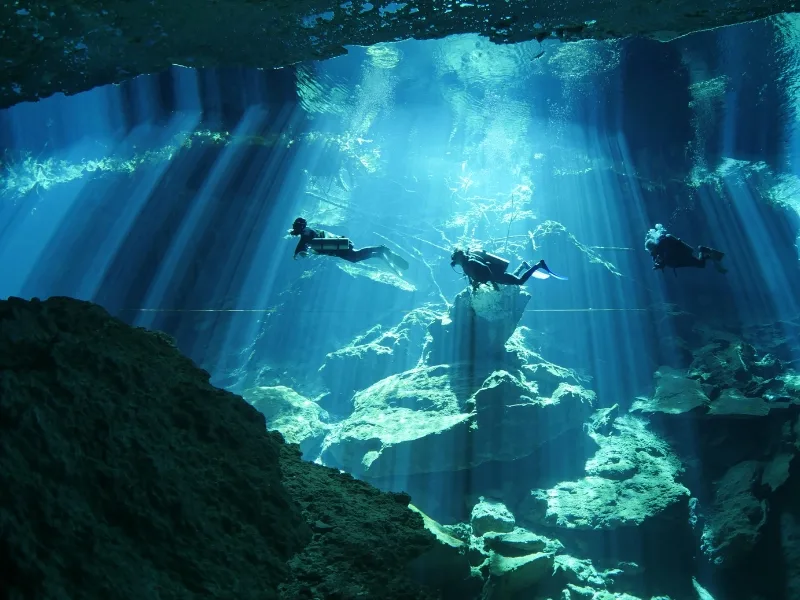
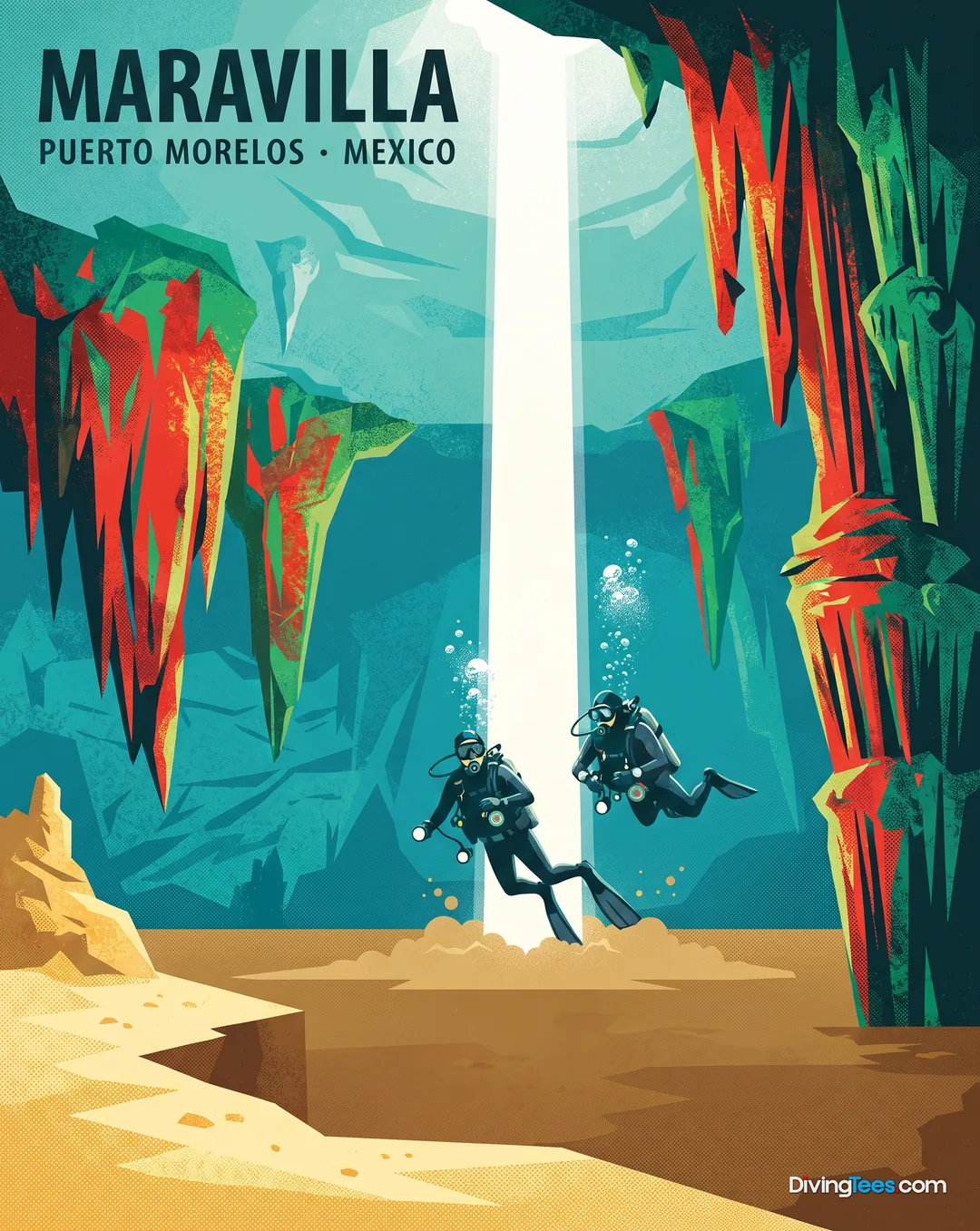
Most local diving is by boat over relatively shallow reef, with generally light to moderate current that can change with the site and weather. The emphasis is on relaxed reef exploration rather than long drift dives, although buoyancy and fin control matter because the seabed lies close beneath the diver and the area is protected. The C-56 Juan Escutia adds a deeper, more structured dive: the wreck sits at 26 metres and merits enough time to appreciate its scale, perhaps paired with a shallower reef dive. Cenote Maravilla descends to 30 metres through a spacious cavern where sunlight filters through a sulphur cloud and picks out limestone formations. Cenote Zapote offers deep chimney-like passages, bell-shaped formations and a distinct hydrogen sulphide cloud. Those cenote dives have no current, but their enclosed environment demands a different approach from the reef.
The C-56 Juan Escutia is the clearest wildlife-focused site in the supplied diving area. Schools of jacks and groupers gather around the wreck, while eagle rays are frequent visitors, giving the descent and the open-water sections a reason to look away from the metalwork. The nearby reefs provide the everyday character of Puerto Morelos, with shallow boat dives shaped more by reef position and conditions than by a single headline animal. Cenote Maravilla and Cenote Zapote are geological dives first: the visual reward is the interaction of sunlight, darkness, sulphur cloud and limestone rather than a marine-life encounter. The wreck’s jacks, groupers and eagle rays are not tied to a stated calendar window, so the sensible plan is to choose the site for its structure and accept wildlife as part of the dive rather than the sole purpose of the trip.
The measured calmest sea falls from July to October, making that the most straightforward period for boat plans and for enjoying shallow reef profiles without adding unnecessary surface stress. Rainfall is lowest from December to May, which may suit travellers who prefer a drier land-based holiday, although the sea is not identified as being at its calmest then. A four- to seven-day stay leaves room to move reef days around local weather and to place the more logistically demanding cenote excursion on a suitable day. There is no stated seasonal species calendar to build the trip around; the useful choice is therefore between calmer boating conditions and the drier part of the year.
This coast is exposed to sargassum strandings, whose intensity varies greatly from year to year. To find out more, see the “Sargassum alert” panel on this page.
Puerto Morelos suits beginners and intermediate divers on appropriate reef sites, provided they are comfortable with the day’s conditions and can hold stable buoyancy over shallow coral. The C-56 Juan Escutia requires Advanced Open Water or equivalent experience because of its 26-metre depth. Cenote Maravilla and Cenote Zapote are also advanced-level dives, not casual extensions of a reef day: depth, overhead surroundings and confined-space awareness change the demands. PADI, SSI and BSAC divers should match their qualification and recent experience to the planned site. Nitrox is useful for repetitive boat diving, but it does not replace the experience required for the deeper or enclosed dives.
From London Heathrow, London Gatwick or Manchester, the structural journey is through Mexico rather than on a permanently documented direct European link to Puerto Morelos. The final approach is overland: Puerto Morelos lies on the road between Cancún and Playa del Carmen, so the transfer needs to be arranged around the chosen Mexican arrival point and any connection time. Once in the area, divers staying in the village can usually walk to their centre. Those based in the neighbouring hotel corridor will generally need a taxi or a short local shuttle. This makes the destination relatively simple after arrival, but it is worth allowing breathing space between the international routing, the road transfer and the first boat departure rather than treating Puerto Morelos as an airport-side dive stop.
Treat the Parque Nacional Arrecife de Puerto Morelos as part of the dive, not as background scenery. Moorings must be used where available, anchoring on the reef is prohibited, and touching, collecting or allowing loose equipment to trail over coral is particularly poor practice in a managed no-take area. A tidy configuration and reliable buoyancy are practical requirements here, not cosmetic preferences. For a quieter boat experience, weekdays are more sensible than weekends or North American holiday periods, when visitors from Cancún and Playa del Carmen add pressure. Ask before booking whether a day combines reef and cenote diving: the change from open water to an enclosed cavern can make a long day more tiring than the itinerary suggests. Keep a small equipment-adjustment kit for personal needs, as local supplies may cover essentials but not every specialist accessory. Do not build the holiday around a liveaboard; Puerto Morelos is a shore-based stay destination.
Four to seven days suits the local rhythm. The village provides a manageable base for repeated boat mornings, while the surrounding Riviera Maya supplies cenote and inland excursions for non-diving days. Keep one day flexible rather than filling every morning with a fixed departure, since local weather can change the boat plan. The C-56 and the cenotes are best treated as separate decisions from the shallower reef programme. Non-divers have beaches, the waterfront, the village and short land excursions, making this workable for a mixed travelling party.
Hello, I'm Marina, DivingDeal.com's AI assistant. I guide you through destinations, areas and countries.
Thinking about the whole trip and the flights? Talk it over with Edith →
Marina is an AI. Some links are affiliate links: DivingDeal may earn a commission, at no extra cost to you. Bookings are made with the partner.
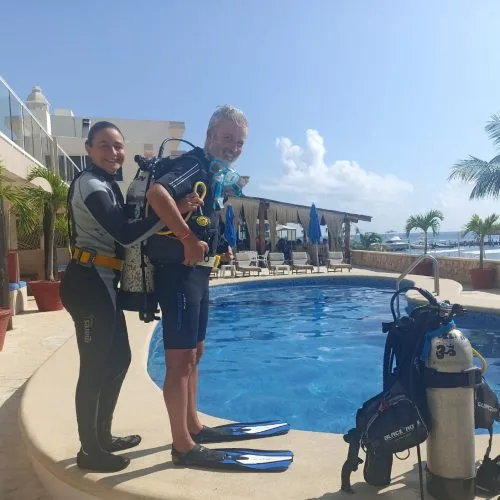
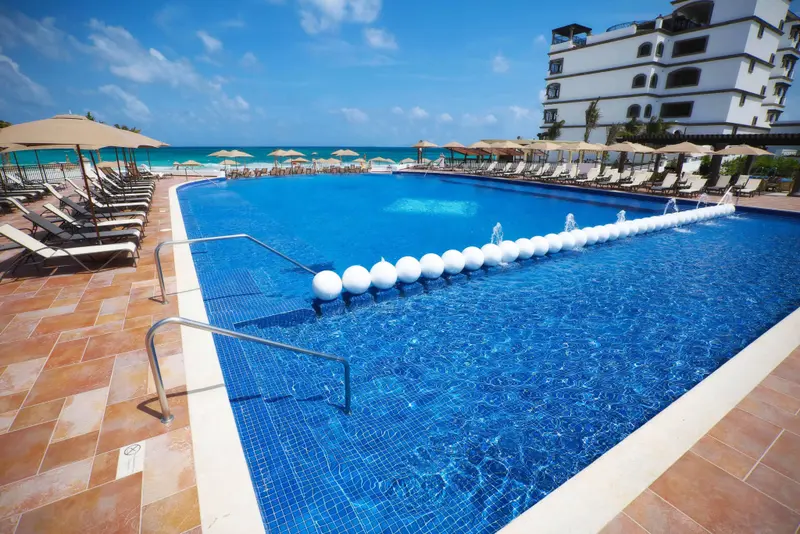
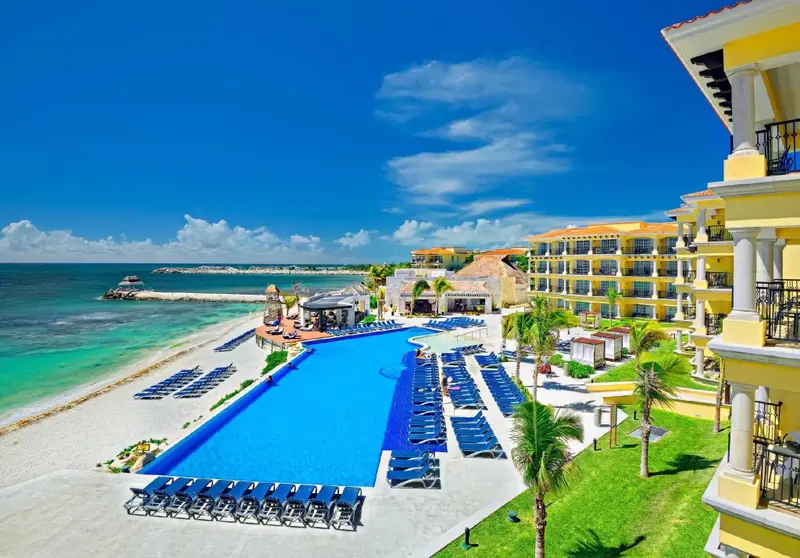
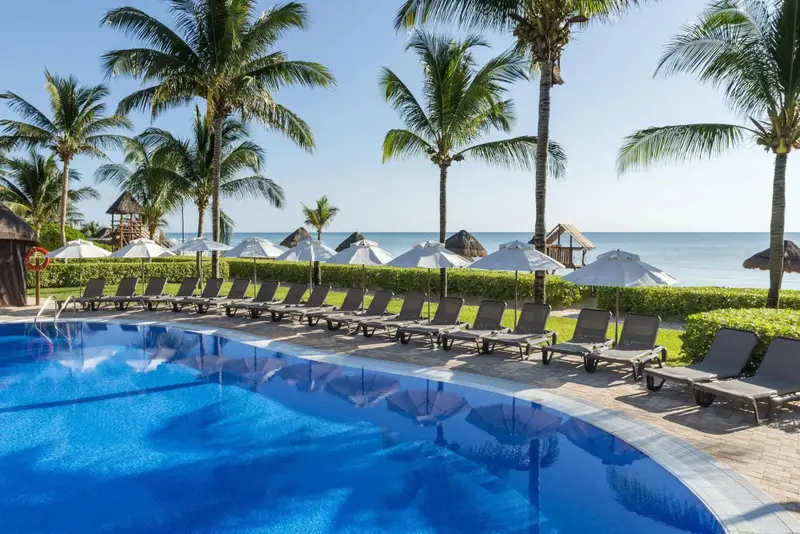
In each one, the dive centre is inside the hotel: step out of your room and go diving.
Dive centre in the hotel★★★★★
Google 4.7/5 (3,534 reviews)
The dive centre
The Fives Dive Center
SSI
Google 5/5 (6 reviews)
Dives: Arrecifes de Playa del Carmen, Arrecifes de Cozumel, Arrecifes de Puerto Morelos
Your last day stays dry: no diving in the 18-24 hours before a flight, the perfect window to see the destination from another angle.
 Culture
⏱ 3 h · ★ 5.0 (27 reviews)
from £57$76€67
see on Viator ↗

⏱ 1 h · ★ 5.0 (7 reviews)
from £46$61€55
see on Viator ↗

⏱ 6 h · ★ 5.0 (155 reviews)
from £162$217€193
see on Viator ↗
 Culture
⏱ 2 h · ★ 5.0 (252 reviews)
from £61$81€73
see on Viator ↗
Ratings and reviews collected by Viator and Tripadvisor.
July to October generally brings calmer seas, which can make boat plans and shallow reef dives easier. December to May has the lowest rainfall and may suit a drier land-based holiday, although the sea is not identified as being calmest then. Keep one day flexible because weather can change the programme.
Puerto Morelos suits beginners and intermediate divers on suitable reef sites, provided you can manage the conditions and maintain stable buoyancy over shallow coral. The C-56 Juan Escutia requires Advanced Open Water or equivalent experience at 26 metres. Cenote Maravilla and Cenote Zapote also require advanced experience, overhead-environment awareness and comfort in confined spaces.
Puerto Morelos offers shallow boat dives over protected reefs, the C-56 Juan Escutia wreck at 26 metres, and schools of jacks and groupers around its structure. Eagle rays may pass by. Cenote Maravilla features sunlight, sulphur and limestone, while Cenote Zapote has deep chimneys, bell formations and a hydrogen sulphide cloud.
Plan Puerto Morelos as a land-based stay between Cancún and Playa del Carmen, with repeated boat mornings, a separate cenote outing and time for weather changes. A four- to seven-day visit fits the local rhythm. Stay in the village for walkable access to dive centres, or arrange a taxi or shuttle from the hotel corridor.