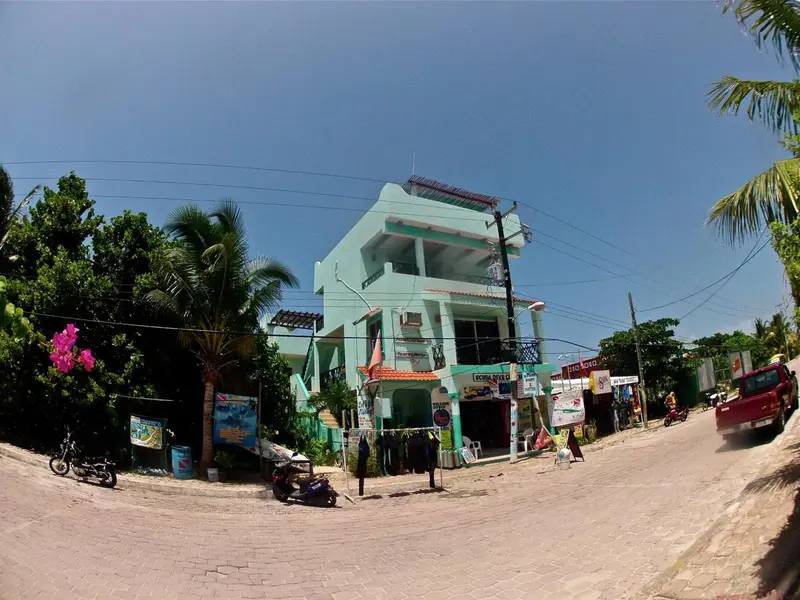
 Dive centre in the hotel
Sea Hawk Suites
Google 4.9/5 (775 reviews)
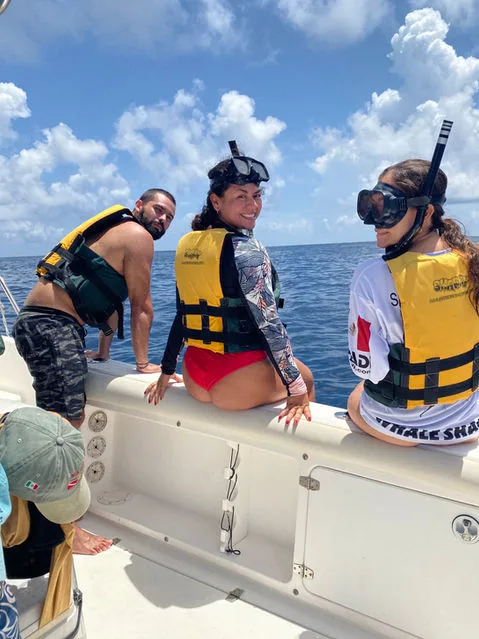
The dive centre
Sea Hawk Divers
PADI · SDI
Google 4.9/5 (804 reviews)
Dives: Manchones #1, Manchones #2, MUSA (Underwater Museum)
Mexico · Americas
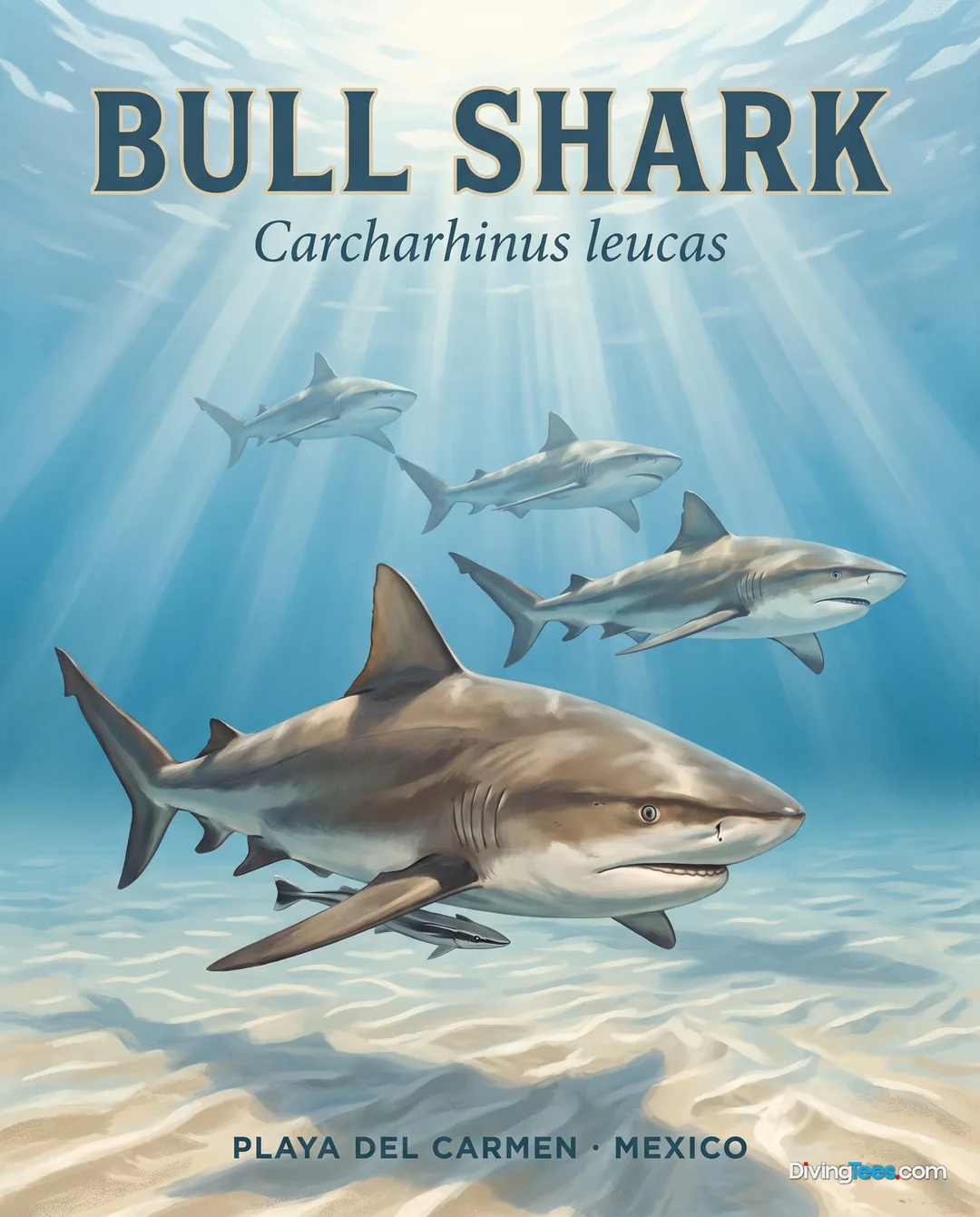
Drift past coral walls, follow shafts of light in Dos Ojos, and watch pregnant bull sharks gather off Playa del Carmen in winter.
For subtitles in English: start the video firstthen click the gearat the top right of the video, select “Subtitles/CC”, then “Auto-translate” and choose “English”.
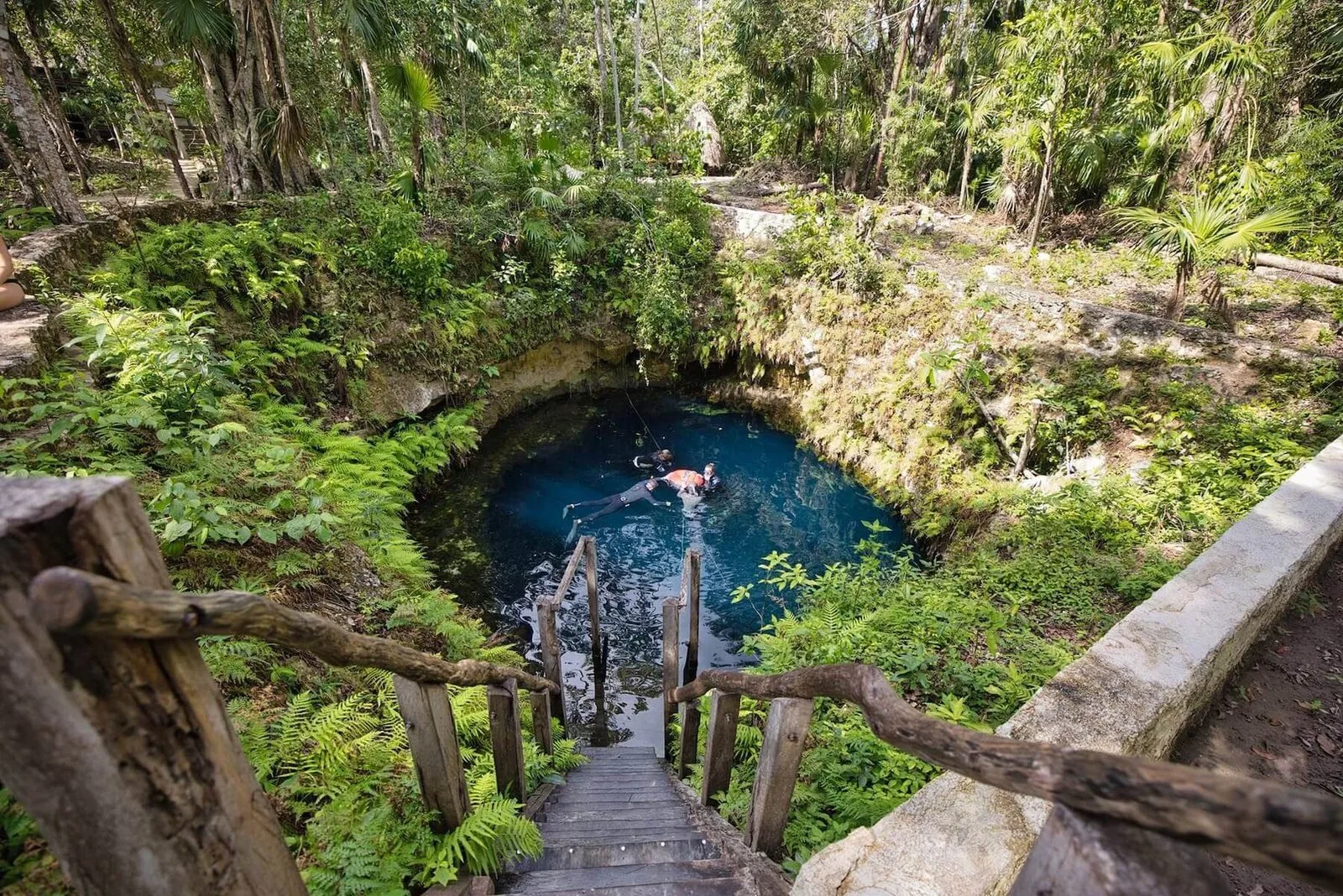
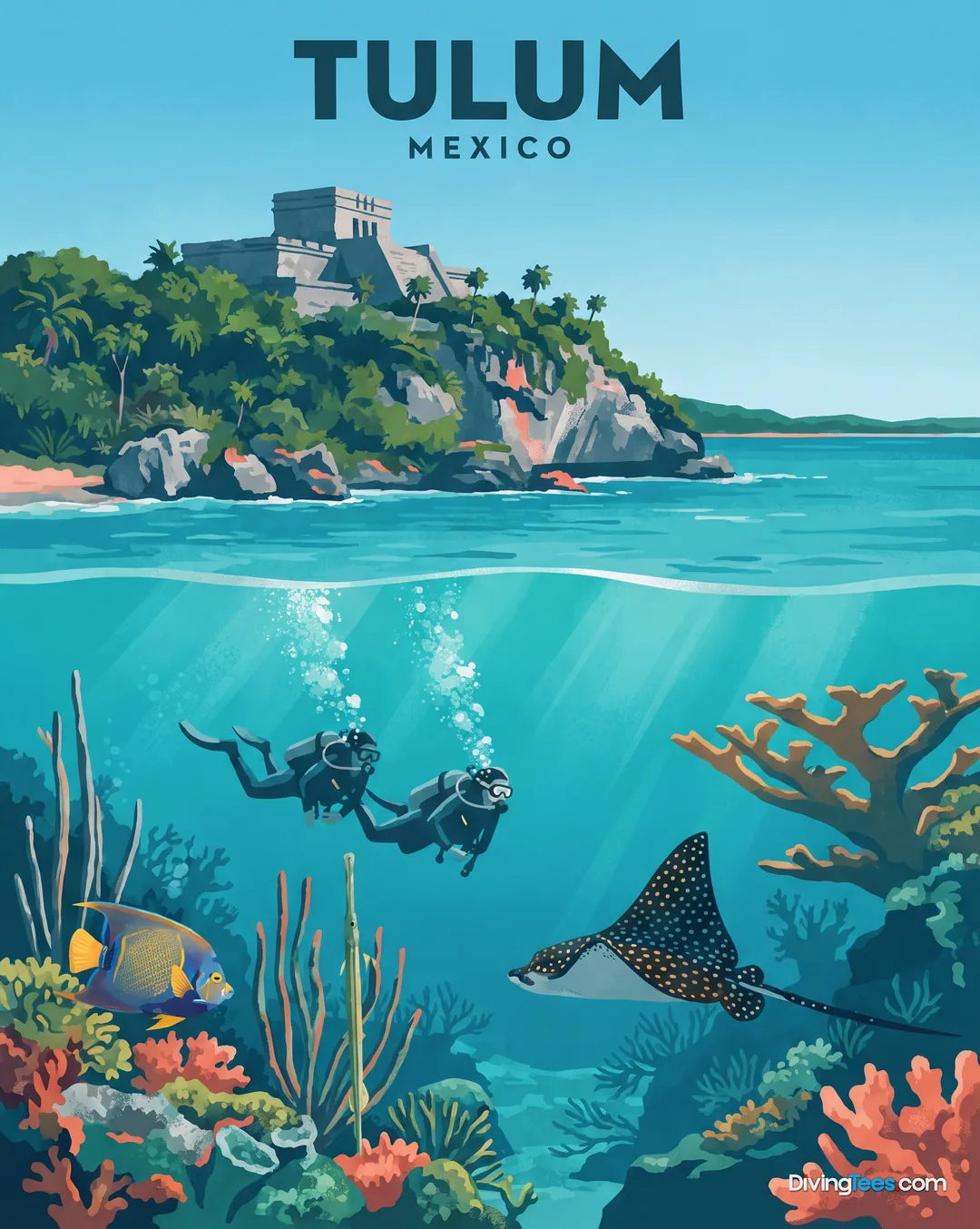
Riviera Maya gives a diver three quite different days underwater without changing base: flowing reef dives off Playa del Carmen and Puerto Morelos, cavern dives in freshwater cenotes, and boat trips to Cozumel. The contrast is the point. A morning on Shangri-La may mean an easy shallow drift over ledges and hard coral; another day can lead through Dos Ojos or Cenote Tajma Ha, where jungle light and limestone replace the open sea. Winter also brings organised bull-shark outings.
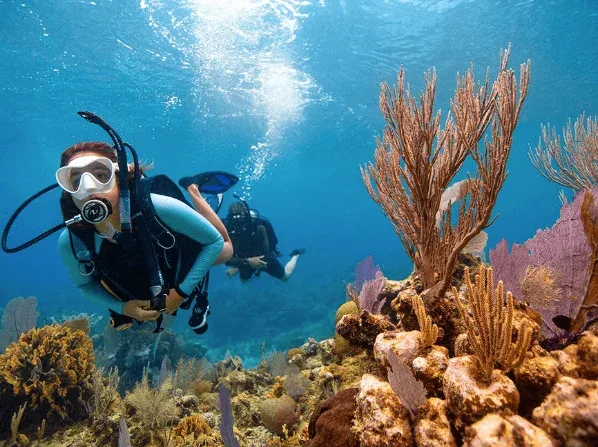
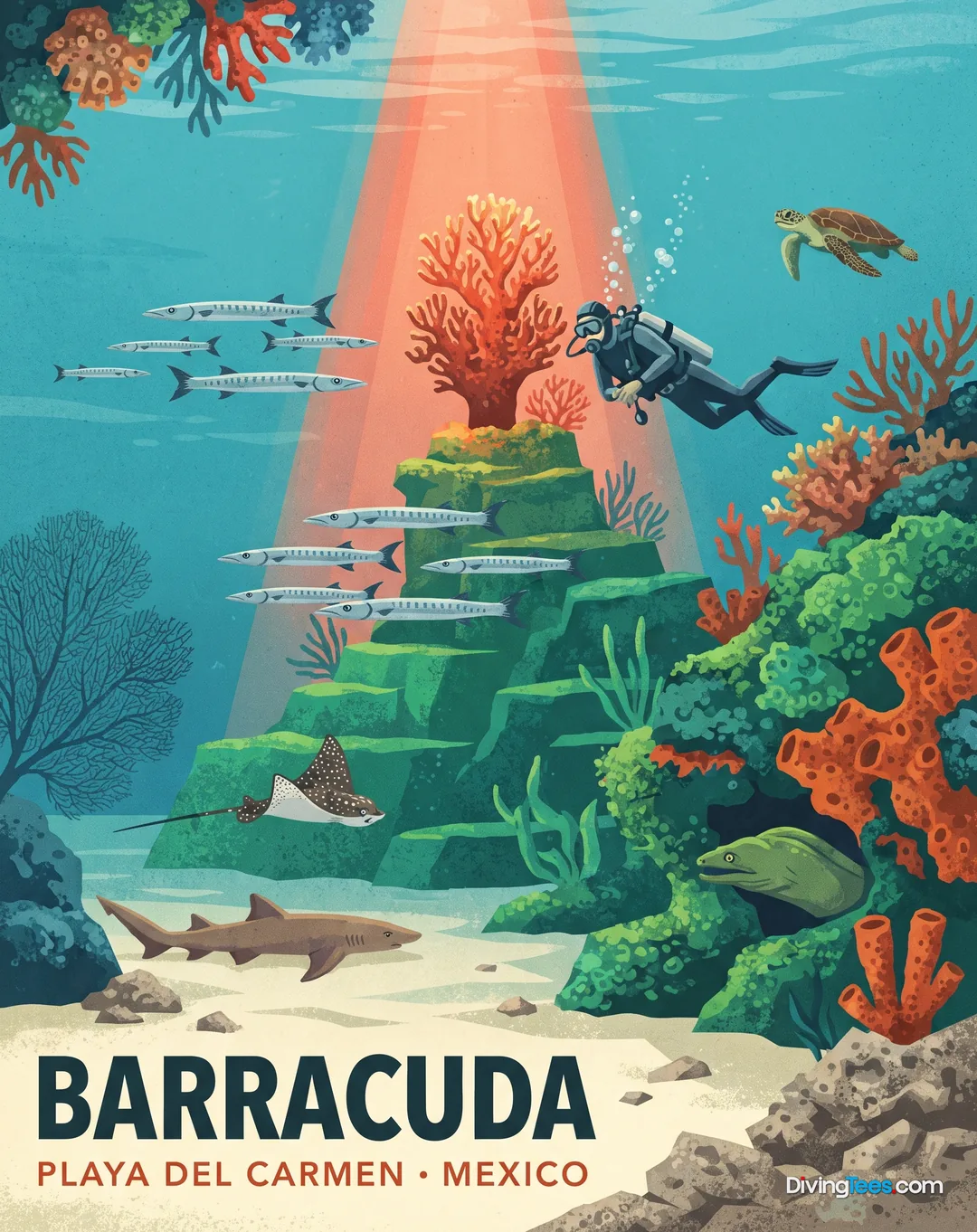
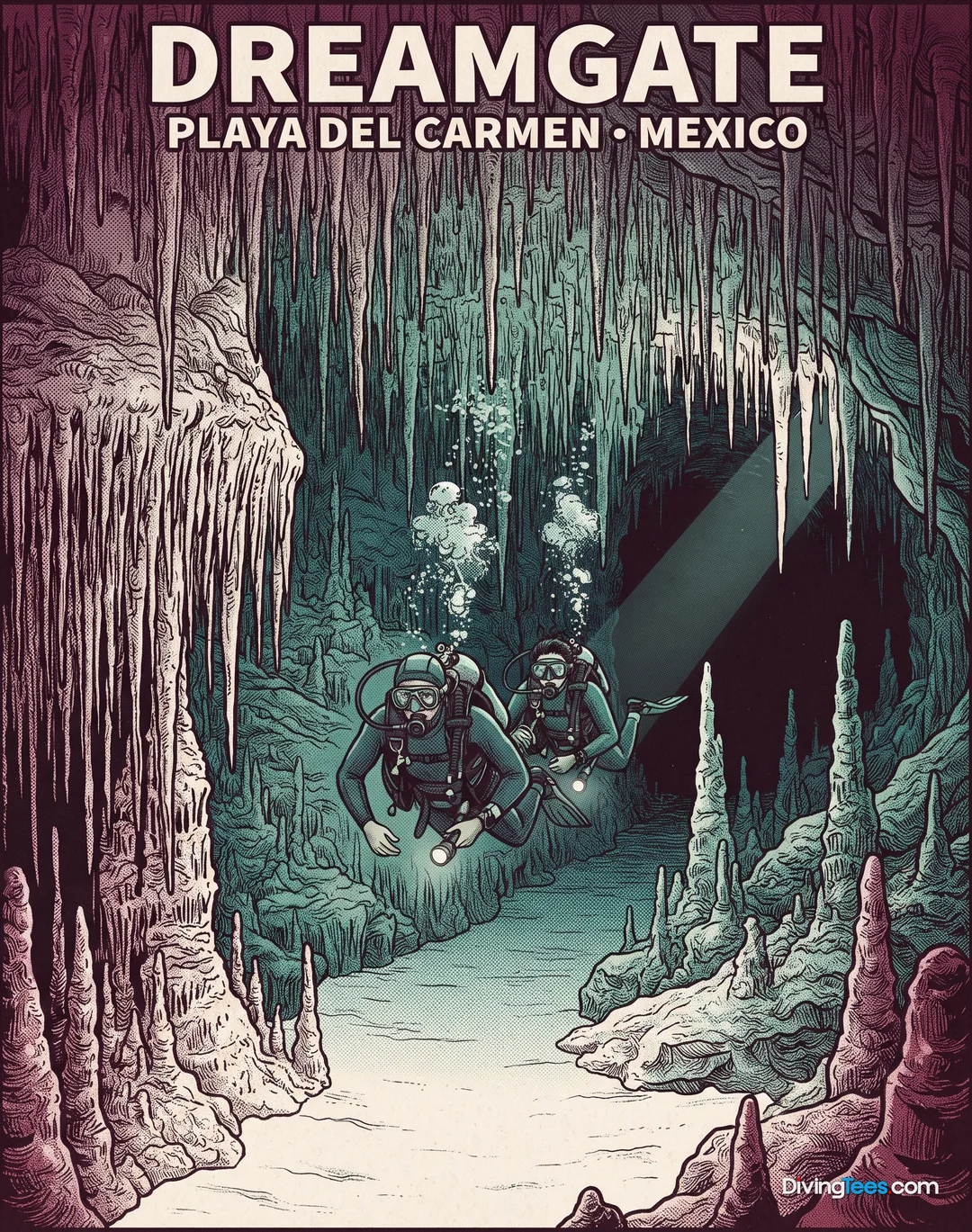
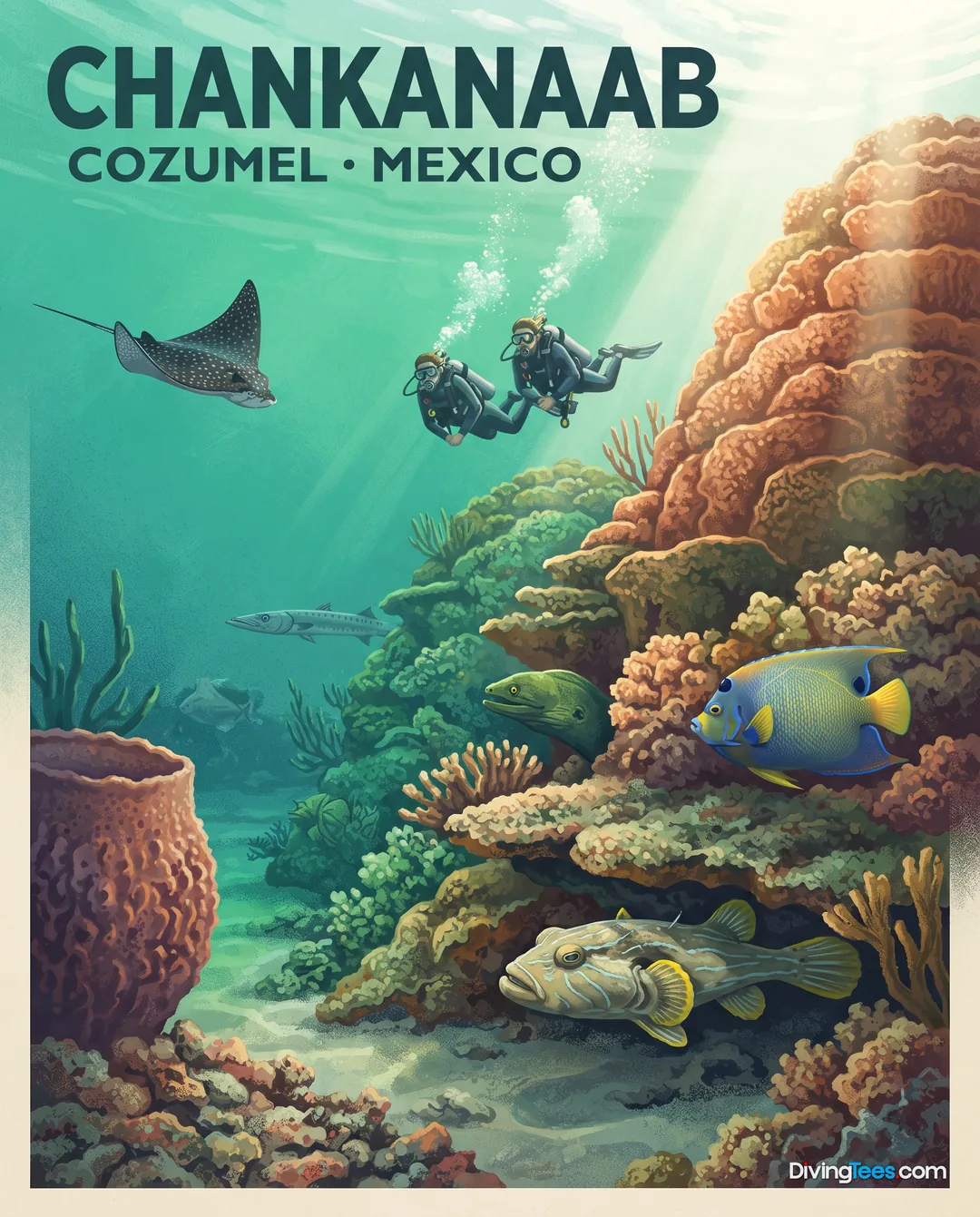
Sea diving is mainly drift diving over fringing reefs, coral walls and sandy patches. Barracuda runs from eight to twenty metres along a reef wall, with moderate to strong current; Sabalos and Chun Zumbul offer shallower routes, while Shangri-La stays between eight and eleven metres. In Cozumel, Santa Rosa Wall begins around fifteen metres and continues towards forty, with a more serious current and a vertical drop-off. Visibility offshore is commonly around twenty to thirty metres, though summer plankton blooms, nutrient-rich water, swell and nortes can reduce it. Cenotes are calm and exceptionally clear, but the overhead environment changes the task: divers must hold trim, avoid the formations and follow the cavern route precisely. Casa Cenote, Chikin Ha and Dos Ojos suit guided recreational cavern diving; Angelita and Dreamgate demand greater depth or overhead-environment experience.
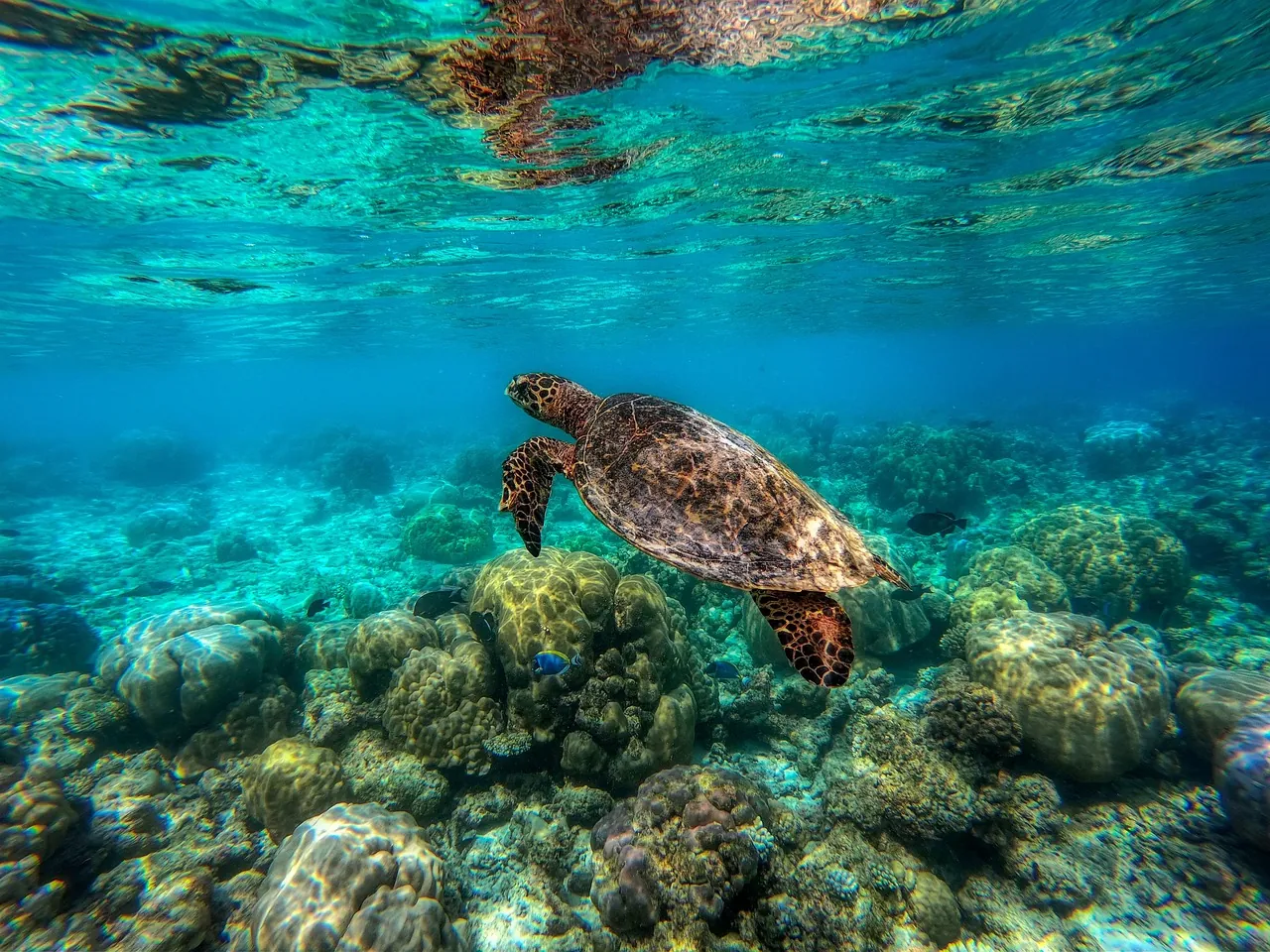
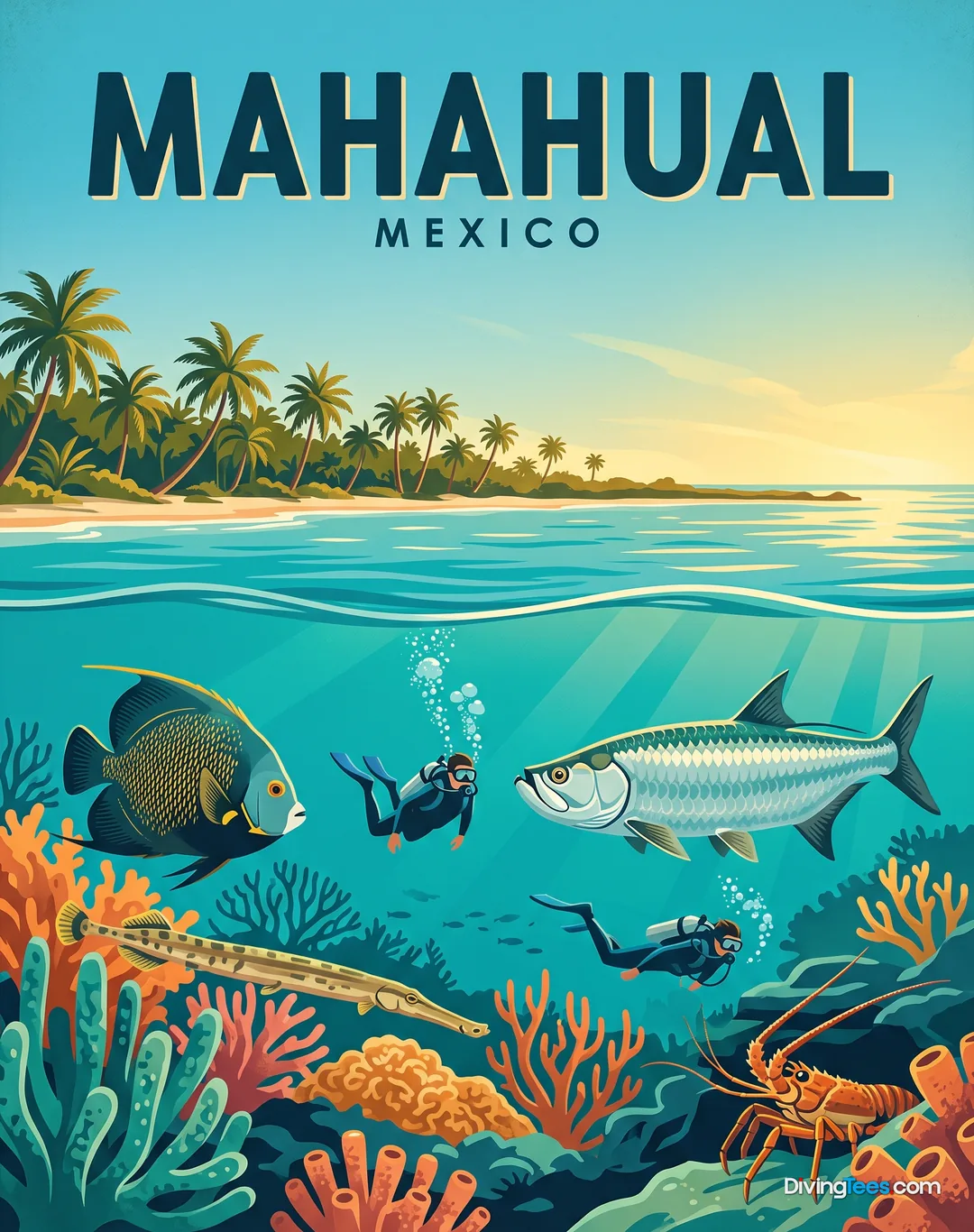
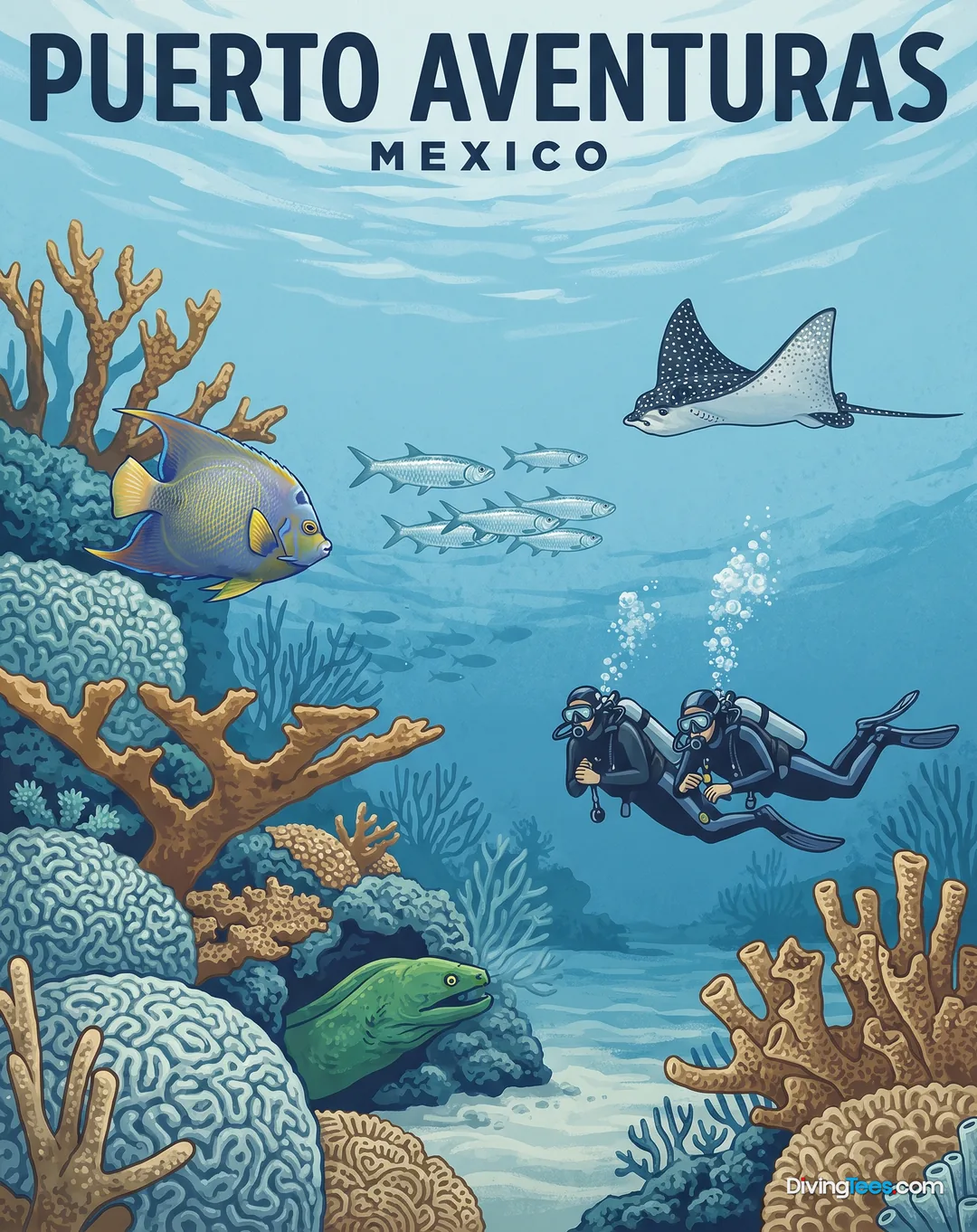
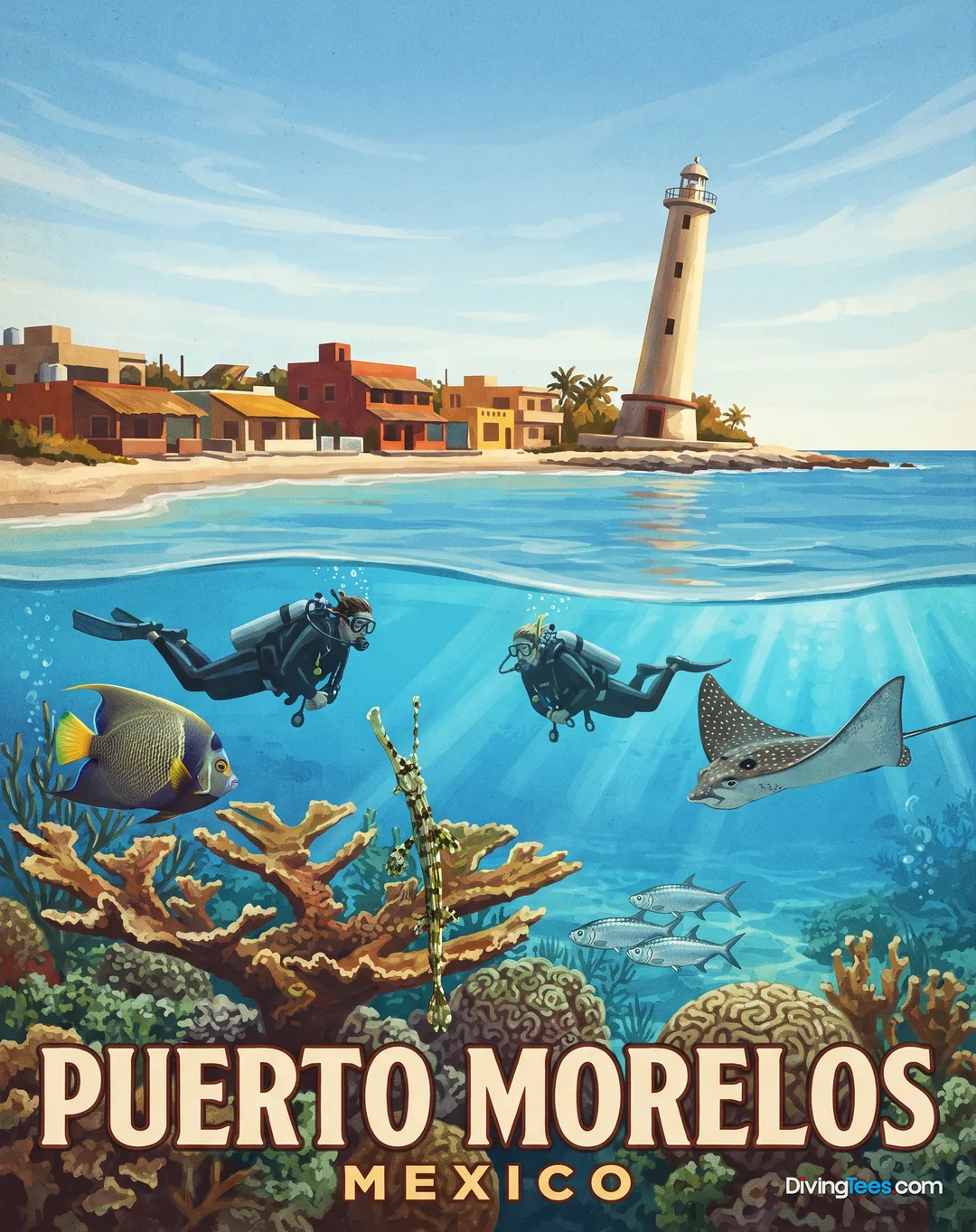
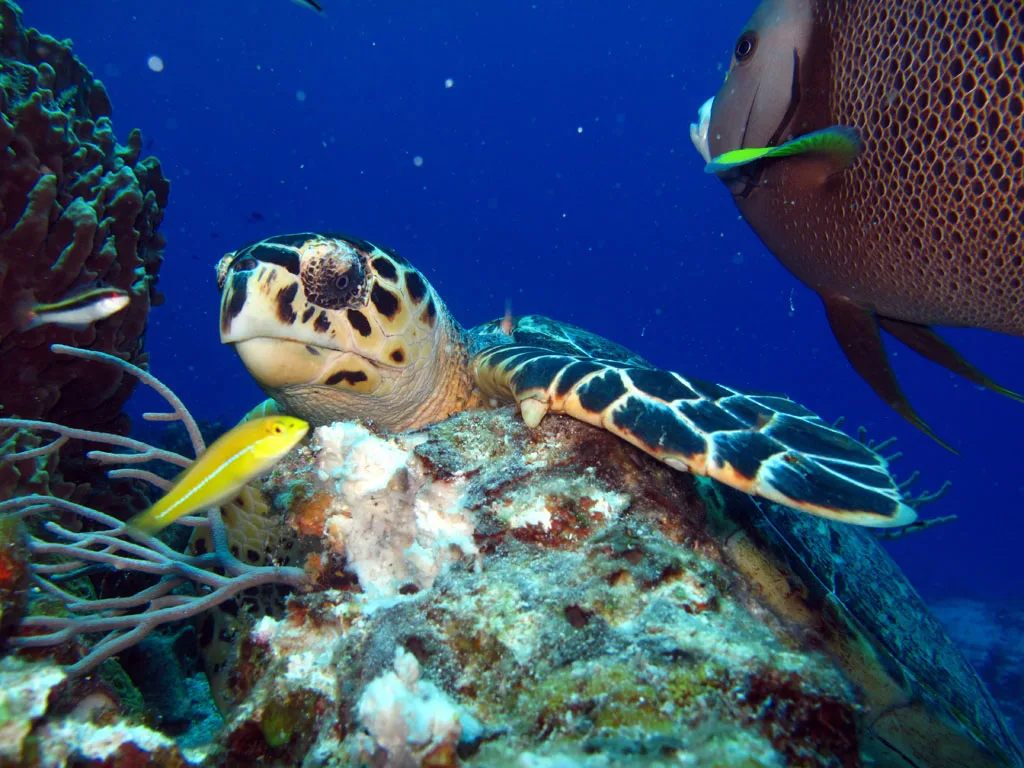
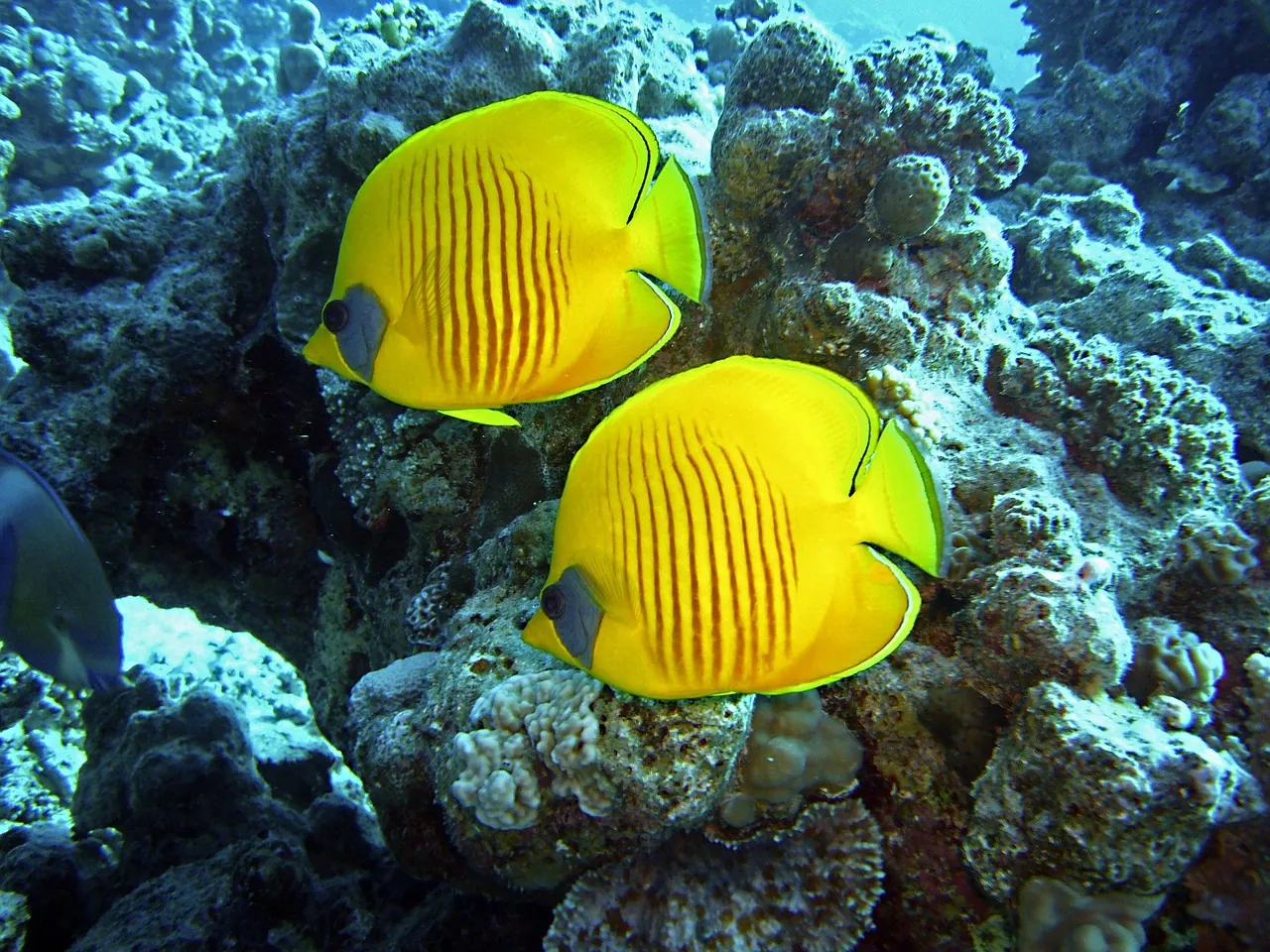
Turtles, including green turtles and hawksbill turtles, are possible throughout the year and are often more noticeable in the warmer season. Rays, groupers, snappers, angelfish, butterflyfish, damselfish, sweetlips and Caribbean reef companions occupy the coral outcrops, while green morays, octopus, crabs, spiny lobsters and seahorses reward slower observation. Tarpon are a particular reason to visit Sabalos, especially in summer, and great barracuda suit the open water around the reef walls. Eagle rays are an occasional winter-to-spring encounter, broadly from November to April. The seasonal headline is the pregnant female bull sharks off Playa del Carmen, generally from November to March and most predictably from December to February. Whale sharks may be encountered on summer offshore excursions to the north, but they are not a dependable reason to base the whole trip around one day.
November through April is the most useful all-round window. From December to February, offshore visibility is often at its clearest, commonly around twenty to thirty metres, and surface conditions are generally less hot. This is also when bull-shark trips and eagle-ray encounters fit most naturally into a reef itinerary. June to September can bring plankton blooms, nutrient-rich water, reduced visibility offshore and sargassum along the beaches. The cenotes are the sensible counterpoint: their visibility remains remarkably stable when the coast is unsettled. April, May and October to November can be quieter outside school holidays, while December to March brings heavier traffic at popular reefs, Dos Ojos and the bull-shark sites.
The sea reefs cover most certified divers, provided they are comfortable drifting rather than finning back to a fixed point. Open Water is enough for sheltered sites such as Shangri-La, Chikin Ha or Casa Cenote; stronger current and deeper Cozumel walls make Advanced Open Water and drift-diving experience worthwhile. Nitrox is useful for several reef dives or a Cozumel day. Cenotes require excellent buoyancy and a calm response in an overhead environment. Cavern or Intro to Cave training is sensible for more involved routes, while Angelita and Dreamgate call for deeper or more specialised experience.
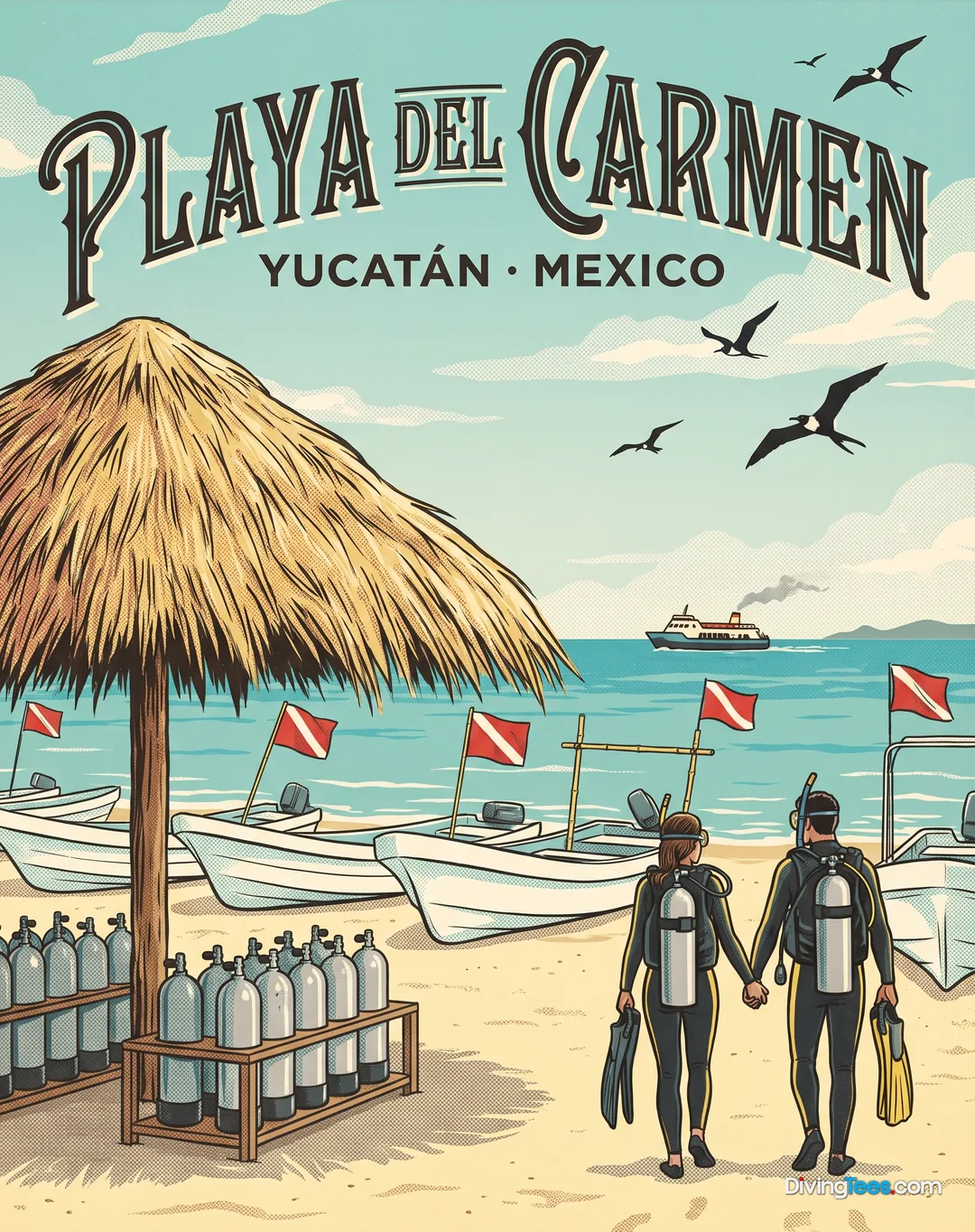
From London Heathrow, Gatwick or Manchester, the practical arrival point for Riviera Maya diving is Cancún International Airport, followed by a road transfer along the coast. Playa del Carmen, Puerto Morelos, Akumal and Tulum are linked by road, with buses and cars providing the main connections. Once based in Playa del Carmen, some dive centres and waterfront accommodation are walkable; elsewhere, a taxi, rental car or arranged shuttle is needed. A Cozumel day adds a fixed complication: the ferry crossing from Playa del Carmen must fit around the boat departure and the return journey. Cenote diving involves road transfers inland, usually by shuttle or car, so timings are best planned as part of the day rather than treated as a short local hop.
Treat the cenotes as a separate discipline, not simply as another easy freshwater dive. Start with a cavern route where daylight and the exit remain obvious; poor fin control quickly stirs silt through the passage and can spoil the dive for everyone. Dos Ojos and other popular cenotes are calmer early on weekdays, when light entering through the openings is less interrupted by groups. Keep the final cenote day away from the flight home: profiles can be long and concentrated, even though the sites are at low altitude. For bull sharks, leave several possible mornings free between mid-November and late February rather than building the trip around one fixed outing. Early departures usually mean fewer boats. On the reefs, let the current carry the group; trying to swim back to a photographer wastes gas and separates divers. In Cozumel, an early ferry and early boat reduce the risk of losing useful dive time to queues. Park rules are practical matters here: no touching, gloves or reef anchoring, and only reef-appropriate sun protection in the water.
A week to ten days allows the destination to be used properly rather than reduced to one type of diving. A typical stay alternates a local Playa del Carmen or Puerto Morelos drift with a cenote day, then sets aside a full day for Cozumel and its walls. Winter visitors can add a bull-shark morning and retain spare weather days. Non-divers have beaches, bathing cenotes, Mayan archaeological sites, snorkelling and evening walks in Playa del Carmen, so the itinerary need not revolve around boats.
Hello, I'm Marina, DivingDeal.com's AI assistant. I guide you through destinations, areas and countries.
Thinking about the whole trip and the flights? Talk it over with Edith →
Marina is an AI. Some links are affiliate links: DivingDeal may earn a commission, at no extra cost to you. Bookings are made with the partner.
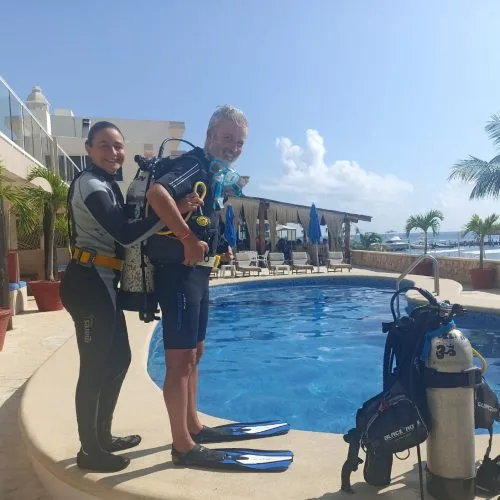
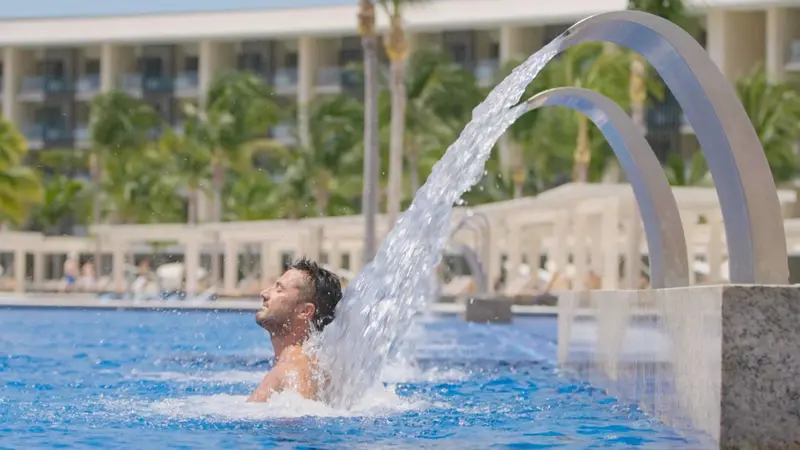
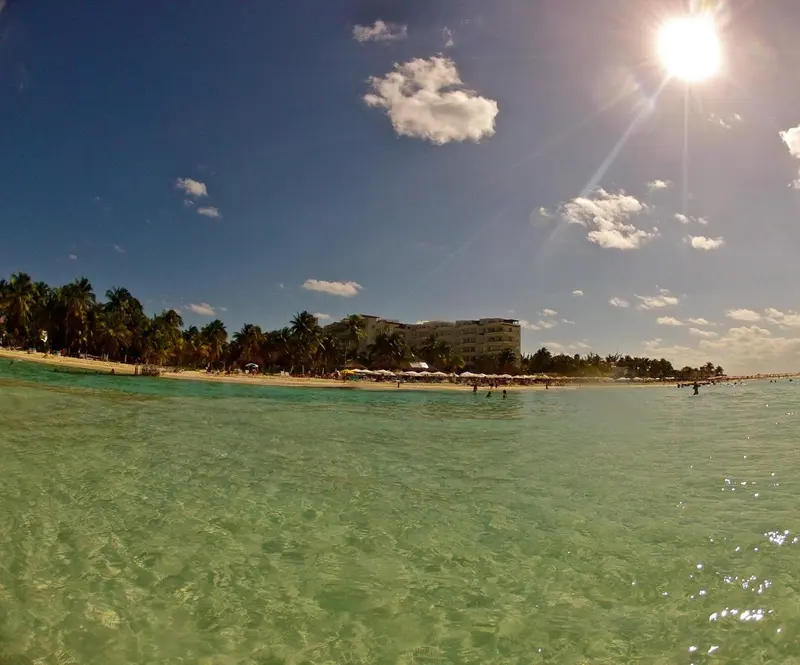
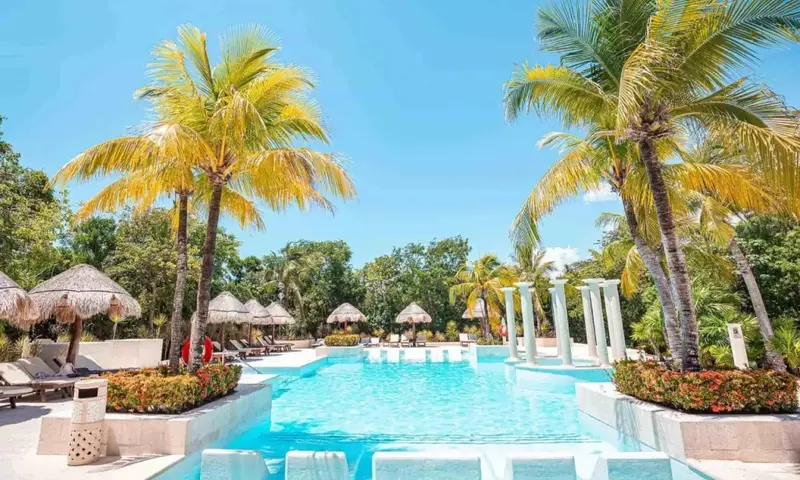
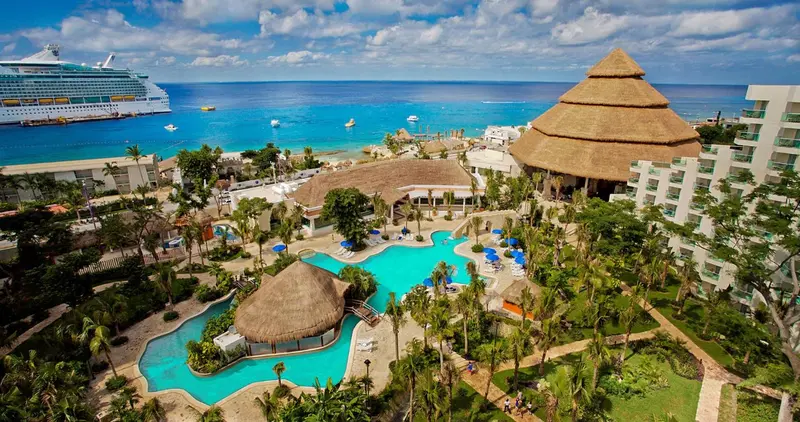
In each one, the dive centre is inside the hotel: step out of your room and go diving.
Dive centre in the hotelGoogle 4.9/5 (775 reviews)
The dive centre
Sea Hawk Divers
PADI · SDI
Google 4.9/5 (804 reviews)
Dives: Manchones #1, Manchones #2, MUSA (Underwater Museum)
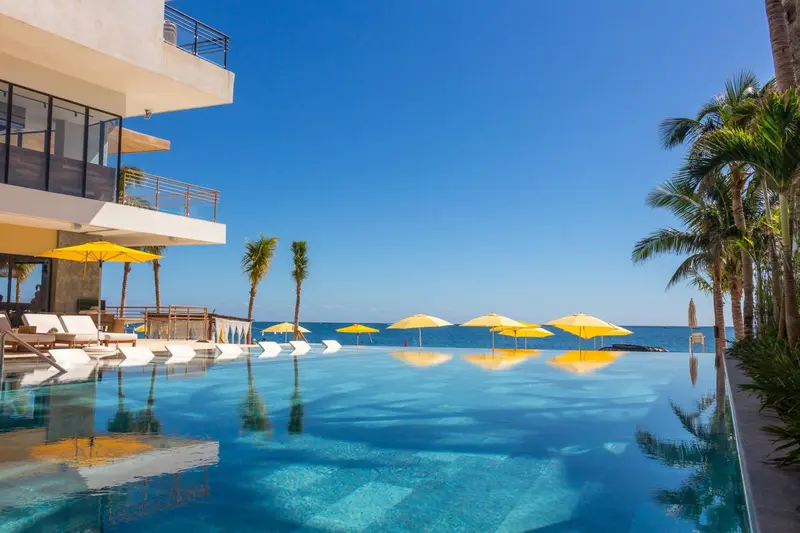 Dive centre in the hotel
★★★★★
Google 4.7/5 (3,534 reviews)
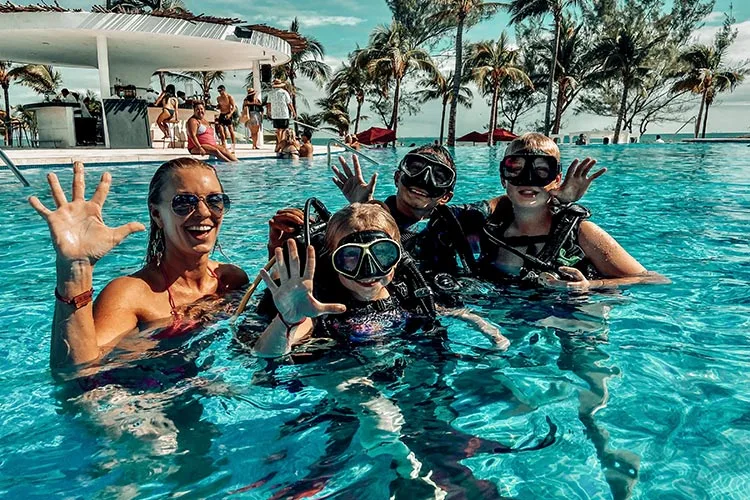
The dive centre
The Fives Dive Center
SSI
Google 5/5 (6 reviews)
Dives: Arrecifes de Playa del Carmen, Arrecifes de Cozumel, Arrecifes de Puerto Morelos
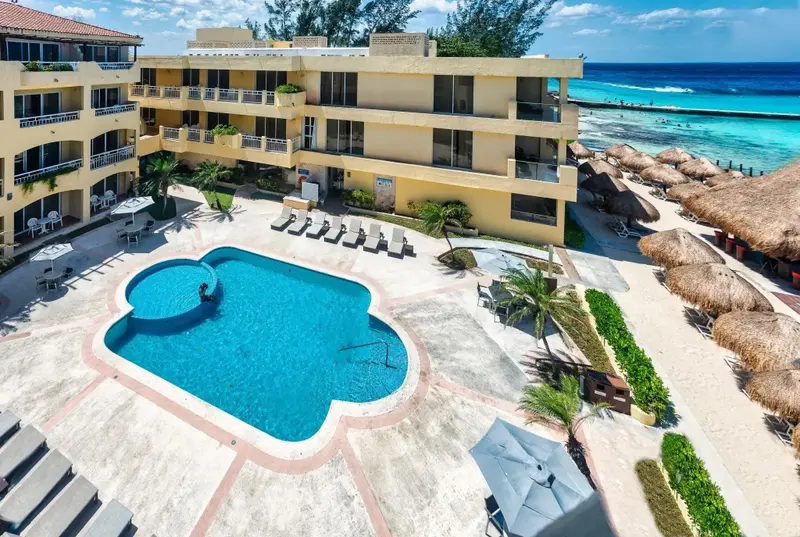 Dive centre in the hotel
★★★★
Google 4.4/5 (1,042 reviews)
The dive centre
Bluedream Cozumel
PADI · SSI · TDI
Google 4.8/5 (63 reviews)
Dives: Palancar, Eagle Ray Pass, Bull Shark Dive (Playa del Carmen)
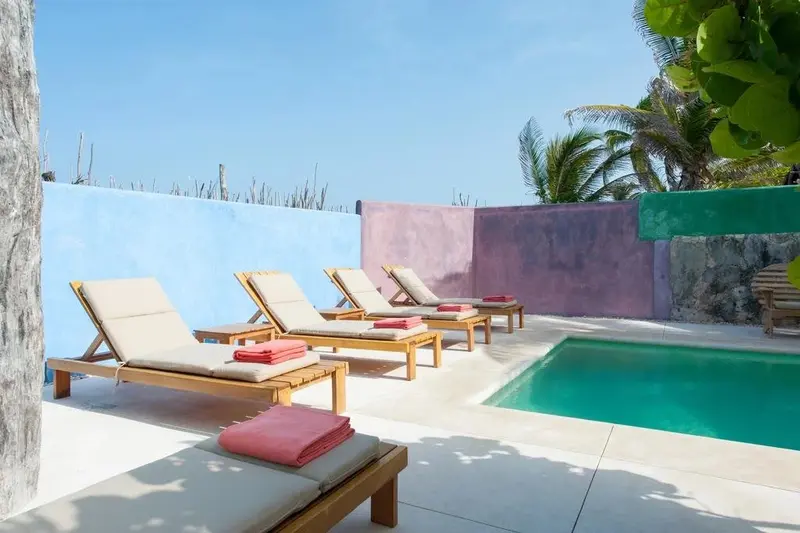 Dive centre in the hotel
★★★
Google 4.4/5 (904 reviews)
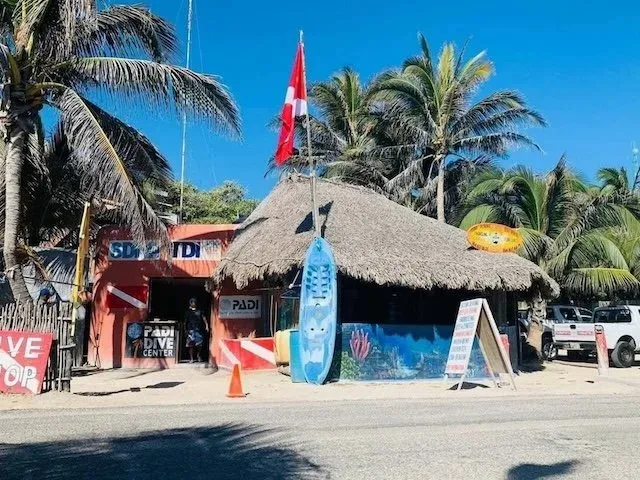
The dive centre
MexiDivers
PADI
Google 4.9/5 (269 reviews)
Dives: Dos Ojos Cenote, Casa Cenote, The Pit
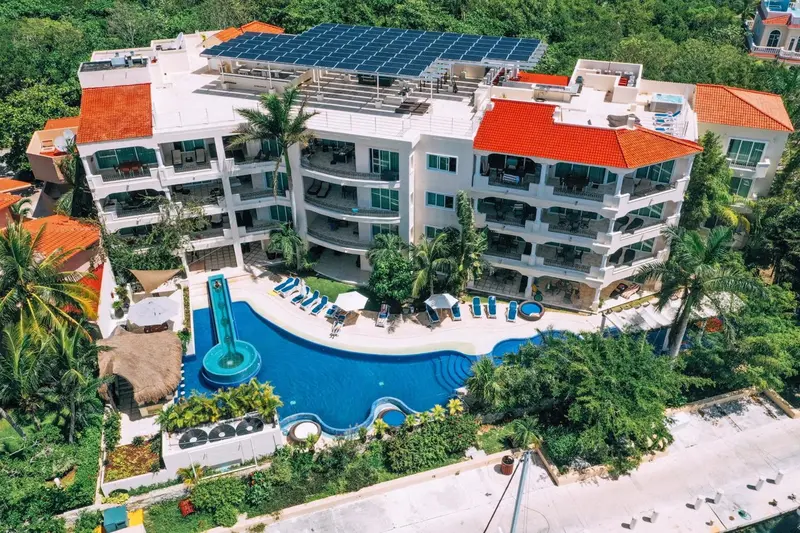 Dive centre in the hotel
Google 4.6/5 (153 reviews)
The dive centre
Aquanauts Dive Shop
PADI
Google 4.5/5 (49 reviews)
Dives: Récifs locaux, Cénotes
 Dive centre in the hotel
Google 4.2/5 (3,454 reviews)
The dive centre
MAR ADENTRO DIVING
PADI · SSI
Google 4.9/5 (506 reviews)
Dives: Xcalak, Banco Chinchorro, Mahahual (récif local)
 Dive centre in the hotel
★★★
Google 4.3/5 (200 reviews)
The dive centre
Akumal Dive Center
PADI
Google 4.6/5 (210 reviews)
Dives: Akumal Reef, Cenotes, Puerto Morelos Wrecks
Visit Riviera Maya from November through April for a useful all-round window. Winter often brings clearer offshore visibility, calmer surface conditions, bull-shark trips and eagle-ray encounters. Summer may bring plankton blooms, nutrient-rich water, reduced offshore visibility and sargassum, although cenotes retain remarkably stable visibility when coastal conditions deteriorate.
Open Water certification suits sheltered sites such as Shangri-La, Chikin Ha and Casa Cenote. You should be comfortable with drift diving, while stronger currents and deeper Cozumel walls make Advanced Open Water and drift-diving experience worthwhile. Cenotes require excellent buoyancy and calm overhead-environment skills, with cavern training sensible for involved routes.
Riviera Maya offers coral reefs with turtles, rays, groupers, snappers, angelfish, butterflyfish, morays, octopus, lobsters and seahorses. You may find tarpon at Sabalos, eagle rays from autumn into spring, and pregnant female bull sharks off Playa del Carmen during winter. Cenotes add jungle light, limestone formations, haloclines and submerged scenery.
Plan a week or more to combine local drift dives, a guided cenote day and a Cozumel trip. Base yourself near your preferred coastline, allowing road transfers inland for cenotes and ferry timing for Cozumel. Winter visitors should keep spare mornings for bull-shark outings and weather, while non-divers can enjoy beaches, cenotes and archaeological sites.