
DeepDiveMexico
Google 5/5 (1,626 reviews)
Mexico · Americas
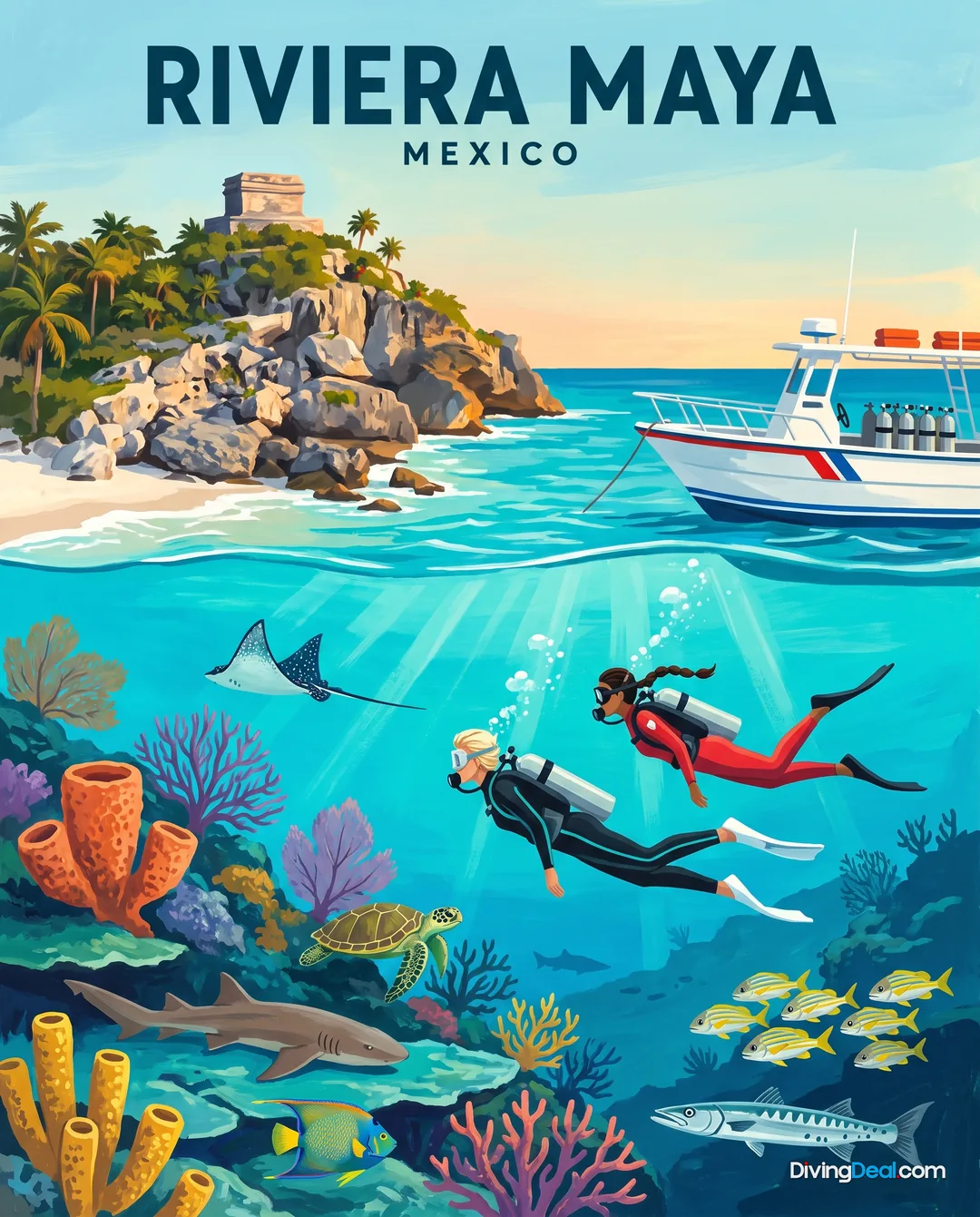
Shallow drift reefs, limestone caverns, haloclines, turtles and seasonal bull sharks make Playa del Carmen a practical base for several very different dives.
For subtitles in English: start the video firstthen click the gearat the top right of the video, select “Subtitles/CC”, then “Auto-translate” and choose “English”.
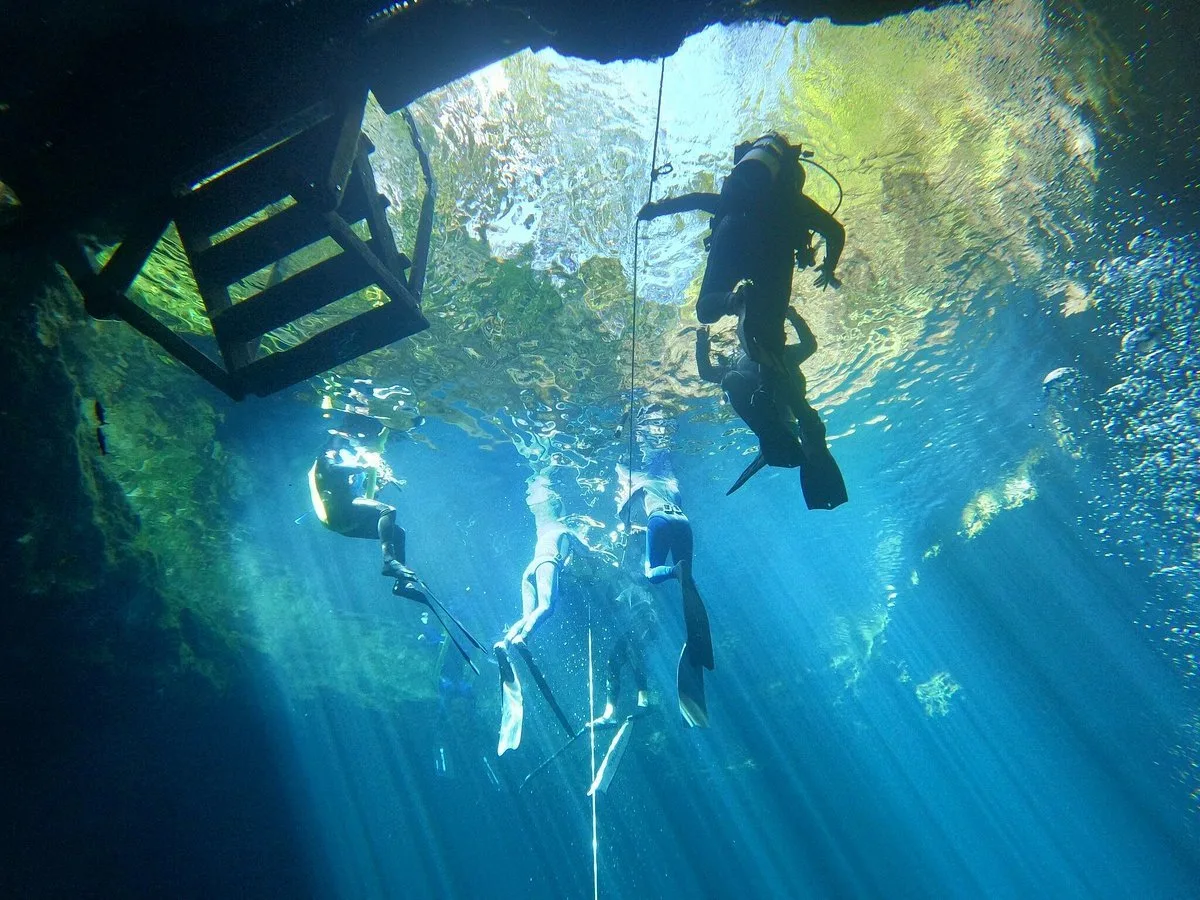
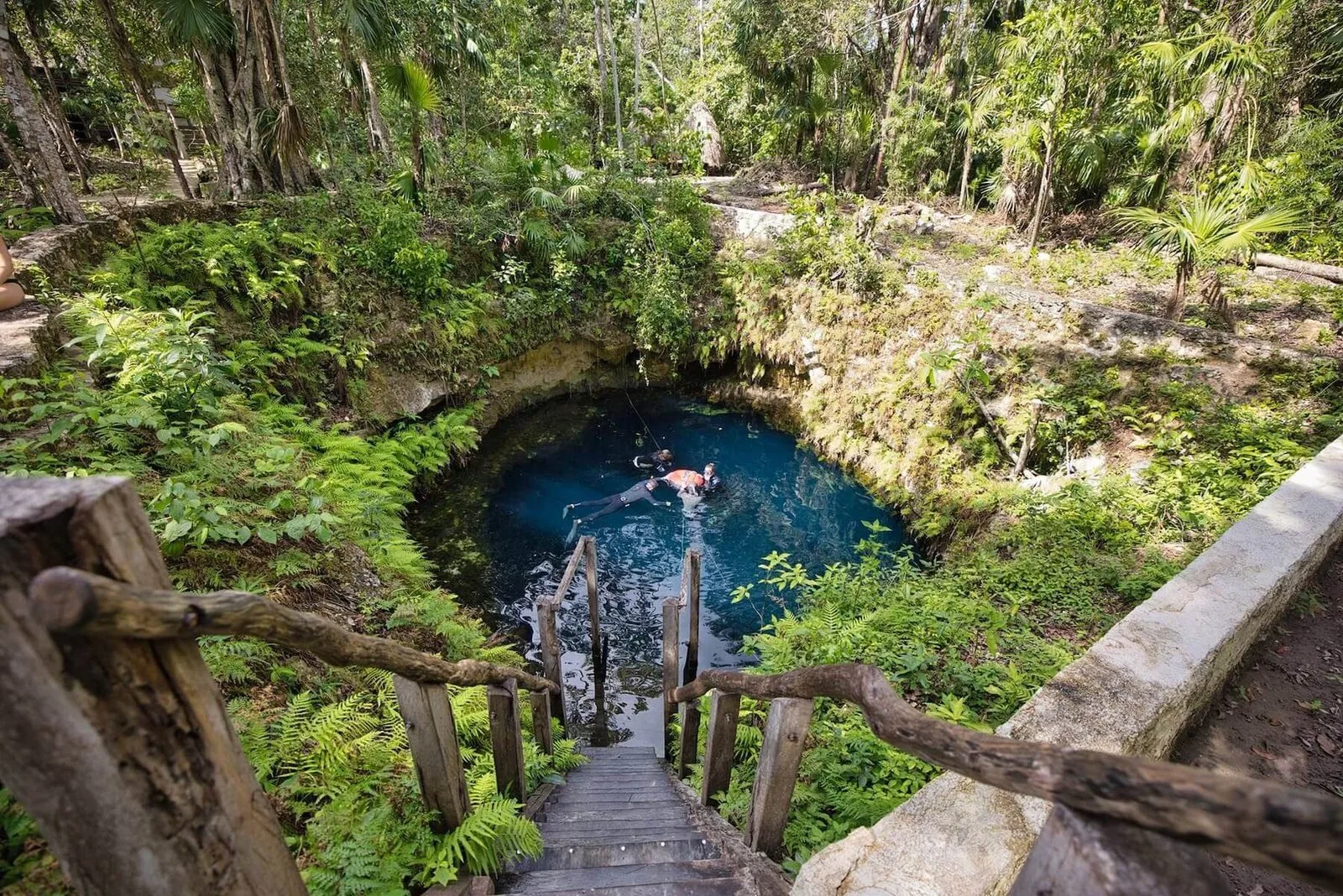
Tortugas drops from a shallow coral garden towards thirty metres, while inland cenotes replace open water with limestone, haloclines and filtered jungle light. That contrast is the reason to base a holiday in Playa del Carmen. It is a day-boat and day-trip destination rather than a liveaboard port: one day may involve a gentle reef drift, the next a cavern route at Tajma Ha or Chikin Ha, with seasonal bull shark dives adding a very different option.
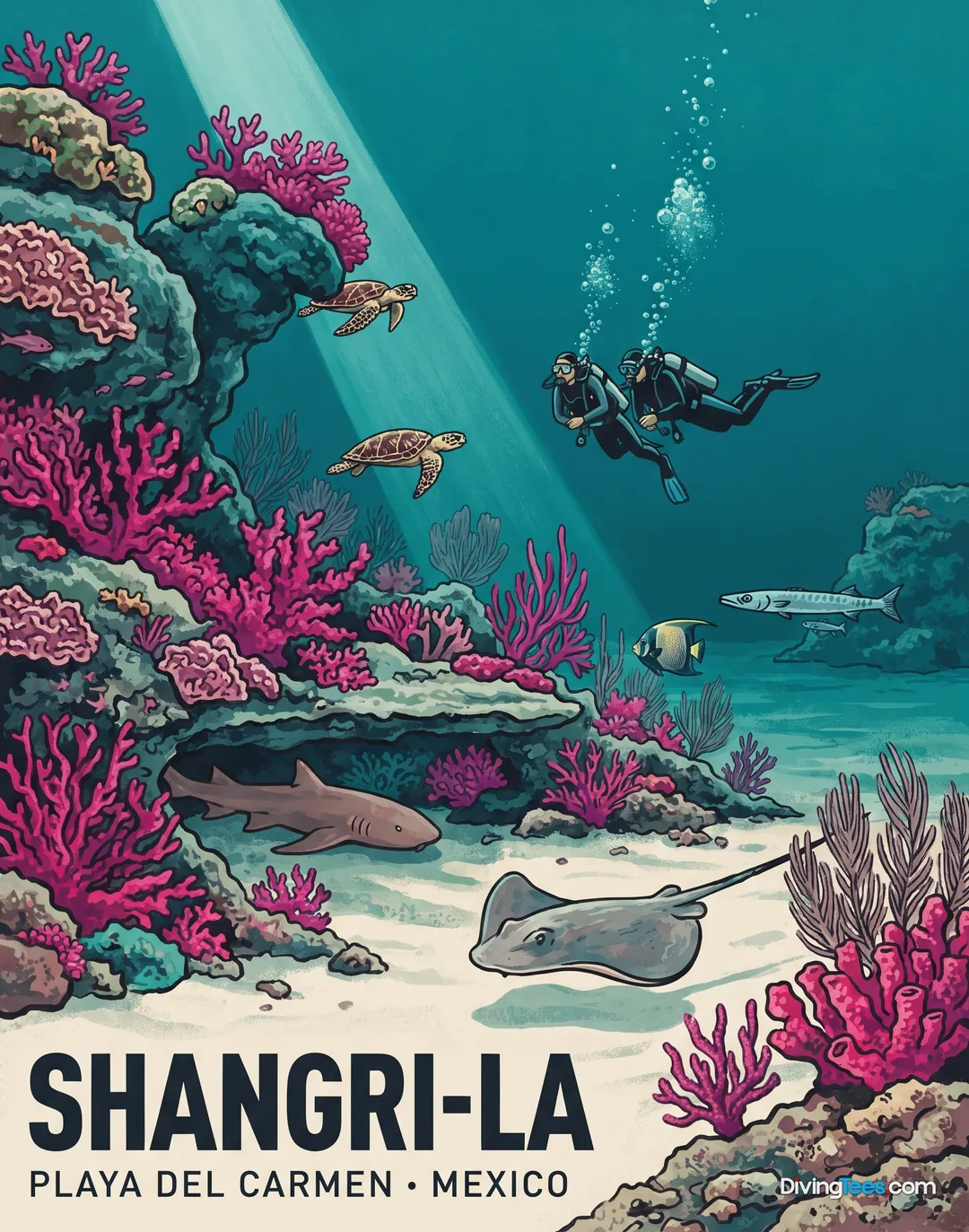
The local sea diving is mainly shallow fringing reef, usually conducted as a drift. Shangri-La stays between eight and eleven metres, while Chun Zumbul, Cueva del Pargo and Cerebros offer coral blocks, sandy channels, overhangs and calm observation at modest depths. Other sites demand more attention: Barracuda can run from moderate to strong current, Tortugas normally carries a steady flow, and Pared Verde and Moc-Che Deep reach roughly thirty metres along wall profiles. Visibility on the reefs is commonly around twenty to thirty metres, with Moc-Che Deep sometimes reaching forty; conditions are less predictable on stronger-current days. Cenotes are a separate discipline: no current, restricted overhead spaces, fragile formations and a need for precise buoyancy. Boat dives leave from the coast, while cenote days involve a road transfer inland.
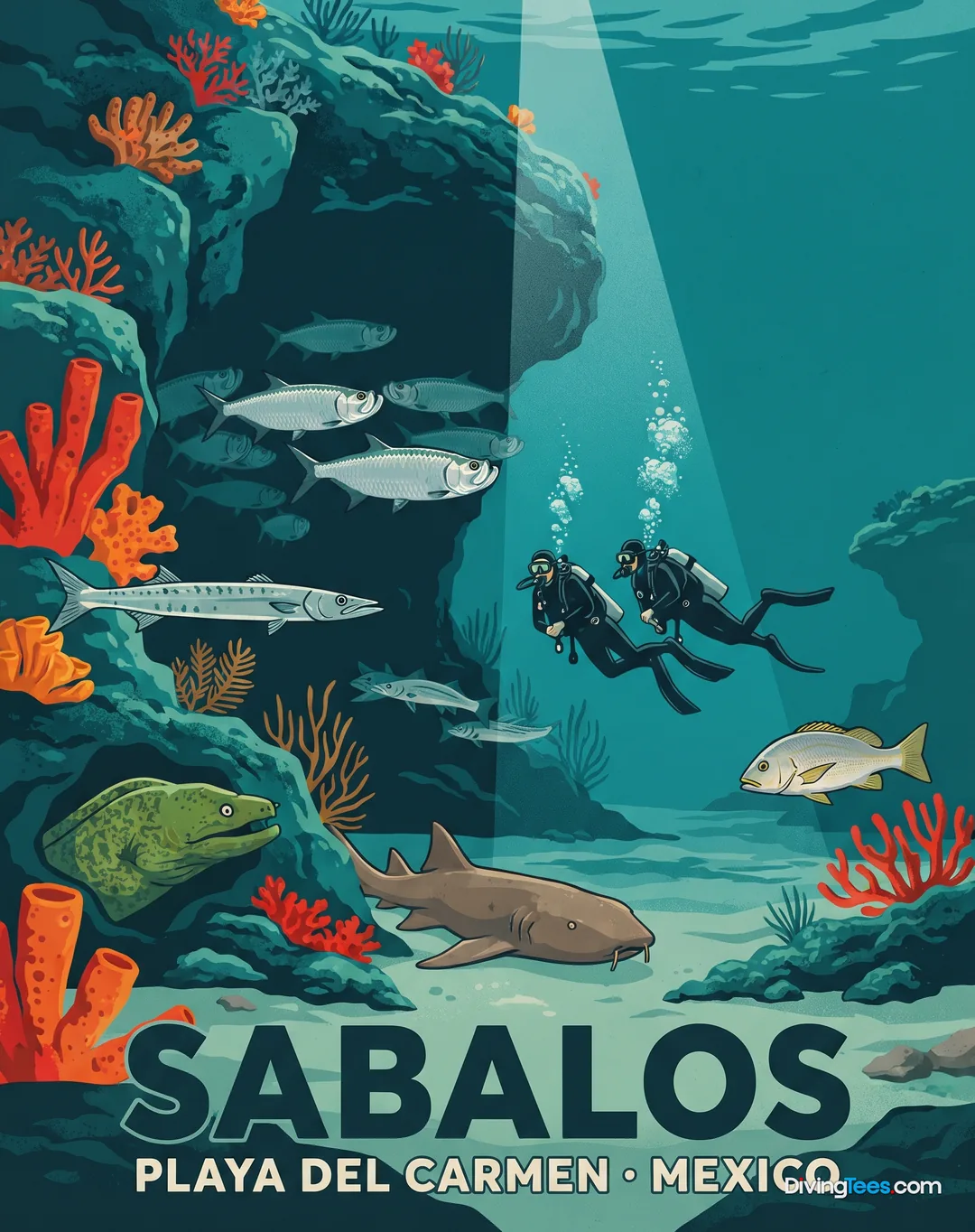
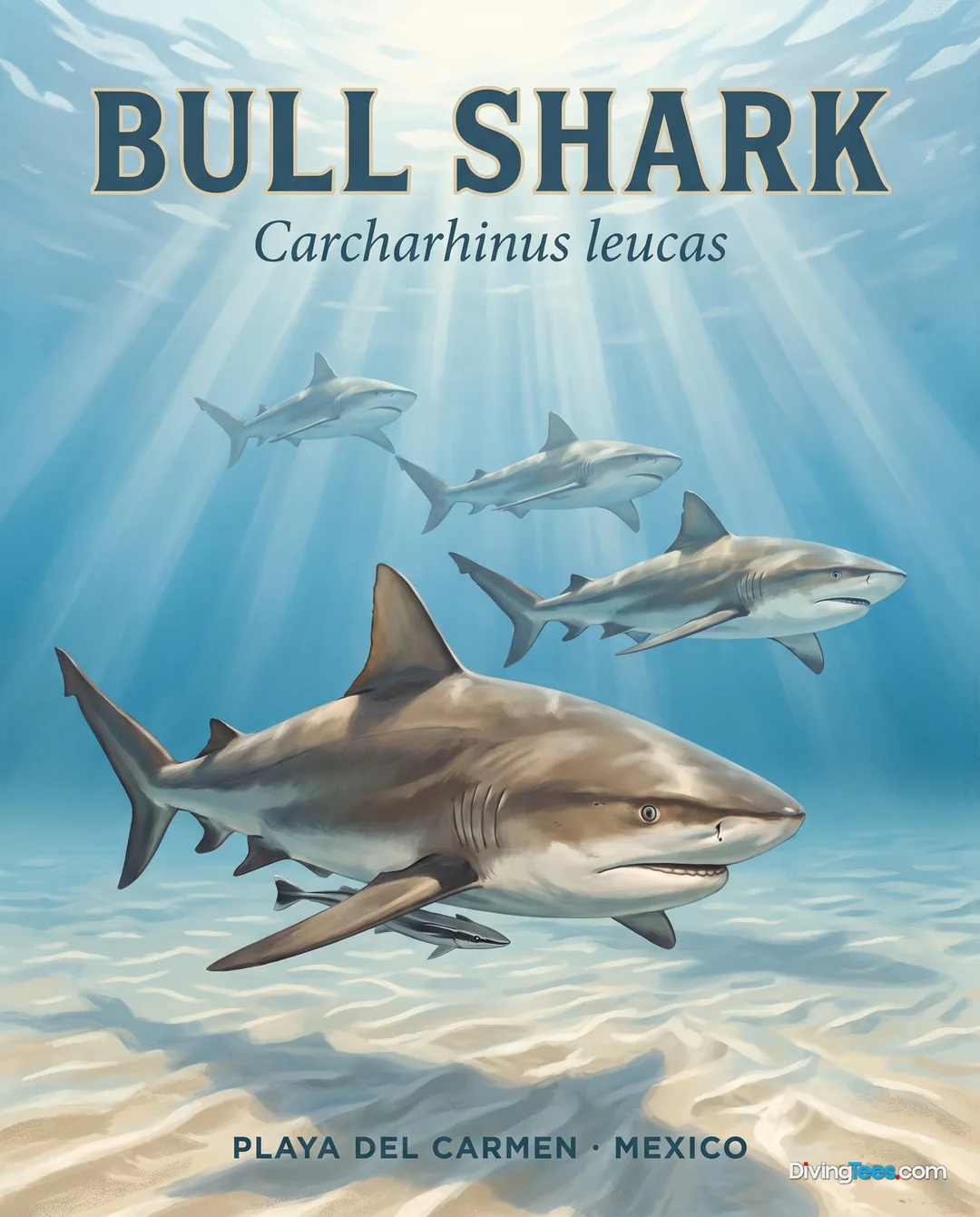
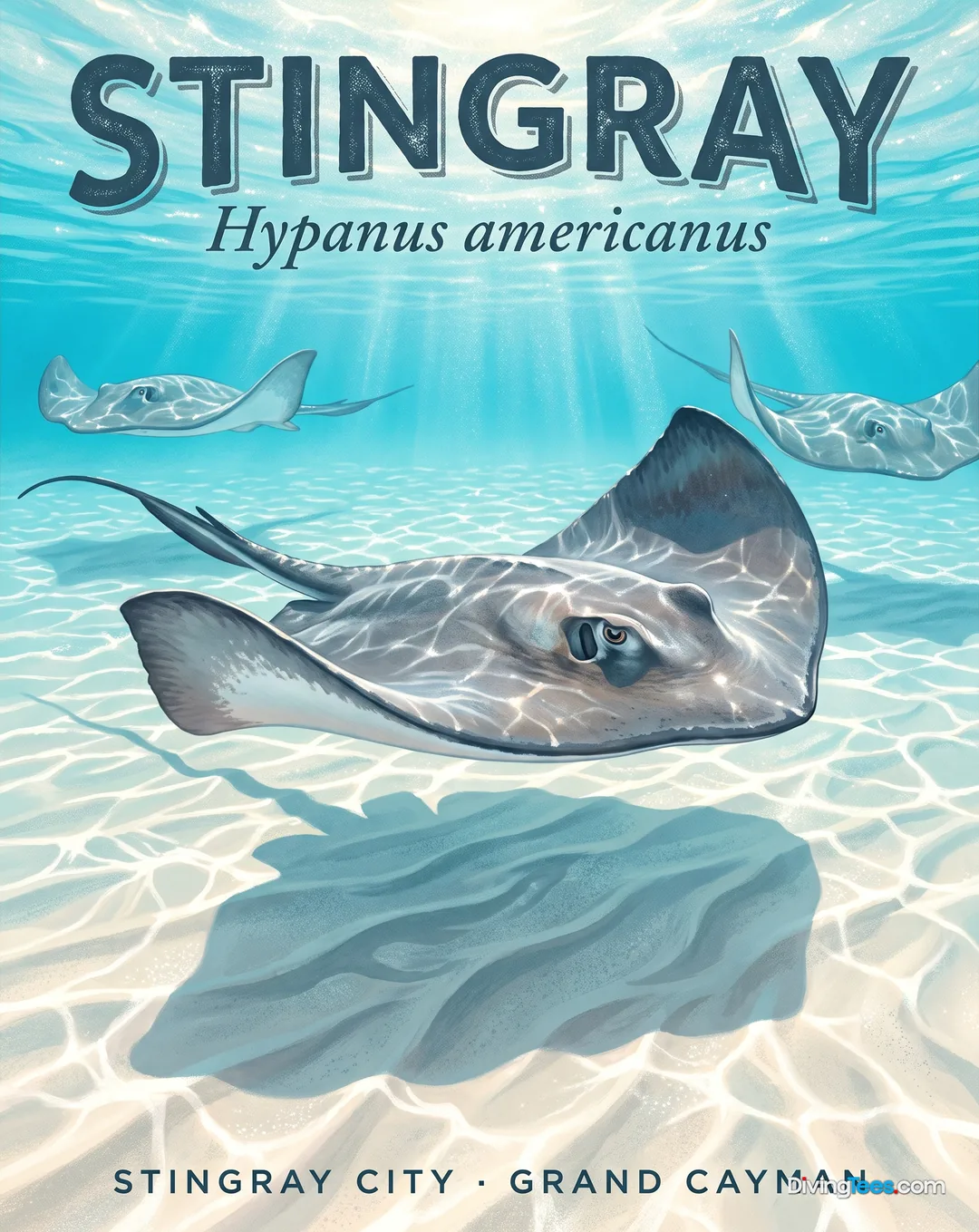
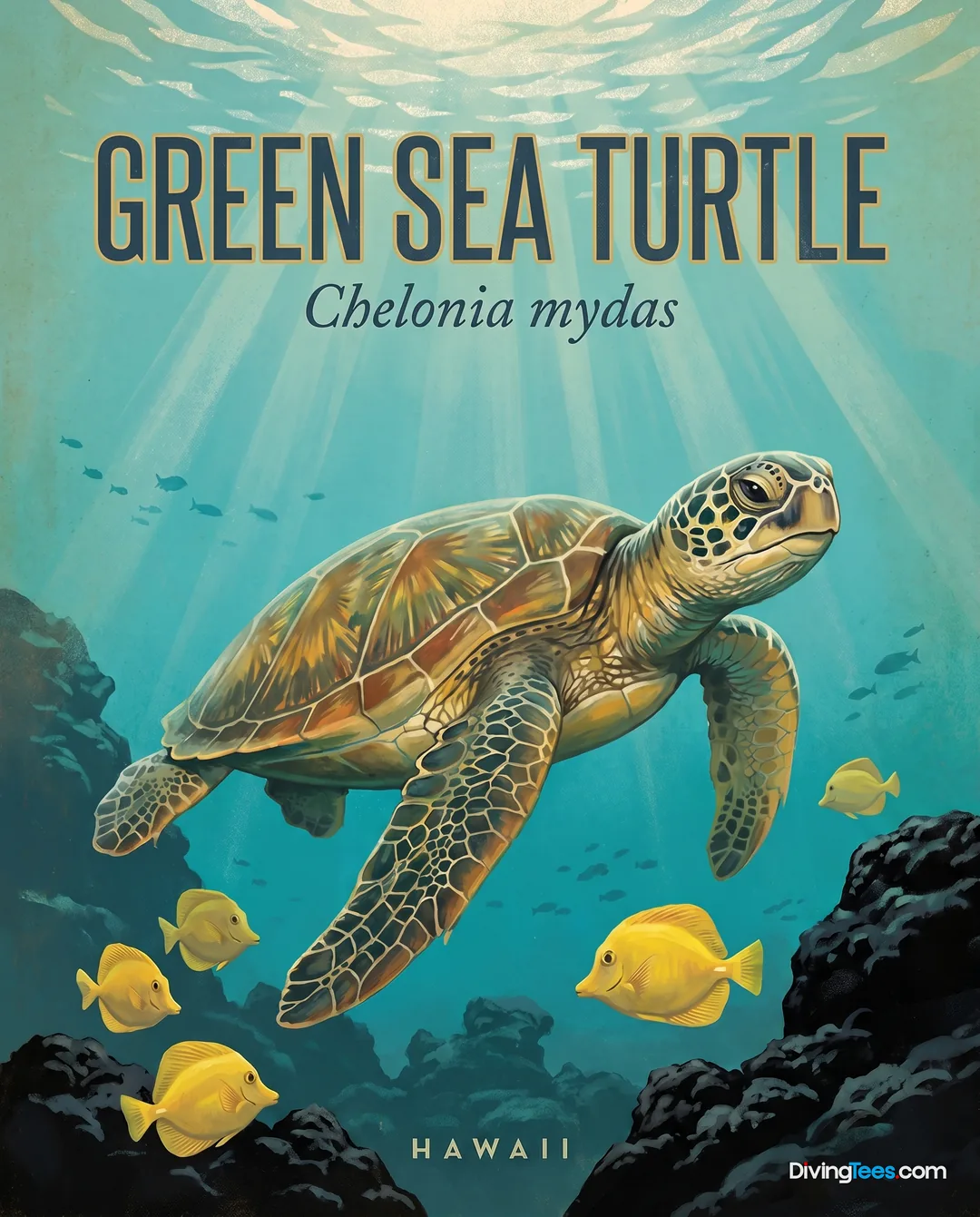
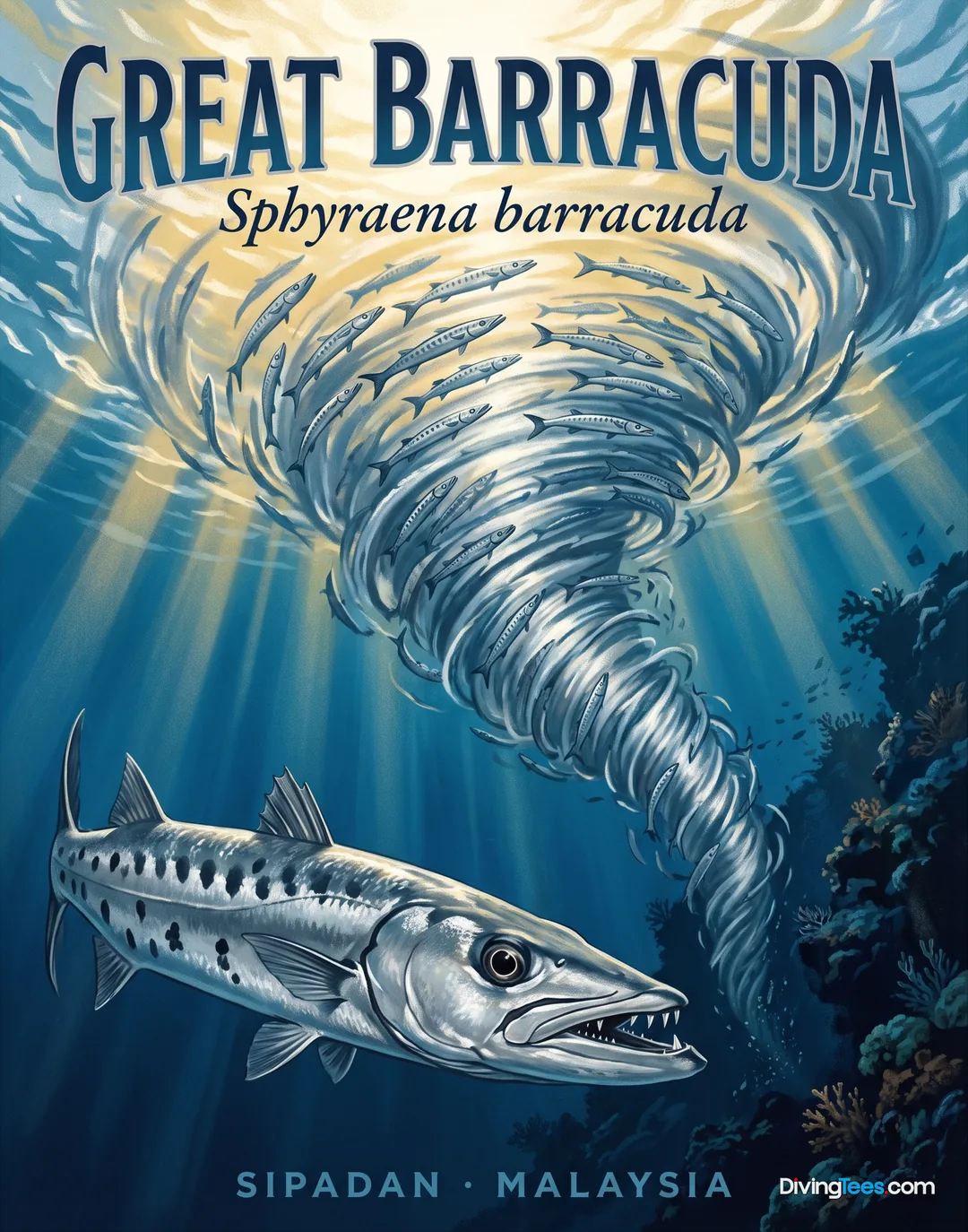
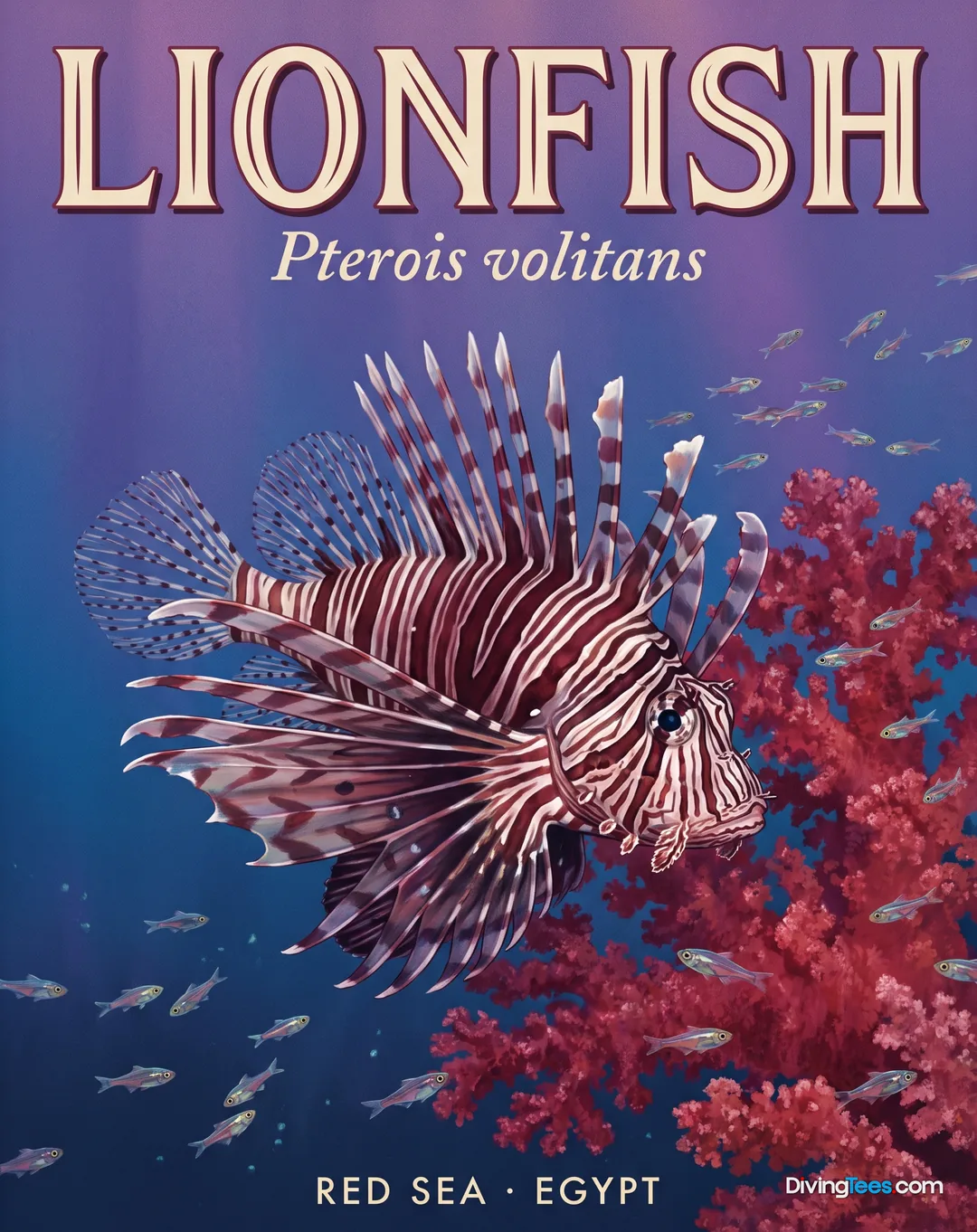
Turtles are the obvious draw at Tortugas, but the reef encounters are not limited to one headline animal. Rays and eagle rays pass over sandy patches, moray eels occupy ledges and crevices, and spiny lobsters, crabs, parrotfish, snapper, grouper, sweetlips and damselfish fill the coral scenery. Green morays, trumpetfish, lionfish and great barracuda add interest on a slower drift. Sabalos is noted for tarpon, particularly in summer, alongside resident morays. Bull sharks are the seasonal exception rather than a year-round certainty, with the useful window falling in winter and early spring. Deeper sites such as Pared Verde and Moc-Che Deep are the sensible choices when the aim is to combine current, depth and possible pelagic encounters.
The measured pattern favours July to October for the calmest sea and the strongest overall diving conditions, making that period suitable for relaxed reef drifts and clearer underwater views. Rainfall is lowest from January to May, which can make land-based days more comfortable, but winter and early spring are the period to consider for bull sharks. The choice therefore depends on the purpose of the trip: calmer reef logistics in summer to early autumn, lower rainfall earlier in the year, or the seasonal shark programme rather than a single all-purpose month.
This coast is exposed to sargassum strandings, whose intensity varies greatly from year to year. To find out more, see the “Sargassum alert” panel on this page.
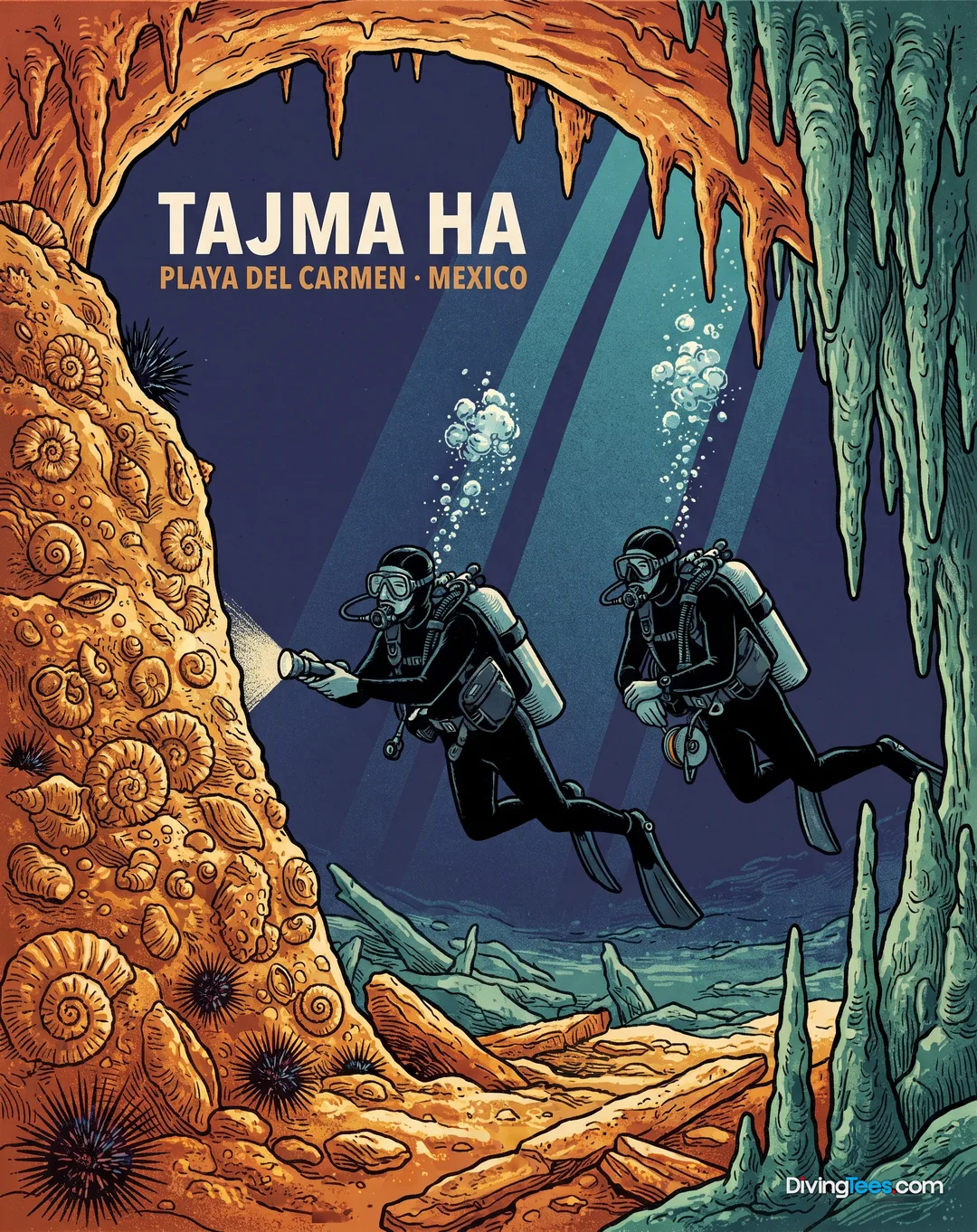
Open Water divers can enjoy the shallow reefs and the calmer cenotes, particularly Cerebros, Chikin Ha and Cueva del Pargo. Drift-diving awareness and comfort with a moving group matter even at modest depth. Advanced Open Water, or the BSAC equivalent, is useful for Pared Verde, Moc-Che Deep and other deeper profiles, where current and buoyancy control become more consequential. Tajma Ha remains recreationally shallow, but cavern surroundings require composure and control; Dreamgate is better reserved for divers with substantial logged experience in overhead environments.
Travellers leaving from London Heathrow, London Gatwick or Manchester reach the area by travelling to Cancún and continuing by road to Playa del Carmen. The destination itself does not require a ferry. Once on the Riviera Maya, sea dives begin from the Playa del Carmen waterfront, while cenote diving means a separate road journey inland, arranged as part of the day’s transport. That distinction matters when planning consecutive dives: a cenote excursion is not a quick change of venue between boat departures. Divers staying in or close to town can normally reach the dive centre on foot, by taxi or through an operator’s organised transfer.
Treat the holiday as two separate programmes rather than trying to make every day interchangeable. Put sea diving and cenote diving on different days: the inland road transfer is part of the outing, and trying to squeeze both into one schedule leaves little useful diving time. If bull sharks are the reason for travelling, build the trip around the winter and early-spring window; outside it, the reefs and cenotes remain the reliable reasons to come. On the sea days, expect the difference between Chun Zumbul or Cerebros and Barracuda or Pared Verde to be substantial: a light drift can become a more demanding ride, especially on a wall. Keep the deeper or more current-dependent dives early in the stay, leaving room later for cenotes and their confined spaces. A short visit should prioritise the combination that is genuinely wanted, rather than assuming Playa del Carmen is simply a shallow reef destination.
Five to seven days gives enough room to combine several reef days with at least one cenote excursion and, in season, a bull shark dive. A practical rhythm is to alternate sea days with inland days, allowing the different logistics and dive profiles to settle. Playa del Carmen also works well for mixed groups: a non-diving companion can use the town, beaches, Maya sites and wider Riviera Maya while the diver is away for the day.
Hello, I'm Marina, DivingDeal.com's AI assistant. I guide you through destinations, areas and countries.
Thinking about the whole trip and the flights? Talk it over with Edith →
Marina is an AI. Some links are affiliate links: DivingDeal may earn a commission, at no extra cost to you. Bookings are made with the partner.
Your last day stays dry: no diving in the 18-24 hours before a flight, the perfect window to see the destination from another angle.
 Culture
⏱ 6 h · ★ 5.0 (44 reviews)
from £142$190€170
see on Viator ↗
 Culture
⏱ 3 h · ★ 5.0 (44 reviews)
from £62$82€74
see on Viator ↗
 Nature
⏱ 6 h · ★ 5.0 (28 reviews)
from £151$202€181
see on Viator ↗
 City
City⏱ 1 h · ★ 5.0 (26 reviews)
from £76$102€91
see on Viator ↗
Ratings and reviews collected by Viator and Tripadvisor.
Choose July to October for calmer seas and generally stronger diving conditions, including relaxed reef drifts and clearer underwater views. January to May brings lower rainfall for land-based days. Winter and early spring suit divers whose priority is the seasonal bull shark programme, rather than a single all-purpose season.
Open Water divers can enjoy shallow reefs and calmer cenotes such as Cerebros, Chikin Ha and Cueva del Pargo. Drift-diving awareness and comfort with a moving group help. Advanced Open Water or equivalent suits deeper, current-affected sites. Tajma Ha requires control in cavern surroundings, while Dreamgate suits substantial logged overhead-environment experience.
Playa del Carmen offers turtles at Tortugas, rays and eagle rays over sandy patches, morays in ledges and crevices, and reef fish including parrotfish, snapper, grouper, sweetlips and damselfish. Cenotes add haloclines, shafts of light, stalactites, fossils and crystalline water. Seasonal bull sharks and summer tarpon provide different encounters.
Treat sea and cenote diving as separate programmes. Boat dives leave from the Playa del Carmen waterfront, while cenote days require an inland road transfer, so alternate them rather than combining both. Keep deeper or stronger-current dives early, then leave room for cenotes. Staying in or near town simplifies access to dive centres.