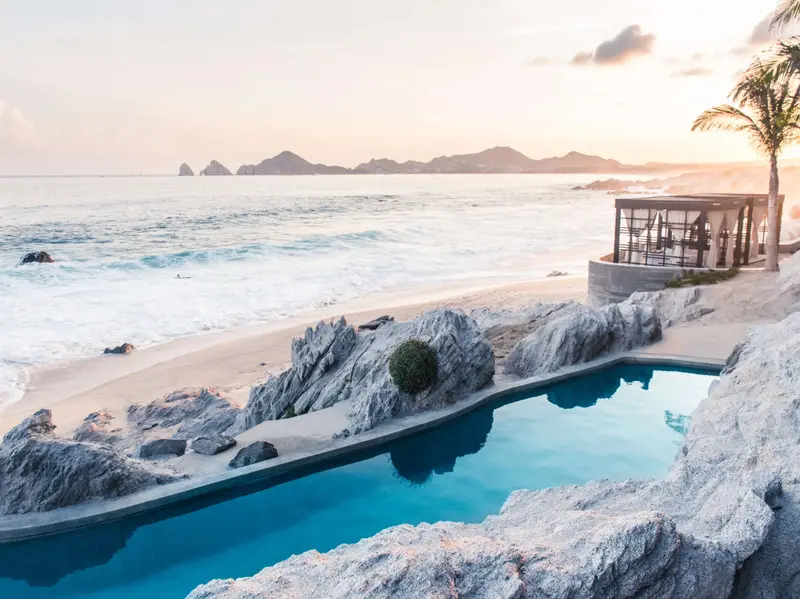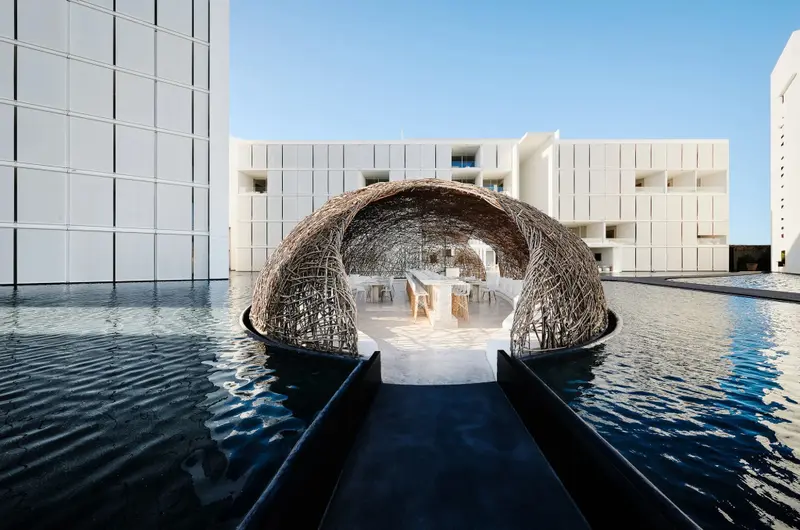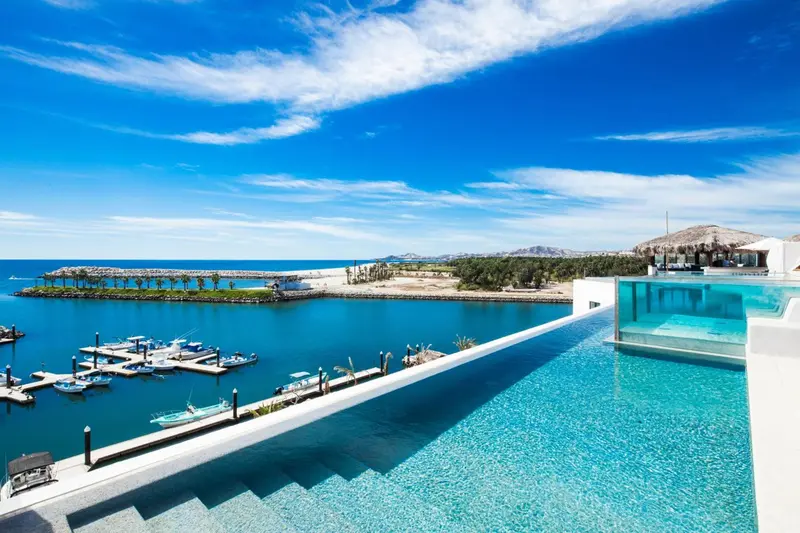
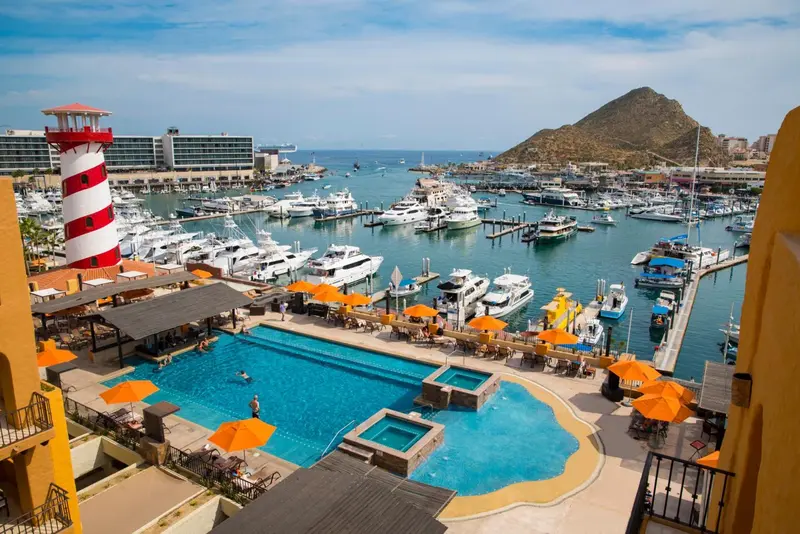
 Dive centre in the hotel
Hotel Tesoro Los Cabos
★★★★
Google 4.3/5 (4,117 reviews)
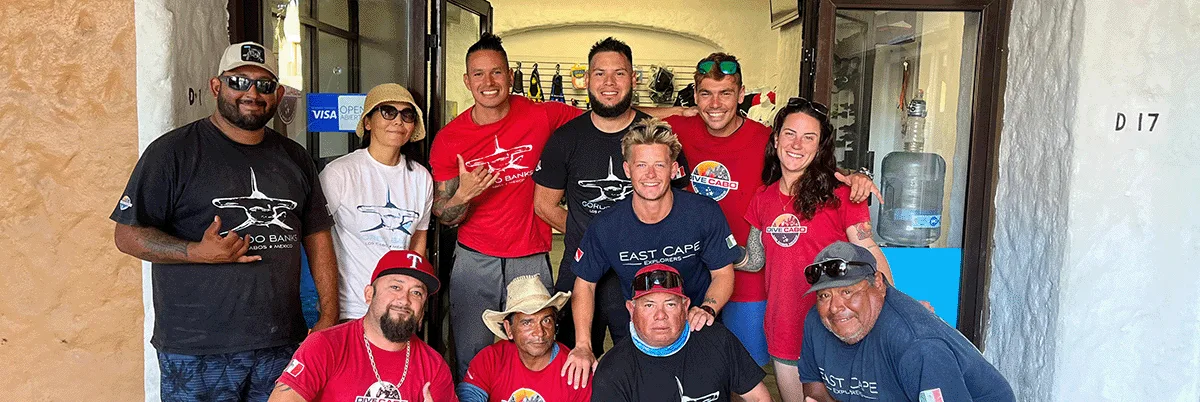
The dive centre
Dive Cabo
PADI
Google 4.9/5 (1,302 reviews)
Dives: Land's End, Pelican Rock, Middle Wall
Mexico · Americas
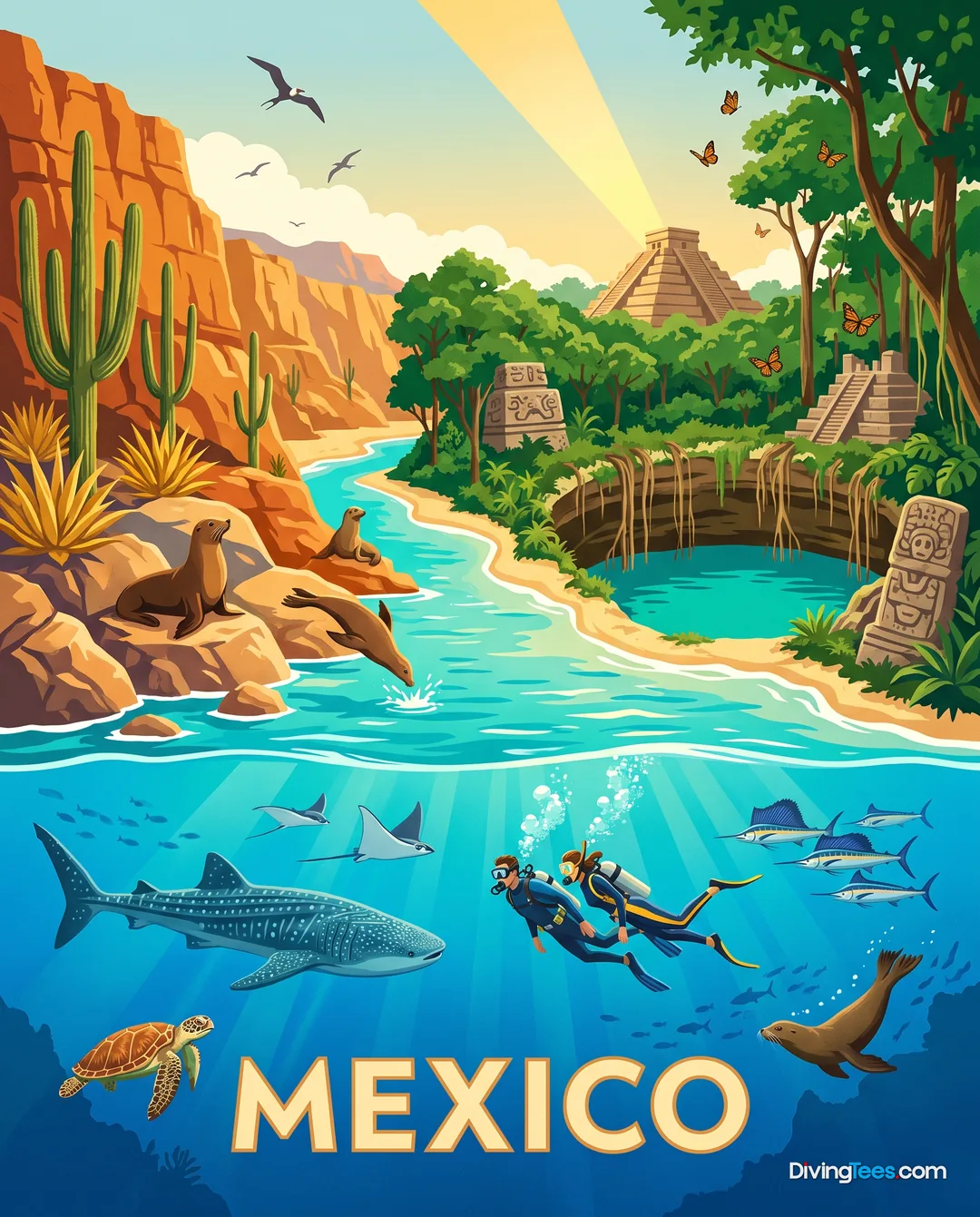
Rocky pinnacles, open-water seamounts, hammerhead sharks and sea lions shape diving from Cabo San Lucas, with conditions changing between Pacific swell and sheltered sites.
For subtitles in English: start the video firstthen click the gearat the top right of the video, select “Subtitles/CC”, then “Auto-translate” and choose “English”.
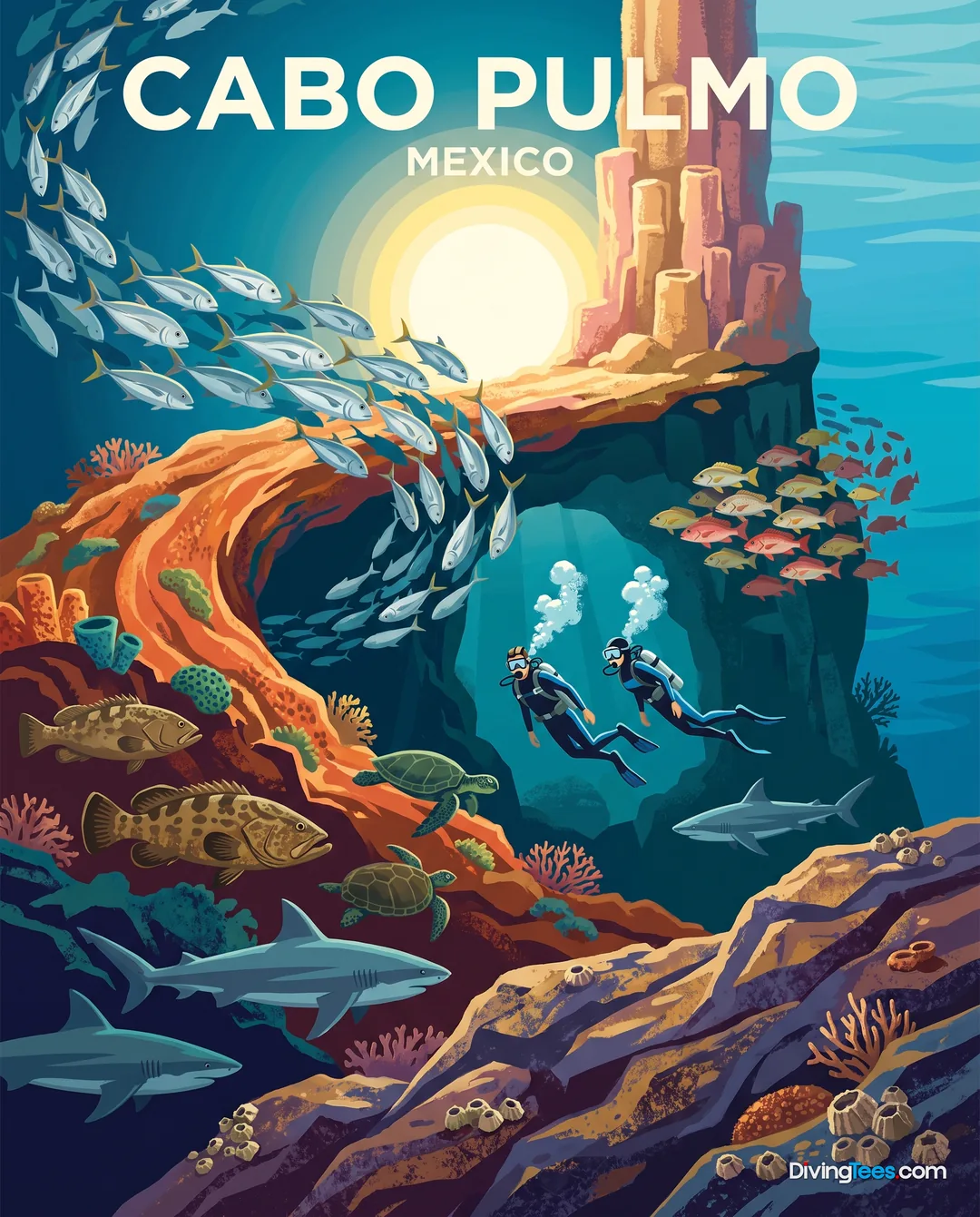
Cabo San Lucas is a shore-based diving holiday built around boat trips from the bay or harbour. The underwater scenery shifts between rock, reef and sand, rather than presenting one uniform tropical-reef experience. A trip can include the offshore seamount at Gordo Banks, where hammerhead sharks may pass in open water, or the living coral reef of Cabo Pulmo, with jacks and groupers moving over the protected habitat. Above water, Cabo remains a practical base for non-divers.
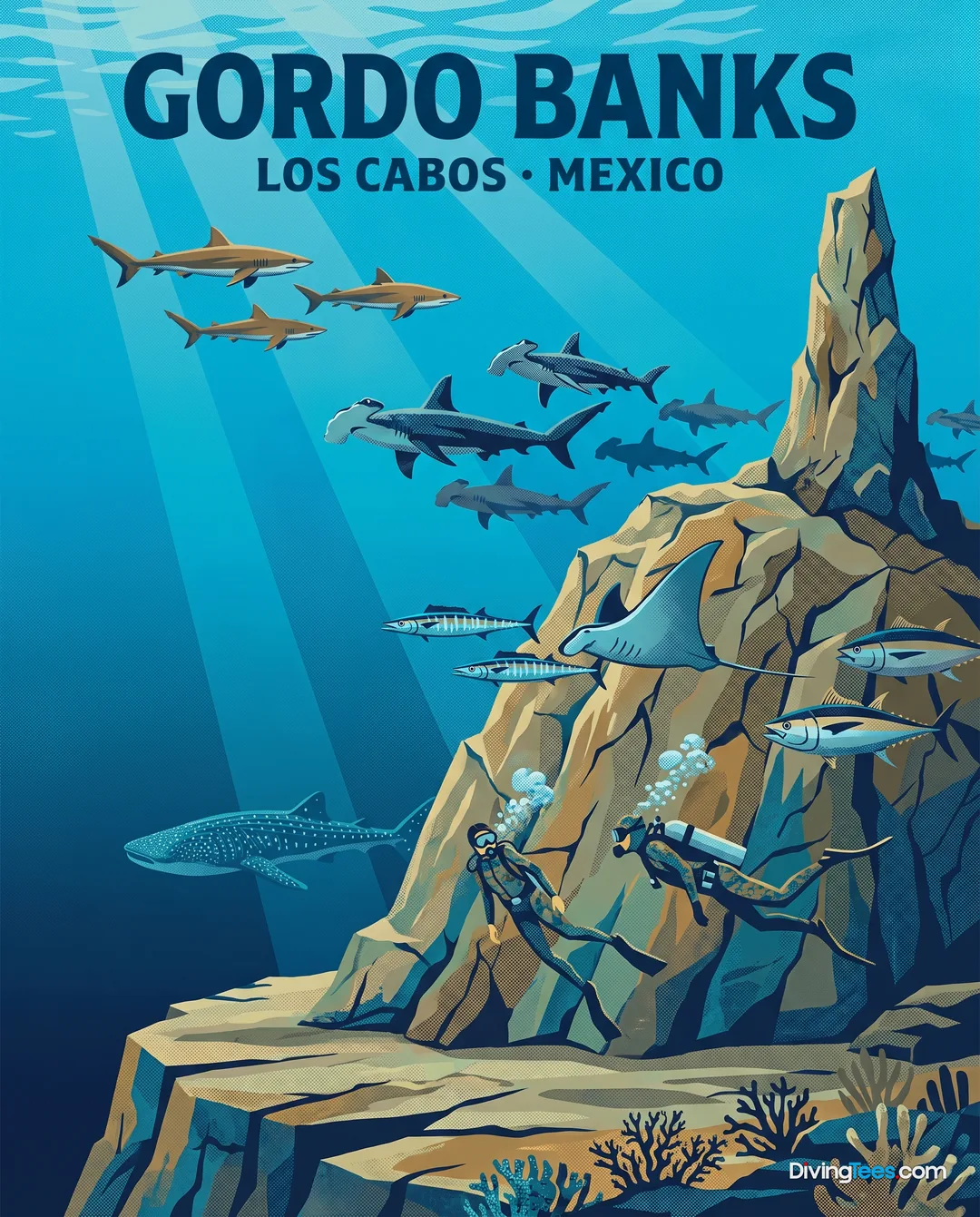
Most dives leave by boat and reach sites near the tip of the peninsula, with the exact plan shaped by swell, wind exposure and the skipper’s choice of shelter. Rocky reefs, sand and open water all feature. Gordo Banks is the clearest example of the more demanding side: an offshore seamount roughly five miles from San José del Cabo, with its top between thirty and forty metres, where divers drift in blue water rather than follow a sheltered reef. Cabo Pulmo offers a different feel, with a living coral reef, dense marine life, schooling jacks and groupers. Currents are variable, and conditions can change from one site to the next. The sensible expectation is boat diving with adaptable profiles, not a fixed daily schedule.
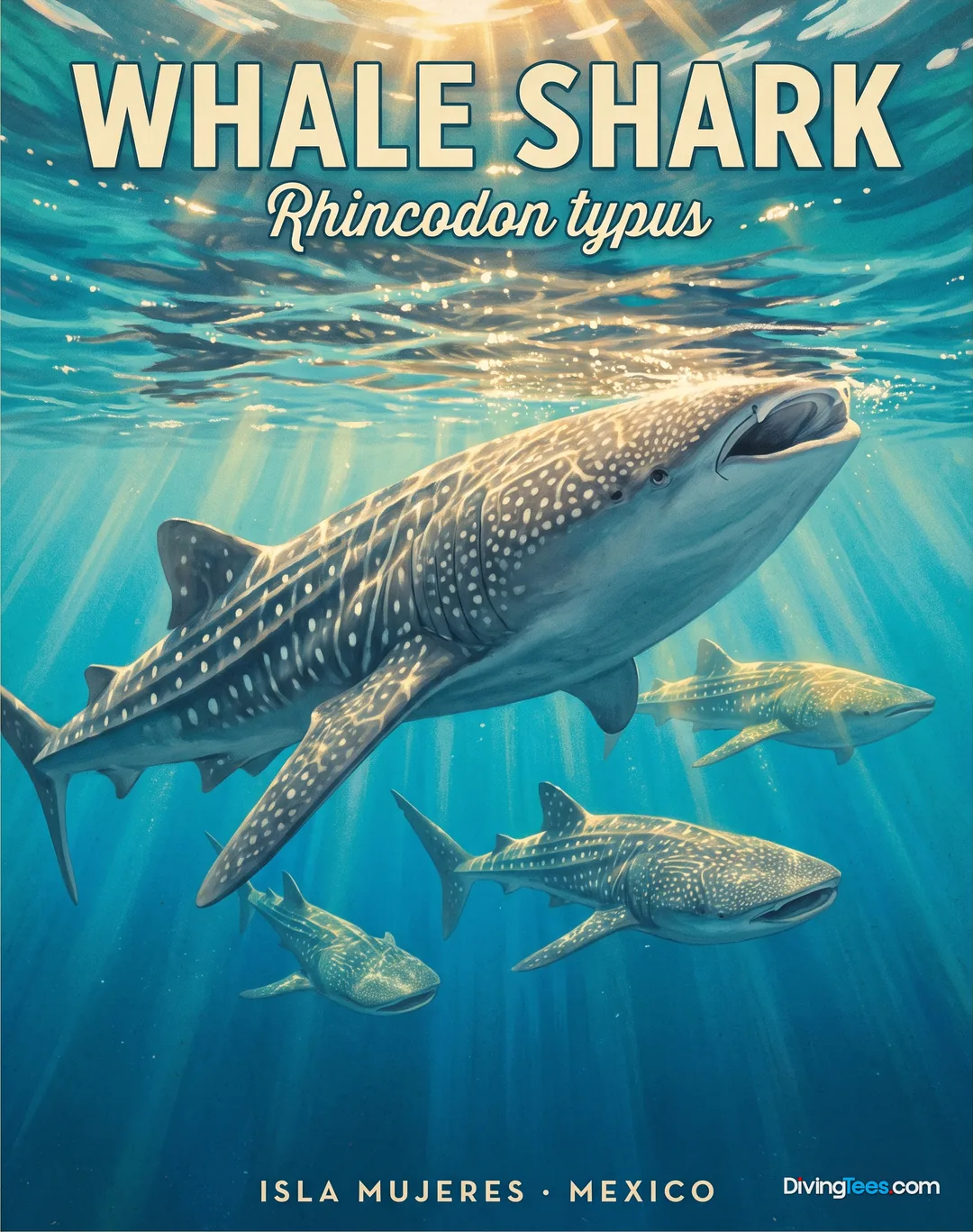
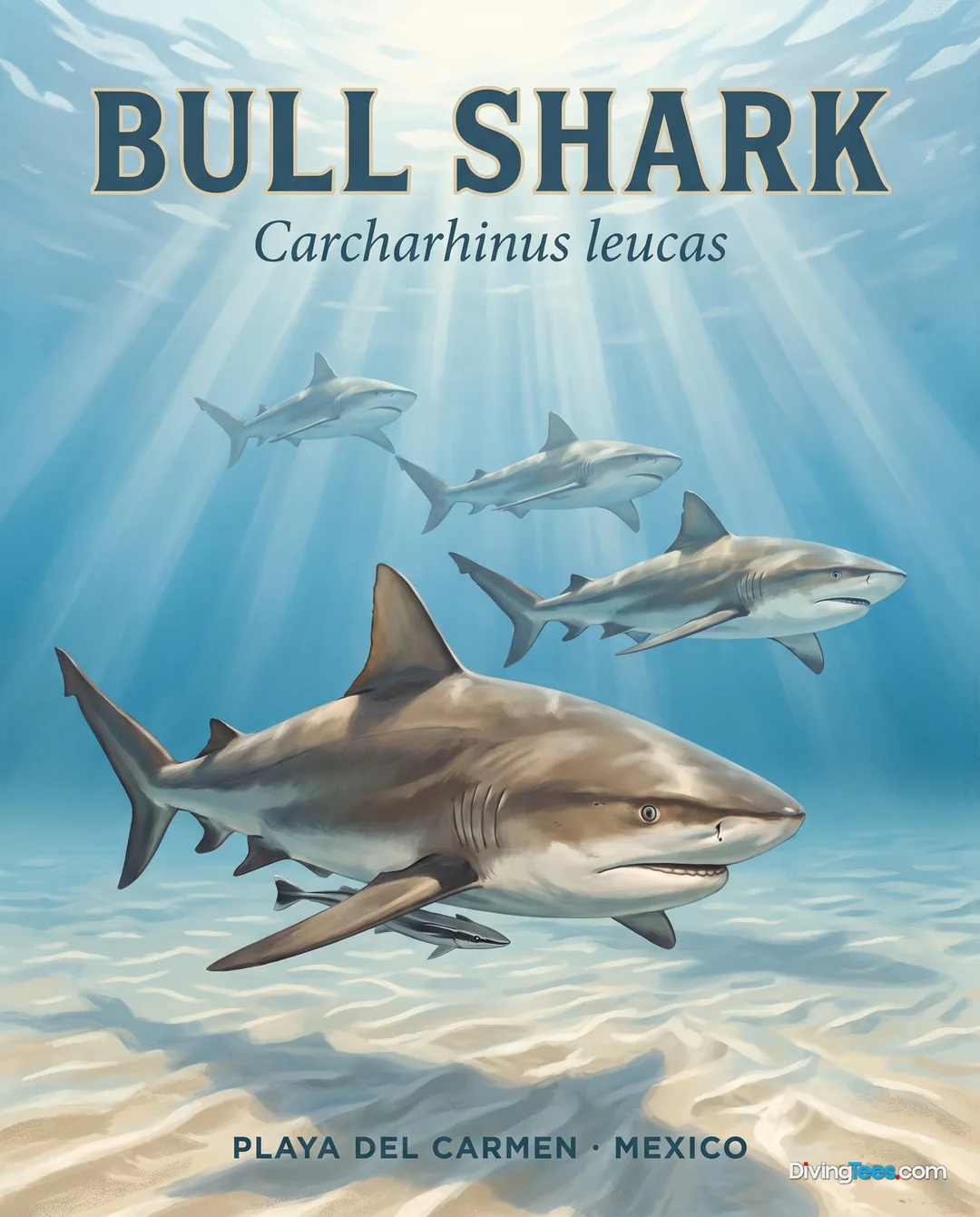
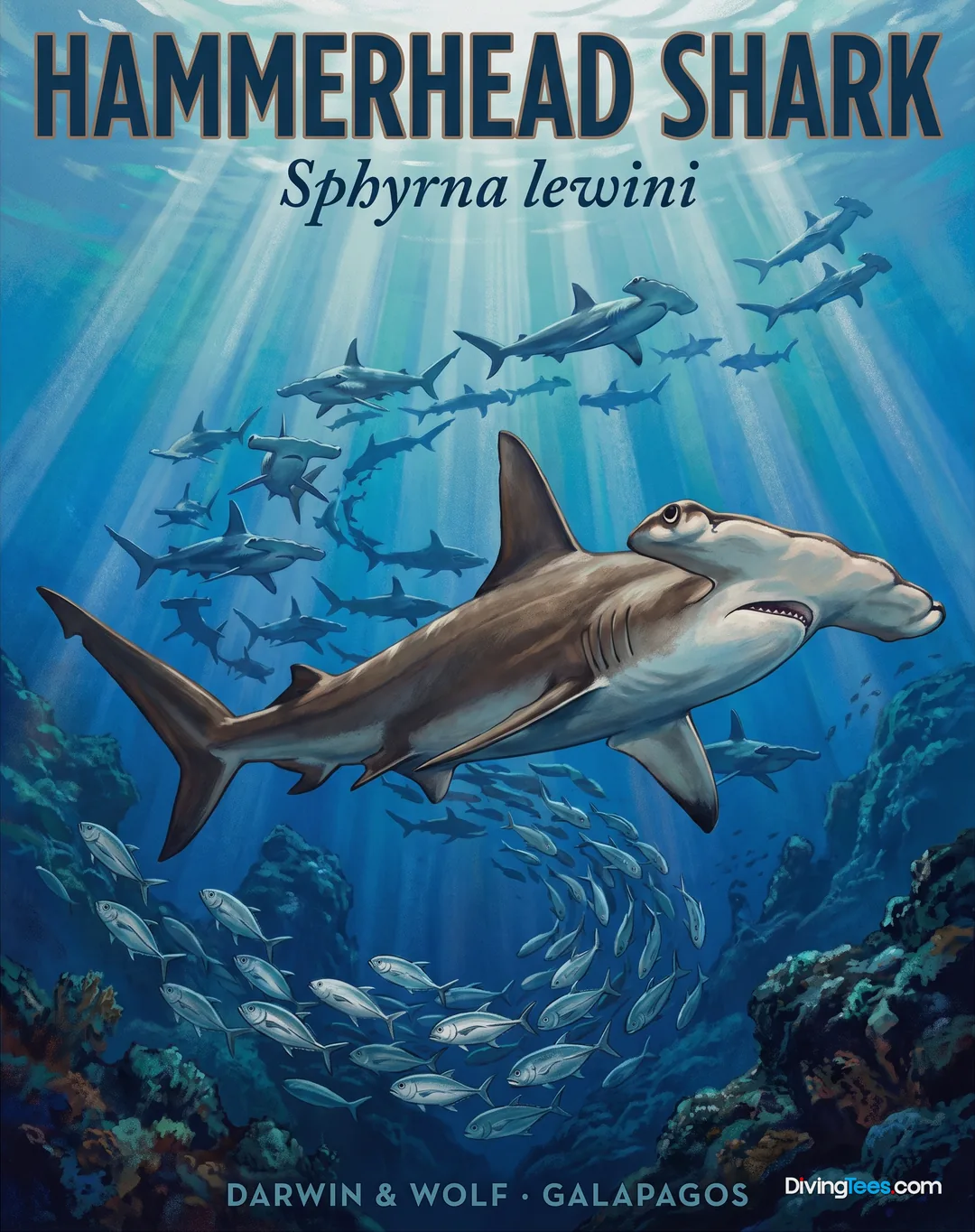
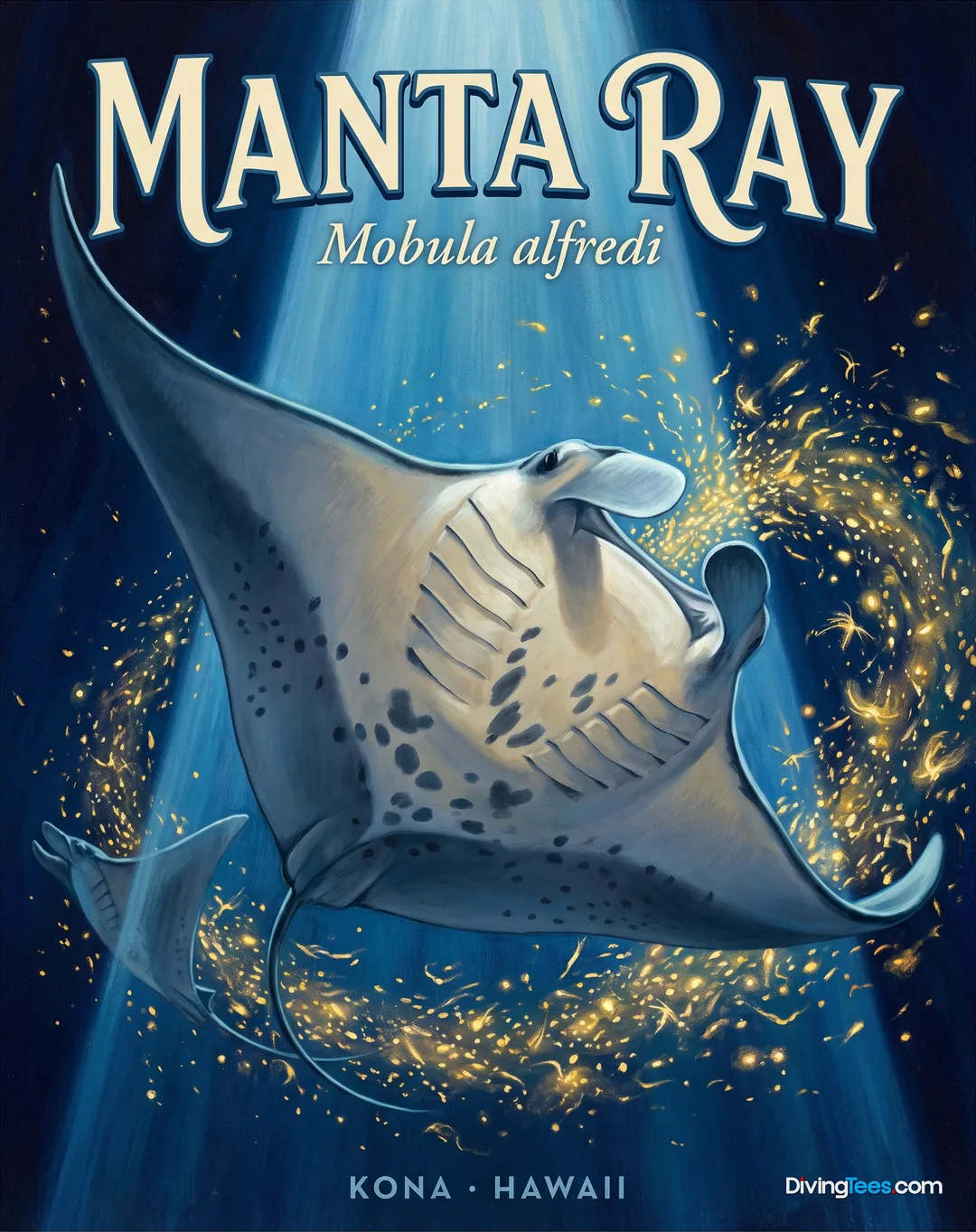
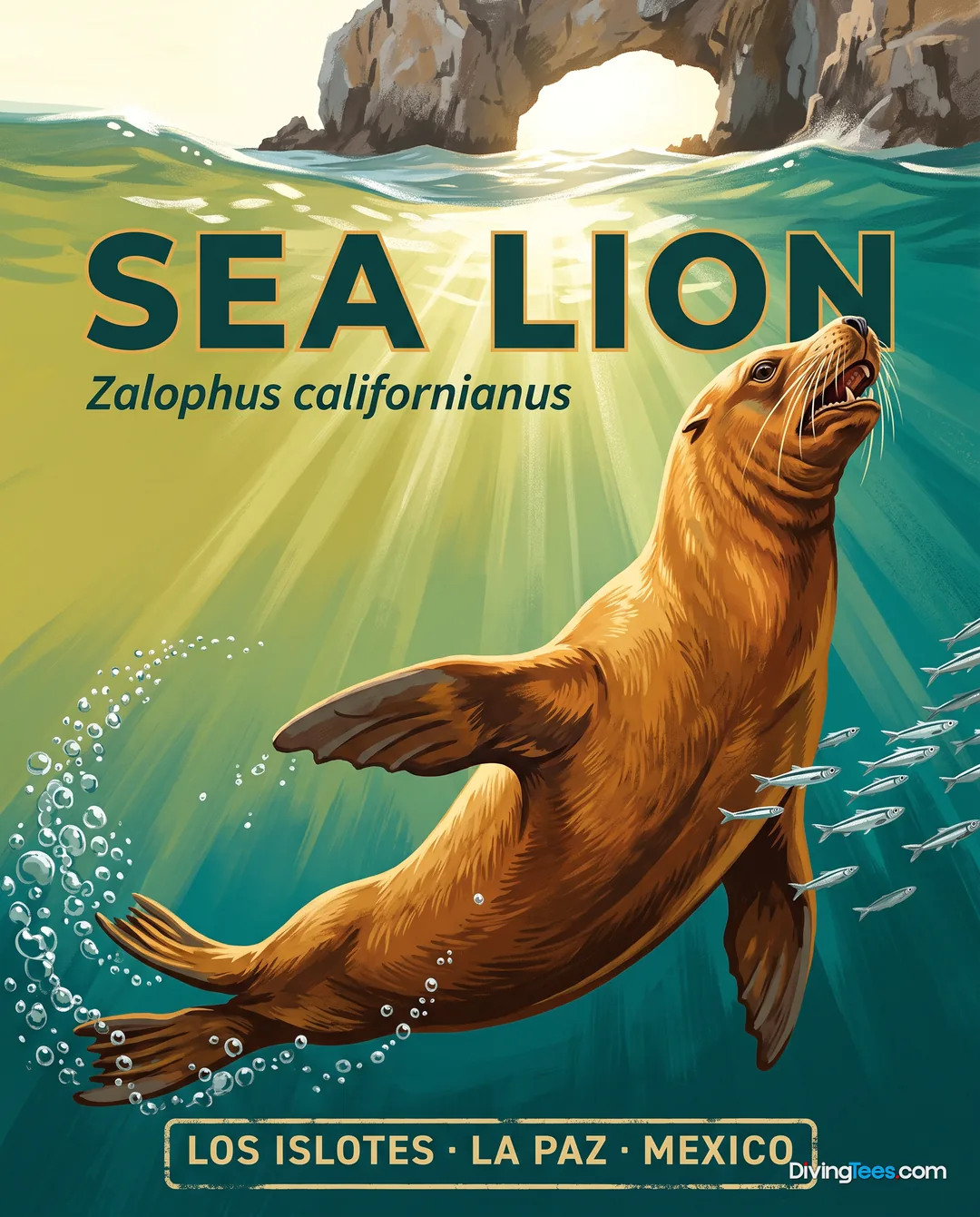
The draw is the chance of seeing large animals against a distinctly open-water backdrop. Gordo Banks can attract schooling hammerhead sharks, silky sharks and other pelagic species, while yellowfin tuna and reef sharks are also part of the area’s wildlife picture. Mobula rays and larger pelagics are occasional rather than dependable bookings. Sea lions are a regular possibility around the coastal rocks and are among the easier encounters to build into a day on the water. Whale sharks are rare here. Cabo Pulmo brings the more structured reef scene, with large schools of jacks and groupers over its living coral habitat. Sightings remain seasonal and conditional on the sea, so several diving days make more sense than travelling for one promised animal.
The measured best period for diving is July to November, when the destination’s seasonal pattern is most favourable for planning around its boat-based sites and passing pelagics. Rainfall is lowest from November to July, so November sits usefully in both patterns. The reason to keep the programme flexible is the water rather than a simple calendar rule: Pacific swell, wind and exposure can change which sites are practical on a given morning. Calm conditions also make the more accessible areas busier, as more excursion boats can operate. Early starts and spare days are therefore more valuable than trying to force one particular site into a fixed itinerary.
This coast is exposed to sargassum strandings, whose intensity varies greatly from year to year.
Cabo San Lucas can suit Open Water divers, particularly on calmer, more protected outings such as Cabo Pulmo. It is not, however, a destination where every boat trip should be treated as beginner terrain. Gordo Banks is an advanced open-water dive, with a deep seamount top at roughly thirty to forty metres and an open-water drift profile. Advanced Open Water is useful, and Nitrox can be helpful for deeper repetitive diving. Good buoyancy, surface awareness and comfort with changing conditions matter more here than a particular agency label, whether PADI, SSI or BSAC.
From London Heathrow, Gatwick or Manchester, the route into the area is by air to San José del Cabo, followed by a road transfer to Cabo San Lucas. There is no compulsory sea crossing to reach the destination itself. The diving logistics begin after arrival: boat trips leave from the coast, usually from the bay or harbour, so morning departure times and the road transfer between airport, accommodation and dive operation need allowing for. Once based in Cabo San Lucas, divers generally reach the boats by taxi, organised transfer or on foot, depending on where they are staying. Those based in San José del Cabo should allow for the road journey to the Cabo San Lucas departure area rather than assuming the two bases are interchangeable on a diving morning.
Build the trip around several boat days, not a single booked dive day. Cabo’s options depend on sea state, and an exposed plan may be moved to a more protected site when swell changes. Ask specifically how the day will handle current and the surface return, especially if the itinerary includes an open-water drift. A clearly visible surface marker is sensible around Cabo’s busy excursion traffic. Start early when possible: calmer conditions and lighter boat traffic make photography and observation easier. Keep realistic expectations about the underwater character. Cabo is not a classic sheltered tropical-lagoon destination; rock, sand, deeper water and variable exposure are part of the appeal. Do not assume that an apparently simple boat trip is suitable for every diver, and avoid leaving the schedule so tight that one rough morning ruins the whole diving plan.
This works best as a land-based holiday with daily boat diving from Cabo San Lucas, rather than as a dedicated liveaboard destination. A non-diving companion has beaches, coastal walks, boat trips and inland desert excursions to fill the non-diving hours. Rest days can include sea-lion viewing, snorkelling around the bay and rocky formations, or time on the beach. San José del Cabo can also be used as a base, but the road transfer to Cabo San Lucas needs factoring into the diving day.
Hello, I'm Marina, DivingDeal.com's AI assistant. I guide you through destinations, areas and countries.
Thinking about the whole trip and the flights? Talk it over with Edith →
Marina is an AI. Some links are affiliate links: DivingDeal may earn a commission, at no extra cost to you. Bookings are made with the partner.
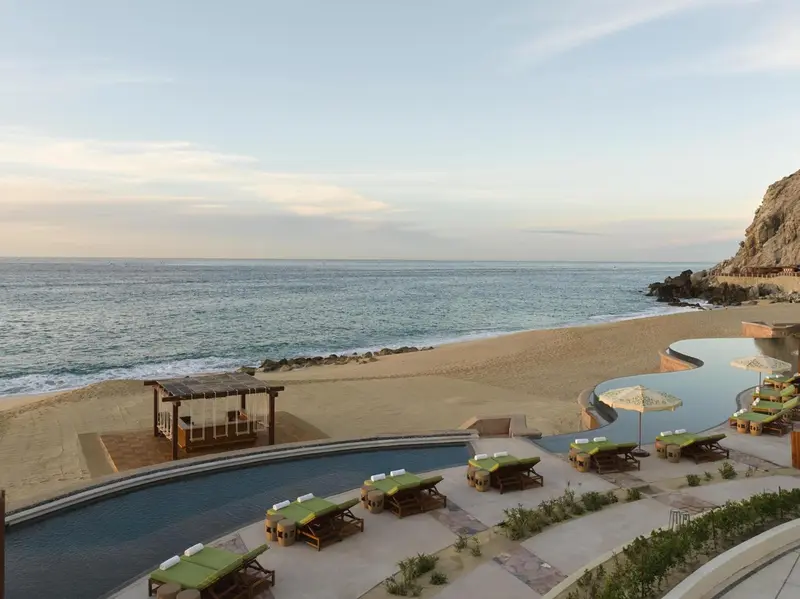
In each one, the dive centre is inside the hotel: step out of your room and go diving.
Dive centre in the hotel★★★★
Google 4.3/5 (4,117 reviews)
The dive centre
Dive Cabo
PADI
Google 4.9/5 (1,302 reviews)
Dives: Land's End, Pelican Rock, Middle Wall
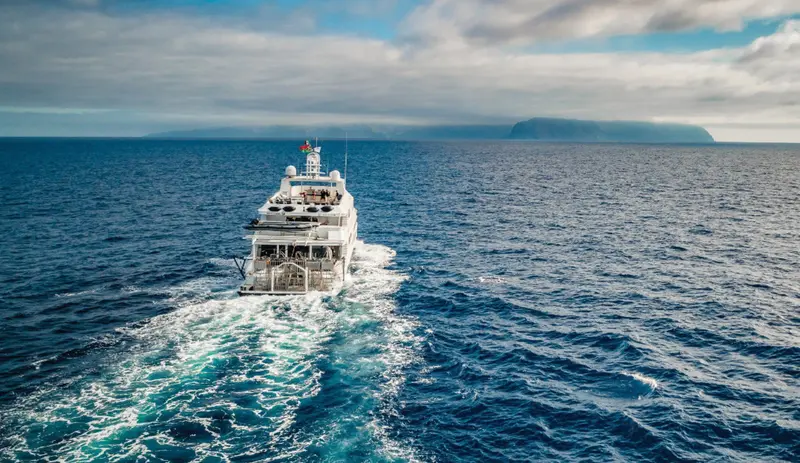
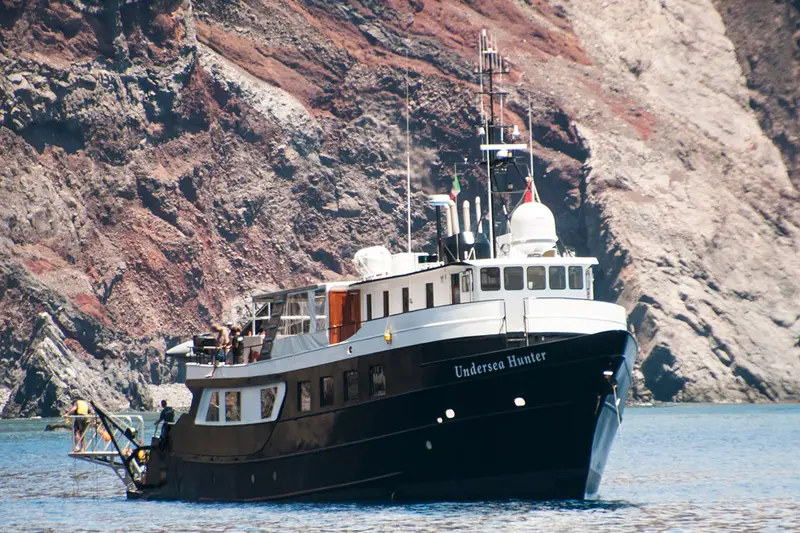
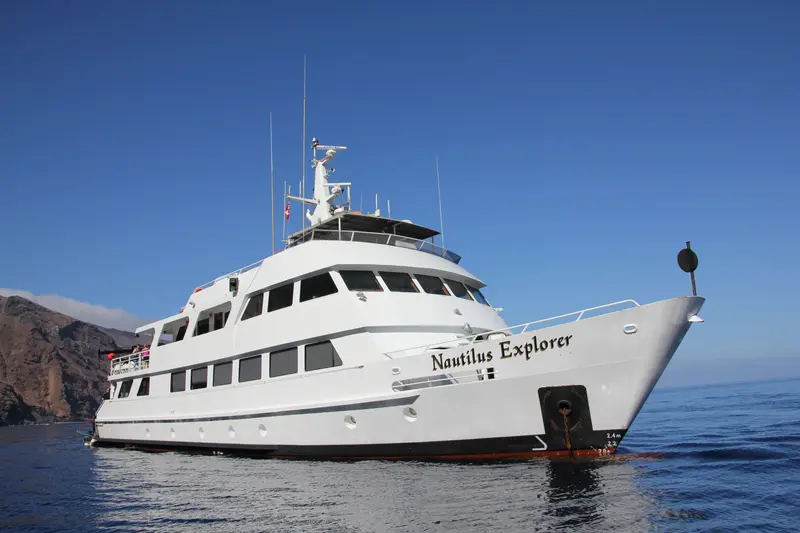
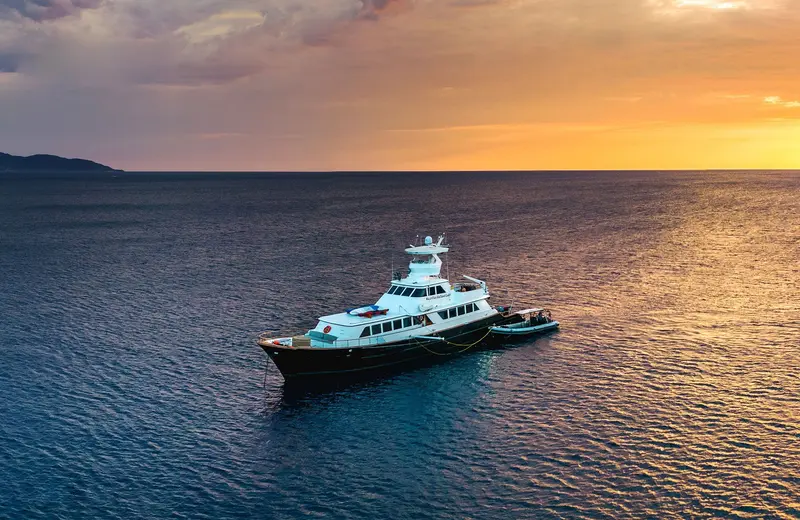
4 liveaboards depart from Cabo San Lucas another way to explore the region, over several days at sea.
Your last day stays dry: no diving in the 18-24 hours before a flight, the perfect window to see the destination from another angle.

⏱ 3 h · ★ 5.0 (43 reviews)
from £95$127€114
see on Viator ↗
 Culture
⏱ 4 h · ★ 5.0 (39 reviews)
from £68$92€82
see on Viator ↗
 Culture
⏱ 4 h · ★ 5.0 (17 reviews)
from £114$152€136
see on Viator ↗

⏱ 3 h · ★ 5.0 (222 reviews)
from £1,673$2,237€1,998
see on Viator ↗
Ratings and reviews collected by Viator and Tripadvisor.
July to November is the measured best period for planning boat-based diving and passing pelagics. November is useful because it sits within the lowest-rainfall period, which runs from November to July. Keep your schedule flexible, since Pacific swell, wind and site exposure can determine where boats operate each morning.
Open Water divers can enjoy calmer, more protected outings, particularly around Cabo Pulmo. However, not every trip is beginner terrain. Gordo Banks involves a deep seamount and an open-water drift, making Advanced Open Water useful. Good buoyancy, surface awareness and comfort with changing conditions are important throughout the destination.
Cabo San Lucas offers rocky reefs, sand, open water and varied marine life. Gordo Banks may bring schooling hammerheads, silky sharks and other pelagics, while yellowfin tuna and mobula rays are possible. Sea lions are a regular coastal possibility. Cabo Pulmo features living coral, schooling jacks and groupers.
Plan a land-based holiday with several boat-diving days from the bay or harbour, rather than relying on one fixed outing. Allow spare time for changing sea conditions, and start early when possible. Build in the airport road transfer, accommodation-to-boat logistics and flexible options between exposed and protected sites.