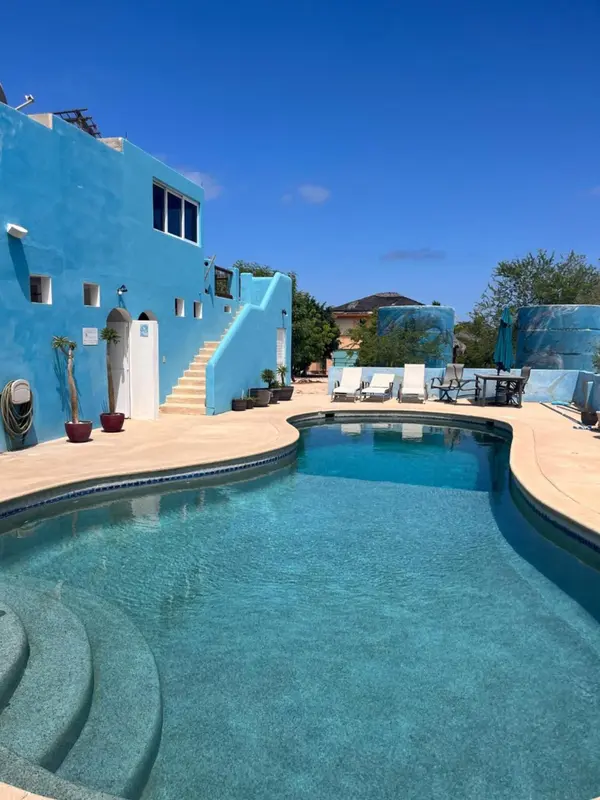
 Dive centre in the hotel
Cabo Pulmo Beach Resort
Google 4.5/5 (290 reviews)
The dive centre
Cabo Pulmo - Cabo Pulmo Beach Resort
PADI
Google 4.5/5 (297 reviews)
Dives: EL VENCEDOR WRECK, EL CANTIL, LA ESPERANZA
Mexico · Americas
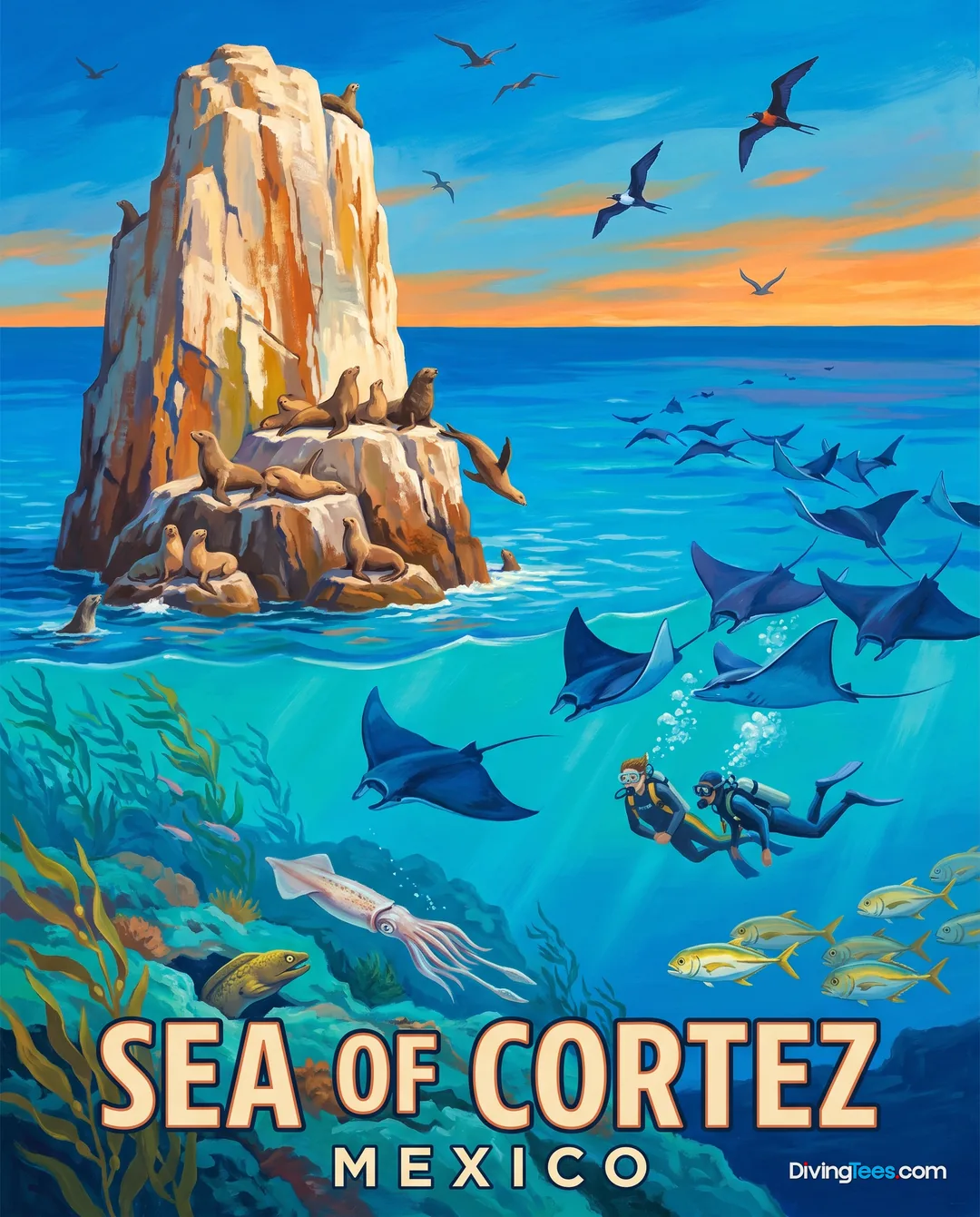
Sea lions at Los Islotes, schooling jacks at Cabo Pulmo, mobula rays over offshore walls: Baja California links close encounters with demanding open-water diving.
For subtitles in English: start the video firstthen click the gearat the top right of the video, select “Subtitles/CC”, then “Auto-translate” and choose “English”.
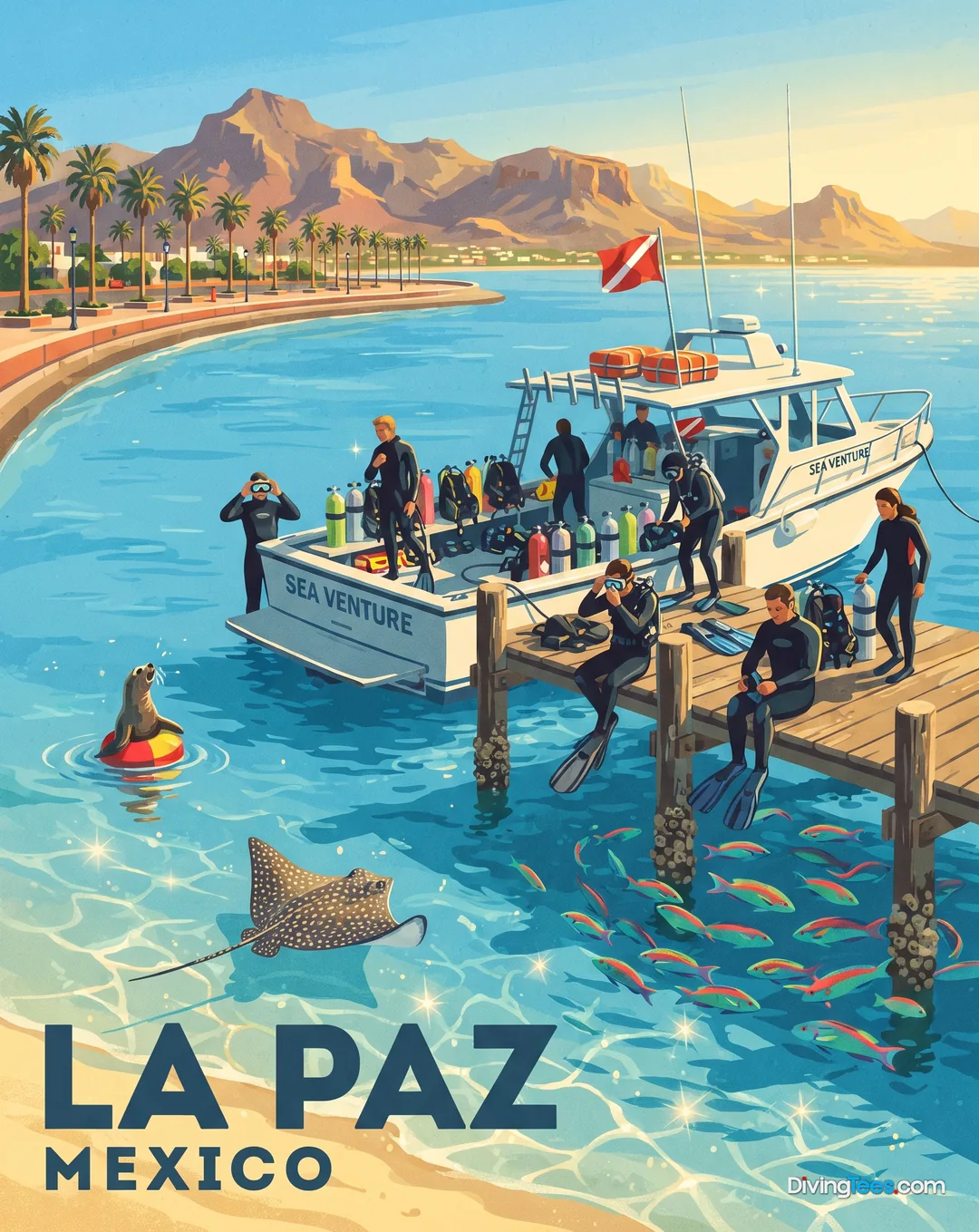
Baja California is not one uniform dive resort but a long, varied diving region around La Paz, Cabo Pulmo and Loreto. Its signature experiences range from California sea lions weaving through the rocks at Los Islotes to open-water seamounts such as Gordo Banks, where hammerheads and other pelagics may pass. Cabo Pulmo adds a protected living coral reef, while San José del Cabo offers walls, canyons, sandfalls and sheltered reefs. The price is distance: the most rewarding days are usually organised around boat trips rather than easy shore diving.
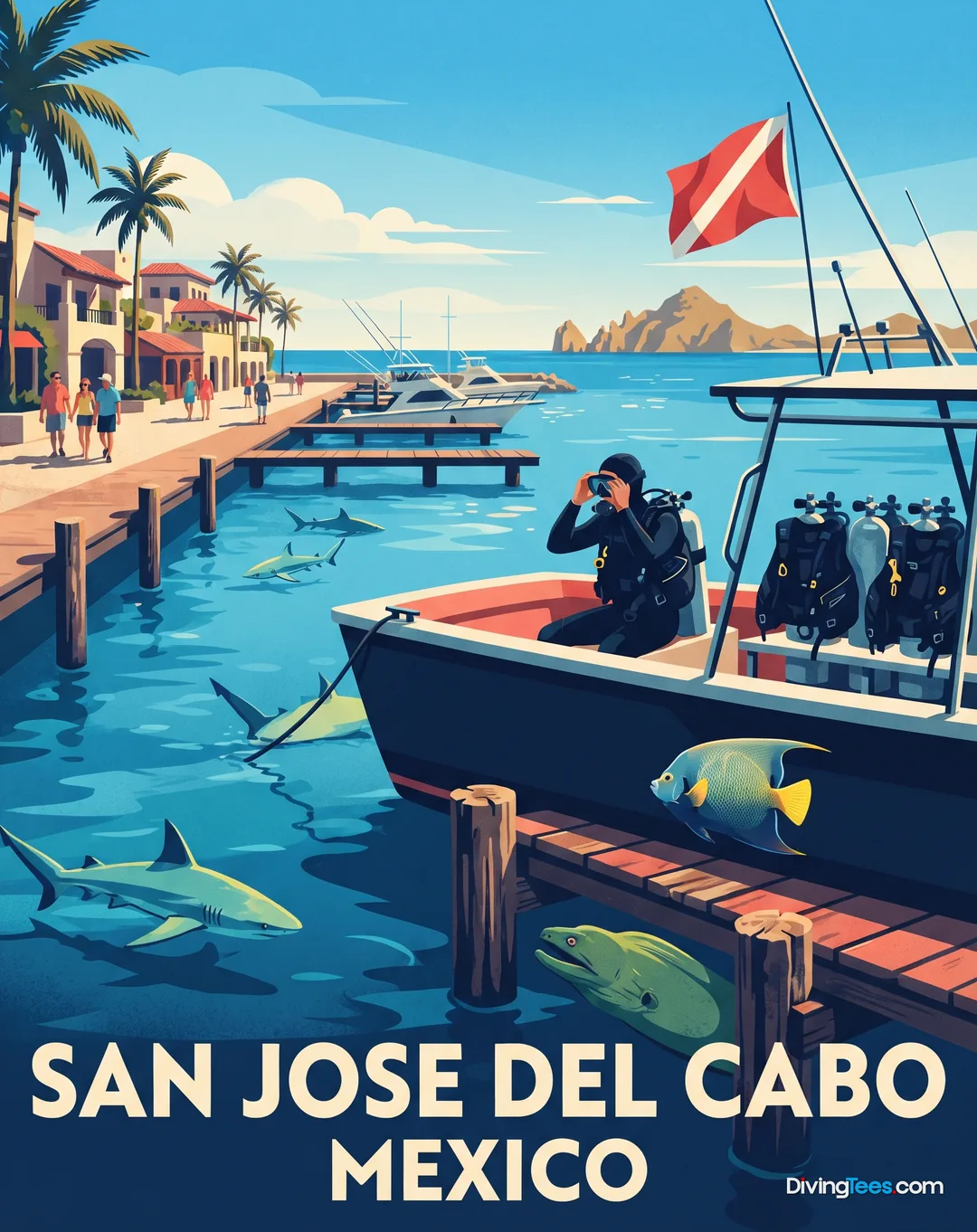
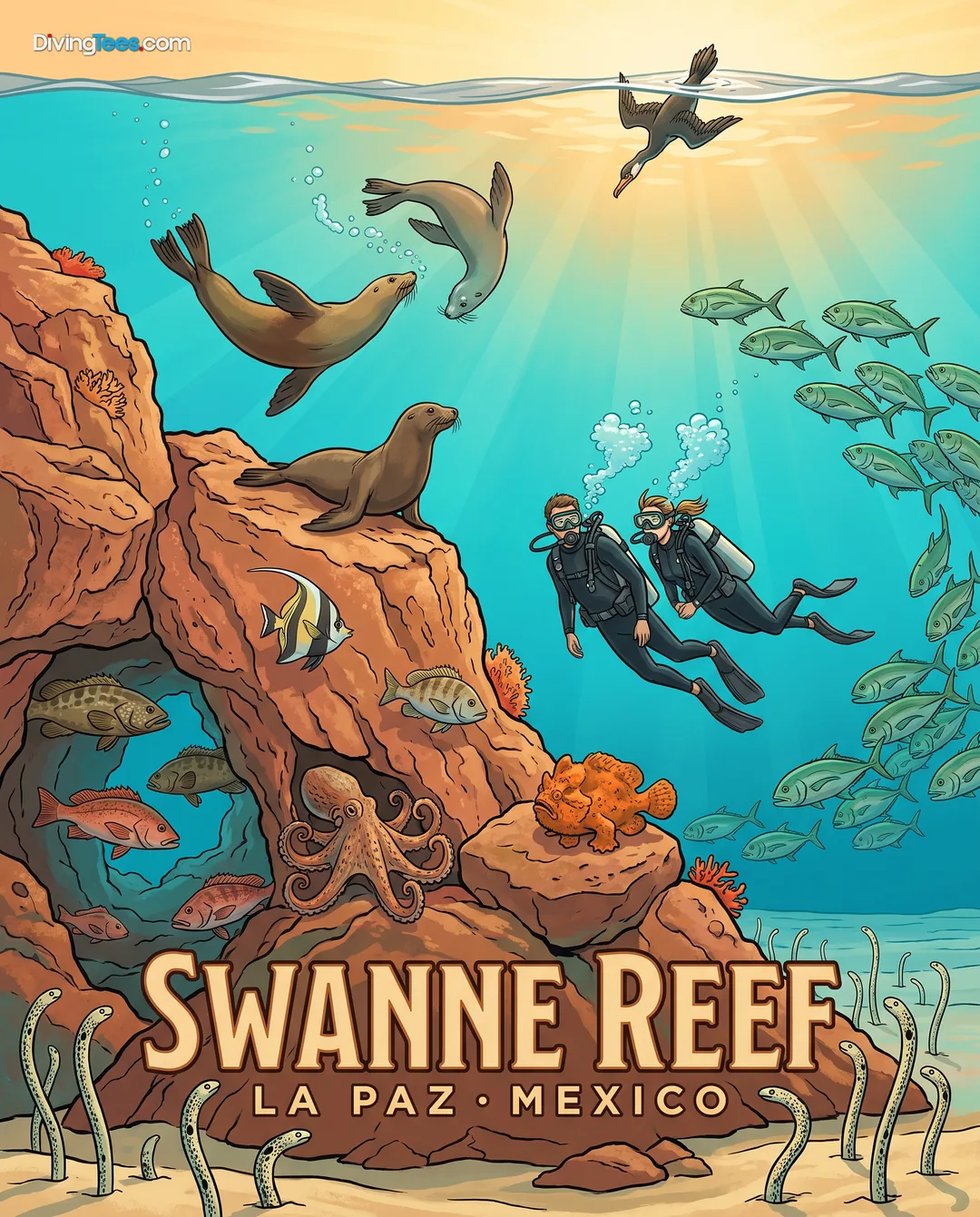
Underwater, Baja shifts between shallow rocky reefs, steep walls, sandy slopes, canyons and offshore seamounts. Swanne Reef rises close to the surface in the San Lorenzo Channel, with slopes, walls and crevices from six to twelve metres; tidal current can change it from quiet to brisk. At San José del Cabo, Pelican Rock combines a calm five-metre start with a canyon reaching twenty-seven metres, while Middle Wall extends down to forty-three metres and is more exposed to variable conditions. Gordo Banks is a deeper drift over open water, commonly within thirty to forty metres. Visibility is often around ten to twenty metres at Swanne Reef, but varies by sector and can fall after rain, storms or plankton blooms. Most notable sites are reached by panga or day boat, with currents ranging from absent to strong.
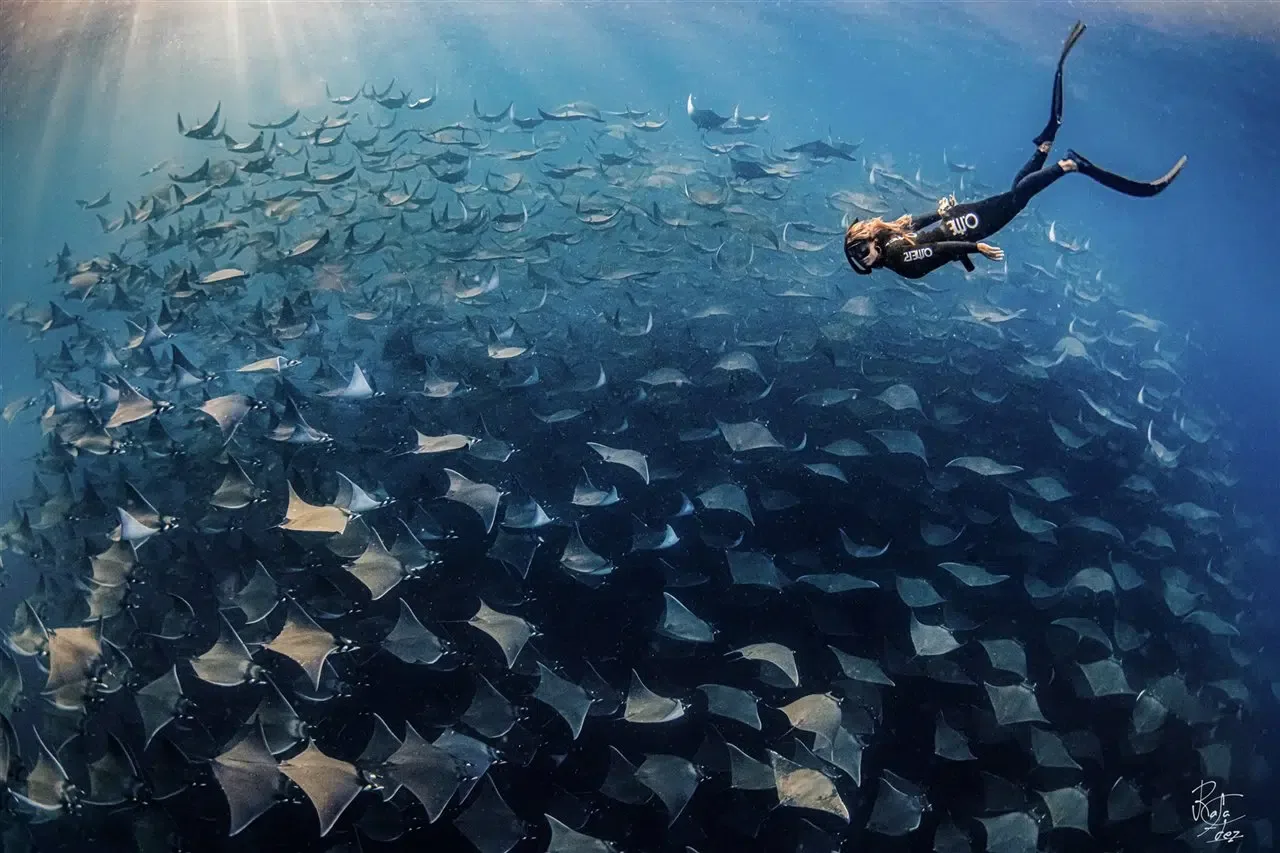
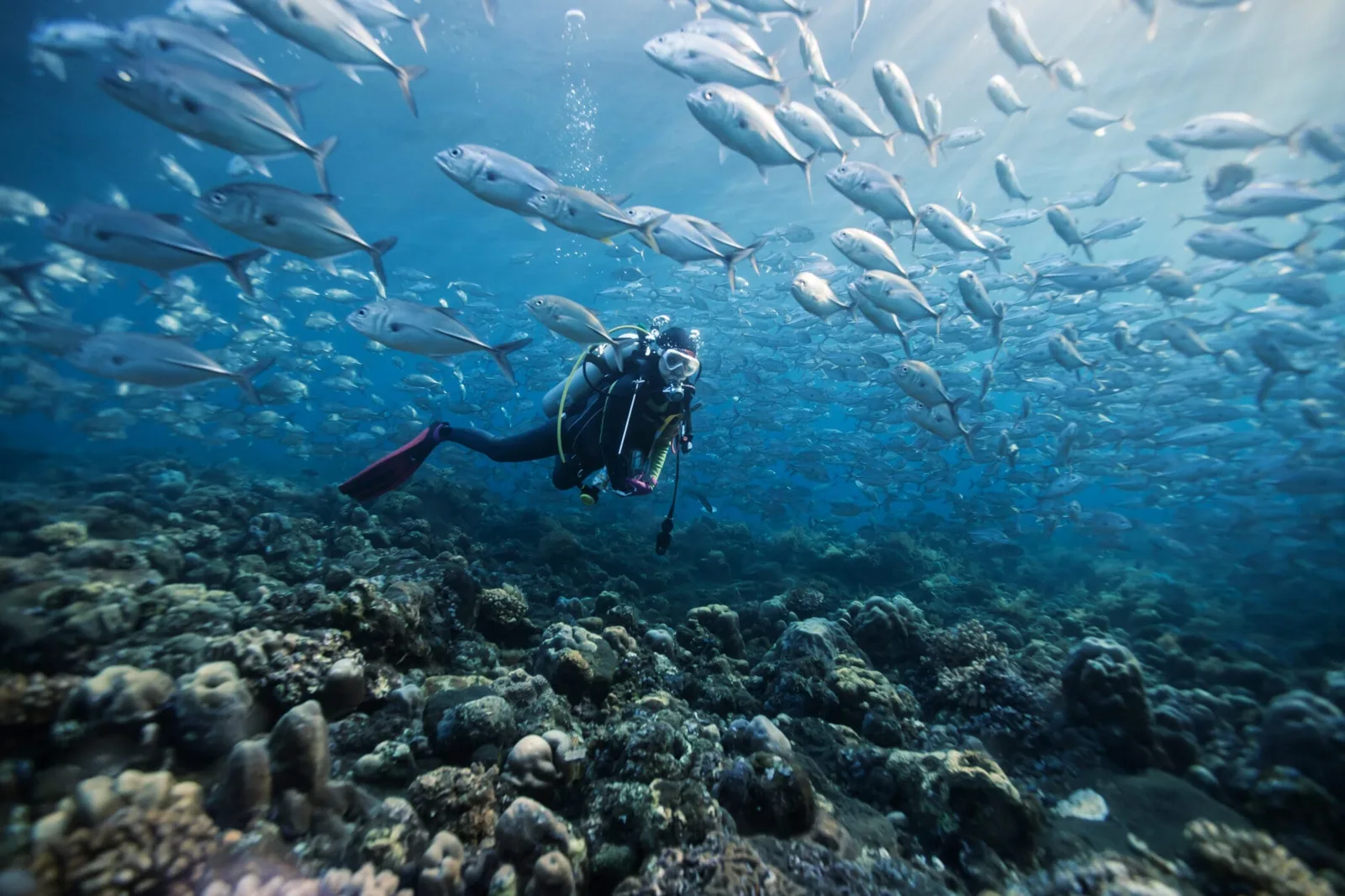
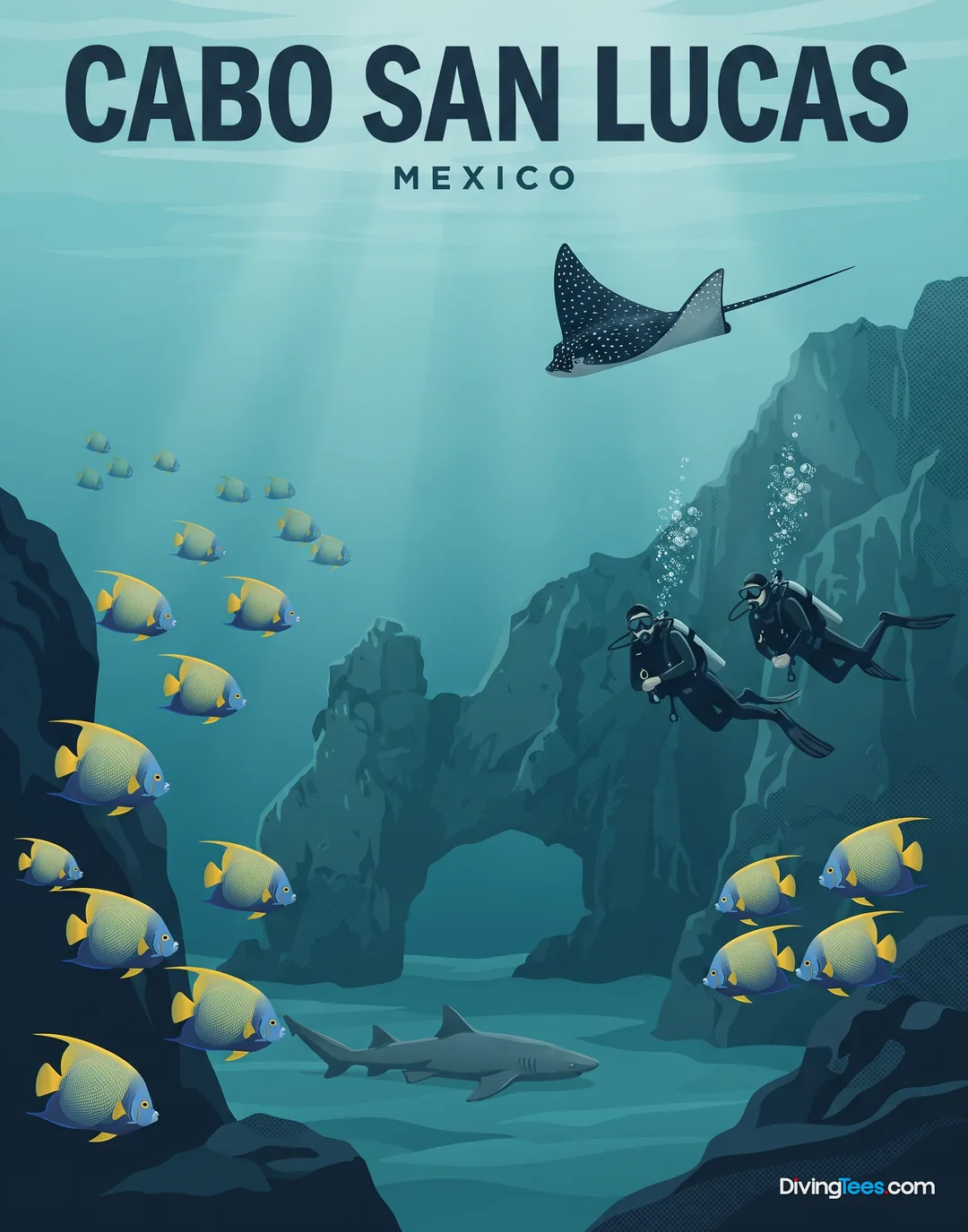
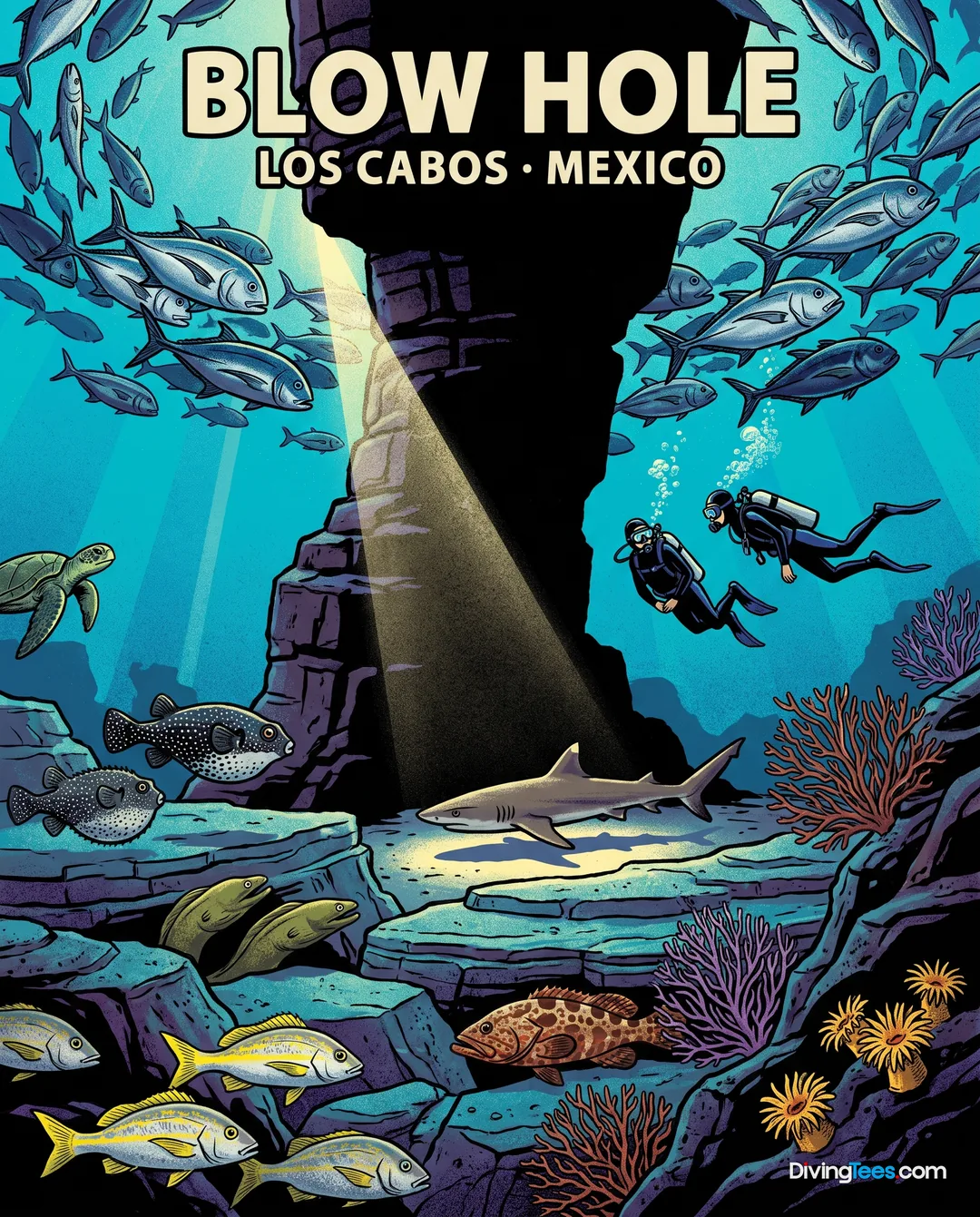
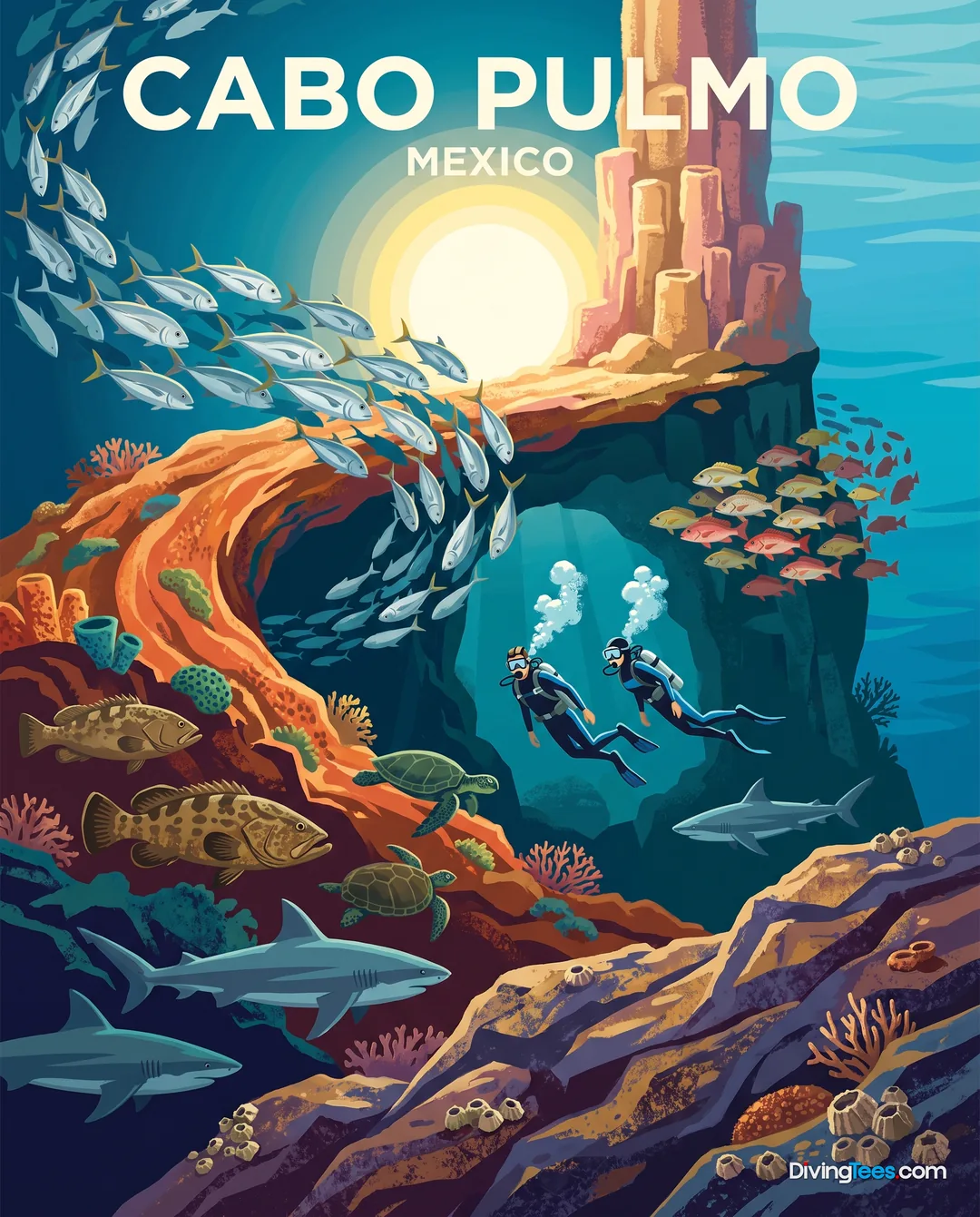
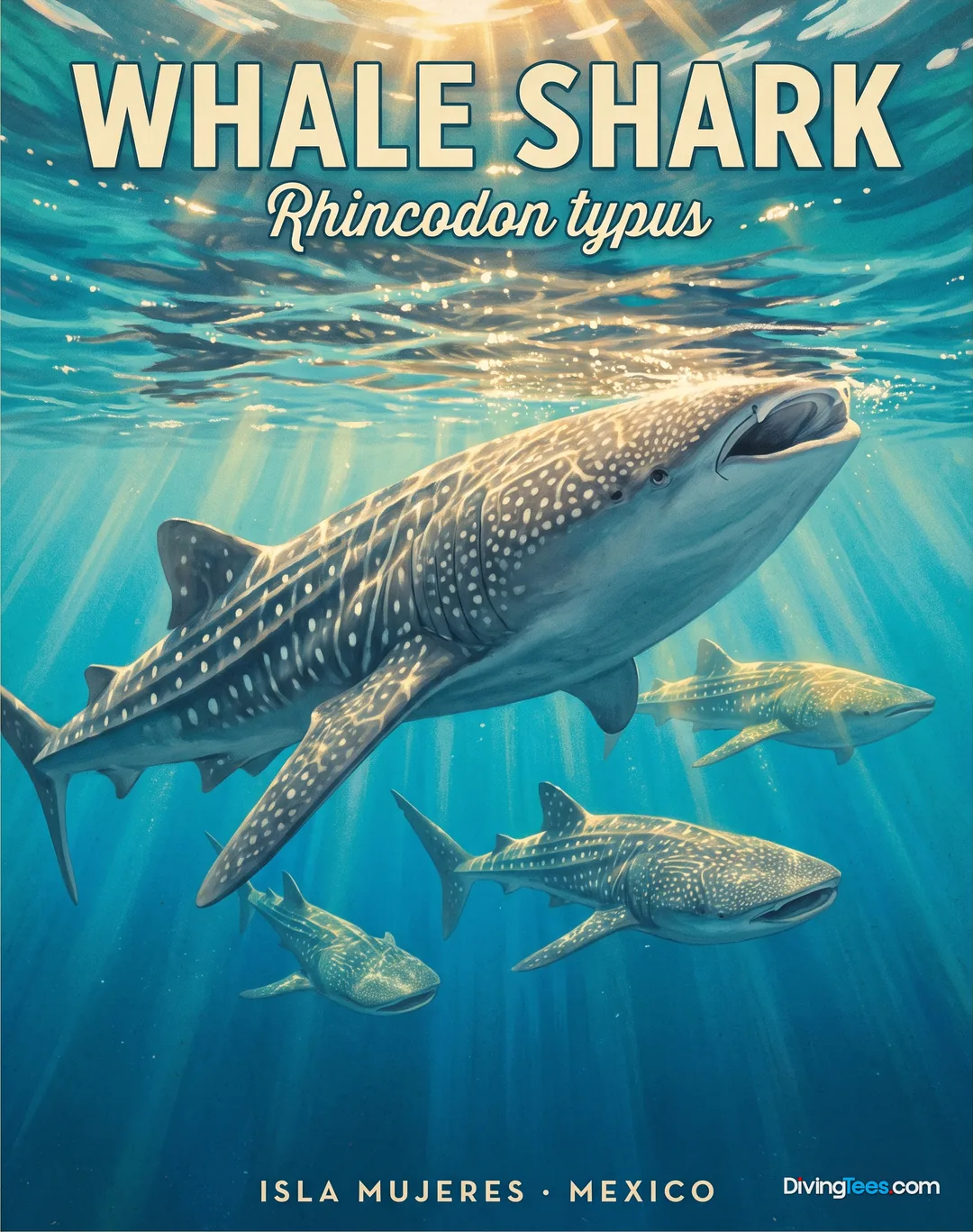
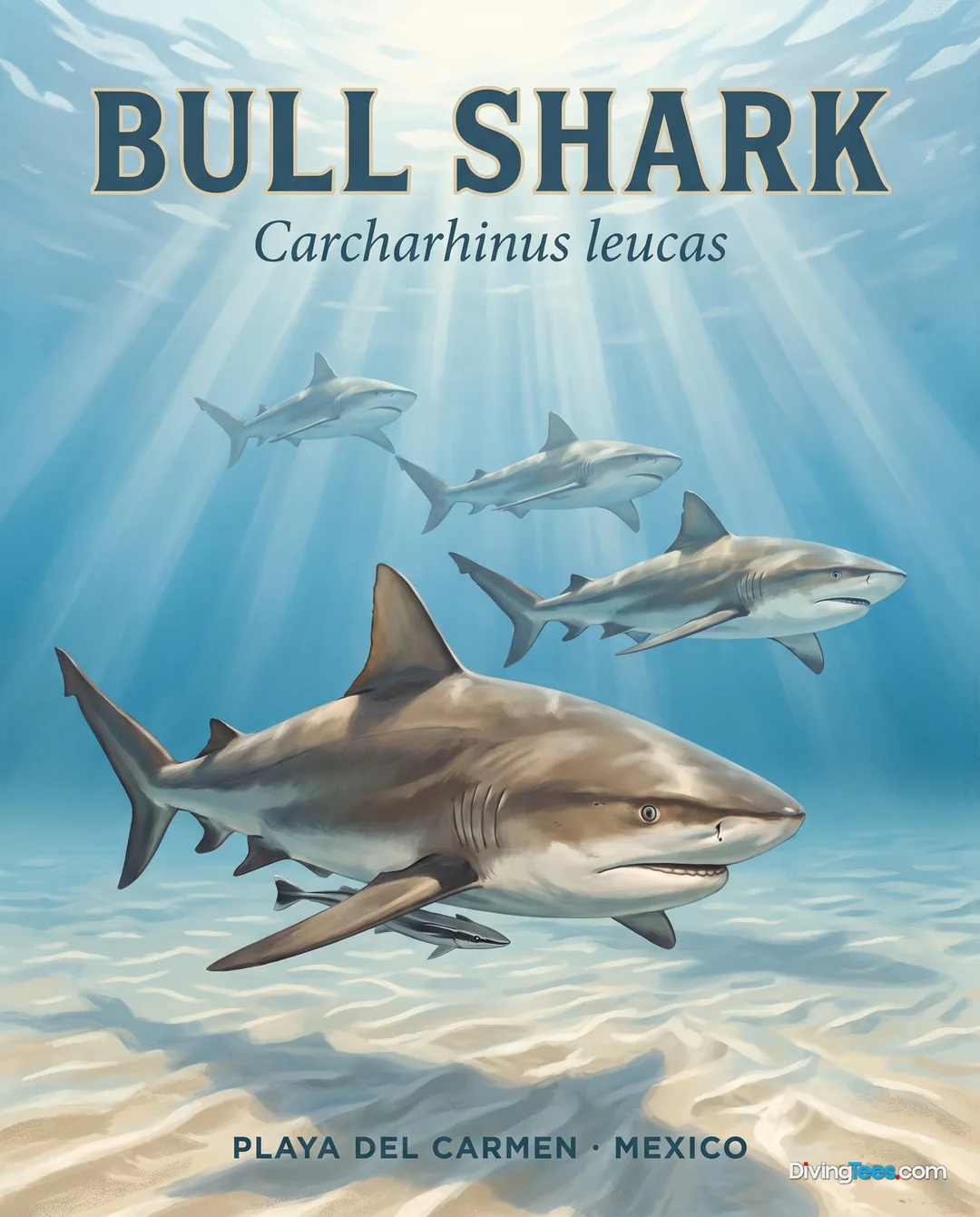
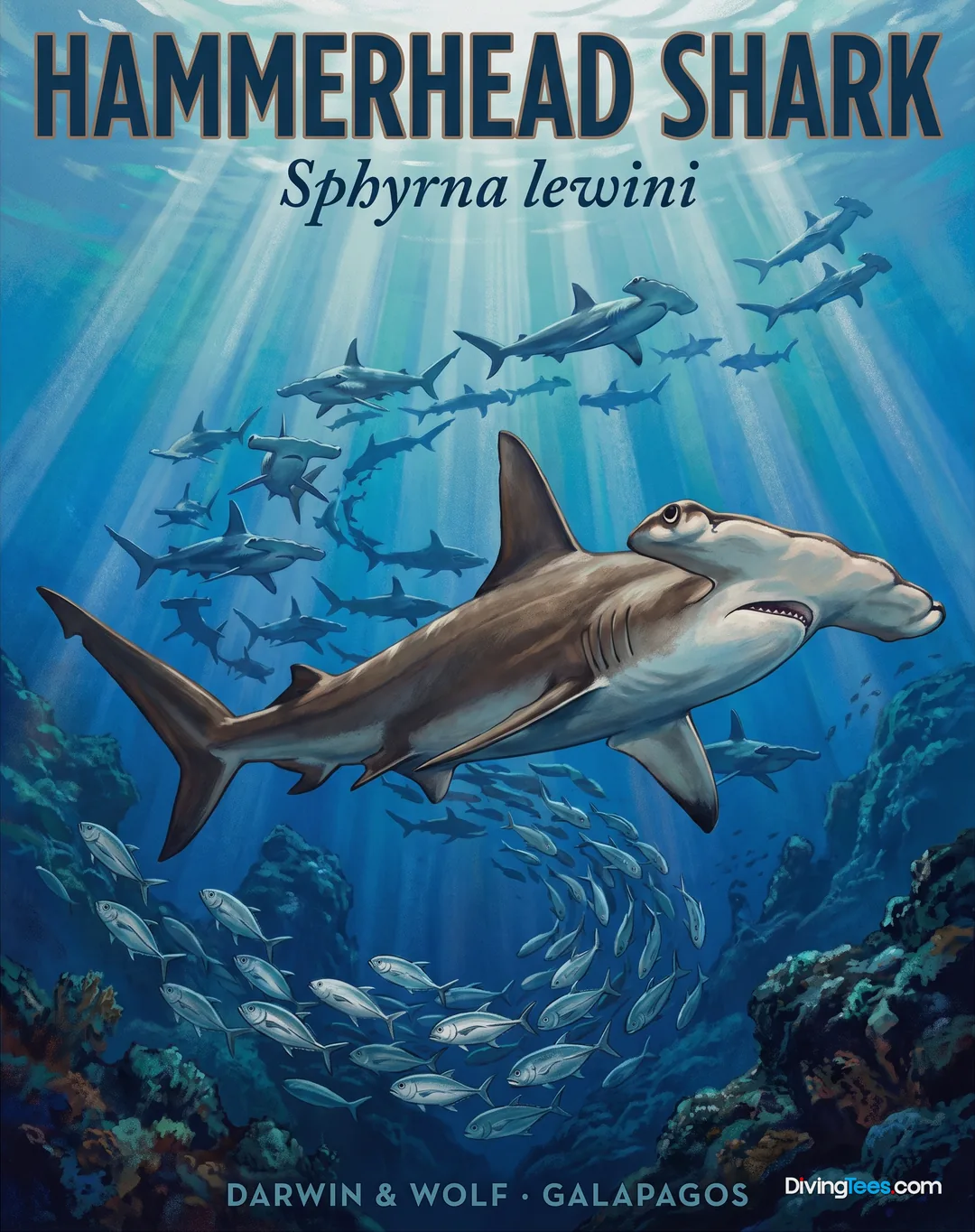
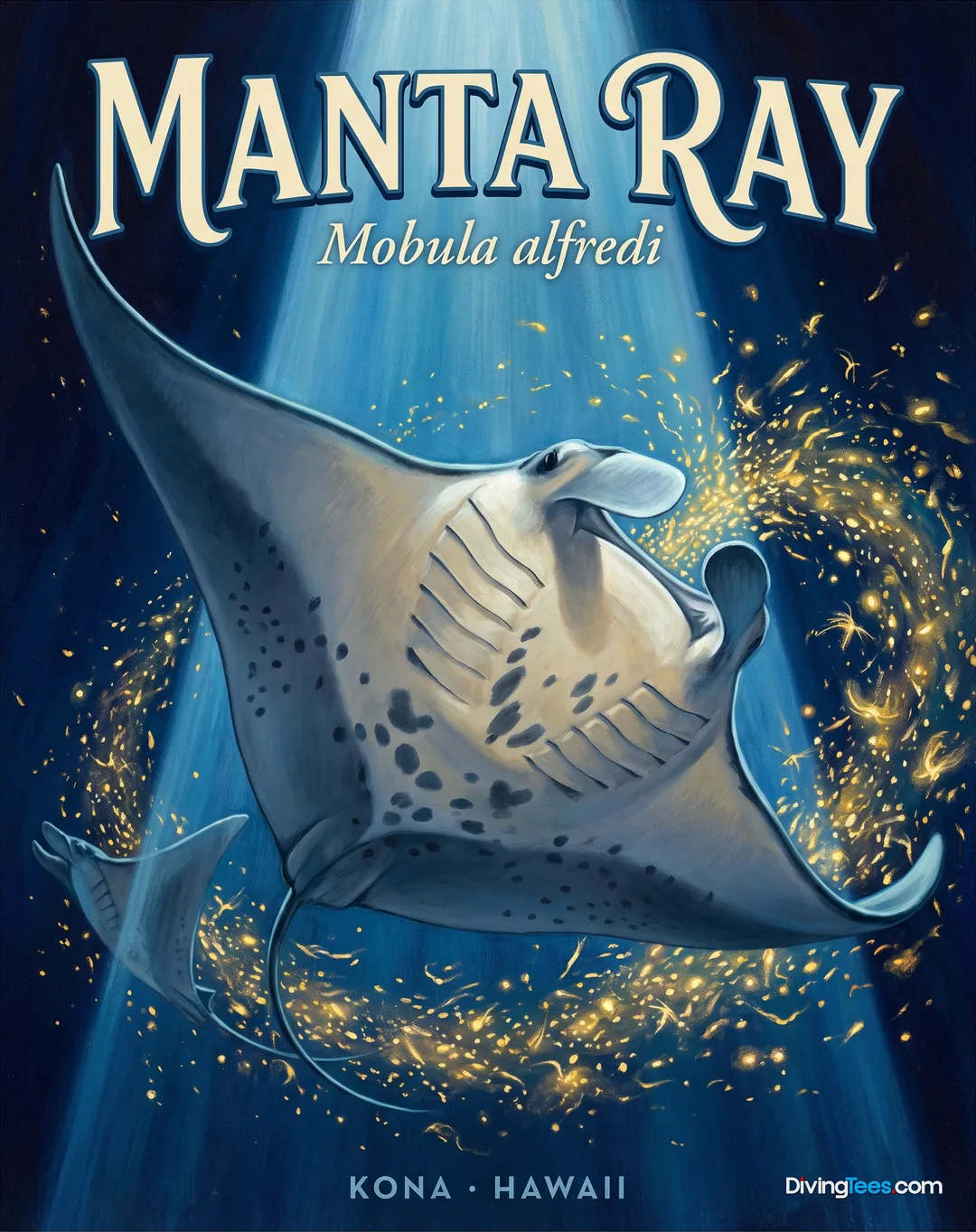
California sea lions are present throughout the year, with Los Islotes offering close encounters around two rocky islets and a natural arch. That site closes from June to August during the breeding season. Cabo Pulmo’s reef supports dense schools of jacks and groupers, while Chileno Bay and Gavilanes bring turtles, moray eels, reef fish and occasional whitetip reef sharks into shallower, calmer water. Gordo Banks is aimed at pelagics, including schooling hammerheads and silky sharks. Mobula rays are most associated with spring and early summer, while oceanic manta rays may use La Reina as a cleaning station in summer. Late summer and autumn can bring manta rays, larger pelagic schools and clearer, warmer-feeling conditions; whale sharks are possible from autumn into spring, depending on the zone. Winter may offer occasional bull sharks.
Late summer through autumn is the most convincing all-round window, particularly from August to November. Water is then more settled and visibility is often at its clearest, while pelagic activity can include mobula rays, manta rays and larger schools of fish. Cabo Pulmo is also generally most consistent from May to November. The trade-off is that the recognised wildlife season can concentrate boat departures when weather allows. Winter remains worthwhile for sea lions and occasional bull sharks, but cooler water and a more frequently formed sea can make conditions less predictable. Rain, summer storms and plankton can reduce visibility, so the clearest water and the busiest wildlife period do not always arrive together.
There are suitable dives for every level, including sheltered reefs such as Gavilanes, Chileno Bay and Pelican Rock. Open Water divers can enjoy the shallower profiles, but experience in a boat, changing visibility and mild current makes the trip more comfortable. Advanced Open Water is useful for Gordo Banks, La Reina, deeper walls and sites reaching beyond recreational limits. Nitrox helps with repeated deeper days, and a drift-diving qualification is sensible where current is part of the plan. BSAC, PADI and SSI experience all transfer readily; buoyancy control matters more than the agency logo.
From London Heathrow, Gatwick or Manchester, the journey involves at least one connection into Mexico, followed by a domestic sector or a substantial road transfer before reaching the chosen diving base. The route depends on whether the itinerary centres on La Paz, Cabo Pulmo, Loreto or the Los Cabos area. Travellers arriving from mainland Mexico may use the ferry to La Paz, which is a structural part of that option rather than a minor alternative. Cabo Pulmo is reached by road from La Paz or Los Cabos, with an unpaved final section. Around La Paz and Cabo San Lucas, a taxi or short transfer usually reaches the departure point; in Cabo Pulmo, accommodation is more spread out and local movement may mean walking, a transfer or a suitable vehicle. Distances between bases need planning rather than improvisation.
Treat the three main areas as different trips joined by a long road: La Paz is built around full-day boat outings, Cabo Pulmo around a small, regulated park, and Loreto around panga trips to island sites. Keep whole days free for La Paz rather than trying to fit its offshore dives into short time slots. For Cabo Pulmo, allow for the unpaved final road and avoid a very low car if driving. Do not assume the same wildlife season everywhere: choose late summer and autumn for warmer water, clearer conditions and more pelagic activity, or accept cooler winter diving for a different chance of life. Los Islotes is closed from June to August, so sea-lion plans need checking against that seasonal protection. Bring a familiar mask and computer for repeated boat days. In Cabo Pulmo, the accredited guide, group limits, park fee and site restrictions are part of the dive: no touching coral, no anchoring on sensitive ground and no gloves where park rules prohibit them.
Seven to ten days makes more sense than a rushed long weekend, allowing one principal base and either a second diving area or spare weather days. La Paz works well for repeated boat departures and a rest day by the waterfront; Los Cabos offers easier access to San José del Cabo sites and non-diving activities. Cabo Pulmo is quieter, smaller and centred on the marine park, while Loreto suits a panga-based island programme. The companions’ choice is strongest around La Paz, Los Cabos and Loreto, where boating, beaches, kayaking and wildlife watching fill surface intervals.
Hello, I'm Marina, DivingDeal.com's AI assistant. I guide you through destinations, areas and countries.
Thinking about the whole trip and the flights? Talk it over with Edith →
Marina is an AI. Some links are affiliate links: DivingDeal may earn a commission, at no extra cost to you. Bookings are made with the partner.
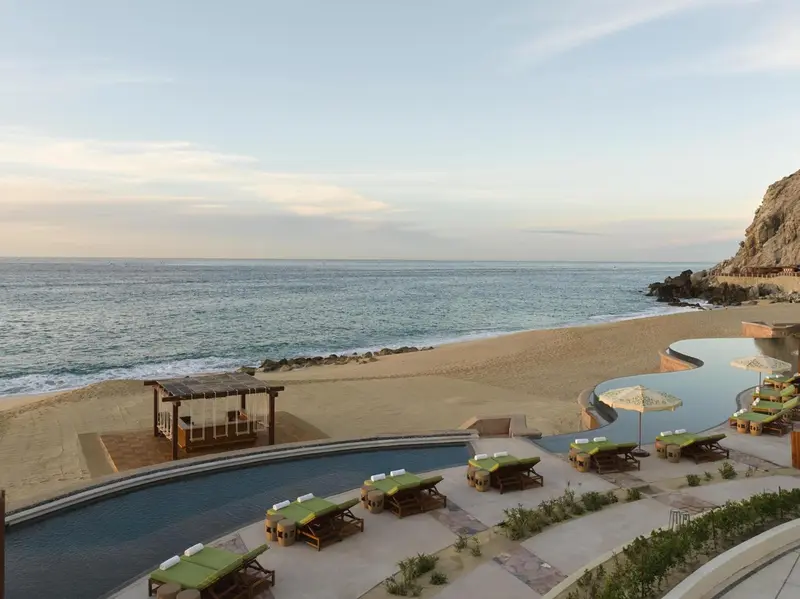
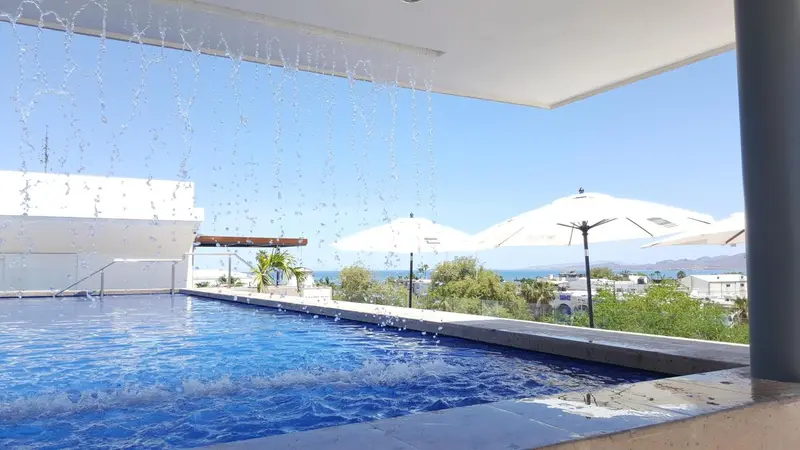
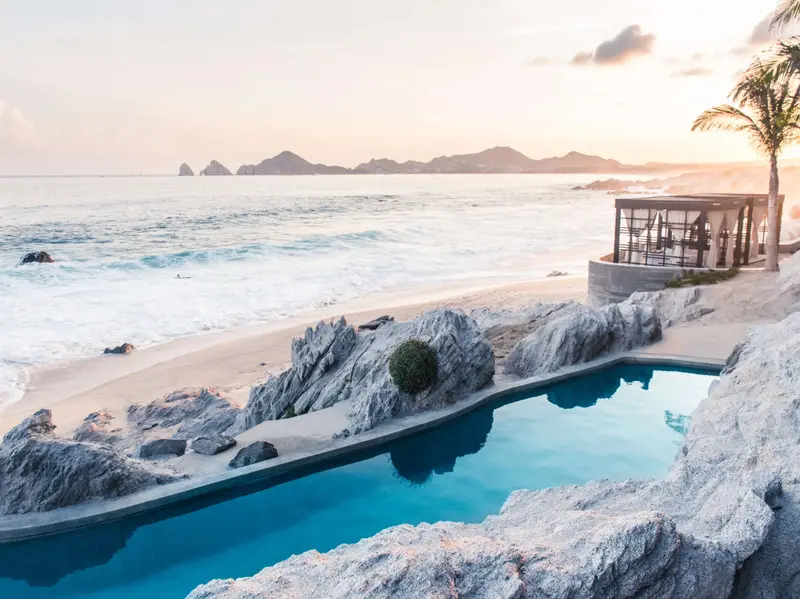
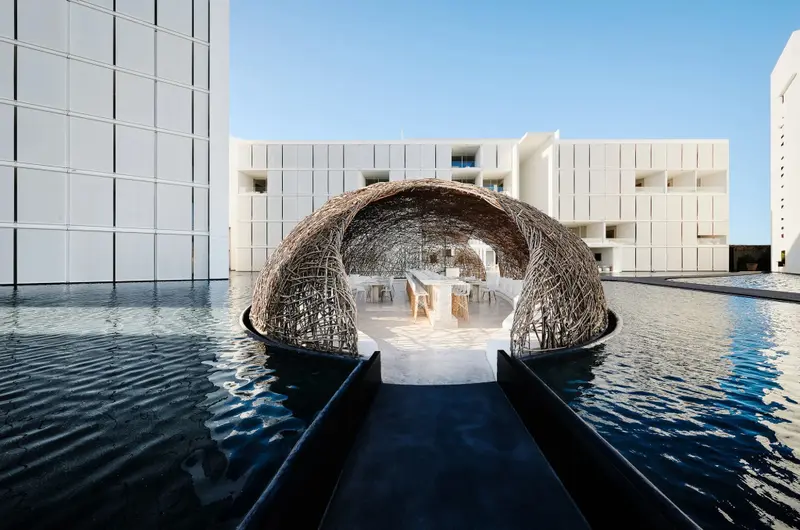
In each one, the dive centre is inside the hotel: step out of your room and go diving.
Dive centre in the hotelGoogle 4.5/5 (290 reviews)
The dive centre
Cabo Pulmo - Cabo Pulmo Beach Resort
PADI
Google 4.5/5 (297 reviews)
Dives: EL VENCEDOR WRECK, EL CANTIL, LA ESPERANZA
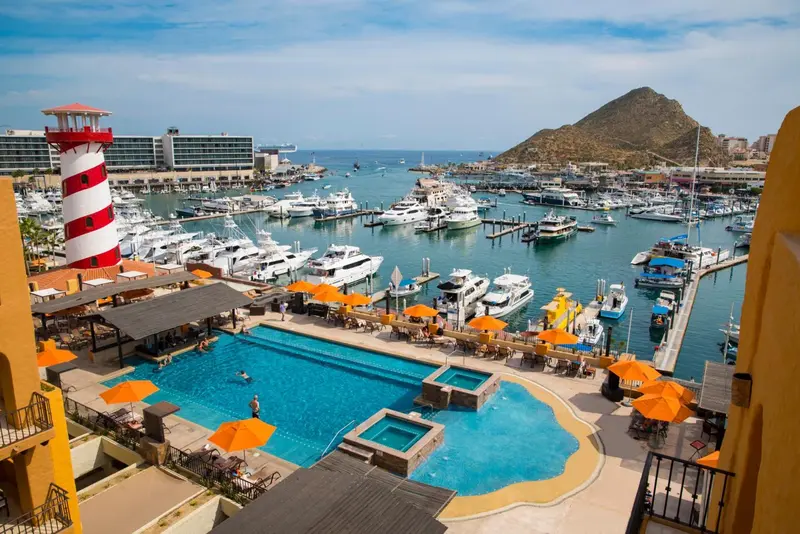 Dive centre in the hotel
★★★★
Google 4.3/5 (4,117 reviews)
The dive centre
Dive Cabo
PADI
Google 4.9/5 (1,302 reviews)
Dives: Land's End, Pelican Rock, Middle Wall
Choose late summer through autumn, particularly August to November, for generally settled water, clear visibility and pelagic activity including mobula rays, manta rays and larger fish schools. Cabo Pulmo is generally consistent from May to November. Winter still suits sea lions, but cooler water and less predictable conditions can affect diving.
Baja California offers suitable diving for every level. Open Water divers can enjoy shallower profiles at Gavilanes, Chileno Bay and Pelican Rock. Experience with boats, changing visibility and mild current makes trips more comfortable. Advanced Open Water is useful for Gordo Banks, La Reina, deeper walls and sites beyond recreational limits. Nitrox and drift-diving training can help.
Baja California combines California sea lions at Los Islotes with schooling jacks and groupers at Cabo Pulmo. Chileno Bay and Gavilanes offer turtles, moray eels, reef fish and occasional whitetip reef sharks. Gordo Banks can bring schooling hammerheads and silky sharks, while La Reina may host manta rays. Mobula rays and pelagic schools are associated with late summer and autumn.
Plan Baja California as a regional trip rather than one uniform resort. Choose La Paz for full-day boat outings, Cabo Pulmo for its regulated marine park, or Loreto for panga trips to island sites. Allow spare weather days, and keep distances between bases in mind. Seven to ten days allows one principal base plus a second area or rest day.