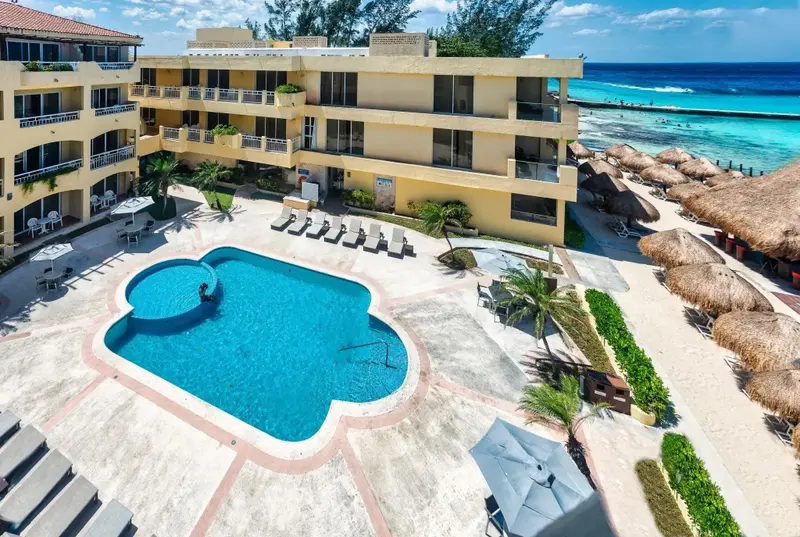
 Dive centre in the hotel
Hotel Playa Azul Cozumel
★★★★
Google 4.4/5 (1,042 reviews)
The dive centre
Bluedream Cozumel
PADI · SSI · TDI
Google 4.8/5 (63 reviews)
Dives: Palancar, Eagle Ray Pass, Bull Shark Dive (Playa del Carmen)
Mexico · Americas
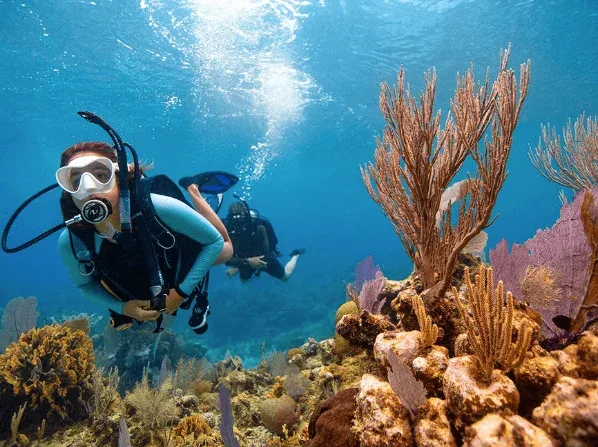
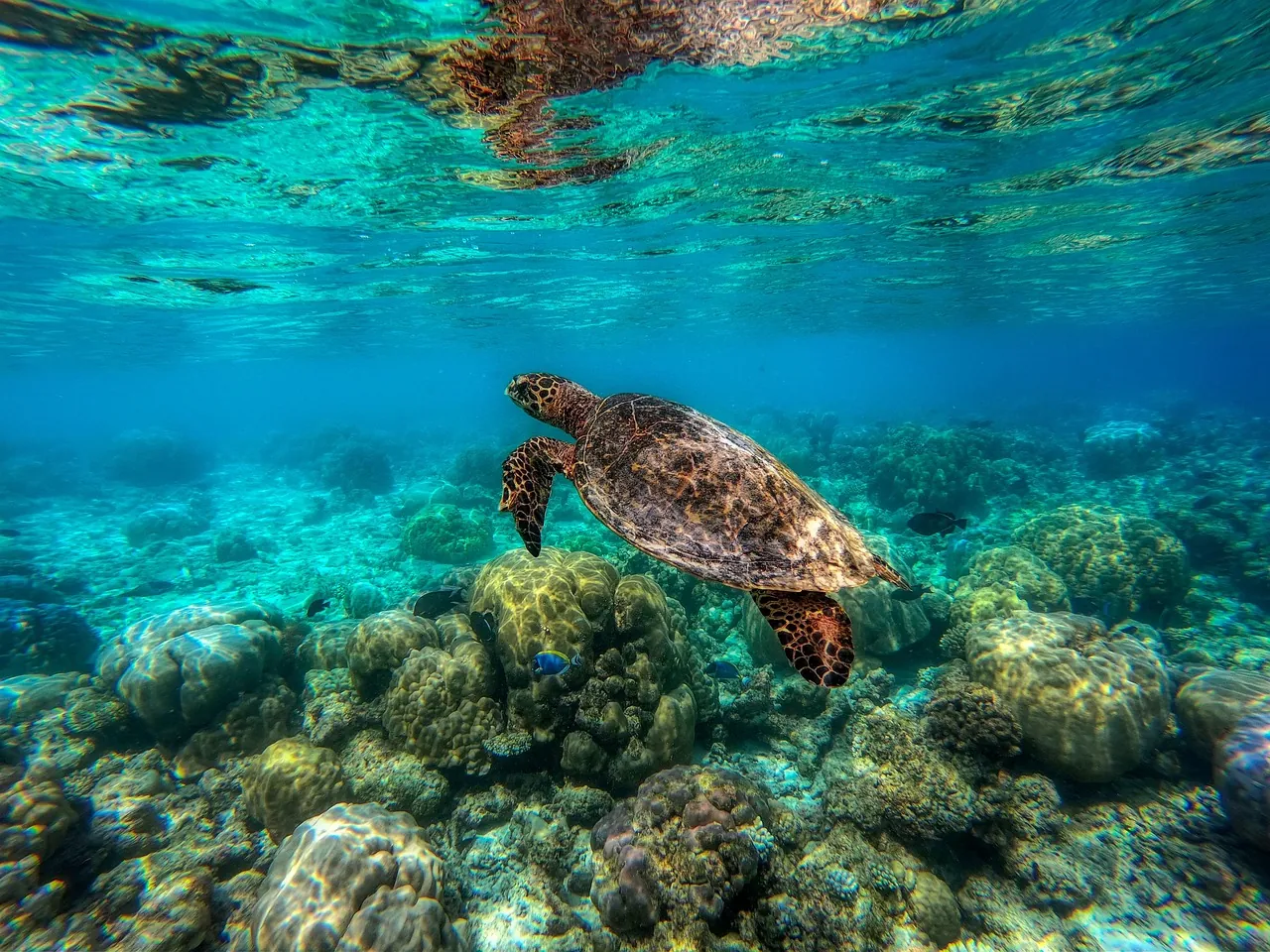
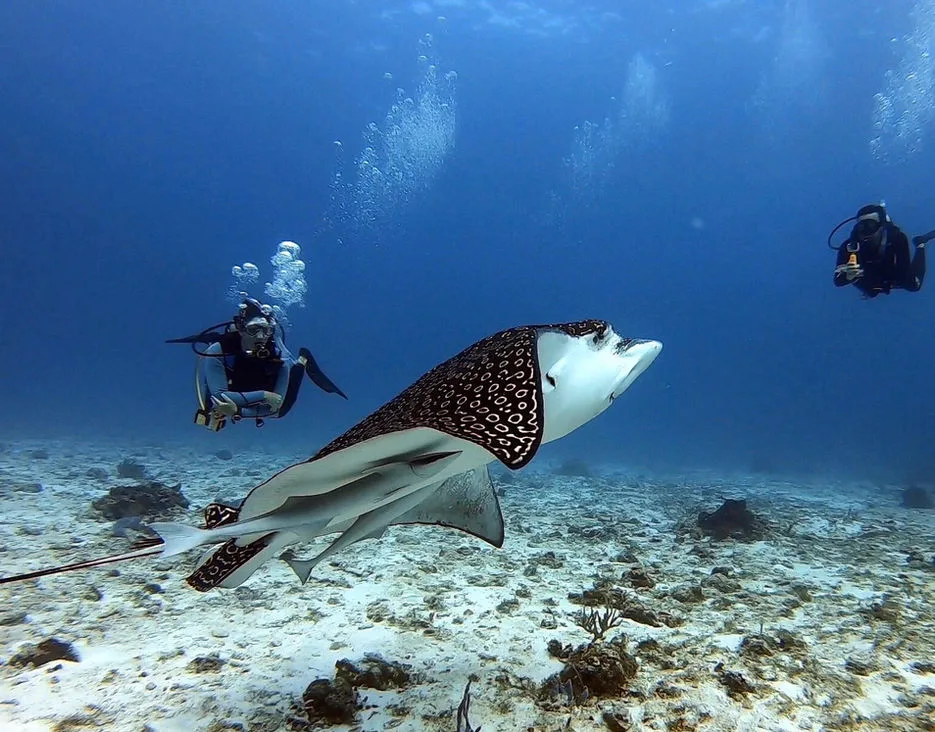
Boat dives follow coral walls, sandy reef platforms and deep drop-offs, with turtles, eagle rays and barracuda moving through exceptionally clear water.
For subtitles in English: start the video firstthen click the gearat the top right of the video, select “Subtitles/CC”, then “Auto-translate” and choose “English”.
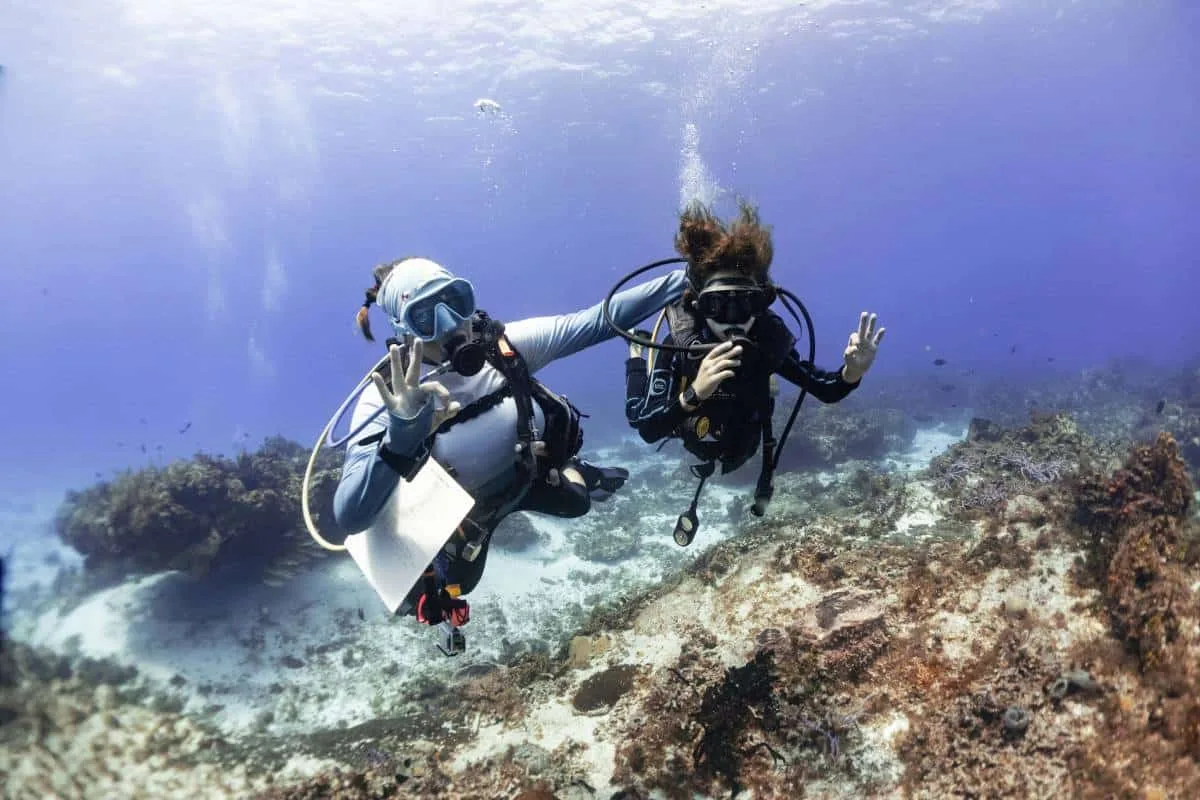
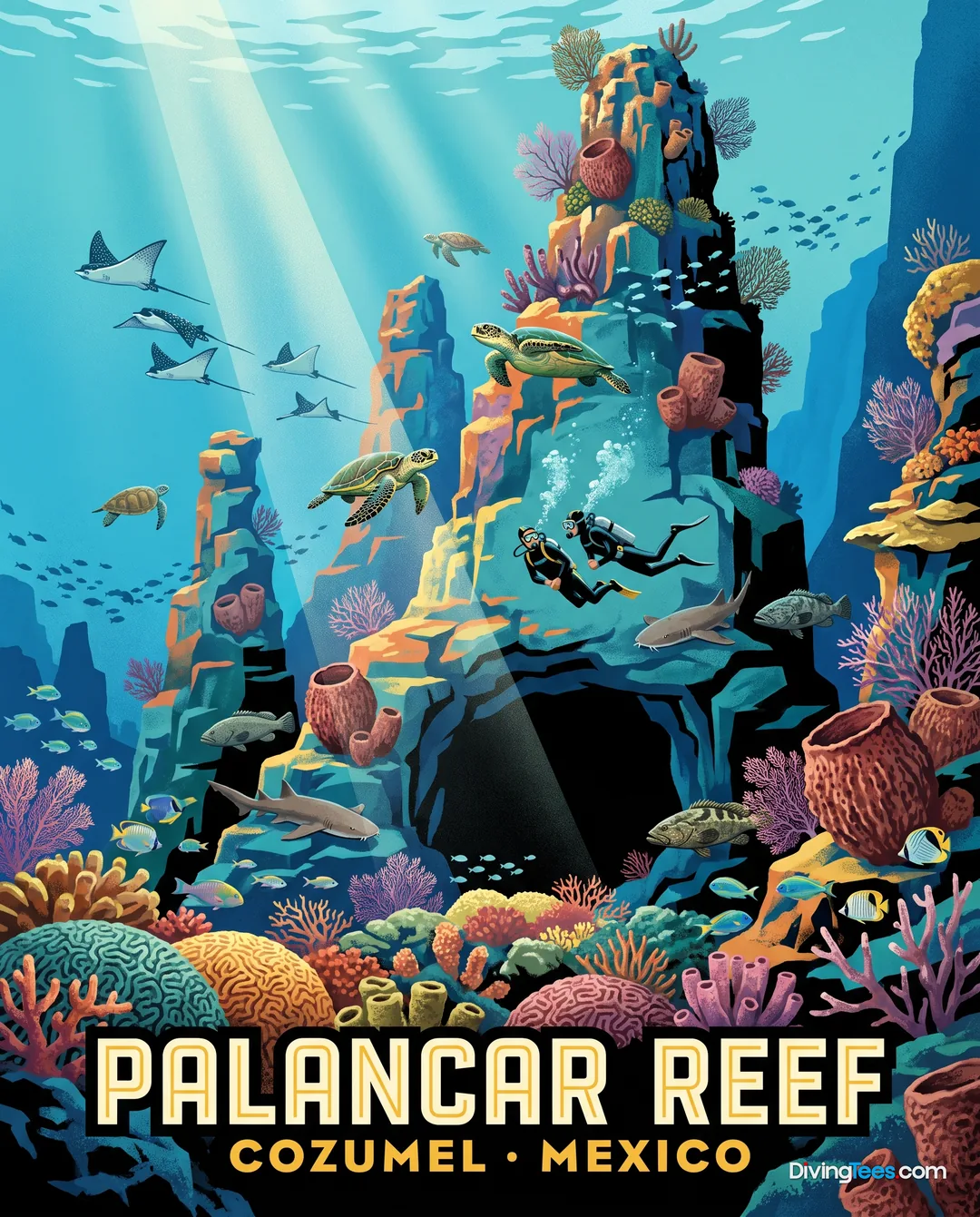
Cozumel is an island base for boat-dived reefs on the Mesoamerican Barrier Reef. The underwater day is shaped by drifting: a guide sets the line, the current carries divers past coral gardens, walls and sandy channels, and the boat meets the group at the end. Palancar Reef provides pinnacles, caves and deeper wall sections, while Paradise Reef and Chankanaab Shallow offer gentler water. San Miguel keeps the practical side of the trip straightforward, with diving, beaches and town life close together.
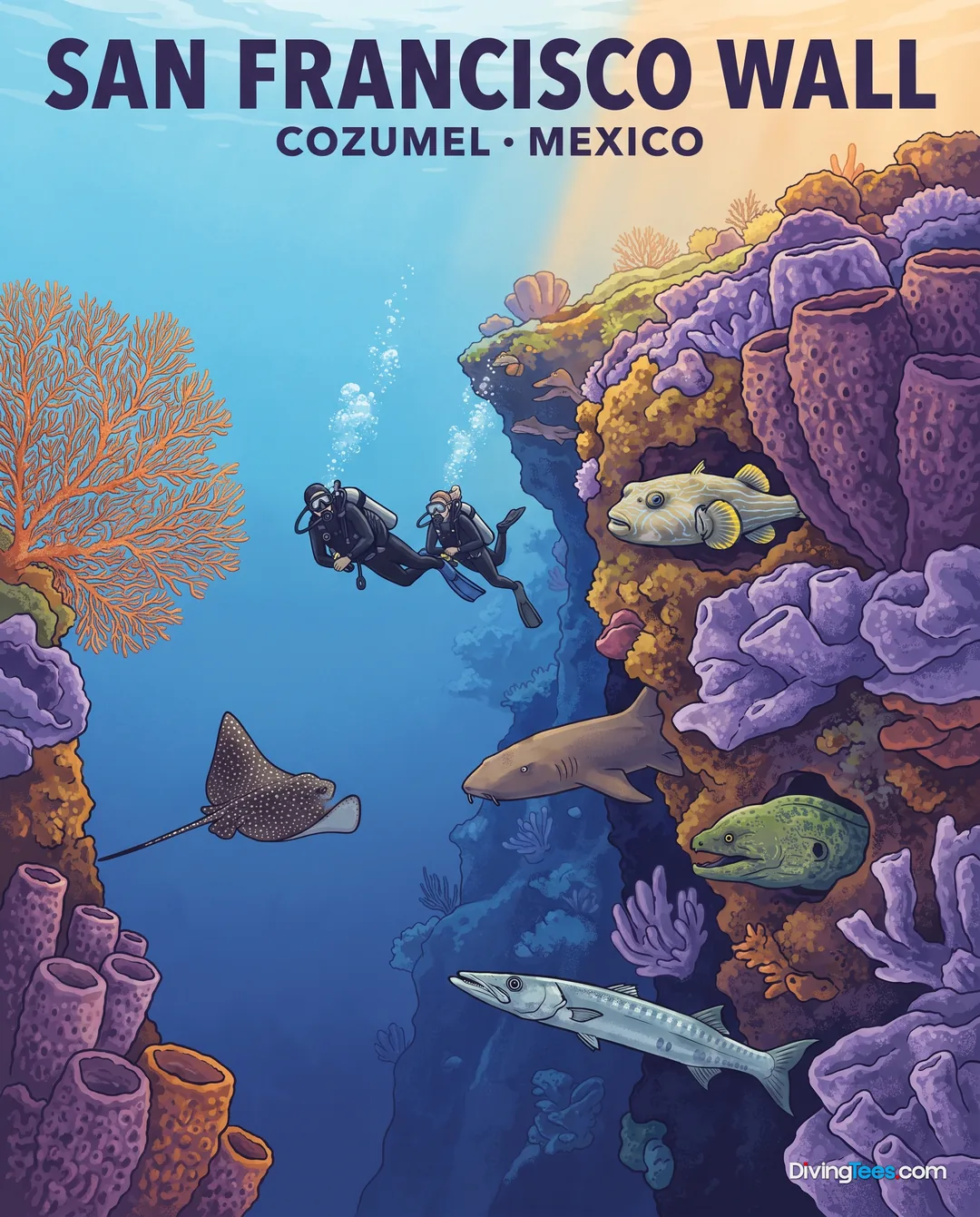
Most Cozumel dives follow reef slopes and walls rather than a fixed route over flat bottom. Santa Rosa Wall starts around fifteen metres before falling well beyond recreational depth, while San Francisco Wall runs from its reef crest down towards sixty metres. Palancar Reef mixes shallow coral scenery with pinnacles, caves and exposed wall sections. Currents are the defining variable: Paradise Reef and Chankanaab Shallow are generally mild, Chankanaab Bolones is light and predictable, and Barracuda, Punta Sur and San Juan demand much more confidence in a drift. Visibility is commonly excellent, often exceeding thirty metres on the more exposed sites. Dives are normally boat-based, with negative or reef-conscious entries, a controlled descent and a clean drift to the pick-up. Good trim matters because a diver who brushes the reef is carried into it rather than simply swimming away.
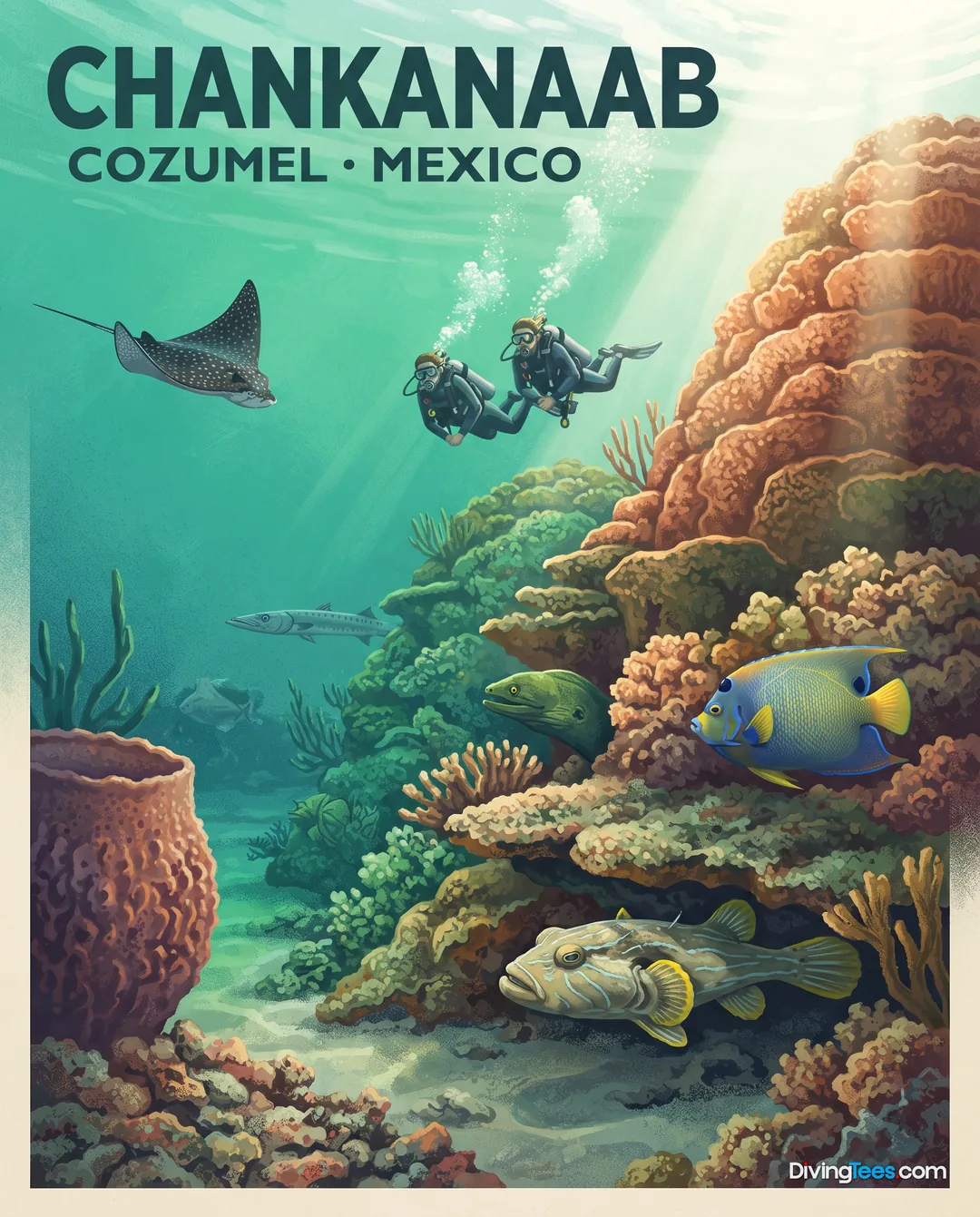
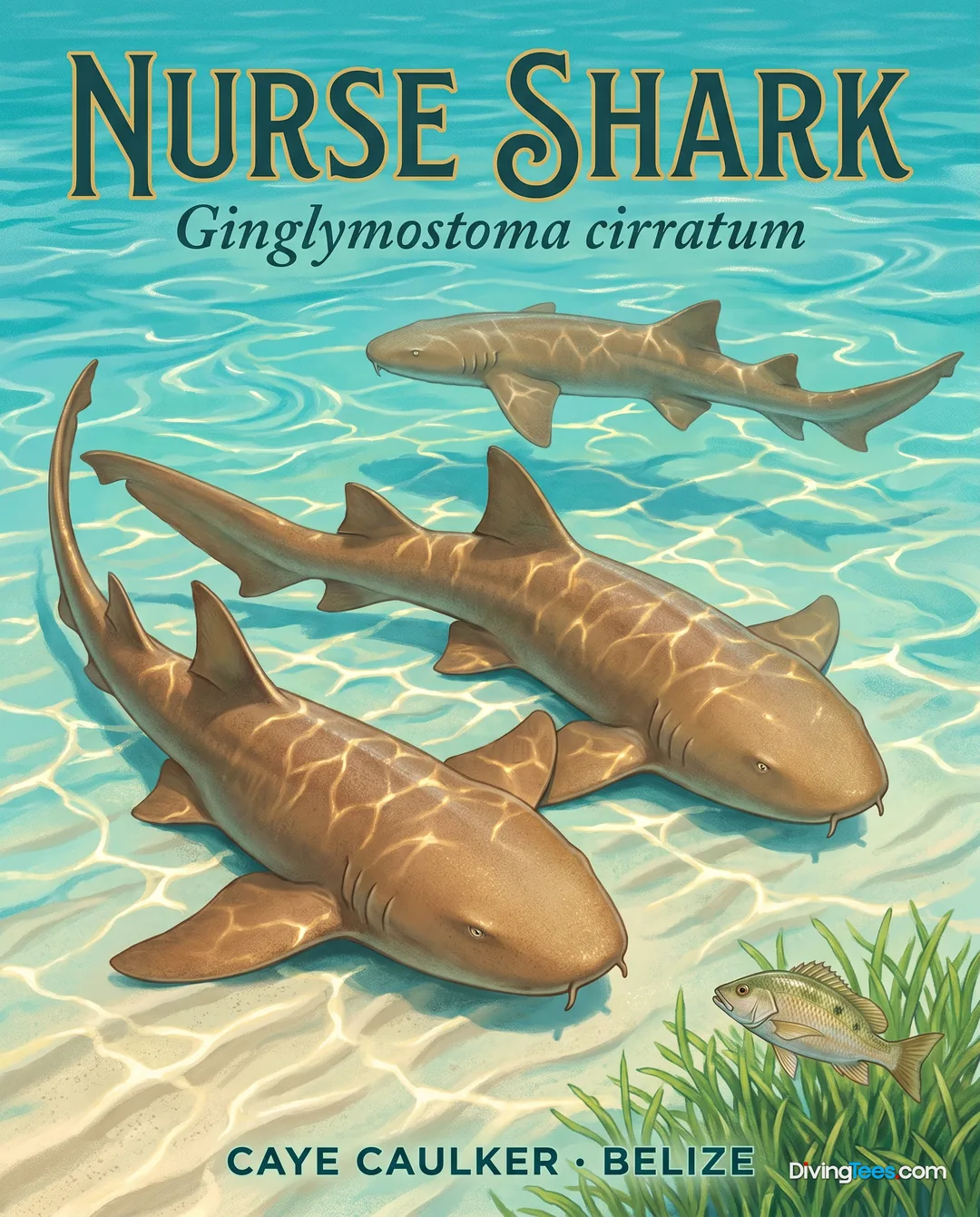
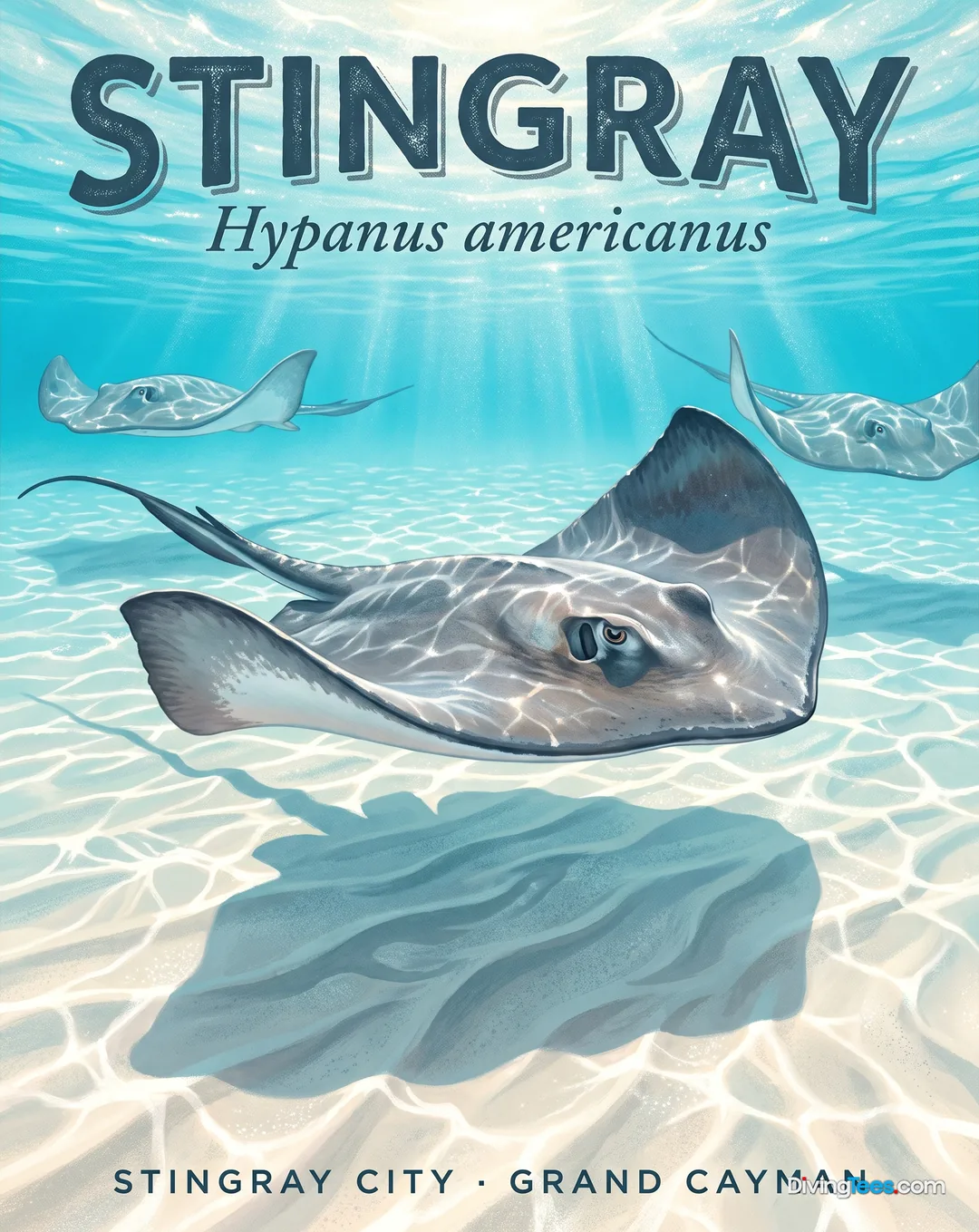
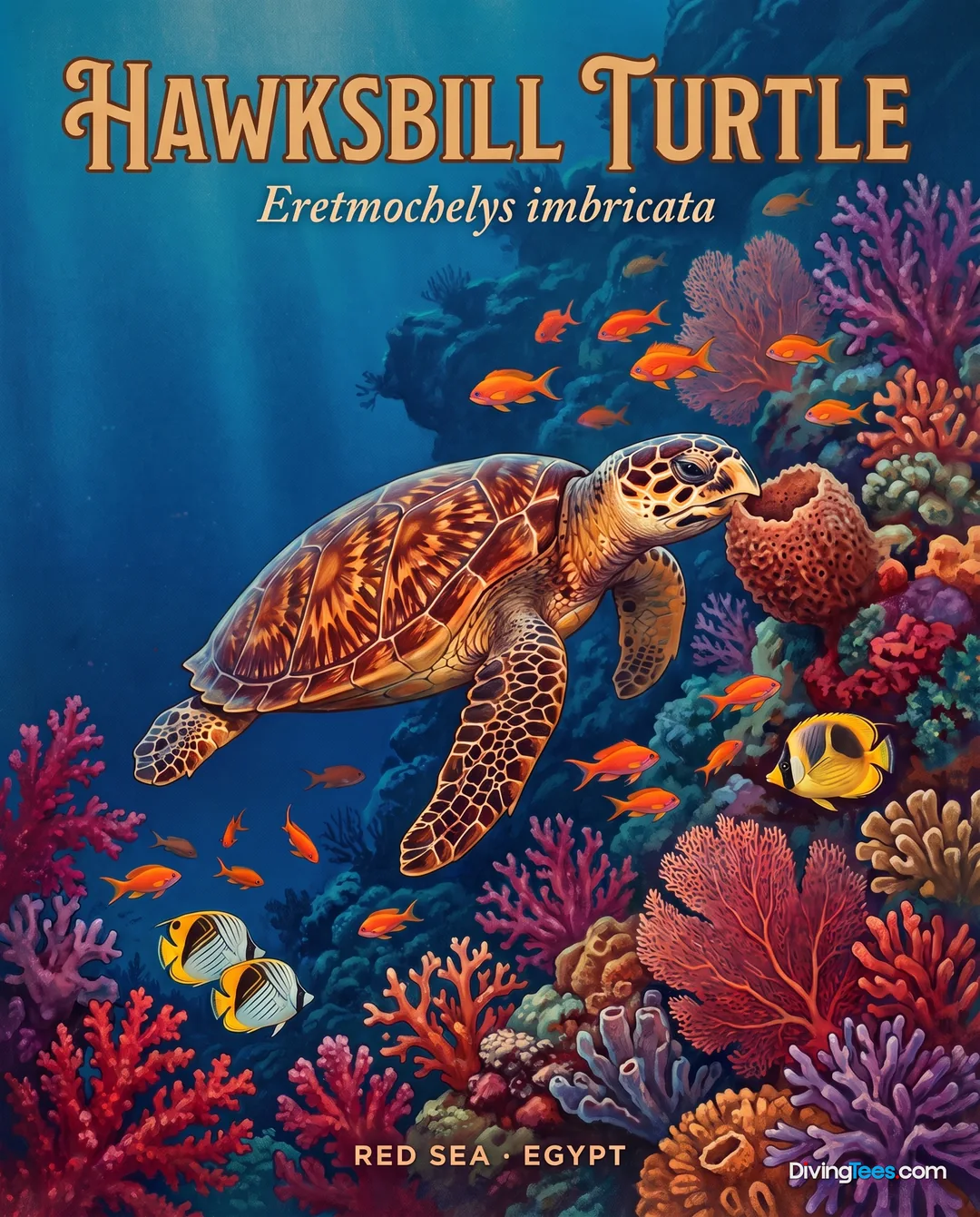
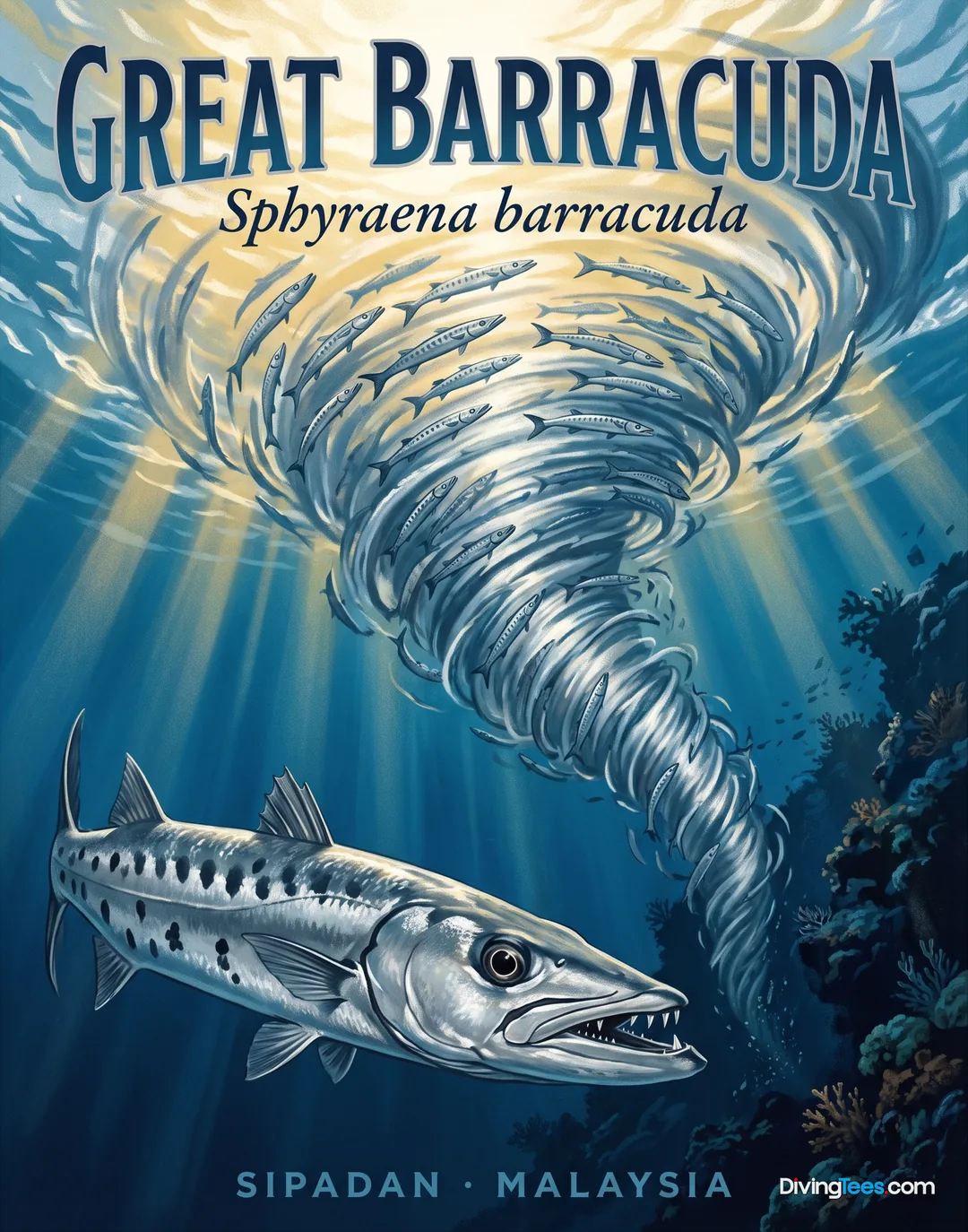
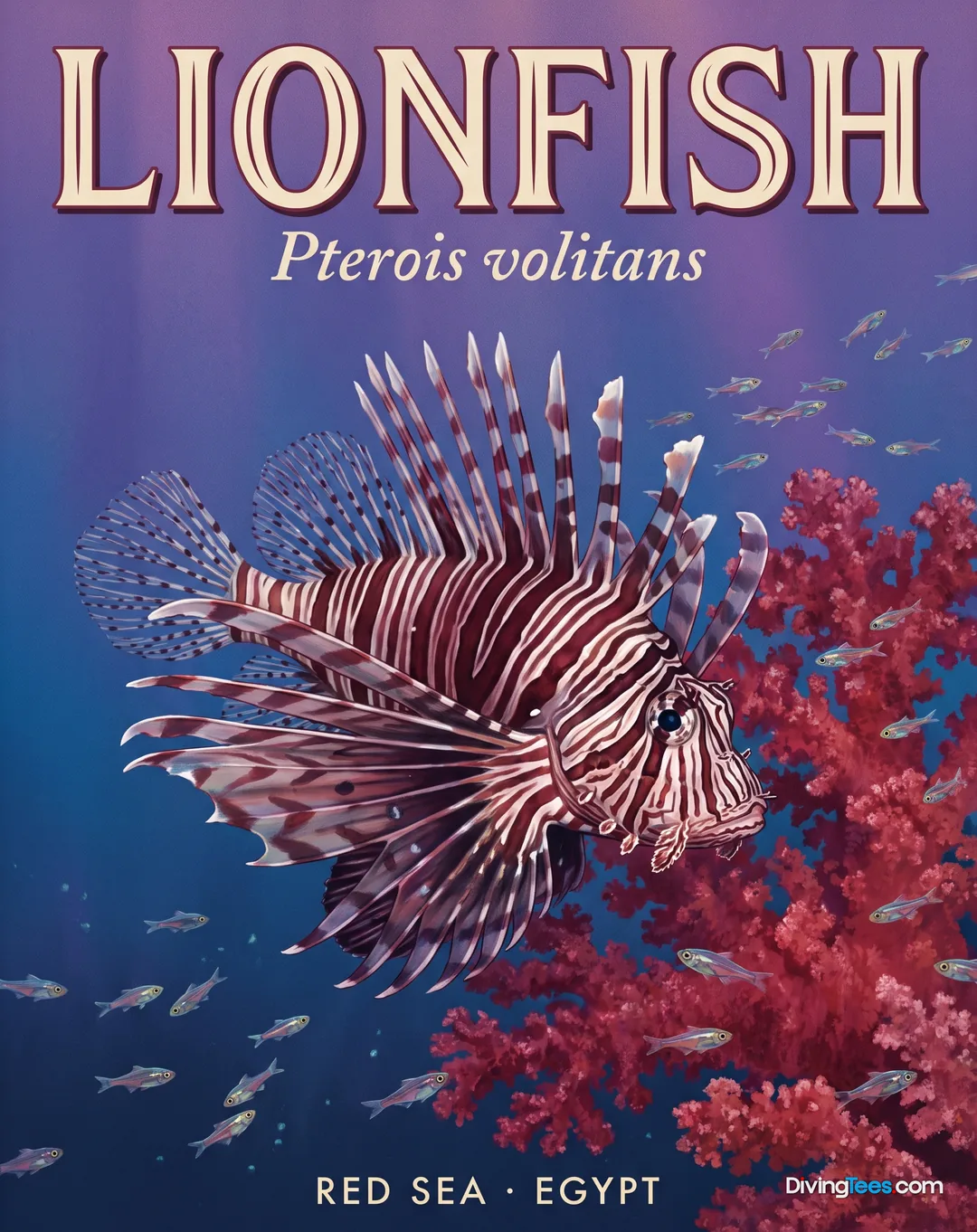
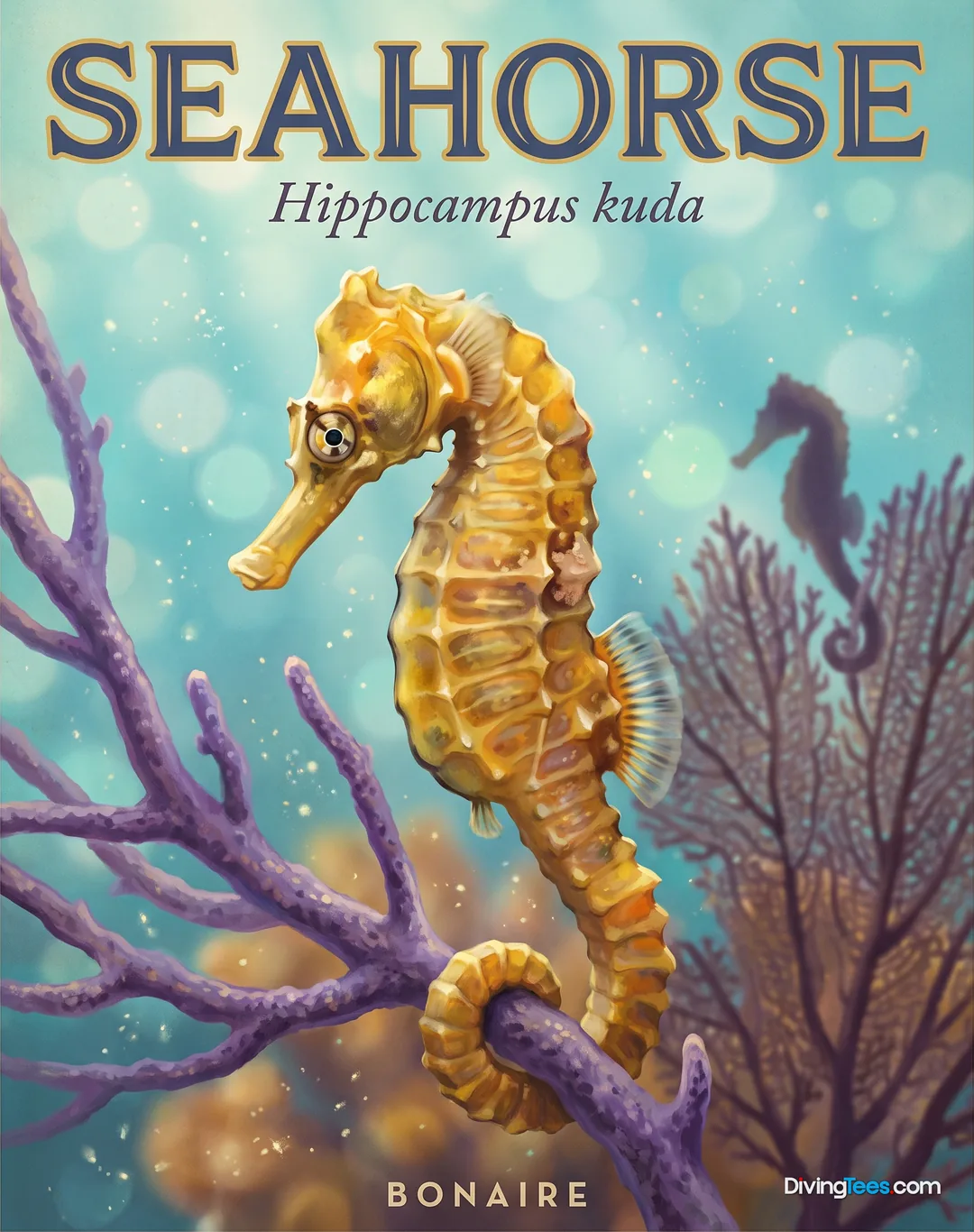
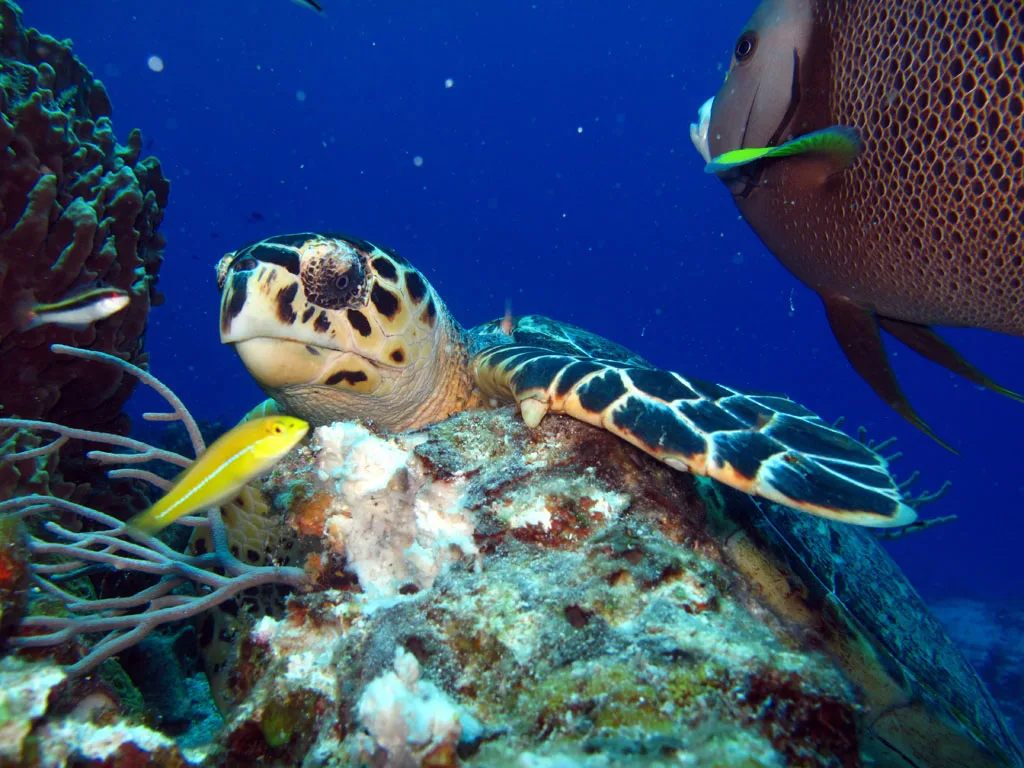
The reef scenery is backed by a useful mix of large and small life. Turtles, grouper, parrotfish and large schools of fish work the coral, while great barracuda and nurse shark may appear in the blue water. Eagle rays and other rays are part of the attraction on wall dives, particularly where current brings feeding opportunities. Lobster and spiny lobster occupy cracks and ledges, and black coral adds darker detail to deeper terrain. Las Palmas is a sensible place to look more closely, with splendid toadfish and seahorses among its coral and sponge growth. July to September offers the calmest sea for boat routines, but the material does not support promising a particular seasonal animal appearance, so the wildlife should be treated as a reef encounter rather than a timetable.
July to September is the measured window for the calmest sea, which matters in Cozumel because the holiday is organised around daily boat departures and current-led dives. It is the period least likely to turn a boat schedule into a negotiation with the water. January to May brings the lowest rainfall, a separate advantage for travellers who prefer drier island days away from diving. The two windows therefore suit different priorities: July to September favours smoother boating, while January to May favours generally drier time on land. A five- to seven-day stay leaves room for weather or current changes without forcing every dive into a tight sequence.
This coast is exposed to sargassum strandings, whose intensity varies greatly from year to year. To find out more, see the “Sargassum alert” panel on this page.
All levels can find suitable water, but certification is not the whole story. Open Water divers who are comfortable with a mild current can use Paradise Reef, Chankanaab Shallow or Chankanaab Bolones. Advanced Open Water, or equivalent BSAC experience, is more appropriate for deeper walls and variable flow. Barracuda, Punta Sur and similar exposed sites call for genuine drift-diving experience, not simply a newly printed qualification. Nitrox is useful for repeated boat days, provided the diver is trained and the planned depths remain within its limits.
From London Heathrow, London Gatwick or Manchester, reaching Cozumel normally means a long-haul journey followed by a connection in North America or Mexico. A direct domestic flight to the island avoids the mainland crossing, but the alternative is to reach the Cancun or Riviera Maya area and take the ferry from Playa del Carmen; that ferry is an unavoidable part of the route when arriving this way. Allowing roughly thirteen to eighteen hours overall is realistic for the journey pattern, including the connection or ferry. On the island, divers based in San Miguel can often walk to town facilities and use short taxi rides for dive-centre or marina transfers. Staying farther along the island means planning those taxi movements around boat departure times rather than assuming shore access will simplify the day.
Cozumel works best when the current is treated as the day's transport, not as an inconvenience to overpower. Divers should be able to hold stable trim, follow the guide and make a calm boat pick-up; Barracuda, Punta Sur, San Juan and Santa Rosa are poor places to discover that drift skills are rusty. Secure consoles, straps and camera lanyards before entry, because loose equipment can catch coral during a boat entry or exit. Nitrox earns its place on consecutive boat days. Base near San Miguel or the marina if simple departures matter, and ask about sailing patterns that avoid the busiest central reef runs. Do not book Cozumel expecting a shore-diving holiday. The Parque Nacional Arrecifes de Cozumel also charges an entry or marine-park fee and applies no-touch, no-collection, anchoring and fishing restrictions. Those rules are part of every dive: the current makes careless contact especially easy and recovery especially difficult.
A practical stay runs for five to seven days, with several boat-diving days and enough flexibility for changing current or weather. San Miguel suits divers who want short transfers, waterfront walks and casual meals between outings. A non-diving partner has beaches, town time and boat snorkelling or other marine excursions to fill the surface interval. On a non-diving day, the island's beaches and reef-related trips provide a change from repeated boat routines without turning the holiday into a liveaboard schedule.
Hello, I'm Marina, DivingDeal.com's AI assistant. I guide you through destinations, areas and countries.
Thinking about the whole trip and the flights? Talk it over with Edith →
Marina is an AI. Some links are affiliate links: DivingDeal may earn a commission, at no extra cost to you. Bookings are made with the partner.
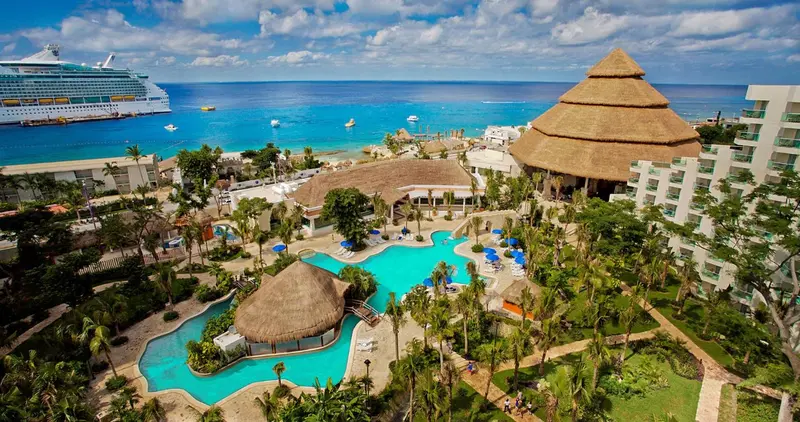
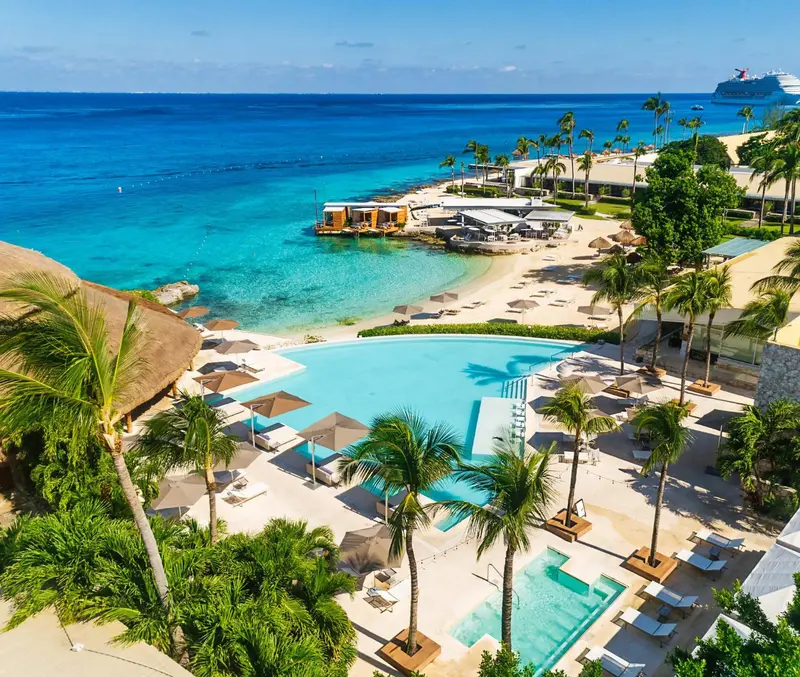
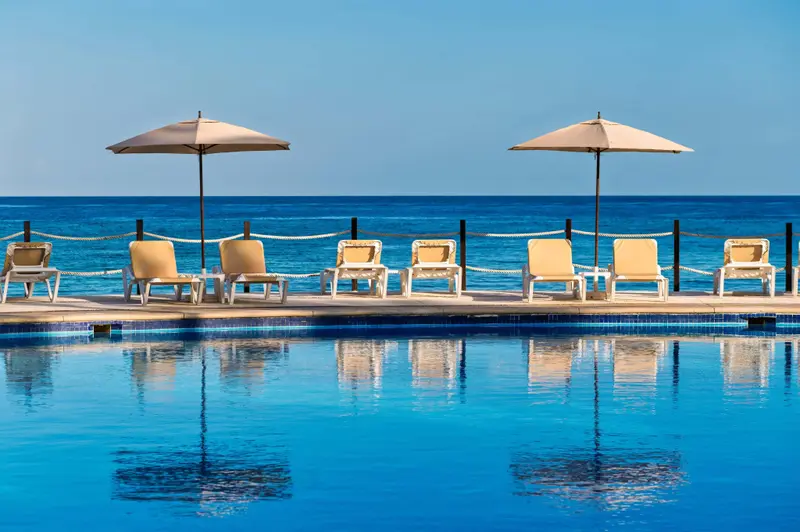
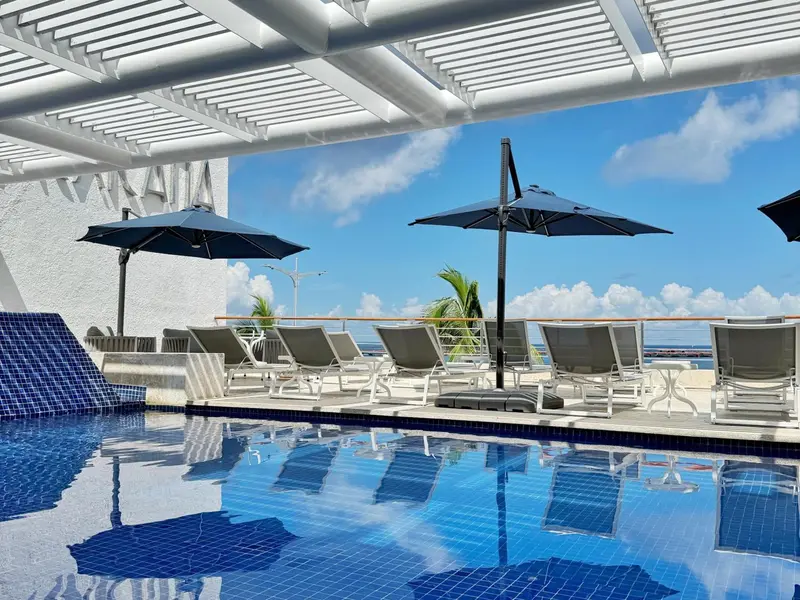
In each one, the dive centre is inside the hotel: step out of your room and go diving.
Dive centre in the hotel★★★★
Google 4.4/5 (1,042 reviews)
The dive centre
Bluedream Cozumel
PADI · SSI · TDI
Google 4.8/5 (63 reviews)
Dives: Palancar, Eagle Ray Pass, Bull Shark Dive (Playa del Carmen)
Your last day stays dry: no diving in the 18-24 hours before a flight, the perfect window to see the destination from another angle.
 Culture
⏱ 3 h · ★ 5.0 (44 reviews)
from £62$82€74
see on Viator ↗
 Nature
⏱ 5 h · ★ 5.0 (34 reviews)
from £106$142€127
see on Viator ↗
 Nature
⏱ 4 h · ★ 5.0 (32 reviews)
from £68$90€81
see on Viator ↗

⏱ 3 h · ★ 5.0 (27 reviews)
from £1,217$1,627€1,453
see on Viator ↗
Ratings and reviews collected by Viator and Tripadvisor.
Choose July to September if calmer seas and smoother boat routines matter most. Choose January to May if you prefer generally drier days on land. These seasons suit different priorities rather than guaranteeing particular wildlife encounters. A stay with flexibility helps accommodate changing currents, weather and daily boat departures.
Open Water divers comfortable with mild current can use Paradise Reef, Chankanaab Shallow and Chankanaab Bolones. Deeper walls and variable flow suit Advanced Open Water divers or equivalent BSAC experience. Exposed sites such as Barracuda, Punta Sur and San Juan require genuine drift-diving experience, stable trim and calm boat-pickup skills.
You can drift along coral gardens, sandy channels, pinnacles, caves and walls while looking for turtles, grouper, parrotfish, barracuda, nurse sharks, eagle rays and other rays. Lobsters, black coral, splendid toadfish and seahorses add variety. Palancar, Santa Rosa, San Francisco and Las Palmas offer different reef settings and encounters.
Base in San Miguel or near the marina if short transfers and straightforward departures matter. Plan several boat-diving days with flexibility for current or weather changes, and allow time for beaches, town life or marine excursions. Expect taxi planning if staying farther along the island, plus the marine-park fee and conservation rules.