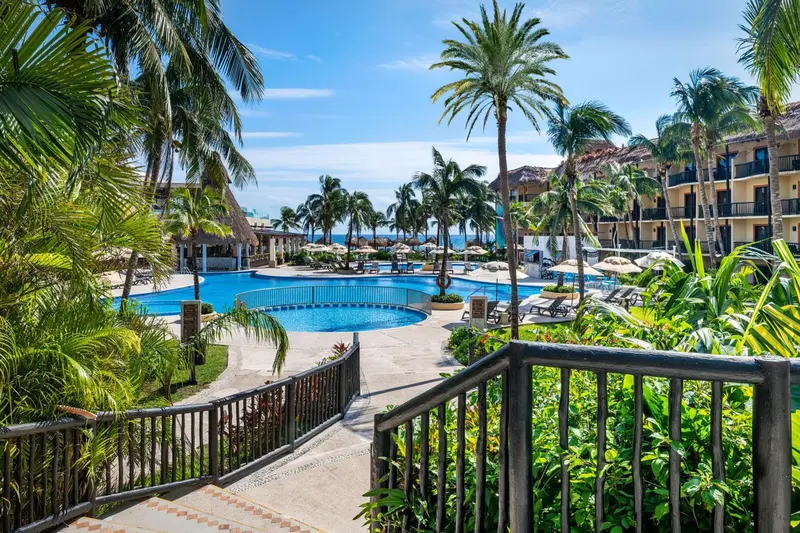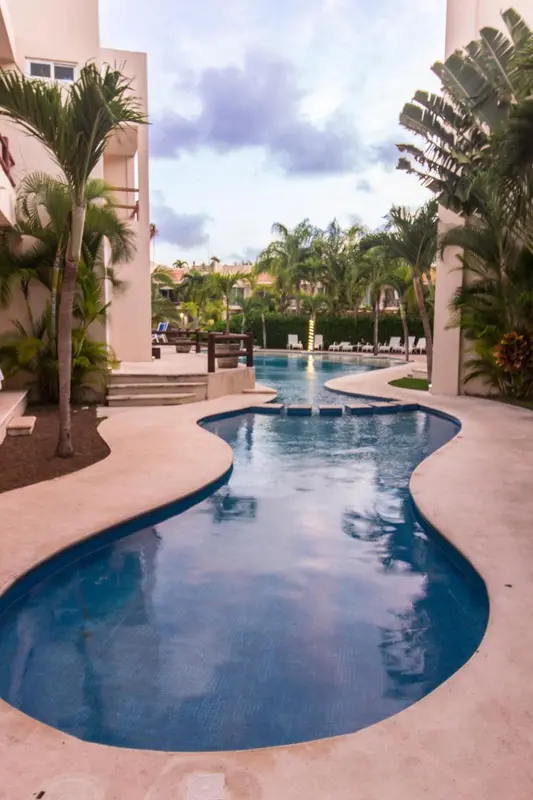
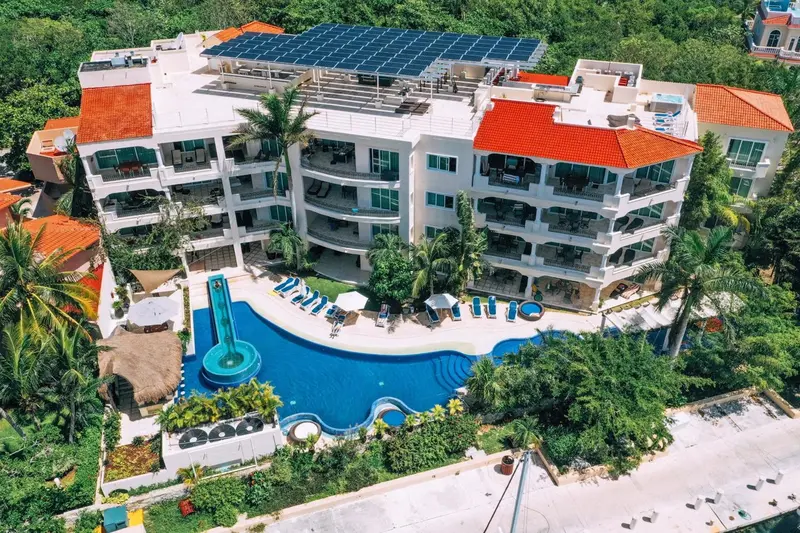
 Dive centre in the hotel
Aventuras Club Marina
Google 4.6/5 (153 reviews)
The dive centre
Aquanauts Dive Shop
PADI
Google 4.5/5 (49 reviews)
Dives: Récifs locaux, Cénotes
Mexico · Americas
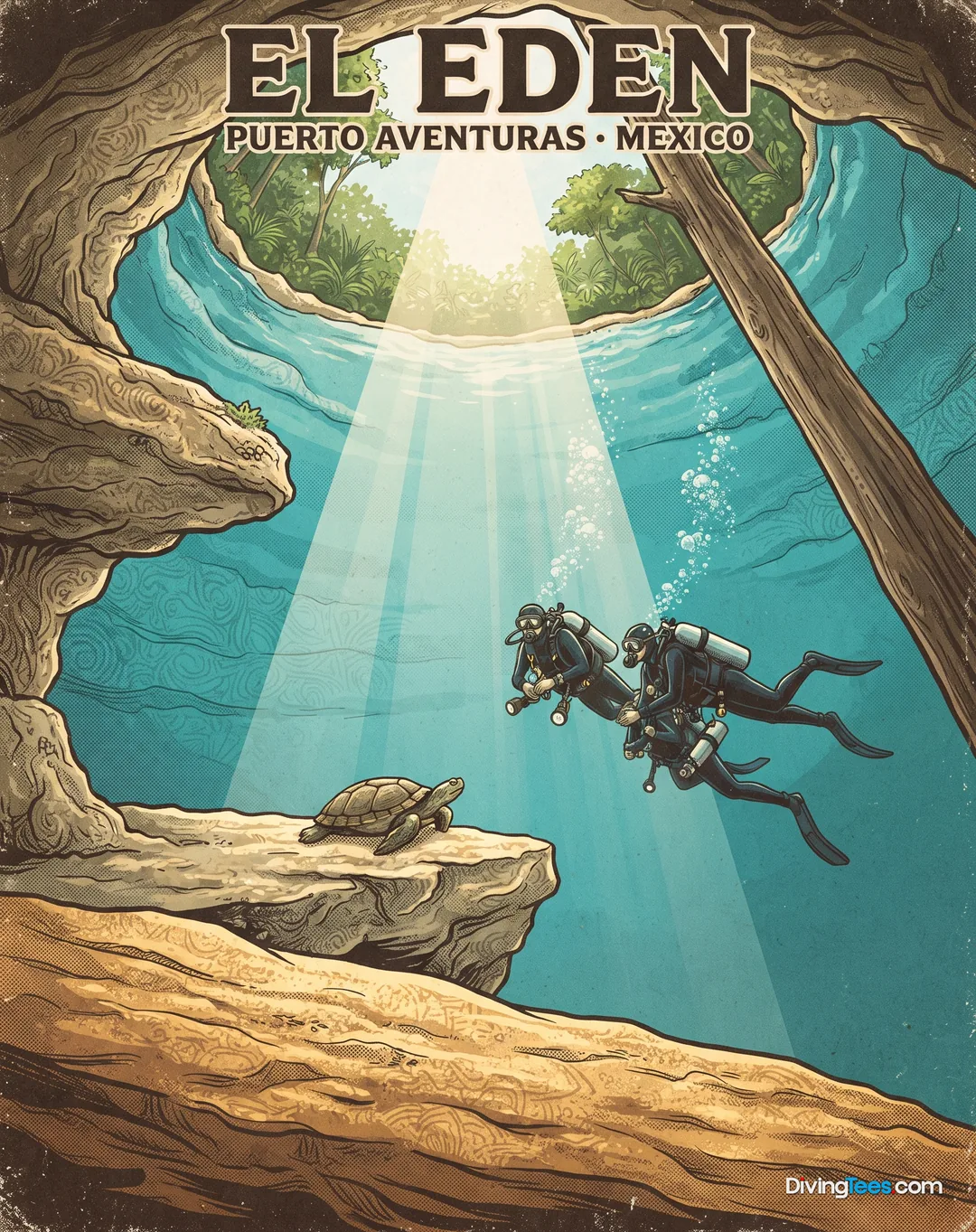
Cenote El Eden brings a brilliant light window, a visible halocline and fossilised formations, while Puerto Aventuras opens onto reef trips and protected Caribbean waters.
For subtitles in English: start the video firstthen click the gearat the top right of the video, select “Subtitles/CC”, then “Auto-translate” and choose “English”.
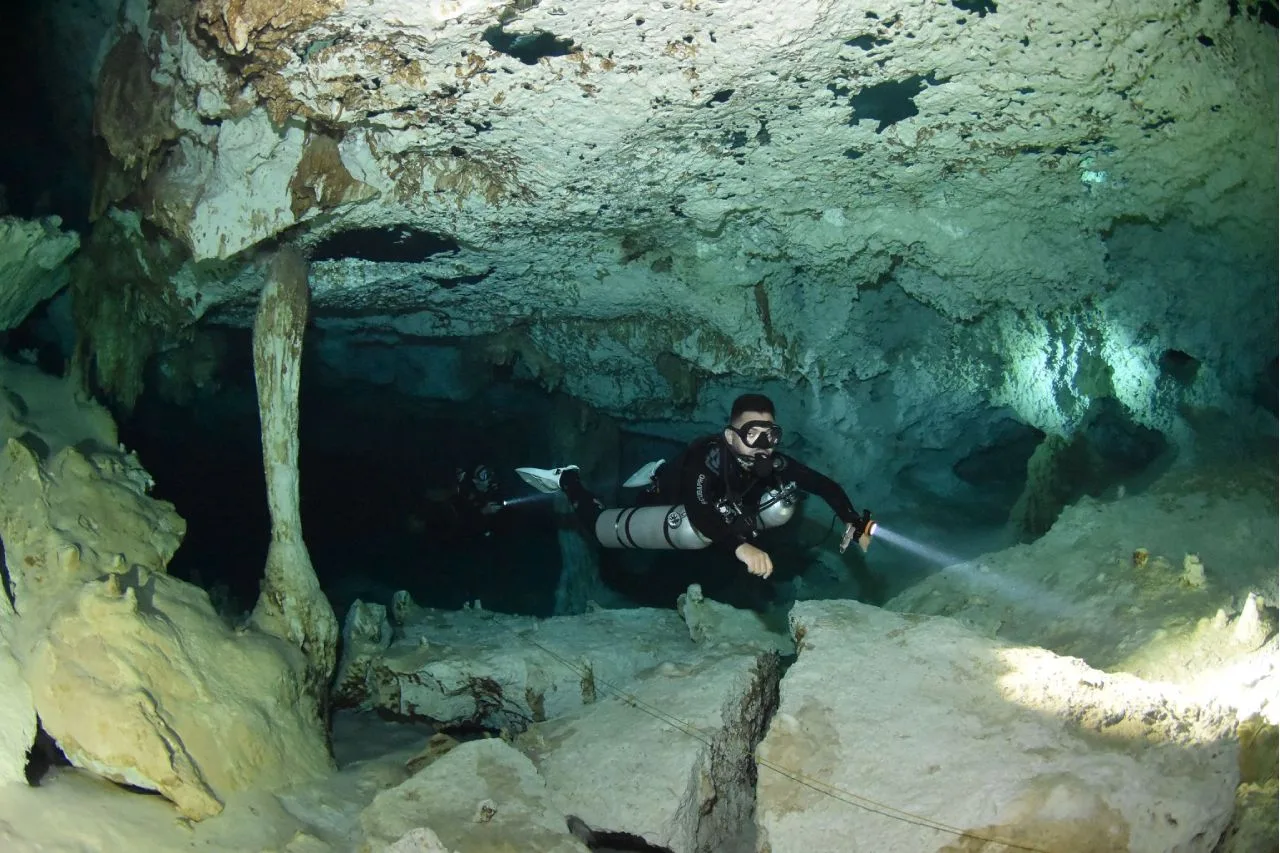
At Cenote El Eden, sunlight drops through a large window onto ancient geological formations and a distinct halocline. That single image captures Puerto Aventuras rather well: this is a mainland base for combining coastal reef outings with cenote diving, rather than an island devoted solely to scuba. Boats leave from the local marina, while cenotes are reached by road. The setting also works for non-divers, with beaches, water activities and excursions across the Riviera Maya close at hand.
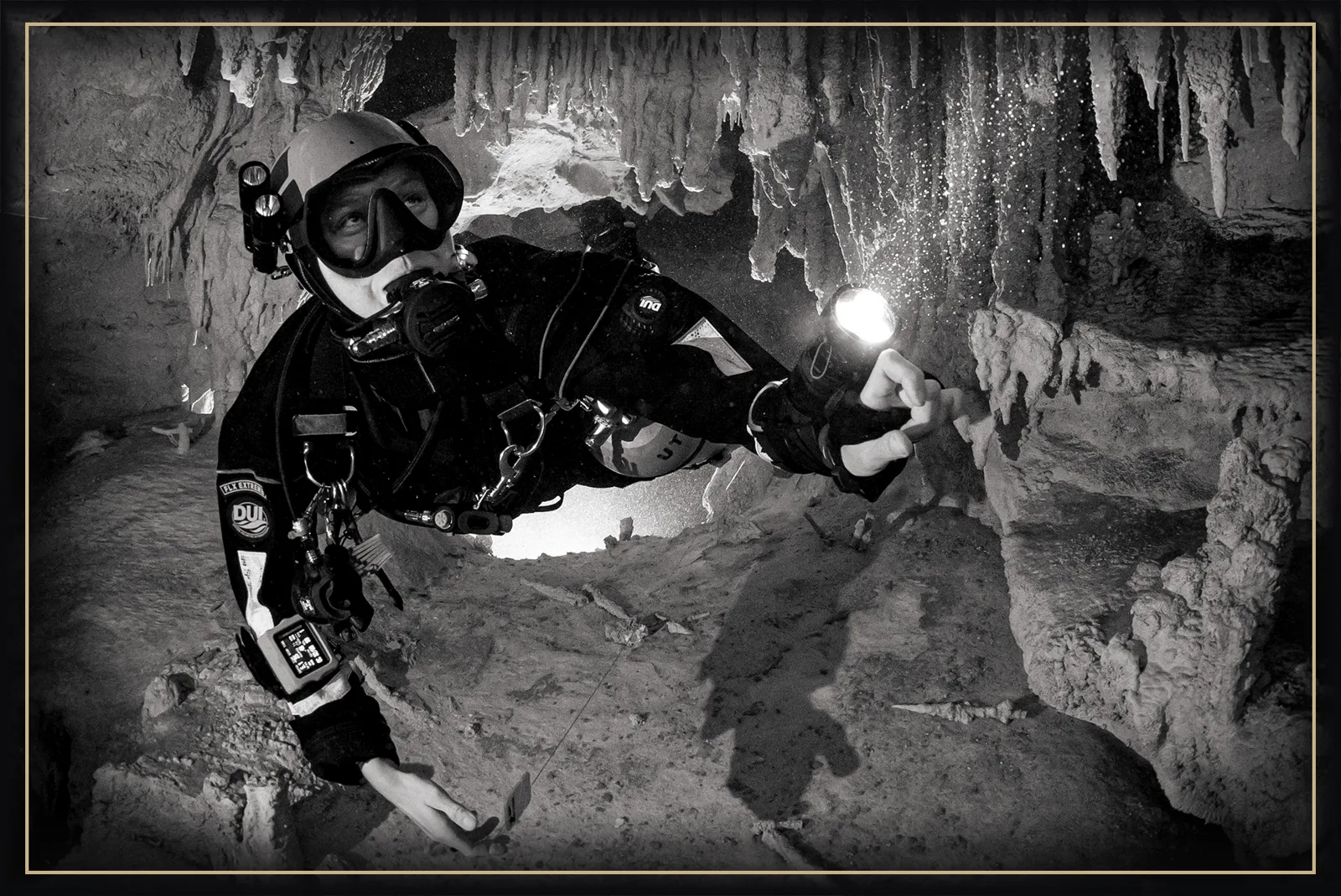
Puerto Aventuras offers two quite different kinds of diving. Coastal outings run over relatively shallow reefs, with conditions and current varying according to the site and the weather. Trips connected with Parque Nacional Arrecifes de Cozumel operate within a protected marine setting, where access, anchoring and diver behaviour are regulated. Cenote El Eden is a calmer, more controlled proposition: there is no significant current, visibility is excellent and the maximum depth is 14 metres. Its light window, halocline and fossilised structures reward slow movement and careful buoyancy rather than distance or speed. Water temperature at the cenote ranges from 24 to 28°C. The result is a flexible programme of boat dives and inland freshwater dives, but not a uniform day-to-day experience; a sea morning and a cenote day demand different expectations and different in-water habits.
The most clearly defined wildlife encounter here is in fresh water. Cenote El Eden has freshwater fish moving through the cavern, alongside fossilised remains that show the age of the surrounding geology. The light window makes these details easier to read when conditions are favourable, particularly from May to September, when the illumination is at its most useful. Reef outings add the wider marine setting of the Riviera Maya and protected waters associated with Parque Nacional Arrecifes de Cozumel, but the destination is not built around a guaranteed list of named animals or seasonal visitors. Divers who value structure, water clarity and the contrast between reef and cenote will find more to observe than those travelling solely for a particular species.
July to November is the measured period for the calmest sea conditions, making it the more straightforward window for planning boat outings with less reliance on last-minute changes. Rainfall is lower from November to May, so that period may suit travellers who want drier days on land as well as diving. Cenote El Eden generally shows its strongest light effects from May to September. There is therefore no single perfect season for every part of the programme: choose the calmer sea period for boat-led plans, or accept a broader compromise if cenotes and mainland excursions matter equally.
This coast is exposed to sargassum strandings, whose intensity varies greatly from year to year. To find out more, see the “Sargassum alert” panel on this page.
The area suits all levels, provided the chosen activity matches the diver’s experience. Coastal reef outings are approachable for divers holding Open Water, PADI, SSI or equivalent BSAC qualifications, subject to the site and day’s conditions. Cenote El Eden is also accessible to certified Open Water divers, but its cavern environment makes buoyancy control especially important. Divers should be comfortable changing their habits between open water and overhead rock formations, even though the maximum depth is modest and the cenote has no significant current.
From London, whether departing Heathrow or Gatwick, or from Manchester, Puerto Aventuras is reached by road from Cancun or Playa del Carmen. There is no compulsory ferry for the destination itself, which makes it simpler as a mainland base than an island resort. Once there, boat dives use the local marina, while cenote days involve a road transfer inland. Accommodation in Puerto Aventuras is often close enough to reach the marina and dive services on foot or by bicycle; short local taxi journeys cover the rest. Travellers staying elsewhere along the Riviera Maya should allow for a local transfer rather than assuming every departure is walkable. The practical point is to separate the coastal and inland transport legs when planning each day.
Treat Puerto Aventuras as a base, not as one self-contained dive site. Build the programme around a mixture of sea mornings and cenote days, leaving enough flexibility for a change in weather or current rather than tying every day to a fixed boat plan. If the main attraction is reef diving connected with Parque Nacional Arrecifes de Cozumel, remember that access is regulated and park charges apply; no touching, collecting or unauthorised anchoring is part of the deal. Cenote El Eden is a poor match for divers expecting an ordinary reef dive: the light window, halocline and fossilised formations are the point, and precise buoyancy matters more than covering ground. Check that everyone in the group genuinely wants that change of environment before giving a full day to it. Keeping at least one mainland day available also makes sense, since beaches, water activities and inland Maya excursions are part of what makes this base worthwhile.
A five- to seven-day stay gives the destination room to work properly: several coastal outings, a day at Cenote El Eden or another cenote, and time for the Riviera Maya beyond the marina. Couples and mixed groups are well served because beaches, water activities and inland excursions do not depend on joining every dive. The most satisfying rhythm is usually alternating sea days with land-based plans, rather than treating Puerto Aventuras as a concentrated dive camp.
Hello, I'm Marina, DivingDeal.com's AI assistant. I guide you through destinations, areas and countries.
Thinking about the whole trip and the flights? Talk it over with Edith →
Marina is an AI. Some links are affiliate links: DivingDeal may earn a commission, at no extra cost to you. Bookings are made with the partner.
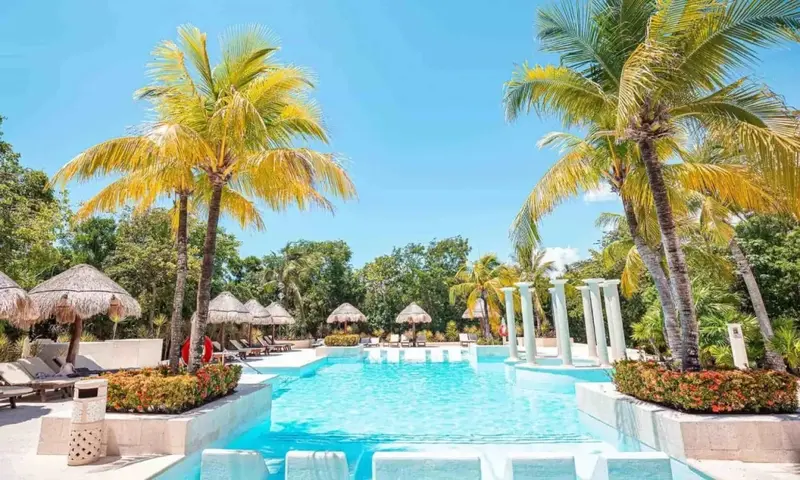
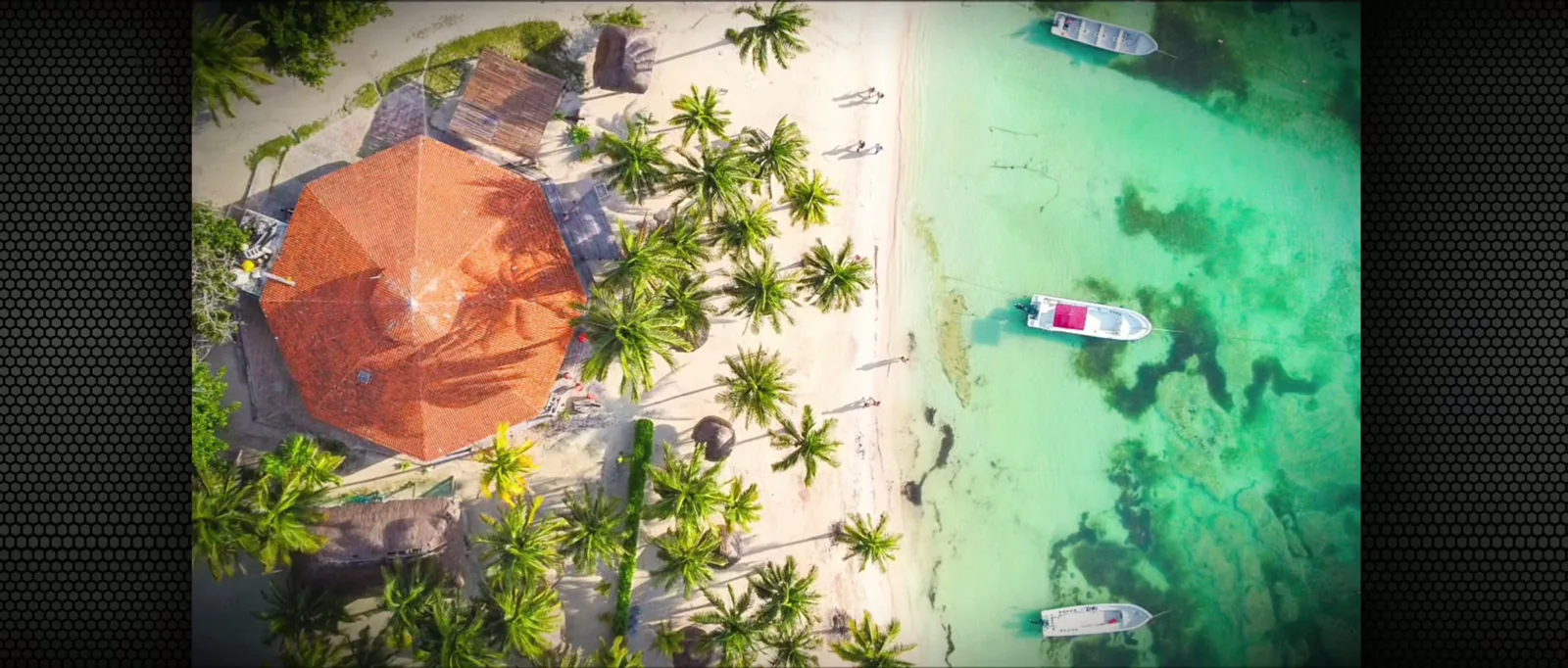
In each one, the dive centre is inside the hotel: step out of your room and go diving.
Dive centre in the hotelGoogle 4.6/5 (153 reviews)
The dive centre
Aquanauts Dive Shop
PADI
Google 4.5/5 (49 reviews)
Dives: Récifs locaux, Cénotes
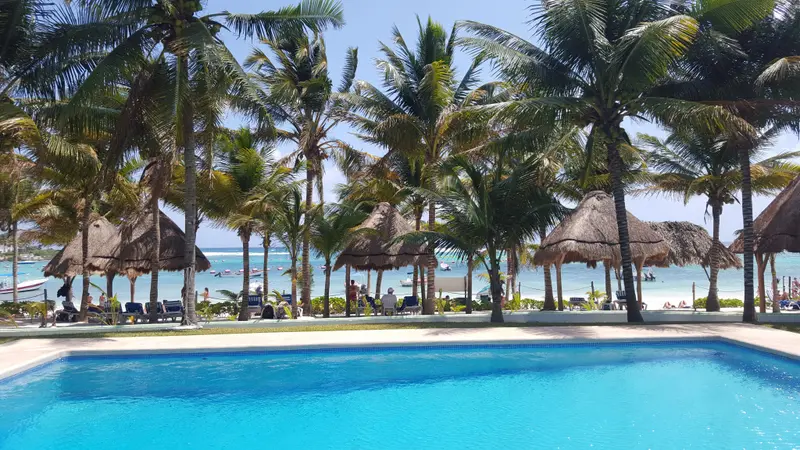 Dive centre in the hotel
★★★
Google 4.3/5 (200 reviews)
The dive centre
Akumal Dive Center
PADI
Google 4.6/5 (210 reviews)
Dives: Akumal Reef, Cenotes, Puerto Morelos Wrecks
Your last day stays dry: no diving in the 18-24 hours before a flight, the perfect window to see the destination from another angle.
 City
⏱ 6 h · ★ 5.0 (37 reviews)
from £186$249€222
see on Viator ↗
 Culture
⏱ 4 h · ★ 5.0 (71 reviews)
from £140$187€167
see on Viator ↗
 Desert
⏱ 6 h · ★ 5.0 (3 reviews)
from £73$97€87
see on Viator ↗
 Nature
⏱ 6 h · ★ 5.0 (1 reviews)
from £105$141€126
see on Viator ↗
Ratings and reviews collected by Viator and Tripadvisor.
Choose July to November if calm sea conditions are your priority for boat outings. November to May brings lower rainfall and may suit drier mainland days. Cenote El Eden usually has its strongest light effects from May to September, so combining activities means accepting a seasonal compromise rather than one ideal period.
Puerto Aventuras suits divers of all levels when the activity matches their experience. Certified Open Water divers can join coastal reef outings and dive Cenote El Eden. Reef conditions and current vary by site and weather, while the cenote requires comfortable buoyancy control and careful movement around overhead rock formations.
Puerto Aventuras offers a contrast between coastal reefs and freshwater cenote scenery. At Cenote El Eden, you can see exceptionally clear cavern water, freshwater fish, a dramatic light window, a visible halocline and fossilised geological formations. Reef trips extend into the marine setting of the Riviera Maya and protected waters near Cozumel.
Plan Puerto Aventuras as a mainland base with a mixture of sea mornings and cenote days. Boat dives leave from the local marina, while cenote trips require a road transfer inland. Keep flexibility for weather or current changes, and allow time for beaches, water activities or inland Maya excursions alongside diving.