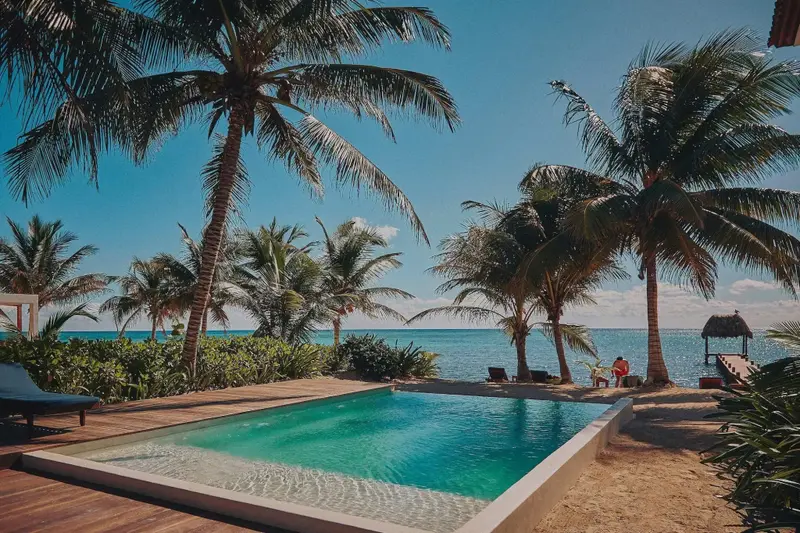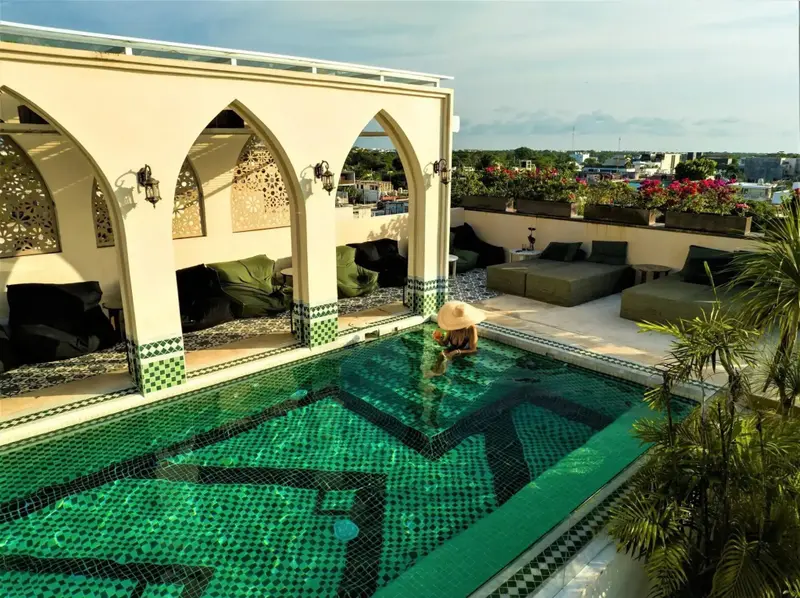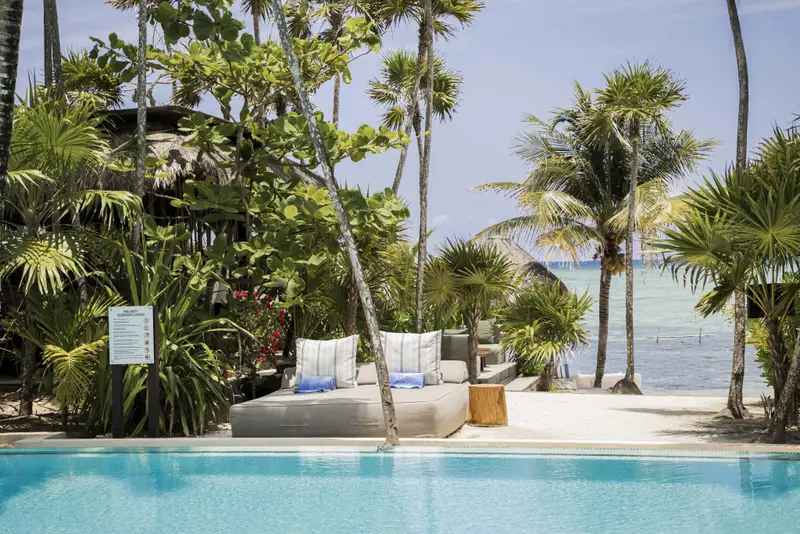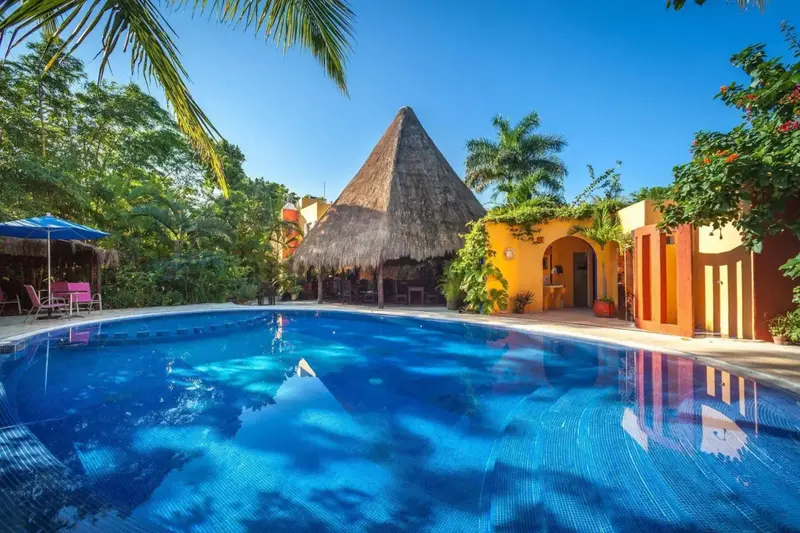
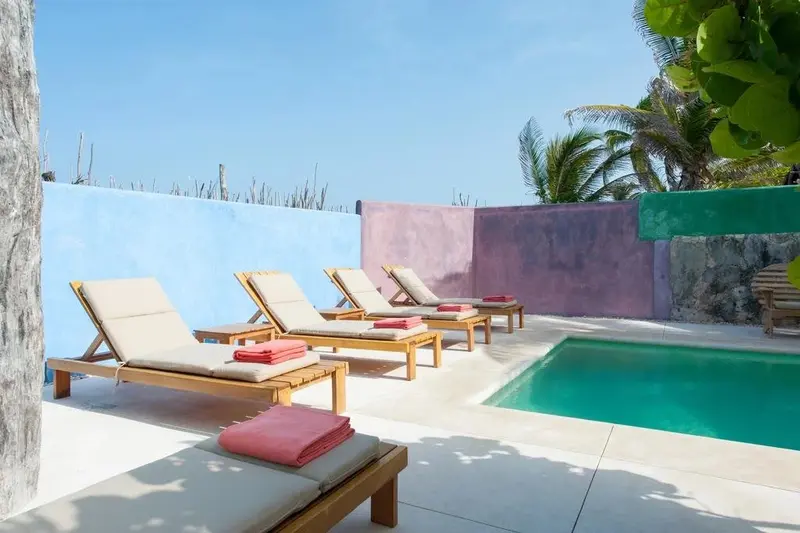
 Dive centre in the hotel
Zamas Hotel
★★★
Google 4.4/5 (904 reviews)
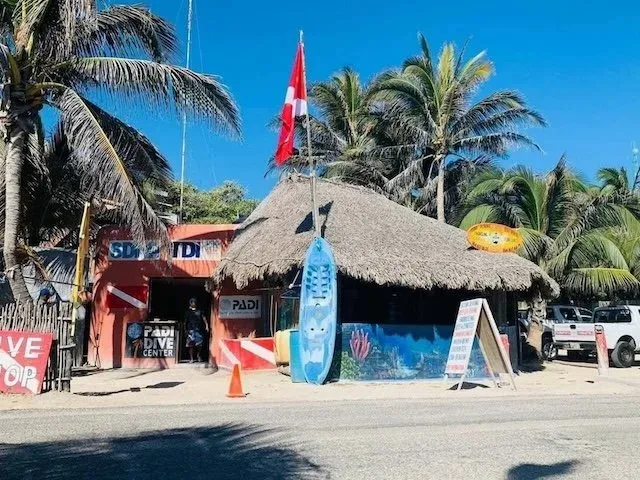
The dive centre
MexiDivers
PADI
Google 4.9/5 (269 reviews)
Dives: Dos Ojos Cenote, Casa Cenote, The Pit
Mexico · Americas
Stalactites in Dos Ojos, the hydrogen-sulphide cloud at Angelita, turtles at Akumal and shallow Caribbean canyons define Tulum's diving.
For subtitles in English: start the video firstthen click the gearat the top right of the video, select “Subtitles/CC”, then “Auto-translate” and choose “English”.
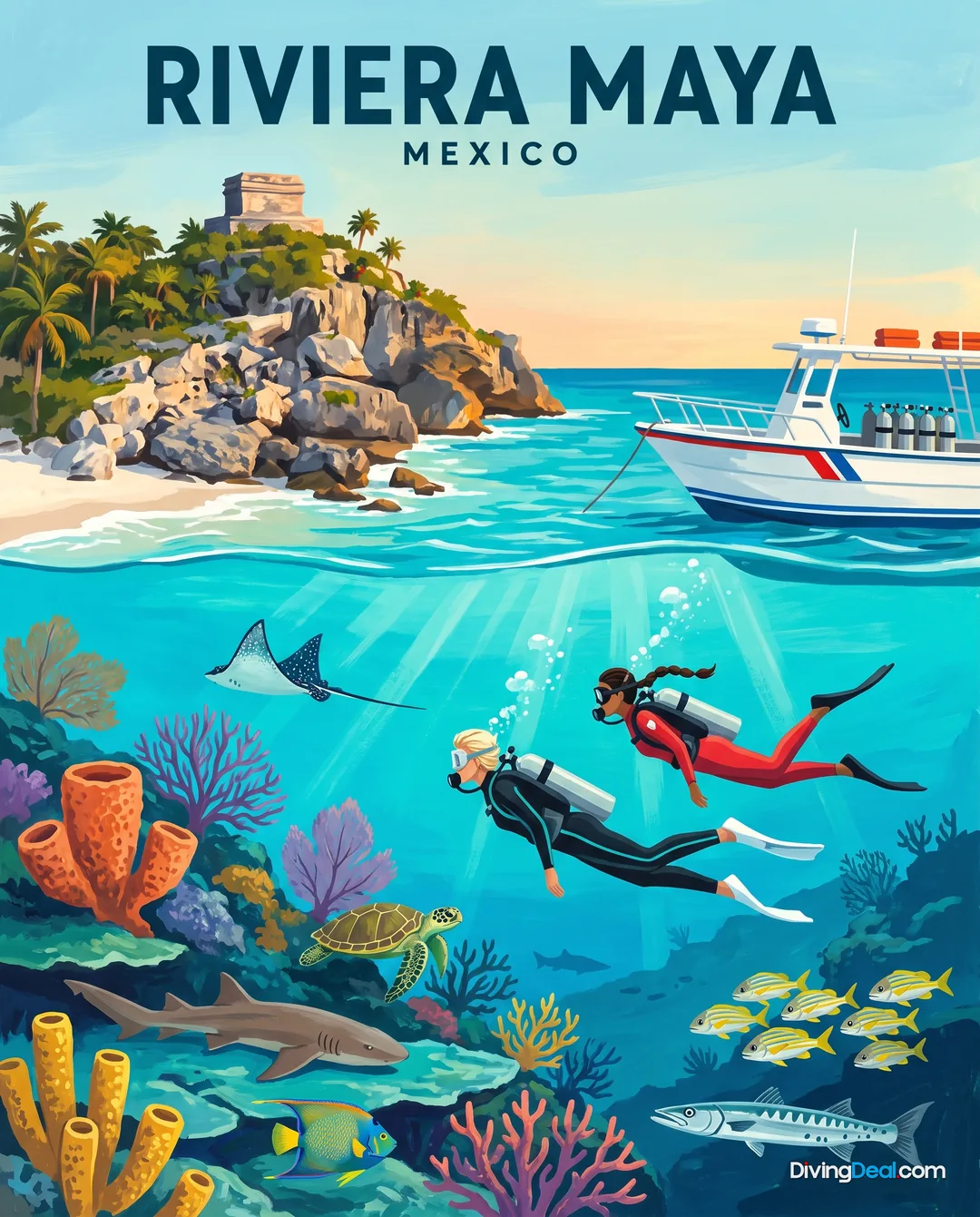
Tulum is a land-based dive base built around the limestone aquifer inland, with Caribbean reef outings as a useful second act. The cenotes provide the distinctive dives: Dos Ojos threads through tunnels and stalactites, while Casa Cenote combines open water, mangroves and a halocline. Offshore, Akumal brings turtles to an easier reef setting. This suits divers who want freshwater cavern scenery, relaxed coastal dives and substantial Mayan and beach-based days between underwater sessions.
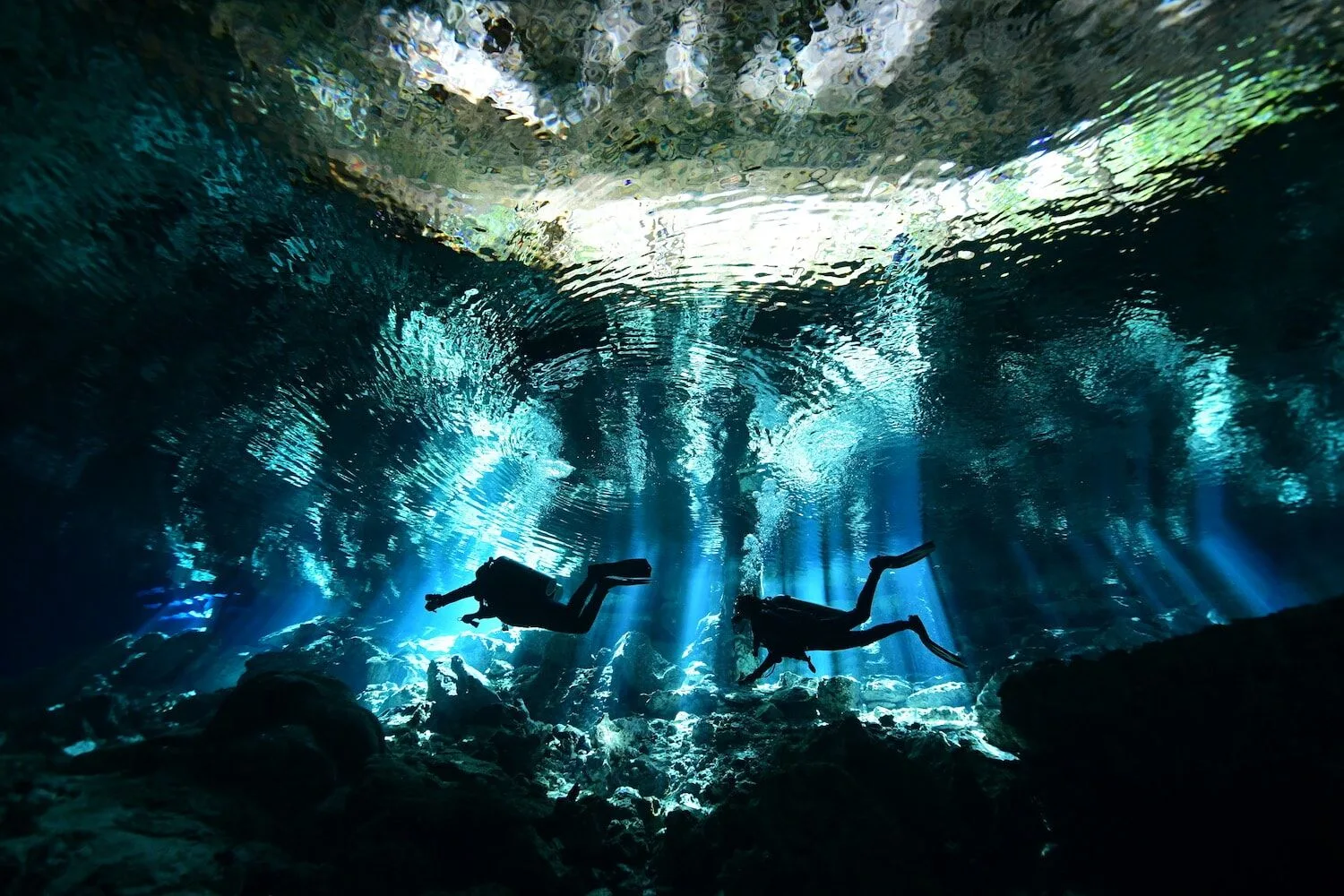
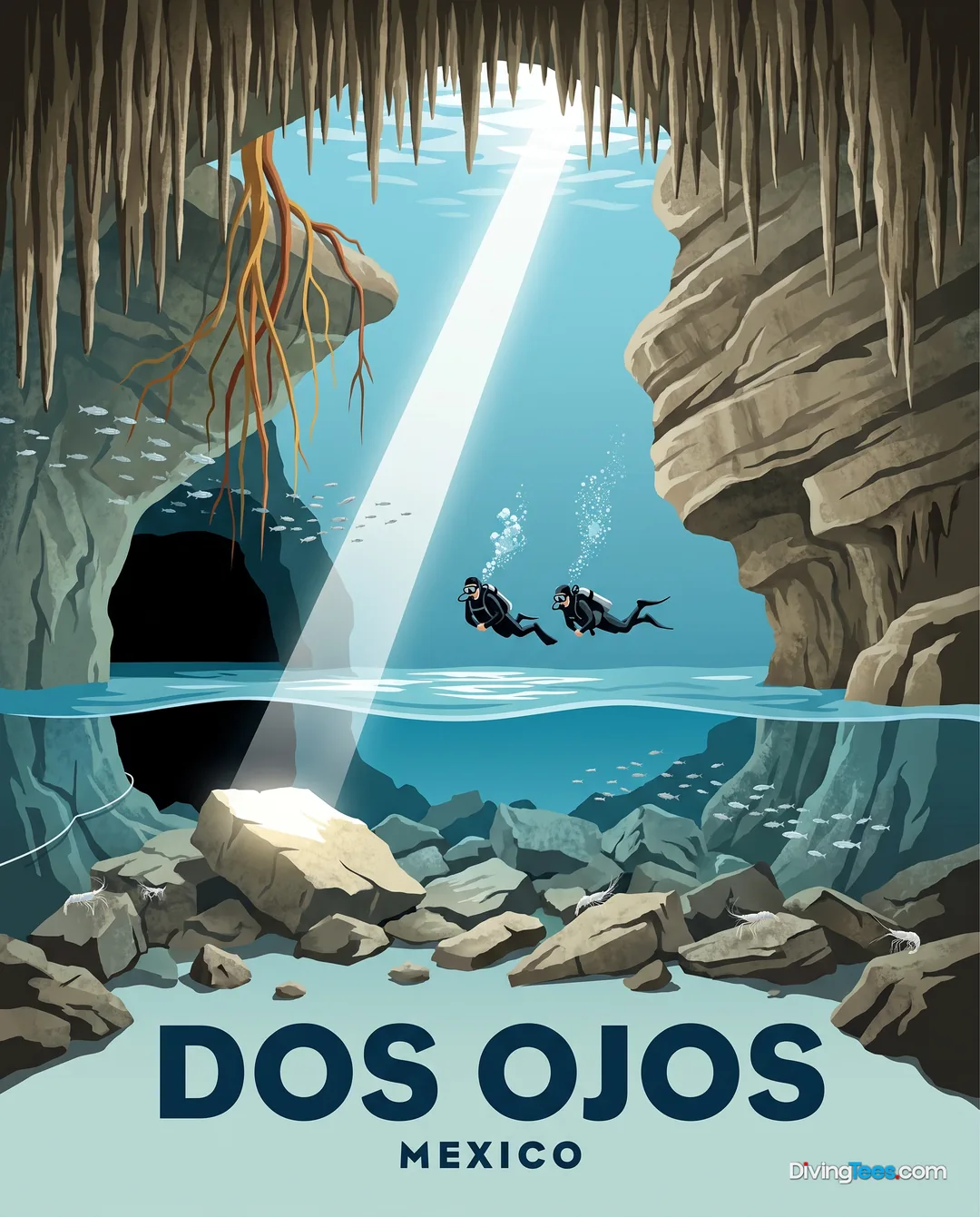
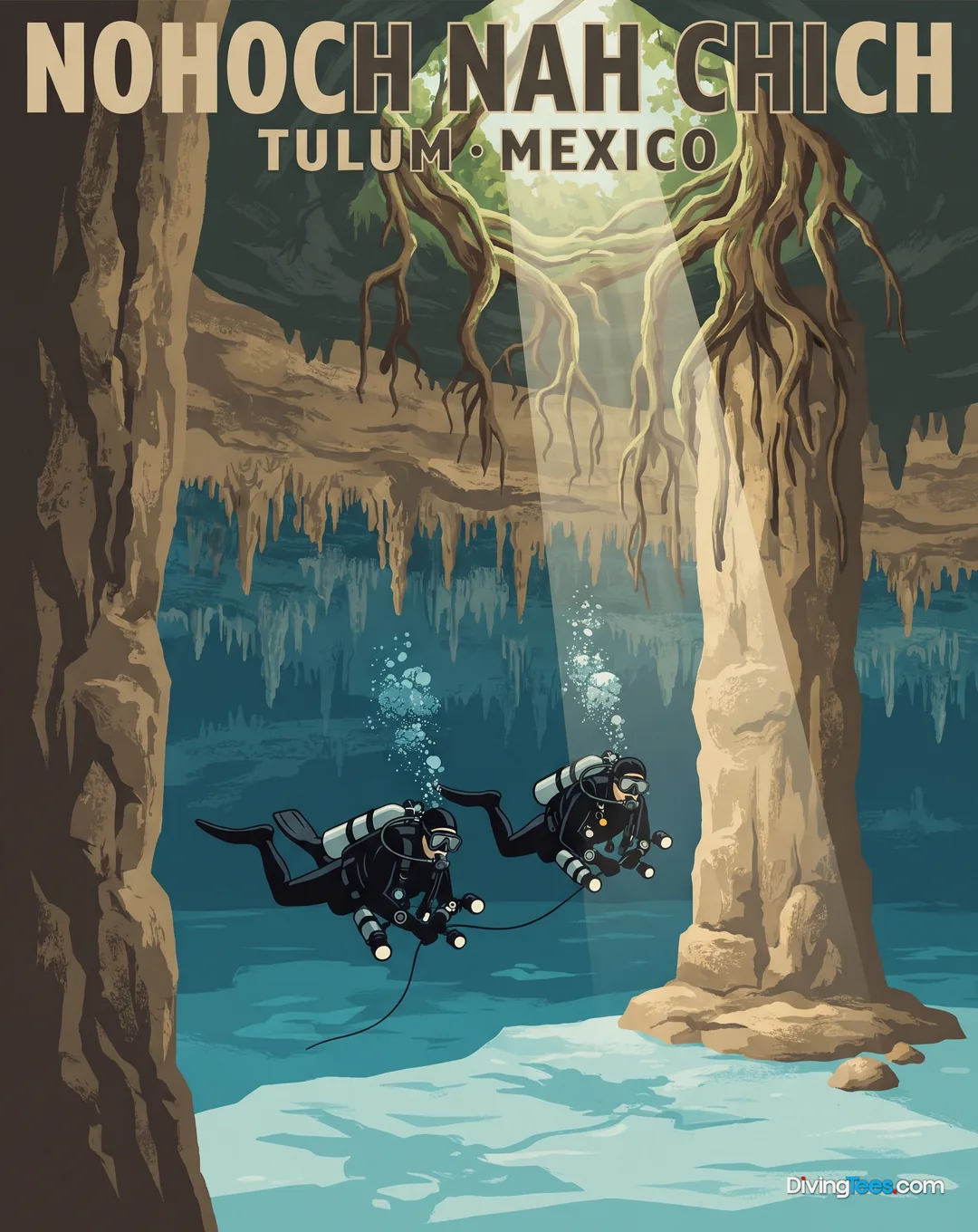
Cenote diving sets the tone. The water is calm and current-free, with excellent visibility and a topography of tunnels, chambers, haloclines, submerged trees and delicate limestone formations. Dos Ojos is a relatively open introduction, with light effects and depths around 8 to 17 metres. Car Wash mixes an open section with caverns, while Nicte Ha is about quiet underwater gardens and shafts of light. More demanding profiles include Angelita, where the striking hydrogen-sulphide layer lies around 27 to 30 metres, and El Pit, with its deep light shaft and cloud layer. Coastal diving is a separate product rather than an extension of every cenote day. Tulum Reef offers canyons and coral formations, while visibility and current can vary on the Caribbean side. The local diving is therefore about buoyancy, line awareness and transport between sites, not fighting a persistent current.
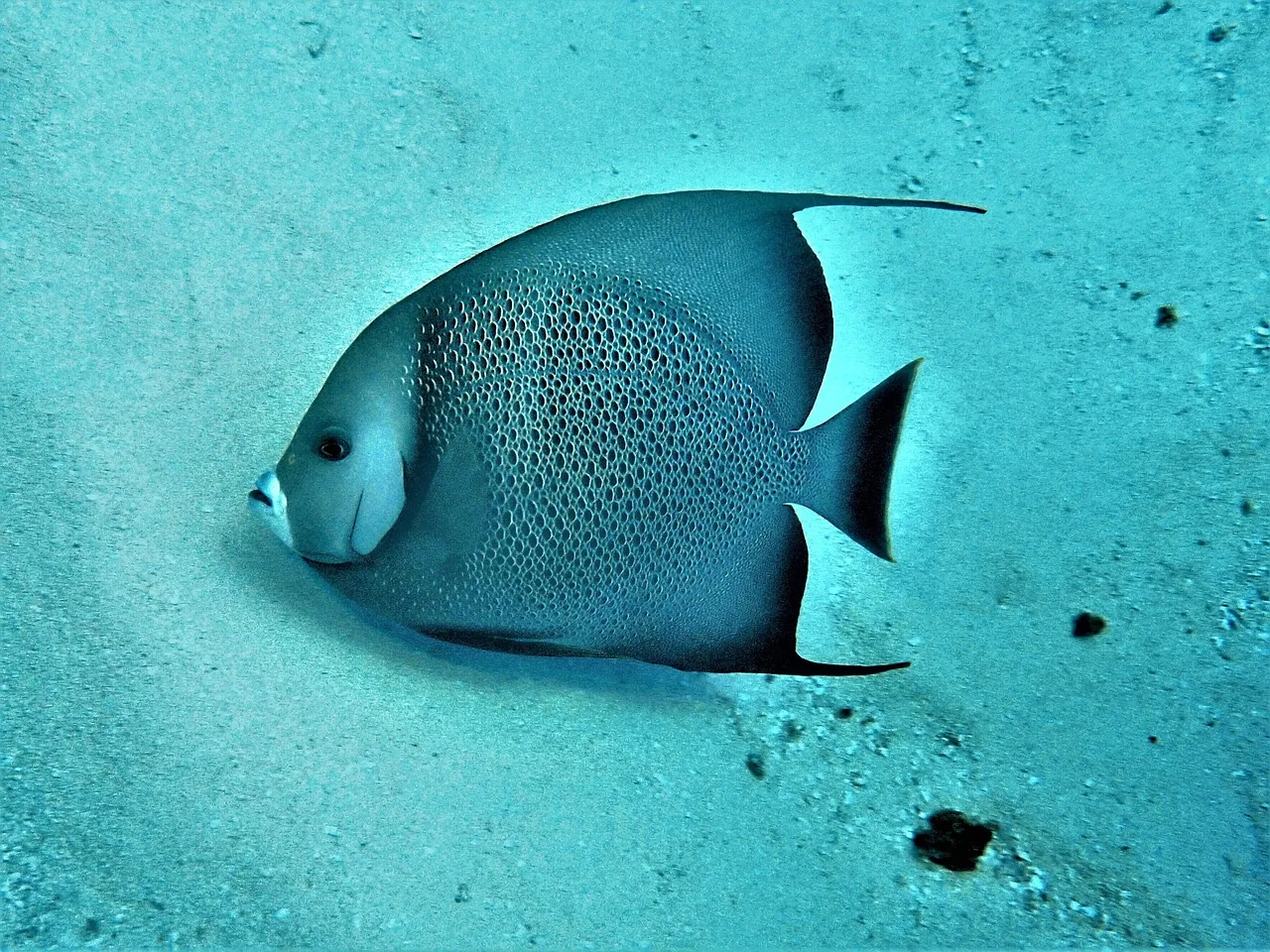
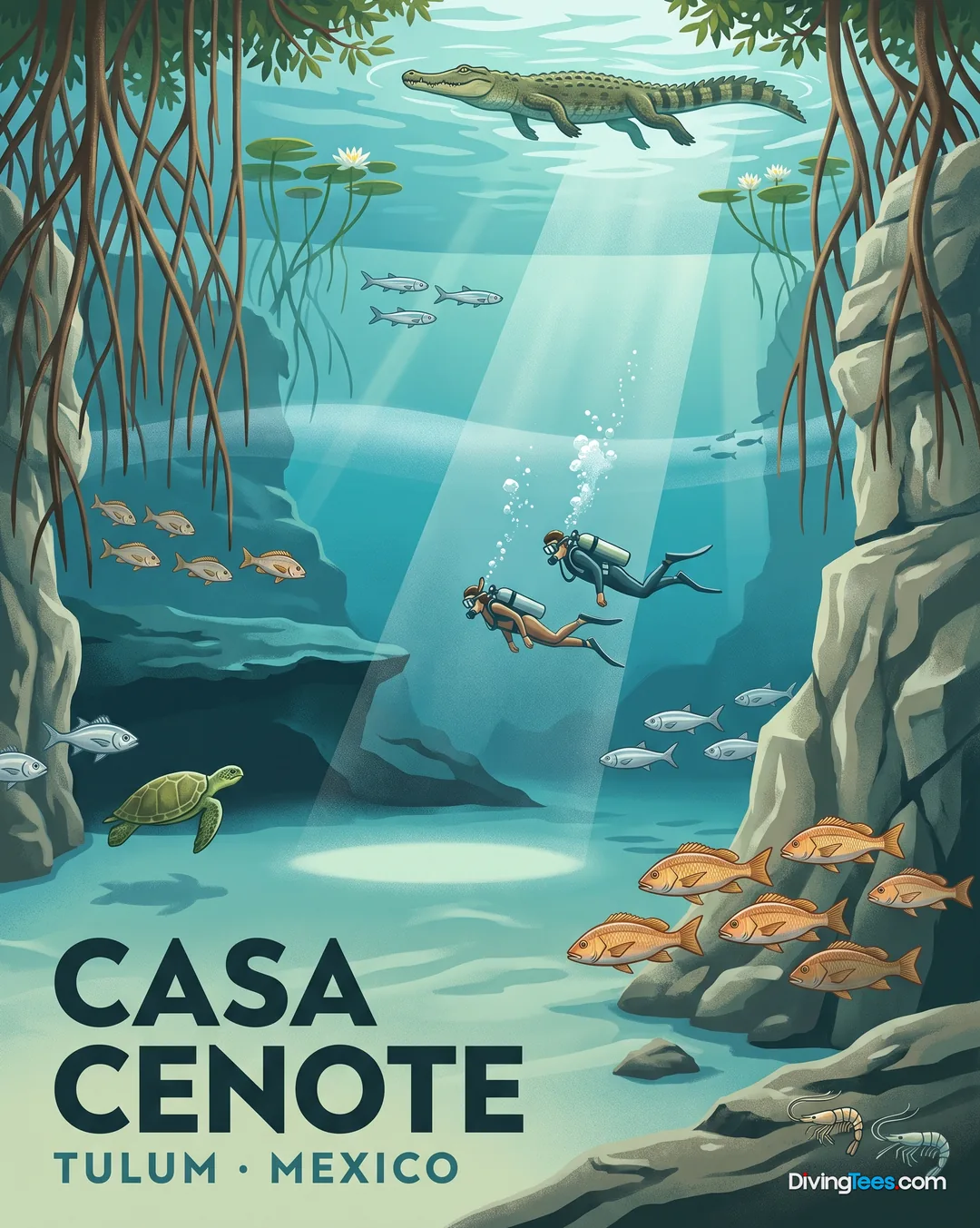
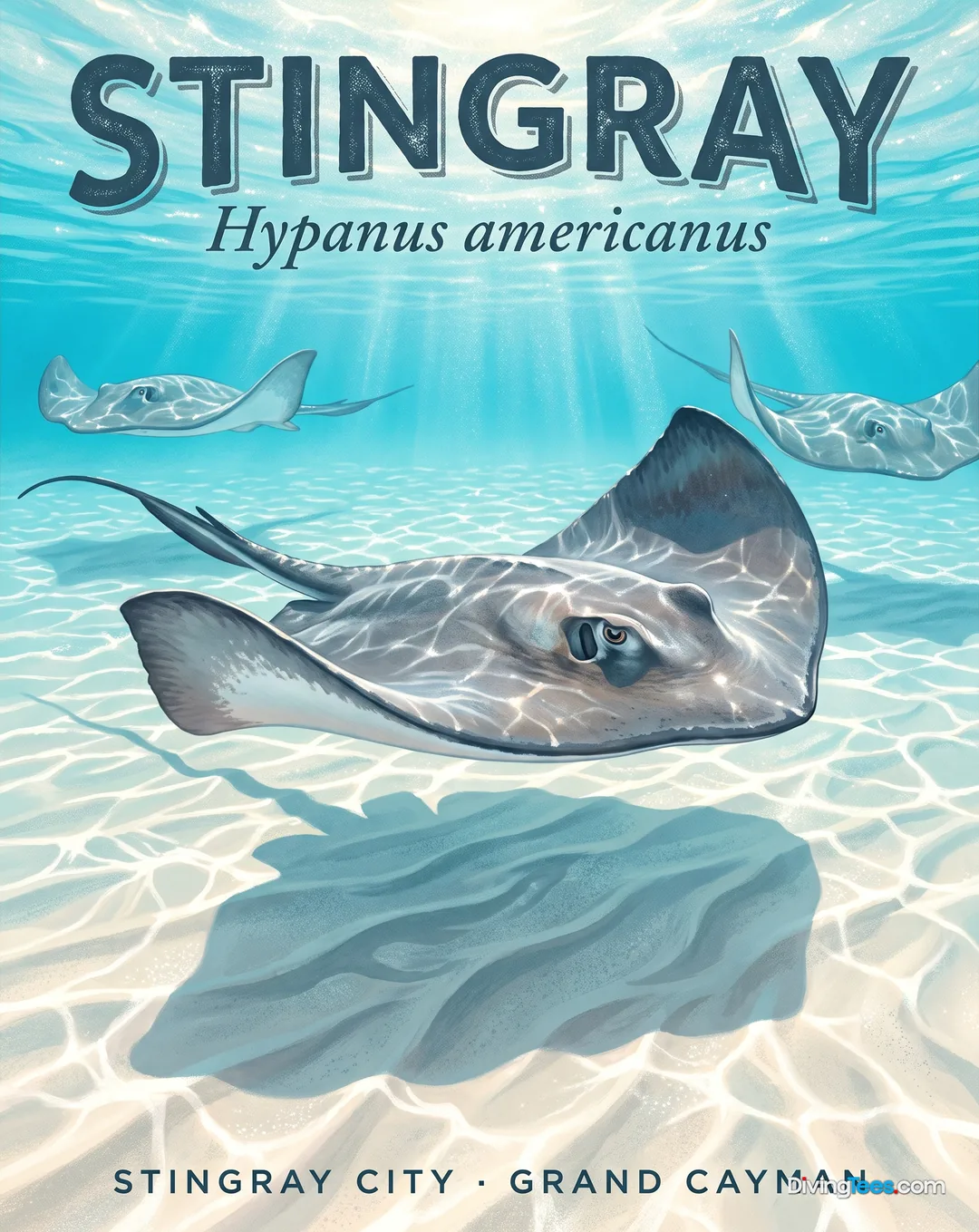
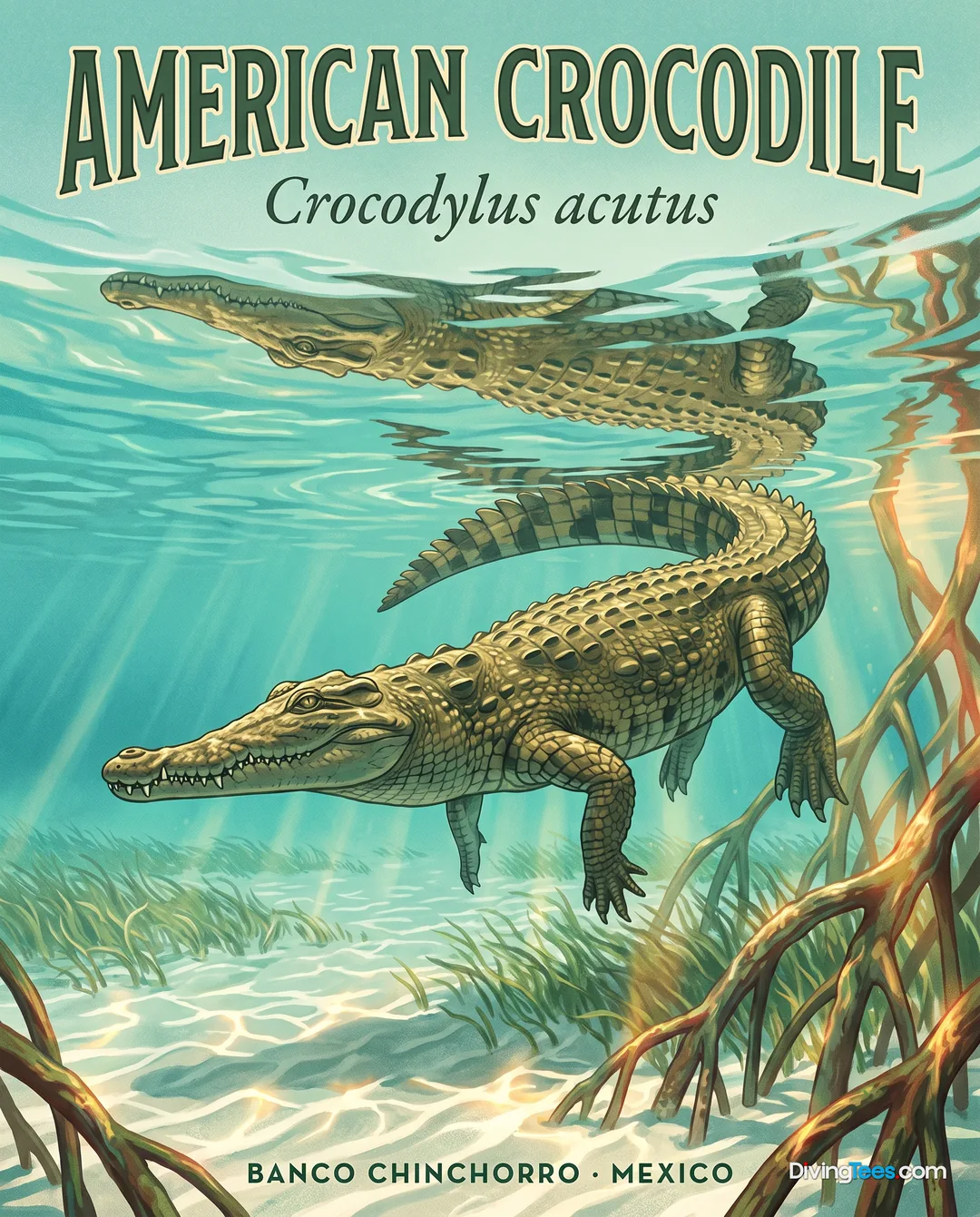
Sea turtles are the most obvious coastal draw, particularly around Akumal, where they move across small canyons and marine gardens among reef fish. Southern stingrays, moray eels, lobster and tropical fish also feature on the reef outings, although the cenotes have a different visual language. Casa Cenote is known for juvenile fish in its sheltered water and for resident crocodiles near the mangroves. In the freshwater systems, the eye is usually occupied by geology: stalactites, submerged branches, forests and the changing water layers rather than a long list of reef animals. Angelita's cloud and El Pit's formations are encounters with the aquifer itself. The material supplied does not identify a separate seasonal wildlife window, so Tulum is best planned around these resident habitats and the specific character of each dive, rather than around a promised migration.
The measured calmest sea period runs from July to October, making these months the most logical choice when coastal diving matters as much as the cenotes. Rainfall is lowest from December to May, which can make a land-based programme more comfortable for road transfers and non-diving days. Cenote water is protected from the ordinary coastal chop, so it remains the reliable backbone of the itinerary when conditions offshore are less settled. Divers wanting turtles, reefs and a few easy sea profiles should therefore weigh calmer coastal months against the drier inland travel window, rather than treating one season as ideal for every part of Tulum.
This coast is exposed to sargassum strandings, whose intensity varies greatly from year to year. To find out more, see the “Sargassum alert” panel on this page.
Open-water divers can use the shallower cenotes and coastal reefs, provided buoyancy control is already dependable. Casa Cenote, Car Wash and the more open parts of Dos Ojos are sensible ways to become familiar with darkness, a fixed route and fragile formations. Cavern diver training, or equivalent guided-cavern experience, is the relevant qualification for overhead environments; an Open Water card alone does not cover every cenote profile. Advanced Open Water is useful for Angelita and El Pit, while Nitrox may suit repetitive holiday diving where the planned profile allows it. BSAC, PADI and SSI qualifications should be discussed with the local team before booking the more complex dives.
From London Heathrow, Gatwick or Manchester, Tulum is a multi-leg journey rather than a single airport-to-dive-centre transfer. The usual approach is by road from Cancún, or via the new regional rail link in the Riviera Maya, followed by a car or shuttle transfer. Once based in Tulum, divers still move by taxi, shuttle or short local transfer between accommodation and the dive centre. Cenotes are reached inland by road, while coastal dives require their own ground or boat arrangements. That split is the key practical point: an arrival plan that works for the coast does not remove the road transfer needed for the signature freshwater dives. Keeping the base in Tulum avoids repeatedly relocating around the Riviera Maya.
Treat cenote and reef days as different kinds of diving, with different briefings and different margins for error. For a first cavern experience, begin with a wide, bright system such as the more open sections of Dos Ojos before moving towards tighter or deeper profiles. Bring a dive light if the operator permits it, and make sure the backup-light arrangement is clear before entering the water. Pairing an open cavern with a more decorated system gives a better sense of how much the geology changes from one cenote to another. Do not assume a Tulum sea day will include a cenote: the inland road transfer is the core logistical constraint, so reserve separate days for Akumal or Tulum Reef. Several cenotes in one day is normal, but the plan includes transport and surface intervals, not continuous boat diving. Keep one day free for the Tulum archaeological area or the beach, particularly after a transport-heavy sequence. In the protected coastal area, anchoring, touching marine life and removing natural or cultural objects are not acceptable; access is regulated and park charges apply.
A four- to seven-day stay gives the destination room to show its two sides. The usual rhythm is a sequence of inland cenote days, with road transfers and surface intervals built into the schedule, followed by a separate coastal day at Akumal or Tulum Reef. Casa Cenote or Car Wash can provide an easier start, while Angelita or El Pit belongs later for divers comfortable with depth and overhead surroundings. Non-divers have Mayan sites, beaches and lagoons to fill the quieter days, making Tulum practical for mixed-interest travel.
Hello, I'm Marina, DivingDeal.com's AI assistant. I guide you through destinations, areas and countries.
Thinking about the whole trip and the flights? Talk it over with Edith →
Marina is an AI. Some links are affiliate links: DivingDeal may earn a commission, at no extra cost to you. Bookings are made with the partner.
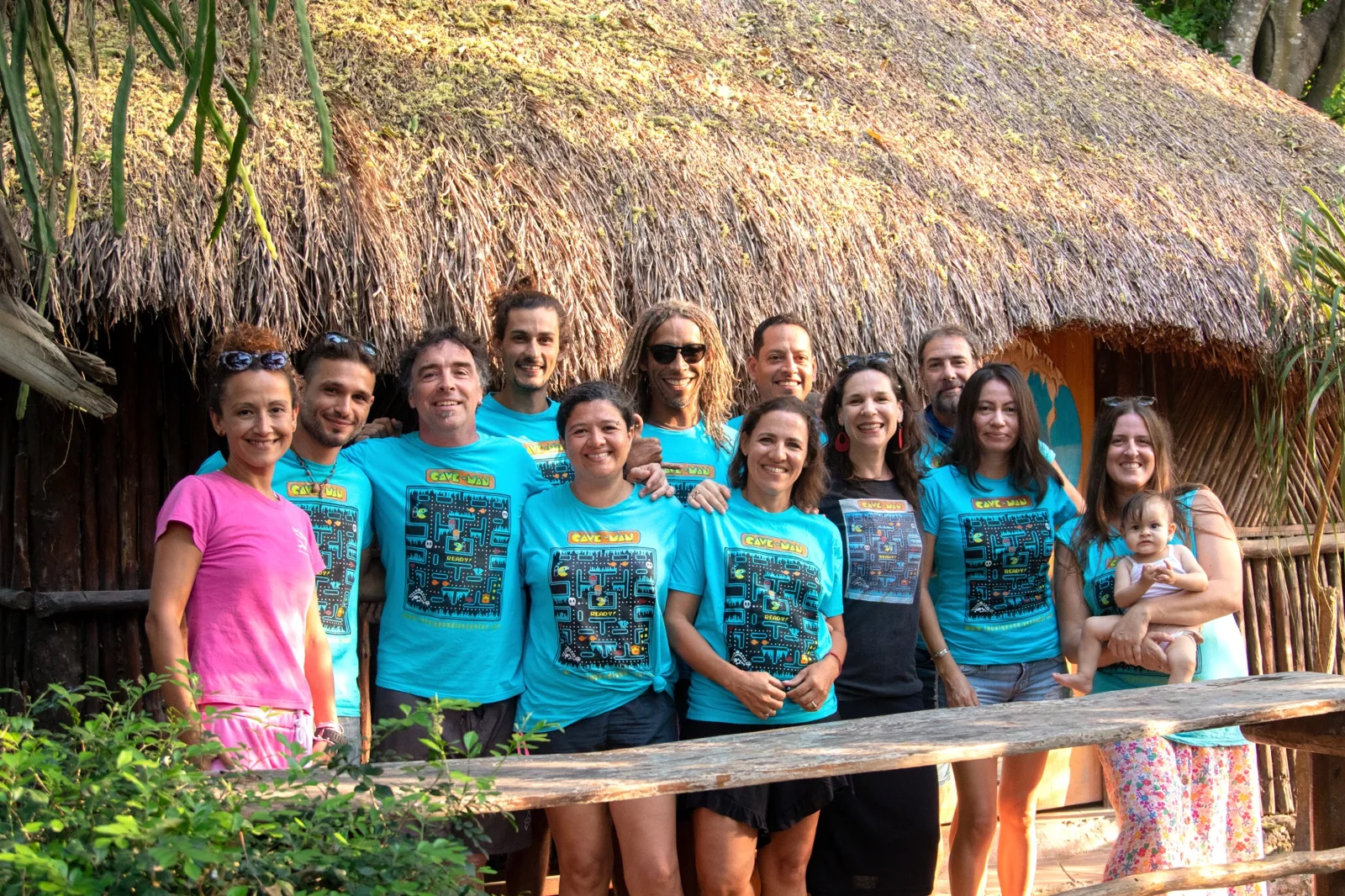
In each one, the dive centre is inside the hotel: step out of your room and go diving.
Dive centre in the hotel★★★
Google 4.4/5 (904 reviews)
The dive centre
MexiDivers
PADI
Google 4.9/5 (269 reviews)
Dives: Dos Ojos Cenote, Casa Cenote, The Pit
Your last day stays dry: no diving in the 18-24 hours before a flight, the perfect window to see the destination from another angle.
 Culture
⏱ 6 h · ★ 5.0 (289 reviews)
from £208$279€249
see on Viator ↗
 Culture
⏱ 5 h · ★ 5.0 (125 reviews)
from £91$121€108
see on Viator ↗
 Nature
⏱ 4 h · ★ 5.0 (19 reviews)
from £41$55€49
see on Viator ↗

⏱ 3 h · ★ 5.0 (15 reviews)
from £228$305€273
see on Viator ↗
Ratings and reviews collected by Viator and Tripadvisor.
Choose Tulum’s calmest coastal conditions from July to October if turtles, reefs and sea dives are central to your plans. December to May brings the lowest rainfall, which can make road transfers and non-diving days more comfortable. Cenotes remain a reliable option when the Caribbean is less settled.
Open Water divers with dependable buoyancy can use shallower cenotes and coastal reefs, including open sections of Dos Ojos, Casa Cenote and Car Wash. Overhead environments require cavern training or equivalent guided experience. Advanced Open Water is useful for Angelita and El Pit, while local teams should review qualifications before complex dives.
Tulum combines freshwater geology with Caribbean wildlife. Dos Ojos has tunnels, stalactites and light effects, while Angelita features a hydrogen-sulphide cloud beneath a submerged forest. El Pit offers a deep shaft and cloud layer. At Akumal, you may see turtles, reef fish, stingrays, moray eels and lobster.
Keep Tulum as a land-based base and schedule inland cenote days separately from coastal outings. Allow road transfers, surface intervals and transport between accommodation and dive centres. Start with a more open system such as Dos Ojos, Casa Cenote or Car Wash, then consider deeper profiles. Leave time for beaches, lagoons or Mayan sites.