Mexico · Americas
Diving Socorro: Giant Oceanic Mantas and Pelagic Encounters
Giant oceanic manta rays hovering near volcanic pinnacles and hammerhead sharks patrolling the deep blue of the Revillagigedo Archipelago.
What makes this destination special
- Giant oceanic manta ray cleaning stations
- Hammerhead shark schools in winter
- Humpback whale songs and sightings
- High biomass in no-take marine reserve
- Steep volcanic pinnacles and drop-offs
- Deep blue water pelagic encounters
For subtitles in English: start the video firstthen click the gearat the top right of the video, select “Subtitles/CC”, then “Auto-translate” and choose “English”.
Overview
Socorro is the crown jewel of the Revillagigedo Archipelago, an isolated oceanic wilderness located far from the mainland. This is a destination strictly for liveaboard divers seeking massive pelagics rather than coral reef scenery. The absence of land-based infrastructure and the vast distances involved define this destination: it is a remote, high-stakes expedition into the heart of the Pacific, where the focus shifts entirely from the seabed to the life thriving in the open blue.
Diving here
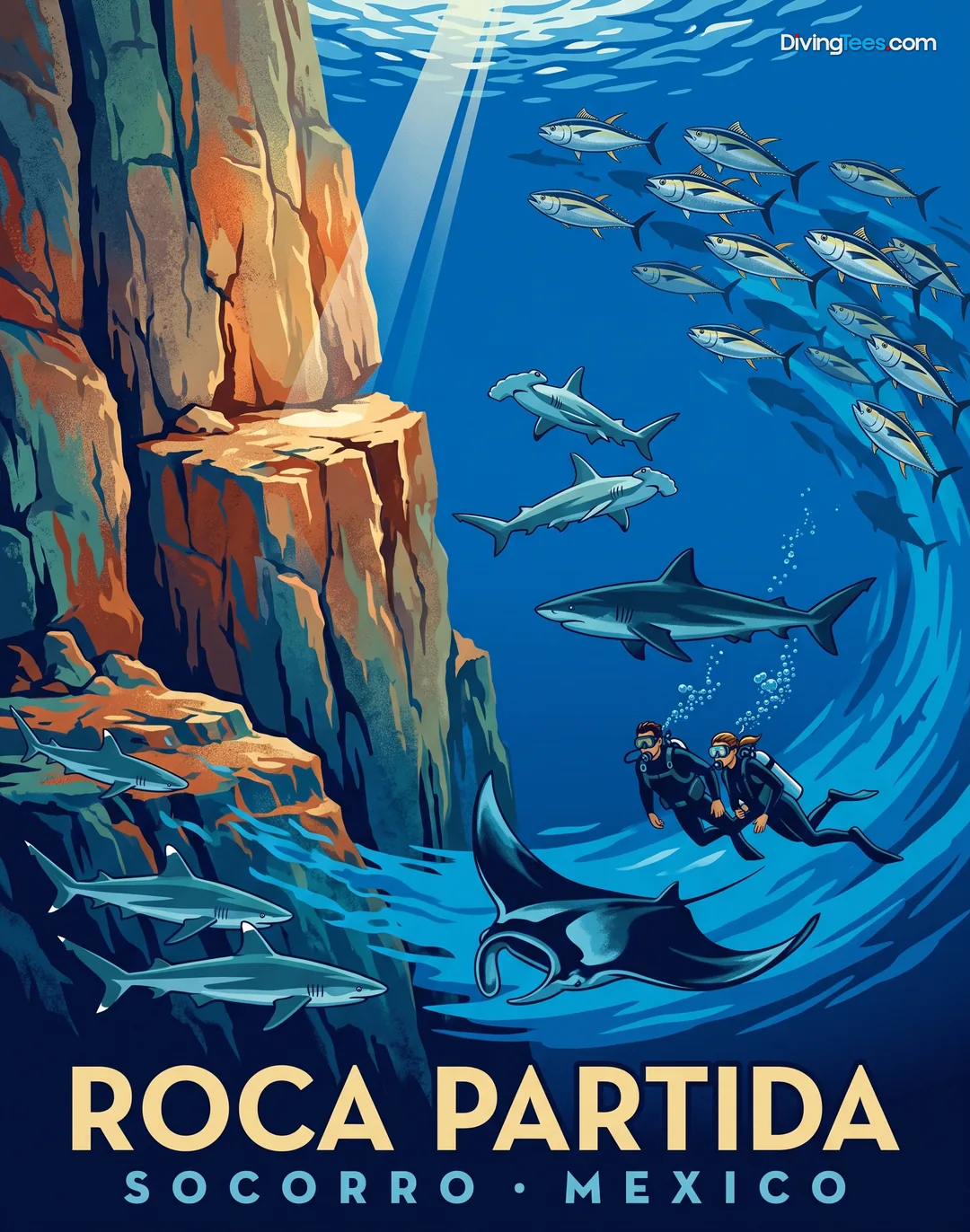
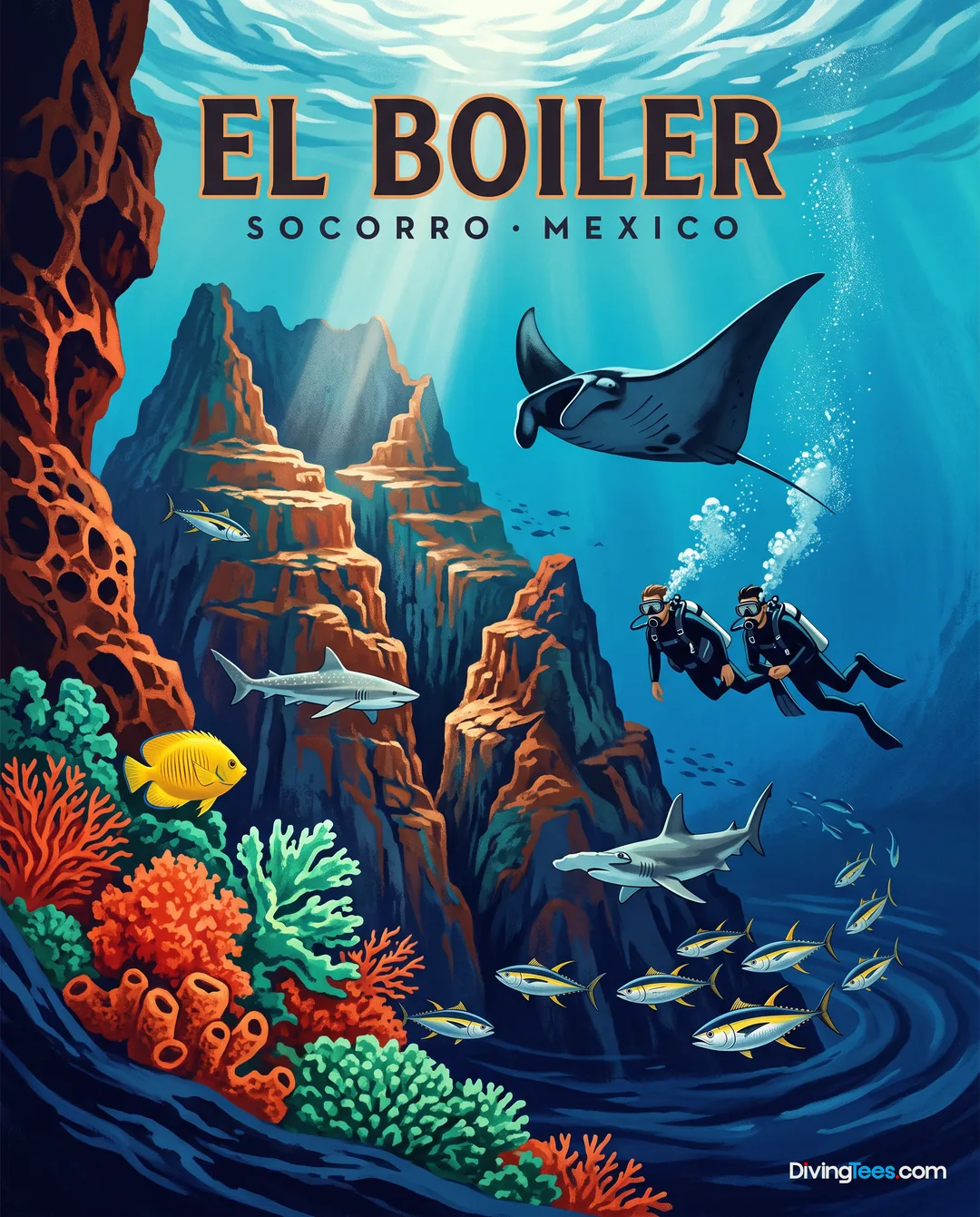
Diving here is a high-energy affair dominated by vertical volcanic structures and deep drop-offs. You will spend most of your time on exposed sites like El Boiler or Roca Partida, where visibility typically ranges between 20 and 30 metres. Expect strong, unpredictable currents and frequent negative entries. The underwater landscape is defined by steep walls and honeycombed volcanic rock, creating ideal conditions for large species. This is not a destination for easy, sheltered reef cruising; it is an offshore environment where the primary objective is to position yourself correctly in the current to witness the movement of large predators and rays in the blue.
Three dives not to miss
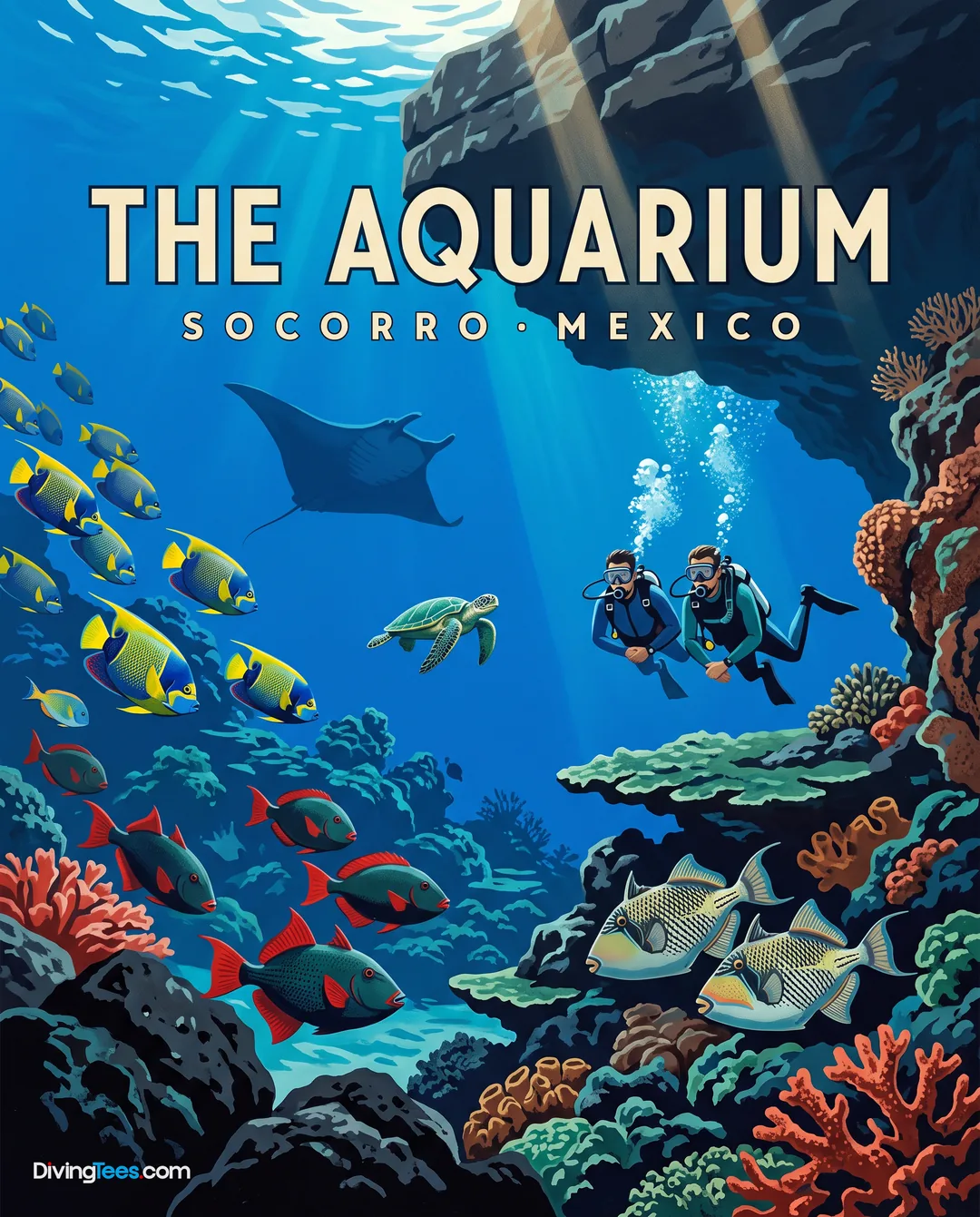
The underwater wildlife
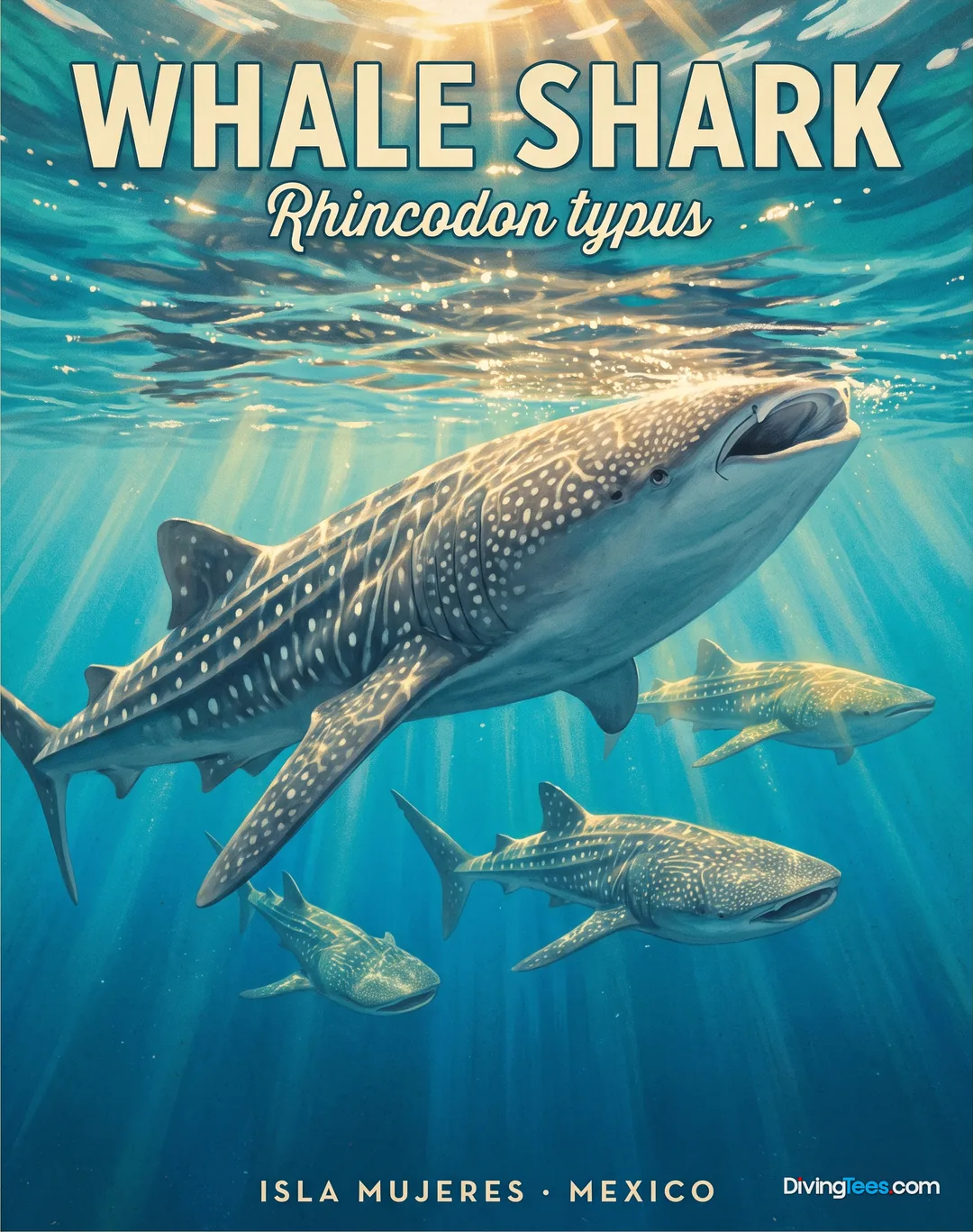
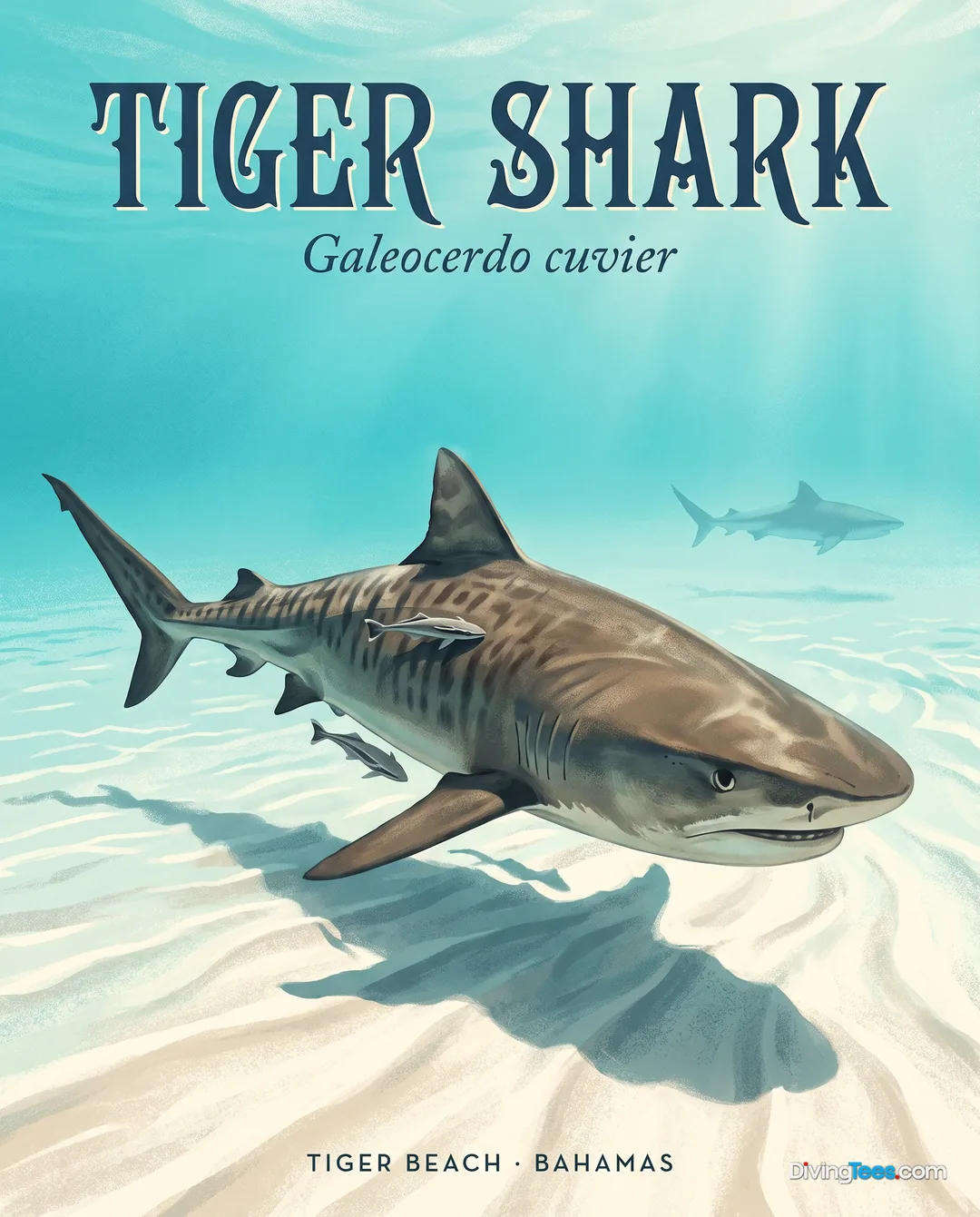
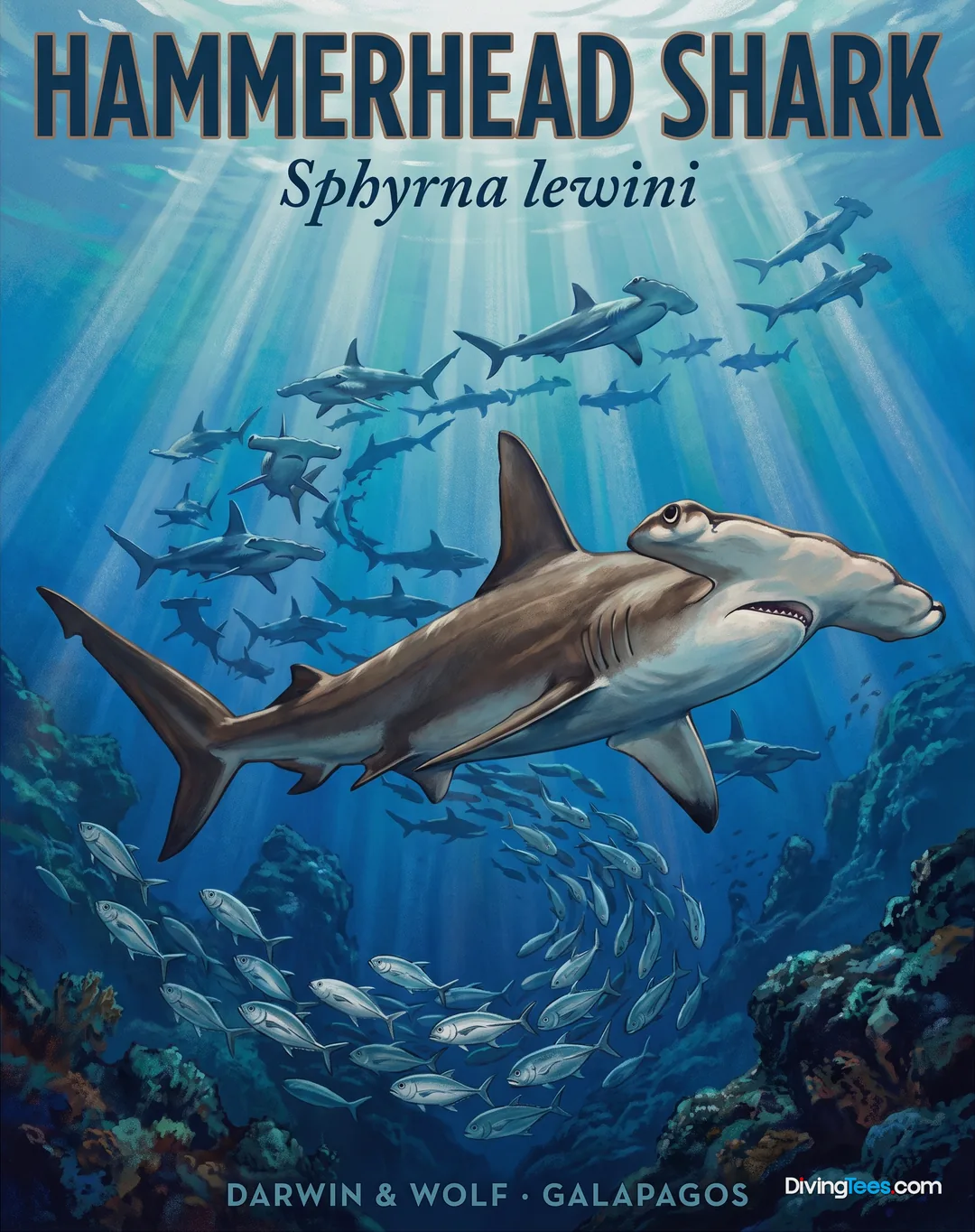
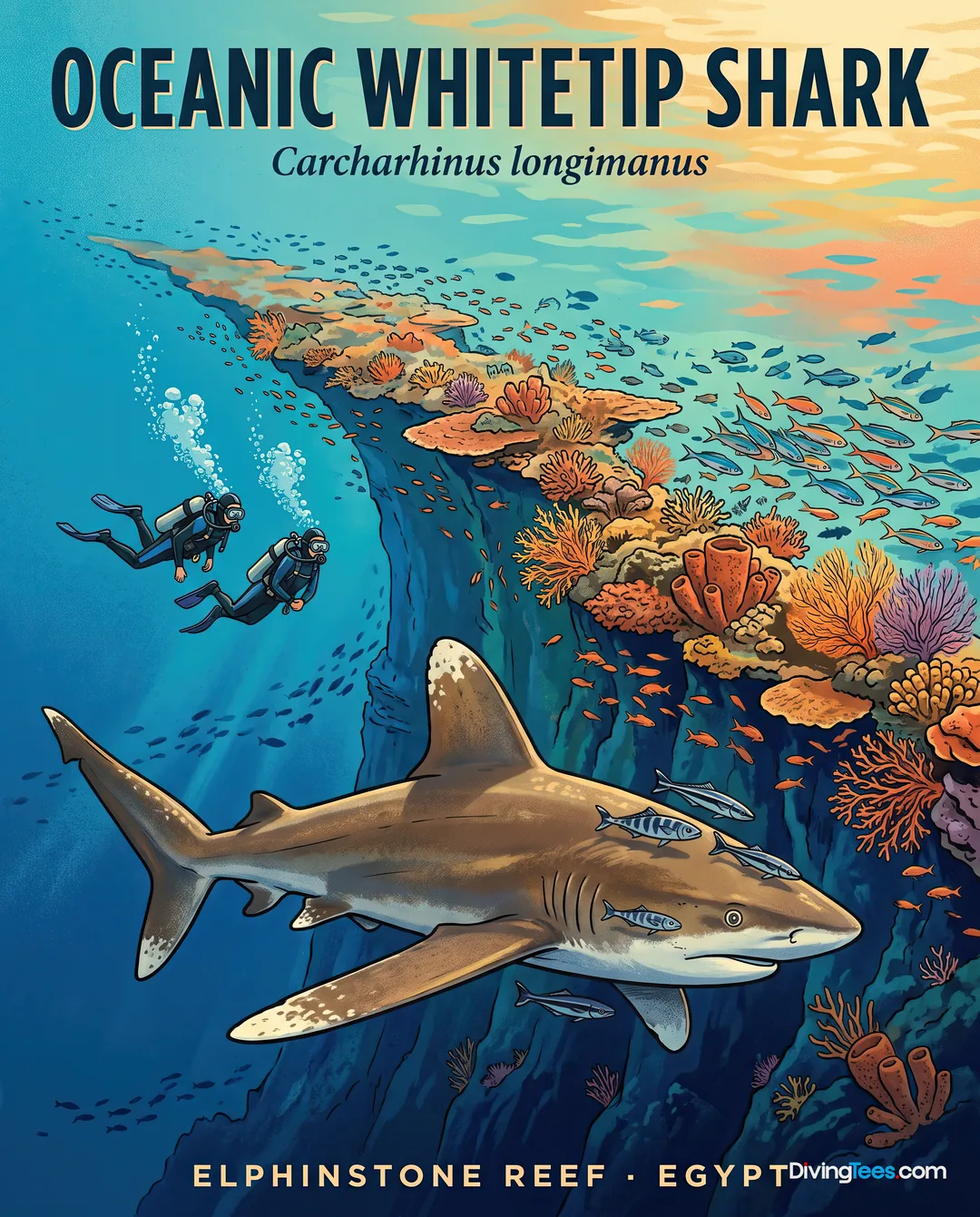
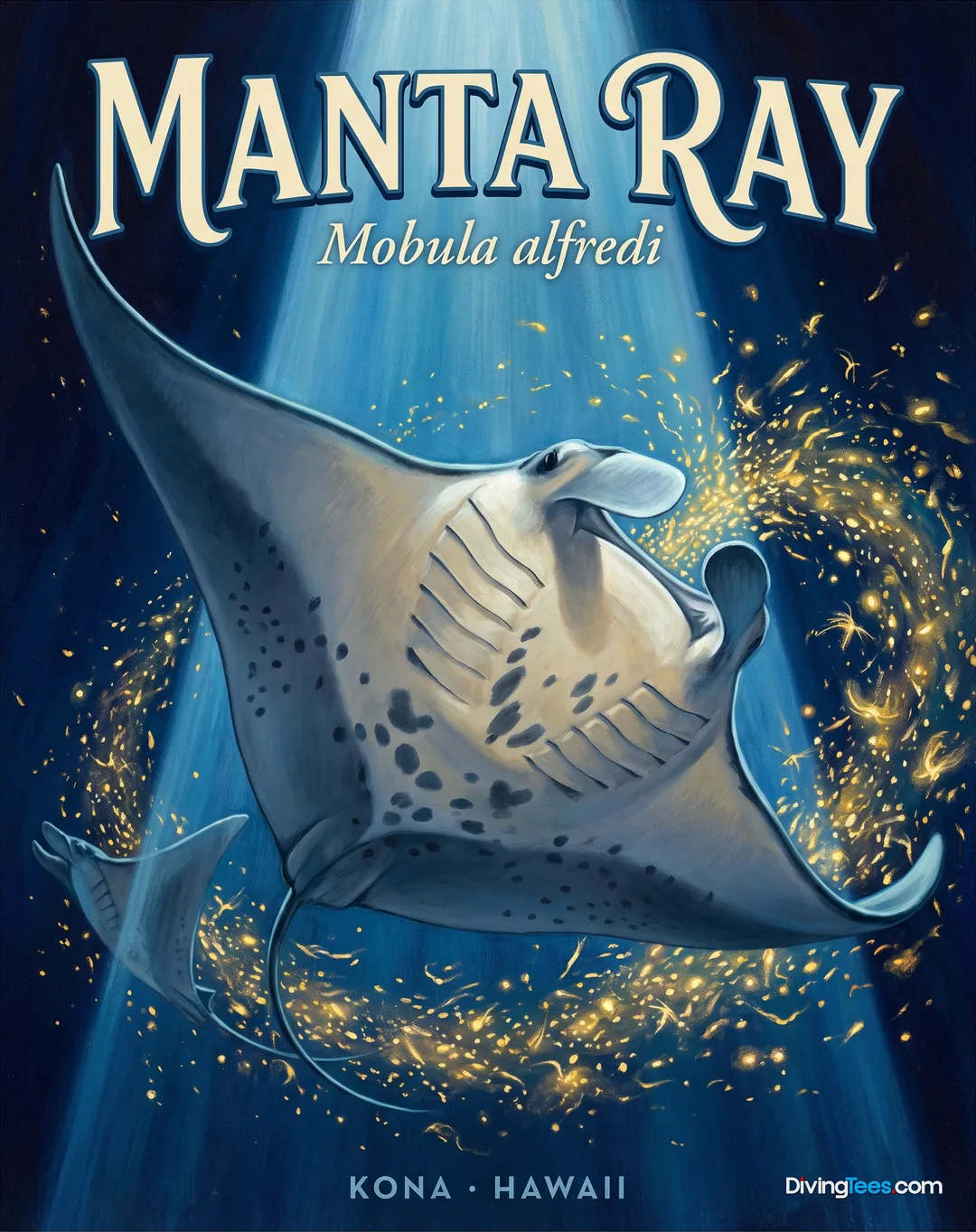
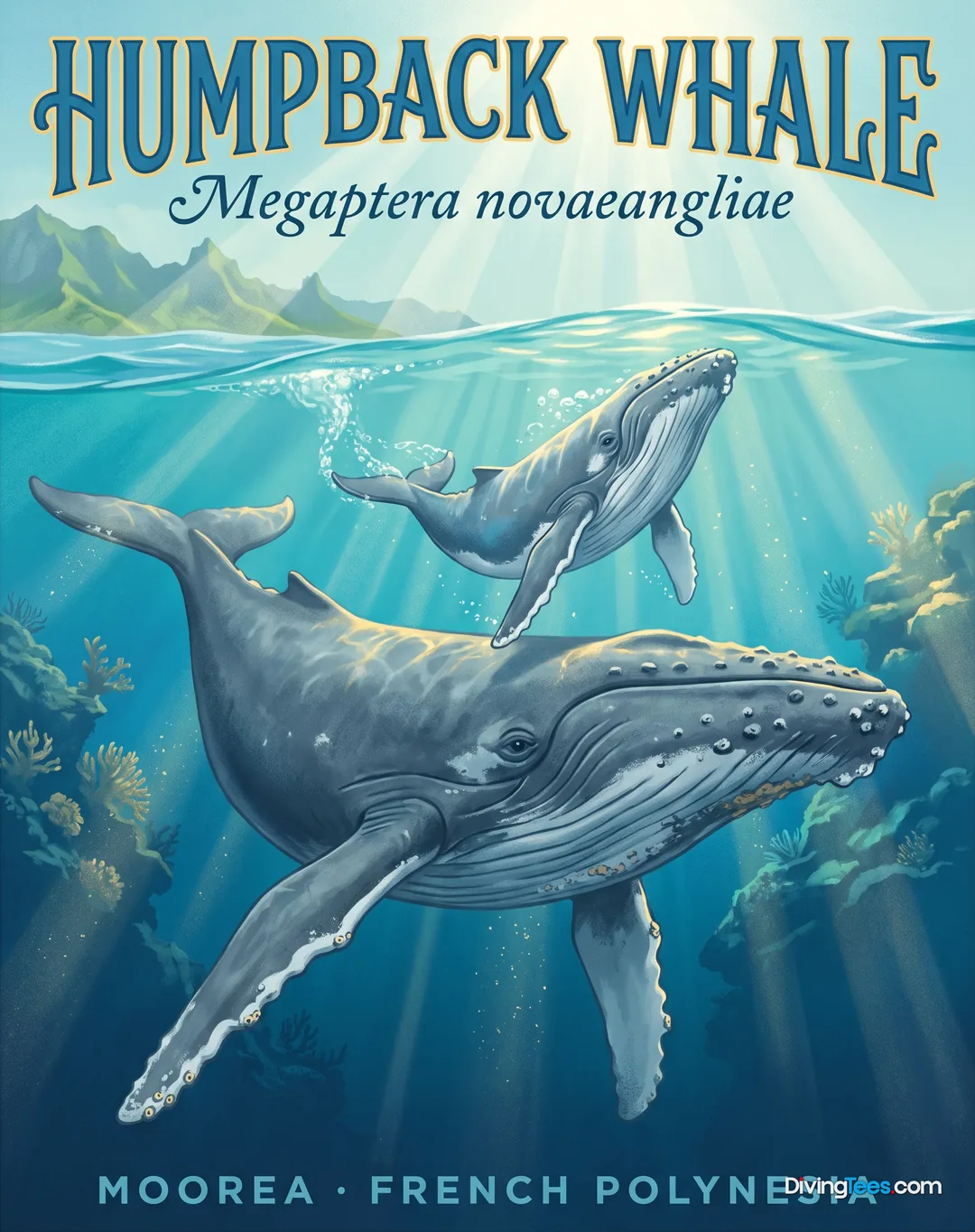
The marine life is spectacular and seasonal. Giant oceanic manta rays are the main attraction, especially from December to March when cleaning station activity peaks. During the migration, you may encounter humpback whales, their songs echoing through the water. The ecosystem supports significant populations of sharks, including scalloped hammerhead sharks, silky sharks, Galapagos sharks, and whitetip reef sharks. Depending on the season, you might also witness bait balls of small pelagics attracting predators like yellowfin tuna or even whale sharks during certain periods.
Possible underwater encounters
When to go
The optimal window runs from November to May, when the Pacific waters are calmer and the weather is clear of tropical storms. Avoiding the August to October hurricane season is essential. While visibility is generally excellent, the influx of plankton that fuels the presence of mantas and sharks can sometimes reduce clarity to around 15–20 metres during peak feeding times.
Level required
This destination is reserved for experienced divers. An Advanced Open Water certification is essential due to the depths, which frequently reach 30 to 40 metres. Because of the heavy currents and deep, blue-water encounters, a strong command of buoyancy and experience with drift diving is required. Nitrox is highly recommended to manage the nitrogen load during multiple deep dives over several days.
On the ground
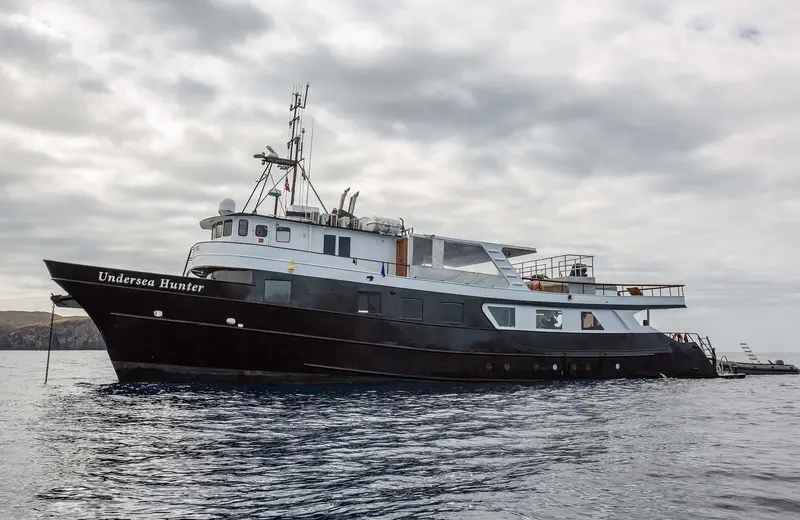
Access is strictly limited to liveaboards departing from Cabo San Lucas or San José del Cabo. After flying into Los Cabos (SJD), you will undergo a 24 to 30-hour sea crossing to reach the first islands. Due to the extreme isolation and the strict regulations of the Revillagigedo National Park, there are no hotels or ferries to the islands; you must book a liveaboard well in advance to secure a spot within the visitor quotas.
Local tips
Prepare for a physical journey; the long crossing can be rough, so carry effective motion sickness medication to ensure your comfort. Once on board, bring a high-visibility SMB; in these strong currents, being spotted by the dive boat is vital. To get the most from your encounters, learn to position yourself slightly downstream from cleaning stations; this allows mantas to approach you naturally without being blocked. Avoid over-packing with heavy camera gear on your first dives; focus on stabilization first to prevent accidental collisions with the reef or fauna. Finally, always schedule at least one night in Cabo before your departure to avoid missing the boat due to flight delays.
Planning your stay
A typical trip lasts between 8 and 11 days to allow for the long transit times and several days of actual diving. This duration covers various sites across the archipelago, including San Benedicto and Roca Partida, giving you the best chance to encounter different species in their natural habitats.
Hello, I'm Marina, DivingDeal.com's AI assistant. I guide you through destinations, areas and countries.
Thinking about the whole trip and the flights? Talk it over with Edith →
Marina is an AI. Some links are affiliate links: DivingDeal may earn a commission, at no extra cost to you. Bookings are made with the partner.
Map of dive sites in Socorro
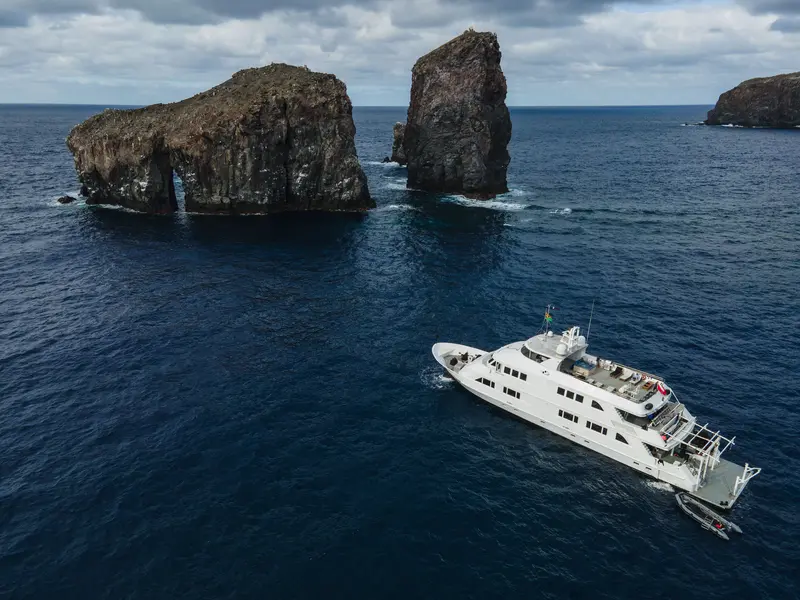
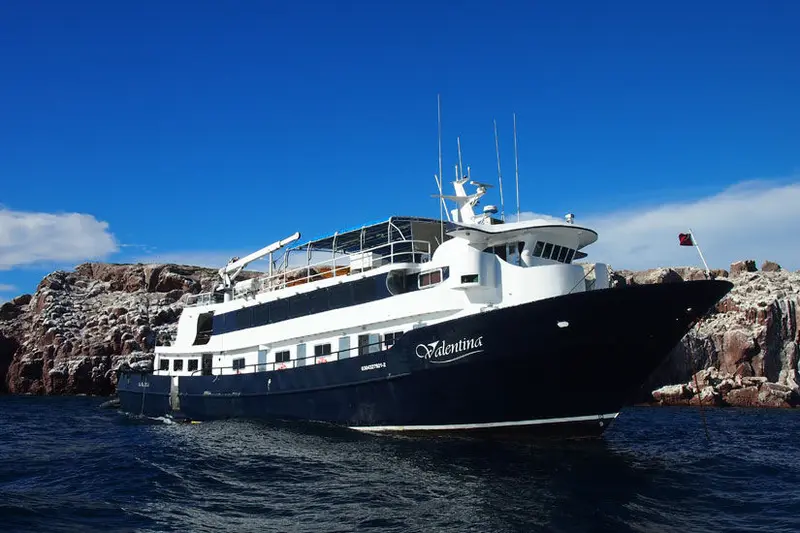
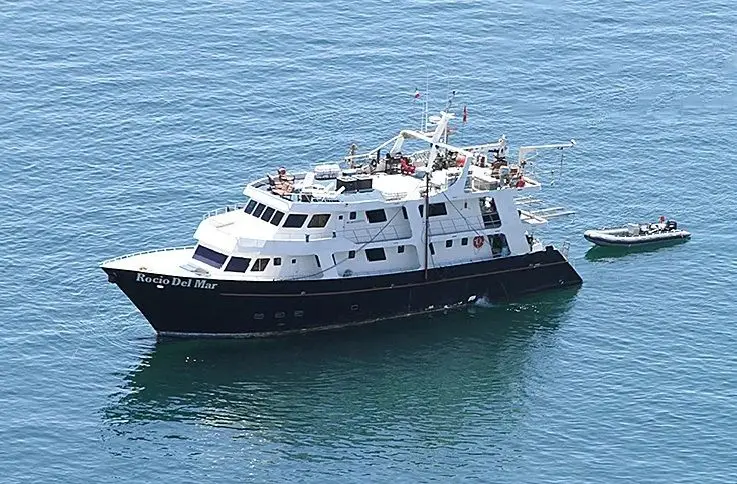
Dive liveaboards Socorro
8 liveaboards run trips to Socorro.
Frequently asked questions about Socorro
When should you go to Socorro for the best diving conditions?
For calmer Pacific waters and weather clear of tropical storms, plan Socorro between November and May. Manta cleaning-station activity peaks from December through March, while humpback encounters occur during migration. Avoid August through October, the hurricane season. Plankton can reduce visibility during peak feeding times, despite generally excellent visibility.
What diving experience do you need for Socorro?
Socorro suits experienced divers with Advanced Open Water certification. Depths frequently reach 30 to 40 metres, while strong, unpredictable currents, exposed sites, negative entries, and deep blue-water encounters demand confident buoyancy and drift-diving skills. Nitrox is highly recommended for managing nitrogen during multiple deep dives over several days.
What marine life and underwater scenery can you see at Socorro?
At Socorro, you can encounter giant oceanic manta rays at cleaning stations, scalloped hammerheads, silky sharks, Galapagos sharks, and whitetip reef sharks. Humpback whales may appear during migration, while bait balls can attract yellowfin tuna and whale sharks may occur during certain periods. Volcanic pinnacles, steep walls, and drop-offs shape the dives.
How should you plan your stay at Socorro?
Plan Socorro as a liveaboard expedition departing from Cabo San Lucas or San José del Cabo after flying into Los Cabos. Book well ahead because visitor quotas limit access. Allow for a long sea crossing and several diving days, carry motion sickness medication and a high-visibility SMB, and spend a night in Cabo before departure.