
East Cape Explorers
★ 4.9/5 (548 reviews)
31 km away as the crow flies
San José del Cabo · Mexico · Americas
Max. depth · 40 mDescend along Neptune's Finger, a submerged pinnacle and wall system featuring the region's largest sandfall and a dynamic reef dropping into oceanic depths.
For subtitles in English: start the video firstthen click the gearat the top right of the video, select “Subtitles/CC”, then “Auto-translate” and choose “English”.
Neptune's Finger emerges as a distinct pinnacle, its form mirroring an inverted Baja California Sur as it breaches the surface. The dive begins on a shallow reef, giving you a chance to acclimate before the topography transitions dramatically into a steep, sloping rock face. Along this descent, you’ll navigate a complex structure that offers natural shelter and diverse habitats, allowing you to choose your depth based on your comfort and experience.
As you follow the wall downwards, a notable feature unfolds: the largest sandfall within the marine park. This geological phenomenon creates a dynamic landscape, where sand cascades down into deeper water, constantly reshaping the immediate environment. Positioning yourself at the edge of this cascade allows you to observe the subtle but continuous motion of the seabed, a unique spectacle setting this site apart from typical reef dives.
Beyond the sandfall, the reef continues its abrupt drop into deeper zones, reaching depths of up to 40 meters. At approximately 18-24 meters, a distinct wall section forms a clear demarcation. Further down, around 30 meters, you'll find impressive fields of fan corals, a vibrant display of marine life that thrives in these deeper, cooler waters. This depth profile enables a multi-layered dive, rewarding those who manage their gas and no-decompression limits effectively.
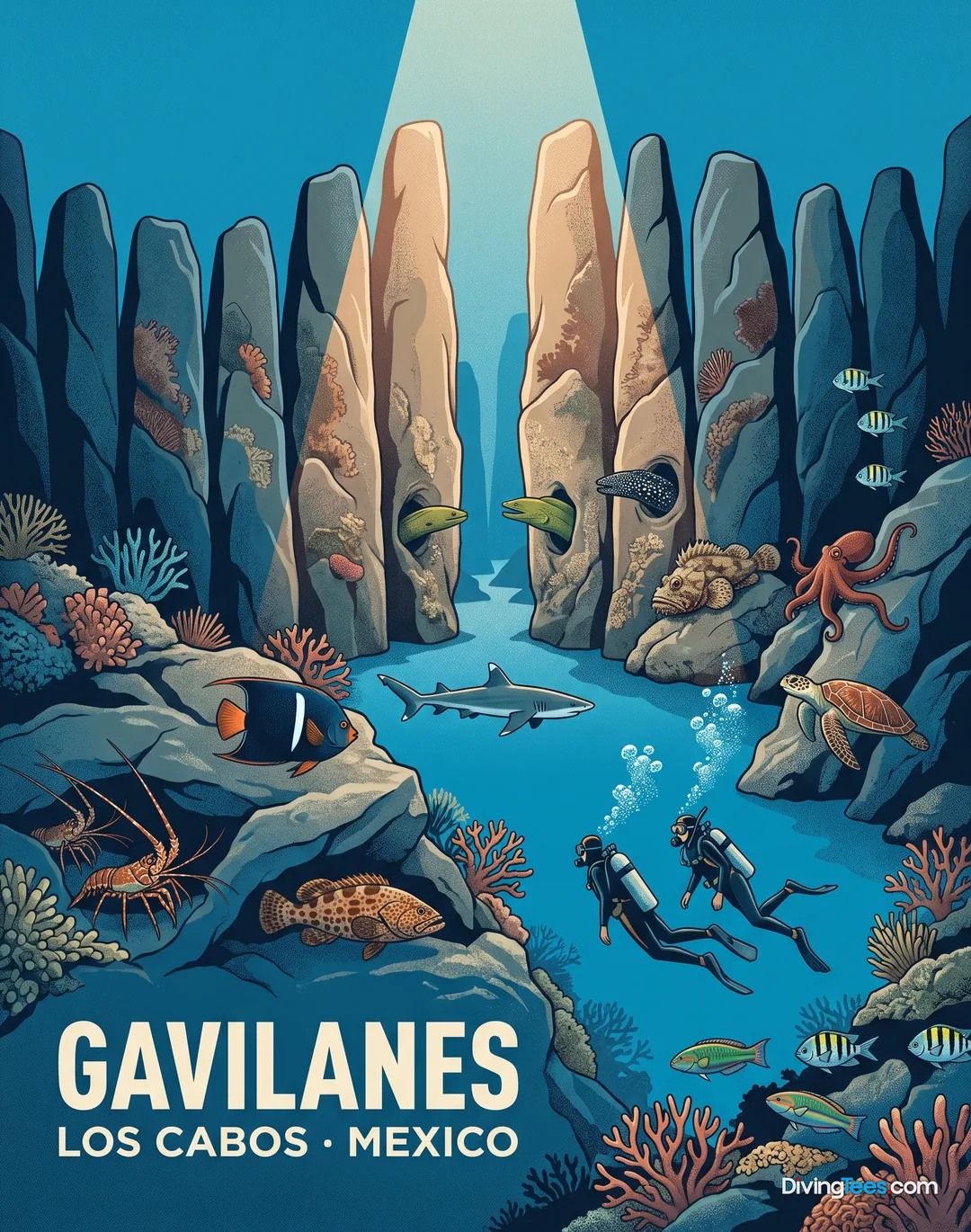
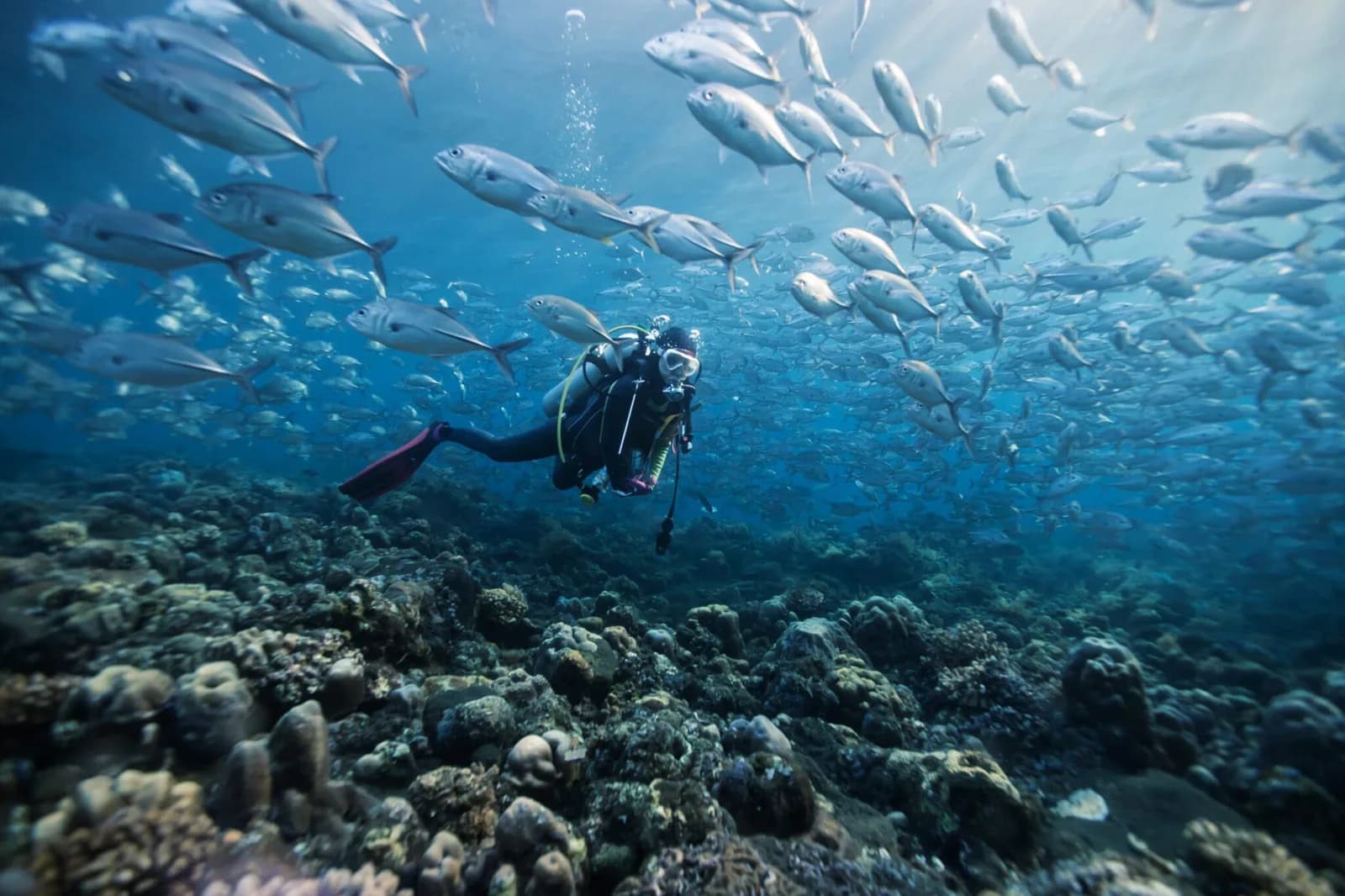
The site acts as a known cleaning station for rays, and it's not uncommon to encounter mobula rays cruising the deeper sections, particularly during certain seasons. Turtles and groupers are regular inhabitants of the reef, often found resting or foraging among the coral formations. You can also expect to see bovine rays, white-tip reef sharks, guitarfish, and various tropical reef fish, sometimes schooling in large numbers.
While the site offers options for shallower exploration, including a small cove around 12 meters, the continuous boat traffic overhead necessitates constant awareness and precise buoyancy control. Even when not deep, maintaining your position and monitoring your surroundings are critical for a safe dive. This blend of shallow and deep topography provides flexibility, but demands respect for the environment and other water users.
The deeper sections, especially around the fan coral fields, are best experienced by divers comfortable with advanced profiles and managing their air consumption at depth. This is where you can spend time observing the more established communities of marine life that prefer the cooler, quieter conditions away from the shallower, more exposed areas. Keep your eyes open for transient pelagic species that patrol these outer edges.
Neptune's Finger offers a varied depth profile, from a minimum of 5 meters at the shallowest points to a maximum of 40 meters. Due to the potential for deeper exploration and the need for rigorous buoyancy control in an active area, an advanced certification is recommended, along with a solid understanding of dive planning for multi-level profiles. While local reef sites often have mild currents, always be prepared for changing conditions. The best time to experience the site without significantly affecting visibility is outside the plankton blooms, though these naturally attract the larger filter feeders.