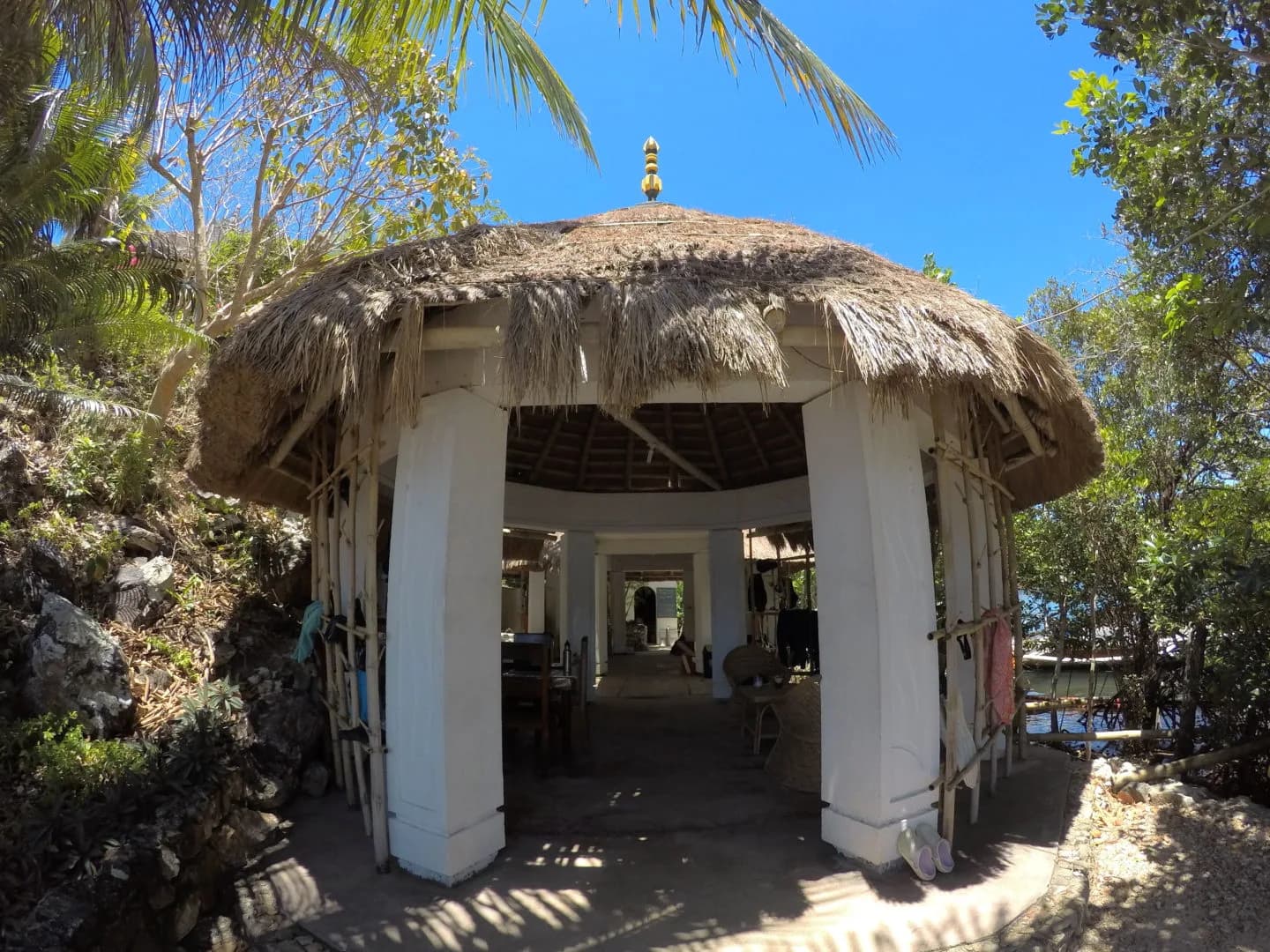

Gunter's Dive Center
★ 5/5 (158 reviews)
1.8 km away as the crow flies
Coron · Philippines · Asia
Max. depth · 26 mThe Okikawa Maru is a colossal 160-meter Japanese auxiliary oiler, offering a unique blend of wartime history and vibrant marine life.
For subtitles in English: start the video firstthen click the gearat the top right of the video, select “Subtitles/CC”, then “Auto-translate” and choose “English”.
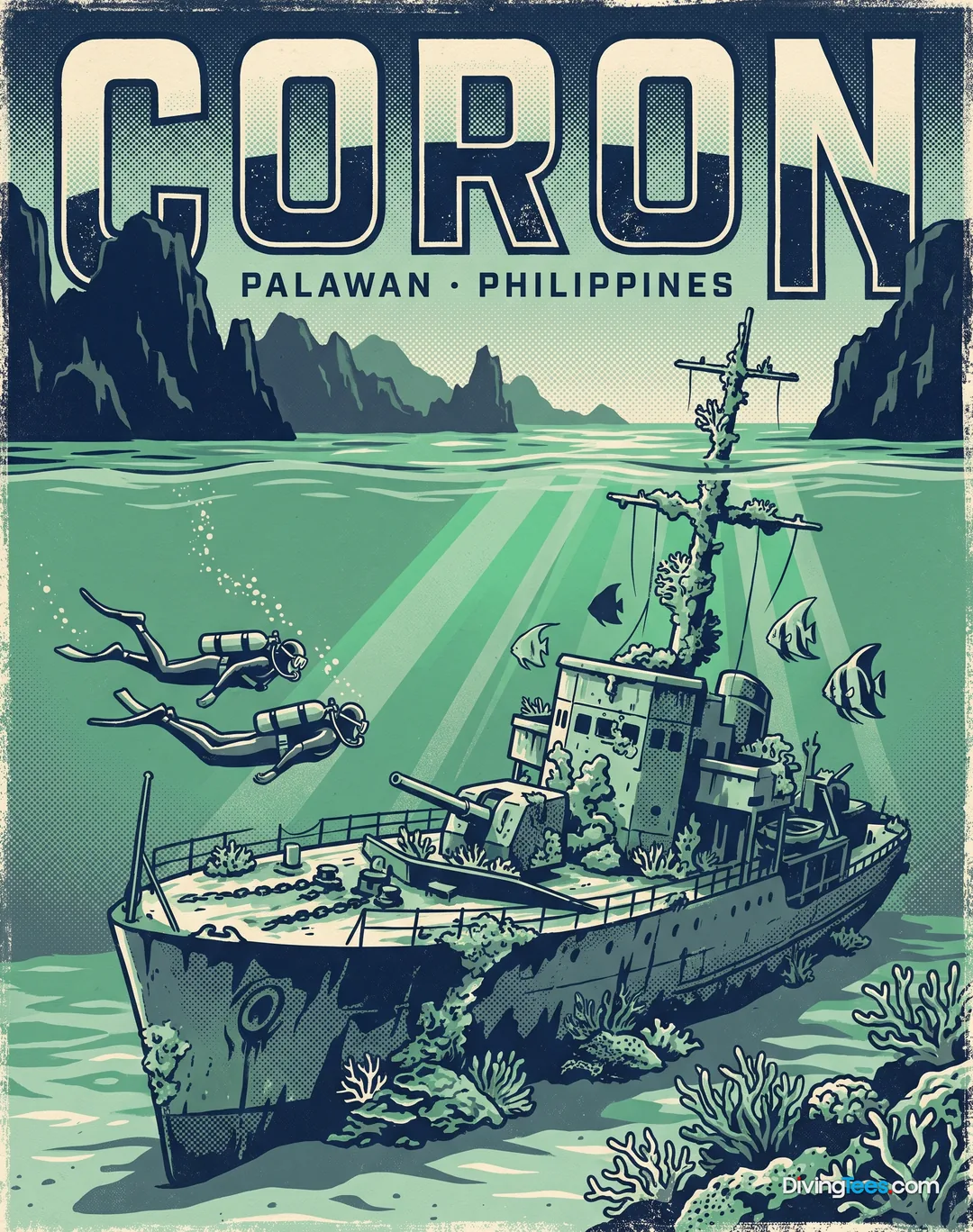
The Okikawa Maru, the largest of Coron's wartime wrecks, is a colossal 160-meter Japanese auxiliary oiler that met its end during World War II. This former fuel oil tanker was critically hit on September 24, 1944. Initially disabled and ablaze, it managed to stay afloat, drifting north from its initial encounter, before eventually being sent to its final resting place on October 9 during a subsequent 'mop-up' operation. She rests upright on the seabed, her keel at 26 meters, allowing for exploration from her impressive bow to her stern. The sheer scale of this vessel, coupled with its excellent state of preservation, allows divers to appreciate the life of a massive tanker from its operational time, now transformed into a vibrant artificial reef.
Your descent to the Okikawa Maru often begins on the main deck, which lies between 10 and 16 meters. This shallower section provides ample light penetration, highlighting the extensive coral growth that now covers much of the wreck's structure. For those new to wreck diving, staying on the main deck allows for a comprehensive external survey, offering views of the various chambers from above without the commitment of full penetration.
The wreck's structure is fully embraced by marine life, with hard and soft corals blanketing its surfaces. Venturing along the deck, you’ll encounter schools of snapper (Lutjanidae) and sizeable batfish (Platax), often congregating in areas where a mild current provides a continuous food source. These fish seem to hold their positions, offering steady subjects for observation as you move along the ship’s length. As you navigate the exterior, the ship's massive hull extends into the blue, revealing areas where the initial damage was inflicted and where marine life has now firmly established its domain.
While the shallower deck is welcoming, the Okikawa Maru also offers extensive opportunities for advanced wreck divers. Numerous access points lead into the ship's interior, allowing for penetrations that weave through the cargo holds, crew quarters, and the massive engine room. One notable route involves following the propeller shaft from outside the hull deep into the heart of the ship, an experience that provides a tangible connection to the vessel’s past function. The journey through the Okikawa Maru offers glimpses into its past life, particularly the sections designed for carrying fuel. While time and the elements have taken their toll, the remnants of its function as a tanker are discernible. You are not just observing a sunken ship; you are exploring a wartime industrial artifact, a vessel designed to keep the war machine running, now serving as a powerful and reflective dive site.
Currents around the Okikawa Maru can be a significant factor, shifting from calm to strong due to tidal influences. These stronger currents, though challenging, often bring in more pelagic life, creating dynamic encounters as larger fish seek shelter behind the wreck's robust structures or within its superstructures. It's in these conditions that you might spot grouper (Epinephelinae) taking refuge.
Visibility here can vary, typically ranging between 5 to 15 meters, influenced by conditions and recent weather. Despite potential variations, the sheer volume of marine growth and the wreck's intact profile ensure there's always something to focus on. Keep an eye out for smaller reef inhabitants, from the vibrant nudibranchs to the well-camouflaged scorpionfish (Scorpaenidae) that blend seamlessly with the coral-encrusted metal.
The Okikawa Maru stands out not just for its size but for the way marine life has colonised every inch of its surface. This transformation from a war machine to a thriving ecosystem is evident in the schools of fish that patrol its deck, the detailed coral formations, and the resident larger species. It is a site where history and nature merge, offering a different experience in every section you explore.
The Okikawa Maru is primarily accessible from Open Water Diver level for external exploration of the main deck, which sits between 10 and 16 meters. For deeper sections and extended penetrations, an Advanced Open Water certification is a minimum requirement, and relevant wreck diving specialty training is highly recommended. The overall maximum depth reached is 26 meters. Be aware that tidal currents can be strong, influencing both the dive profile and marine life behaviour. Visibility typically ranges from 5 to 15 meters.
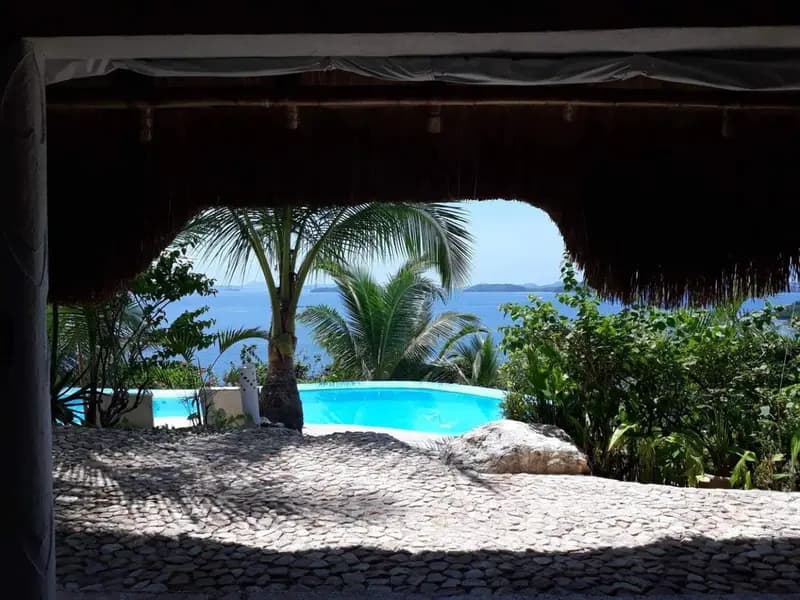
★★★★
★ 9.5/10 (303 reviews)
1.3 km away as the crow flies
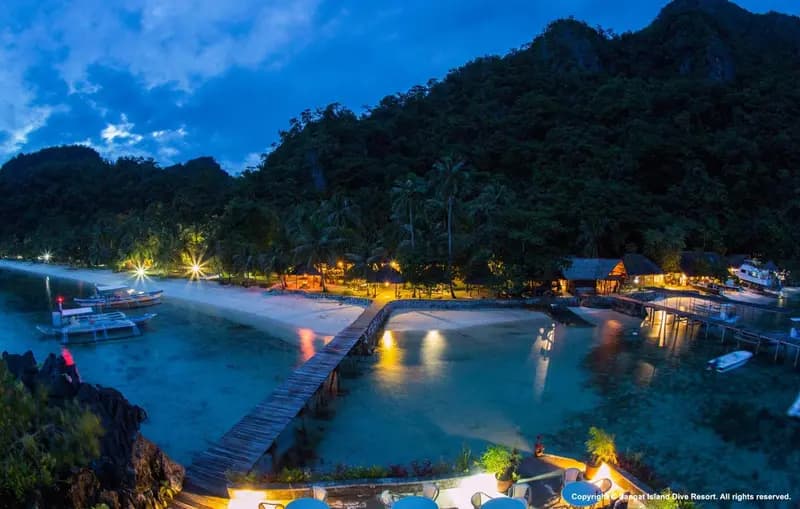
★★★
★ 9.3/10 (277 reviews)
13 km away as the crow flies
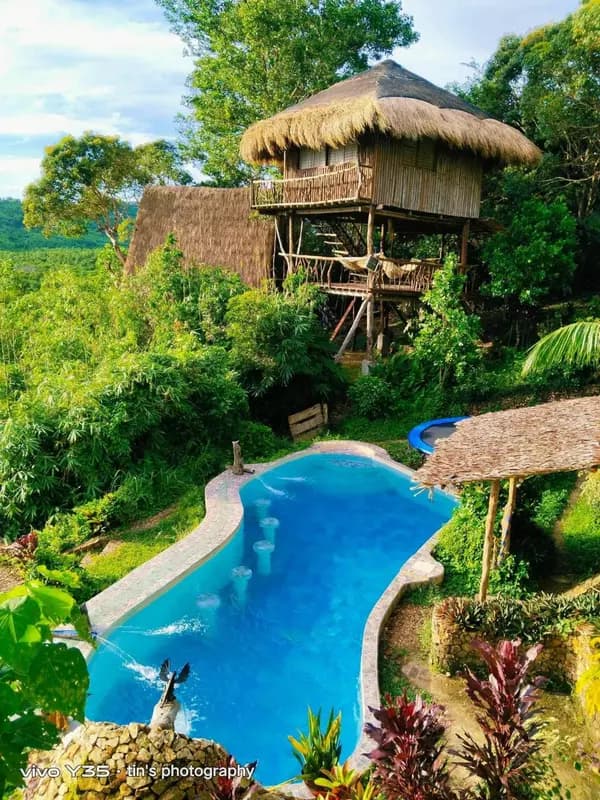
★★★
★ 8.8/10 (246 reviews)
5.1 km away as the crow flies
★★★★
★ 8.6/10 (192 reviews)
1.1 km away as the crow flies
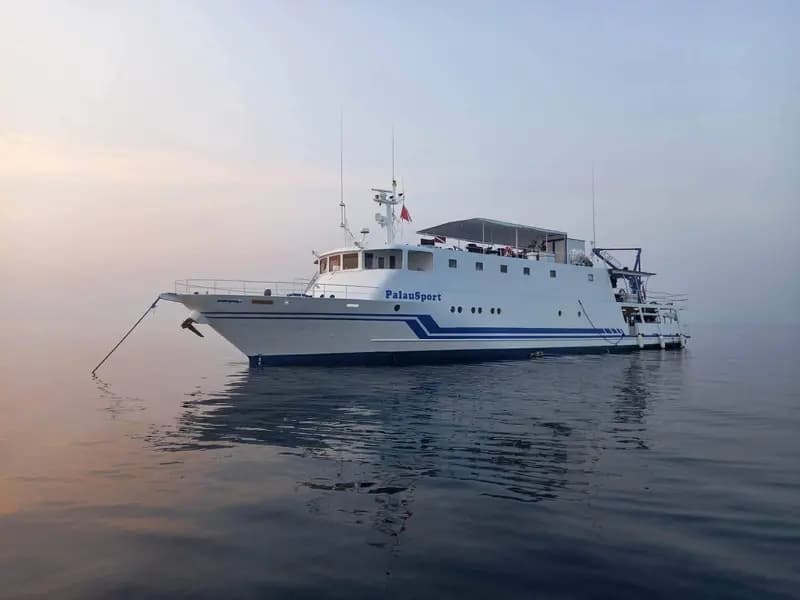
2 liveaboards depart from Coron another way to explore the region, over several days at sea.