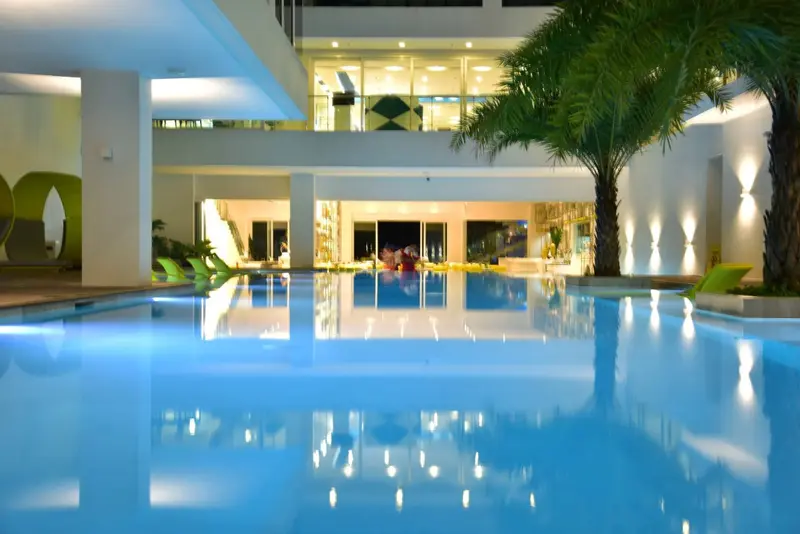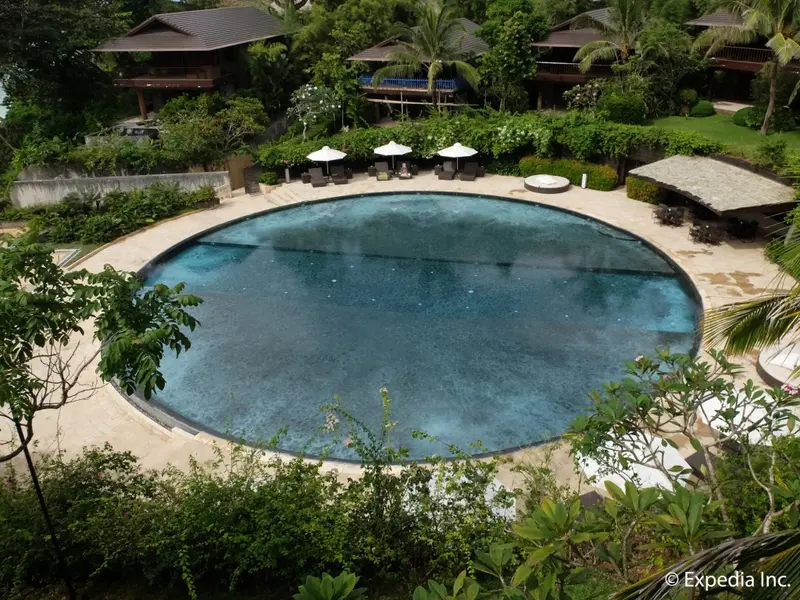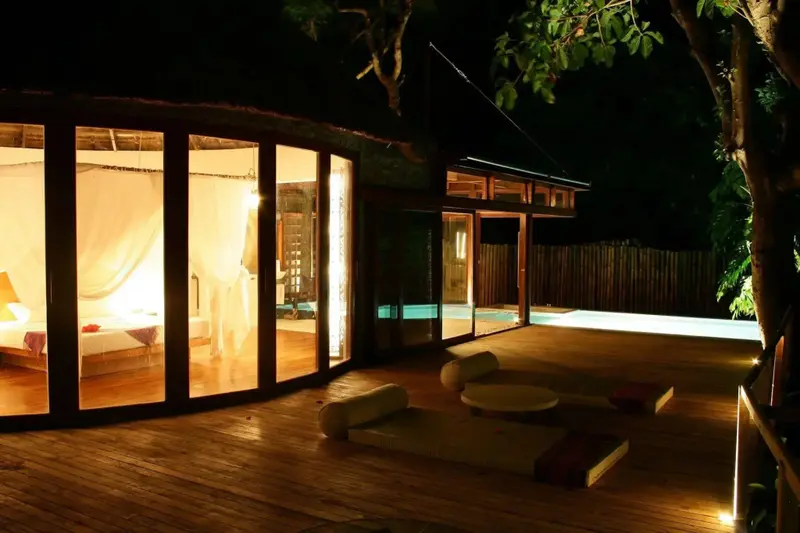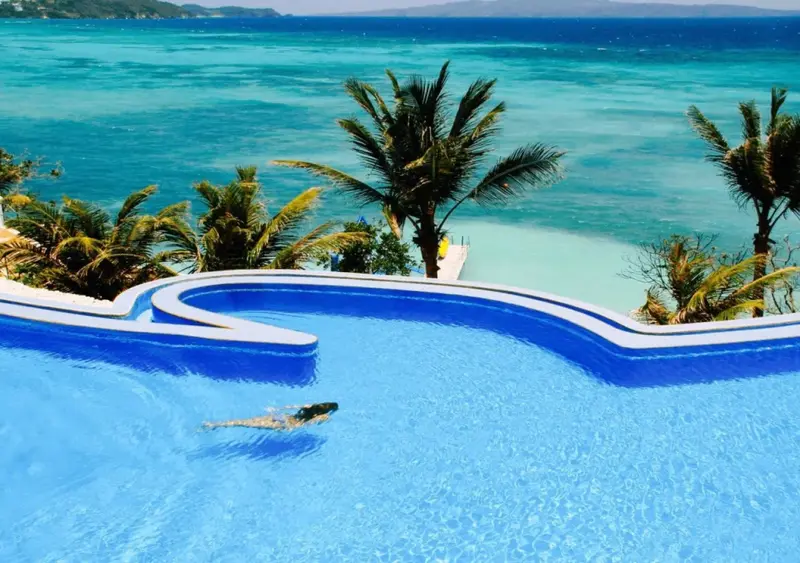
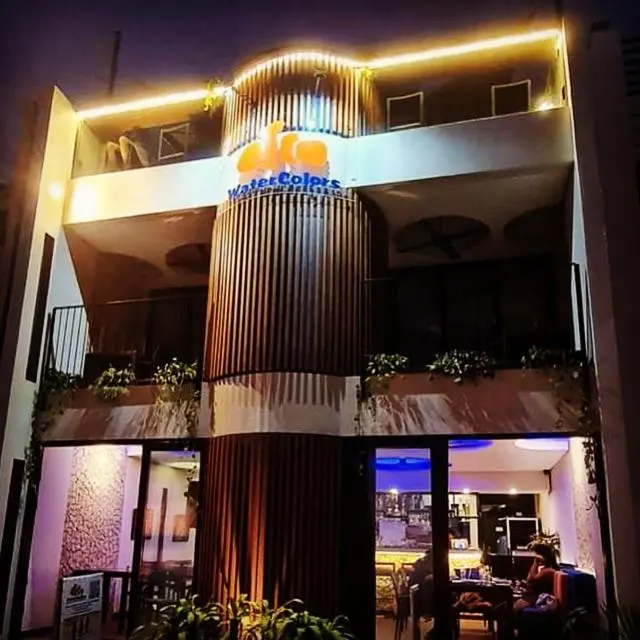
 Dive centre in the hotel
WaterColors Boracay Dive Resort
★★★
Google 4.9/5 (89 reviews)
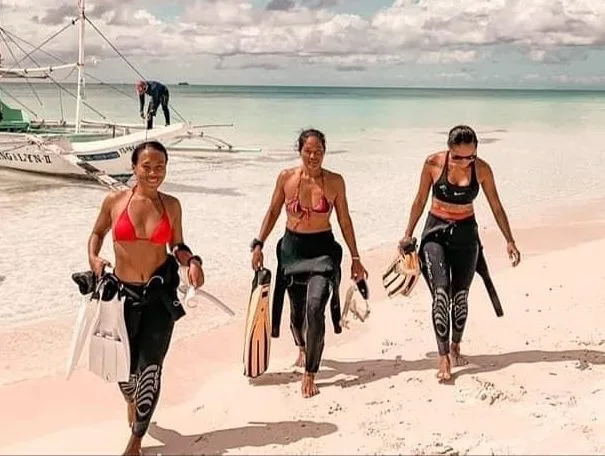
The dive centre
Watercolors Boracay Diving Adventures
PADI
Google 4.8/5 (90 reviews)
Dives: ANGOL POINT, CORAL GARDEN, FRIDAY’S REEF
Philippines · Asia
Shallow coral slopes, 40-metre walls, moray eels in crevices and fast water around Yapak give Boracay its distinct mix of easy dives and demanding profiles.
For subtitles in English: start the video firstthen click the gearat the top right of the video, select “Subtitles/CC”, then “Auto-translate” and choose “English”.
Boracay is a land-based Philippine dive stop built around a famous beach island, not a remote diving outpost. Boats leave for nearby reefs, walls and local wreck interest, while the island supplies the accommodation, restaurants and non-diving distractions. Underwater, Coral Garden and Angol Point keep things shallow and relaxed; farther out, Balinghai, Crocodile Island and Yapak bring deeper walls and more demanding water. It works particularly well for a short diving break shared with a non-diving partner.
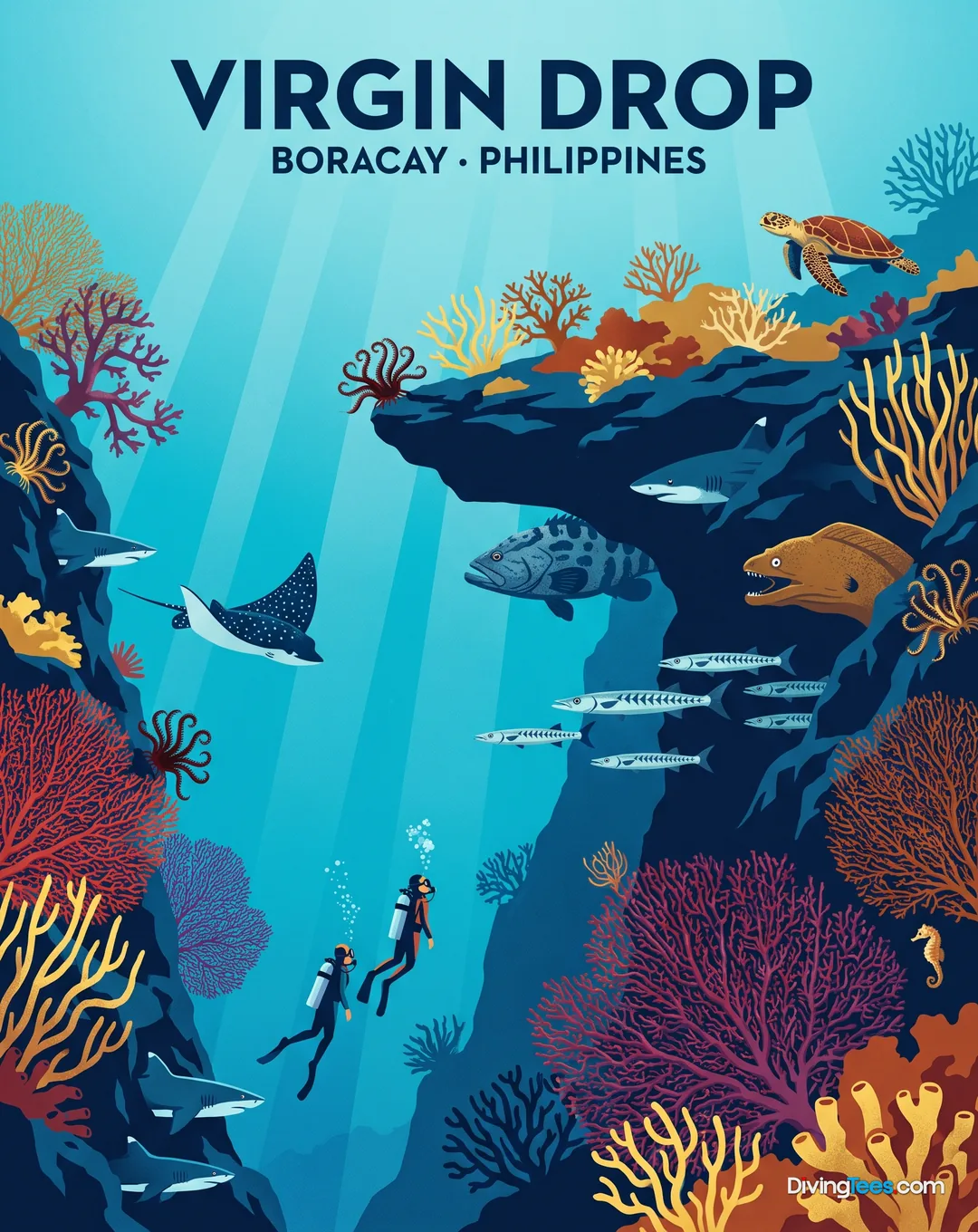
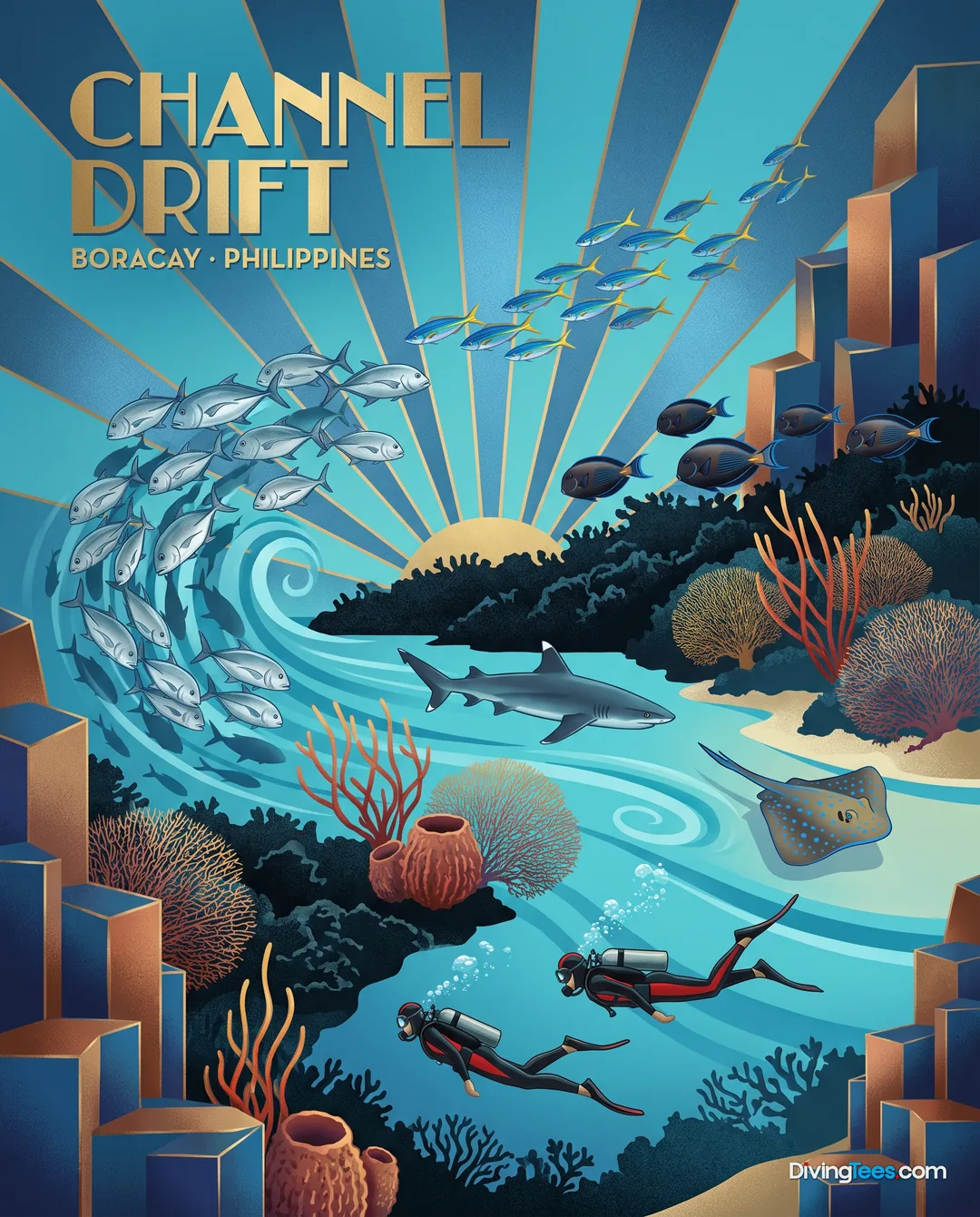
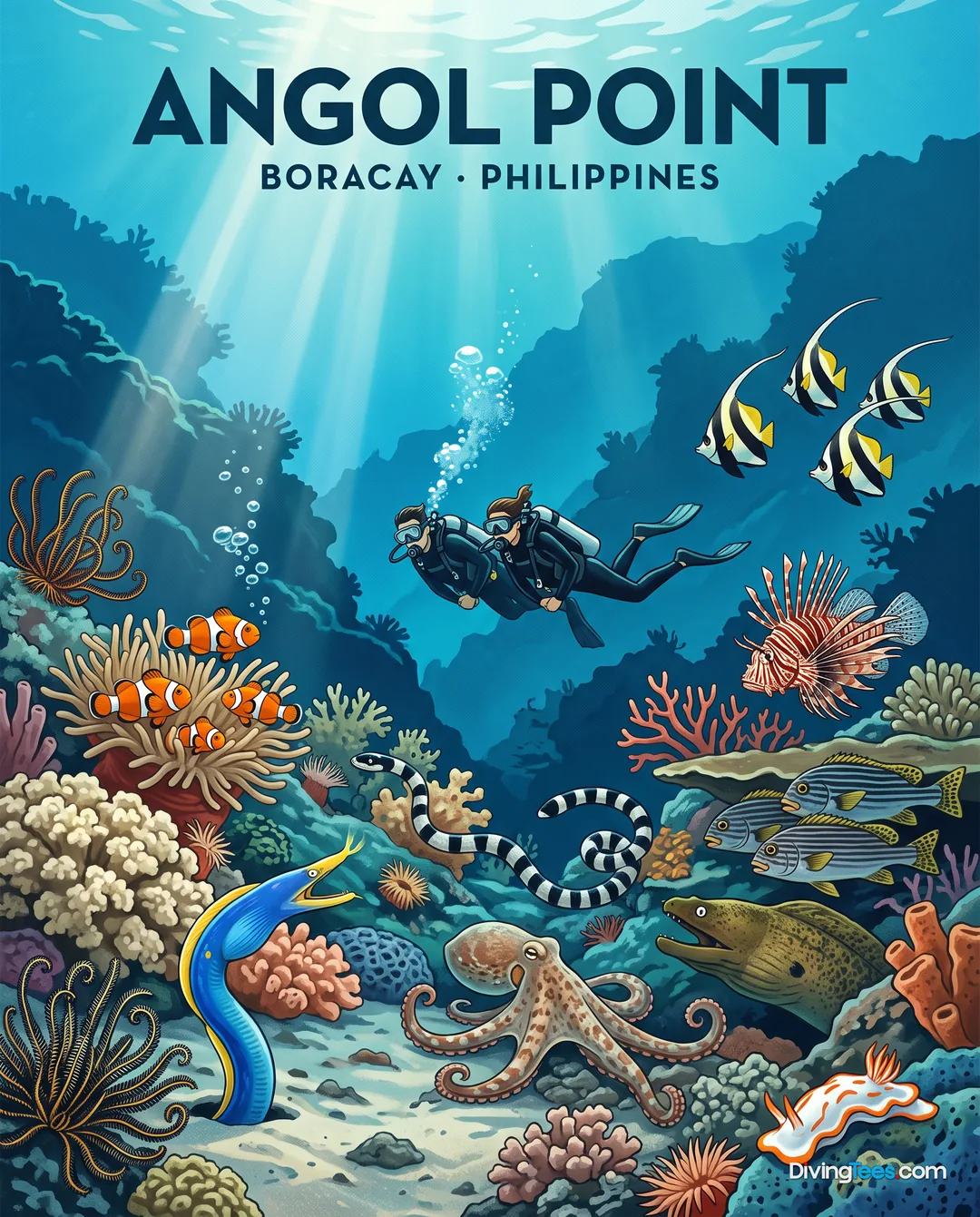
The local diving moves between shallow coral slopes, walls, overhangs and drift profiles. Coral Garden and Angol Point descend through easy reef water, with coral formations, reef fish and light current; they are also practical choices for training, macro photography or a night dive. Balinghai adds a dual-wall profile, while Crocodile Island combines a sloping wall with canyons and overhangs down to 25 metres. At the more serious end, Yapak and Virgin Drop reach 40 metres, and Channel Drift uses strong tidal flow through coral ridges and canyons. Current is therefore variable rather than a constant feature of every dive: it can be weak on the shallower sites and strong or unpredictable at Yapak and Channel Drift. Visibility is generally good, with Virgin Drop reported at 20 to 30 metres, but boat plans still depend on conditions.
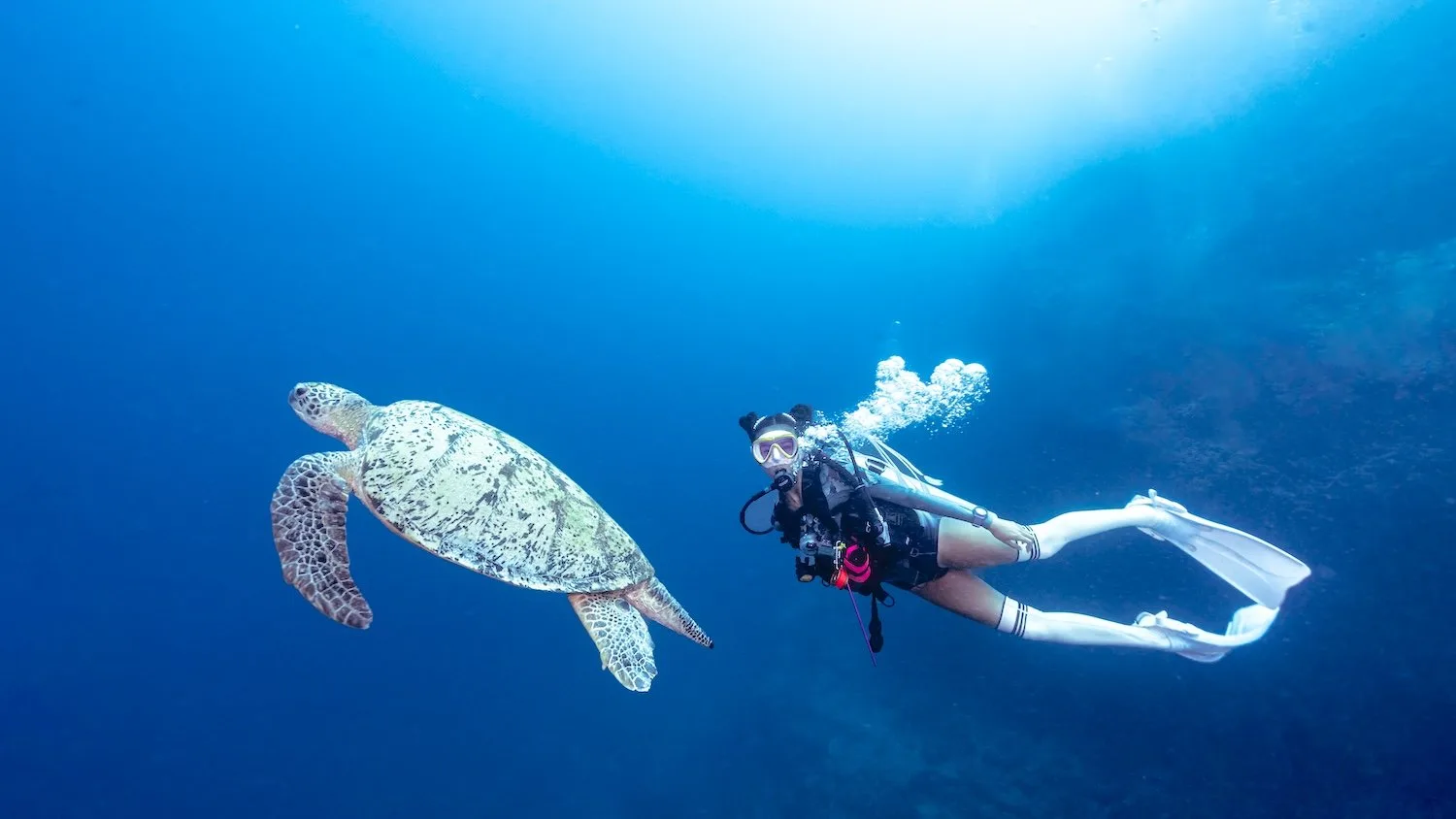
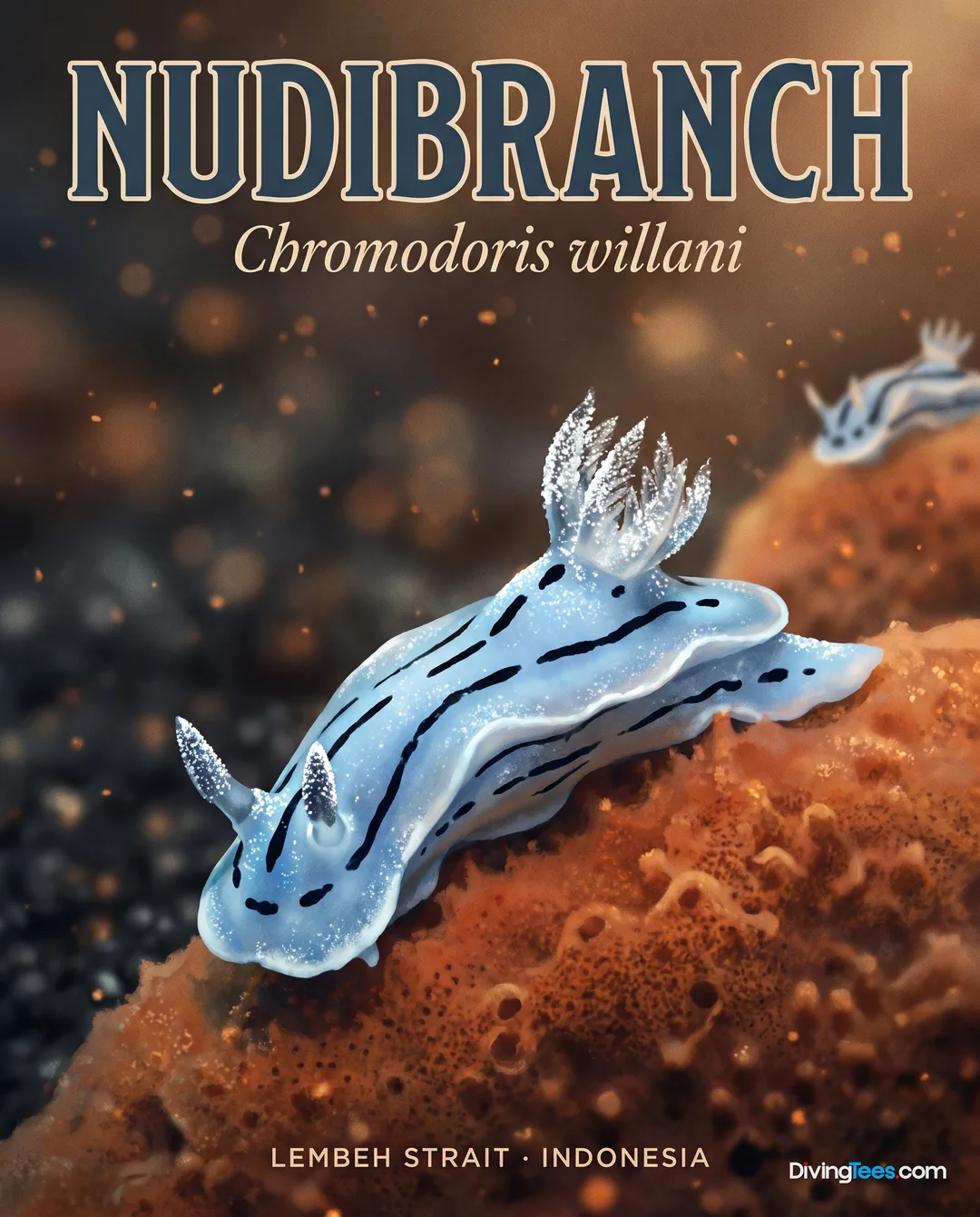
Boracay's reefs offer the small, recognisable subjects that reward a slow pace: nudibranchs, gobies, clownfish, seahorses are not listed and should not be added, while cuttlefish, pufferfish and scorpionfish can occupy the reef and sandy edges. Moray eels shelter in the crevices at Punta Bunga, with groupers, parrotfish, butterflyfish, lionfish, wrasse and anthias moving across the coral. Soft coral, sea fans and sponges add texture to the walls, particularly around the deeper sites. Crocodile Island and the outer walls can bring larger movement, including jacks, tuna, rays and reef sharks. The diving season is therefore less about chasing one named seasonal animal than choosing between patient reef observation and current-shaped pelagic encounters.
April to June is the most practical window for Boracay diving: the measured sea conditions are at their calmest then, while rainfall is also among its lowest from February through June. Calmer water matters because the useful diving is boat-based and several outer sites are defined by tidal current; a settled crossing makes the day less tiring and leaves more choice in the schedule. The island is busiest when beach tourism is busiest, so shoulder periods can feel easier around departures. Even in the favourable window, Yapak and Channel Drift should be treated as condition-dependent rather than automatically available.
Boracay suits all levels, provided the site is matched to the diver. Open Water divers can make sensible starts at Coral Garden, Angol Point and the shallower sections of Crocodile Island or Balinghai. Advanced Open Water training is useful for the deeper walls and essential for profiles approaching 40 metres. Yapak and Channel Drift are for divers comfortable with strong, changeable current; Yapak is aimed at experienced divers with a substantial logged history in current. BSAC, PADI and SSI qualifications can all be considered in the same practical way.
From London Heathrow, Gatwick or Manchester, the journey to Boracay normally takes around 16 to 22 hours of air travel, with a long-haul connection and a domestic flight to Aklan. The destination is not reached by road alone: travellers arrive via Caticlan/Malay or Kalibo, continue overland to the relevant port, then make the unavoidable boat crossing to Boracay. That final transfer is part of the journey, not a minor hotel shuttle. Keep luggage manageable, allow time between flight, road and boat connections, and avoid building a tight same-day diving plan around the arrival. Once on the island, many divers stay within walking distance of their departure point; otherwise, short tricycle or taxi journeys cover the local transfers.
Treat Boracay as a boat-diving base, not as a place where the best diving begins directly from the beach. Staying within walking distance of the usual departure point removes an unnecessary early transfer, and choosing accommodation on the same side of the island makes morning logistics less fragile. Keep baggage simple: the route combines aircraft handling, a land transfer and the compulsory boat crossing. On a short stay, use the easier local reefs first, then leave Yapak, Channel Drift or deeper wall profiles for a later day when conditions and personal energy are clear. Do not assume every planned site will run simply because the island is busy; current and tidal conditions matter most at the demanding sites. Keep flexible beach or sightseeing plans for the lightest diving day, and leave any higher-exertion water activity outside the 24-hour pre-flight no-dive window.
Three to five days gives Boracay enough time for a short run of dives without turning the island into a diving-only trip. A sensible stay begins with shallow reef dives at Coral Garden or Angol Point, followed by Balinghai or Crocodile Island if conditions suit. Deeper walls and current-led sites can then fill the stronger days. The remaining time works naturally around White Beach, sunset viewpoints and low-exertion island activities, with a non-diving companion well catered for.
Hello, I'm Marina, DivingDeal.com's AI assistant. I guide you through destinations, areas and countries.
Thinking about the whole trip and the flights? Talk it over with Edith →
Marina is an AI. Some links are affiliate links: DivingDeal may earn a commission, at no extra cost to you. Bookings are made with the partner.
In each one, the dive centre is inside the hotel: step out of your room and go diving.
Dive centre in the hotel★★★
Google 4.9/5 (89 reviews)
The dive centre
Watercolors Boracay Diving Adventures
PADI
Google 4.8/5 (90 reviews)
Dives: ANGOL POINT, CORAL GARDEN, FRIDAY’S REEF
Your last day stays dry: no diving in the 18-24 hours before a flight, the perfect window to see the destination from another angle.
 Nature
⏱ 12 h · ★ 5.0 (5 reviews)
from £121$162€145
see on Viator ↗
 Nature
⏱ 1 h · ★ 4.9 (18 reviews)
from £24$32€29
see on Viator ↗
 Culture
⏱ 5 h · ★ 5.0 (1 reviews)
from £141$189€169
see on Viator ↗
 Culture
⏱ 3 h
from £30$40€35
see on Viator ↗
Ratings and reviews collected by Viator and Tripadvisor.
April to June offers calmer sea conditions for Boracay’s boat diving, while rainfall is also among its lowest from February through June. Calmer crossings can make demanding outer sites more manageable and leave more choice in the schedule. Even then, Yapak and Channel Drift remain dependent on current and tidal conditions.
Boracay suits different experience levels when you match the site to your ability. Open Water divers can begin at Coral Garden, Angol Point and shallower sections of Crocodile Island or Balinghai. Deeper walls require Advanced Open Water training, while Yapak and Channel Drift suit experienced divers comfortable with strong, changeable currents.
Boracay offers shallow coral slopes, walls, canyons, overhangs and drift profiles. You may see nudibranchs, cuttlefish, pufferfish, scorpionfish, moray eels, reef fish, soft coral, sea fans and sponges. Outer walls and Crocodile Island can also bring jacks, tuna, rays and reef sharks, especially where current shapes the dive.
Treat Boracay as a boat-diving base and stay within walking distance of your departure point when practical. Keep luggage manageable for the aircraft, land transfer and compulsory boat crossing. Start with easier reefs, then leave deeper walls and current-led sites for suitable conditions, while keeping flexible time for beach activities and sightseeing.