Palaone Freediving
Google 5/5 (583 reviews)
22 km away as the crow flies
Coron · Philippines · Asia
Max. depth · 30 mExplore the unique geological formations and striking light shafts within Cathedral Cave, a distinct underwater cavern experience in the Busuanga & Coron region.
For subtitles in English: start the video firstthen click the gearat the top right of the video, select “Subtitles/CC”, then “Auto-translate” and choose “English”.
Cathedral Cave stands apart as a unique geological dive site, located within the Busuanga & Coron area of the Philippines. The initial entry point is typically found in shallower waters, opening into a subterranean world. As you navigate the access, the passage gradually widens, ushering you into the main chamber. The environment here transitions from open water to an enclosed, overhead space, requiring a careful awareness of your surroundings and buoyancy control from the moment you begin the descent.
The character of Cathedral Cave is defined by its impressive internal architecture. Stalactites, forming over millennia, hang from the cavern's roof, creating pillar-like structures that give the interior a distinct, cathedral-like appearance. The water inside maintains a clear, turquoise hue, a contrast to some of the darker chambers found in similar geological formations. While visually inviting, the emphasis here is on controlled exploration rather than casual swimming.
Sunlight plays a crucial role in creating the cave's distinct atmosphere. Depending on the time of day and surface conditions, shafts of light penetrate through openings and crevices, illuminating parts of the vast chamber. These light rays slice through the water, creating a theatrical effect that emphasizes the scale of the cavern. It’s a visual experience that requires attentiveness to your position relative to the light sources, as the quality of the illumination shifts with your depth and angle.
The underwater landscape inside Cathedral Cave is primarily focused on its geological formations. The rock surfaces, carved by natural processes, provide a stark and impressive backdrop to the light show. While the cave itself is not primarily an active coral reef environment, the transition zones and shallower areas near the entrance might host some invertebrates. However, the main draw here is the structure of the cave itself, and the unique interaction of light and stone.
Beyond the geological aspect, the site is known for the presence of sea snakes. These are observed within the cave's waters, moving through the environment. While generally not aggressive if unprovoked, their presence adds another element of wildlife interaction to the dive. Diver etiquette dictates observing from a respectful distance, allowing the animals to continue their natural behaviour undisturbed within their habitat.
Navigating Cathedral Cave requires a precise approach, particularly due to the overhead environment and the varied depths encountered within. The dive profile involves entering in relatively shallow water, around 5 metres, and extending down to a maximum recorded depth of 30 metres inside the main chamber. Maintaining excellent buoyancy and situational awareness is critical throughout the dive to prevent contact with the cave walls or roof, and to manage your air consumption efficiently in this enclosed space.
This is an Advanced Open Water Diver level dive, with a required certification due to the overhead environment and potential depths, ranging from a minimum of 5 metres to a maximum of 30 metres. Experienced divers with at least 50 logged dives in cavern or overhead environments will find the site more manageable. Cathedral Cave is primarily accessible during the low season, provided weather conditions are stable and the sea state permits safe entry and exit.
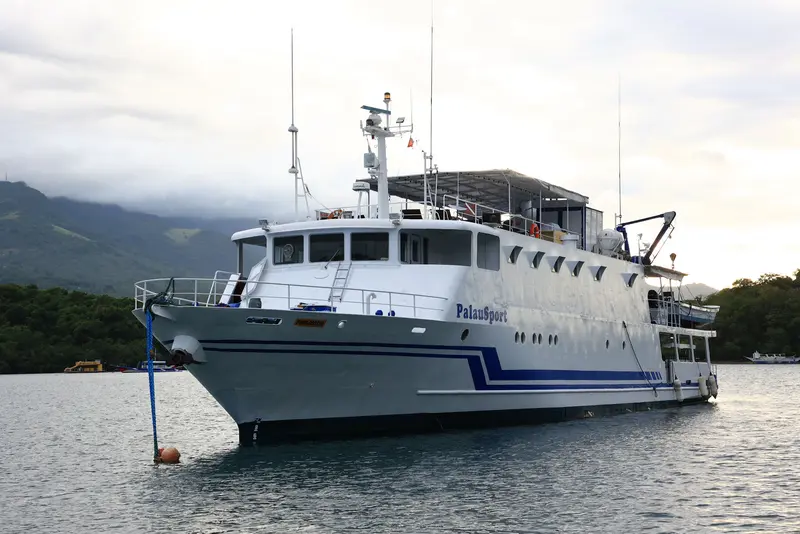
2 liveaboards depart from Coron another way to explore the region, over several days at sea.
You can access Cathedral Cave primarily during the low season, when weather conditions are stable and the sea state permits safe entry and exit. Conditions at the surface matter because the site begins in shallow water before leading into its enclosed underwater environment.
Cathedral Cave requires Advanced Open Water Diver certification because of its overhead environment and potential depths. Experienced divers with at least 50 logged dives in cavern or overhead environments may find the site more manageable. You also need careful buoyancy control and continuous awareness of your surroundings.
Cathedral Cave begins with entry in shallow water at around 5 metres and continues through the passage into the main chamber, reaching a maximum recorded depth of 30 metres. You need to manage buoyancy and air consumption carefully while moving through the enclosed space and varied depths.
At Cathedral Cave, you can see a vast turquoise underwater cavern, stalactites, pillar-like geological formations and dramatic shafts of sunlight entering through openings and crevices. Sea snakes may move through the cave waters, while the entrance and transition zones may contain some invertebrates.