






Asia
Philippines: an archipelago of contrasting dive worlds
From Manila’s Intramuros to the sardines of Moalboal, the Philippines joins Catholic history, island ferries and serious diving across Luzon, the Visayas and Palawan.
What makes this country unique
- April to June across the main diving group
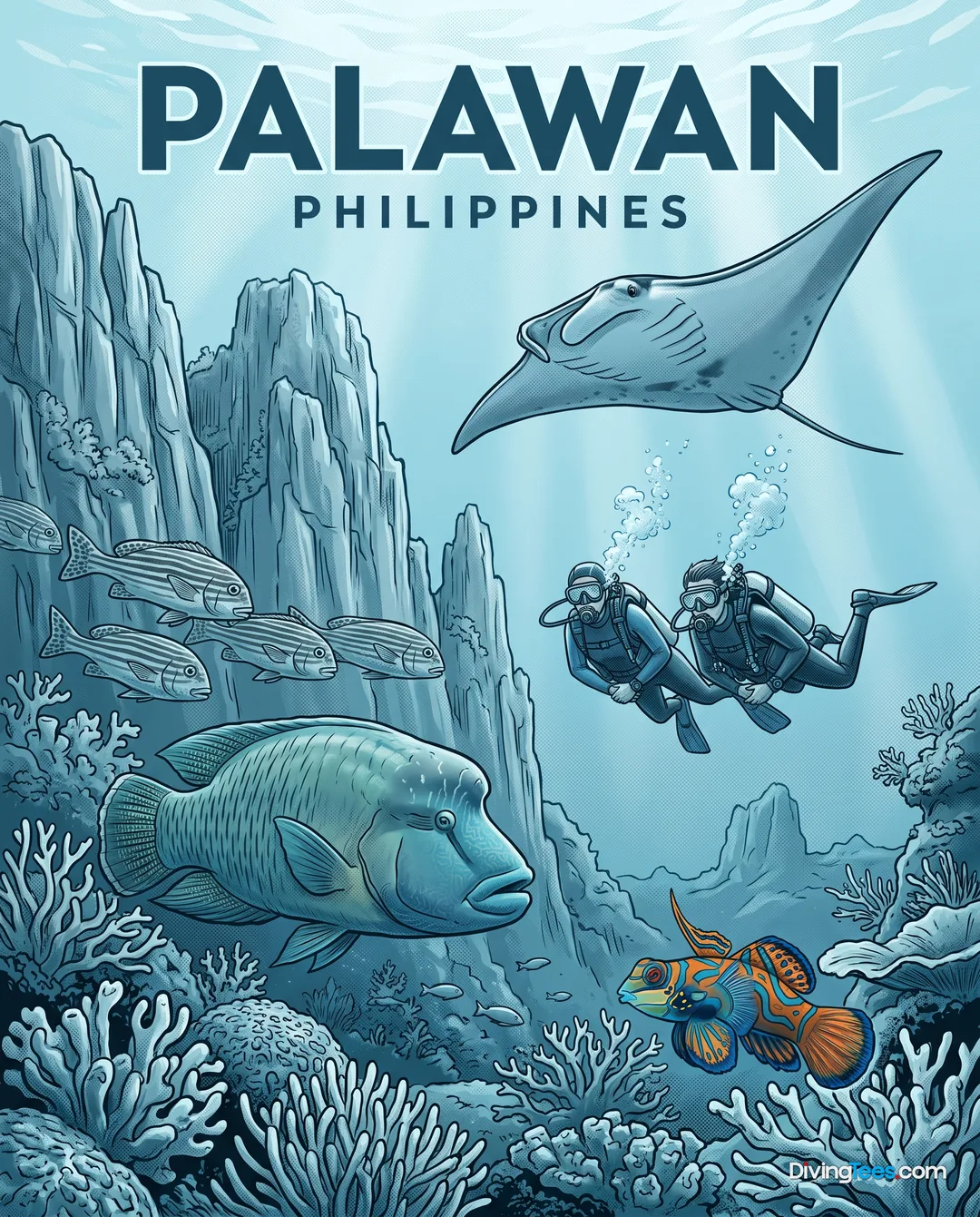
- Tubbataha drift dives and remote Palawan reef scenery
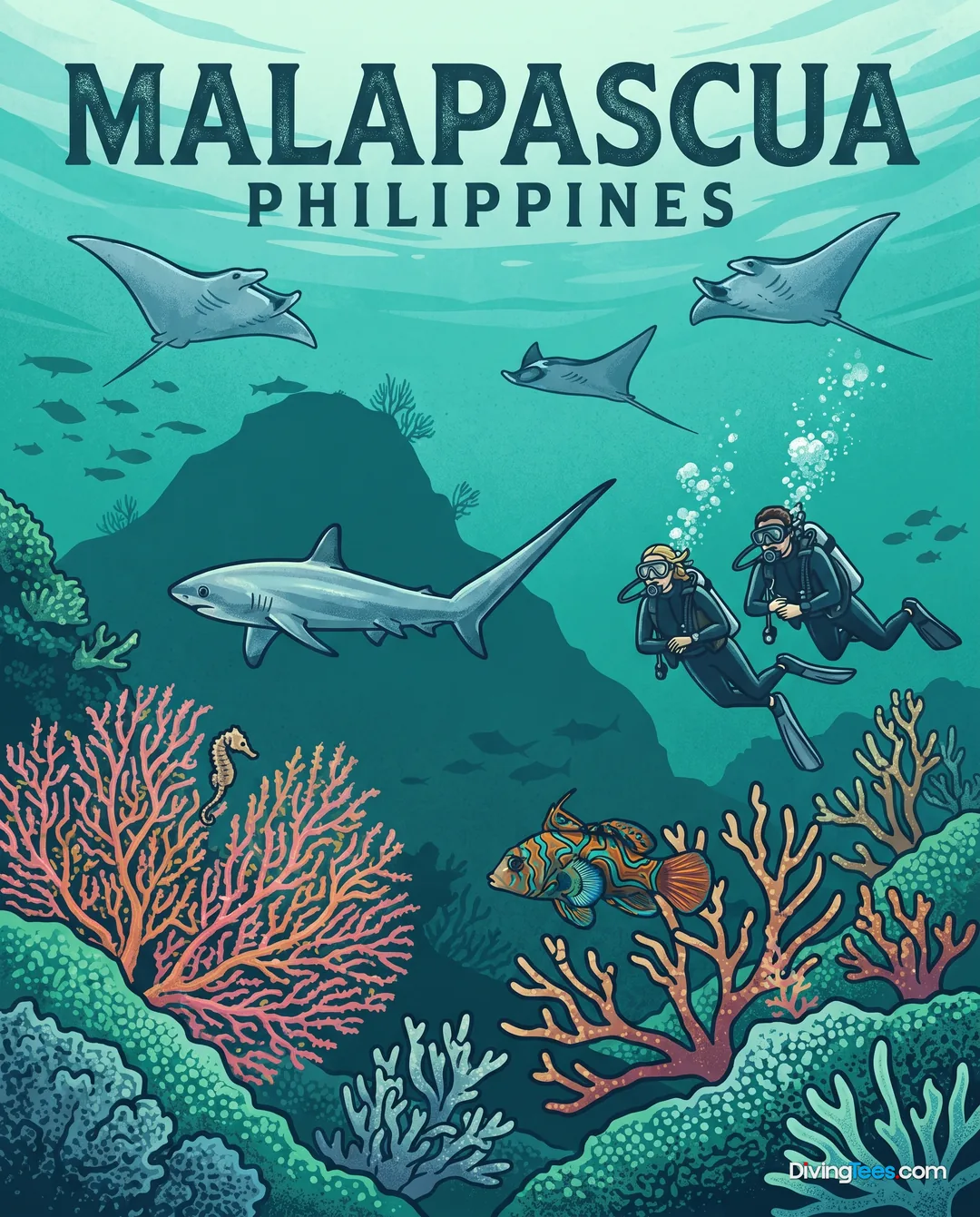
- Thresher sharks at Monad Shoal, Malapascua
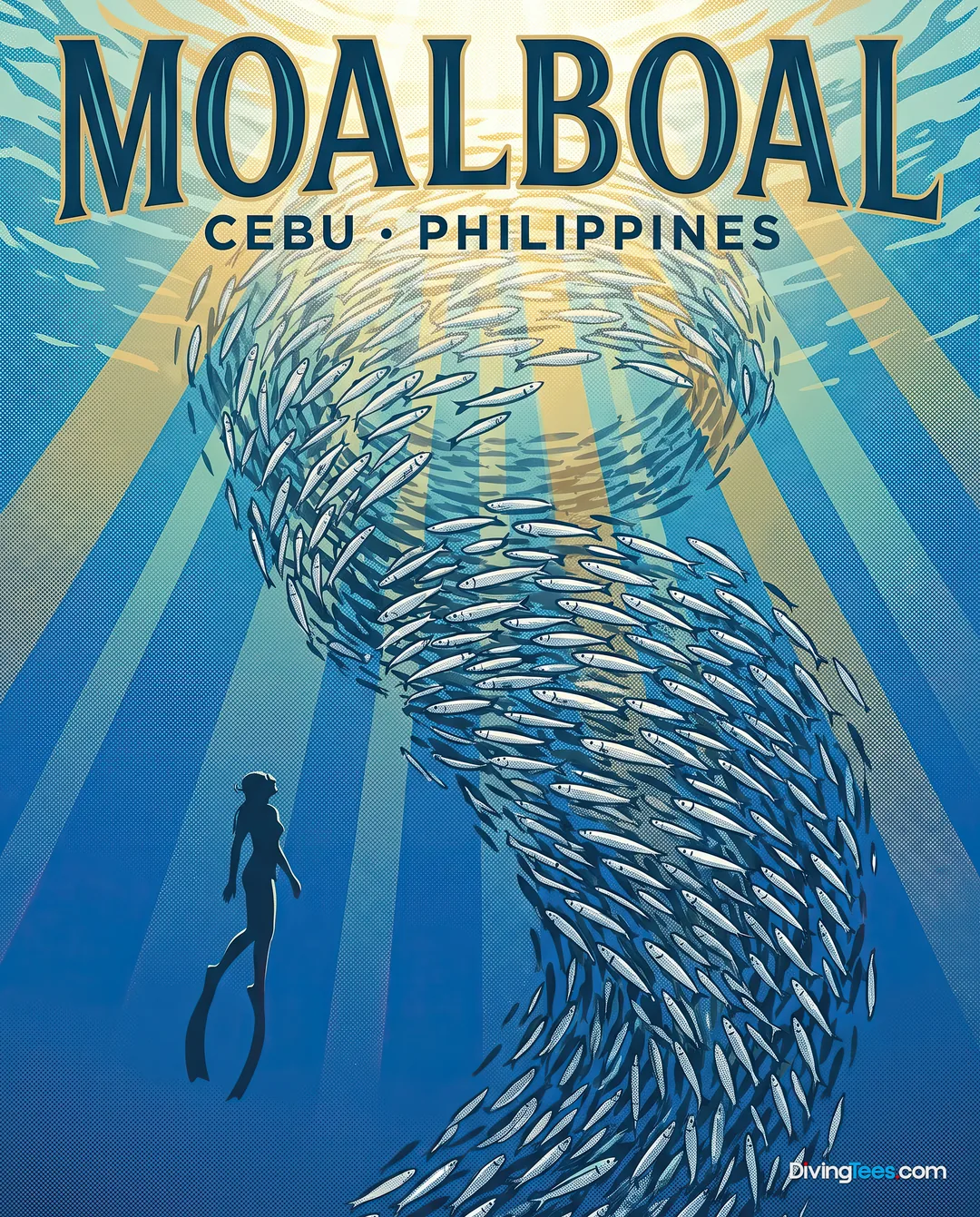
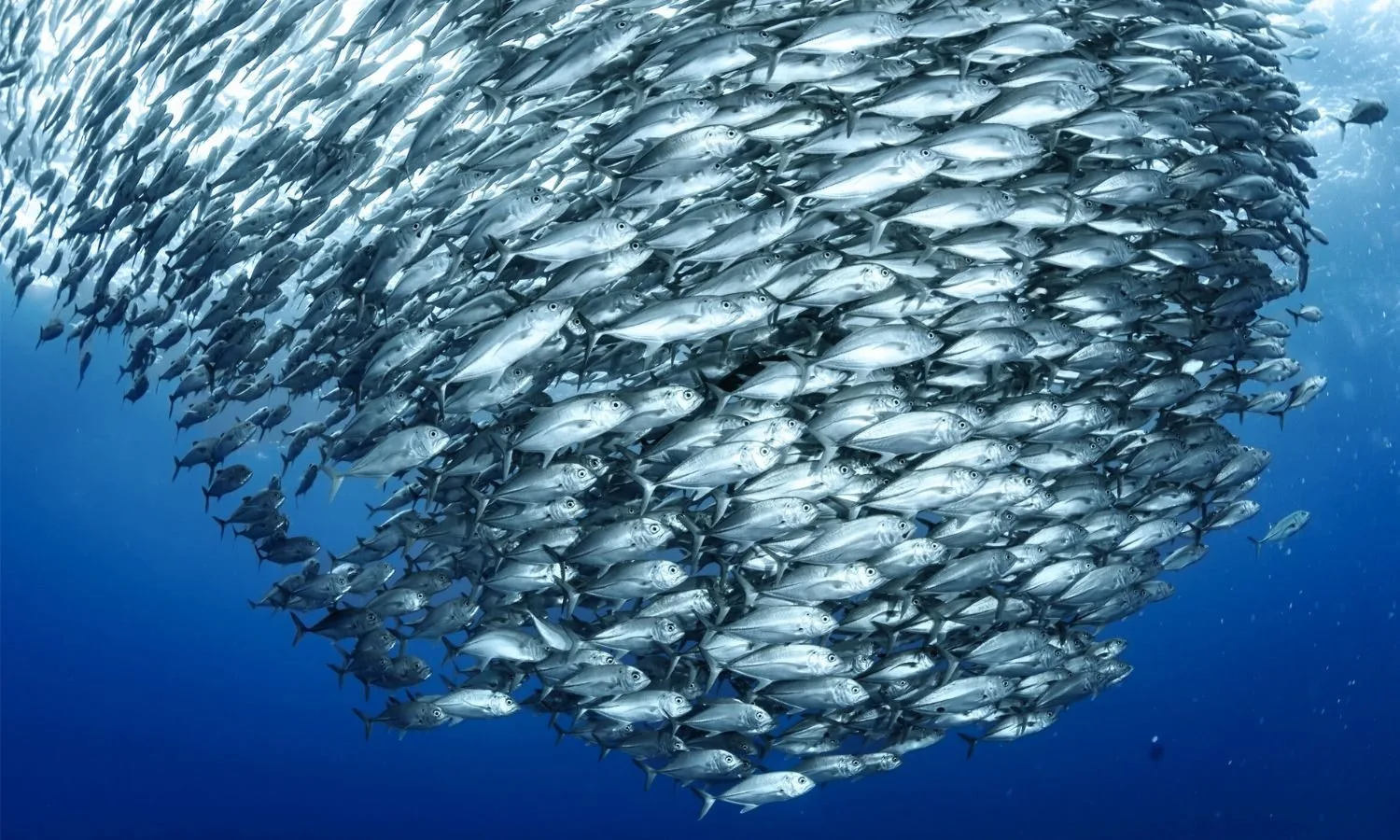
- Moalboal sardines swirling beside Pescador Island
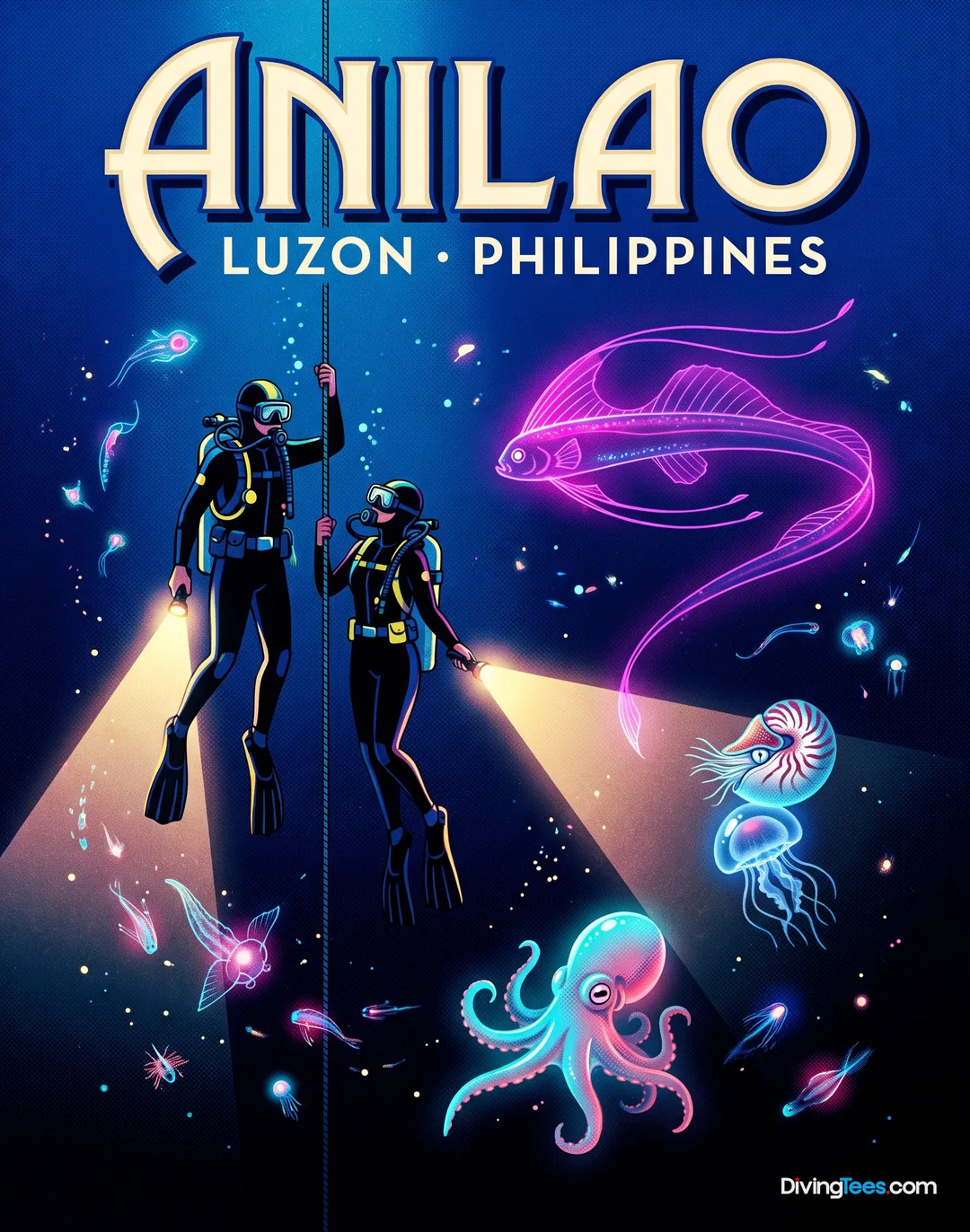
- Anilao macro life at Secret Bay
- Lechon in Cebu and halo-halo at markets
- Intramuros and Rizal Park in Manila
For subtitles in English: start the video firstthen click the gearat the top right of the video, select “Subtitles/CC”, then “Auto-translate” and choose “English”.
This country for a diver
The Philippines is not one continuous dive destination but an archipelago of distinct bases, linked by ferries, domestic flights and long road transfers. That island geography sets it apart from Indonesia and Malaysia: a fortnight here means choosing a small collection of places rather than crossing the whole country. What the areas share is a mixture of reef, wall, muck, wreck and current diving, with turtles, barracuda, tuna, morays, nudibranchs and hard and soft corals appearing across the country. The character changes sharply between a shore-based Visayan itinerary, a Palawan wreck trip and an isolated Tubbataha cruise.
How the country divides
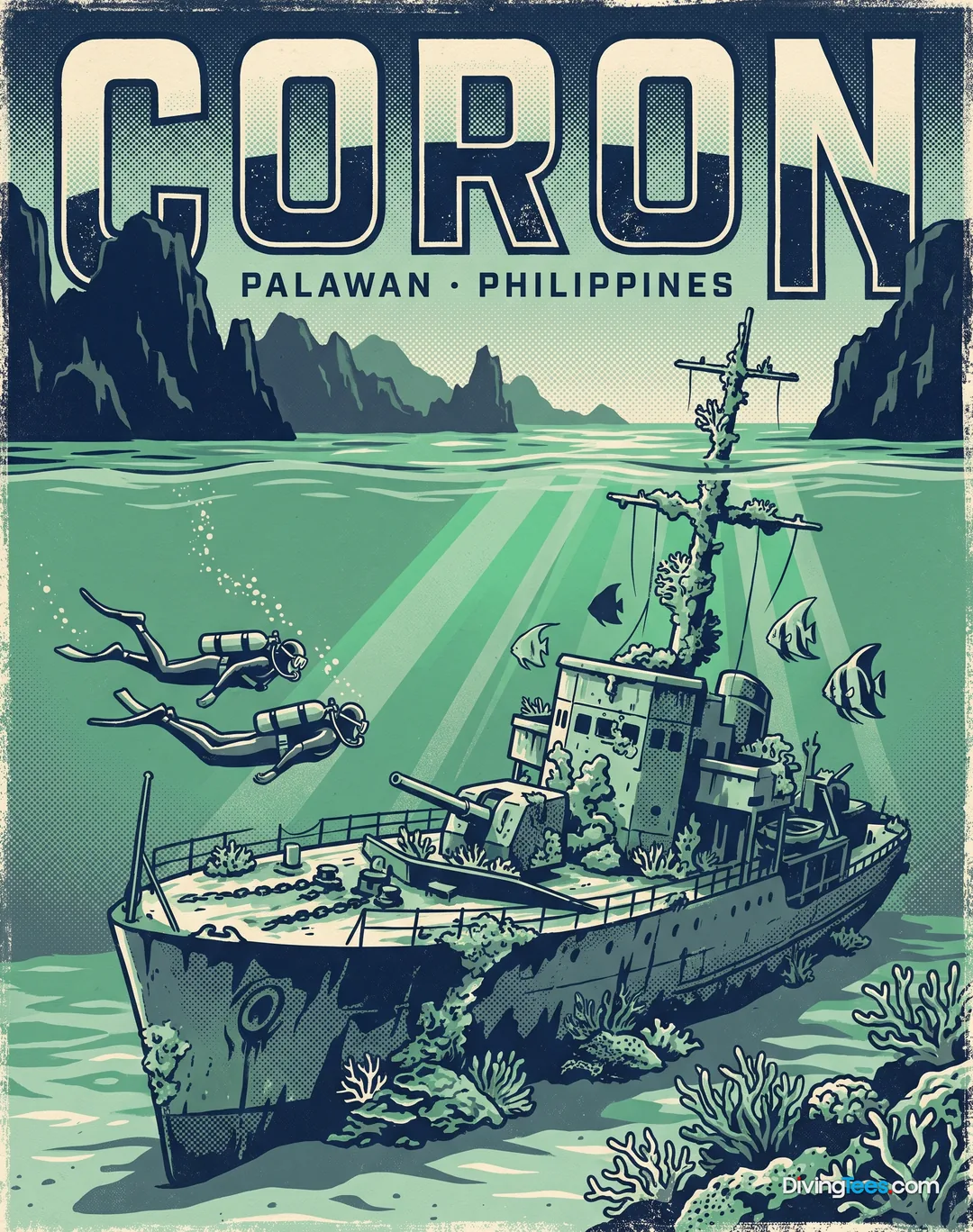
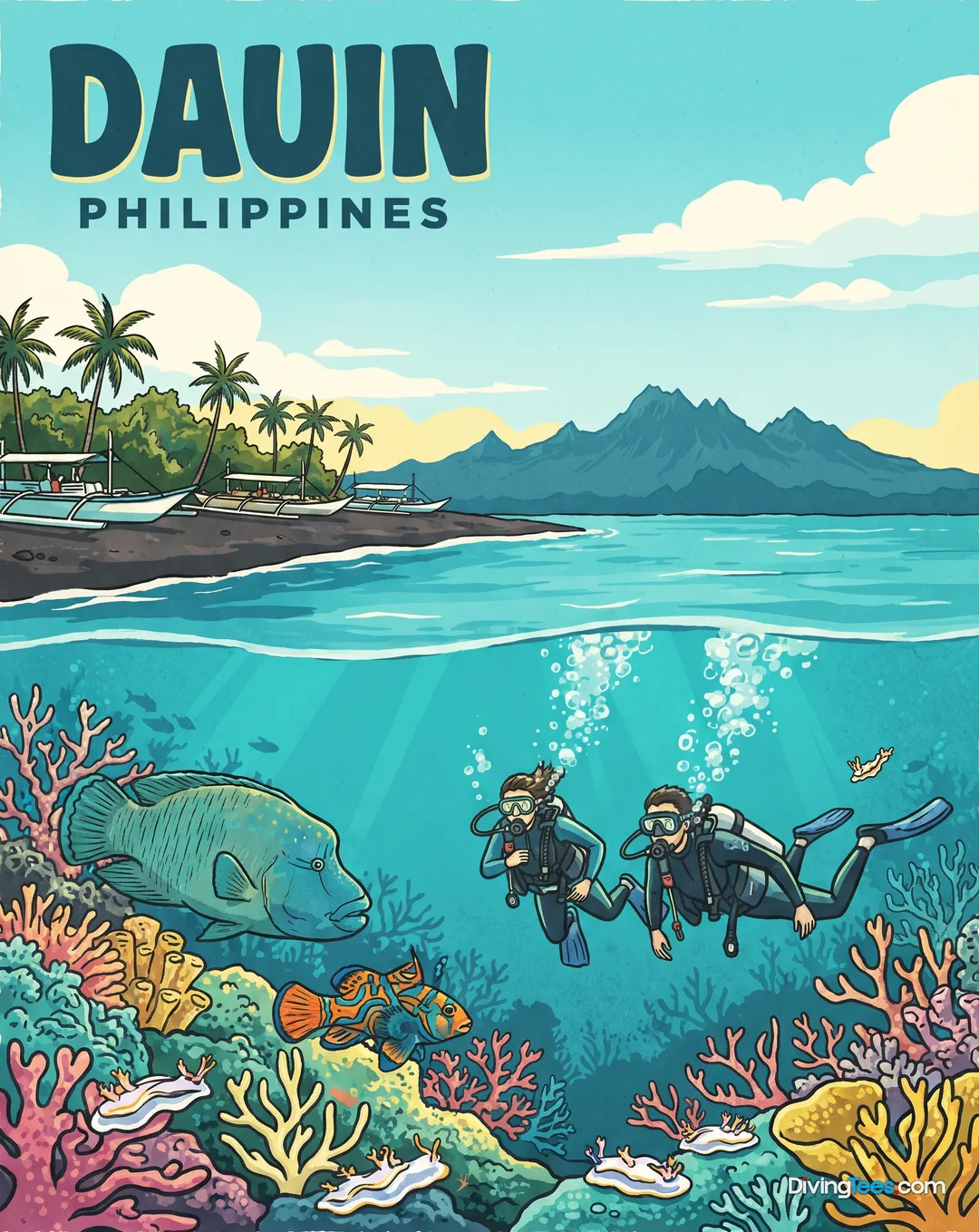
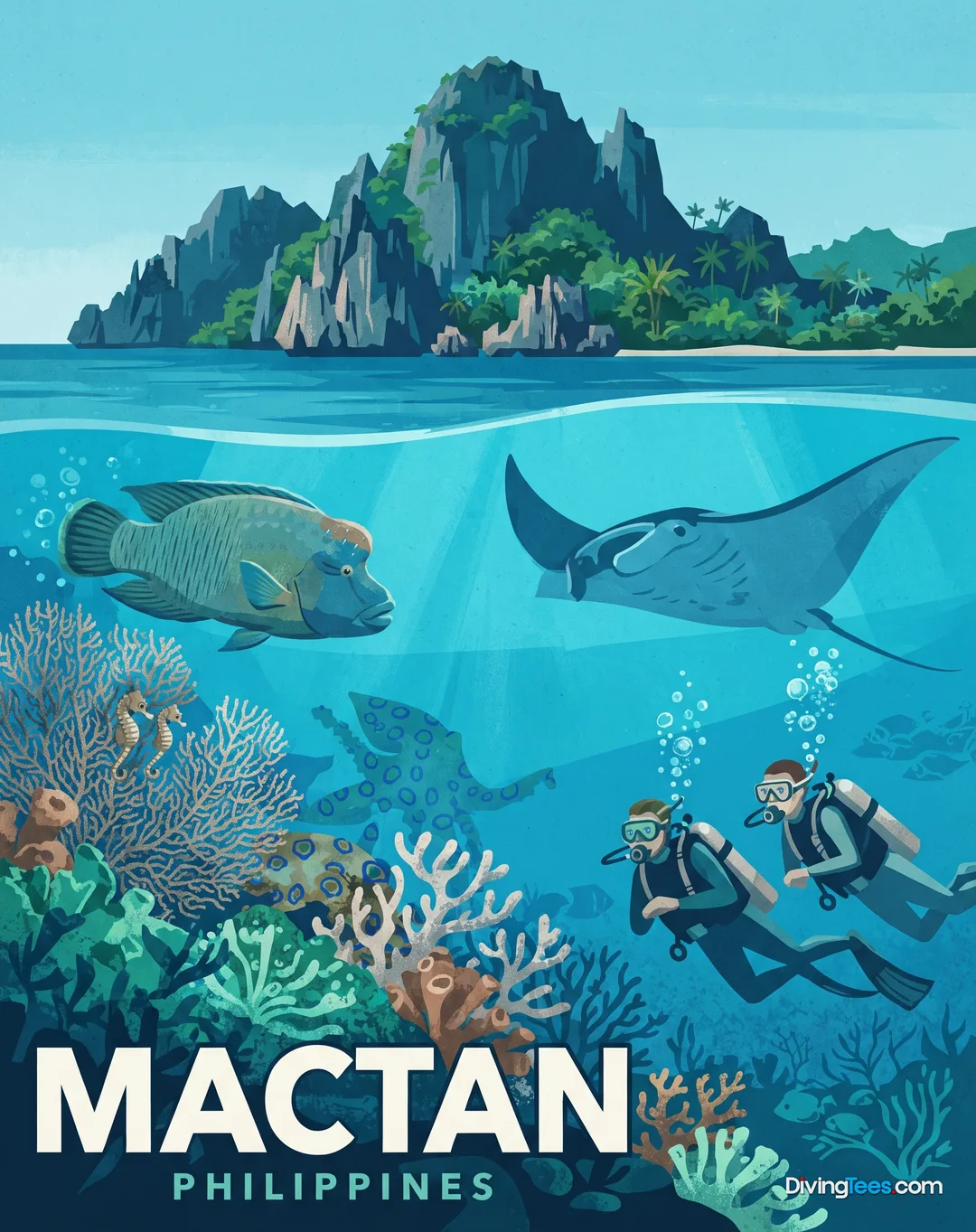
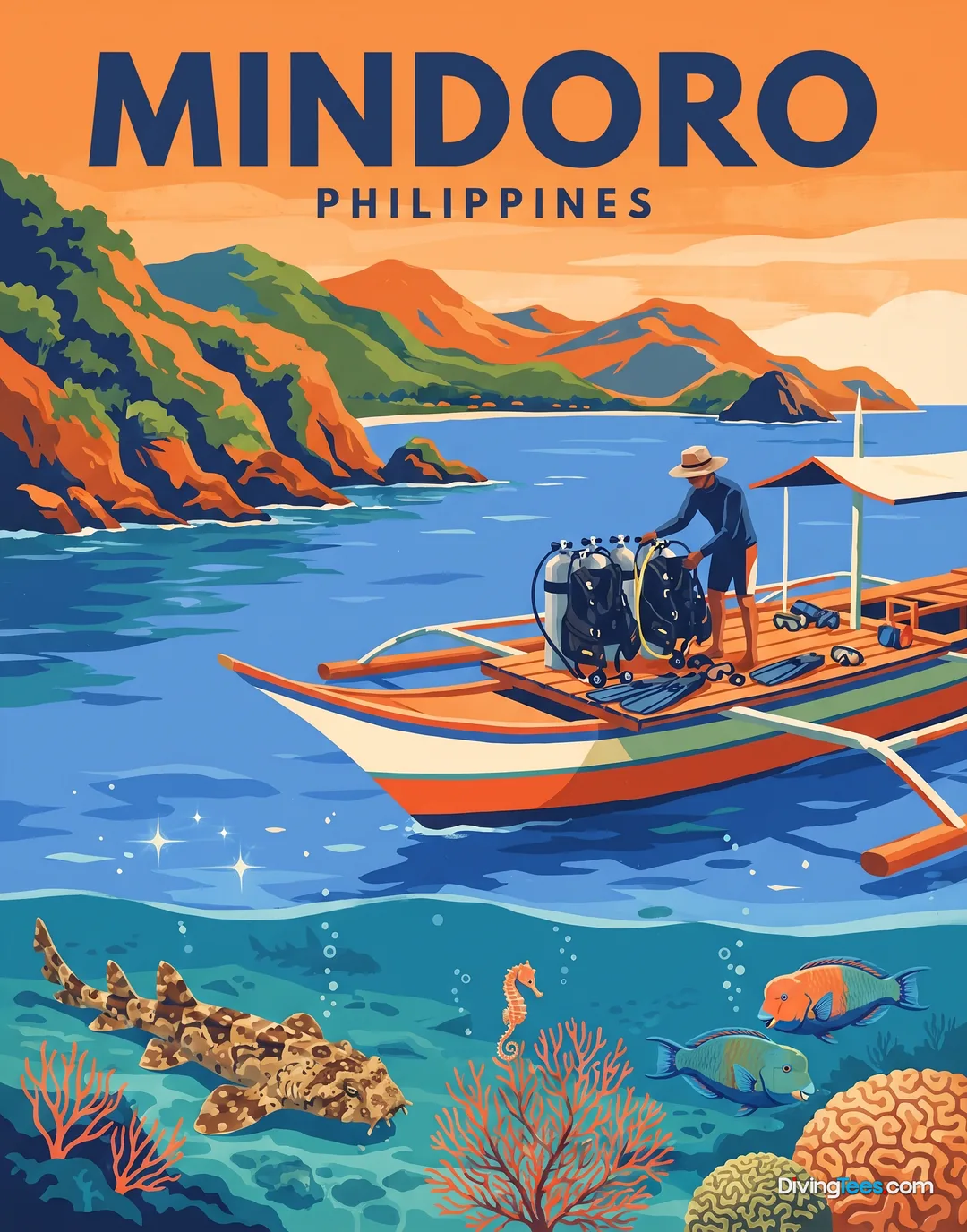
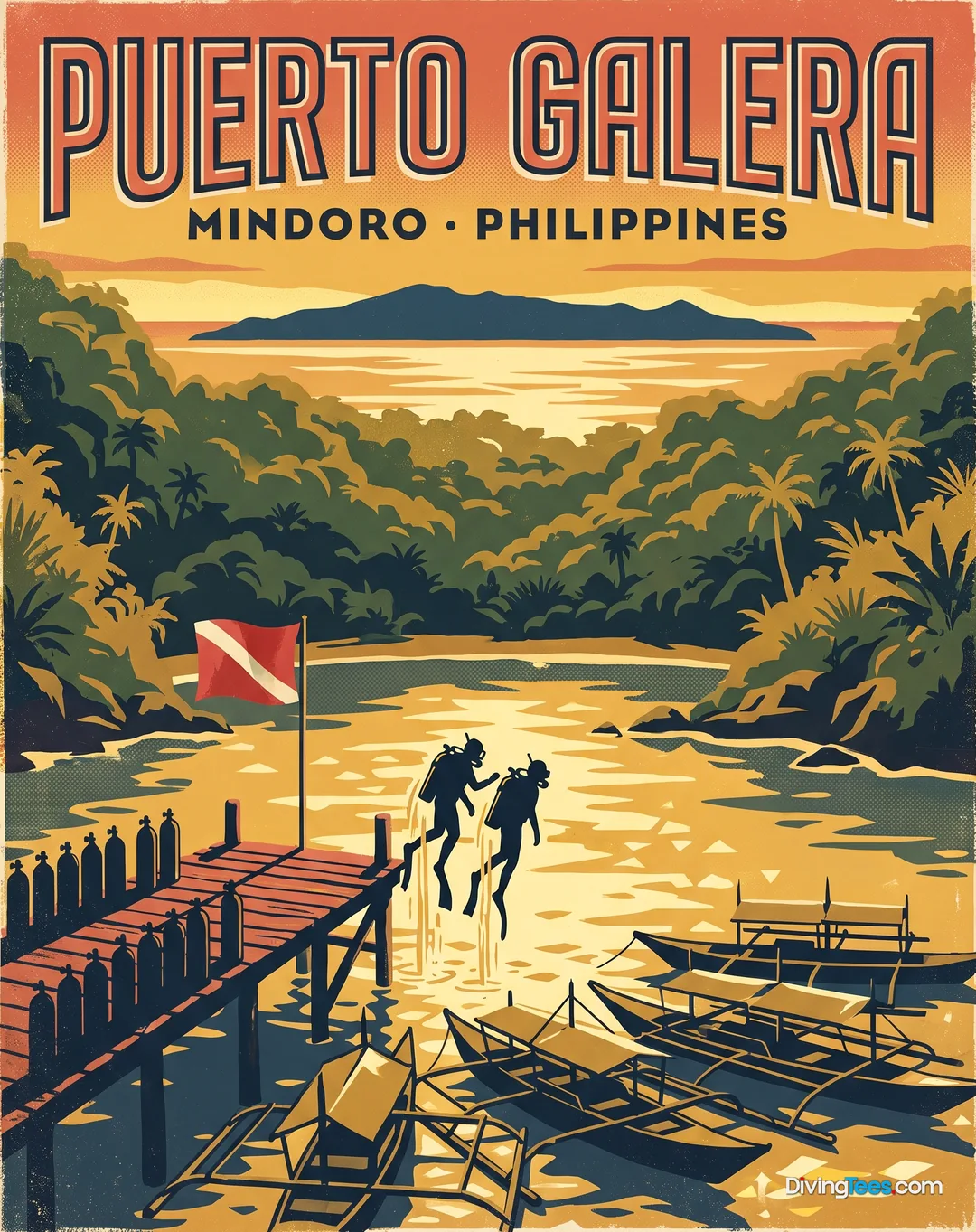
The central Visayas grouping is the most flexible choice for an itinerary built around several bases. Cebu covers more than one style of trip: Moalboal suits straightforward western-Cebu diving, while Malapascua is the northern signature for pelagic encounters. Dauin and Dumaguete sit close together on Negros Oriental, with Siquijor and Panglao offering natural island extensions. Most of this grouping works from April to October in its northern and western corners, while the southern and eastern bases are concentrated from April to June. The Luzon–Mindoro–Palawan grouping serves a different purpose. Anilao and Puerto Galera are practical additions from Manila; Coron is the wreck centre; Palawan reaches towards liveaboard territory, including Tubbataha. Its shore destinations are moderate in price and generally suitable for all levels, whereas Tubbataha demands experience, currents and a cruise commitment. Boracay stands apart as a compact, more heavily visited resort island, with its diving concentrated from April to June.
Diving destinations




Dive centres


Hotels

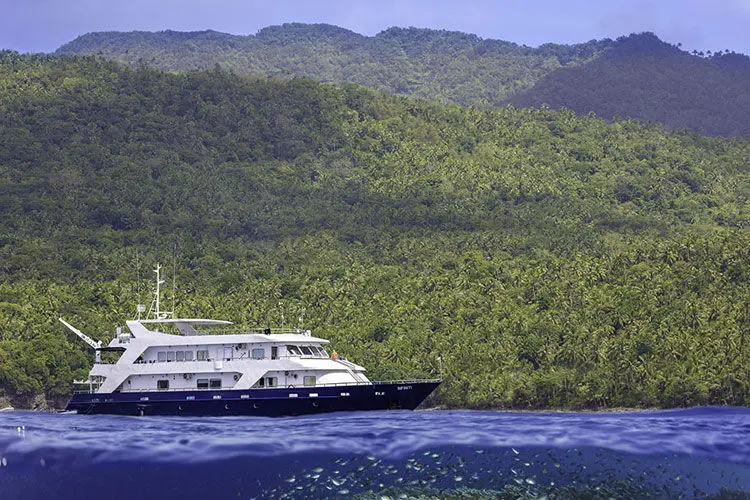
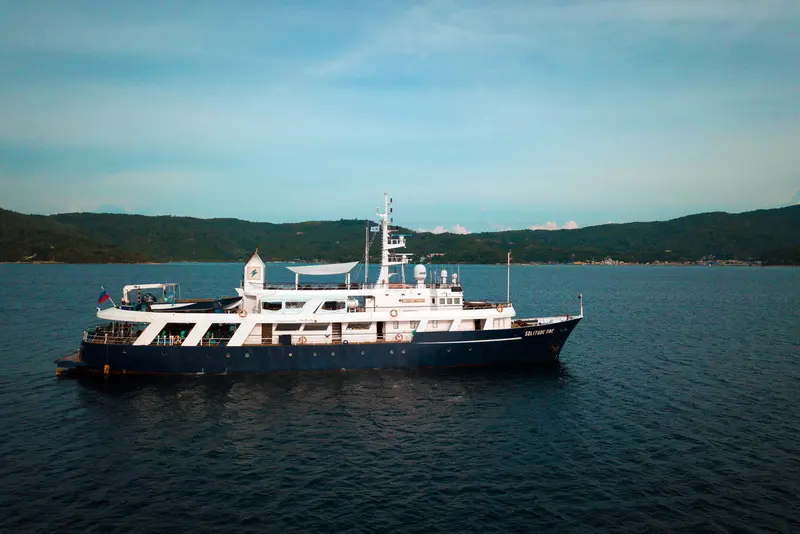
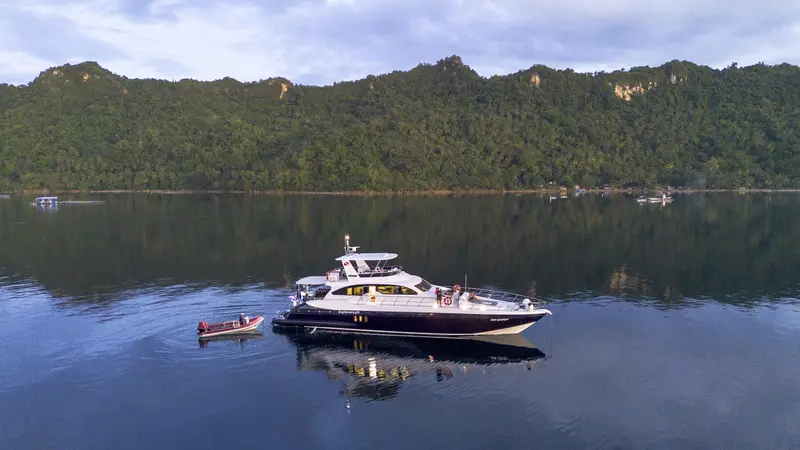
Liveaboards

When to go, and where by month
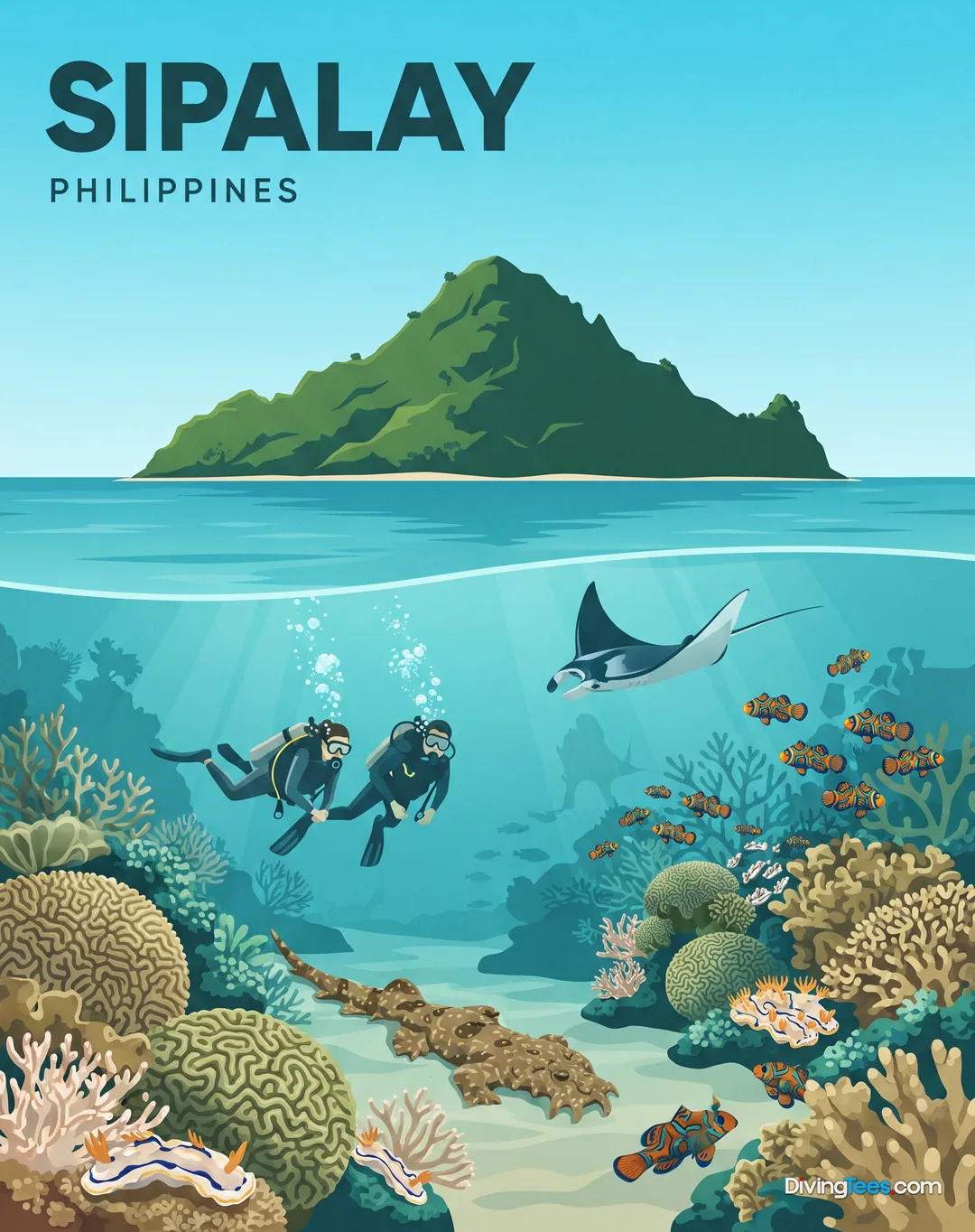
April, May and June form the broadest shared window for the Philippines’ named seasonal destinations. This is when Anilao, Boracay, Coron, Dauin, Dumaguete, Mactan, Malapascua, Moalboal, Palawan, Puerto Galera, Sipalay and Siquijor align, making a multi-stop plan across Luzon, Palawan and the Visayas easier to assemble. July, August, September and October narrow the choice to the more northerly and western-running bases: Cebu, Coron, Malapascua, Moalboal and Puerto Galera. January, February and March, then November and December, do not provide a comparable country-wide seasonal spread in the calendar. This is not a neat east-versus-west exchange of seasons; the monsoon and rainy season progressively reduce the shared window instead. Tubbataha follows its own short liveaboard rhythm, described around mid-March to mid-June, while Panglao and Mindoro require separate planning rather than fitting neatly into the broad seasonal pattern.
Marine life, coast by coast
Across the Philippines, the recurring cast is substantial: turtles, reef sharks, barracuda, tuna, morays, octopus, cuttlefish, nudibranchs, parrotfish, scorpionfish, lionfish, groupers and both hard and soft corals. Gorgonians and sponges give the reef scenes structure, while eagle rays and larger pelagic fish add movement where currents allow. The central Visayas side changes the itinerary through sardines, mandarin fish, ornate ghost pipefish, blue-ringed octopus, hammerheads and thresher sharks. Malapascua’s Monad Shoal gives the thresher a particular place in a Cebu itinerary, while Moalboal’s sardines alter the scale of a western-Cebu stay. The Anilao–Coron–Mindoro–Palawan side brings mimic octopus, mantis shrimp, emperor fish, butterflyfish, surgeonfish and large clams into the mix. Boracay adds dogtooth tuna and other pelagics to its reef setting.
Getting between the areas
The easiest links are within the Visayas. Dauin and Dumaguete are only 5 km apart, so they can share one base change rather than consume a full travel day. Dumaguete to Siquijor is 28 km and normally involves a ferry journey of roughly 40 to 60 minutes; Panglao to Siquijor stretches the same idea to 52 km. Cebu and Panglao are 63 km apart, but the sea crossing and land transfers matter more than the map distance. North of Manila, Anilao and Puerto Galera can be paired across a 25 km connection, although road time, waiting and the Batangas–Mindoro boat crossing can absorb much of a day. Boracay is a poor add-on to most other bases: its links to Mindoro, Coron, Palawan or Cebu run from 159 to 273 km and involve extra flights, ferries or road legs. Tubbataha is more self-contained still, reached on a liveaboard from Puerto Princesa.
Take off your mask
The Philippines above water is a meeting of Spanish-Catholic memory, regional food and island-town routines. In Manila, Intramuros brings together the old walls, Manila Cathedral and San Agustin Church, while Rizal Park offers a quieter view of national history. Cebu City gives that same history a local centre at Fort San Pedro and the Basilica Minore del Santo Niño; after dark, Sugbo Mercado IT Park turns regional food into a shared-table evening, while Taboan Public Market is the place for danggit and other dried fish. Food is more than resort catering. Cebu is the home of lechon, while adobo and sinigang appear throughout the country. Kare-kare belongs to Manila and the Tagalog region; sisig is associated with Pampanga, and halo-halo is the cold dessert to seek in markets and food courts. In Davao, Roxas Night Market serves street food and grill stalls, and Kadayawan brings fruit, flowers and Indigenous cultures into the city. Bacolod’s MassKara fills the streets with smiling masks, music and food stalls in October.
What holds true everywhere here
Island logistics shape nearly every Philippine itinerary. A land transfer followed by a boat crossing is normal, so simple luggage is more than a convenience, particularly when moving between a resort base and a ferry port. Cebu traffic can make a short map distance feel slow, while a banka or ferry sets the pace between islands. Underwater, the country rewards repetition rather than a single headline dive. Several consecutive days allow a guide to move between shallow reef, bay diving and stronger current when conditions change. A torch is worthwhile even on daytime dives, especially around black sand, rubble, sponges and debris-like habitat. In current-prone areas, the briefing should cover a possible downcurrent and the exit plan before the drift dive begins. Nitrox suits the repeated boat-diving pattern, but profiles, gas and the safety stop still need the same discipline as anywhere else.
Frequently asked questions about Philippines
When should you choose the Philippines for your diving trip?
April to June is highlighted across the Philippines’ main diving group, including Tubbataha drift dives and remote Palawan reef scenery. During this period, you can also shape an itinerary around central Visayas sites such as Monad Shoal and Moalboal, or explore Anilao’s macro life at Secret Bay.
What diving level suits the Philippines?
The Philippines combines serious diving with drift dives at Tubbataha and reef areas where currents can bring eagle rays and larger pelagic fish into view. Your experience should match the conditions at your chosen sites, particularly when planning current-influenced diving rather than concentrating only on sheltered reef settings.
What can you see while diving in the Philippines?
You can encounter turtles, reef sharks, barracuda, tuna, morays, octopus, cuttlefish, nudibranchs, parrotfish, scorpionfish, lionfish, groupers, hard corals and soft corals. Regional highlights include thresher sharks at Monad Shoal, Moalboal’s sardines, Anilao’s mimic octopus and mantis shrimp, and Palawan’s remote reef scenery.
How should you plan your stay in the Philippines?
Build your stay around a diving region or connect several through the island-ferry network. Central Visayas can combine Malapascua, Moalboal and Cebu, while Anilao, Coron, Mindoro and Palawan offer different reef life. Add Manila’s Intramuros and Rizal Park, then try Cebu’s lechon or market halo-halo.

