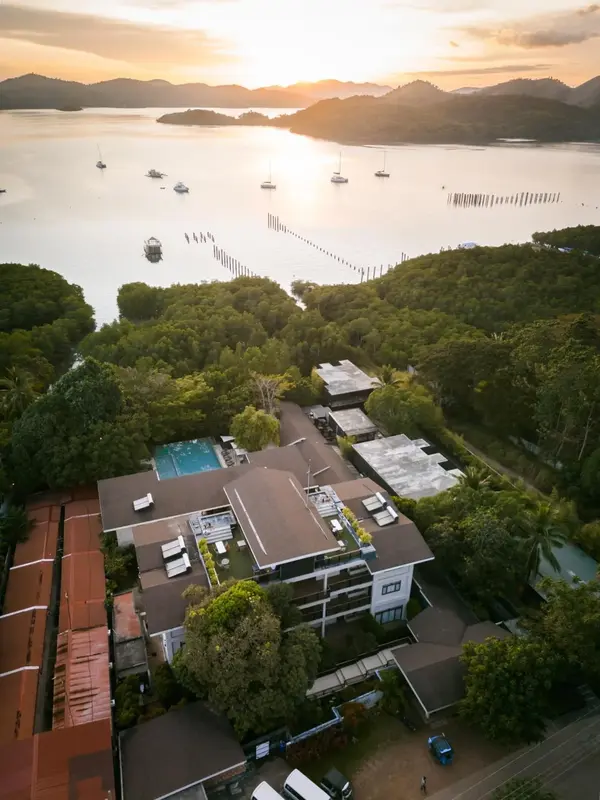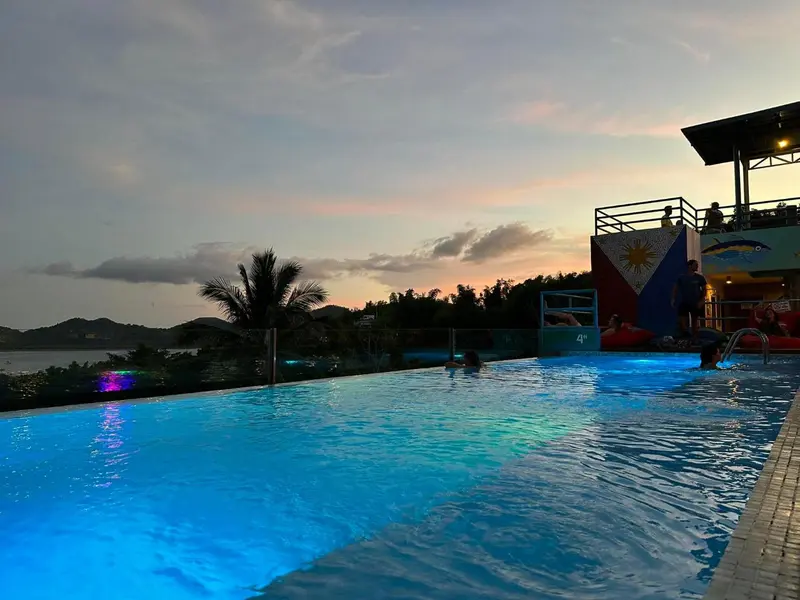
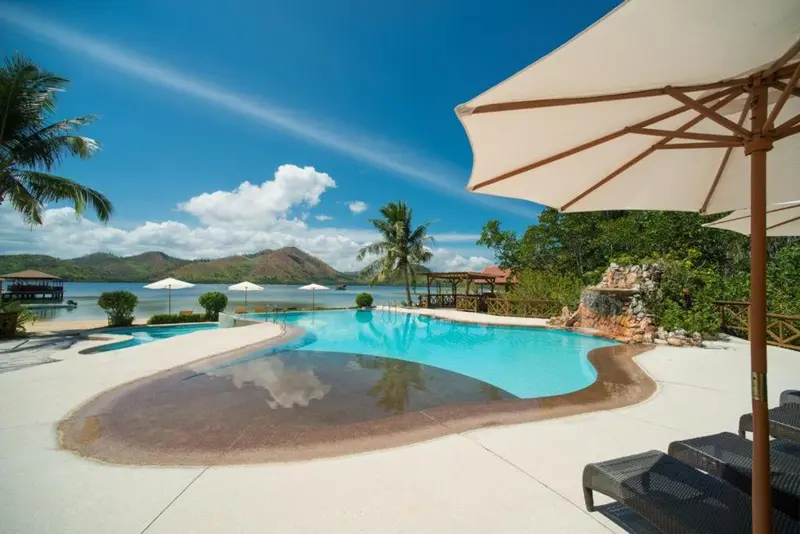
 Dive centre in the hotel
EL RIO Y MAR RESORT
★★★
Google 4.8/5 (558 reviews)
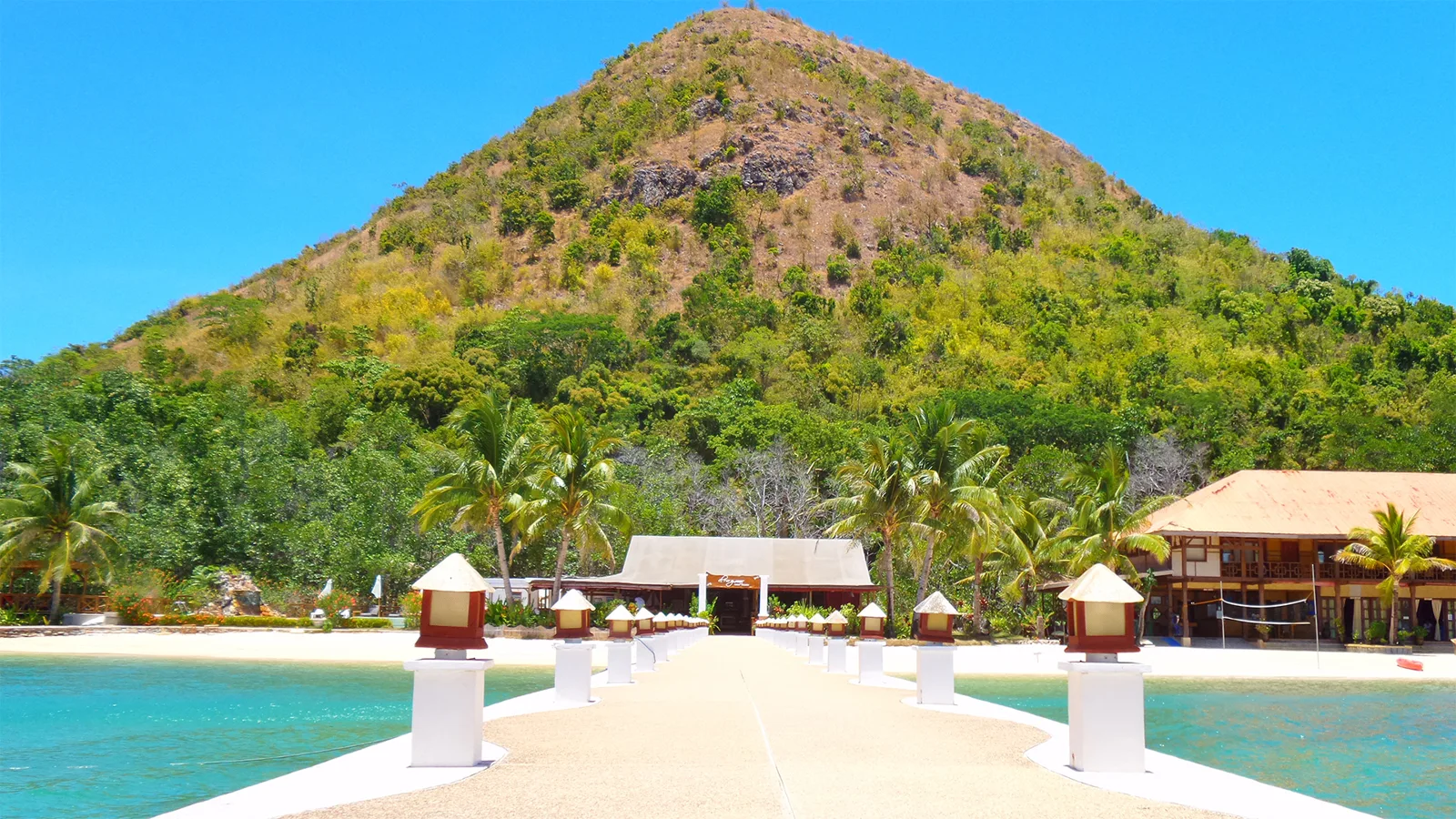
The dive centre
Dugong Dive Center
SDI
Google 4.5/5 (95 reviews)
Dives: Dugong Watching, Kyokuzan Maru Shipwreck, Apo Reef Marine Park
Philippines · Asia
Japanese wartime wrecks, a 40-metre freshwater lake, limestone caverns and sheltered reefs make Coron a multi-day diving base with real variety.
For subtitles in English: start the video firstthen click the gearat the top right of the video, select “Subtitles/CC”, then “Auto-translate” and choose “English”.
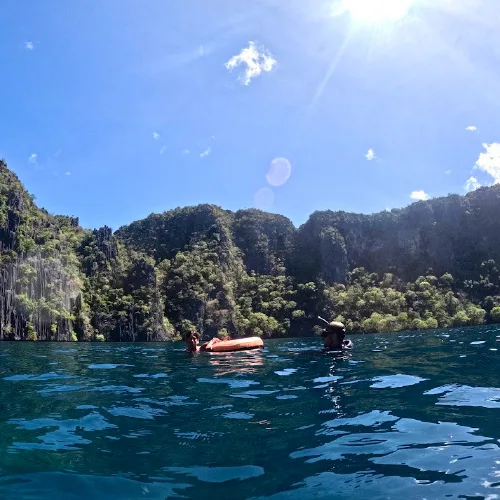
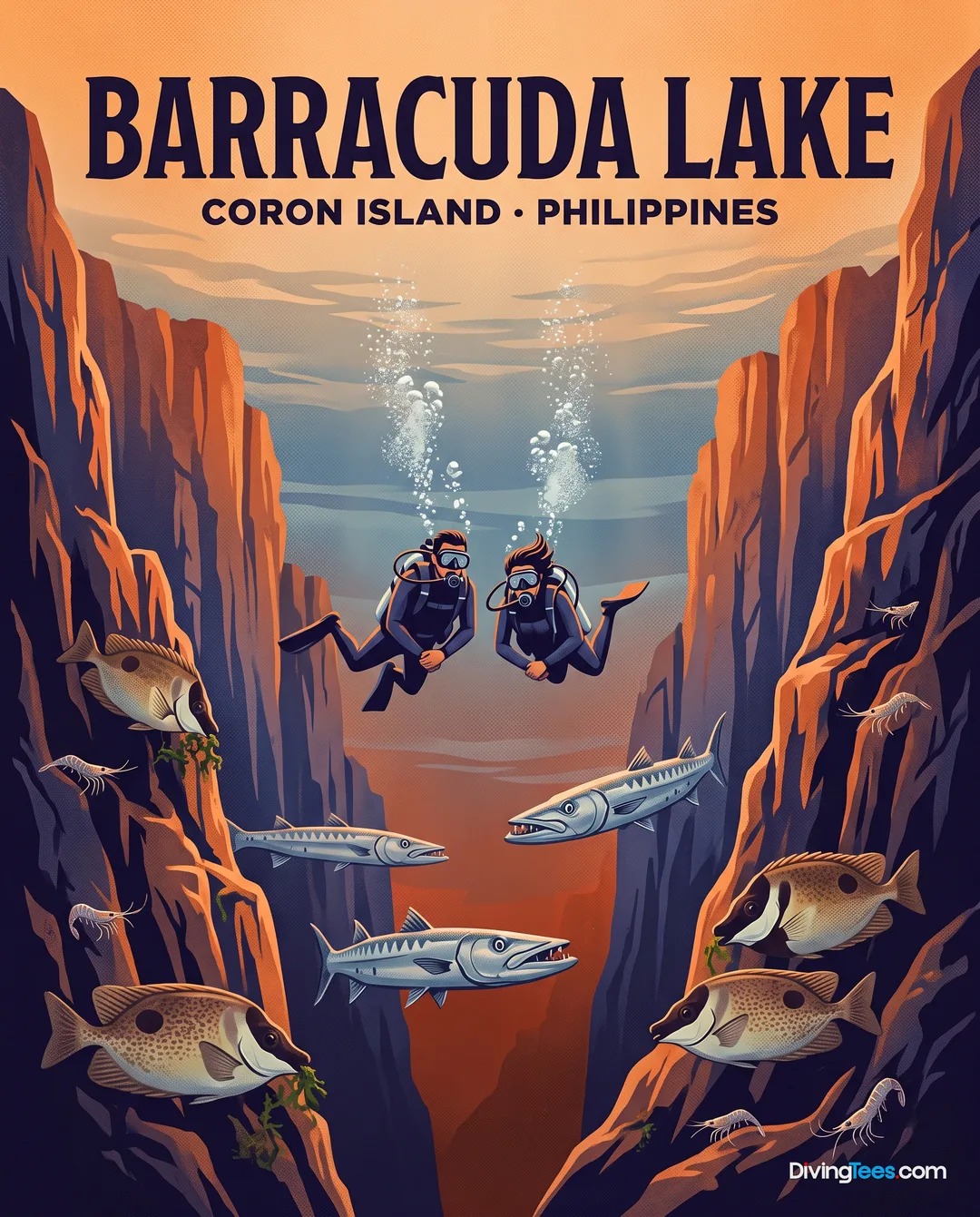
Coron is built around the Japanese WWII wrecks of Coron Bay, with limestone islands, sheltered reefs and unusual inland water adding texture between the steel dives. The wrecks are the main reason to come: hulls, cranes, guns, holds and engine spaces turn each descent into a piece of underwater history. Barracuda Lake and Cathedral Cave provide a change of scene, while Lusong Gunboat offers a shallow wreck-and-reef dive. It suits a four- to seven-day stay rather than a hurried stop.
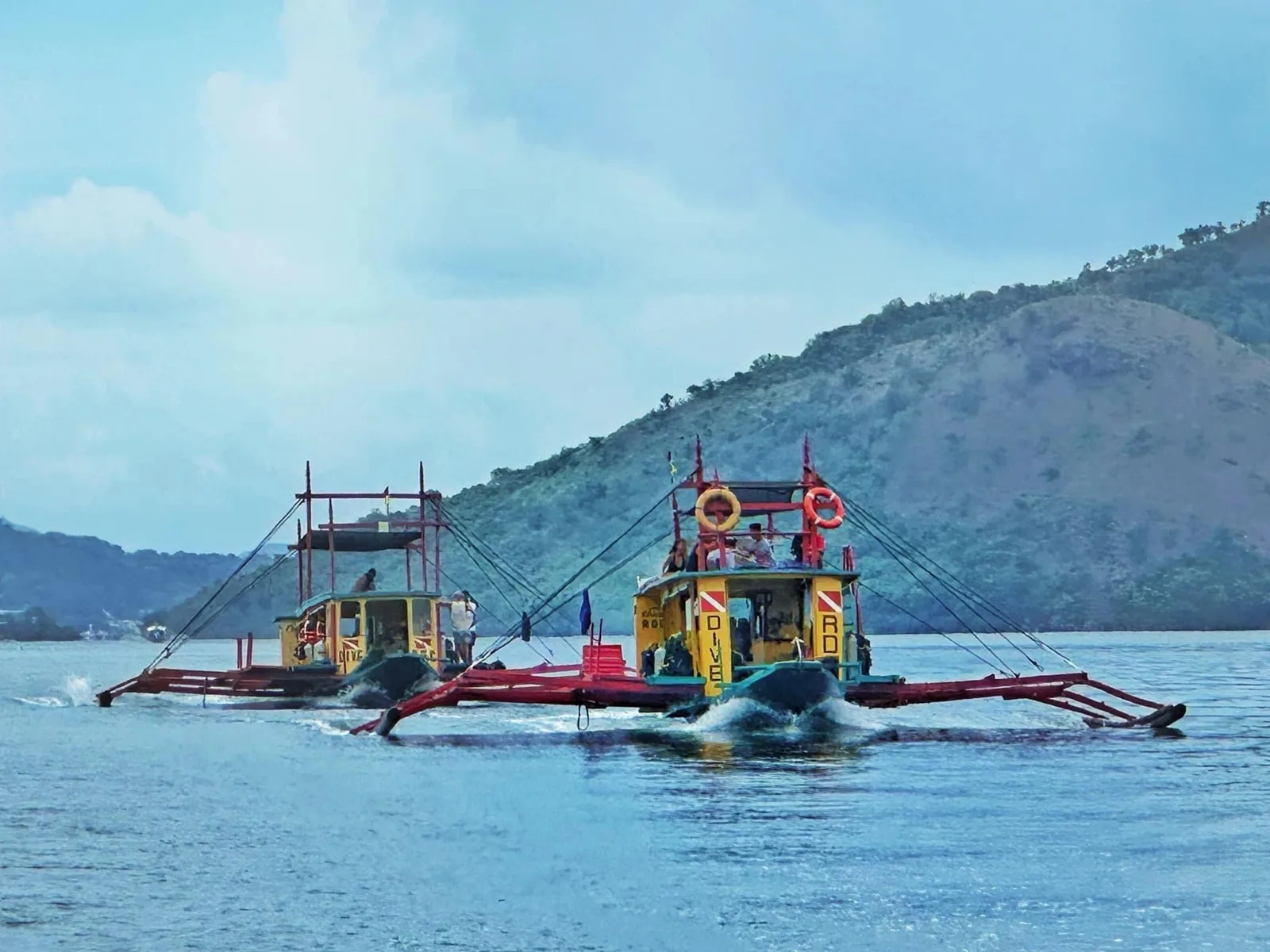
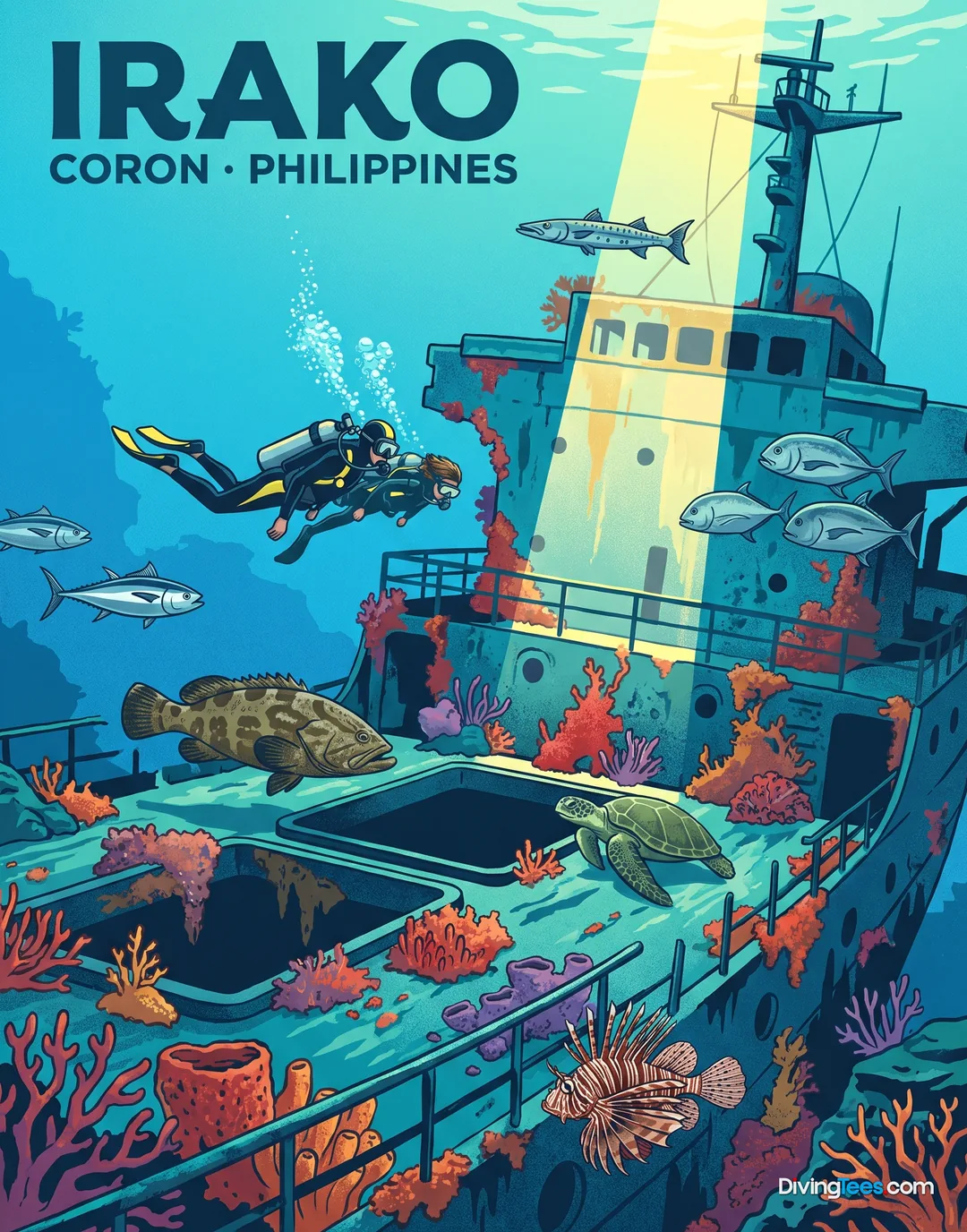
Most diving is from boats, rotating between wrecks in Coron Bay and reef, cavern and macro sites around the islands. Conditions are often sheltered with light current, although tidal movement can strengthen at particular wrecks and at Twin Peaks. Visibility is not guaranteed to be uniform: plankton, stirred sediment and wind-driven chop can reduce it, especially when the weather is unsettled. The depth range is broad. Lusong Gunboat reaches only 12 metres, while Irako descends to 45 metres and Kyokuzan Maru to 42. Okikawa Maru works well as an exterior wreck dive, with its main deck at 10–16 metres. On other dives, divers look through beams, holds and machinery rather than over a wall of coral. A torch is worthwhile for interiors and crevices.
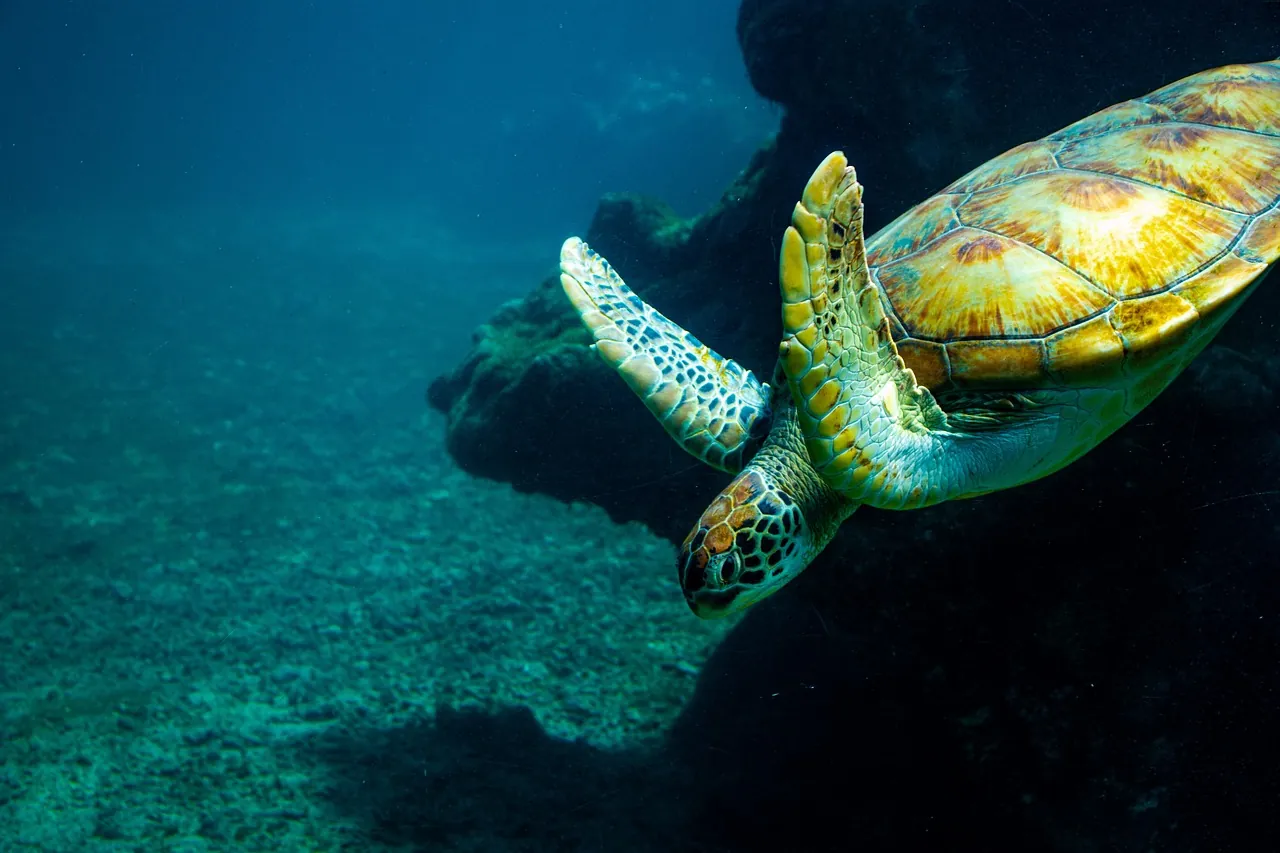
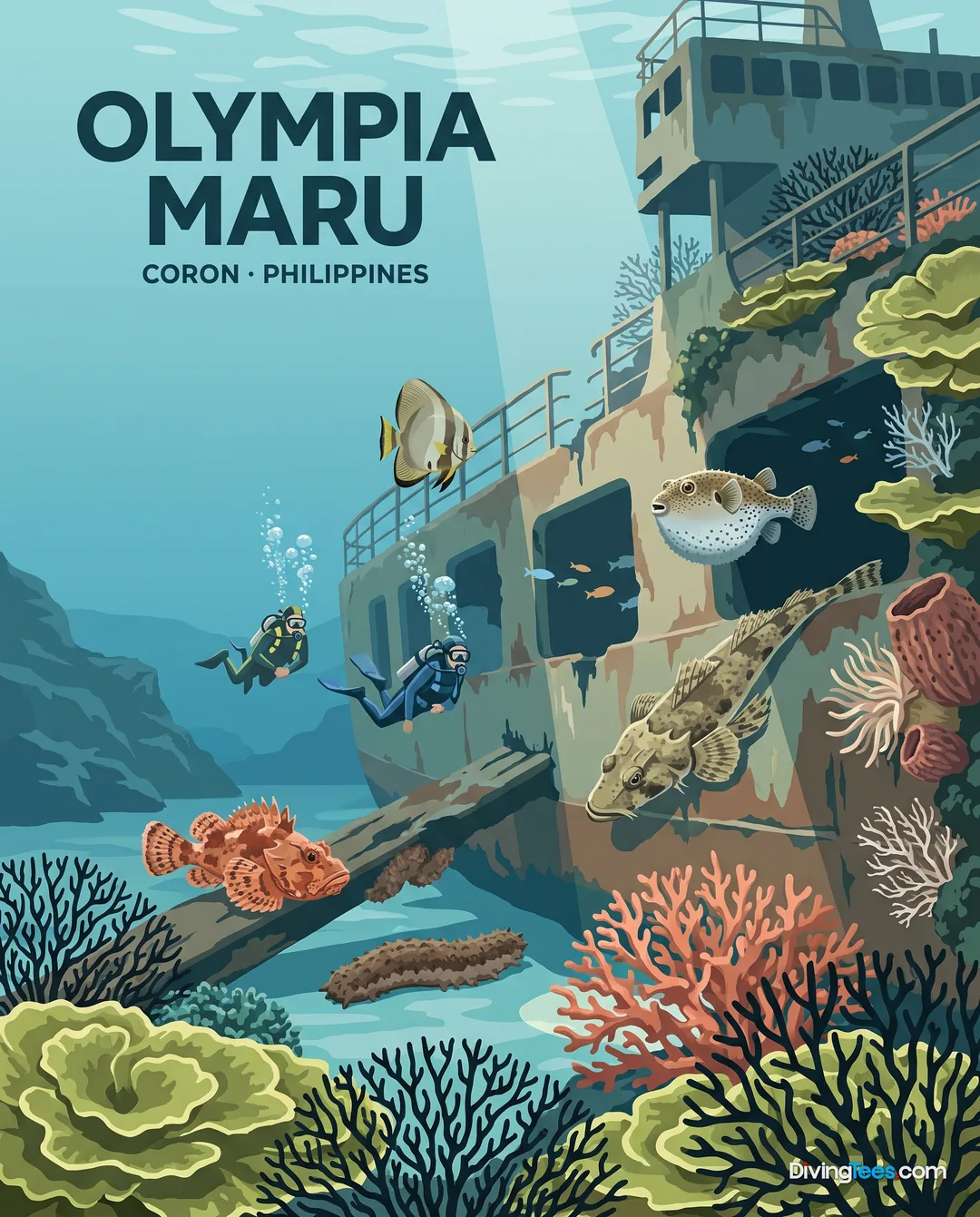
Coron is not chiefly a big-animal destination, but the wrecks and reefs are far from empty. Sea turtles are a regular year-round possibility, particularly around reef sites such as Twin Peaks, while nudibranchs and small macro subjects can be found throughout the year for patient divers with a close-focus eye. Schooling fish add movement around the wrecks, and the deeper, intact structures can attract larger pelagic species. Manta ray sightings are occasional in outer-island areas during the dry season, so they are a bonus rather than a reason to build the whole trip around a calendar. On Olympia Maru, marine life occupies the steelwork and gives a macro-minded diver something to search for after the first impressive view of the hull.
The measured calmest sea period runs from April to October, while rainfall is lowest from November to May. In practical terms, November to April is the preferred compromise for reliable diving and boat planning, with July to September the months most likely to complicate crossings under the southwest monsoon. The famous wrecks and sheltered bay sites are busiest in the main dry-season months, so shoulder periods can feel less crowded on the water. A three-millimetre shorty or thin full suit is a sensible starting point. Weather flexibility matters more than chasing a supposedly perfect visibility window: wind and chop can change which outer sites are sensible on a given day.
Many bay and exterior wreck dives are suitable for Open Water divers, including Lusong Gunboat and the shallower part of Okikawa Maru. Advanced Open Water is appropriate for deeper wrecks such as Akitsushima, Kogyo Maru, Kyokuzan Maru and Irako; Irako also calls for deep-diving experience and a substantial recent logbook. Wreck penetration should not be treated as an extension of an ordinary tour. BSAC, PADI and SSI divers should hold suitable wreck or penetration training before entering holds, engine rooms or other overhead spaces. Nitrox is useful on repeated wreck days.
From London Heathrow, London Gatwick or Manchester, the journey normally involves a long-haul flight, at least one connection and a domestic Philippine flight to Busuanga Airport. Coron has no airport of its own. From Busuanga, the route continues overland to Coron town, followed by a boat transfer to the dive areas, so the final leg is not a simple road transfer. Total travel commonly takes about 18–24 hours, depending on the connections. Allow sensible margins between international, domestic and boat movements rather than planning an aggressive same-day chain. Once in town, most divers reach their departure point on foot, by short tricycle ride or by a centre shuttle, depending on where they are staying. Crossings to more exposed sites remain weather-dependent.
Treat the wrecks as structure dives, not as coral-reef tours. On Akitsushima, the crane and anti-aircraft gun reward a slow exterior circuit; on Kogyo Maru, the cement bags, bulldozer and tractor explain why penetration needs more than curiosity. Book the most famous wrecks early in the stay and preferably early in the day, before fatigue, boat reshuffles or changing conditions narrow the options. Keep a weather buffer in the itinerary rather than assuming every outer-island crossing will run as planned. A personal torch makes the steelwork and enclosed spaces far more legible. Ask before the dive exactly which penetrations are planned and stay within training limits; shallow does not mean simple. Divers expecting dense, pristine coral gardens should adjust their expectations. Around protected waters, do not touch wreck or reef surfaces, remove artefacts or marine life, or anchor where moorings are provided.
A four- to seven-day stay allows the main wreck dives to be mixed with reef, macro and easier bay outings, while leaving room for weather changes. Land-based diving from Coron town is straightforward, and a liveaboard-style itinerary is also possible. Non-divers have genuine alternatives: boat trips to lagoons, lakes and beaches, viewpoint walks above town, and relaxed days among the limestone islands. A no-dive day is better used on the water than spent trying to force an inland schedule.
Hello, I'm Marina, DivingDeal.com's AI assistant. I guide you through destinations, areas and countries.
Thinking about the whole trip and the flights? Talk it over with Edith →
Marina is an AI. Some links are affiliate links: DivingDeal may earn a commission, at no extra cost to you. Bookings are made with the partner.
In each one, the dive centre is inside the hotel: step out of your room and go diving.
Dive centre in the hotel★★★
Google 4.8/5 (558 reviews)
The dive centre
Dugong Dive Center
SDI
Google 4.5/5 (95 reviews)
Dives: Dugong Watching, Kyokuzan Maru Shipwreck, Apo Reef Marine Park
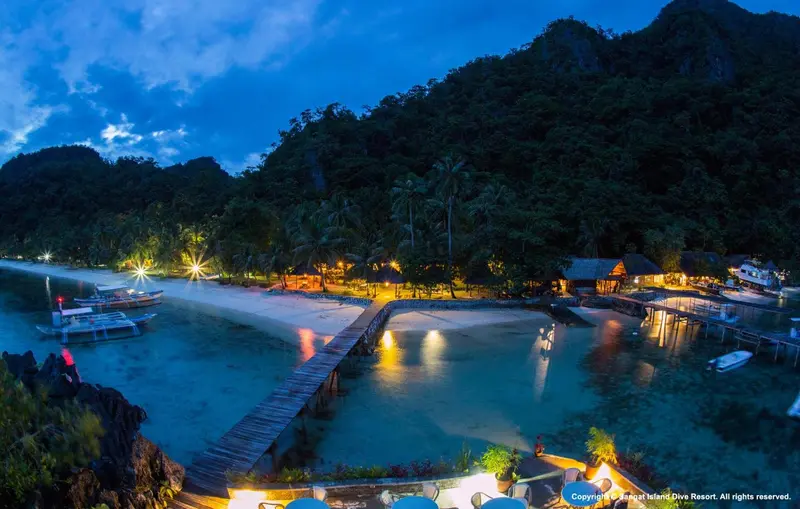 Dive centre in the hotel
★★★
Google 4.7/5 (277 reviews)
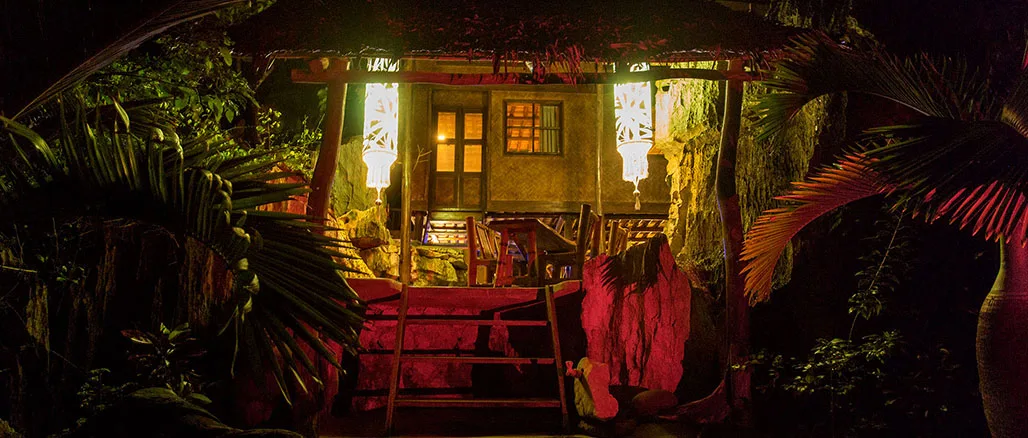
The dive centre
Coron - Sangat Island Dive Center
PADI
Google 4.7/5 (280 reviews)
Dives: Sangat House Reef, Sangat Coral Gardens, Akitsushima wreck
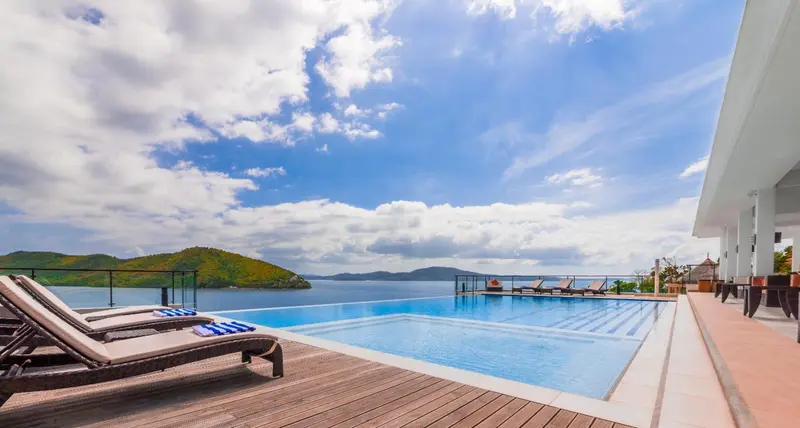 Dive centre in the hotel
★★★★
Google 4.4/5 (193 reviews)
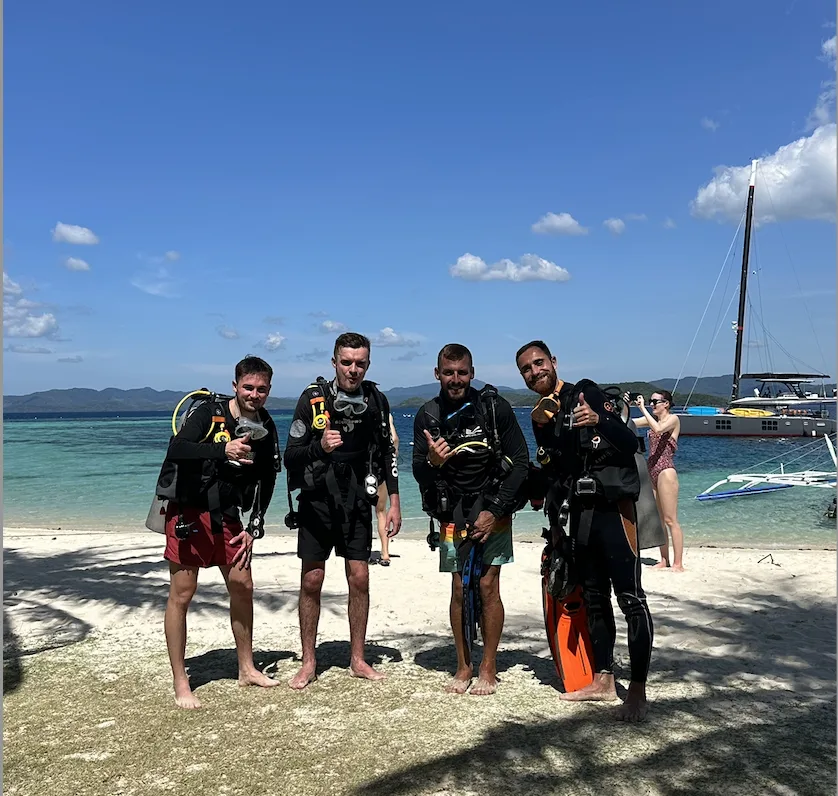
The dive centre
Secret Explorers Dive Center
PADI
Google 4.9/5 (117 reviews)
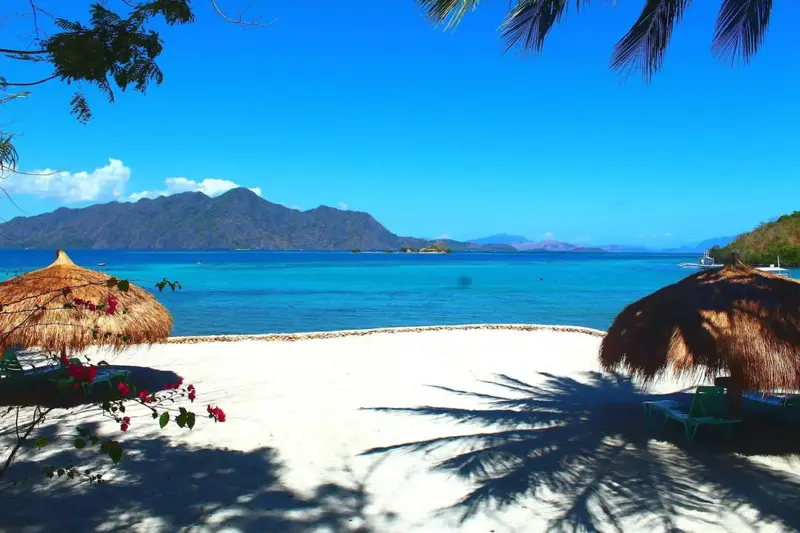 Dive centre in the hotel
★★★
Google 4.5/5 (111 reviews)
The dive centre
Chindonan Dive & Beach Resort
PADI
Google 4.5/5 (111 reviews)
Dives: WWII Wrecks - Coron Bay, House Reef
★★★
Google 4.4/5 (157 reviews)
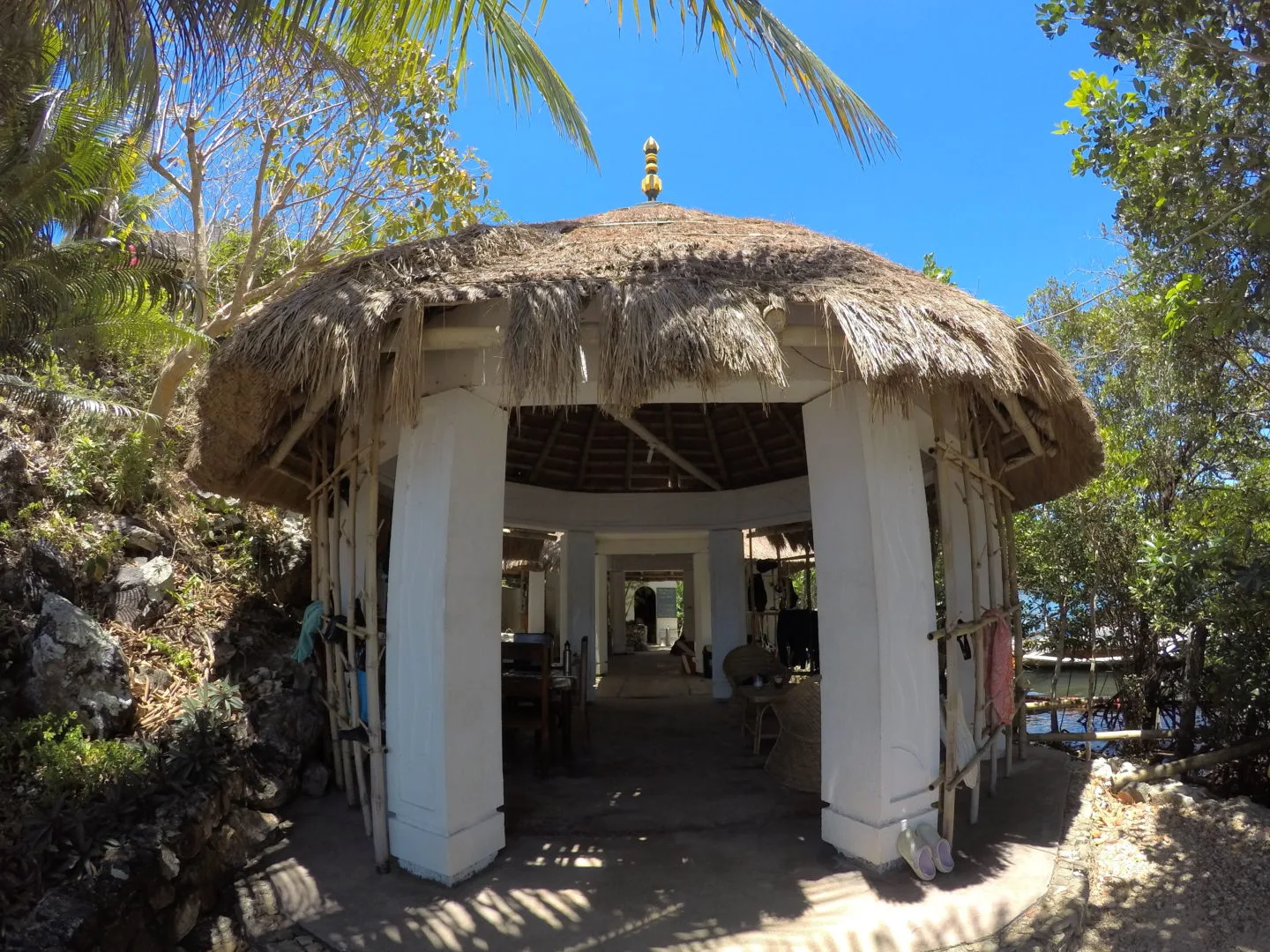
The dive centre
Gunter's Dive Center
SDI · TDI
Google 5/5 (158 reviews)
Dives: Épaves de Busuanga
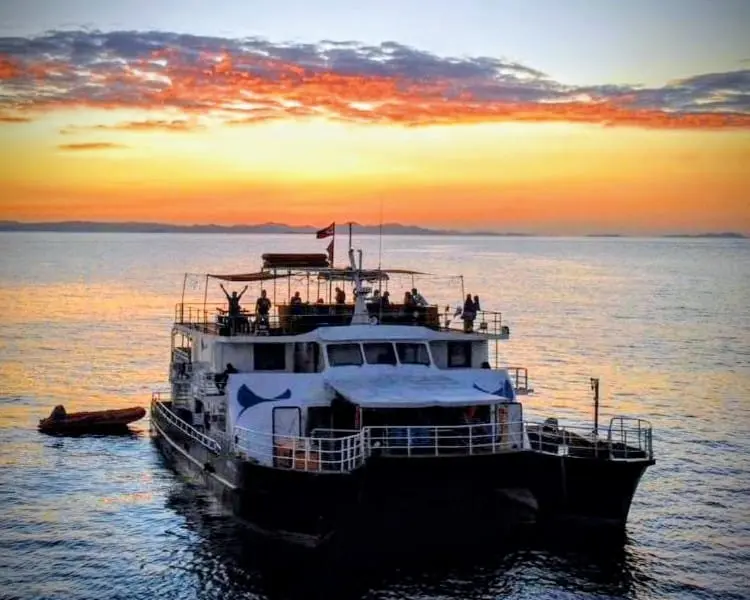
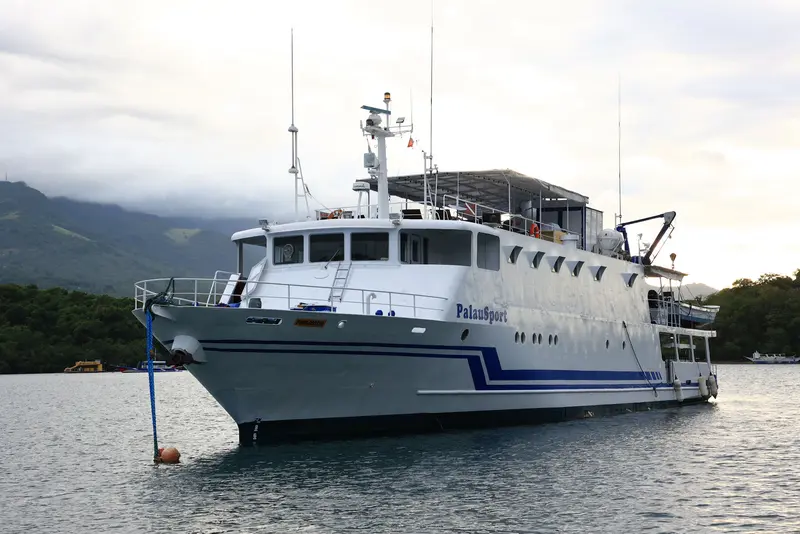
2 liveaboards depart from Coron another way to explore the region, over several days at sea.
Your last day stays dry: no diving in the 18-24 hours before a flight, the perfect window to see the destination from another angle.
 Culture
⏱ 7 h · ★ 4.5 (32 reviews)
from £117$157€140
see on Viator ↗
 Culture
⏱ 3 h · ★ 5.0 (4 reviews)
from £14$19€17
see on Viator ↗
Ratings and reviews collected by Viator and Tripadvisor.
April to October generally brings calmer, more measured sea conditions, while rainfall is lowest from November to May. November to April offers a useful compromise for diving and boat planning. July to September can complicate crossings under the southwest monsoon, while shoulder periods may feel less crowded at popular wrecks.
Many bay and exterior wreck dives suit Open Water divers, including Lusong Gunboat and the shallower part of Okikawa Maru. Advanced Open Water is appropriate for deeper wrecks such as Akitsushima, Kogyo Maru, Kyokuzan Maru and Irako. Wreck penetration requires suitable wreck or penetration training, and Irako needs deep-diving experience.
Coron is known for Japanese wartime wrecks with cranes, guns, holds, machinery and engine spaces. You can also explore Barracuda Lake, Cathedral Cave, sheltered reefs and Lusong Gunboat. Sea turtles and nudibranchs appear throughout the year, while schooling fish, macro subjects and occasional larger pelagic species add variety.
Allow four to seven days to combine the main wrecks with reef, macro and easier bay dives while leaving room for weather changes. Travel involves flights to Busuanga, an overland journey to Coron town and boat transfers. Book famous wrecks early, keep a weather buffer and consider a personal torch and Nitrox.