
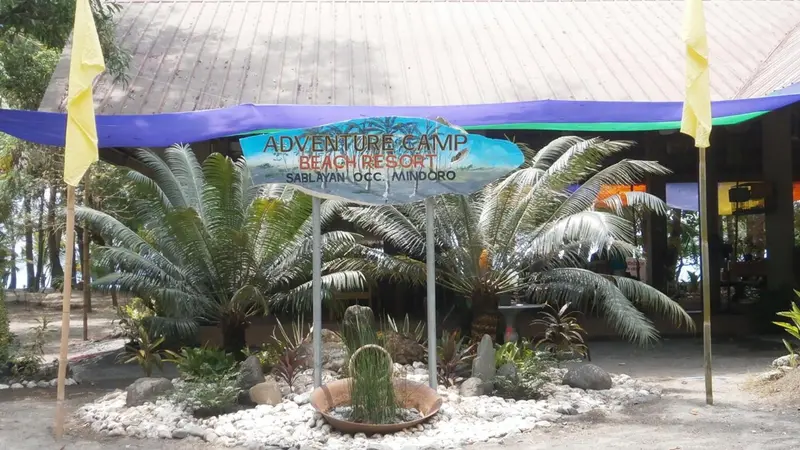
 Dive centre in the hotel
Adventure Camp Beach Resort
★
Google 4.3/5 (153 reviews)
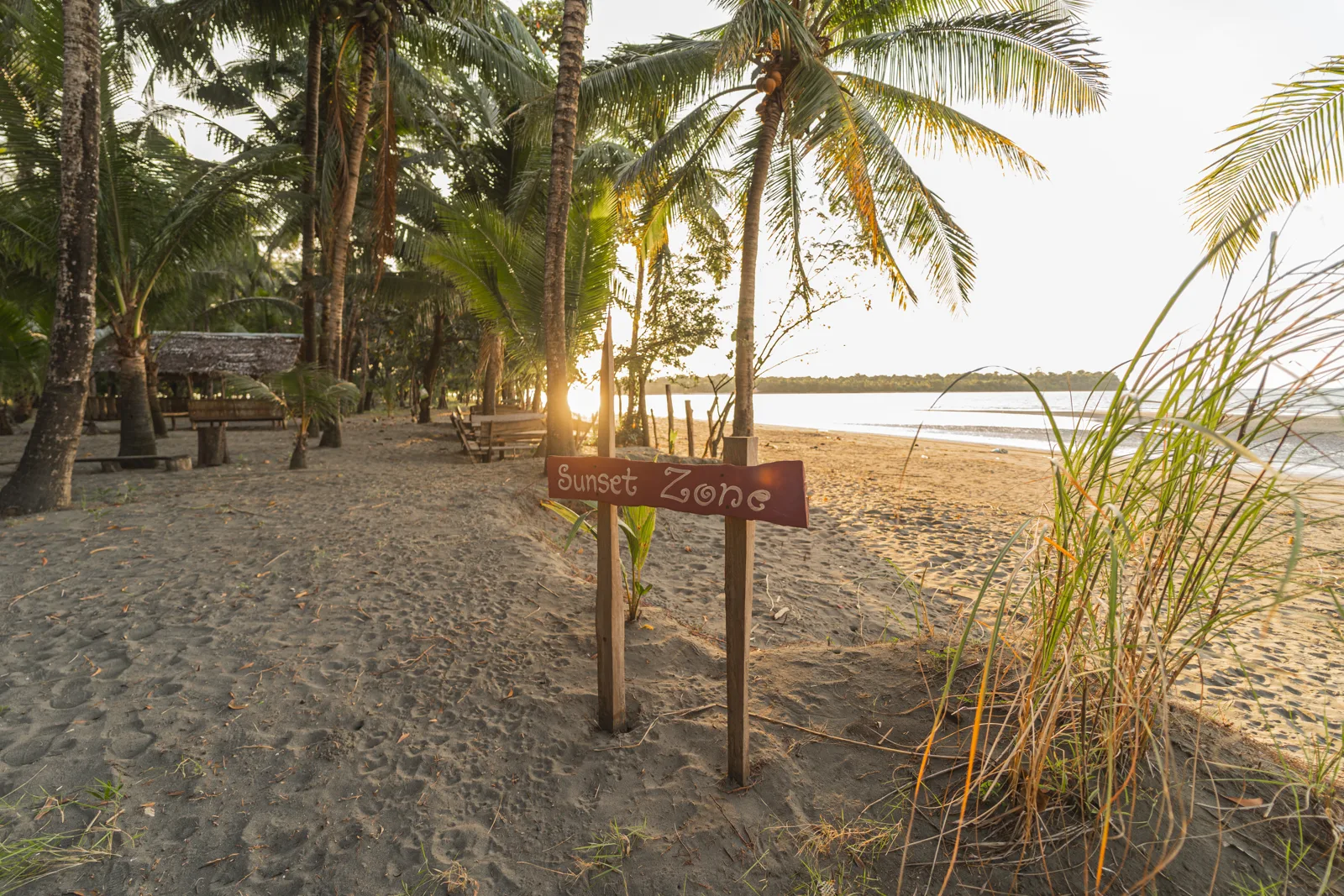
The dive centre
Sablayan Adventure Camp Dive Shop
Google 4.3/5 (153 reviews)
Dives: Pandan Island, Apo Reef Natural Marine Sanctuary
Philippines · Asia
Wall dives, the Alma Jane Wreck, banded sea snakes and macro life give Mindoro a practical mix of reef, current and critter diving.
For subtitles in English: start the video firstthen click the gearat the top right of the video, select “Subtitles/CC”, then “Auto-translate” and choose “English”.
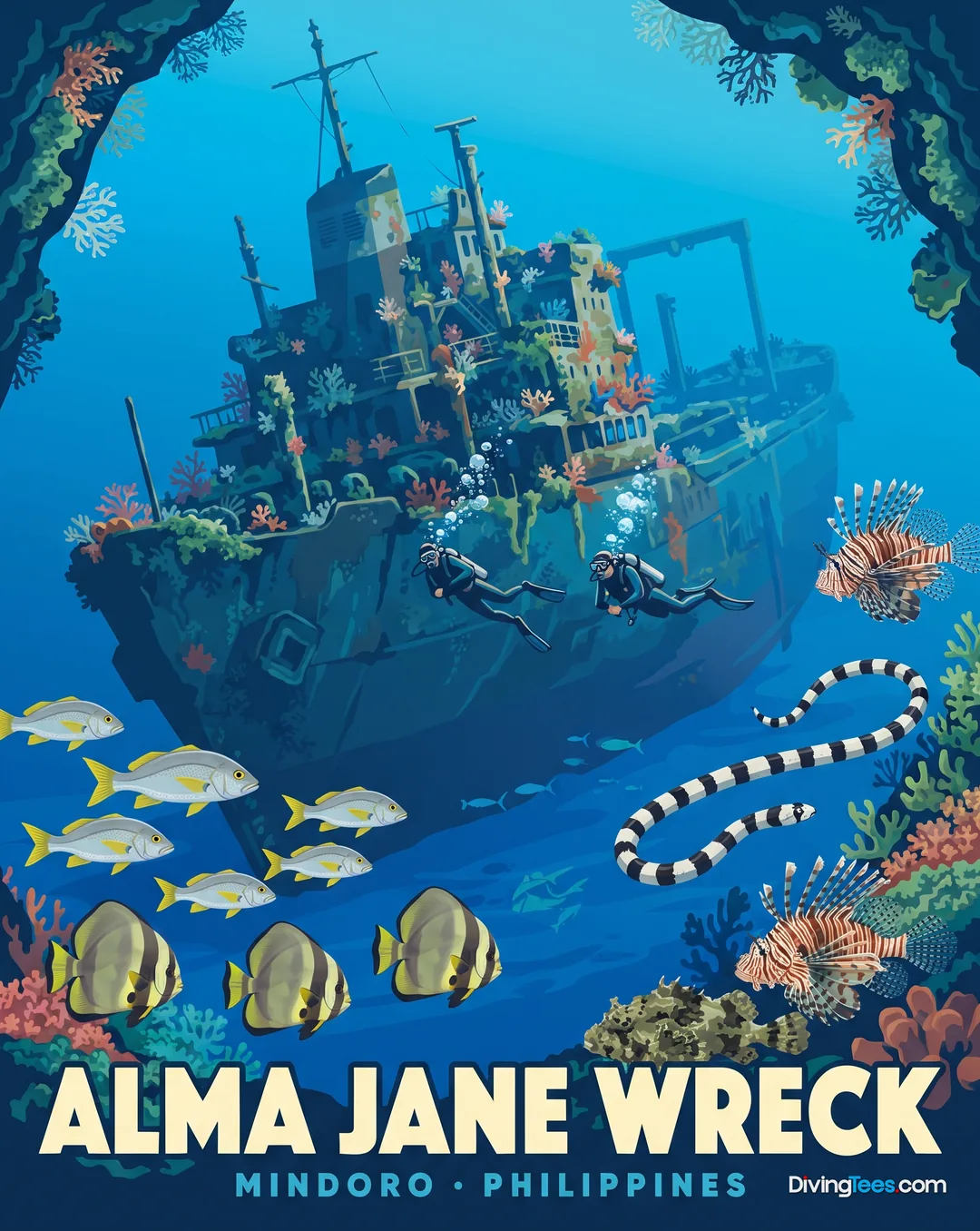
Mindoro is an island diving destination rather than one self-contained resort reef. Around Puerto Galera, land-based centres send boats towards sheltered reefs, walls, macro sites and more exposed water, while other parts of the island offer quieter, more local diving. Apo Reef brings broad wall scenery and open-water scale; the Alma Jane Wreck adds structure at twenty to thirty metres. It suits divers who want several styles of warm-water diving without committing to a liveaboard.
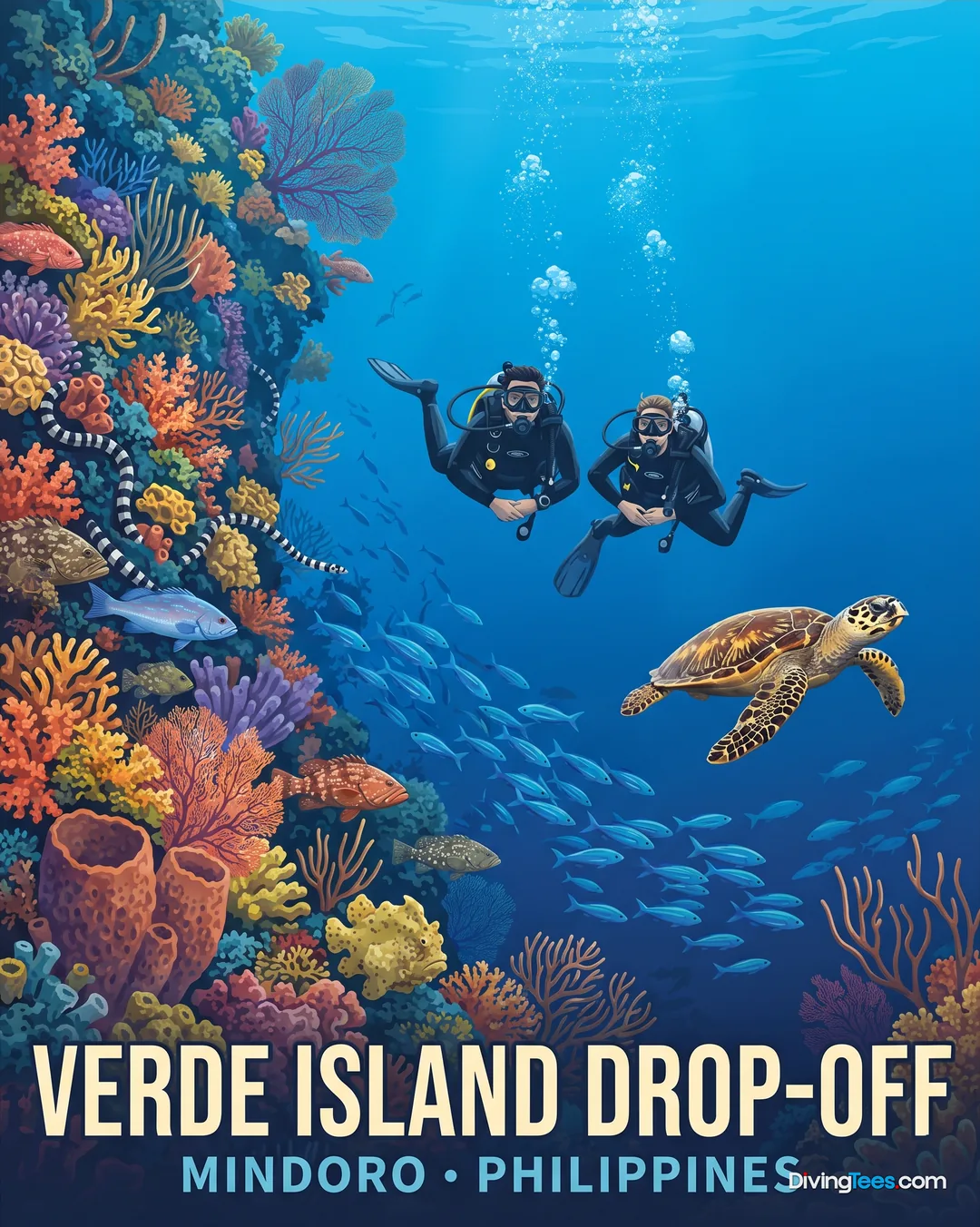
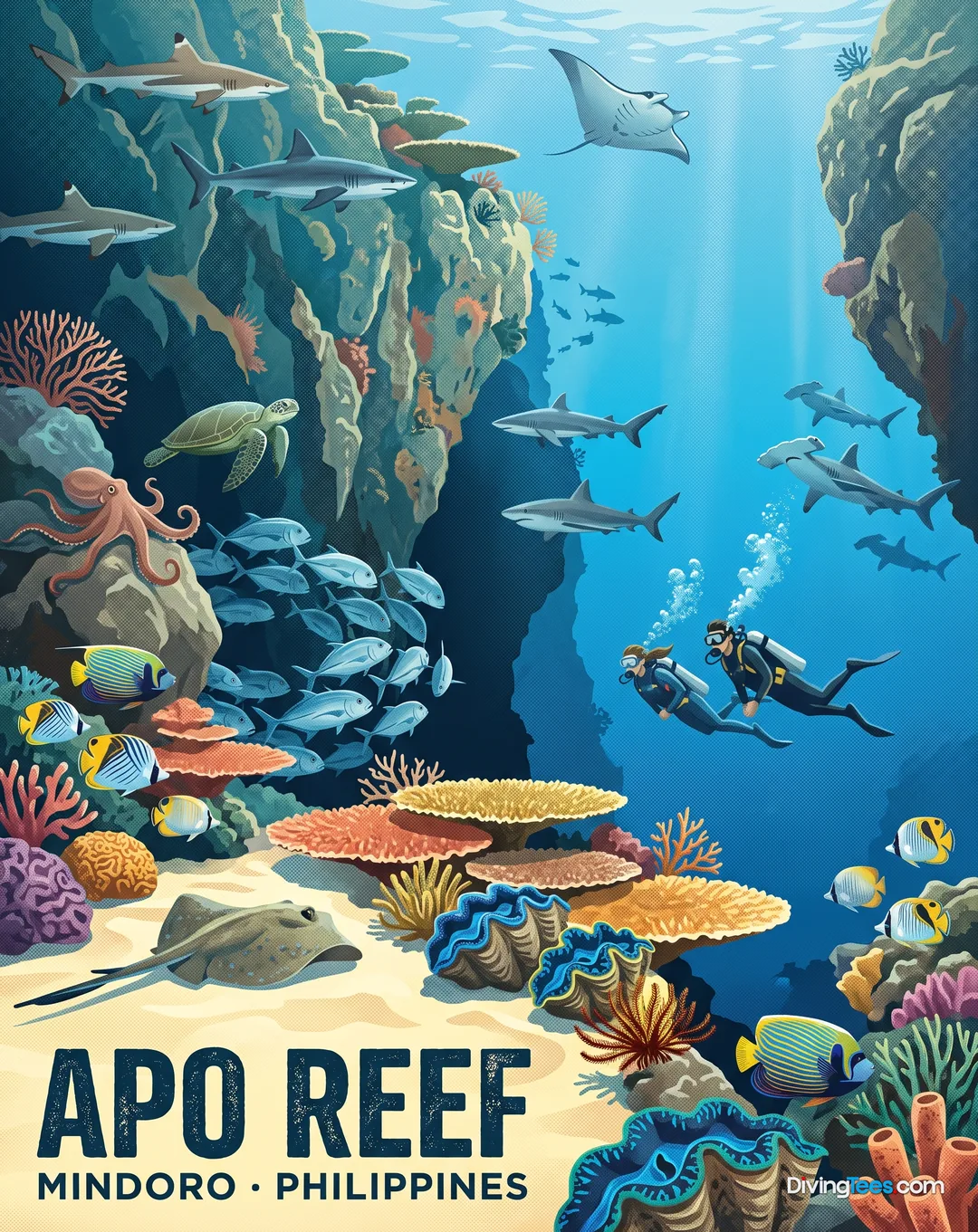
The underwater character changes with the site. Apo Reef combines shallow sections from five metres with walls dropping to forty metres, and its current can change direction during a dive. Verde Island Drop-off is a more demanding wall dive, normally worked between ten and thirty metres, with currents commonly running at one to three knots. The Alma Jane Wreck lies in the current-swept Verde Island Passage, between twenty and thirty metres, where flow can become very strong. Visibility at Apo Reef is generally excellent, around fifteen to fifty metres; the Drop-off usually offers ten to twenty-five metres, and the wreck fifteen to thirty metres. Reef, wall, wreck and macro outings are mixed with drift-style boat dives, so the day’s site choice matters more than following a fixed routine.
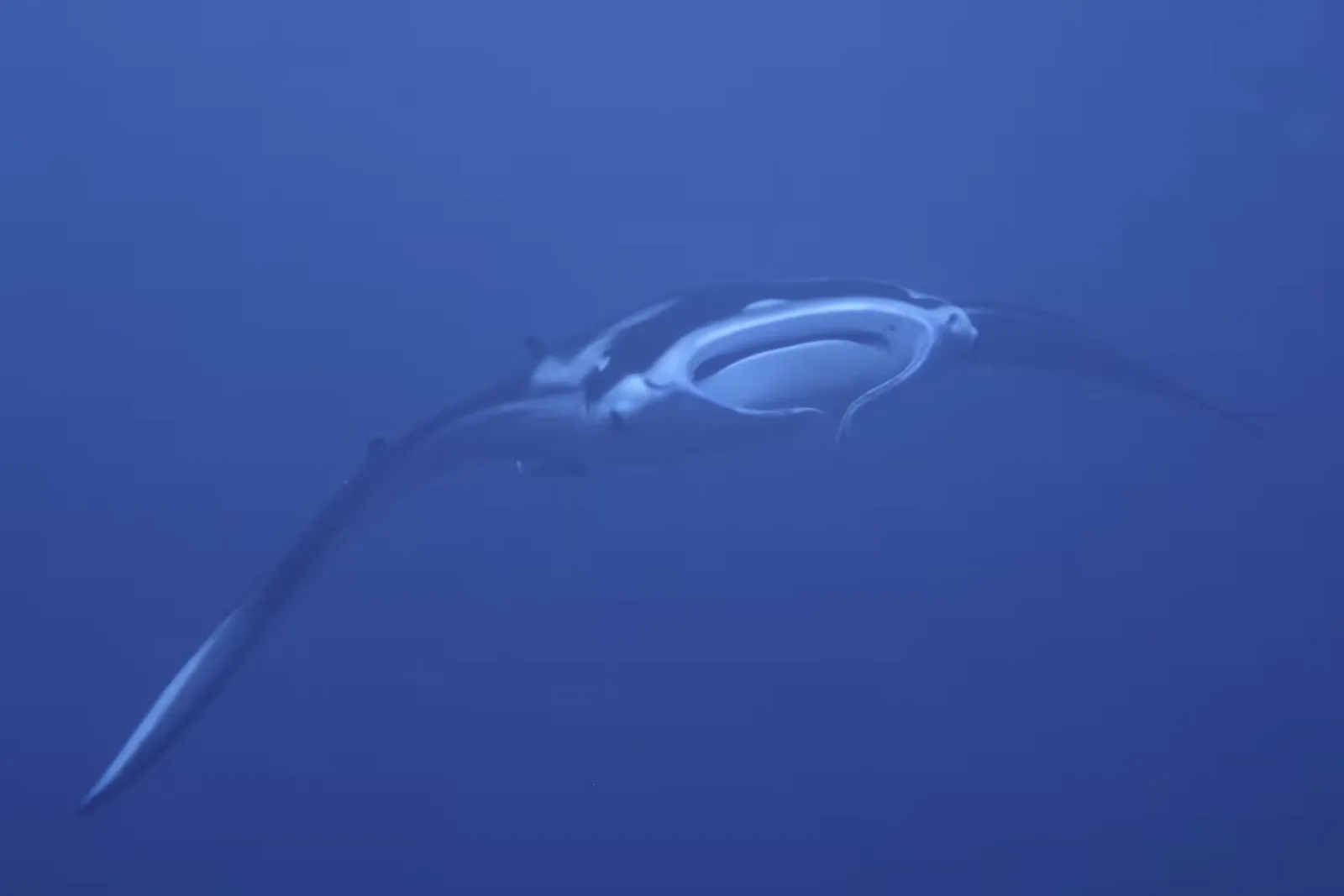
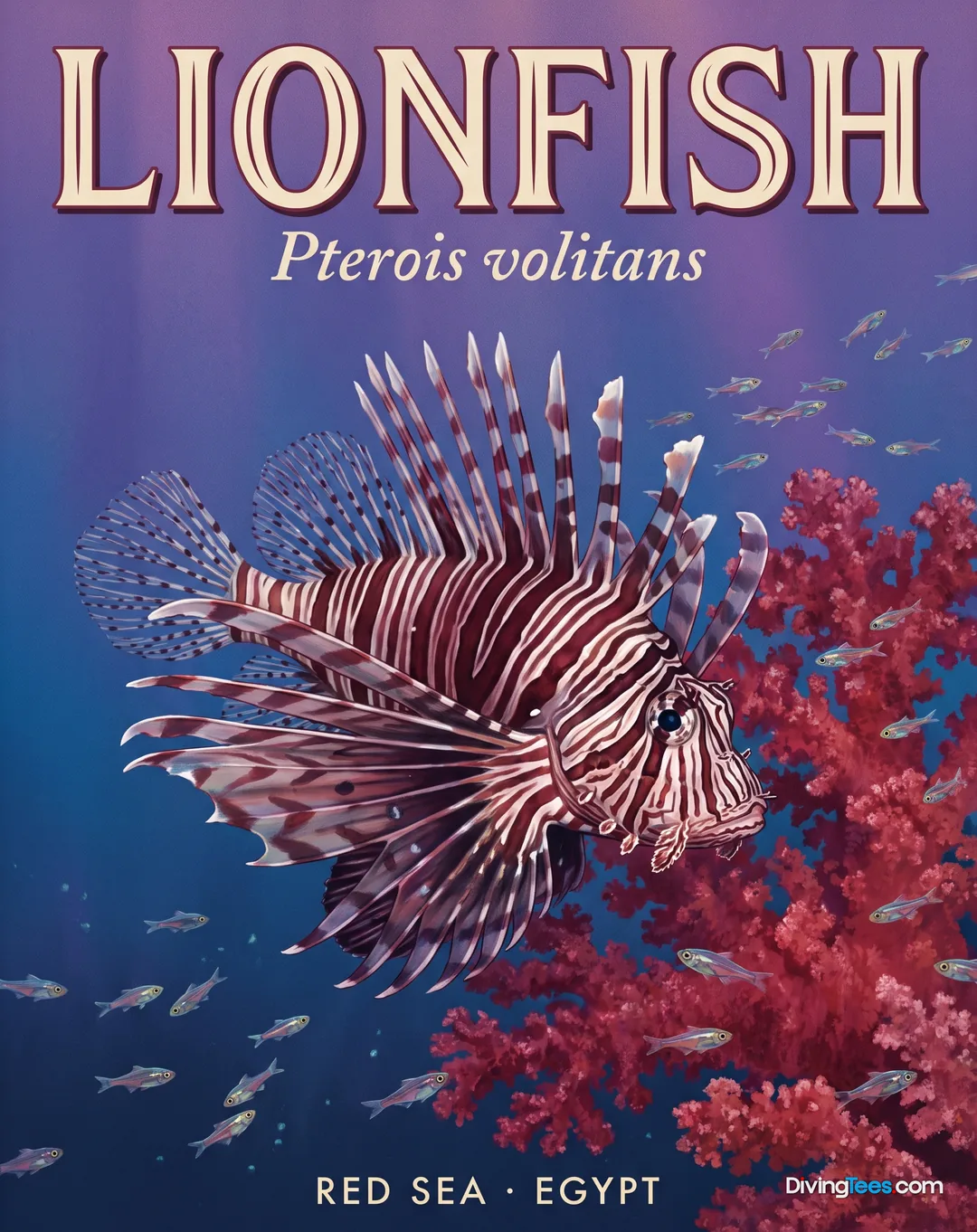
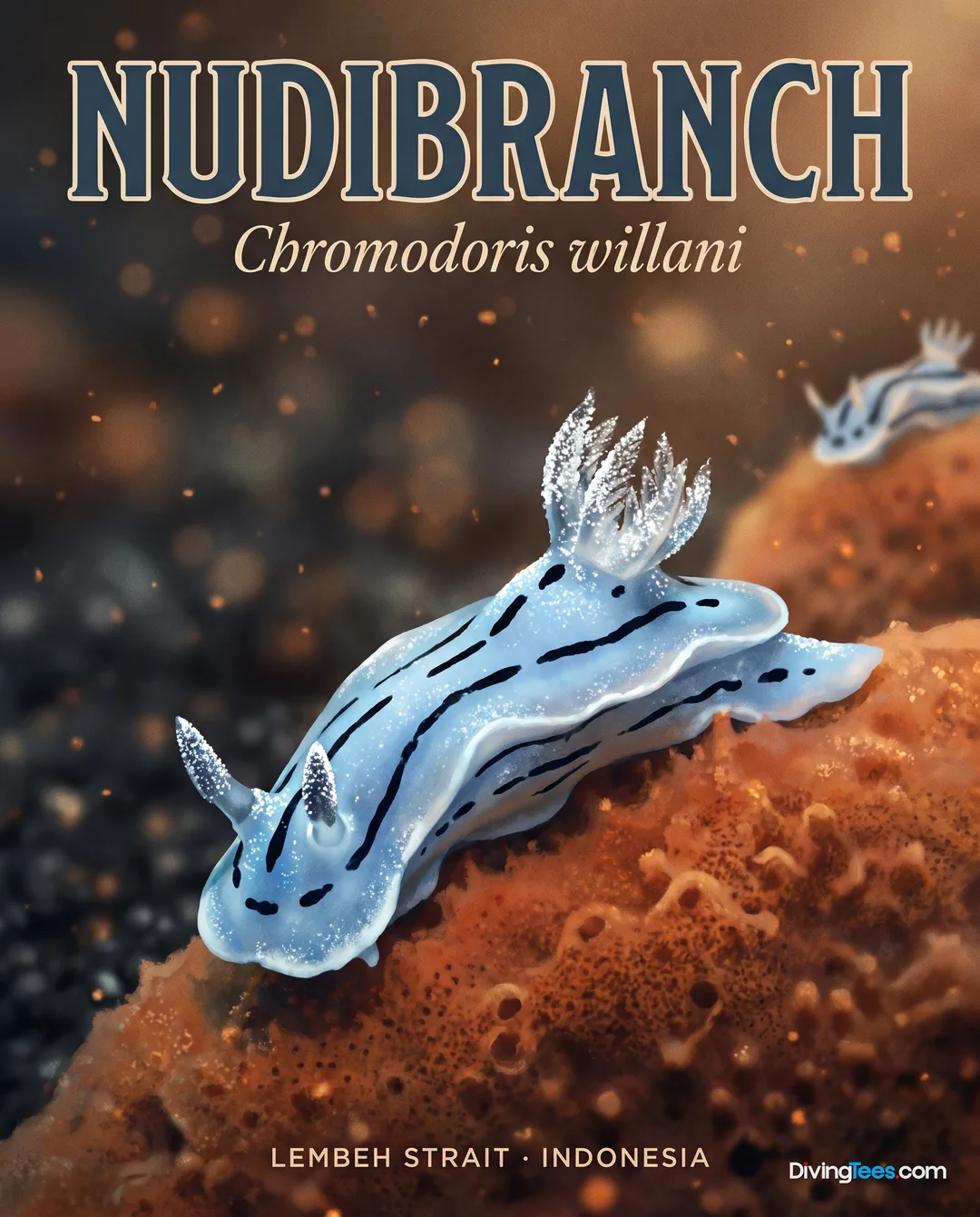
Mindoro rewards divers who slow down as well as those who enjoy open-water movement. Apo Reef’s walls carry schools of snapper and provide clear water for watching the reef fall away. Banded sea snakes may pass over the reef, while moray eels hold in holes and crevices. Nudibranchs and pipefish suit the bays and quieter macro searches, particularly when the same area is revisited rather than treated as a single sightseeing stop. Around the Alma Jane Wreck, the vessel’s structure shelters corals and fish. The dossier gives no dependable seasonal pattern for particular species, so Mindoro is best approached as a mixed-fauna destination: use the stronger-current days for walls and drift diving, and reserve calmer, slower dives for finding small animals.
Mindoro is not a destination that can be reduced to one guaranteed calendar window. Its practical season is shaped by the weather affecting the ferry crossing and the sea state at exposed sites, while sheltered areas can give a more flexible option when conditions change. Travellers should therefore build the itinerary around tolerance for weather delays rather than a tightly packed sequence of dives. The ferry is particularly important: a rough crossing or a disrupted timetable can affect both arrival and departure. A longer stay, with a spare day kept free, makes more sense than trying to extract the maximum from a short schedule.
Most of Mindoro’s land-based diving is suitable for all levels, with sheltered reef and macro outings providing a sensible starting point. The current-exposed sites are different. Verde Island Drop-off calls for Advanced Open Water or an equivalent qualification and sound drift-diving skills. The Alma Jane Wreck is also aimed at Advanced-level divers, with deep or wreck experience useful at thirty metres. BSAC, PADI and SSI divers should match the planned sites to their logged experience, not simply to the destination label. Nitrox is useful for repetitive boat diving.
From London Heathrow, Gatwick or Manchester, the journey begins with a flight to Manila. The onward route is by road from Manila to Batangas, followed by the ferry crossing to Mindoro. For Puerto Galera, there is then a short land or boat transfer according to the chosen base. The ferry is the structural constraint: it cannot be treated like a minor final connection, because weather and timetable changes can disrupt the following dive day. Accommodation and dive centres in the main areas are generally close enough for walking, with short local transfers arranged when needed. The sensible plan is to avoid linking an international arrival, the road transfer, the ferry and a first dive into one tight sequence.
Treat the ferry as part of the dive plan. Do not schedule the first dive immediately after a rushed arrival, and keep a spare day available for weather-sensitive crossings, especially before the return journey. The easiest weekend access from Manila can also concentrate boats at the better-known areas; staying through the week gives more scope to spread the diving out. For macro work, repeat the same bay or area over several dives rather than expecting one quick visit to reveal nudibranchs and pipefish. Bring the exposure protection used for repetitive boat diving, since basic rental equipment may not cover less common thermal preferences. A weight setup that allows precise hovering over reef and sand matters here: current, delicate reef and small-animal searches all punish unnecessary contact with the bottom. Finally, do not plan the trip as though Mindoro were one unified resort zone. Puerto Galera and the island’s quieter, more remote areas involve different travel patterns, and a liveaboard will not remove that land-and-ferry logistics.
A seven- to ten-day stay suits Mindoro’s transport pattern. Base near a main dive hub, use boat days for walls, reef and wreck diving, and leave room to repeat a macro area rather than changing sites constantly. A non-diving day can be used for beach time or overland exploration. The final day is better kept for easy coastal activities, not a long remote transfer, so the ferry and road chain do not dominate the journey home.
Hello, I'm Marina, DivingDeal.com's AI assistant. I guide you through destinations, areas and countries.
Thinking about the whole trip and the flights? Talk it over with Edith →
Marina is an AI. Some links are affiliate links: DivingDeal may earn a commission, at no extra cost to you. Bookings are made with the partner.
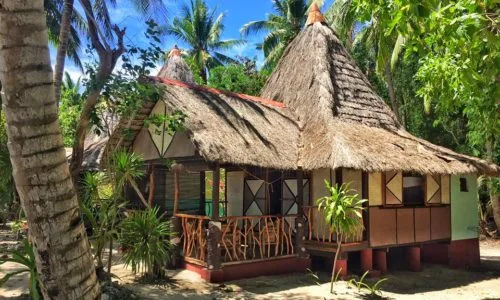
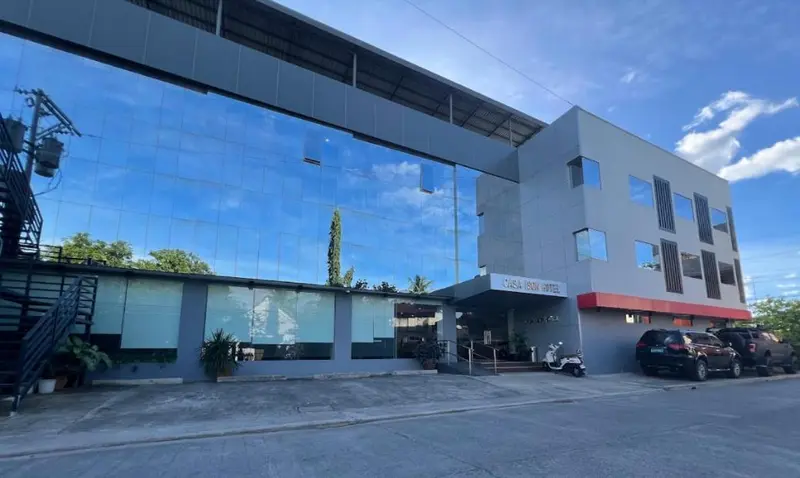
In each one, the dive centre is inside the hotel: step out of your room and go diving.
Dive centre in the hotel★
Google 4.3/5 (153 reviews)
The dive centre
Sablayan Adventure Camp Dive Shop
Google 4.3/5 (153 reviews)
Dives: Pandan Island, Apo Reef Natural Marine Sanctuary
Mindoro has no single dependable calendar window for diving. Plan around weather affecting the ferry and sea conditions at exposed sites, while keeping sheltered areas as alternatives when conditions change. Allow extra time for possible ferry delays, and keep a spare day available rather than packing the itinerary tightly.
Mindoro offers sheltered reef and macro outings suitable for all levels, making them a sensible starting point. Verde Island Drop-off requires Advanced Open Water or equivalent training and sound drift-diving skills. The Alma Jane Wreck is also aimed at Advanced divers, with deep or wreck experience useful at thirty metres.
Mindoro combines reef, wall, wreck, current and macro diving. You can explore Apo Reef walls, the Alma Jane Wreck, and Verde Island Drop-off, with banded sea snakes, snapper, moray eels, nudibranchs and pipefish among the possible sightings. Slower repeat dives in bays and quieter areas suit small-animal searches.
Base near a main dive hub and use boat days for walls, reefs and the wreck, while leaving time to revisit a macro area. Treat the road journey, ferry and local transfer as part of the dive plan. Keep a spare day for weather delays and make the final day easy.