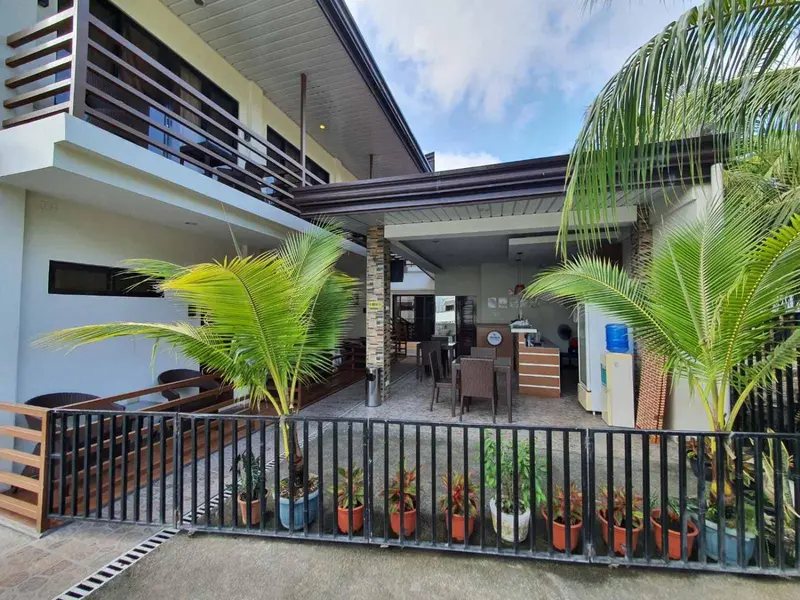
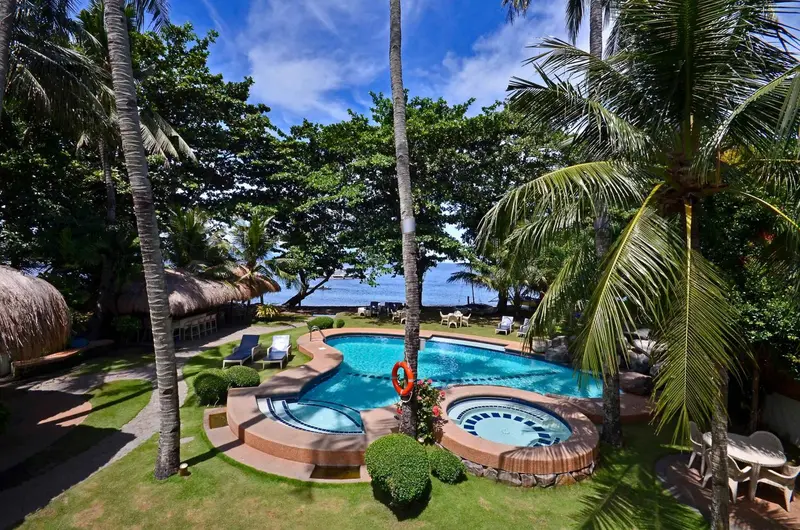
 Dive centre in the hotel
Mike's Dauin Dive Resort
★★★
Google 4.6/5 (309 reviews)
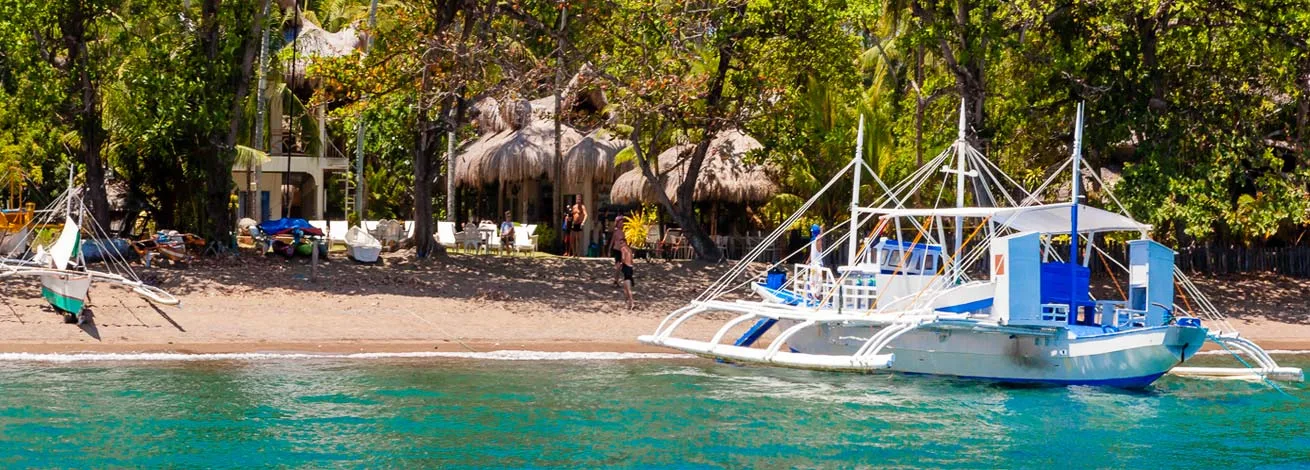
The dive centre
Adventure Dive/Mike's Dauin Resort
PADI
Google 4.6/5 (314 reviews)
Dives: Apo Island, Dauin
Philippines · Asia
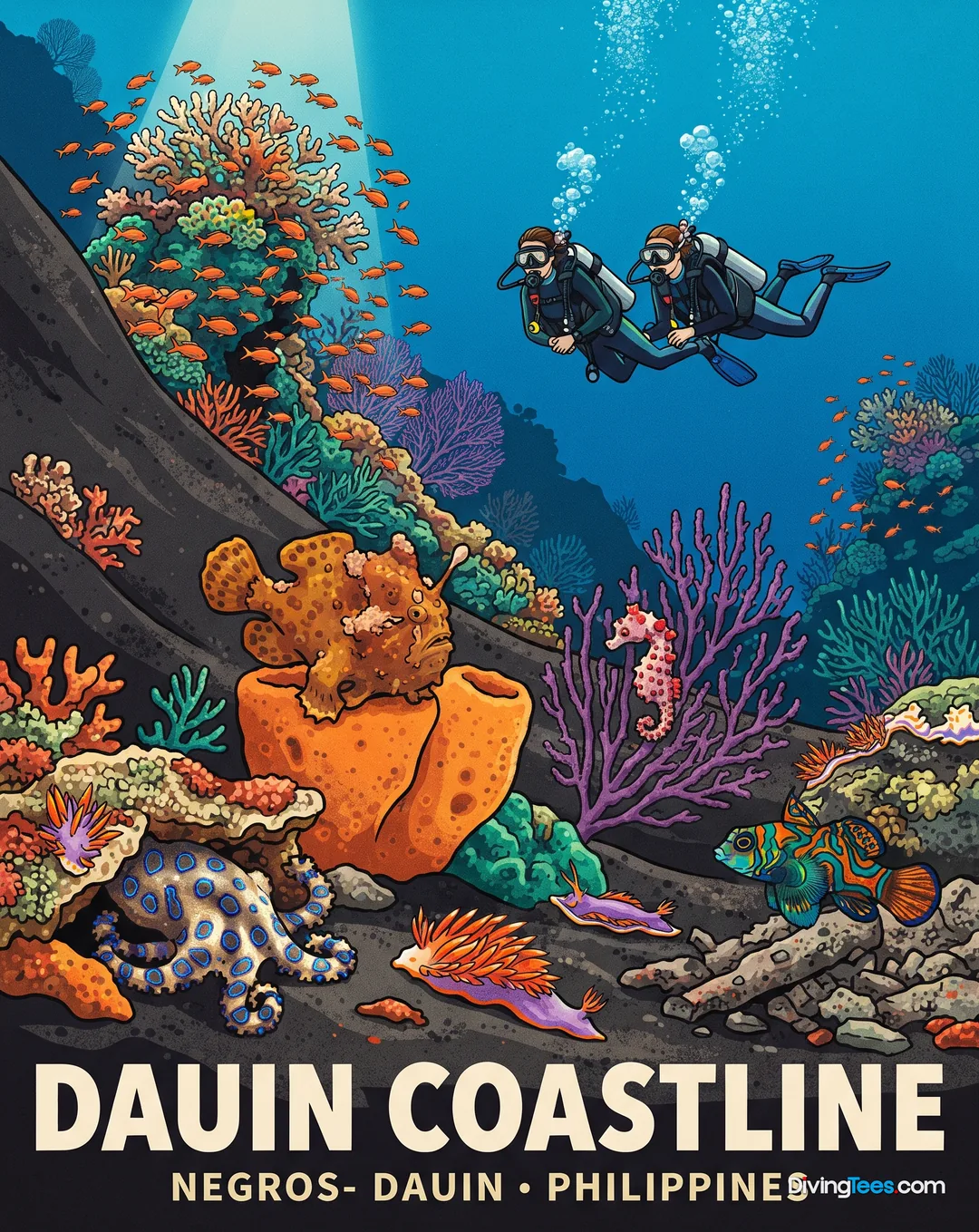
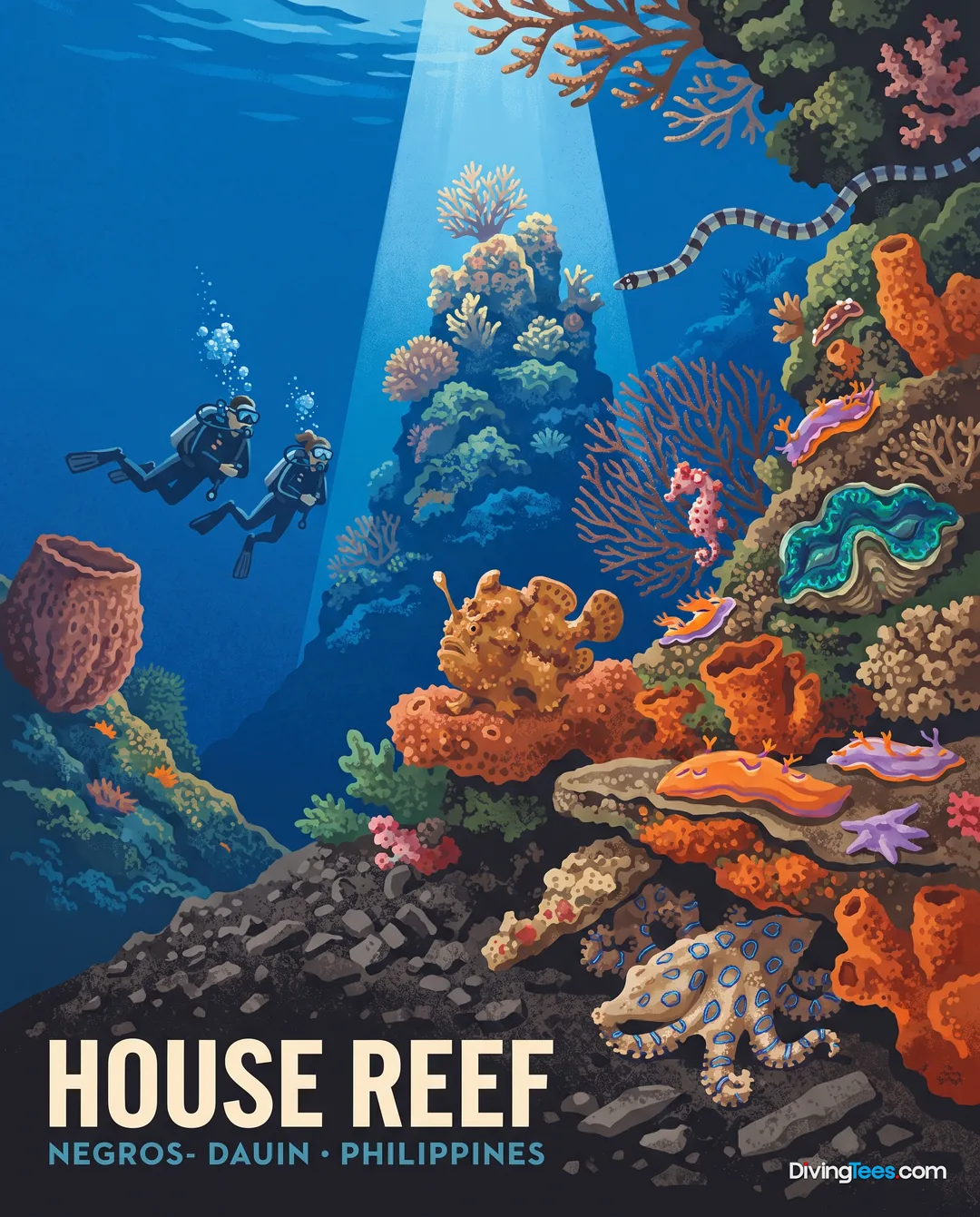
Black-sand slopes hide frogfish and nudibranchs, while Apo Island adds coral walls, reef fish and regular green sea turtles to the same stay.
For subtitles in English: start the video firstthen click the gearat the top right of the video, select “Subtitles/CC”, then “Auto-translate” and choose “English”.
Dauin is a land-based diving destination built around the black sand and rubble of the Negros coastline. The attraction is not dramatic depth but the patient search for frogfish, seahorses, nudibranchs and flamboyant cuttlefish in shallow water. A day at Apo Island changes the scene, bringing coral walls, busy reef fish and regular green sea turtles. It suits divers who prefer several unhurried dives close to shore, with a protected reef excursion by boat.
Most dives follow sandy slopes, rubble and reef edges rather than walls or wrecks. The Dauin coastline usually stays shallow, from about two to twenty-five metres, while the House Reef reaches thirty metres and Eva’s Point drops to thirty-two, with coral gardens, walls, overhangs and large gorgonian fans. Pura Vida Housereef is particularly suited to slow macro work, including long shallow and night dives. Currents are generally light, although local conditions can become moderate and sites such as Sunken Island are defined by stronger flow. Visibility varies with runoff and recent rain; the black-sand sites can lose their clarity quickly when sediment is disturbed. Apo Island provides the contrasting boat day, with protected coral terrain and wall profiles. Nitrox is useful on repeated dives, but buoyancy control is the real practical advantage when the subject is only a few centimetres from the bottom.
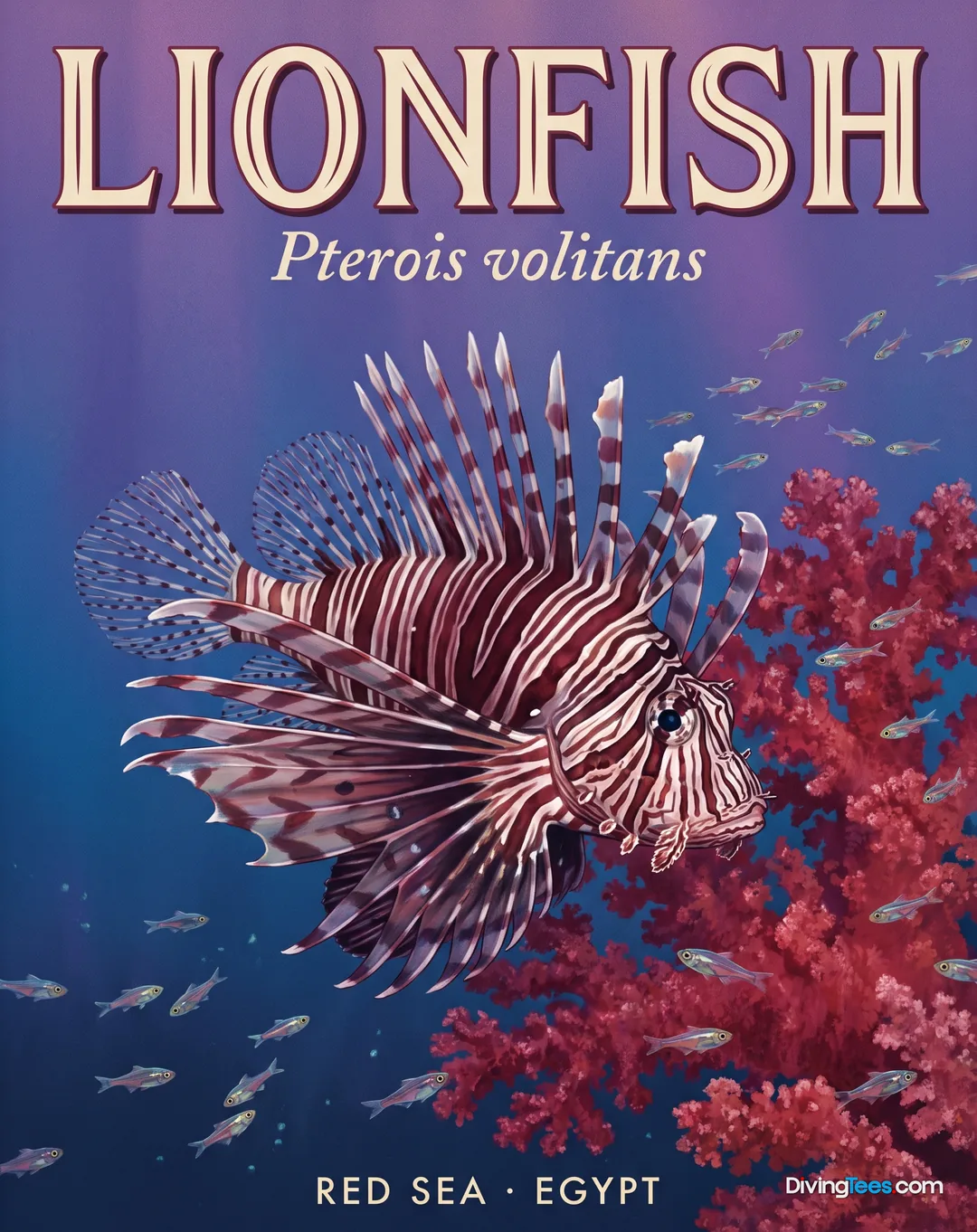
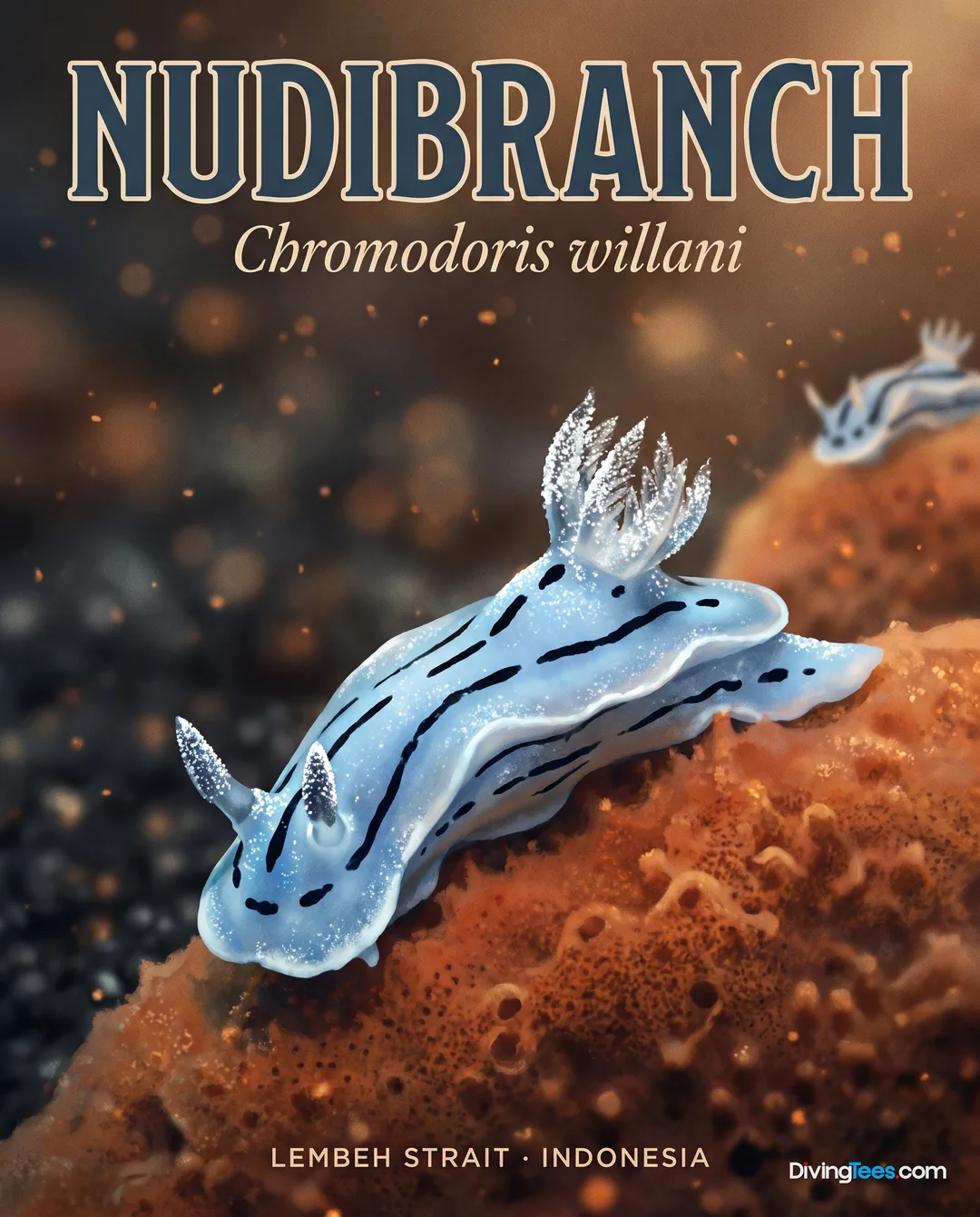
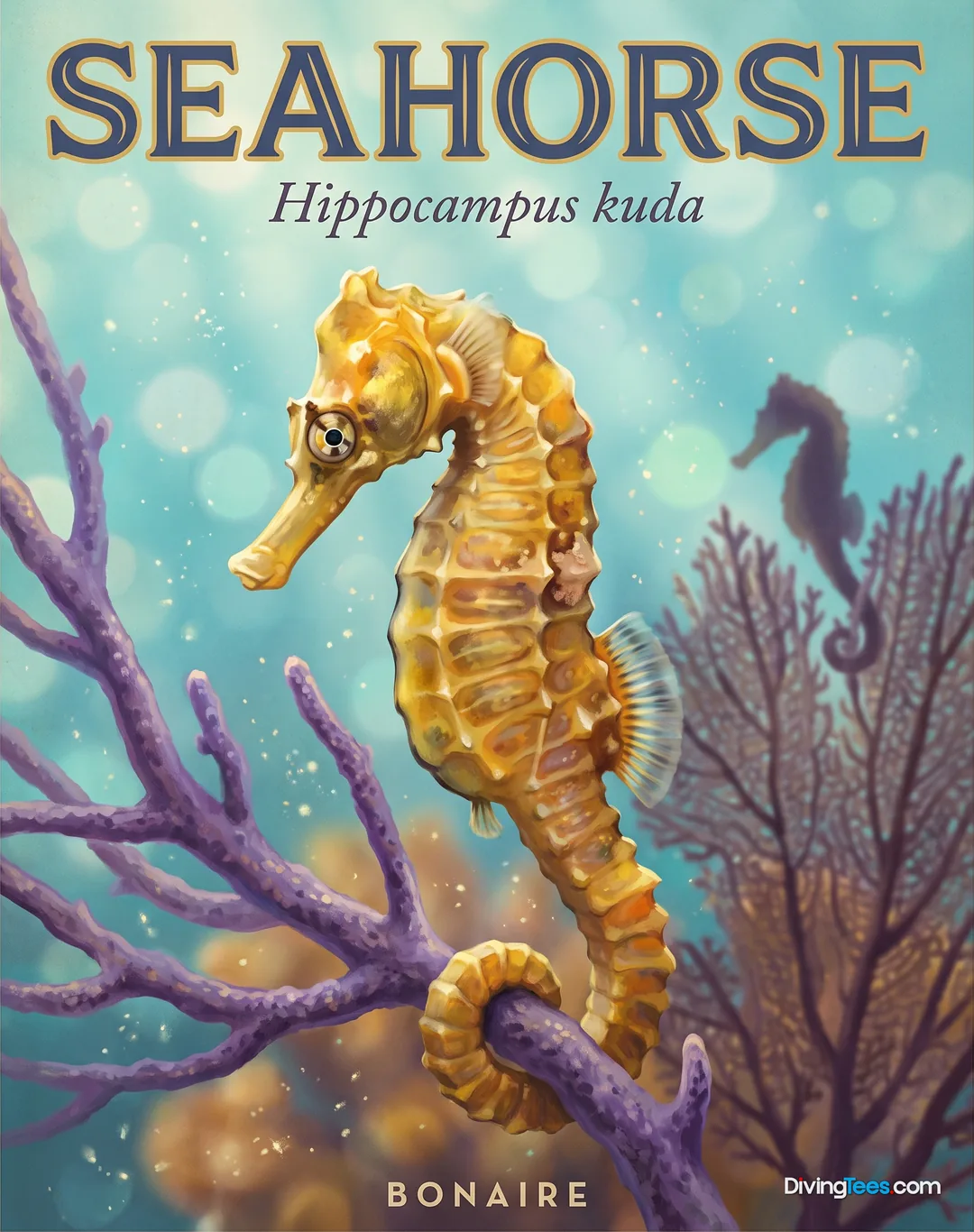
Dauin rewards close observation rather than a search for large passing animals. Frogfish, seahorses, pipefish, shrimp, cuttlefish and nudibranchs occur year-round on muck, rubble and habitat edges. Pura Vida Housereef is known for flamboyant cuttlefish, frogfish and nudibranchs, while suitable gorgonians around reef and slope sites can hold pygmy seahorses. Lionfish, scorpionfish, batfish and reef fish add colour and movement, and coral areas may produce hawksbill turtles. Apo Island is the more dependable choice for green sea turtles, with protected reefs supporting busy fish life. Thresher sharks are only occasional in the wider Negros Oriental area, and whale sharks are rare regionally, so neither should shape the itinerary. A torch helps reveal creatures tucked into sponges, rubble and dark sand, even during a shallow daytime dive.
The broader preferred window runs from November to May, when the drier part of the year generally brings steadier diving and fewer weather-related interruptions. Rainfall is lowest from December to May, while the measured sea conditions are calmest from April to June. That overlap makes April and May especially attractive for boat plans, although June belongs to the wetter half and may bring poorer clarity or rougher surfaces. From June to October, runoff after rain is the main nuisance on shore-muck sites, and Apo Island trips are more exposed to changing conditions. Holiday periods can make Apo Island busier; the spread-out shore sites usually feel calmer.
Dauin works for Open Water divers, including PADI, SSI and BSAC recreational divers, because many dives are shallow and current is usually light. The Dauin coastline and Pura Vida Housereef allow long, controlled dives, while deeper sections at the House Reef or Eva’s Point suit divers who are comfortable managing depth. Sunken Island is different: strong currents make it an experienced-diver site, and Nitrox is useful for its deeper, more demanding profile. Good buoyancy matters throughout, particularly over black sand where a misplaced fin can cloud the view.
From London Heathrow, London Gatwick or Manchester, the practical route is to fly to Dumaguete in the Philippines and continue south by road to Dauin. Dauin is a coastal strip, not an island, so reaching the town does not require a ferry. The ferry-like boat journey comes later, when the itinerary includes Apo Island. Once in Dauin, the linear coastal layout keeps many accommodation and diving arrangements close together: some divers walk, while short tricycle or taxi transfers cover the gaps along the coast. Apo Island requires planning through a licensed local operator, with permits and community-managed access handled as part of the day trip. It is sensible to arrange that boat day ahead, particularly during busy periods, rather than treating it as an incidental add-on.
Plan Apo Island early in the stay, not on the final available day. It is the reef counterpoint to Dauin’s muck diving, and an early boat helps avoid the busiest part of the day-trip rhythm. Keep the mainland dives in the itinerary as well: weather can interrupt the crossing, whereas the coastline remains the destination’s dependable core. Pack a small torch; frogfish, nudibranchs and seahorses are often found in black sand, rubble and sponge-covered edges where daylight misses the detail. A three-millimetre full suit is a sensible compromise for repeated dives and long shallow sessions. A muck pointer is useful only where local rules allow it, and it should never become an excuse to touch the bottom. On black-sand sites, fin gently or sediment will settle over the subject and the whole group. Leave a pre-flight day for shallow shore diving, PMT or quiet coastal time rather than a long inland transfer.
Five to seven days gives the destination its proper shape: several shore-based macro sessions, varied depths at the House Reef or Eva’s Point, and a dedicated Apo Island day. Staying near the coast keeps daily transfers short and makes repeated dives straightforward. A non-diver can manage resort downtime or join an authorised boat excursion, while Dumaguete offers a useful change of scene for waterfront time, markets and city services. The final day is better kept shallow and local before flying.
Hello, I'm Marina, DivingDeal.com's AI assistant. I guide you through destinations, areas and countries.
Thinking about the whole trip and the flights? Talk it over with Edith →
Marina is an AI. Some links are affiliate links: DivingDeal may earn a commission, at no extra cost to you. Bookings are made with the partner.
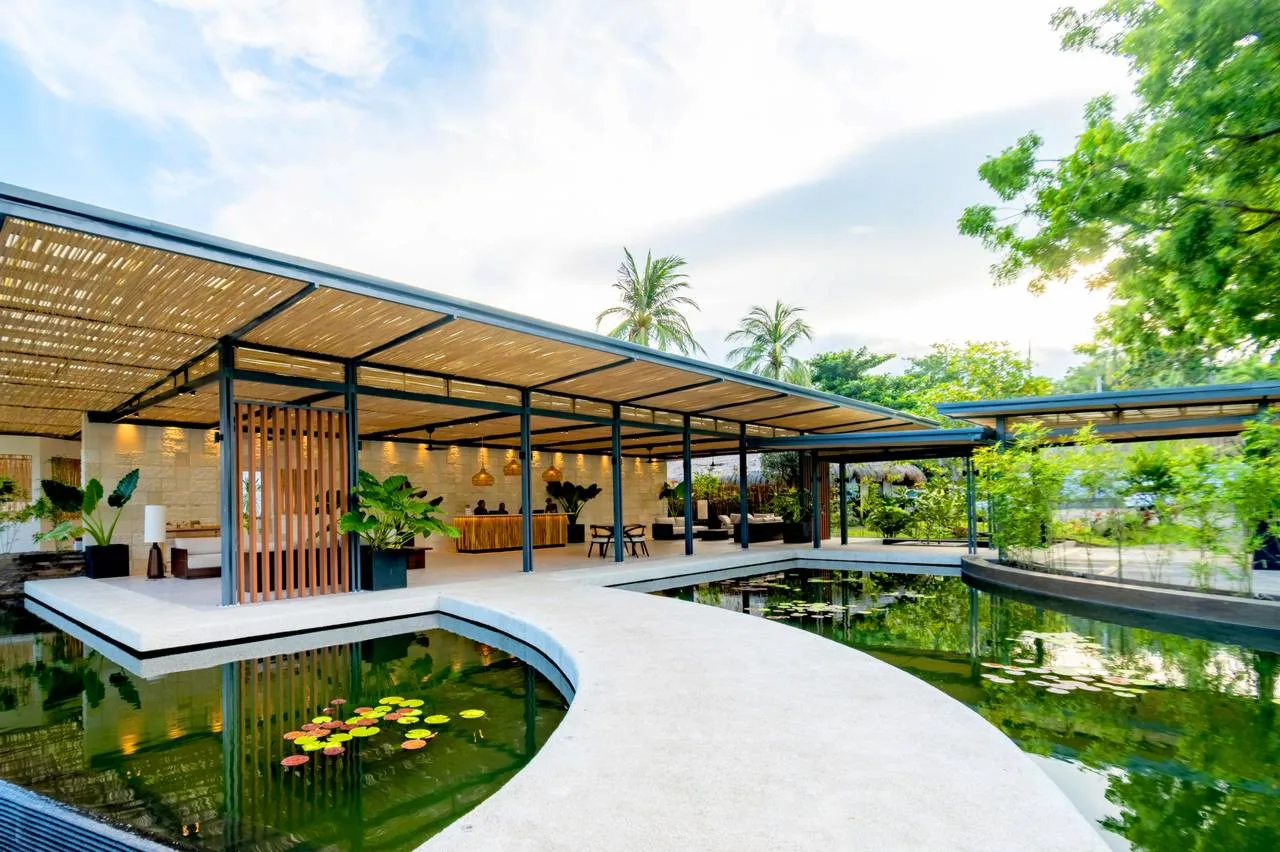
In each one, the dive centre is inside the hotel: step out of your room and go diving.
Dive centre in the hotel★★★
Google 4.6/5 (309 reviews)
The dive centre
Adventure Dive/Mike's Dauin Resort
PADI
Google 4.6/5 (314 reviews)
Dives: Apo Island, Dauin
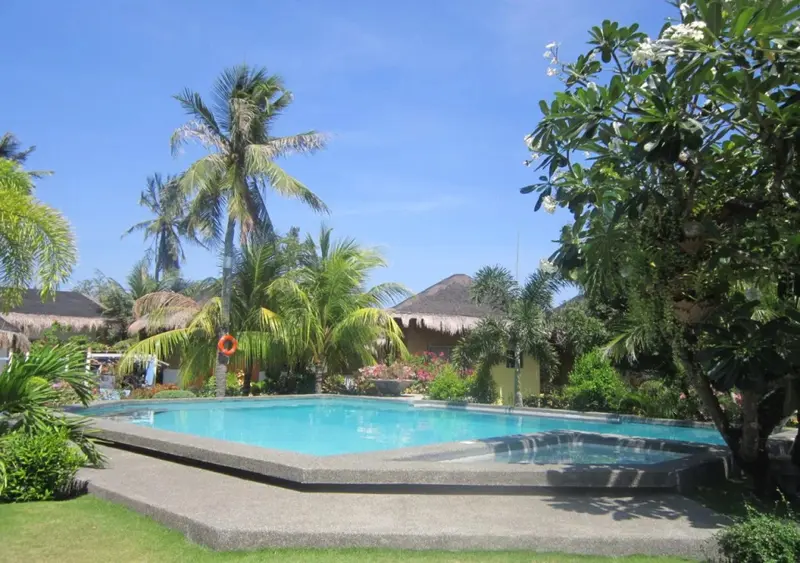 Dive centre in the hotel
★★★
Google 4.4/5 (387 reviews)
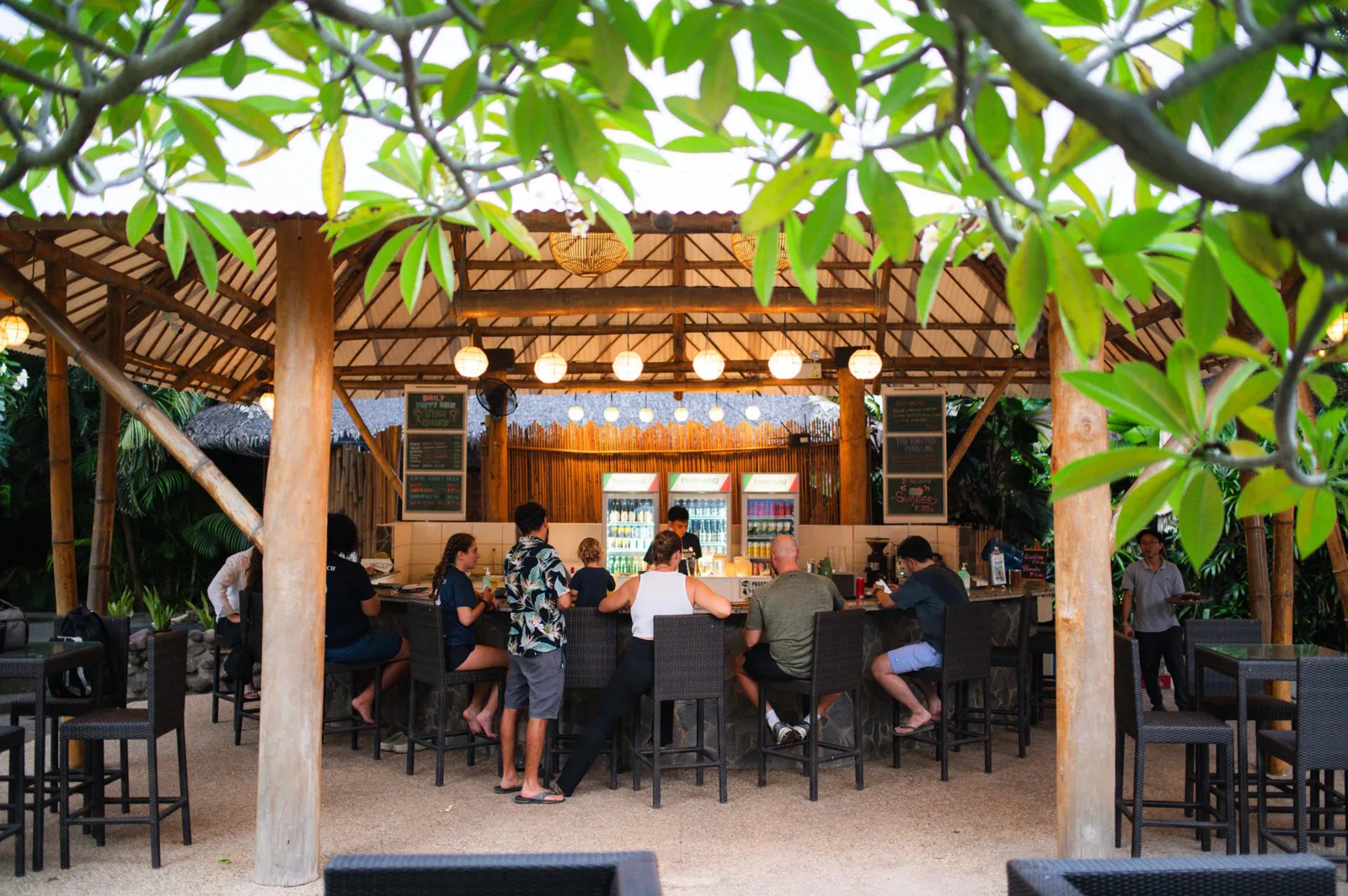
The dive centre
Liquid Dive Dumaguete
PADI
Google 4.4/5 (388 reviews)
Dives: Mainit (House Reef), Apo Island
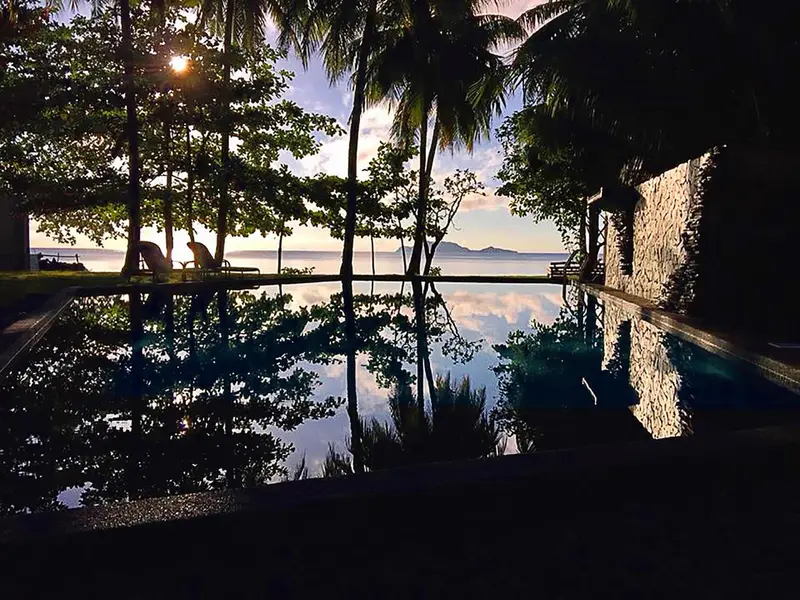 Dive centre in the hotel
★★★★
Google 4.5/5 (208 reviews)
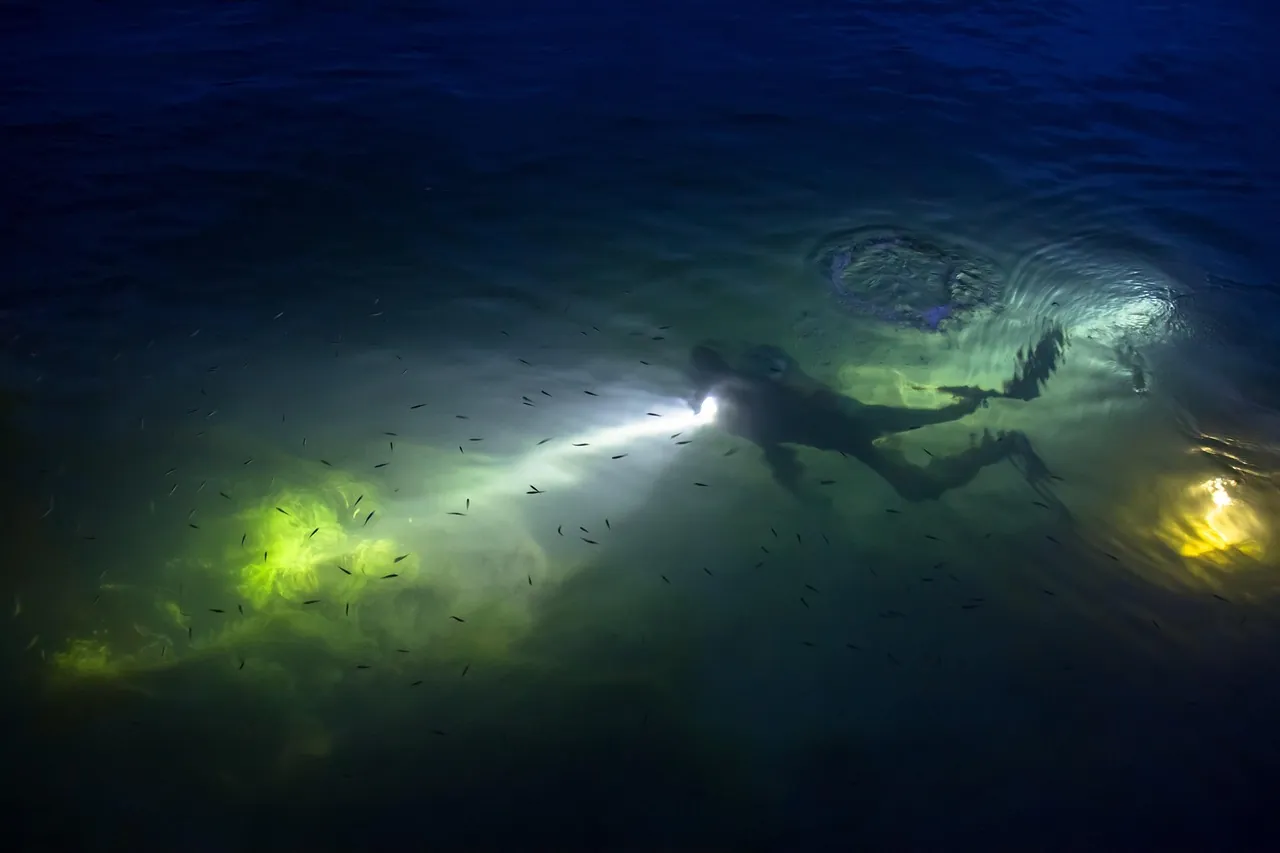
The dive centre
MAHI MAHI DIVE RESORT
SSI
Google 4.5/5 (212 reviews)
Dives: LARGAHAN (Apo Island), CHAPEL (Apo Island), KATIPANAN (Apo Island)
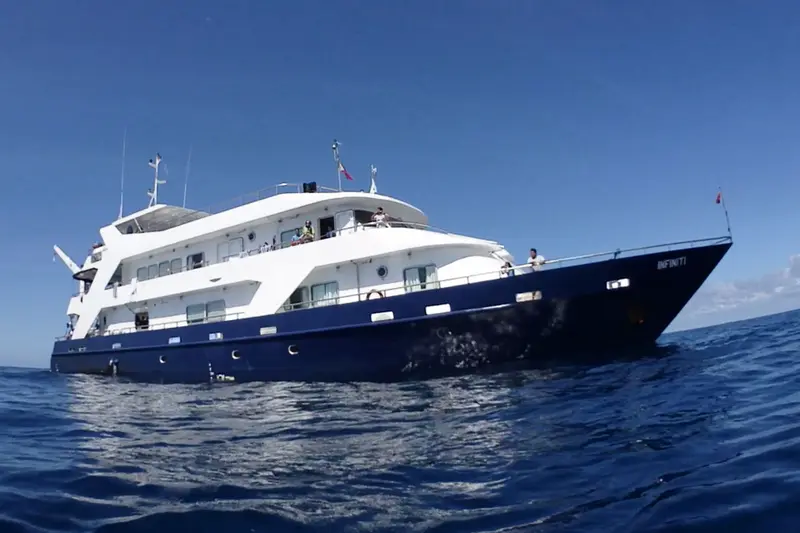
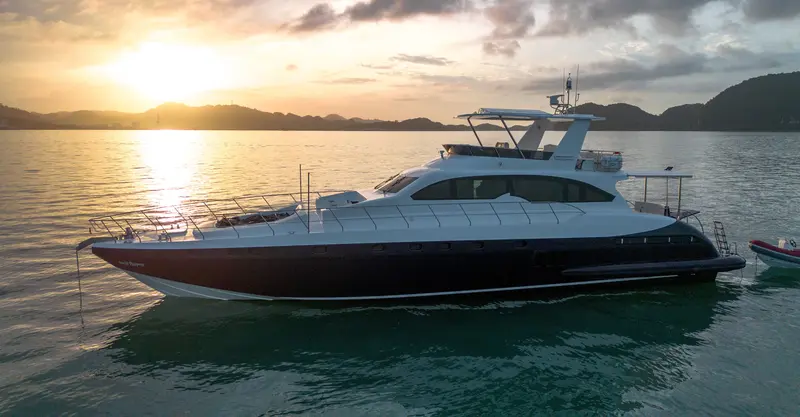
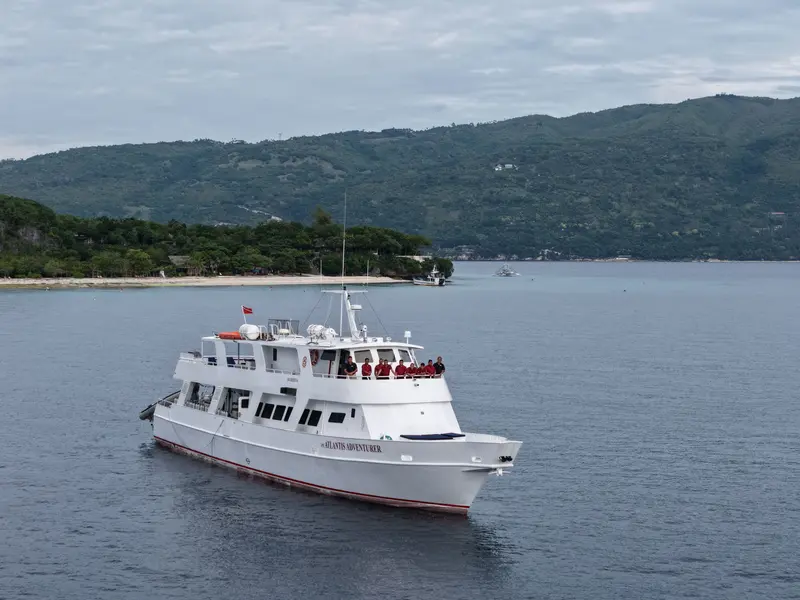
4 liveaboards depart from Dauin another way to explore the region, over several days at sea.
Choose Dauin during the drier part of the year, from November to May, when diving is generally steadier and weather interruptions are less likely. Rainfall is lowest from December to May, while sea conditions are measured as calmest from April to June. April and May suit boat plans particularly well.
Dauin suits Open Water divers and recreational divers because many sites are shallow and currents are generally light. Good buoyancy control is important over black sand and rubble. Deeper sections at the House Reef and Eva’s Point require comfort with depth, while Sunken Island is for experienced divers because of its stronger current.
Dauin is focused on close macro observation, with frogfish, seahorses, pipefish, shrimp, flamboyant cuttlefish and nudibranchs found around muck, rubble and reef edges. Pura Vida Housereef is known for frogfish and flamboyant cuttlefish. Apo Island adds coral walls, busy reef fish and regular green sea turtles.
Plan several shore-based macro dives, include varied profiles at the House Reef or Eva’s Point, and arrange an Apo Island boat day through a licensed local operator. Schedule Apo Island early rather than on your final available day, and keep mainland diving in reserve because weather can interrupt the crossing. Stay near the coast to simplify transfers.