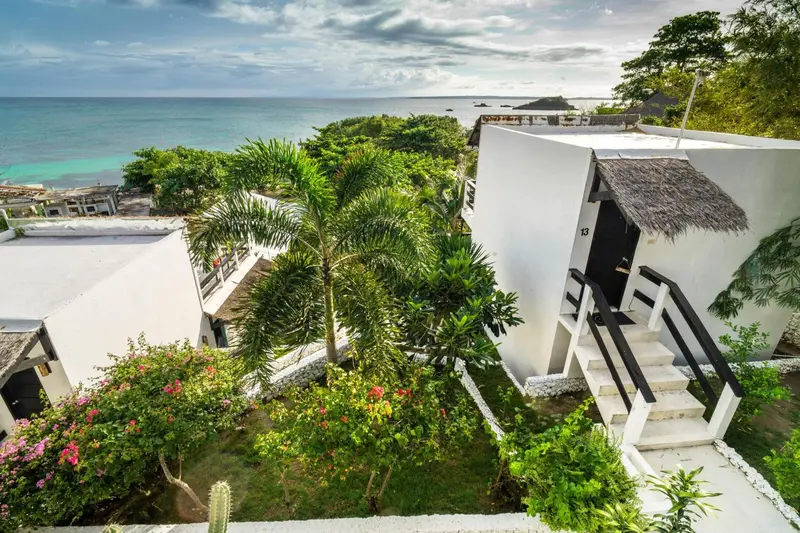
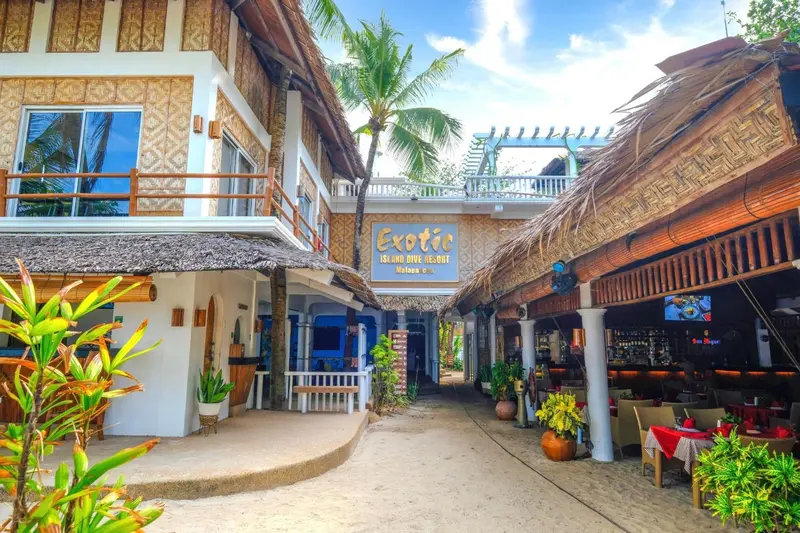
 Dive centre in the hotel
Malapascua Exotic Island Dive Resort
Google 4.4/5 (559 reviews)
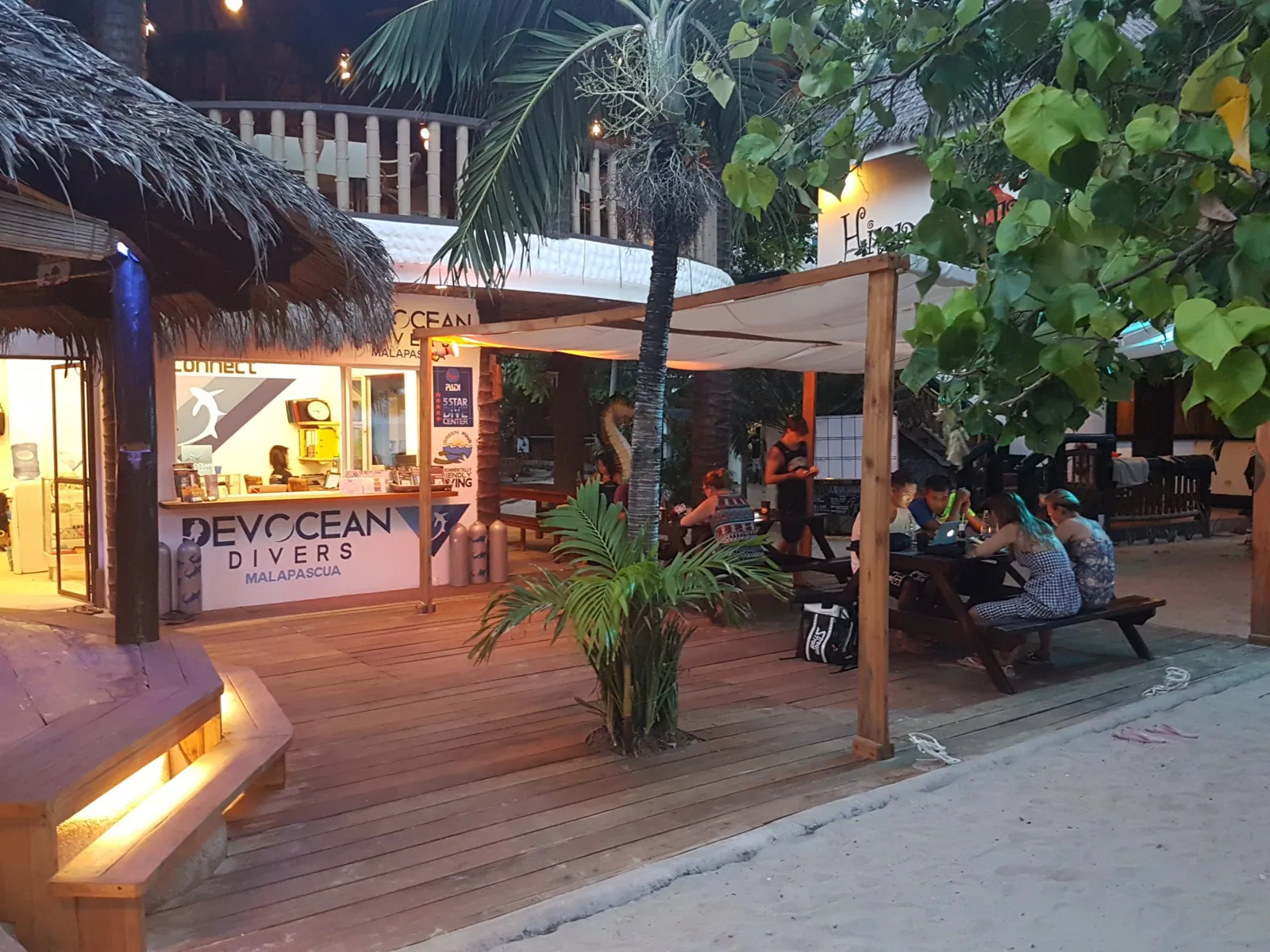
The dive centre
Devocean Divers Malapascua
PADI
Google 4.8/5 (650 reviews)
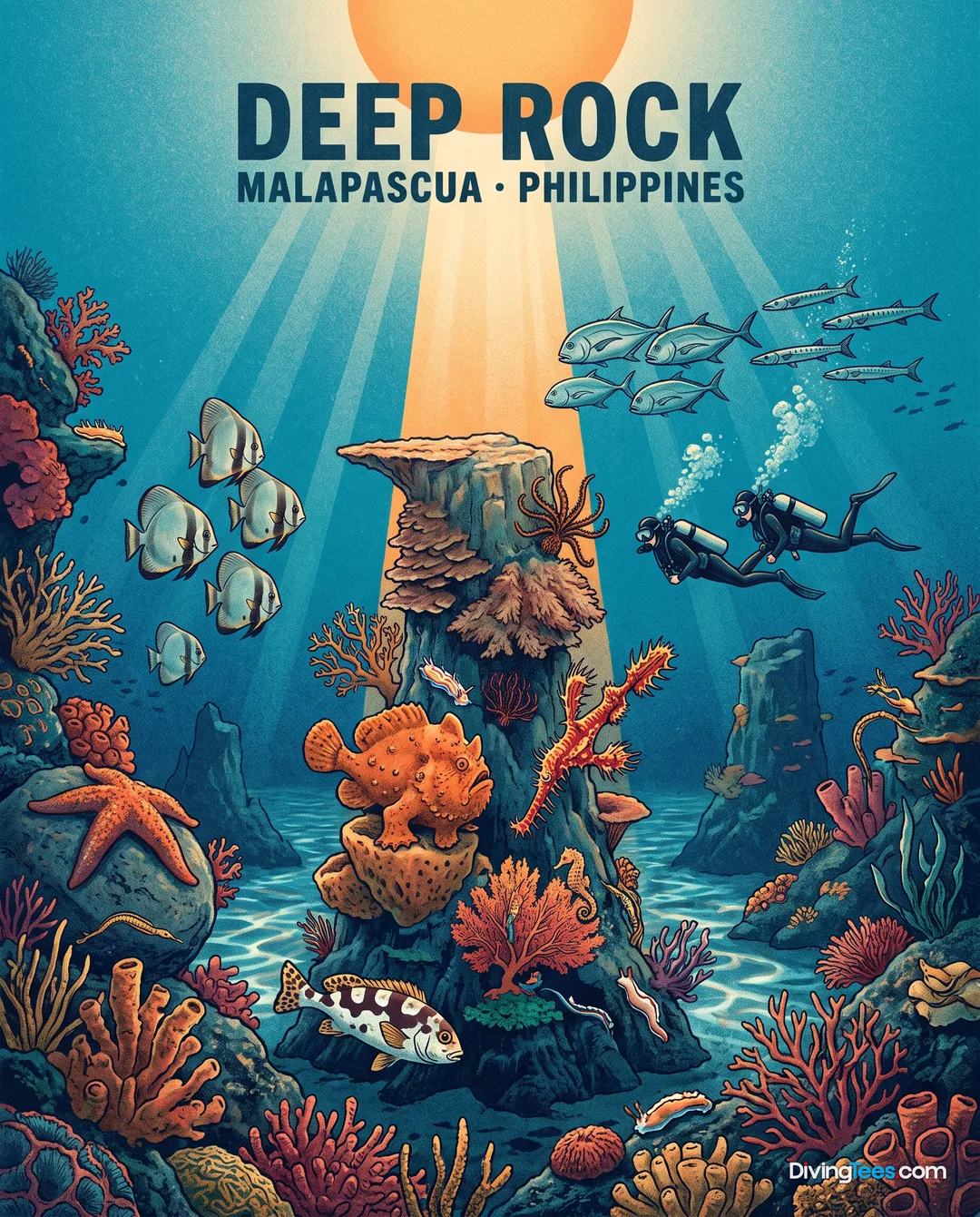
Dives: Deep Rock, Lighthouse, Ka Osting
Philippines · Asia
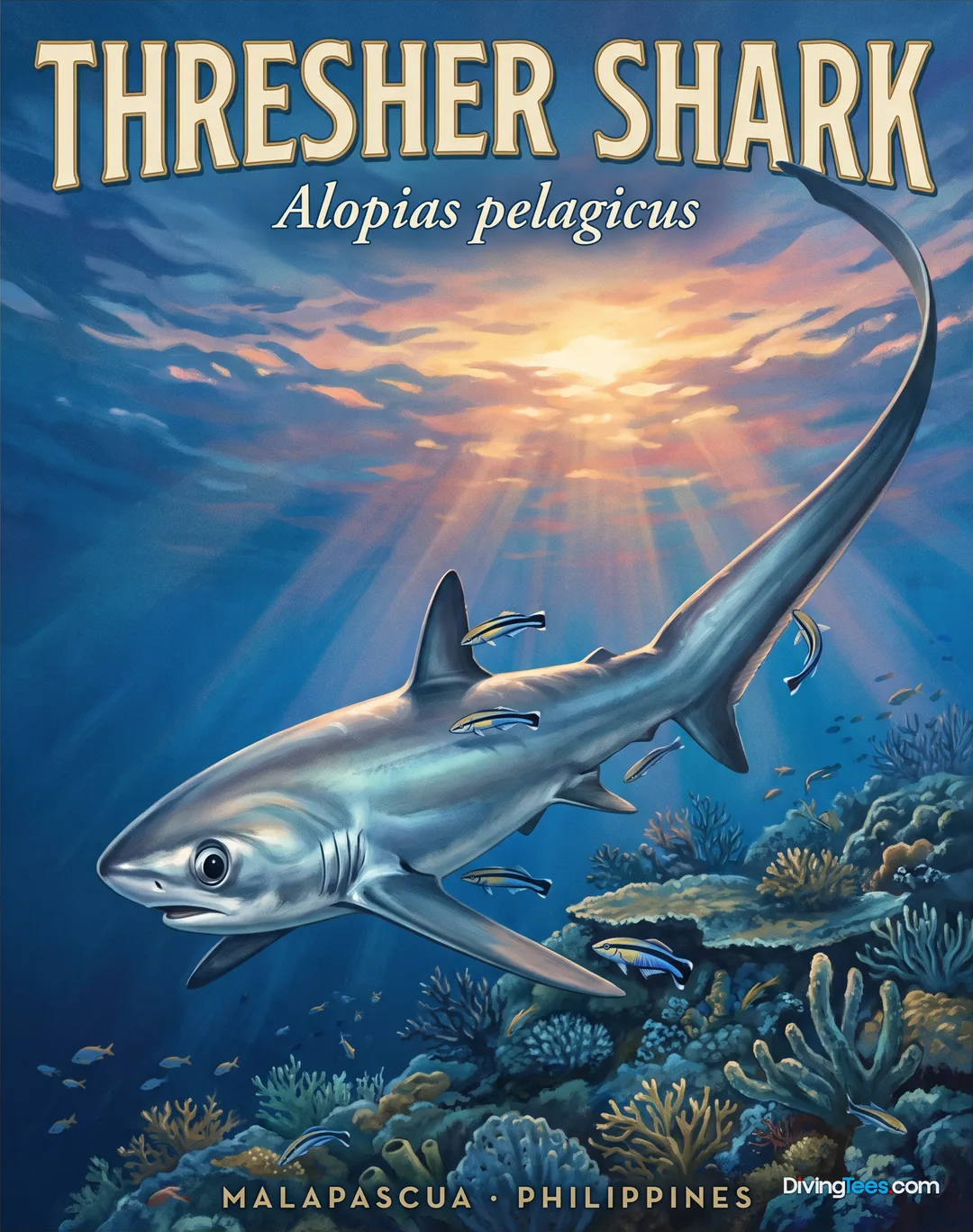
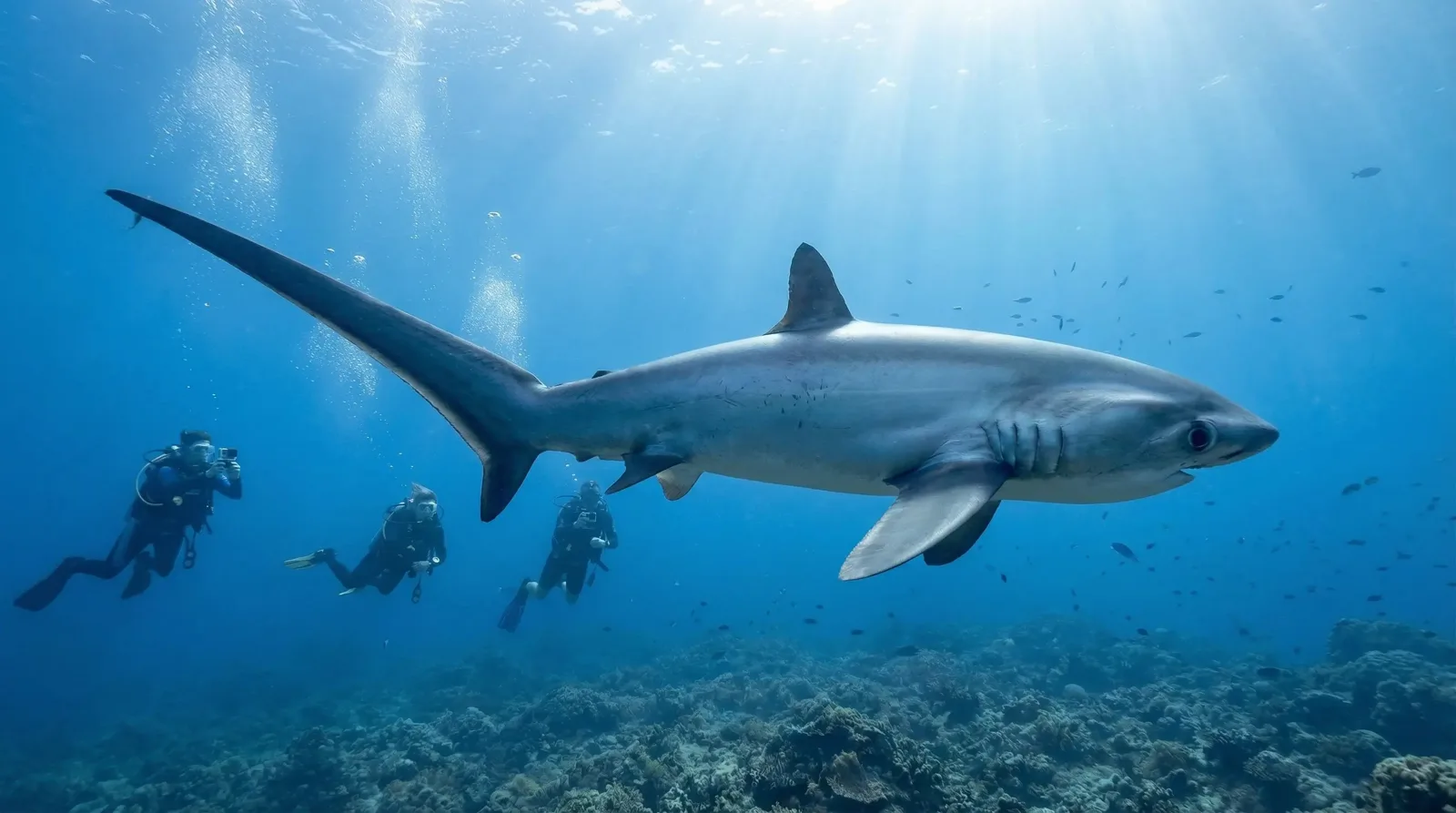
Thresher sharks at dawn, a 200-metre seamount, sandy macro slopes and mandarin fish after sunset define Malapascua's particular rhythm.
For subtitles in English: start the video firstthen click the gearat the top right of the video, select “Subtitles/CC”, then “Auto-translate” and choose “English”.
Monad Shoal gives Malapascua its identity: divers leave before sunrise to watch thresher sharks visit cleaning areas above a seamount that drops far beyond recreational depth. The island is not simply a shark stop, however. Chocolate Island brings gentle macro diving, Lighthouse offers shallow mandarin fish encounters at dusk, and nearby reefs, pinnacles and Gato Island Marine Reserve add worthwhile days between the early starts. It is a stay-based Philippine island destination, with boats rather than a liveaboard shaping the routine.
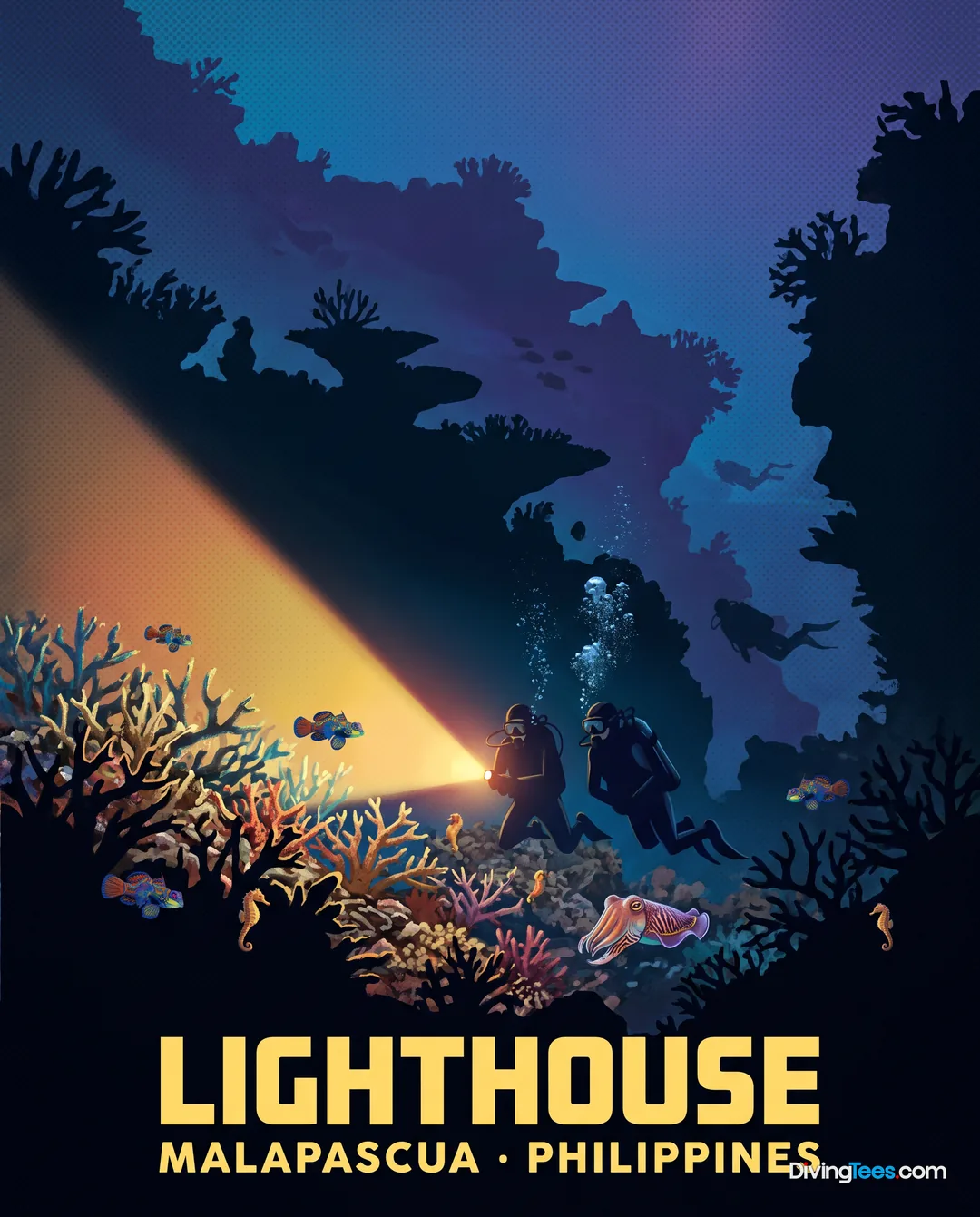
Malapascua mixes open-water boat dives with sheltered local reefs, sandy slopes, walls and pinnacles. Monad Shoal is the signature profile: a deep seamount, with the shark viewing conducted at recreational depths while the bottom falls away to around 200 metres. Kimud Shoal reaches roughly 22 metres, while Deep Rock rises to 14 metres before dropping towards 30 metres. Chocolate Island is gentler, from about 3 to 20 metres, and Lighthouse stays mostly between 5 and 12 metres. Current is variable rather than constant. It can be light on local sites, but tide changes may strengthen it at Chocolate Island and Pantaw-Pantaw, while the exposed shoals can run harder. Visibility is generally good enough for both pelagic observation and macro searching, though the most crowded departures are concentrated around the dawn shark dives.
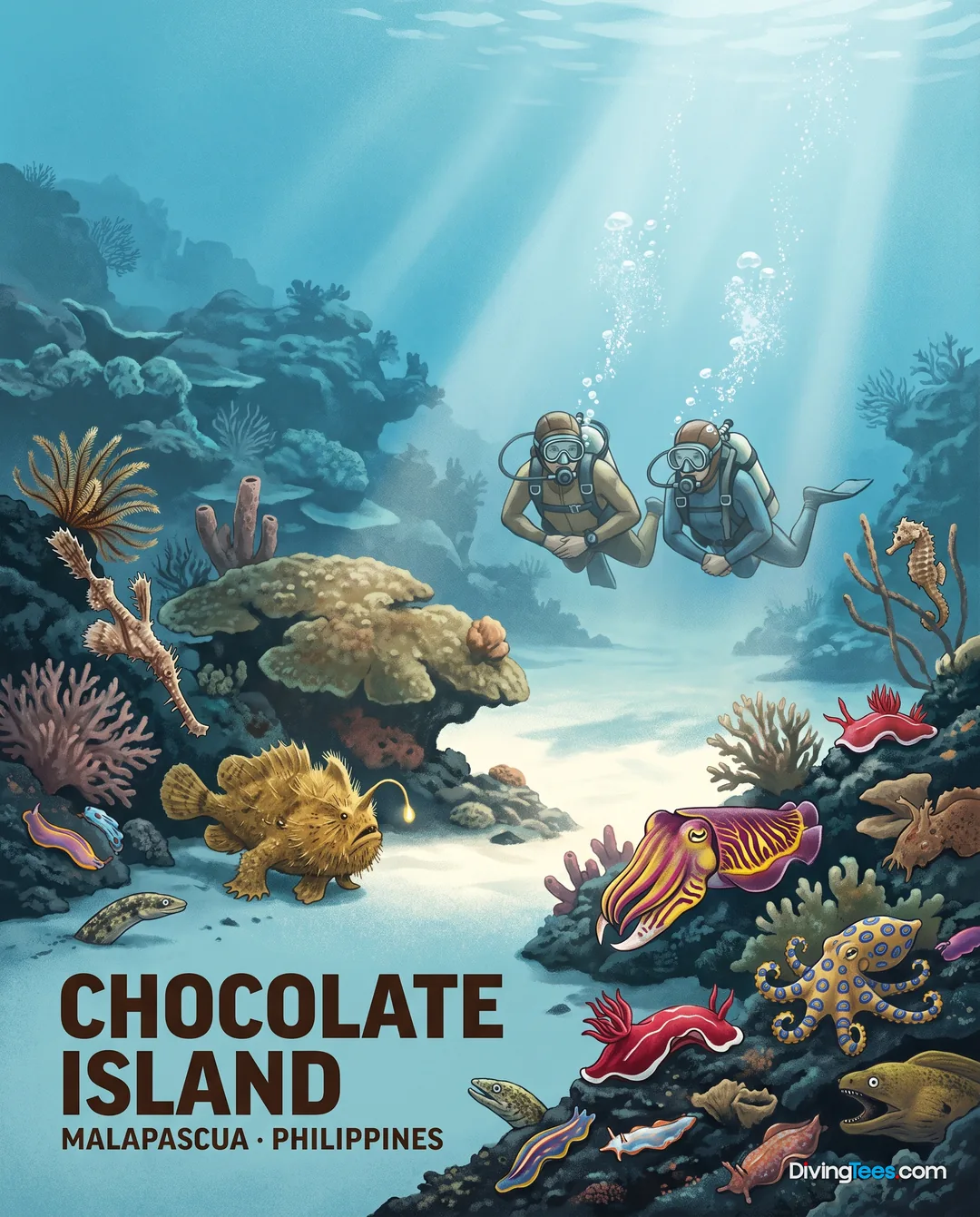
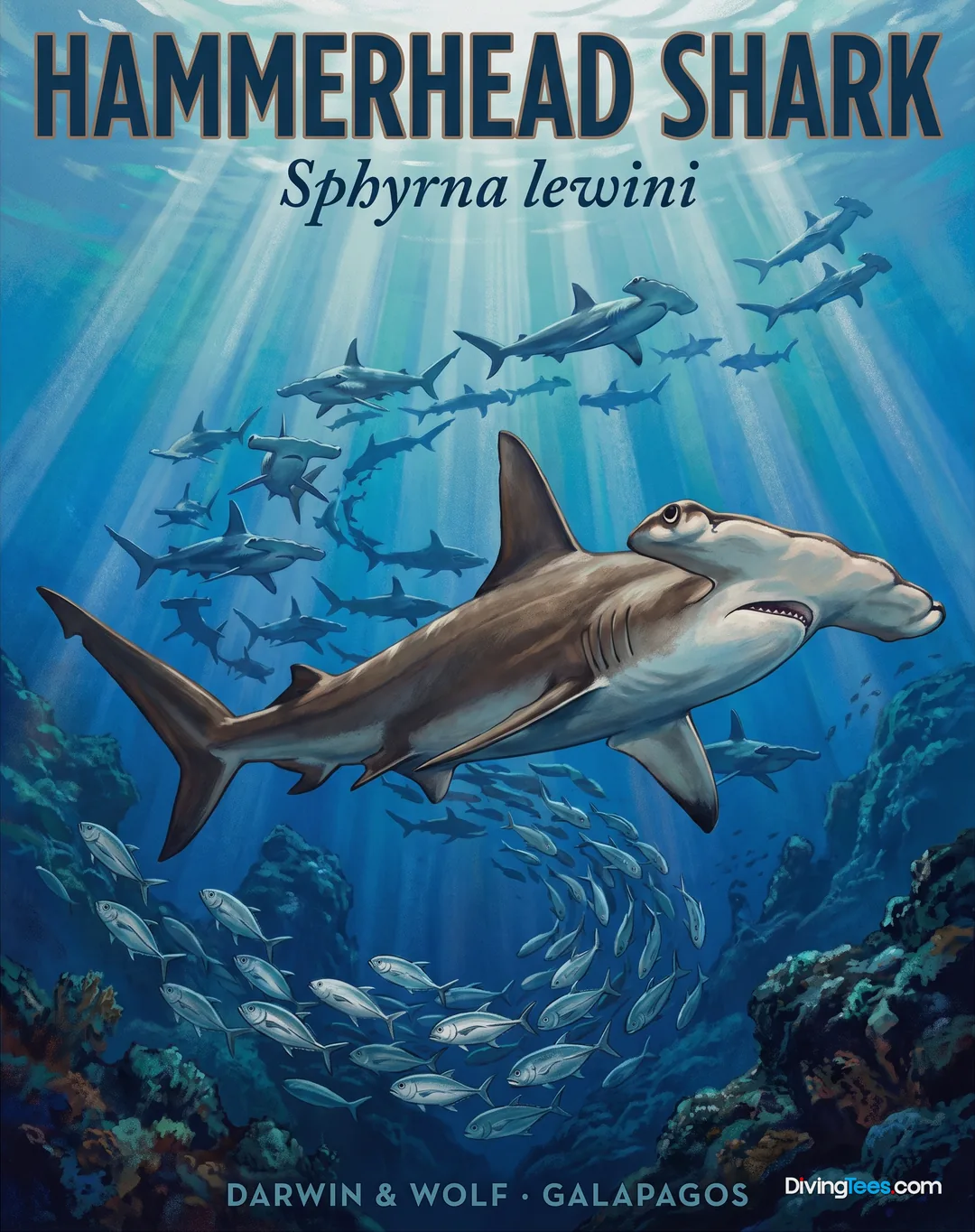
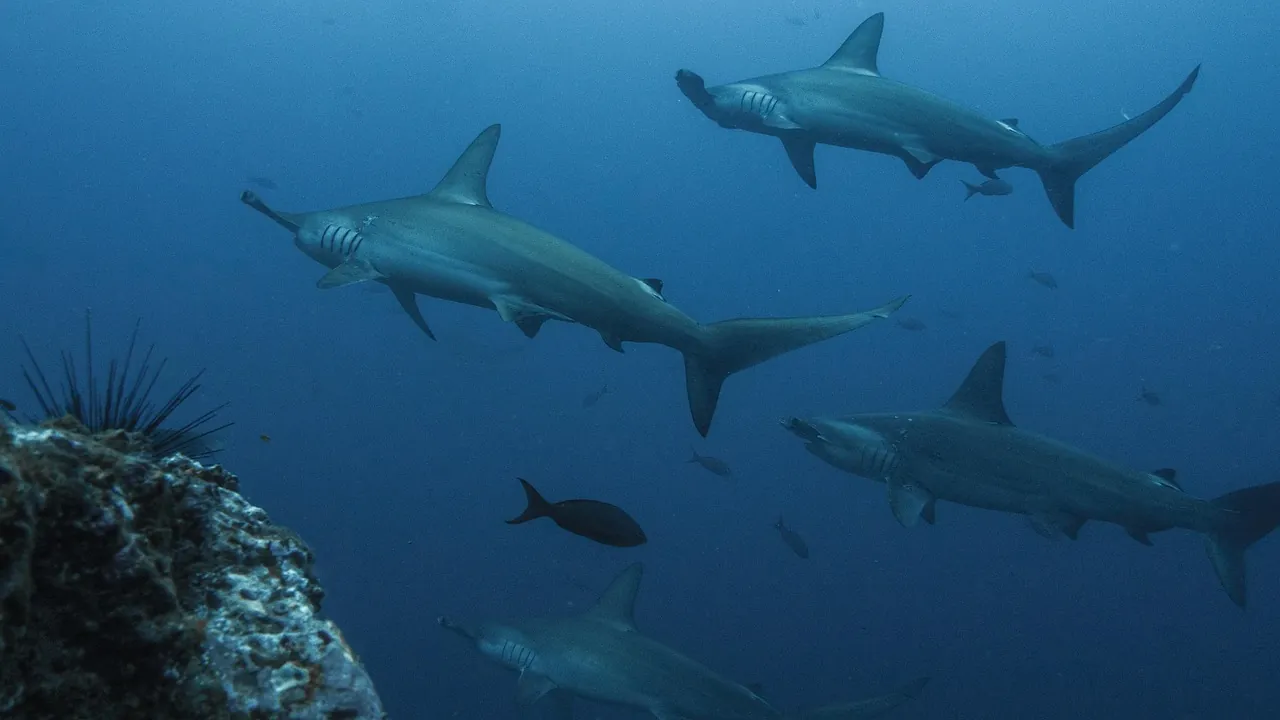
Thresher sharks are the dependable headline, visiting Monad Shoal's cleaning areas throughout the year and appearing regularly on early-morning dives. Kimud Shoal offers another chance of seeing them, with an occasional hammerhead shark adding uncertainty rather than a guarantee. The smaller subjects are equally useful for divers who enjoy slow looking: Chocolate Island's sand and slopes hold nudibranchs, flatworms and ornate ghost pipefish, while frogfish, seahorses, shrimp, crab and flamboyant cuttlefish occur around the local macro sites. Lighthouse is the place for mandarin fish, particularly around the full moon and on sunset or night dives. Frogfish are encountered year-round, as are blue-ringed octopuses, Spanish dancers, moray eels and cuttlefish when the search is patient.
The measured pattern puts the calmest sea from April to October, which matters in Malapascua because the main experience depends on repeated boat departures to exposed sites. Rainfall is generally lowest from February to May, making the shoulder period useful for combining easier transfers with comfortable island days. Thresher sharks are a year-round reason to come, so the calendar is not dictated by a short animal migration. April to October is the more practical window when sea conditions matter most; outside it, the destination can still work, but boat schedules and exposed dives deserve more flexibility. The famous dawn departures are busiest whenever day boats and training groups converge.
Malapascua works for Open Water divers as a whole, especially on Lighthouse, Chocolate Island and the shallower parts of Kimud Shoal. Advanced certification is useful for Deep Rock, Pantaw-Pantaw and deeper or current-affected profiles, where depth and changing water movement demand more control. BSAC, PADI and SSI divers should find the same broad division between entry-level local diving and more committing offshore work. Nitrox earns its place on a trip built around several consecutive boat dives and early starts, particularly when deeper sites are added.
From London Heathrow, London Gatwick or Manchester, the journey runs through Cebu before continuing by road towards the northern port area. Malapascua has no airport, so the final sea crossing is unavoidable. The complete journey commonly takes about 18 to 24 hours, depending on international and domestic connections, the road transfer and the boat schedule. That last link is not a minor detail: sea conditions and departure times can affect the whole arrival day. Once on the island, accommodation is generally close enough to reach dive centres on foot, while a short local transfer by motorbike tricycle covers the longer gaps. For a flight after the holiday, leaving Malapascua the previous day avoids turning a ferry delay or a missed road connection into an airport problem.
Reserve the earliest departures for Monad Shoal rather than assuming a later boat will deliver the same experience; the thresher-shark routine is built around dawn. Do not treat the island as a shore-diving base: most meaningful diving starts from a boat, and the daily timetable should shape the stay. Balance the headline dives with Chocolate Island, Lighthouse, Deep Rock or macro sites around Pantaw-Pantaw, otherwise crowding at the shark site can dominate the impression of the destination. Nitrox is particularly worthwhile when several early mornings are followed by later reef or macro dives. Allow extra time on the return journey and, if an onward flight matters, spend the final night on the mainland. At Gato Island Marine Reserve, follow the no-take rules, use moorings where provided, and do not touch the reef or marine life. Bring exposure protection suited to repeated boat entries and long surface intervals.
Five to seven days suits Malapascua's rhythm. The first mornings can be devoted to Monad Shoal or Kimud Shoal, with later dives kept for reefs and macro subjects. A stay should include at least one slower day for Lighthouse, Chocolate Island, Gato Island Marine Reserve or a wreck and reef combination, rather than repeating only the signature shark departure. Non-divers have beaches, short island walks, village life and simple snorkelling, but the timetable remains principally a diving one.
Hello, I'm Marina, DivingDeal.com's AI assistant. I guide you through destinations, areas and countries.
Thinking about the whole trip and the flights? Talk it over with Edith →
Marina is an AI. Some links are affiliate links: DivingDeal may earn a commission, at no extra cost to you. Bookings are made with the partner.
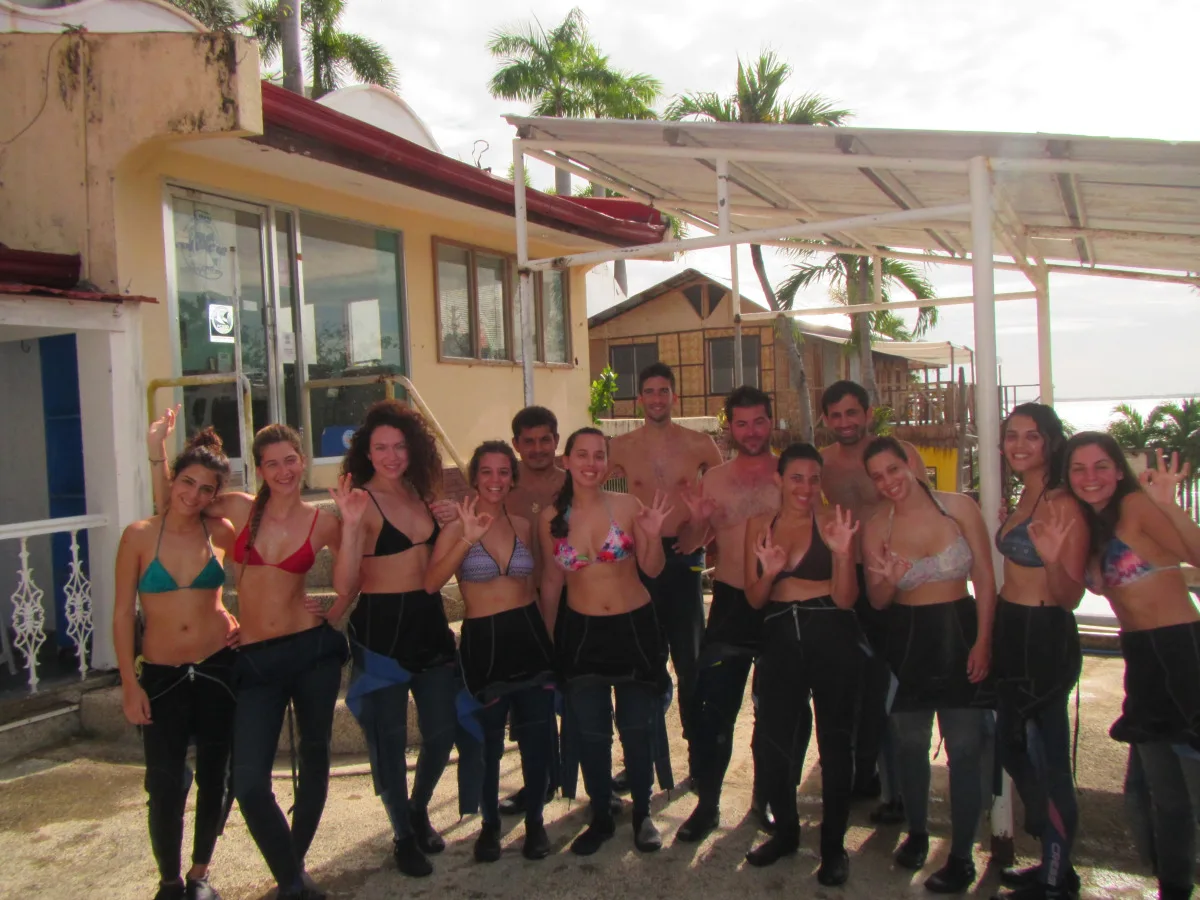
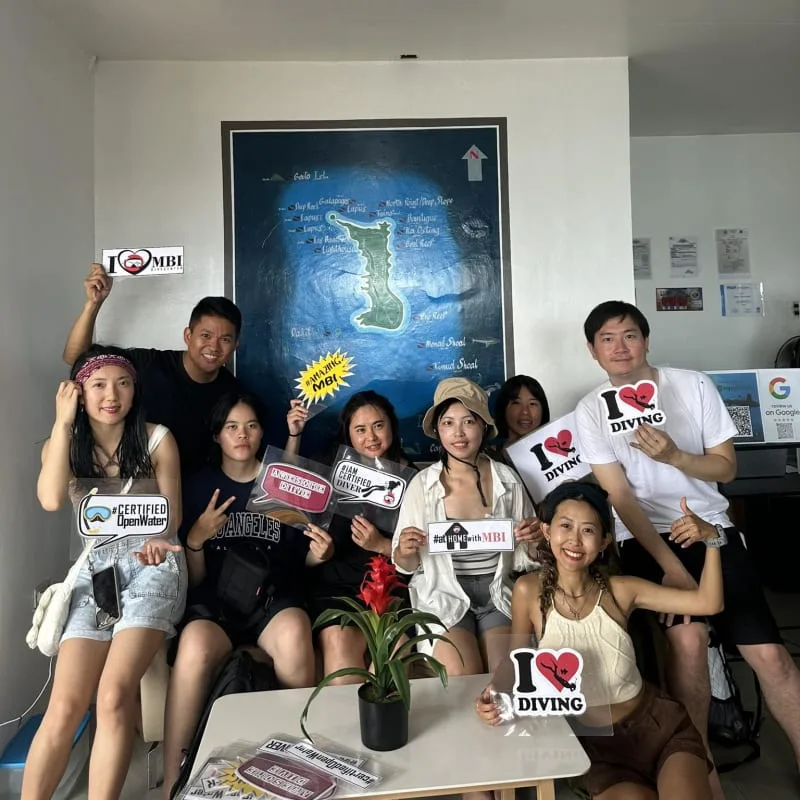
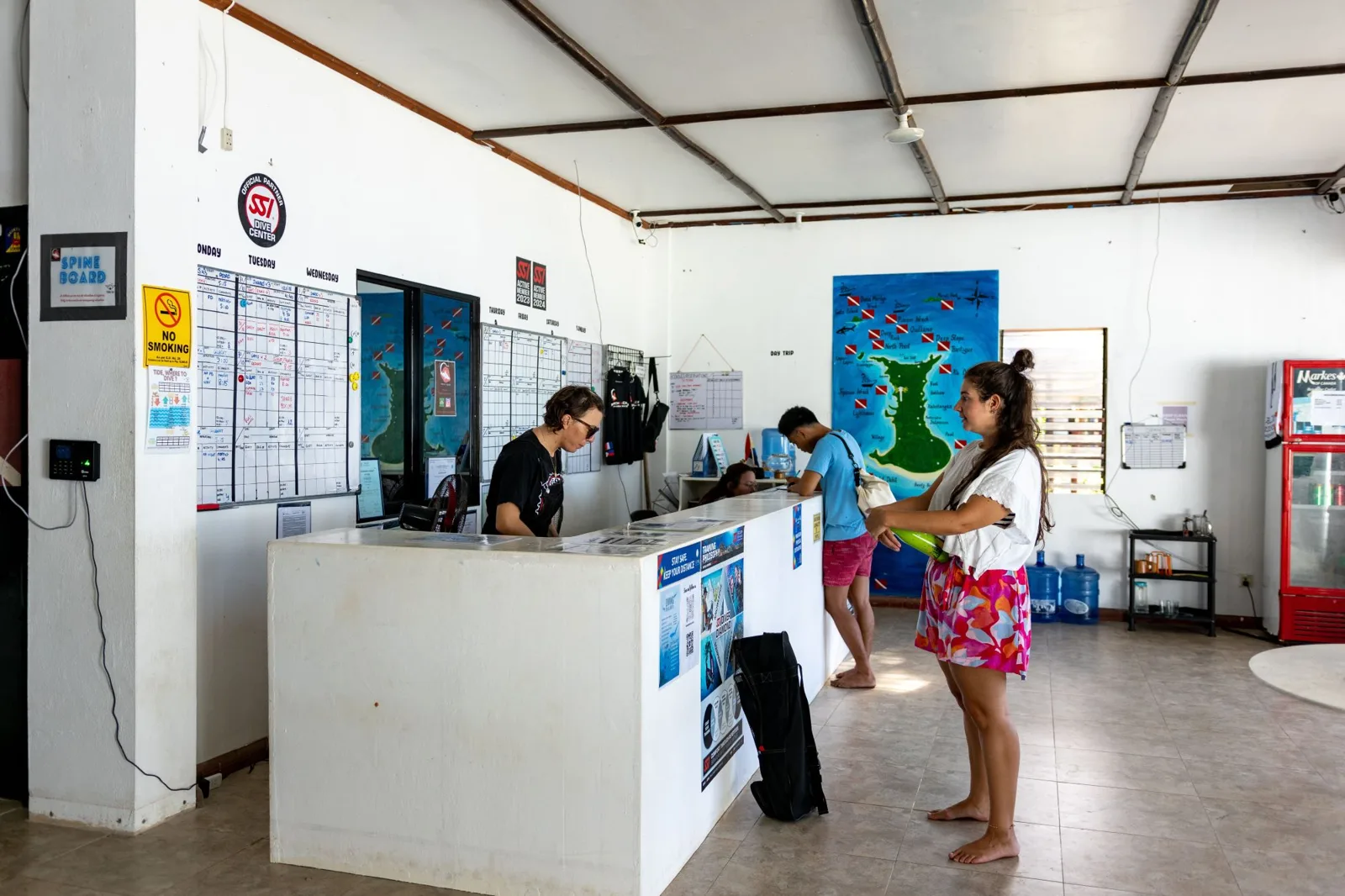
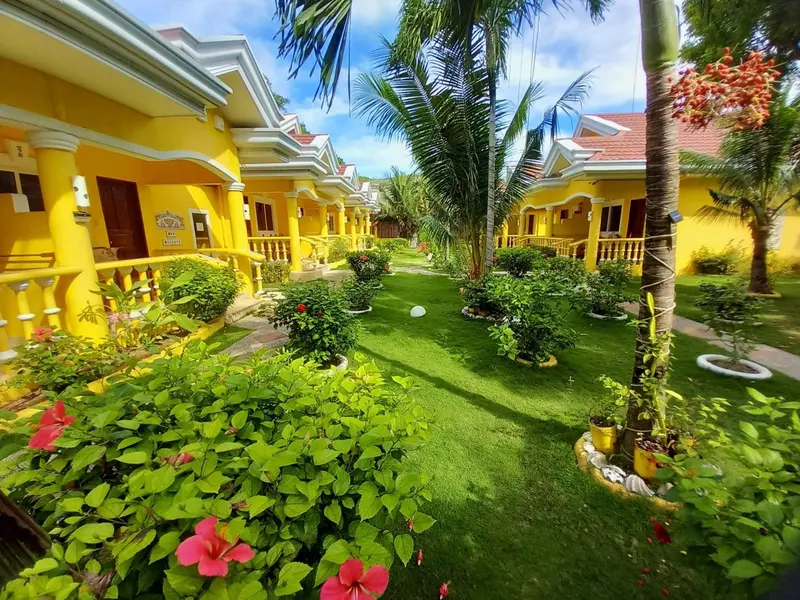
In each one, the dive centre is inside the hotel: step out of your room and go diving.
Dive centre in the hotelGoogle 4.4/5 (559 reviews)
The dive centre
Devocean Divers Malapascua
PADI
Google 4.8/5 (650 reviews)
Dives: Deep Rock, Lighthouse, Ka Osting
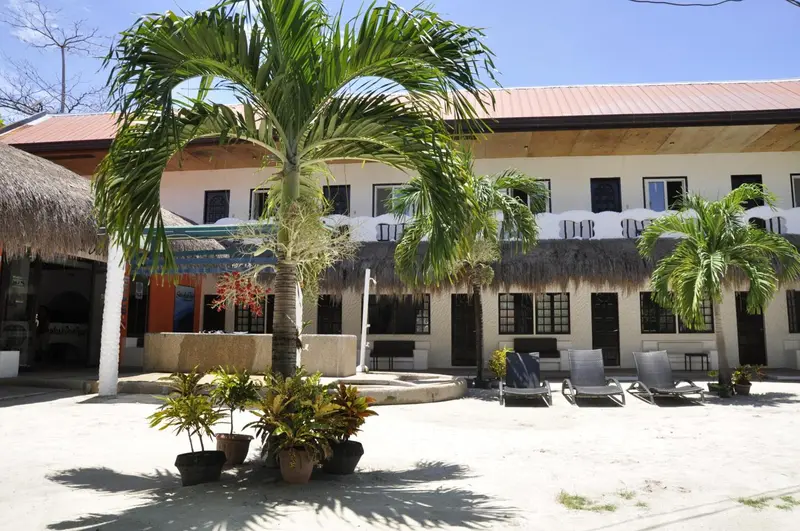 Dive centre in the hotel
★★★
Google 4.4/5 (394 reviews)
The dive centre
Little Mermaid Dive Resort
SSI
Google 4.4/5 (394 reviews)
Dives: Monad Shoal, Kimud Shoal, Nunez Shoal
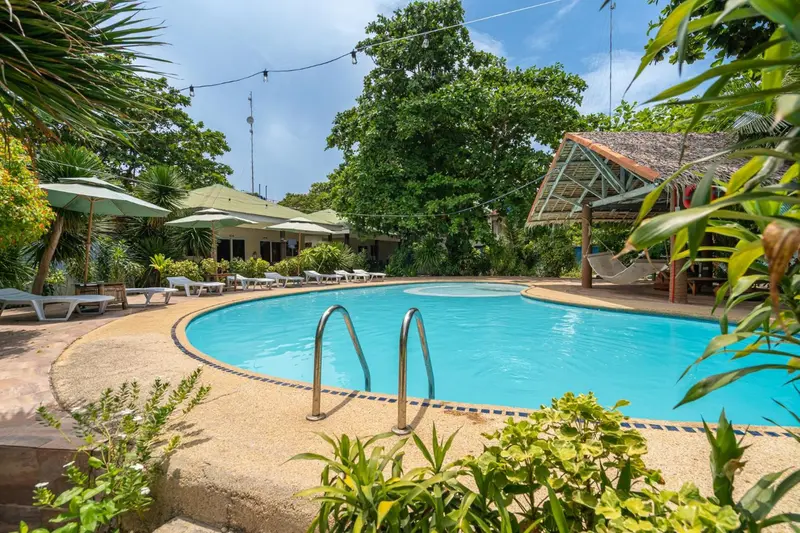 Dive centre in the hotel
Google 4.3/5 (474 reviews)
The dive centre
The Shark's Tail Dive Resort
PADI
Google 4.4/5 (558 reviews)
Dives: Kimud Shoal, Monad Shoal, Gato Island
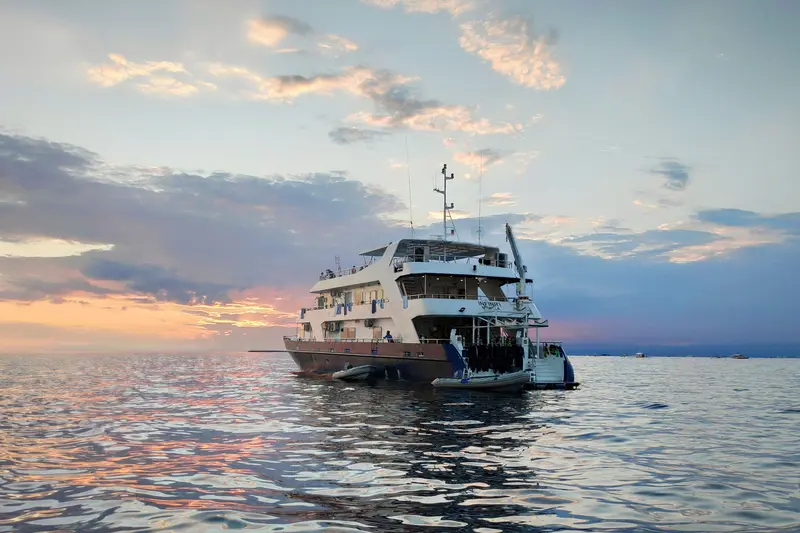
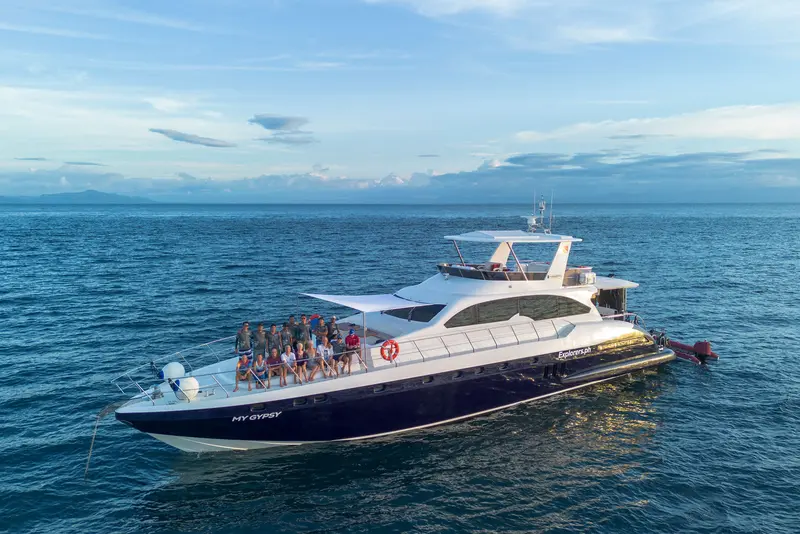
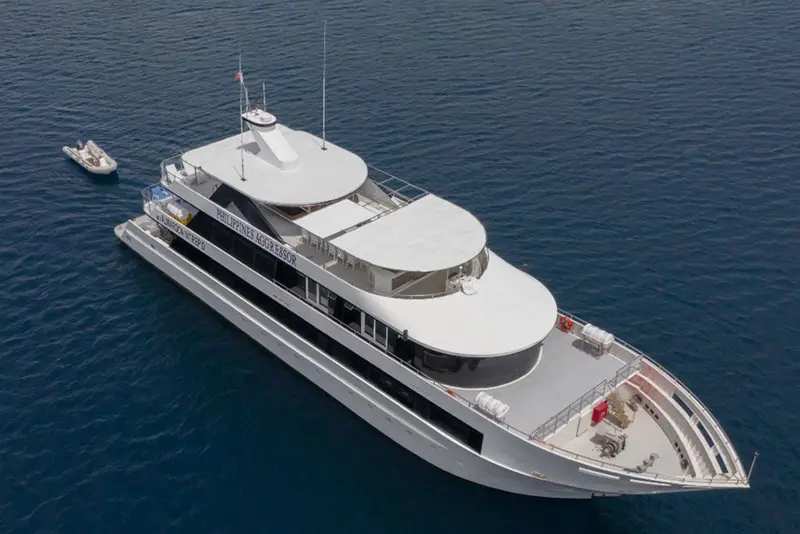
7 liveaboards run trips to Malapascua.
Malapascua's sea conditions are generally calmer from April through October, while rainfall is generally lowest from February through May. Thresher sharks visit Monad Shoal throughout the year, so the calendar is not tied to migration. Outside the calmer period, allow more flexibility for exposed dives and boat schedules.
Malapascua works for Open Water divers, especially at Lighthouse, Chocolate Island and the shallower parts of Kimud Shoal. Advanced certification is useful for Deep Rock, Pantaw-Pantaw and deeper or current-affected profiles. Current varies, and exposed shoals can run harder, so you should choose sites according to your experience and control.
Malapascua is known for thresher sharks at Monad Shoal and Kimud Shoal, with occasional hammerheads. Chocolate Island offers nudibranchs, flatworms and ghost pipefish, while local macro sites can reveal frogfish, seahorses, shrimp, crabs and flamboyant cuttlefish. Lighthouse is suited to mandarin fish at sunset or during night dives.
Plan a stay-based trip around early boat departures to Monad Shoal, then balance shark dives with Chocolate Island, Lighthouse, Deep Rock, Pantaw-Pantaw or Gato Island Marine Reserve. Allow extra time for the road and sea journey through Cebu, and consider spending your final night on the mainland before an onward flight.