
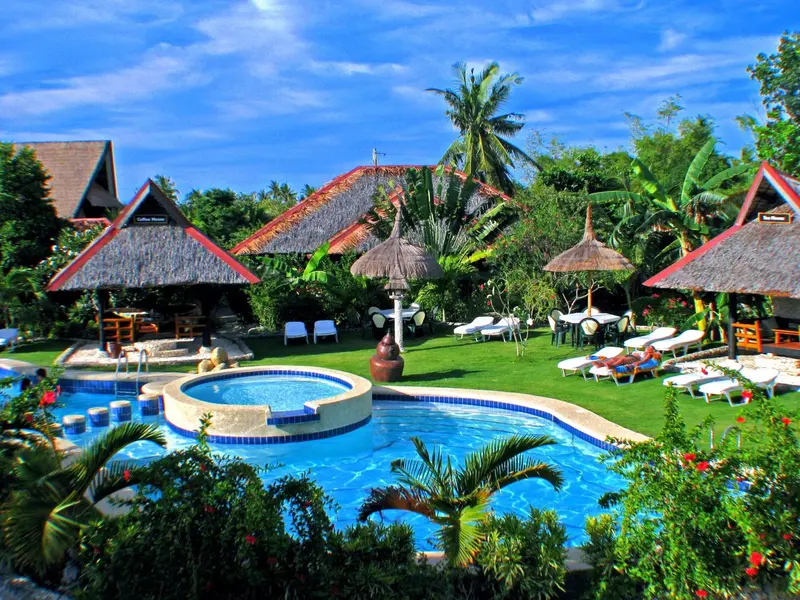
Dolphin House Resort Moalboal
★★★★★
Google 4.1/5 (278 reviews)
Philippines · Asia
Cebu links Moalboal’s sardine run, Pescador Island’s deep walls, Malapascua’s thresher sharks and southern reefs reached by road and ferry.
For subtitles in English: start the video firstthen click the gearat the top right of the video, select “Subtitles/CC”, then “Auto-translate” and choose “English”.
Cebu is not one dive town but a chain of practical bases joined by roads, boats and ferries. Moalboal gives easy access to Panagsama Beach, where a wall and the sardine run make even a shore dive memorable. Pescador Island adds deeper walls and an underwater cathedral, while northern Malapascua is associated with thresher sharks. The result suits divers who want to combine reef scenery, macro life and seasonal pelagics without committing to a liveaboard.
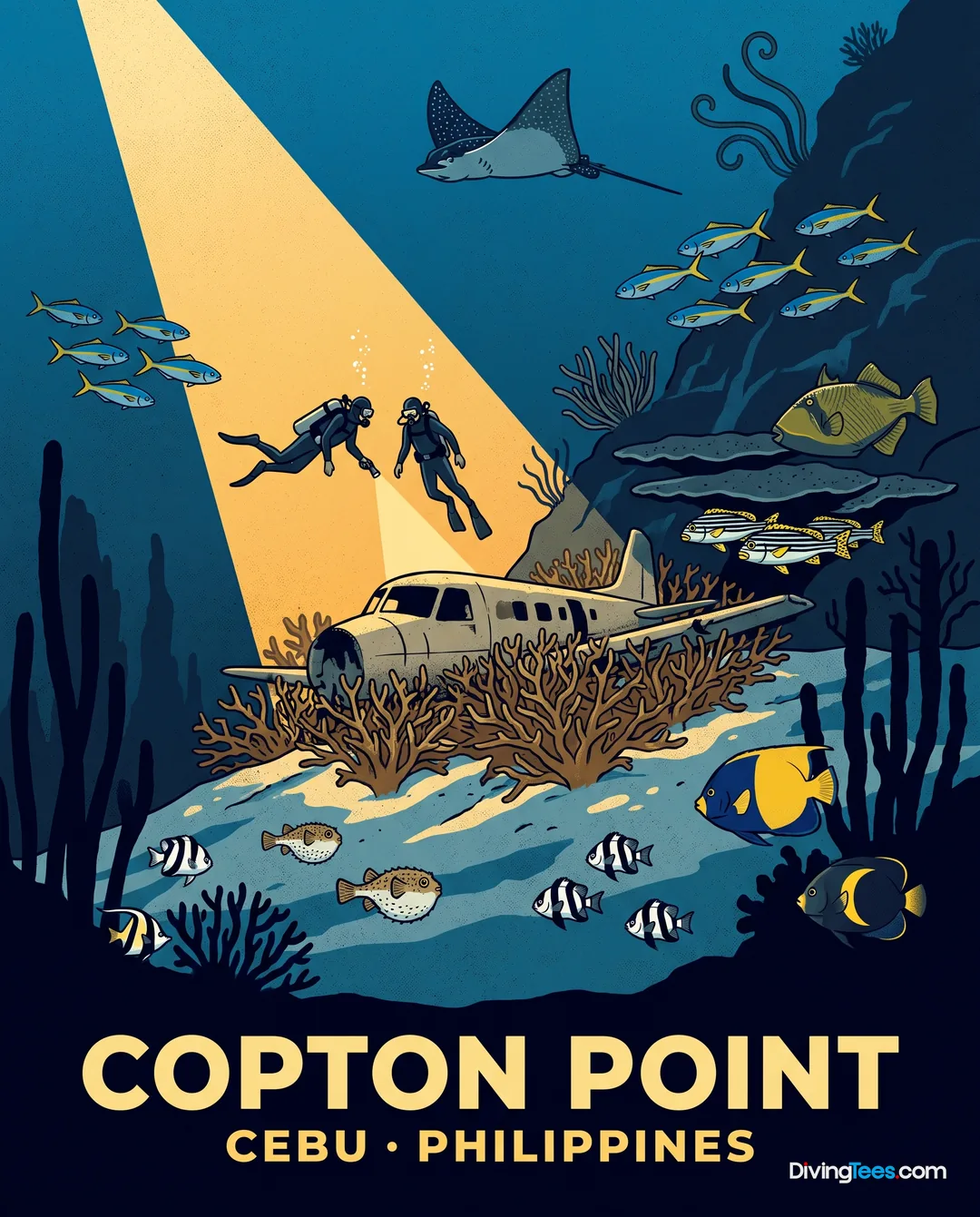
The diving changes with the base. Moalboal is built around shore entries, shallow coral slopes and walls: Panagsama Beach drops towards thirty metres, while Pescador Island runs from sheltered shallows to walls reaching forty metres. Tongo Point offers a comparatively straightforward wall to twenty-nine metres, and Copton Point combines an aircraft wreck with rocky slopes and deeper sections down to fifty metres. Currents are generally variable rather than consistently strong. Some sites are relaxed, but local tides and winds can alter conditions; Tuble Reef, in particular, has a potentially hazardous incoming current near its small cave, while its shallow top demands care at low tide. Visibility is generally good, although heavy rain can reduce it. Expect a mixture of shore dives, local boat trips and transfers between separate island bases.
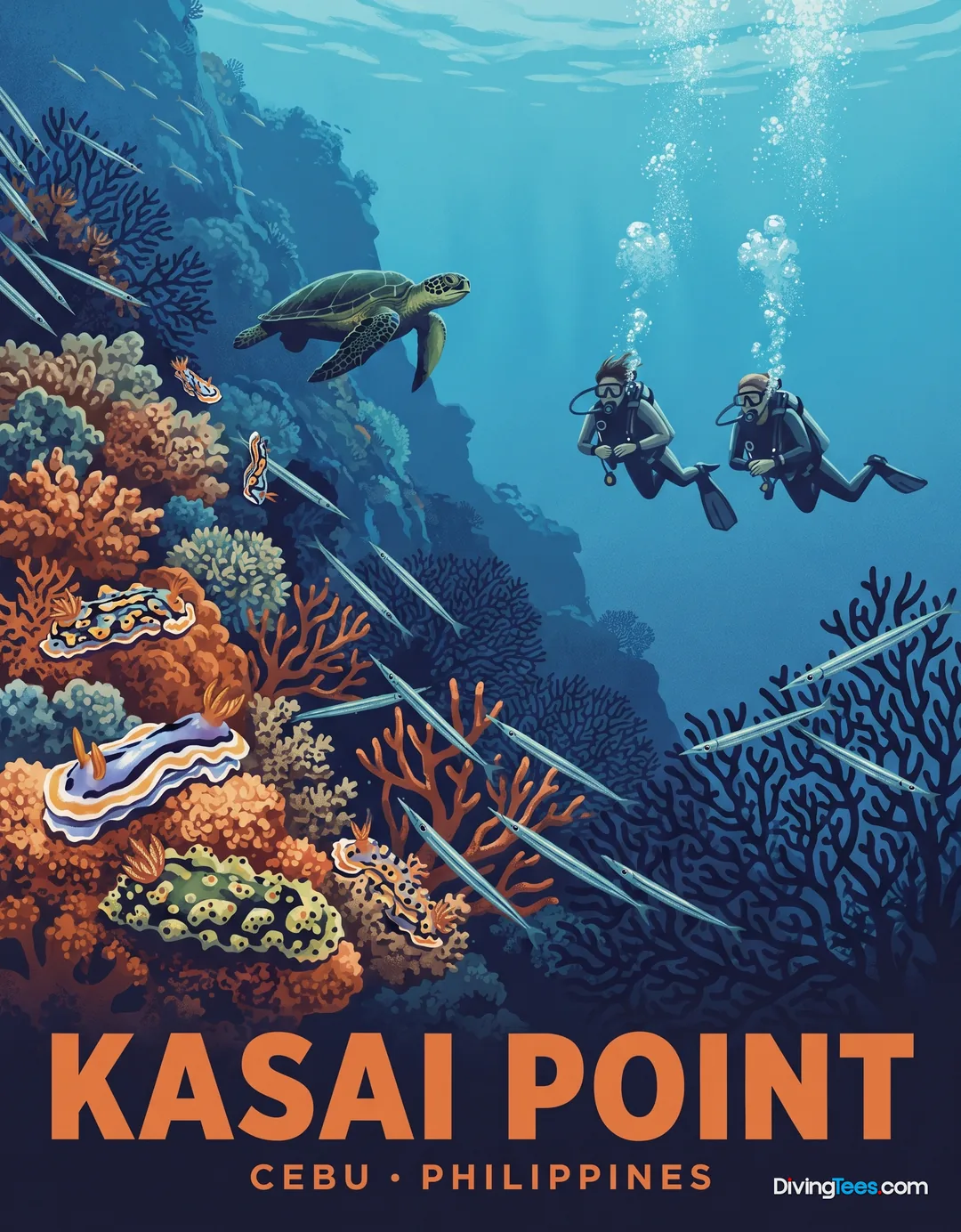
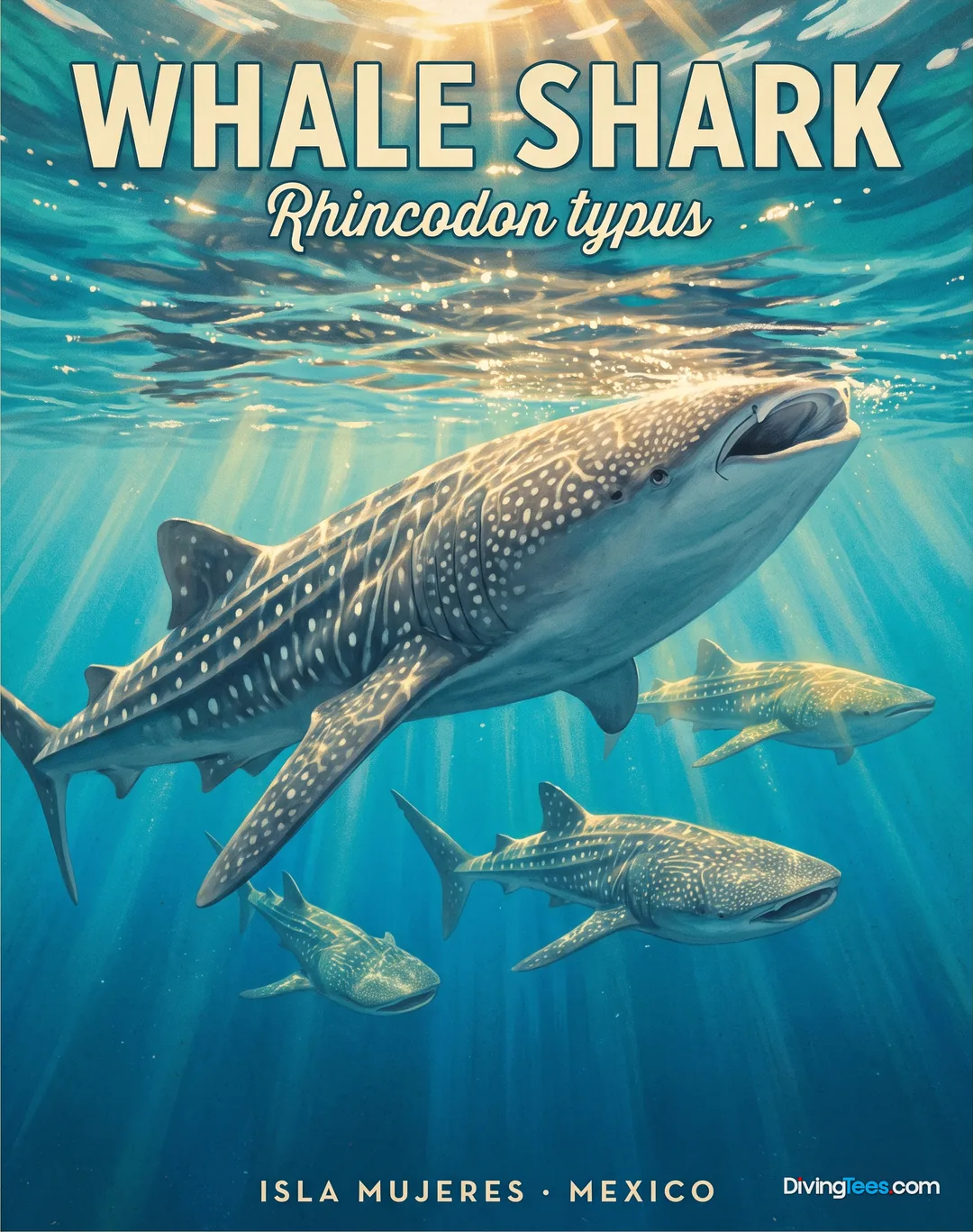
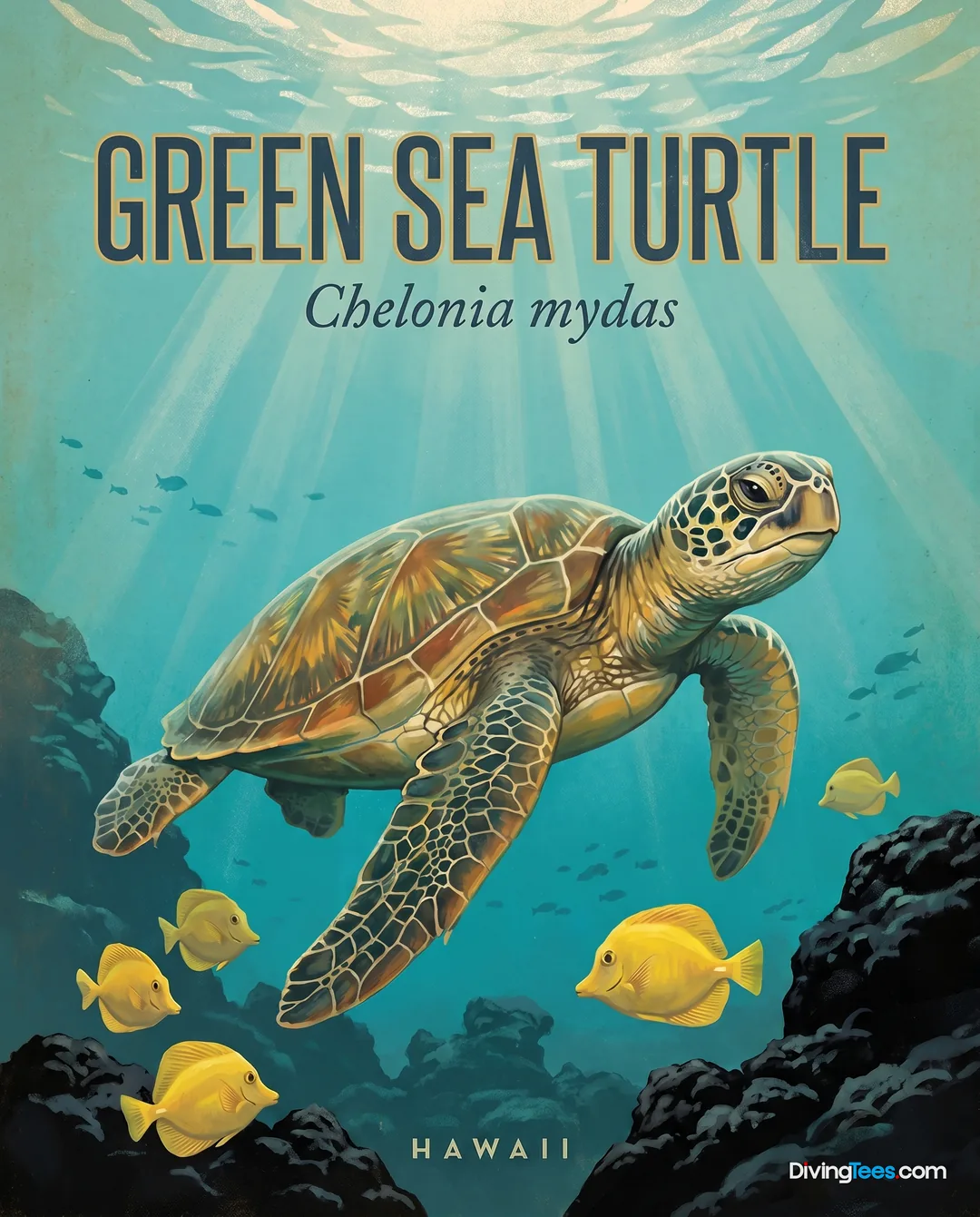
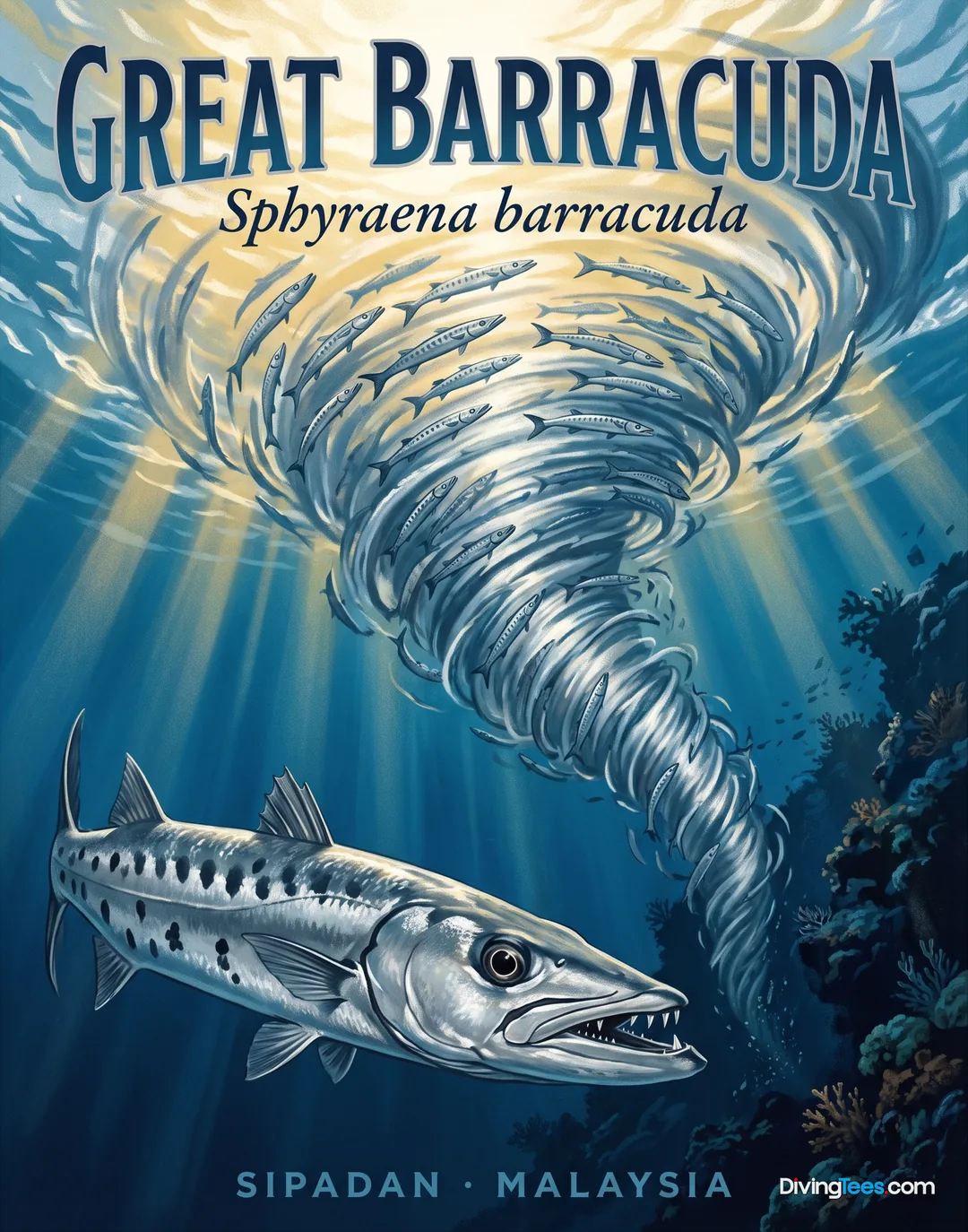
Moalboal’s sardines are the dependable headline: the shoal at Panagsama Beach is present year-round, with divers watching it compress, open and wheel above the wall. Green sea turtles are regular around Dolphin House, Dolphin House Reef and Kasai Point, where they may be found over coral slopes or resting beside the wall. Macro divers can search the shallows for mandarinfish, frogfish, scorpionfish, leaf scorpionfish, filefish, nudibranchs and harlequin ghost pipefish. Razorfish, fusiliers, batfish and juvenile barracudas add movement to the reef scenes, while mackerels and great barracuda bring a larger scale. Thresher sharks are a regular seasonal feature from the Malapascua base; whale sharks are seasonal or occasional on southern Cebu excursions such as Oslob.
The measured window for calmer seas runs from April to October, making those months the sensible choice when the itinerary includes boat trips and island transfers. Rainfall is lowest from March to May, which can also help preserve visibility after fewer heavy downpours. The period is not a guarantee of identical conditions across the province: Cebu’s bases face different local weather and current patterns. Sardines at Moalboal are a year-round reason to travel, while thresher sharks remain tied to the northern island base and seasonal conditions. Holiday periods tend to bring more short-stay dive traffic, so ferry connections and accommodation are best treated as part of the planning rather than left to chance.
Cebu can work for all levels, provided the base and site are matched to experience. Dolphin House Reef, with its shallow six-to-twelve-metre profile and weak currents, is suitable for relaxed diving, while the shallower sections of White Beach, Kasai Point and Talisay Wall offer room to build confidence. Advanced Open Water, or the BSAC equivalent experience, is useful for deeper walls, stronger local conditions and Copton Point, which reaches fifty metres. Nitrox is helpful where a day includes repeated reef and wall dives, but it does not replace sensible depth and current planning.
From London Heathrow, London Gatwick or Manchester, the journey begins with an international flight to Cebu. The practical complication is that Cebu’s recognised dive bases are not all on the airport island. Mainland areas require a road transfer, while island bases such as Moalboal or Malapascua involve a road journey followed by a ferry connection. Ferry schedules and road traffic make tightly linked arrival, departure and dive days a poor combination, so the itinerary needs some flexibility around transfers. Once at a main dive strip, accommodation is often walkable from the dive centre, or a short tricycle or taxi ride away; arranging a local pickup is more useful than attempting to cross town with dive equipment.
Treat Cebu as several destinations joined together. Moalboal is the logical base for Panagsama Beach, the sardine run and nearby western-Cebu reefs; Malapascua is the more appropriate choice for thresher sharks; southern excursions such as Oslob should be included only when whale-shark diving is a specific aim. Splitting the stay between two bases usually gives more diving than using one hotel for long day trips across the province. Leave arrival and departure days flexible when a ferry is involved, and do not stack a remote island transfer directly against a planned dive. Book accommodation in the same town or beach strip as the dive operation. At Tuble Reef, treat the cave between twenty-seven and thirty metres as a current-sensitive feature, and remember that low tide makes the upper reef very shallow. Do not assume that a Cebu base offers every signature species, and avoid packing mainland, Moalboal and remote-island diving into a short stay.
Seven to ten days allows a mainland-and-island combination without turning every day into a transfer. A practical plan might centre on Moalboal for shore dives, the sardines and Pescador Island, then add Malapascua for its seasonal thresher-shark programme. Another option is to keep the trip on one side of Cebu and use spare days for beaches, island-hopping or a cultural stop in Cebu City. Non-divers are easier to accommodate here than on a liveaboard, thanks to beaches, ferry-linked excursions and mainland sightseeing.
Hello, I'm Marina, DivingDeal.com's AI assistant. I guide you through destinations, areas and countries.
Thinking about the whole trip and the flights? Talk it over with Edith →
Marina is an AI. Some links are affiliate links: DivingDeal may earn a commission, at no extra cost to you. Bookings are made with the partner.
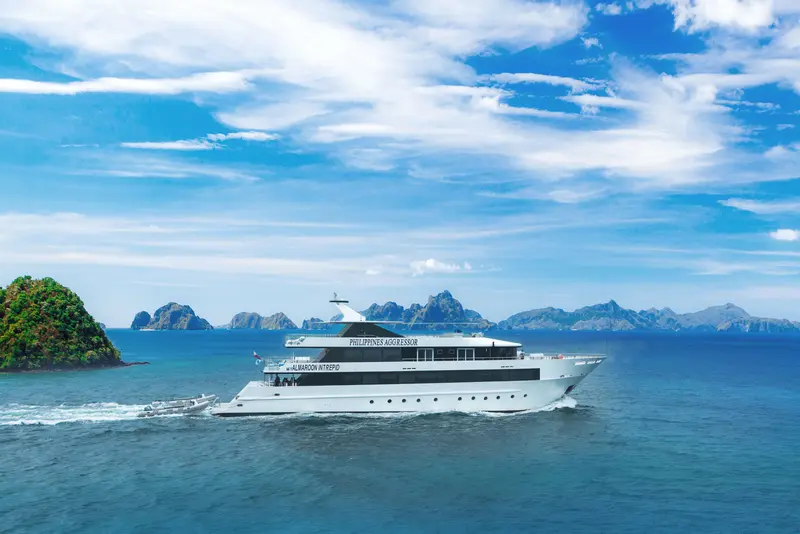
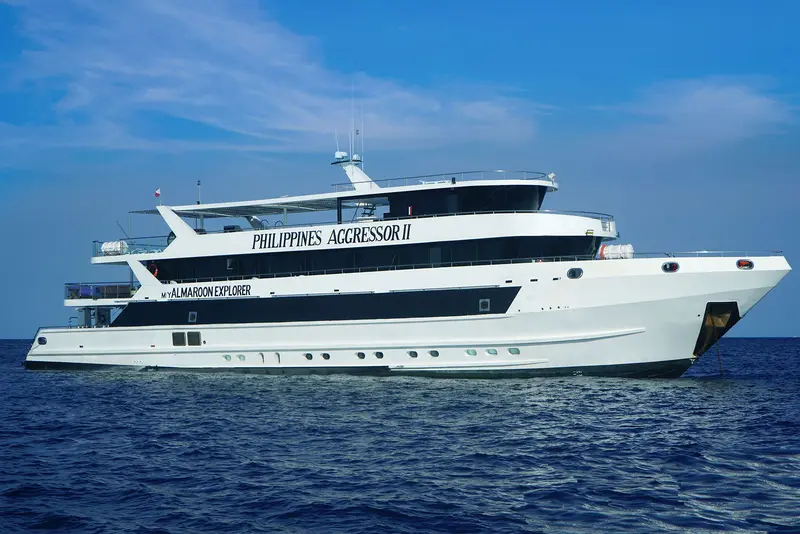
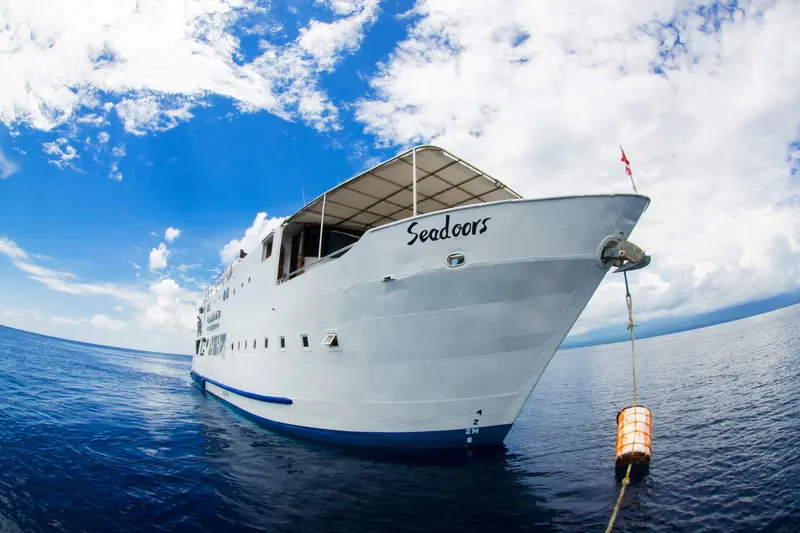
4 liveaboards depart from Cebu another way to explore the region, over several days at sea.
Your last day stays dry: no diving in the 18-24 hours before a flight, the perfect window to see the destination from another angle.
 Culture
⏱ 3 h · ★ 5.0 (59 reviews)
from £22$30€27
see on Viator ↗
 Nature
⏱ 9 h · ★ 5.0 (9 reviews)
from £98$131€117
see on Viator ↗
 Adventure
⏱ 4 h · ★ 5.0 (7 reviews)
from £76$102€91
see on Viator ↗
 Nature
⏱ 12 h · ★ 5.0 (5 reviews)
from £114$153€136
see on Viator ↗
Ratings and reviews collected by Viator and Tripadvisor.
Cebu’s calmer seas run from April to October, making these months practical for boat trips and island transfers. Rainfall is lowest from March to May, which may help visibility after fewer heavy downpours. Moalboal’s sardine run remains year-round, while thresher sharks are seasonal around Malapascua.
Cebu can suit all levels when you match your base and site carefully. Dolphin House Reef has a shallow six-to-twelve-metre profile and weak currents, while White Beach, Kasai Point and Talisay Wall offer shallower areas for confidence. Advanced Open Water or equivalent experience helps with deeper walls, stronger conditions and Copton Point. Nitrox can help repeated dives.
At Cebu, you can watch Moalboal’s year-round sardine shoal compress, open and wheel above the wall at Panagsama Beach. Green sea turtles are regular around Dolphin House, Dolphin House Reef and Kasai Point. You may also encounter mandarinfish, frogfish, nudibranchs, harlequin ghost pipefish, aircraft wrecks, deeper walls and seasonal thresher sharks around Malapascua.
Cebu works best as several bases rather than one long day-trip hub. Choose Moalboal for Panagsama Beach, sardines and Pescador Island, or Malapascua for seasonal thresher sharks. Allow flexibility around roads and ferries, and avoid placing a remote island transfer beside a planned dive. Staying near your dive operation makes equipment transport easier.