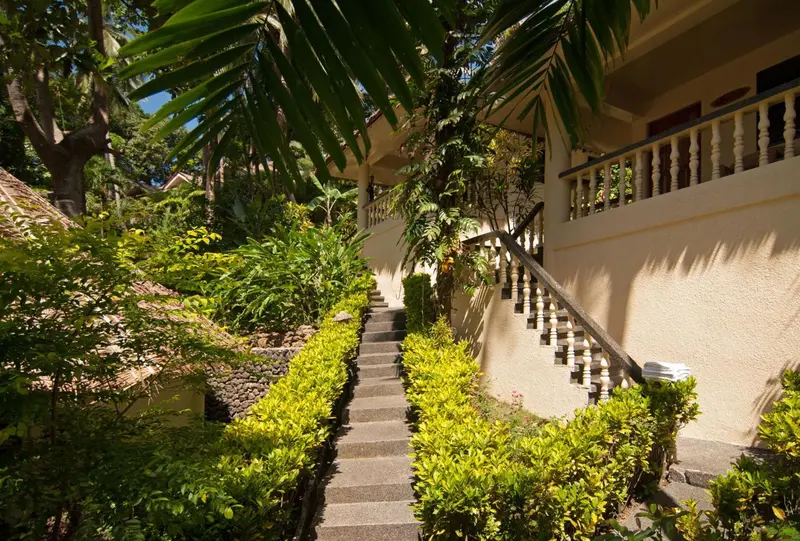
 Dive centre in the hotel
Easy Diving and Beach Resort
★★★
Google 4.5/5 (448 reviews)
The dive centre
Sipalay - Easy Diving
PADI · SSI
Google 4.5/5 (457 reviews)
Dives: MV Forever Lucky, Barracuda Lake
Philippines · Asia
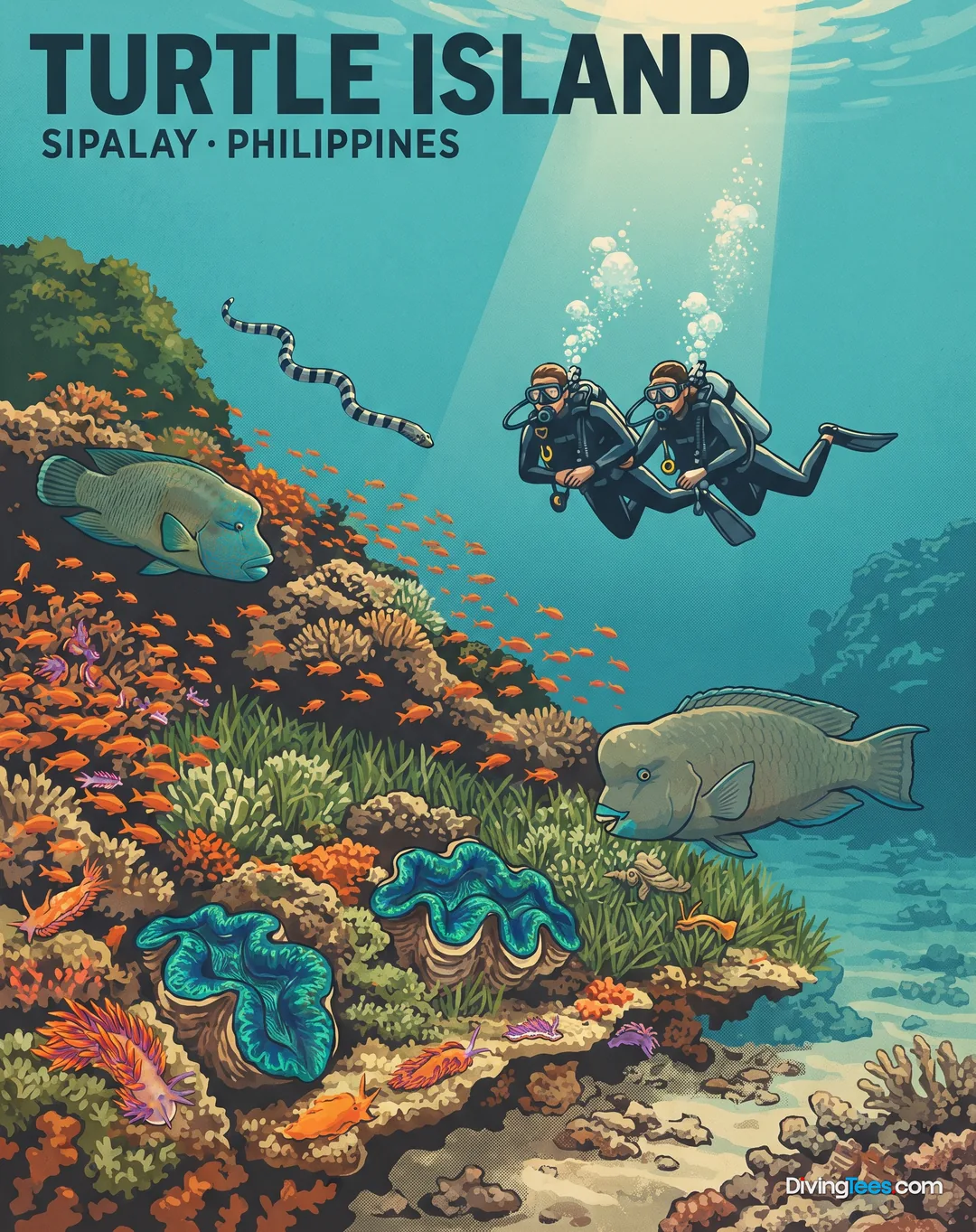
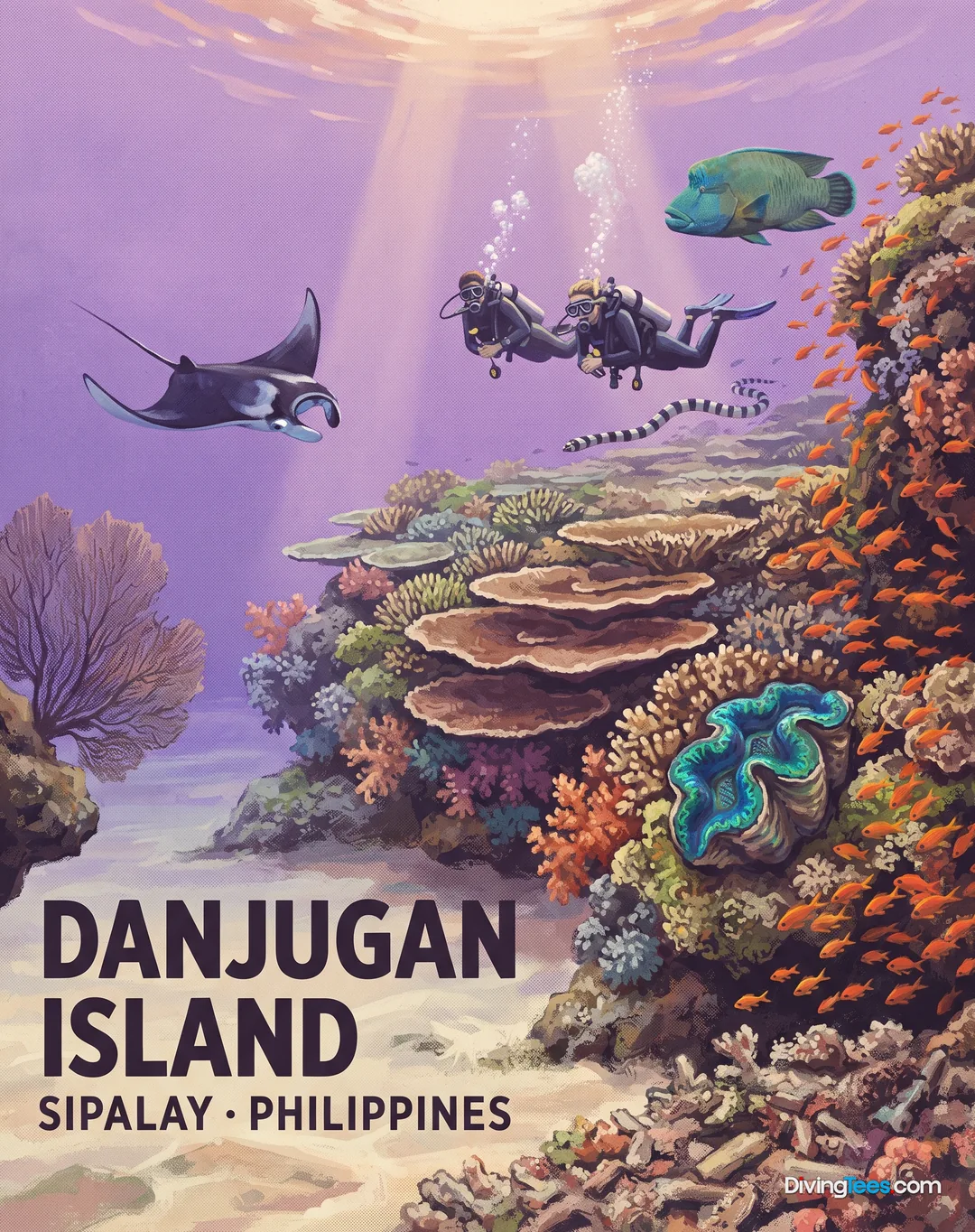
Reef structures at Marco Polo, coral gardens around Turtle Island, shallow wrecks and Danjugan Island’s sanctuary reefs make Sipalay a varied day-boat base.
For subtitles in English: start the video firstthen click the gearat the top right of the video, select “Subtitles/CC”, then “Auto-translate” and choose “English”.
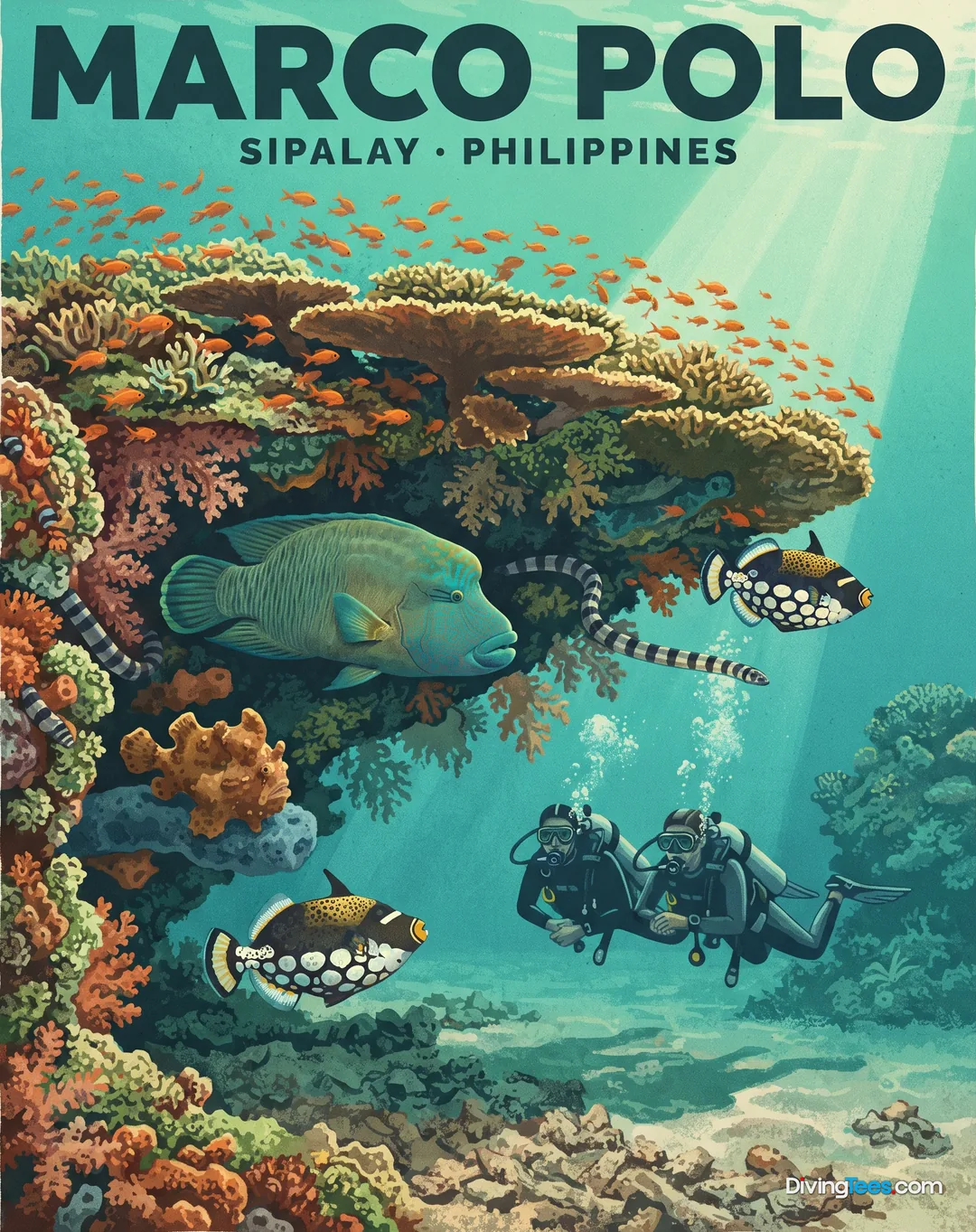
Marco Polo’s coral formations give a useful introduction to Sipalay: this is a shore-based Philippine diving town where the underwater programme is built around day boats. From the west coast of Negros Occidental, boats reach offshore islands, reef systems, walls, sandy macro ground and shallow wrecks. Danjugan Island adds protected sanctuary reefs to the mix, while the coastline itself remains relatively quiet between departures. It suits divers who want several kinds of diving without committing to a liveaboard.
Sipalay is best understood as a series of boat trips rather than a single house reef. Marco Polo brings distinctive coral structures and reef fish, while Turtle Island is framed by clear water and broad coral gardens. Around Danjugan Island, the profile can run from five metres to forty, with easier reefs such as The Clams, Bonifacio Reef and Wilson Reef alongside deeper Tanguigue Reef. Walls, sandy areas, wrecks and offshore sites broaden the choice further. Currents are variable, so the day’s plan matters more than any fixed reputation for the area. Visibility is described as excellent at Marco Polo and clear around Turtle Island, but there is no dependable figure to plan every site around. The practical rhythm is repeated day-boat diving, with shallow wrecks and easier reefs balanced against deeper or more current-exposed outings.
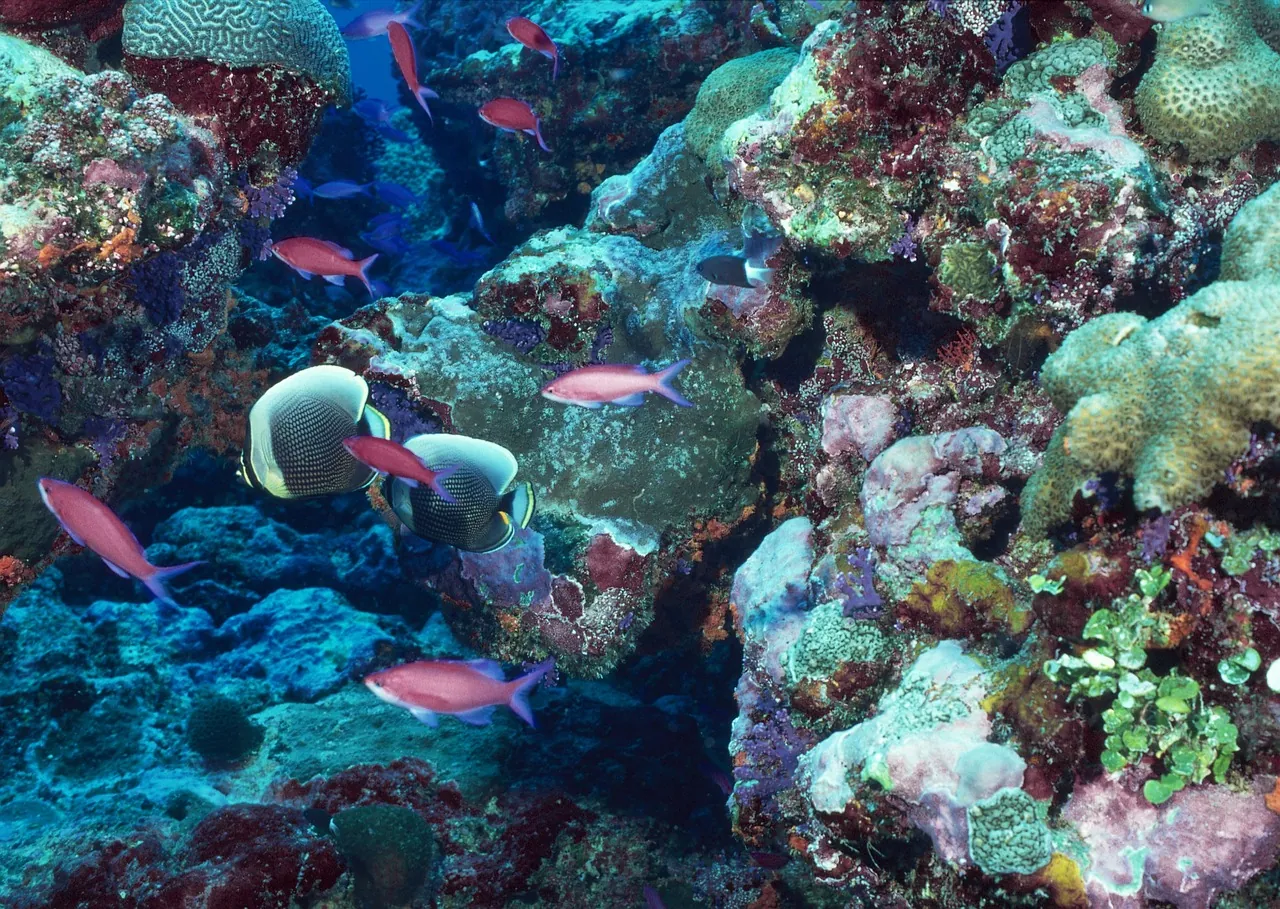
The most dependable wildlife interest here is tied to the reef itself. Marco Polo is described with abundant reef fish among its unusual coral structures, while Turtle Island’s coral gardens provide the kind of broad, living substrate where marine life can remain in view throughout a relaxed dive. Danjugan Island is the richer habitat proposition, with coral gardens, extensive biodiversity and reefs used by both divers and snorkellers. The available site descriptions do not identify a dependable seasonal animal event, so Sipalay is better approached for its underwater habitats than for a single species at a particular date. Water around Turtle Island is reported at 26°C to 30°C through the year, supporting comfortable reef viewing across the diving season.
April to June is the clearest planning window when calm boat conditions are the priority. It is also the measured period with the calmest sea, making transfers to offshore reefs and islands more comfortable and helping the programme stay flexible. Rainfall is lowest from November to May, so the shoulder months can still make sense for a land-based trip, particularly when the schedule includes several boat days. The destination’s quieter character is another advantage outside the busiest Philippine dive hubs, although the exact weather pattern should still be checked before departure.
Sipalay works for a mixed group of abilities. Open Water divers can enjoy accessible sites such as Marco Polo and the easier reefs around Danjugan Island, provided the day’s conditions suit. Advanced Open Water, or equivalent BSAC experience, becomes useful for deeper offshore profiles and Tanguigue Reef; around Danjugan, the deeper sites are also aimed at divers with at least fifty logged dives. The range makes it possible to build a gentler week without excluding experienced divers.
For travellers leaving from London Heathrow, London Gatwick or Manchester, Sipalay is reached overland from either Bacolod or Dumaguete; the supplied routing does not establish a single European flight pattern or preferred arrival airport. The important structural point is the road journey after reaching Negros, followed by local boat transfers for the actual diving. This is not a destination where stepping off a flight puts a diver beside the principal sites. Once in Sipalay, accommodation is generally near the beach and diving area, or linked to it by short local transfers. The trip therefore needs enough slack for the road approach and for boat departures, rather than being planned as a quick shore-diving stop.
Plan Sipalay as a multi-day boat base, not as a shore-diving destination with occasional excursions. The useful unit is several boat days, because reefs, wrecks, sandy ground and islands are spread around the coast. Check the proposed mix before travelling if shallow coral gardens are the main aim: some outings involve deeper or more current-exposed profiles. Conversely, a reef-and-wreck plan makes better use of what is distinctive here than repeating one style of dive. Danjugan Island can provide easier reefs, but Tanguigue Reef belongs in the programme only when the diver’s qualification and experience match the profile. Keep expectations land-based rather than liveaboard-based, and do not assume a park-permit system structures every outing. Sipalay’s quieter coastline is part of the appeal, so it suits divers who are content with a low-key town between boat departures rather than a busy resort strip.
Four to seven days gives the trip room for several boat departures without turning Sipalay into a rushed stopover. A sensible programme alternates easier reef dives, such as Marco Polo or selected Danjugan Island reefs, with wrecks, sandy areas and deeper offshore options when conditions and experience allow. Non-divers have beaches, coastal relaxation and island scenery alongside the diving. The result is a straightforward land-based holiday, with variety coming from the boat routes rather than from changing hotels.
Hello, I'm Marina, DivingDeal.com's AI assistant. I guide you through destinations, areas and countries.
Thinking about the whole trip and the flights? Talk it over with Edith →
Marina is an AI. Some links are affiliate links: DivingDeal may earn a commission, at no extra cost to you. Bookings are made with the partner.
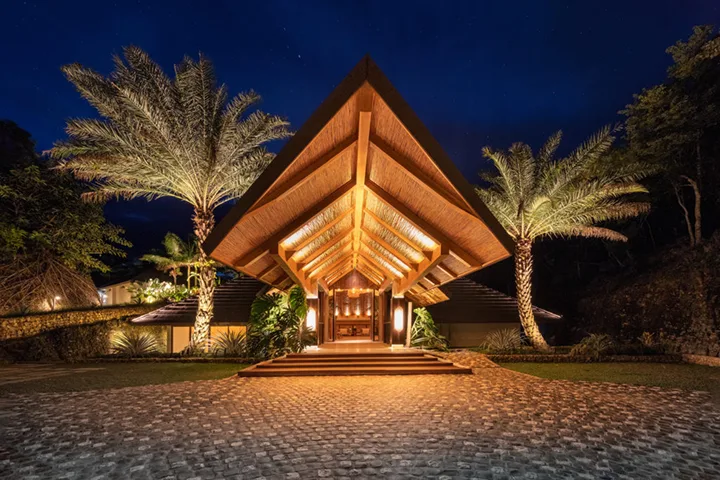
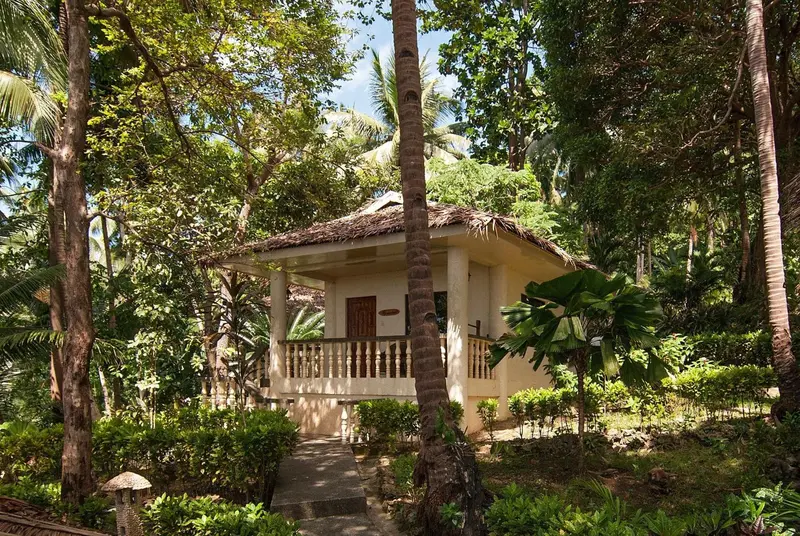
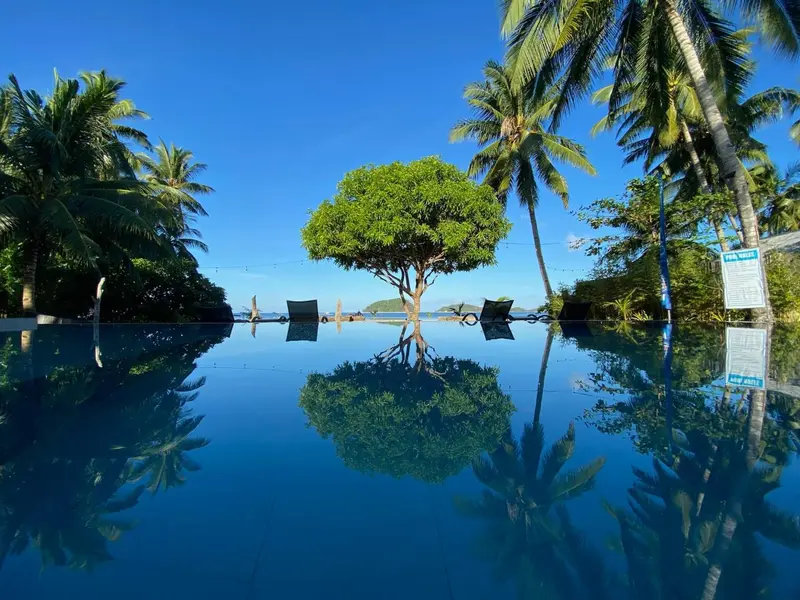
In each one, the dive centre is inside the hotel: step out of your room and go diving.
Dive centre in the hotel★★★
Google 4.5/5 (448 reviews)
The dive centre
Sipalay - Easy Diving
PADI · SSI
Google 4.5/5 (457 reviews)
Dives: MV Forever Lucky, Barracuda Lake
Visit Sipalay from April through June if calm sea conditions are your priority. Rainfall is lowest from November through May, so the shoulder months can also suit a land-based trip with several boat days. Check the weather before departure, since conditions influence transfers to offshore reefs and islands.
Sipalay suits a mixed group of abilities. As an Open Water diver, you can explore Marco Polo and easier Danjugan Island reefs when conditions suit. Advanced Open Water or equivalent experience helps with deeper offshore profiles and Tanguigue Reef, while Danjugan’s deeper sites require at least fifty logged dives.
You can see unusual coral structures and reef fish at Marco Polo, clear water and broad coral gardens around Turtle Island, and sanctuary reefs with extensive biodiversity at Danjugan Island. Day boats also reach walls, sandy areas, shallow wrecks and deeper reef sites, giving you varied underwater habitats.
Plan Sipalay as a multi-day, land-based boat trip rather than a shore-diving stop or liveaboard. Allow time for the road journey from Bacolod or Dumaguete, local boat transfers and several departures. A four- to seven-day stay can combine easier reefs with wrecks, sandy sites and deeper outings suited to your experience.