Philippines · Asia
Diving Tubbataha: offshore atolls and massive pelagic action
Vertical walls drop into the Sulu Sea where hammerhead sharks and huge schools of tuna patrol nutrient-rich upwellings along pristine coral drop-offs.
What makes this destination special
- Strictly protected UNESCO no-take marine zone
- Exclusively accessible via liveaboard expeditions
- High density of reef and pelagic sharks
- Dramatic vertical walls at North and South Atolls
- Exceptional visibility in the open Sulu Sea
- Short, concentrated diving season from March to June
For subtitles in English: start the video firstthen click the gearat the top right of the video, select “Subtitles/CC”, then “Auto-translate” and choose “English”.
Overview
Tubbataha is not a typical tropical destination; it is a remote marine sanctuary situated far from the coast of Palawan. As a strictly protected UNESCO World Heritage site, it offers a level of biological density rarely seen elsewhere in the Philippines. This is a destination for those seeking pure, offshore atoll diving, where the absence of land-based infrastructure ensures that the focus remains entirely on the vast, untouched reef systems and the powerful currents that drive life here.
Diving here
Diving here is defined by the drift. Most sites involve descending along steep coral walls or sloping plateaus, often from a tender into moving water. Expect to navigate vertical descents at sites like Seafan Alley or encounter the surging currents of Washing Machine. Visibility is consistently high, often reaching 30 metres or more, providing a clear view of the blue-water action. Because the atolls are exposed to the open sea, currents can shift from mild to quite powerful, requiring divers to be comfortable with reef edges and blue-water encounters.
Three dives not to miss



The underwater wildlife
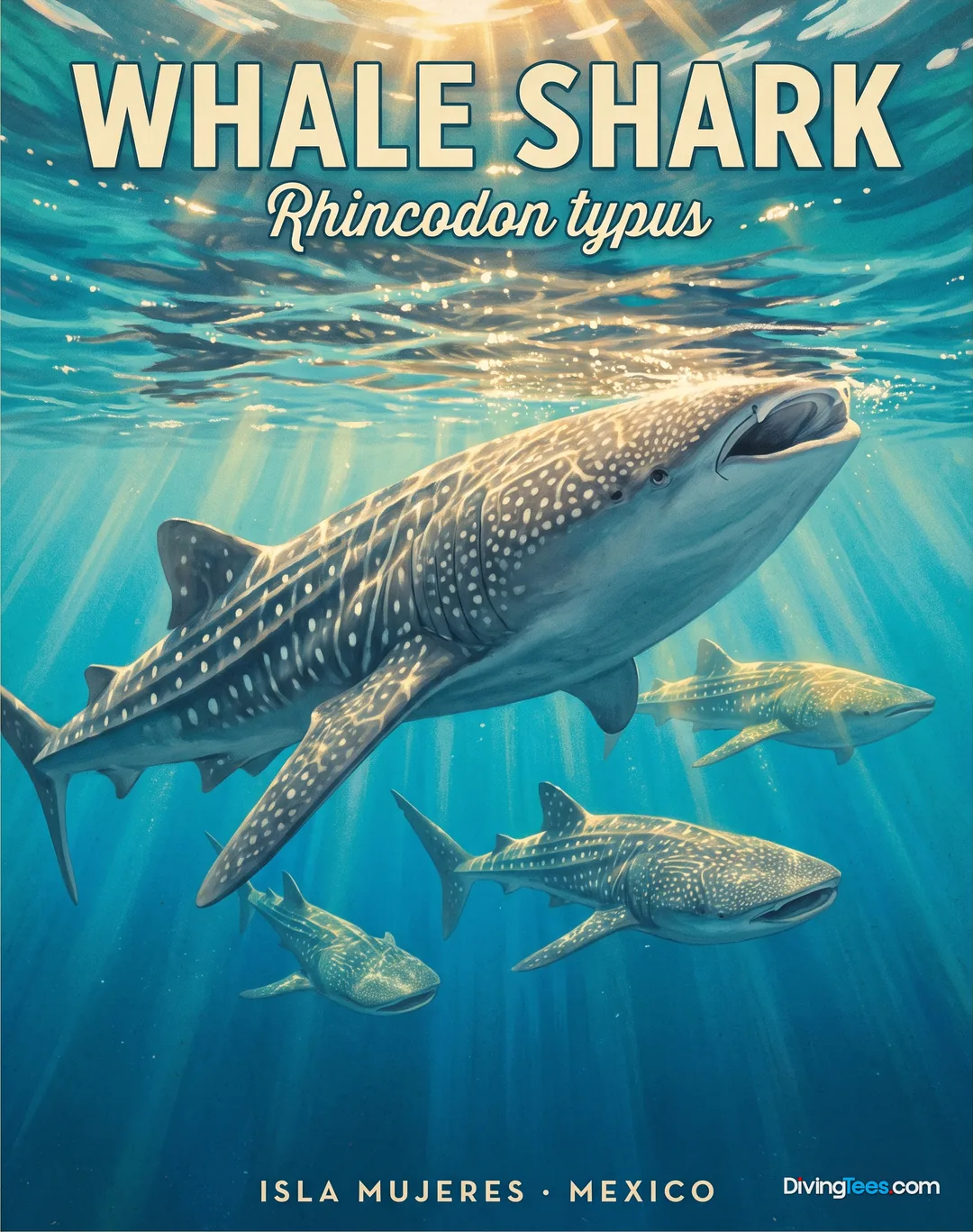
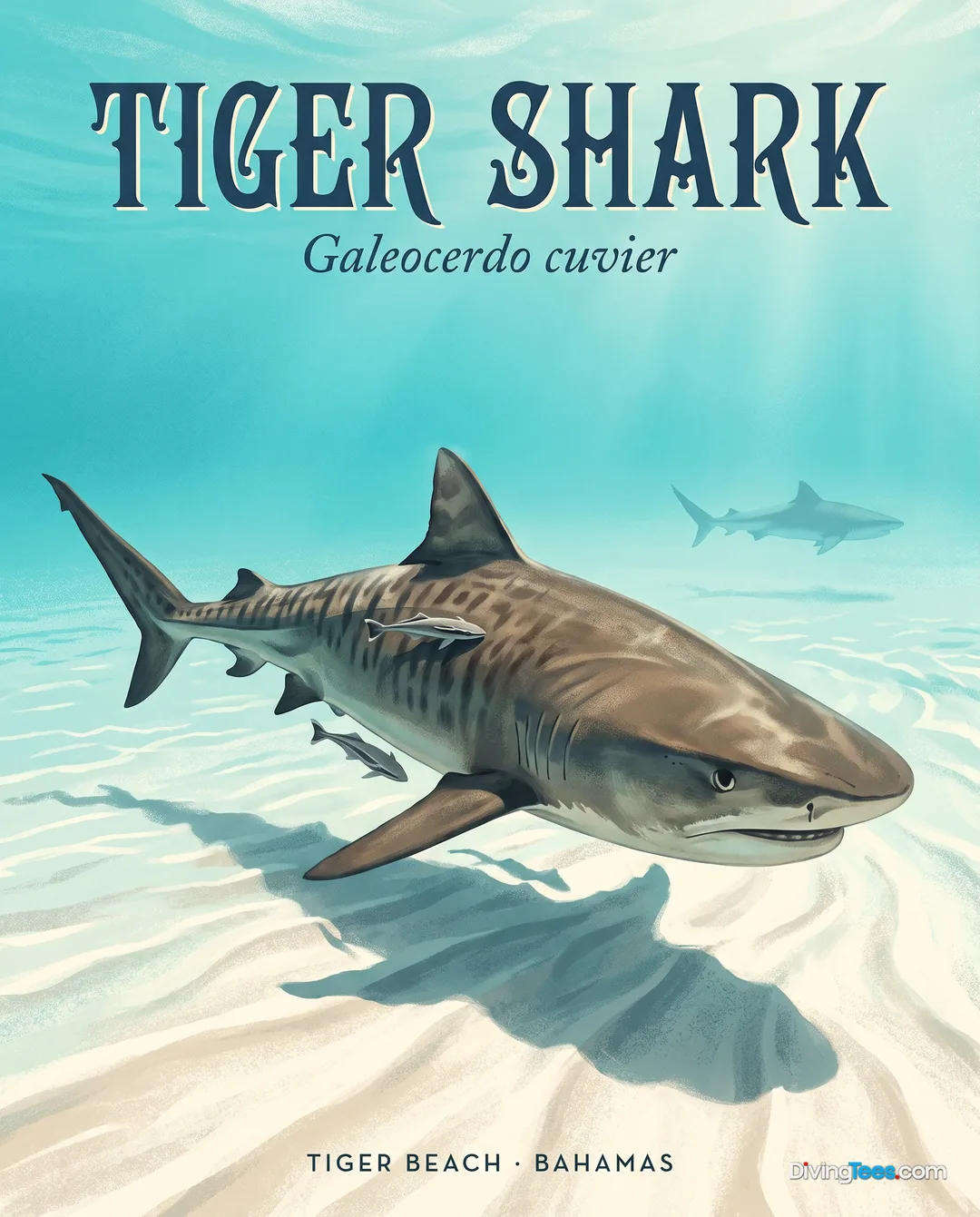
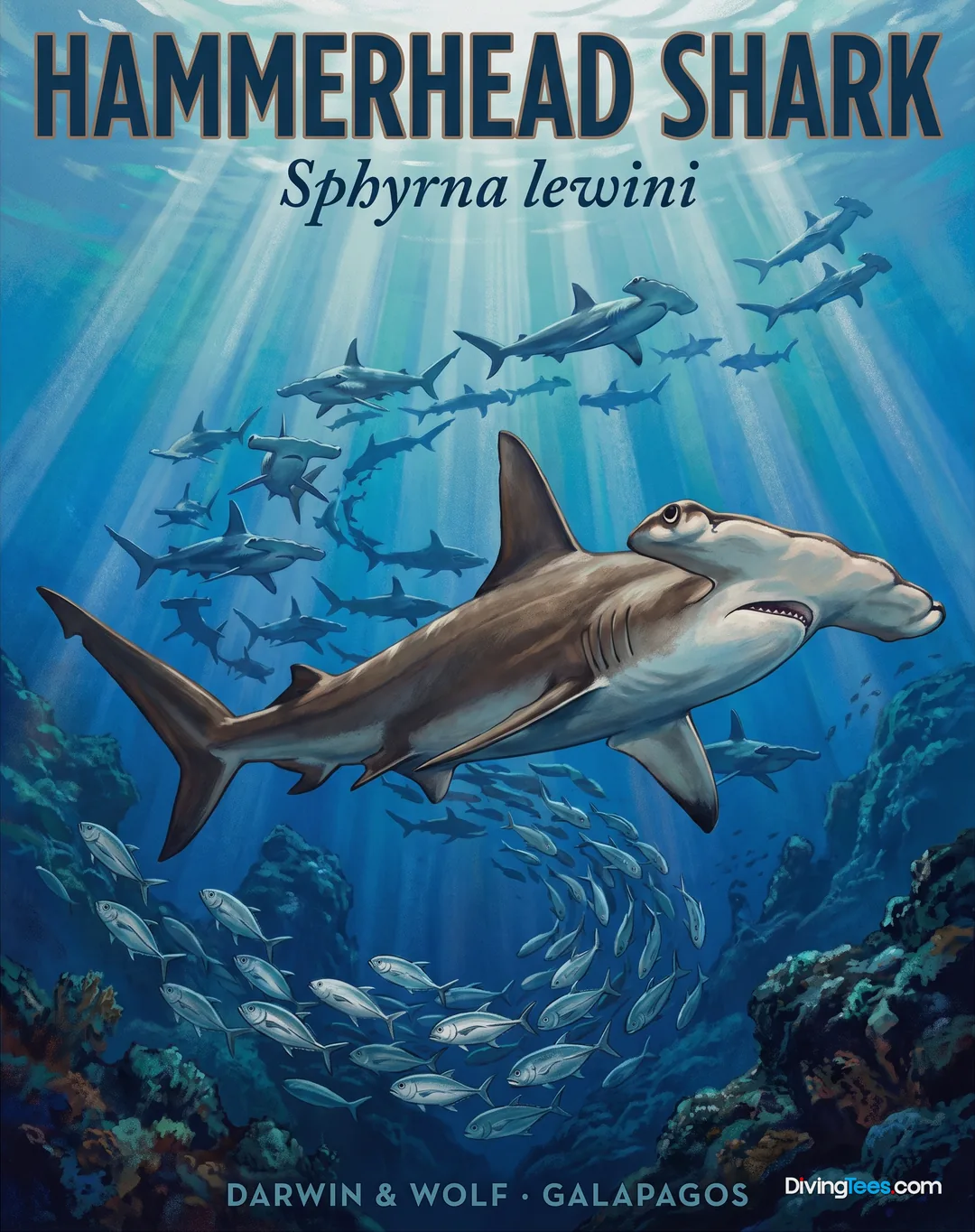
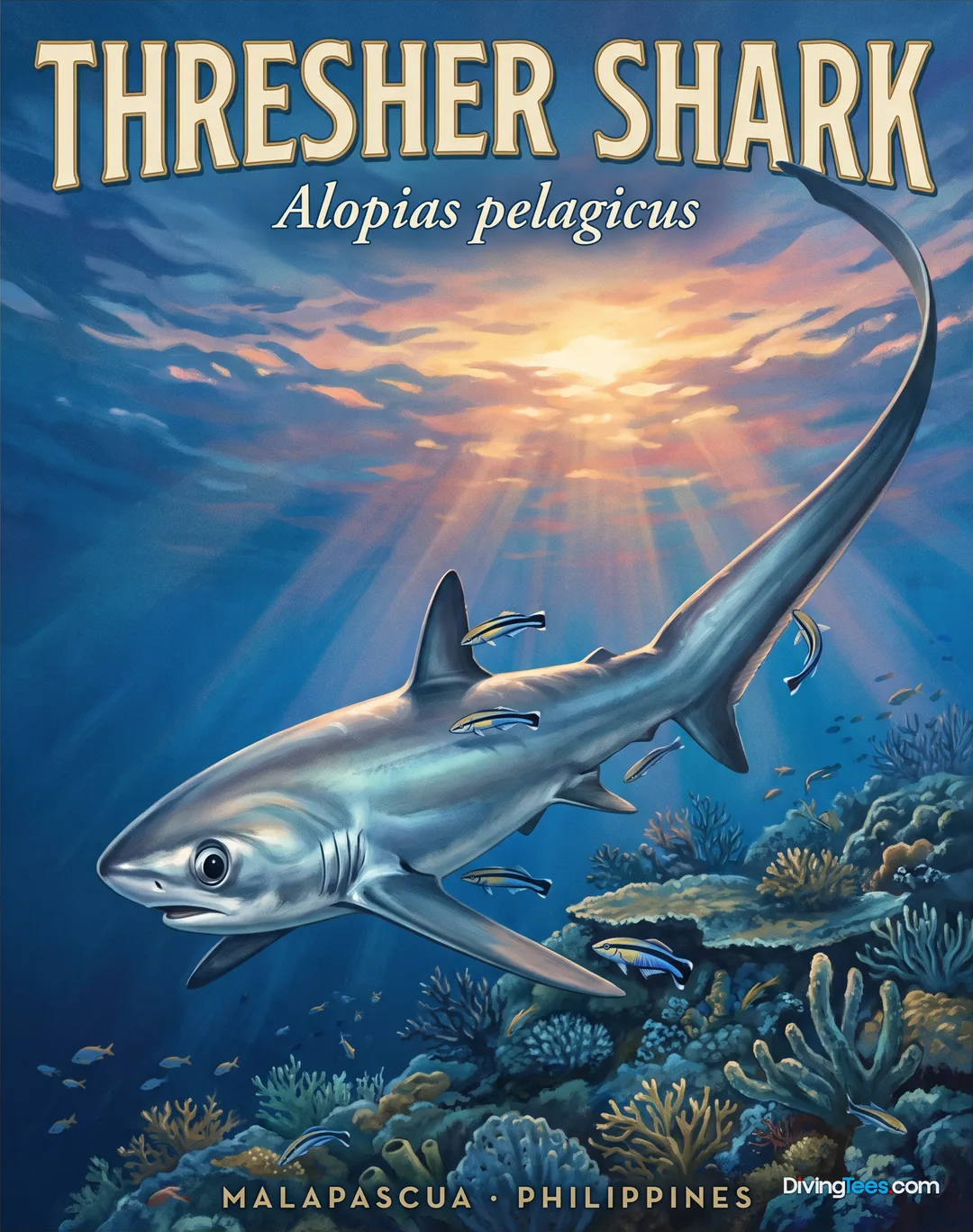
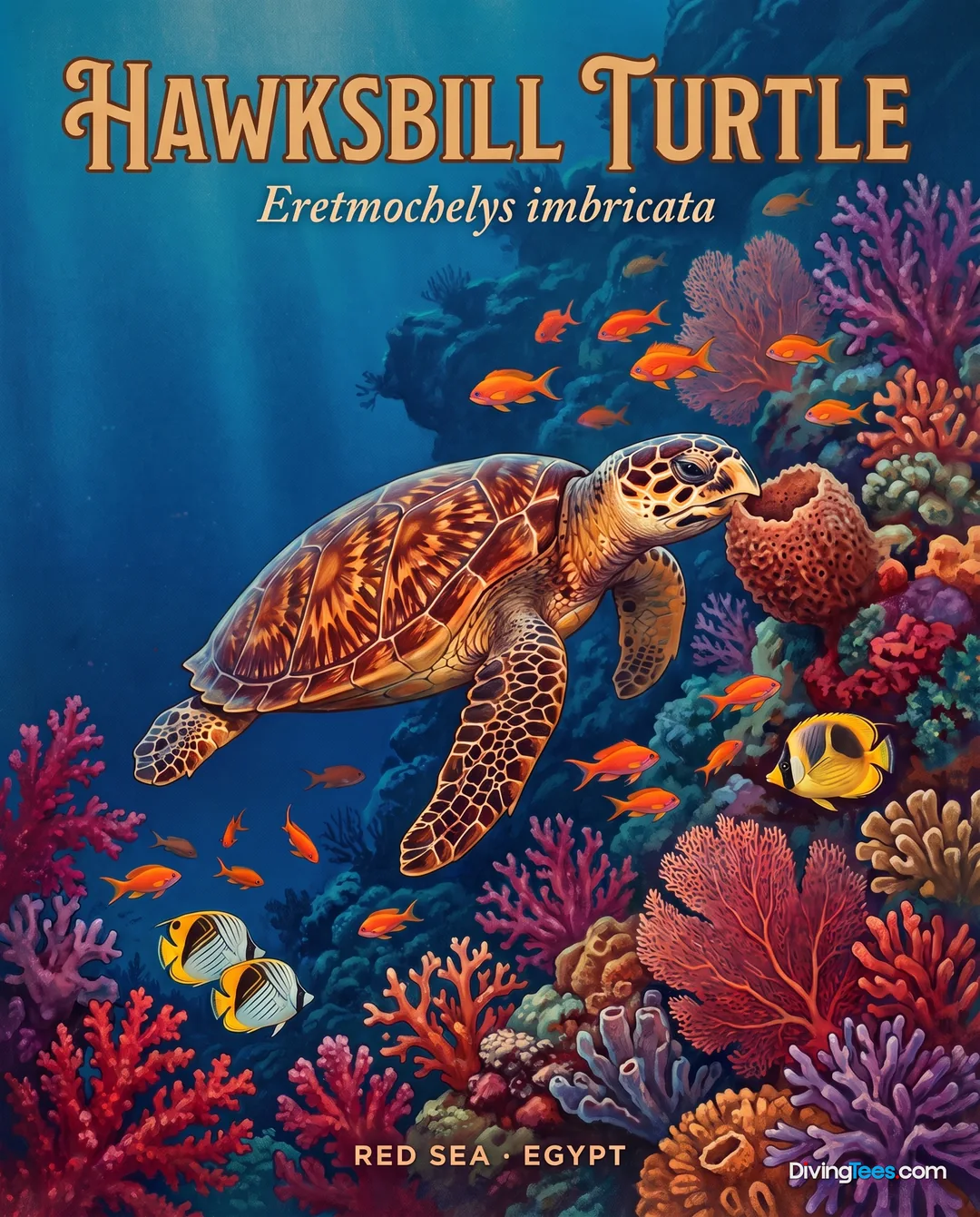
The sheer biomass is the main draw. You will encounter high concentrations of Grey reef sharks and Whitetip reef sharks patrolling the walls. For those visiting during the peak months, there is the chance to see Hammerhead sharks, and occasionally Whale sharks or Manta rays. The mid-water is rarely empty, often filled with Dogtooth tunas, Great barracuda, and large schools of Jackfish. On the reef itself, Napoleon wrasse and Bumphead parrotfish add to the spectacle of a healthy, thriving ecosystem.
Possible underwater encounters




When to go
The window for diving is narrow, running from mid-March to mid-June. During these months, the seas are at their calmest, allowing liveaboards to transit safely from Puerto Princesa to the atolls. Outside of this period, the monsoon seasons bring heavy swells and rough weather that make the site inaccessible to leisure vessels. Aiming for April or May generally offers the most stable sea conditions and the best chance for spotting larger pelagics.
Level required
This is a destination for experienced divers. Most operators and park authorities require at least an Advanced Open Water certification. Given the depth of the walls and the unpredictable nature of the currents, a significant number of logged dives and proven experience in drift diving are essential. Being comfortable in blue water and managing buoyancy near deep drop-offs is not just recommended; it is a practical necessity for safety and reef protection.
On the ground
Reaching Tubbataha requires several stages of travel. From Europe, you will fly into the Philippines and then take an internal flight to Puerto Princesa on Palawan island. From there, the journey continues by boat. There are no resorts or day-trip options; you must board an accredited liveaboard for the 10–12 hour overnight crossing to the atolls. Because the season is short and cruises fill up fast, booking a berth 9 to 12 months in advance is the standard practice.
Local tips
Preparation is key to avoiding frustration. Arrive in Puerto Princesa at least one day before your cruise departs to ensure that any flight delays from Manila or elsewhere do not cause you to miss your vessel, as they cannot wait. When booking, be meticulous about providing your exact dive history and current experience levels to the operator; the Tubbataha Management Office requires this for permits, and incomplete files can cause issues. On the boat, keep your gear configuration simple and compact, as you will be frequently moving via tenders in potentially choppy water. To get the most out of the trip, look for itineraries that cover both the North and South Atolls as well as Jessie Beazley Reef to experience the full range of topography. Finally, ensure your travel insurance specifically covers remote medical evacuation by sea or air, as you are a significant distance from mainland medical facilities.
Planning your stay
A typical stay lasts between 7 and 10 days. This timeframe accounts for a standard 5 to 7-night liveaboard cruise on the atolls, plus the necessary transit days to and from Puerto Princesa. This duration allows you to thoroughly explore the diverse environments of the North and South Atolls and the surrounding reefs without feeling rushed by the limited seasonal window.
Hello, I'm Marina, DivingDeal.com's AI assistant. I guide you through destinations, areas and countries.
Thinking about the whole trip and the flights? Talk it over with Edith →
Marina is an AI. Some links are affiliate links: DivingDeal may earn a commission, at no extra cost to you. Bookings are made with the partner.
Map of dive sites in Tubbataha
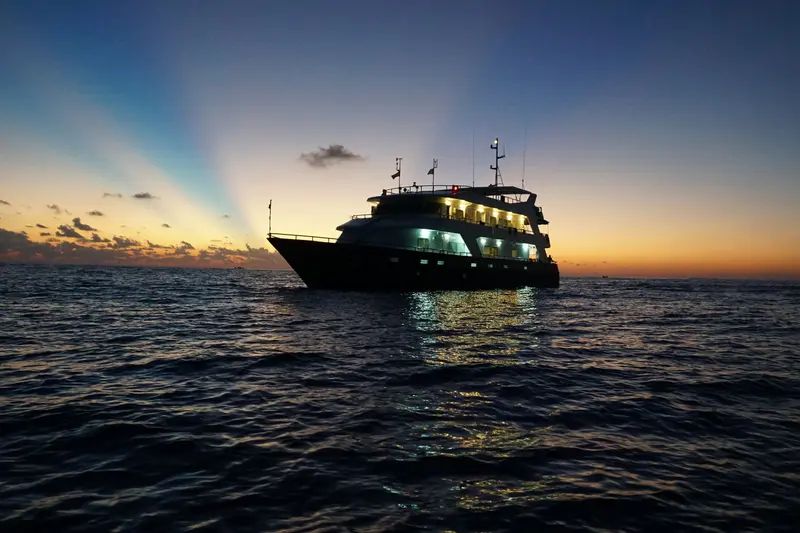
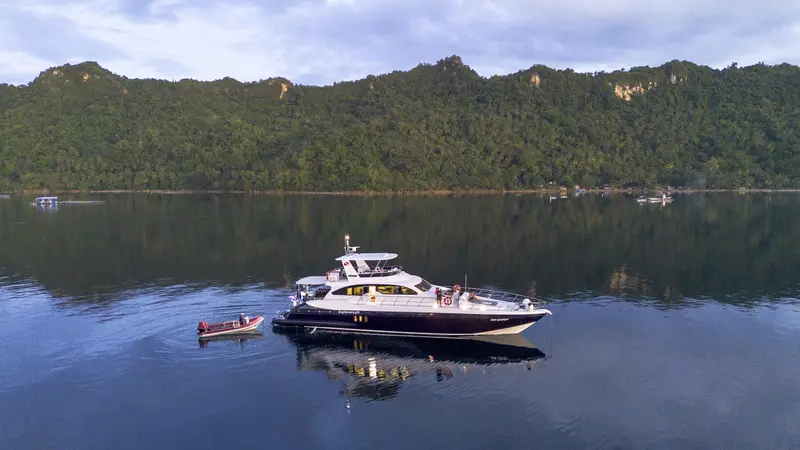
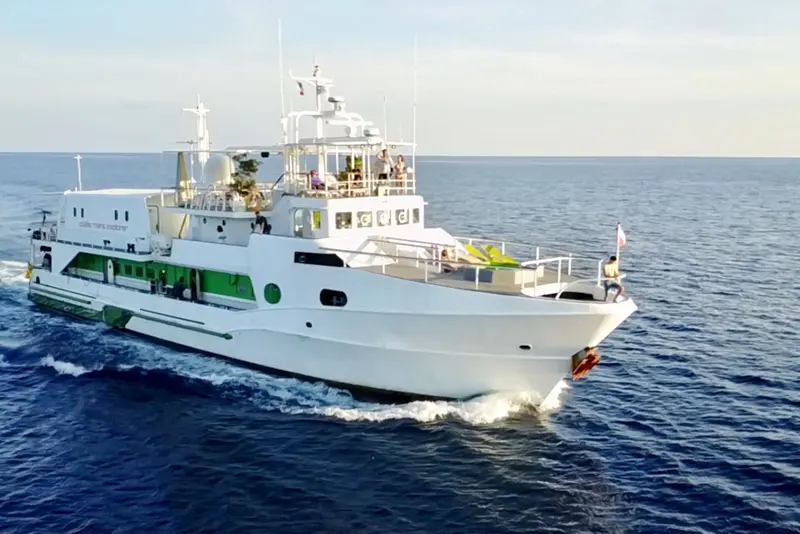
Dive liveaboards Tubbataha
14 liveaboards run trips to Tubbataha.

Frequently asked questions about Tubbataha
When should you choose Tubbataha for diving?
Choose Tubbataha between mid-March and mid-June, when the seas are calm enough for liveaboards to reach the atolls. April and May generally bring the most stable conditions and a strong chance of larger pelagics. Outside this window, monsoon swells and rough weather make the sanctuary inaccessible to leisure vessels.
What diving experience do you need for Tubbataha?
Tubbataha suits experienced divers who are comfortable with drift diving, blue-water encounters, and buoyancy control beside deep drop-offs. Currents can shift from mild to powerful, while descents follow steep walls or sloping plateaus. Operators and park authorities require Advanced Open Water certification, along with substantial logged diving experience.
What can you expect to see while diving Tubbataha?
Tubbataha offers steep coral walls, pristine drop-offs, and clear open-water views filled with Grey reef sharks, Whitetip reef sharks, Dogtooth tunas, Great barracuda, and schools of Jackfish. During peak months, you may also encounter Hammerhead sharks, while Whale sharks, Manta rays, Napoleon wrasse, and Bumphead parrotfish are occasional highlights.
How should you plan your stay in Tubbataha?
Plan a liveaboard expedition, as Tubbataha has no resorts or day trips. Travel through Puerto Princesa, arrive at least one day before departure, and allow for the overnight boat crossing. Book your berth well ahead, provide complete dive history for permits, choose an itinerary covering both atolls and Jessie Beazley Reef, and arrange remote medical evacuation insurance.