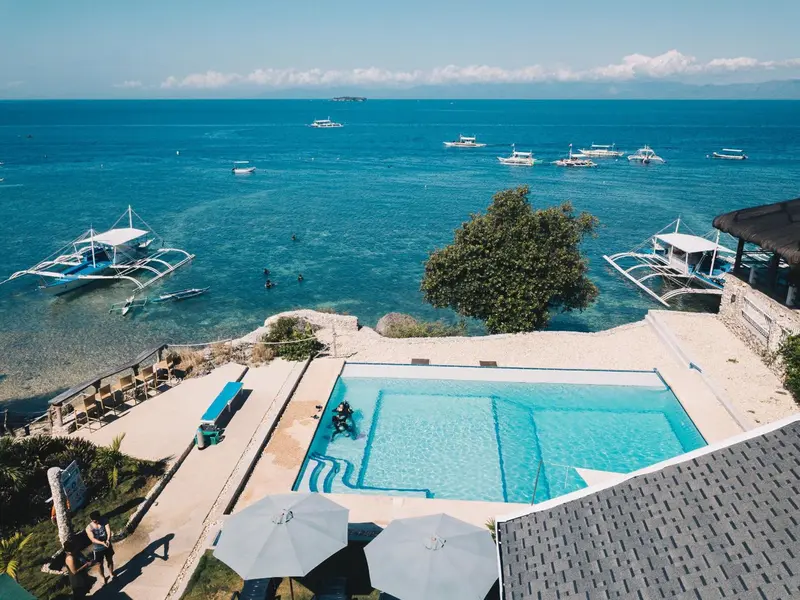
 Dive centre in the hotel
Cebu Seaview Dive Resort
Google 4.7/5 (377 reviews)
The dive centre
Cebu Fun Divers
PADI
Google 4.9/5 (481 reviews)
Dives: Moalboal House Reef, Pescador Island, Sardine Ball at Panagsama Beach
Philippines · Asia
Coastal walls, a Cessna at 18–20 metres, macro life in five-metre water, and sardine shoals define Moalboal’s straightforward shore-based diving.
For subtitles in English: start the video firstthen click the gearat the top right of the video, select “Subtitles/CC”, then “Auto-translate” and choose “English”.
Moalboal is a land-based diving stop built around easy access to the coast, with the sardine shoals providing its most recognisable underwater scene. The diving also moves from shallow sandy slopes to coral walls, so a day can combine patient macro searching with a more open reef profile. Airplane Wreck adds an unusual artificial reef at 18–20 metres. The format suits divers who prefer a settled base, repeated local dives and no liveaboard routine.
The local character is mostly coastal wall and reef diving, with small boat trips adding nearby sites rather than long days at sea. Sampaguita begins on a lively coral reef before dropping into a wall with overhangs, where reef fish and larger pelagics may pass. Currents are generally light, although they can strengthen around points or during tide changes, so divers may need to hold position on the wall. Airplane Wreck lies on a sandy slope at 18–20 metres and is usually relaxed in mild current; the adjacent wall drops far deeper, but the wreck itself is the recreational focus. Moalboal Bay is the gentle contrast: five to ten metres, minimal current and sandy ground suited to slow observation. Visibility can be excellent, reaching around 30 metres at Sampaguita, while local conditions remain more variable elsewhere.
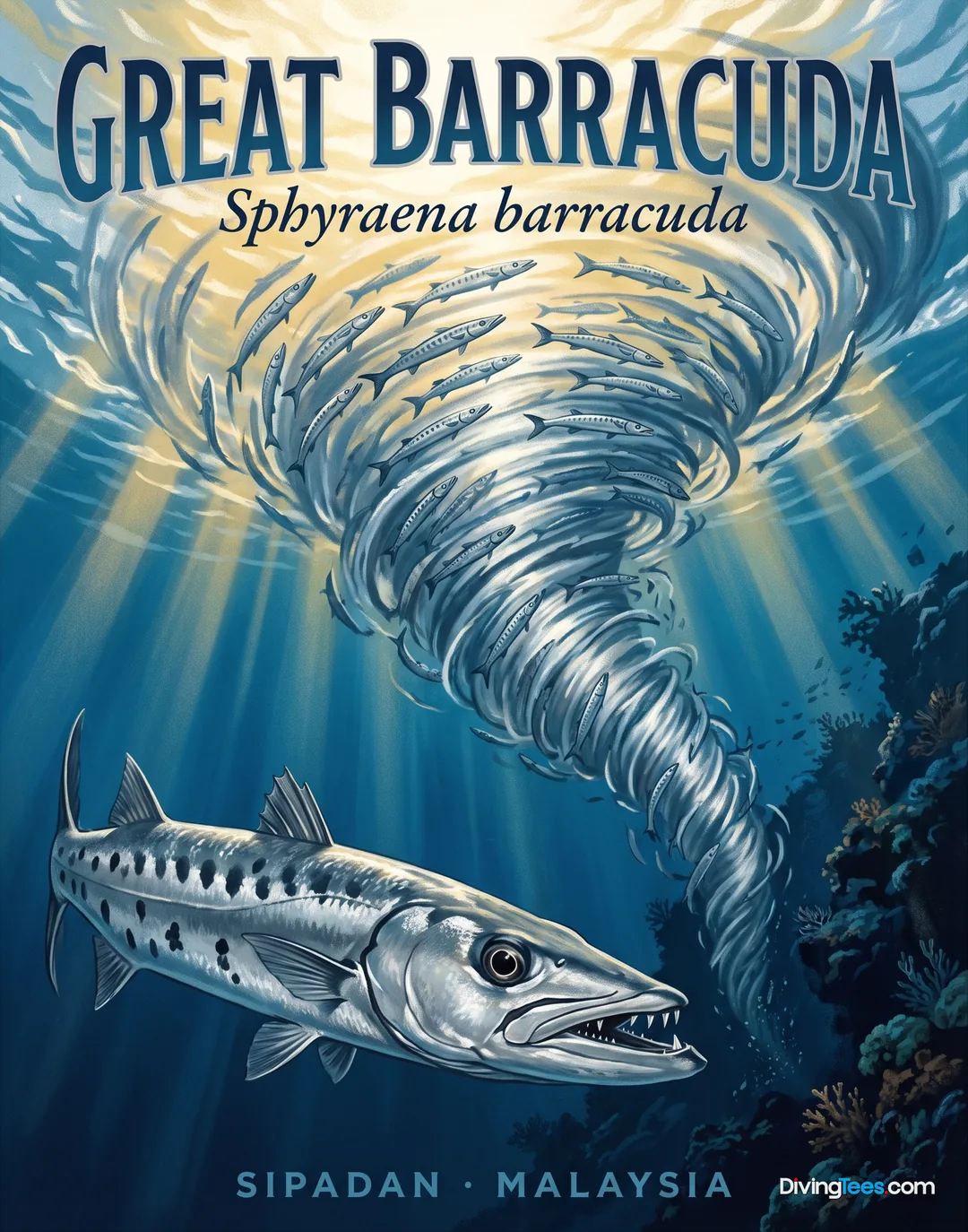
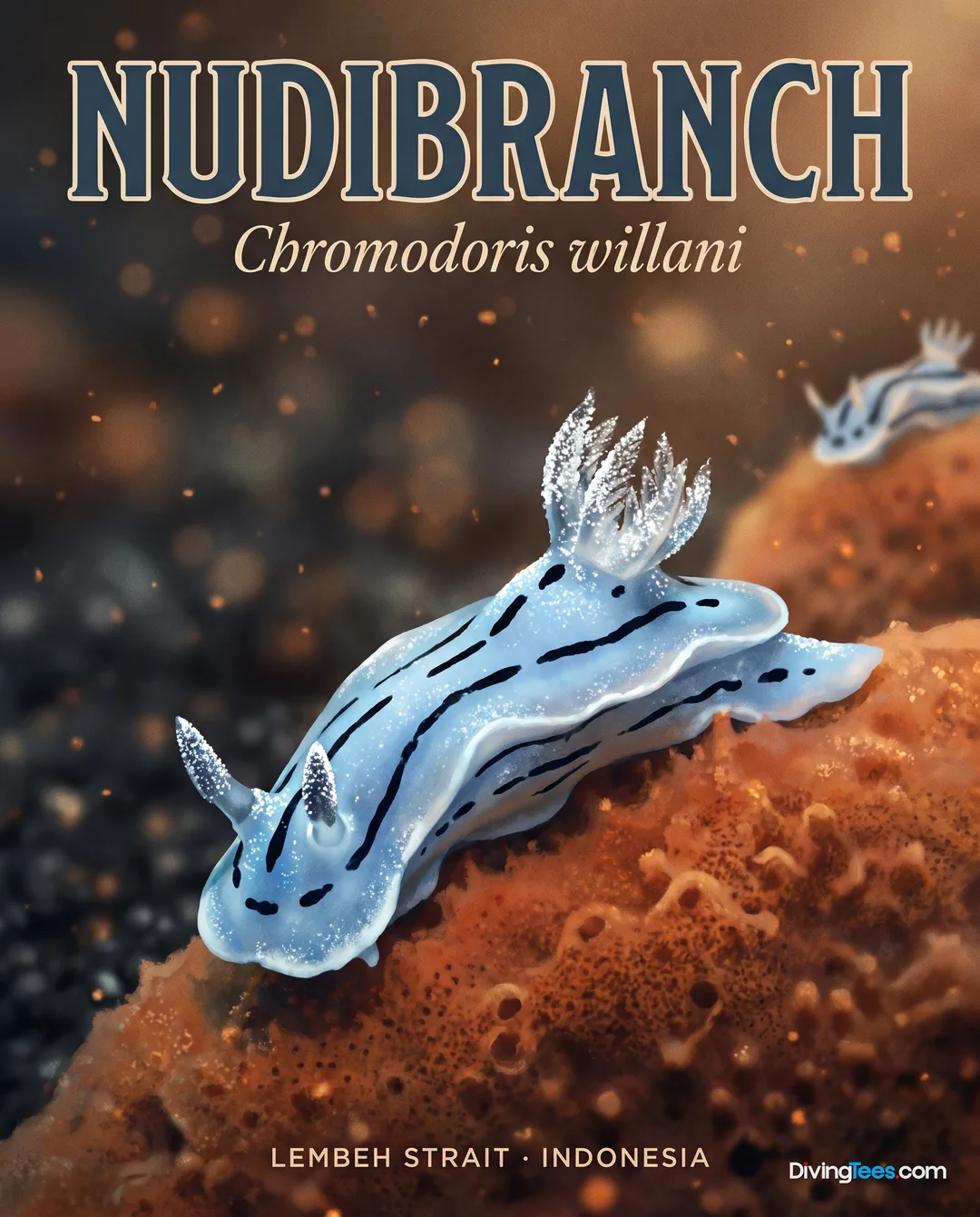
The sardine shoals are the defining encounter and are present regularly rather than being tied to a narrowly predictable migration window. They are a coastal spectacle that can be revisited during a stay, not a reason to build the trip around a single rare departure. On the reef and walls, divers may find sea turtles, nudibranchs, soft coral, hard coral, scorpionfish and shrimp. Great barracuda and other larger pelagics are possible around the deeper wall structure at Sampaguita, though they should be treated as part of the site’s character rather than guaranteed sightings. Moalboal Bay rewards a different pace, with sandy slopes where careful searching can reveal shrimp, crabs, frogfish and stargazers. A small torch and patience are more useful there than covering ground quickly.
April to October is the clearest choice when sea conditions matter, as measured records show the calmest water during this period. Rainfall is lowest from March to May, making the spring shoulder particularly practical for a stay that combines several dive days with time ashore. The sardine shoals are regularly present, so there is no need to force the trip into a special wildlife season. December to May is also a useful window for Moalboal Bay, especially for divers planning shallow macro sessions. April and May therefore offer a sensible balance between calmer water, drier conditions and access to the full local routine.
Moalboal works for all levels, provided divers are comfortable with ordinary boat and shore-diving procedures. Open Water certification is enough for Moalboal Bay and Airplane Wreck, whose main attraction sits at 18–20 metres. Sampaguita is also within Open Water range, but divers should be ready for occasional current around points and tide changes. A BSAC or PADI/SSI equivalent gives the relevant foundation. Nitrox is useful for a schedule built around repeated local dives, particularly over several consecutive days.
From London Heathrow, London Gatwick or Manchester, the journey is an international flight to Cebu followed by a road transfer south-west across Cebu Island to Moalboal. No ferry is structurally required to reach the destination itself, so the main variable is the road journey after landing and the traffic on the way. It is worth treating the transfer as part of the day’s travel rather than assuming an immediate first dive. Once in Moalboal, the practical arrangement is uncomplicated: many diver-friendly places are within walking distance of the diving area, with a tricycle or local taxi covering the short gaps. Staying close to the centres avoids building daily transport into every dive.
Base the stay within walking distance of the diving area. In Moalboal, extra kilometres add transport without opening a fundamentally different diving circuit. Put the first immersion early in the visit, using it to check weighting and buoyancy before several days of repeated local profiles. A computer and simple configuration suit the destination better than elaborate expedition equipment. If the sardines are the main reason for coming, allow time to revisit them and expect a regular coastal scene rather than a rare pelagic event. Keep one day flexible for a repeat of the sites that suit the weather and personal pace. Do not plan the trip as a liveaboard substitute: its strength is stepping back into the same compact coastal area, not covering great distances. Divers wanting constant changes in scenery should also know that the nearby sites can begin to feel familiar. A base too far from the shore-facing dive zone simply makes the routine less efficient.
Four to seven days gives Moalboal enough room to settle into its rhythm: repeated local dives, a return to the sardine shoals, shallow macro work in Moalboal Bay and a day away from the water. The shore-based format is convenient for a mixed group, since a non-diver has the coastline and nearby land-based outings rather than being confined to a boat. Keep the final day for relaxed coastal time or a short Cebu excursion, not a rushed diving schedule.
Hello, I'm Marina, DivingDeal.com's AI assistant. I guide you through destinations, areas and countries.
Thinking about the whole trip and the flights? Talk it over with Edith →
Marina is an AI. Some links are affiliate links: DivingDeal may earn a commission, at no extra cost to you. Bookings are made with the partner.
In each one, the dive centre is inside the hotel: step out of your room and go diving.
Dive centre in the hotelGoogle 4.7/5 (377 reviews)
The dive centre
Cebu Fun Divers
PADI
Google 4.9/5 (481 reviews)
Dives: Moalboal House Reef, Pescador Island, Sardine Ball at Panagsama Beach
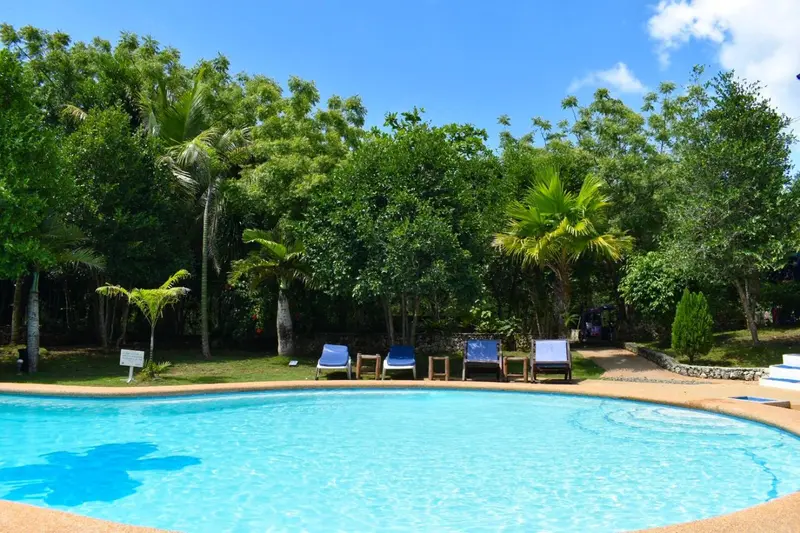 Dive centre in the hotel
★★★★
Google 4.5/5 (185 reviews)
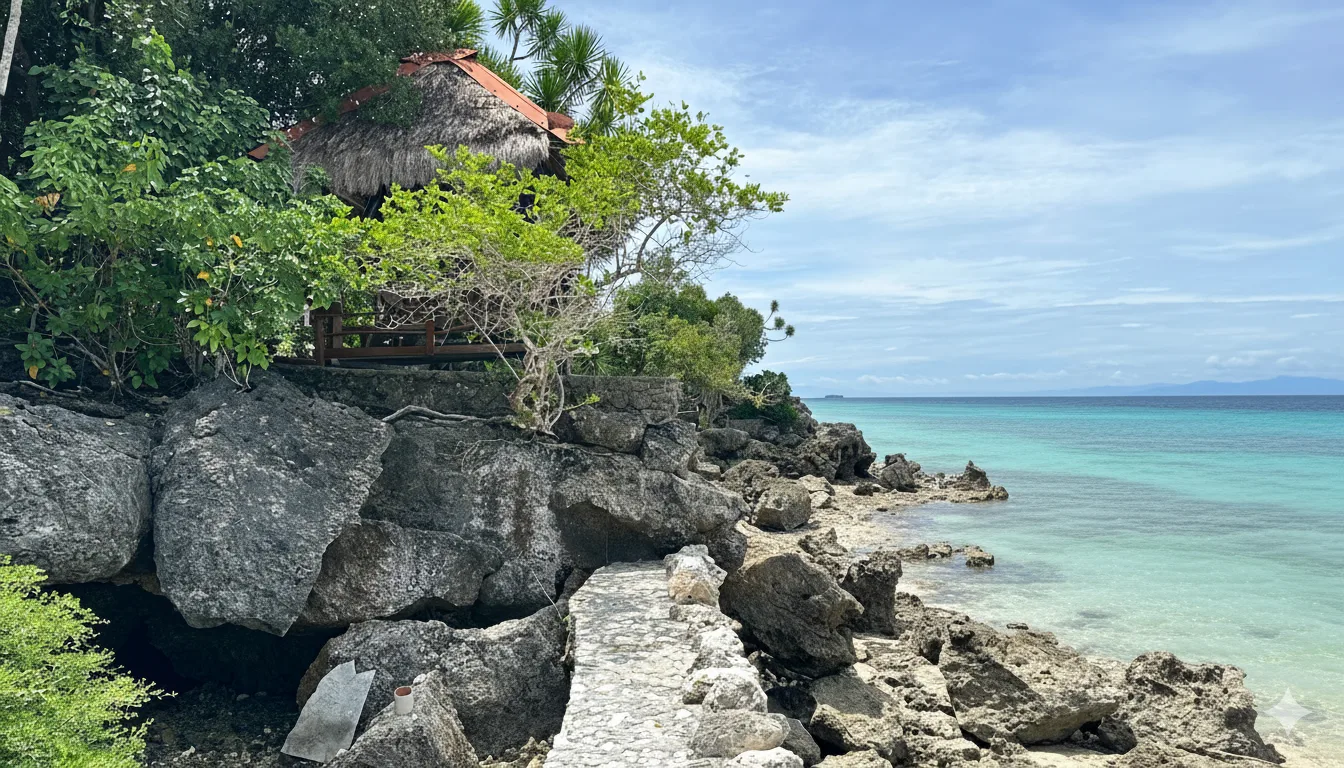
The dive centre
Blue Orchid Resort
PADI
Google 4.5/5 (187 reviews)
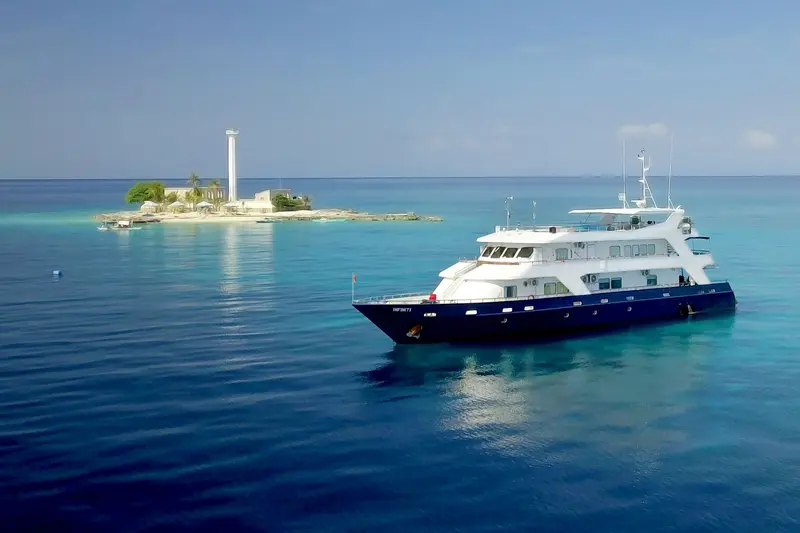
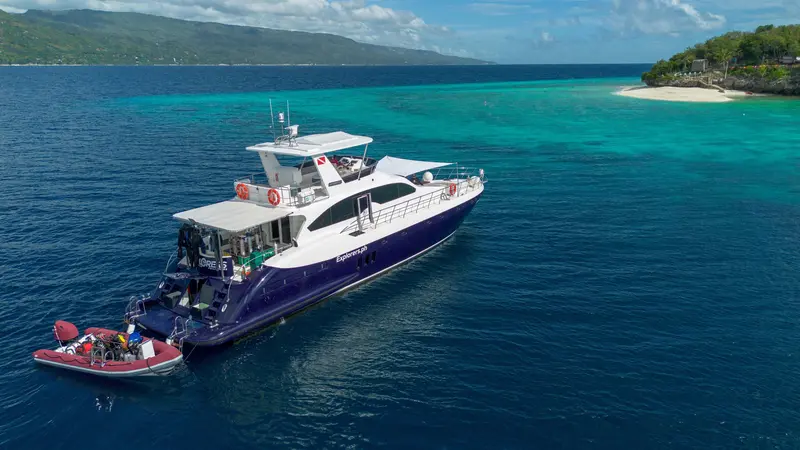
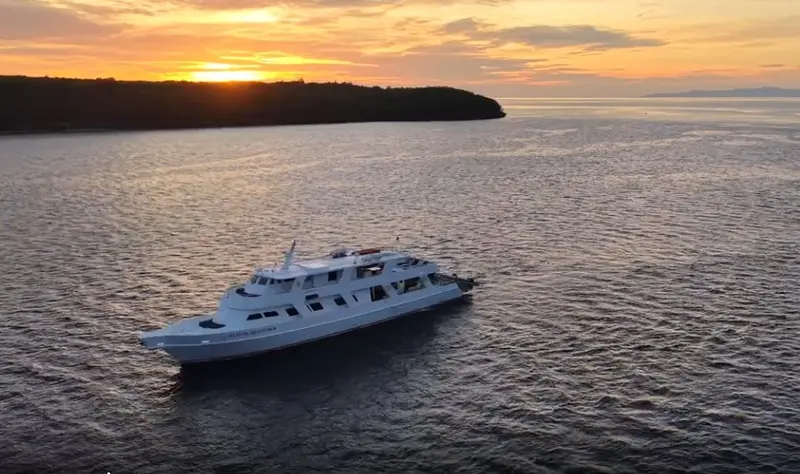
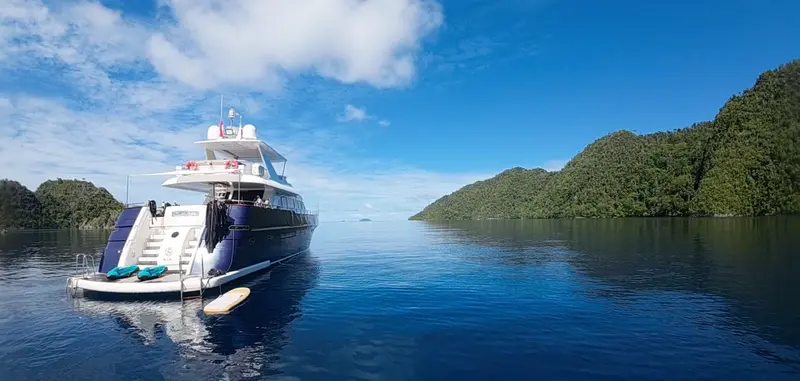
4 liveaboards run trips to Moalboal.
Your last day stays dry: no diving in the 18-24 hours before a flight, the perfect window to see the destination from another angle.
 Nature
⏱ 7 h · ★ 5.0 (8 reviews)
from £55$73€65
see on Viator ↗
 Nature
⏱ 1 h · ★ 4.8 (28 reviews)
from £17$22€20
see on Viator ↗
Ratings and reviews collected by Viator and Tripadvisor.
Choose April through October if calmer sea conditions matter most, with the calmest water recorded in that period. March through May brings the lowest rainfall, while December through May is useful for shallow macro sessions in Moalboal Bay. April and May balance calmer water, drier conditions, and the full local diving routine.
Moalboal suits divers of all levels who are comfortable with ordinary boat and shore-diving procedures. Open Water certification is enough for Moalboal Bay and Airplane Wreck at 18, 20 metres. Sampaguita also fits Open Water divers, but occasional current around points and tide changes requires you to hold position confidently. Nitrox can help with repeated local dives.
Moalboal gives you sardine shoals close to shore alongside sea turtles, nudibranchs, shrimp, scorpionfish, soft coral, and hard coral. Sampaguita adds a coral wall, overhangs, and possible larger pelagics, while Airplane Wreck rests at 18, 20 metres. Moalboal Bay offers five to ten metres of sandy macro habitat where patience may reveal crabs, frogfish, and stargazers.
Plan a four to seven day stay in Moalboal, based within walking distance of the diving area. Arrange your international flight to Cebu and a road transfer south-west across Cebu Island, allowing for traffic. Put an early dive first to check weighting and buoyancy, then leave time for sardine revisits, shallow macro sessions, and one day ashore.