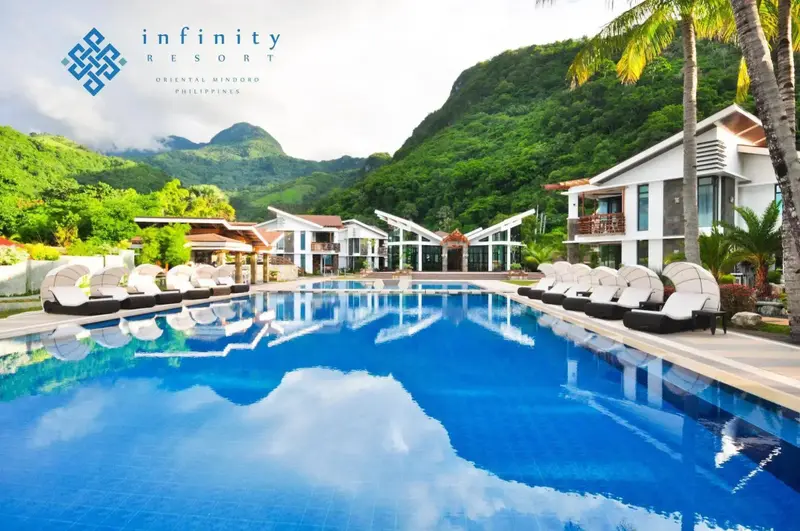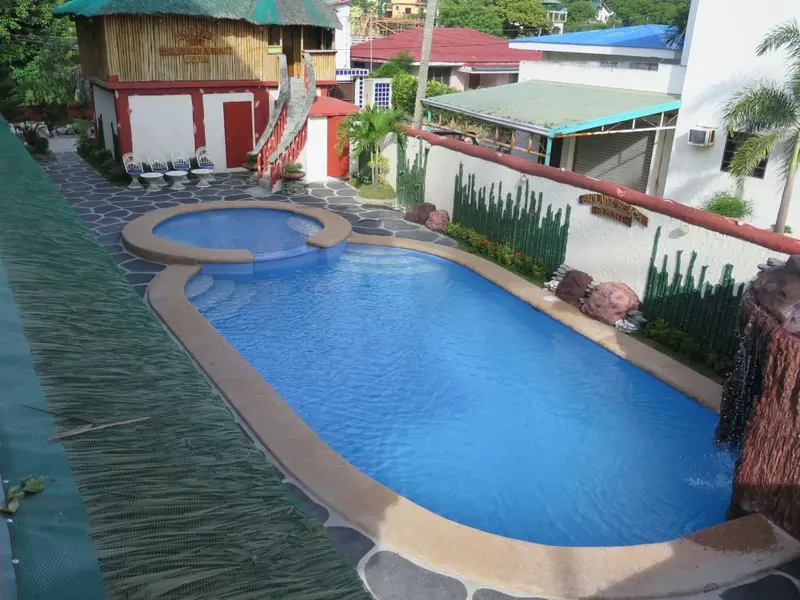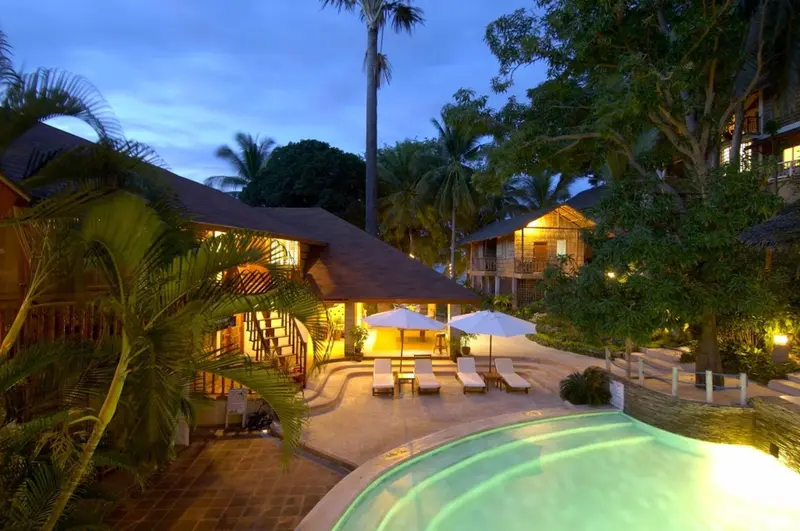

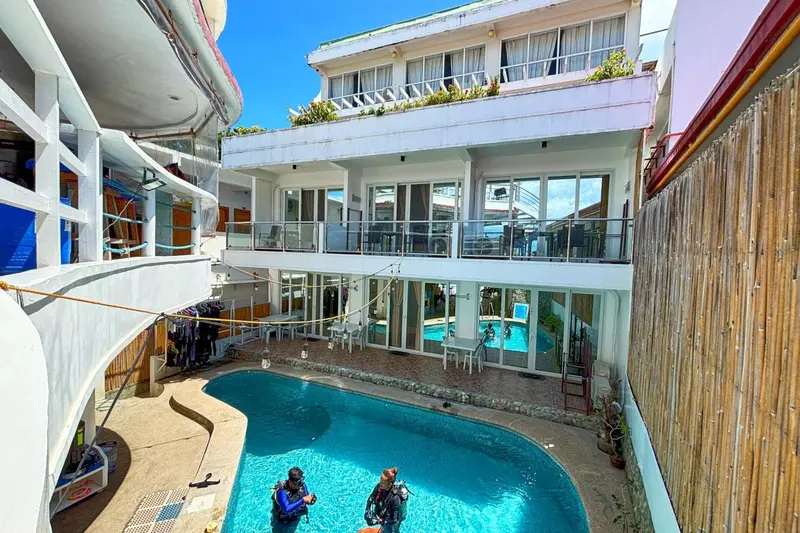
 Dive centre in the hotel
Arkipelago Divers and Beach Resort
★★★
Google 4.9/5 (190 reviews)
The dive centre
Arkipelago Divers & Beach Resort
SSI
Google 4.9/5 (191 reviews)
Philippines · Asia
Coral walls, wrecks between six and twenty-two metres, nudibranchs and thresher sharks give Puerto Galera a practical, varied base for boat diving.
For subtitles in English: start the video firstthen click the gearat the top right of the video, select “Subtitles/CC”, then “Auto-translate” and choose “English”.
Puerto Galera is a shore-based diving destination on Mindoro, built around short boat journeys into the bay and along nearby reefs. The underwater menu runs from the shallow artificial reefs of Sabang Wrecks to coral walls, drift channels and sandy muck bottoms. Giant Clams keeps the emphasis on small subjects, while Monkey Beach adds a fishing yacht wreck at eighteen metres. It suits a five-to-seven-day stay focused on repeated, varied dives rather than a demanding liveaboard itinerary.
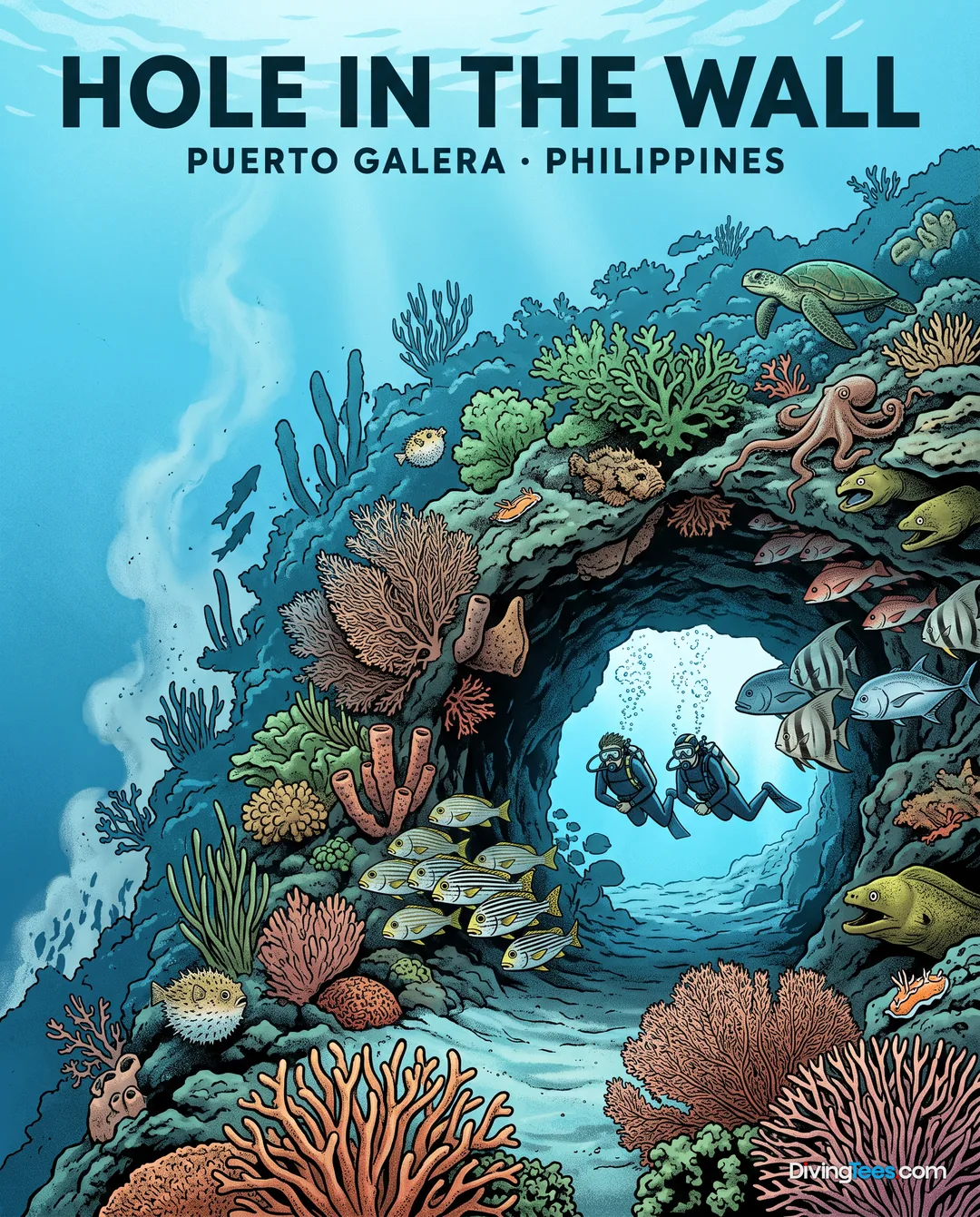
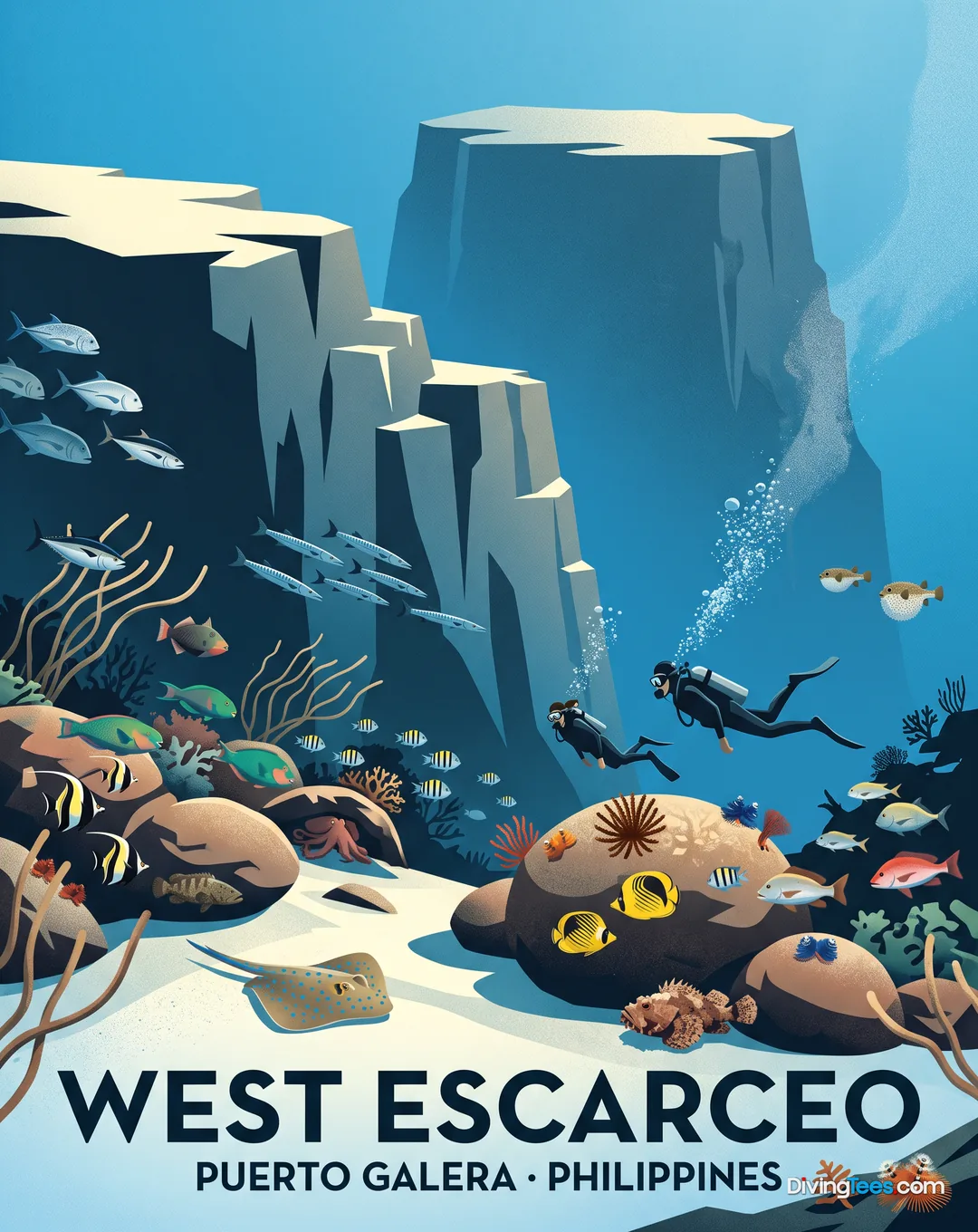
The diving alternates between sloping reefs, vertical walls, sandy macro ground and current-shaped channels. West Escarceo can be a gentle reef slope or a fast drift, while Hole in the Wall adds a swim-through tunnel between ten and eighteen metres. Canyons is a more serious proposition: its three reef channels funnel strong currents and can include downcurrents, with dives generally between twenty-two and thirty metres. Visibility is changeable, roughly five to thirty metres depending on site and conditions. Sabang Wrecks offers milder water and depths from six to twenty-two metres; deeper walls at Dungon Wall, Hibo Reef and Sinandigan Wall demand better judgement. Most dives are short boat outings, with sites chosen according to tide, wind and current rather than a fixed daily sequence.
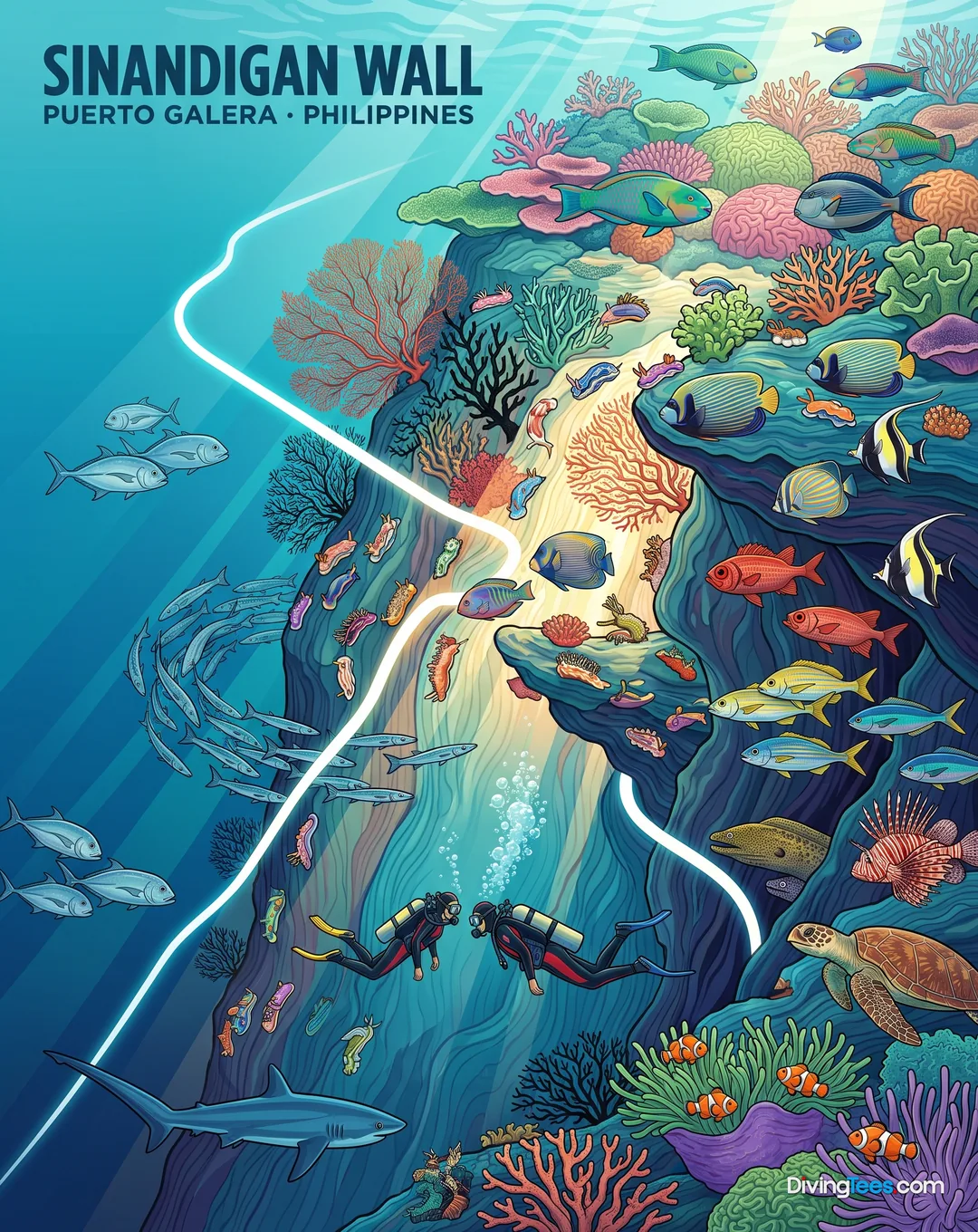
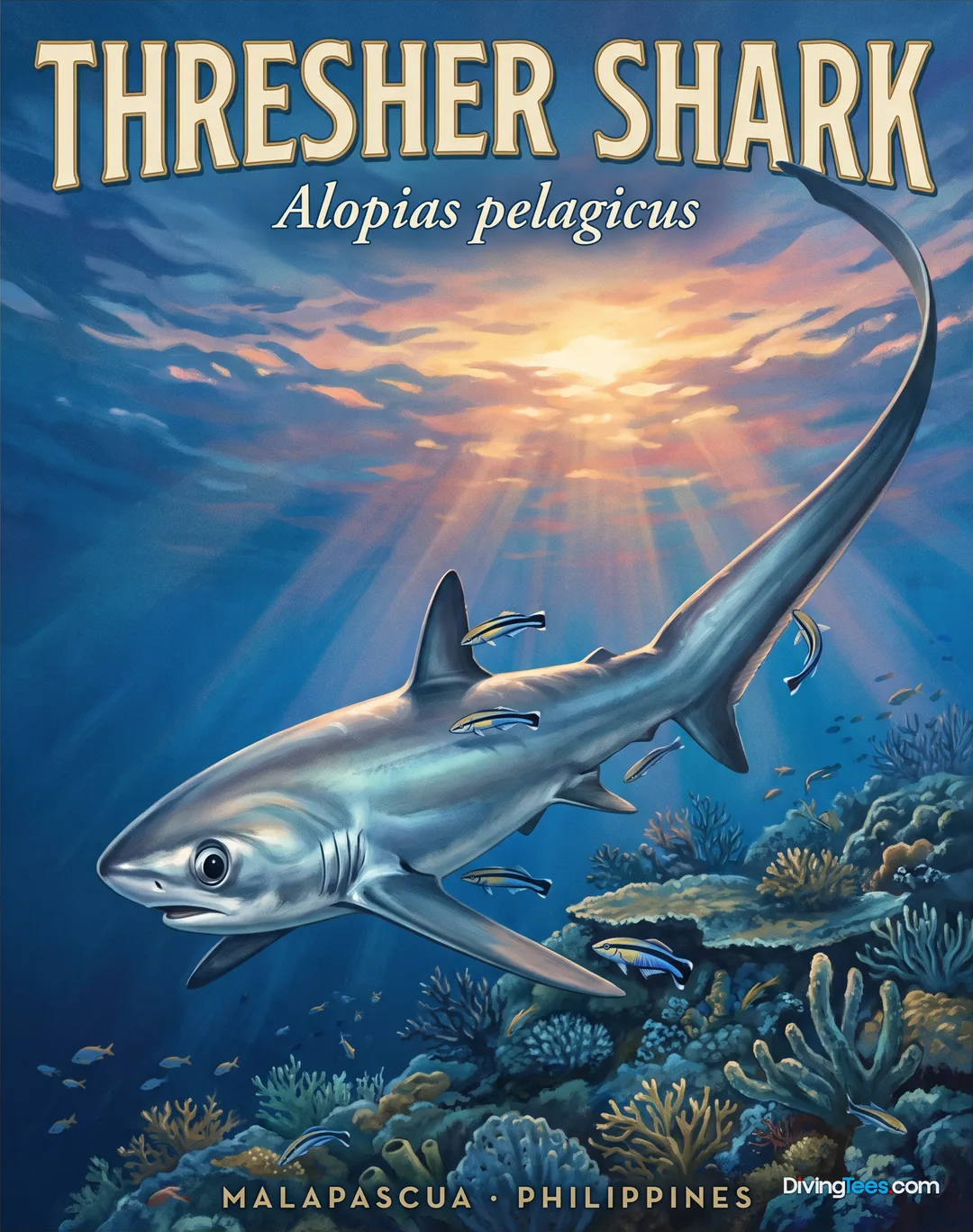
Puerto Galera rewards slow looking. Nudibranchs, frogfish, octopus, moray eel and peacock mantis shrimp suit the sandy slopes and muck areas, while butterflyfish, damselfish, anthias, wrasse, batfish and other reef fish occupy the coral. Lionfish and scorpionfish are part of the wall and reef scenery, and triggerfish add movement to the larger fish life. Giant Clams is the obvious place to concentrate on small invertebrates and Tridacna gigas in relatively shallow water. The deeper sites can bring tuna, mackerel and reef sharks. Early morning at Kilima Steps may offer a passing thresher shark in the deeper blue, while Sinandigan Wall also carries that possibility. These are opportunities rather than guarantees; the destination’s reliable pleasure is finding detail rather than chasing a single animal.
The measured window for Puerto Galera runs from April to October, when the sea is generally at its calmest and boat diving is easier to organise. March to May brings the lowest rainfall, which can make the journey and time between dives more comfortable as well. Conditions still vary with tides, wind and lunar phase, so a site may be moved even during the preferred period. The calmer months matter here because the diving depends on short boat runs and access to different sides of the bay. Keeping a spare day in a five-to-seven-day stay gives ferry timing or unsettled sea conditions room to disrupt the plan without taking over the whole trip.
Open Water divers can use the sheltered sections, including shallower reefs and Sabang Wrecks, provided the local conditions suit their experience. Advanced Open Water training and drift-diving confidence become useful at West Escarceo, Sinandigan Wall, Dungon Wall, Ernie’s Point and the deeper sites. Canyons and Hibo Reef are for divers comfortable with strong, variable current and deeper profiles; around fifty logged dives is a sensible benchmark for those sites. BSAC, PADI and SSI qualifications are all relevant, but certification alone does not replace recent experience in moving water.
From London Heathrow, London Gatwick or Manchester, the journey begins with an international flight to Manila. Puerto Galera has no commercial airport, so the final approach is necessarily a combination of road travel to a port in southern Luzon and a ferry or boat crossing to Mindoro. That sea leg is the structural point to plan around: connections should not be tightly timed, particularly on the return journey. Once in the coastal part of Puerto Galera, divers generally stay within walking distance of boat departures or cover short distances by tricycle. Keeping the arrival and departure days flexible is more useful than trying to compress the road and ferry sequence.
Treat Puerto Galera as a series of short, contrasting dives rather than a hunt for one signature landscape. The shallow Giant Clams area and Sabang Wrecks provide useful alternatives when current or traffic makes exposed sites unattractive. Ask for rotations that mix reef, slope and more sheltered ground; repeatedly visiting the busiest, easiest sites is not the best use of the bay. A small macro setup, or simply a magnifying lens if normally used, earns its place here because nudibranchs, frogfish and other cryptic subjects disappear when the pace is too fast. At current-prone sites, tide and lunar timing matter more than a fixed preference for a particular name: Canyons, Ernie’s Point and West Escarceo can change character quickly. Keep one day uncommitted for weather and ferry disruption, and stay close to the departure area rather than relying on morning transfers from another village. Do not arrive expecting isolated atoll scenery; Puerto Galera is strongest when its walls, wrecks, channels and small life are taken together.
A practical stay is five to seven days, allowing several boat days without making every morning dependent on perfect conditions. Accommodation is usually within walking distance of the coastal diving area, with short tricycle rides available when needed. Between dives, the bay’s villages, waterfront and nearby beaches provide gentle alternatives to more strenuous travel. Snorkelling in sheltered water can fill a quiet half-day, while a calm land-based day is sensible after a run of repetitive dives and before the return journey.
Hello, I'm Marina, DivingDeal.com's AI assistant. I guide you through destinations, areas and countries.
Thinking about the whole trip and the flights? Talk it over with Edith →
Marina is an AI. Some links are affiliate links: DivingDeal may earn a commission, at no extra cost to you. Bookings are made with the partner.
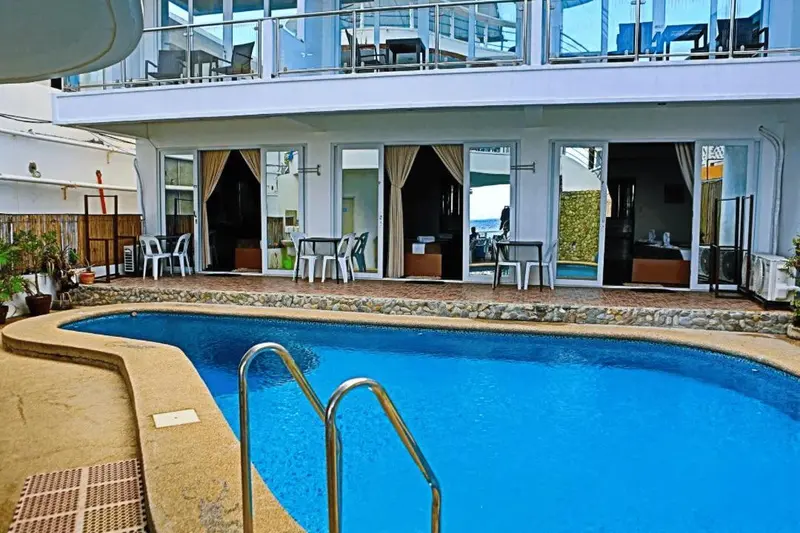
In each one, the dive centre is inside the hotel: step out of your room and go diving.
Dive centre in the hotel★★★
Google 4.9/5 (190 reviews)
The dive centre
Arkipelago Divers & Beach Resort
SSI
Google 4.9/5 (191 reviews)
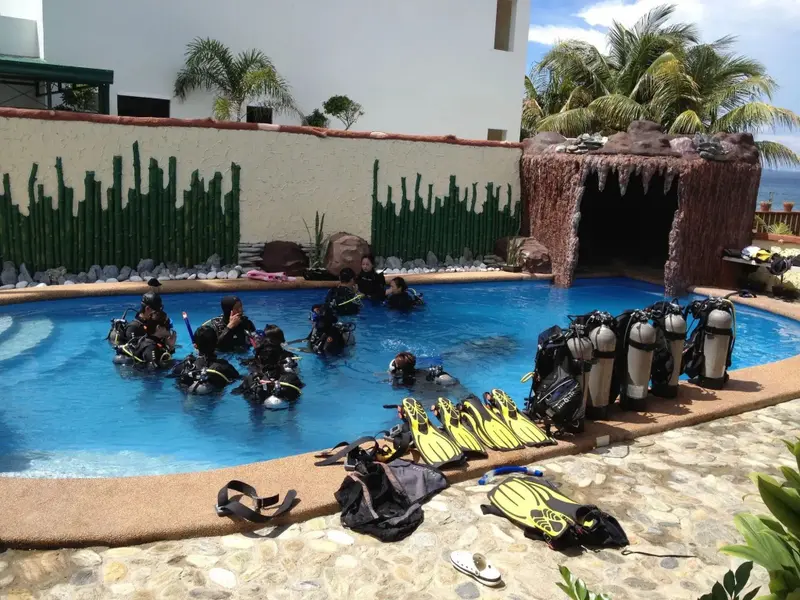 Dive centre in the hotel
★★★★
Google 4.5/5 (421 reviews)
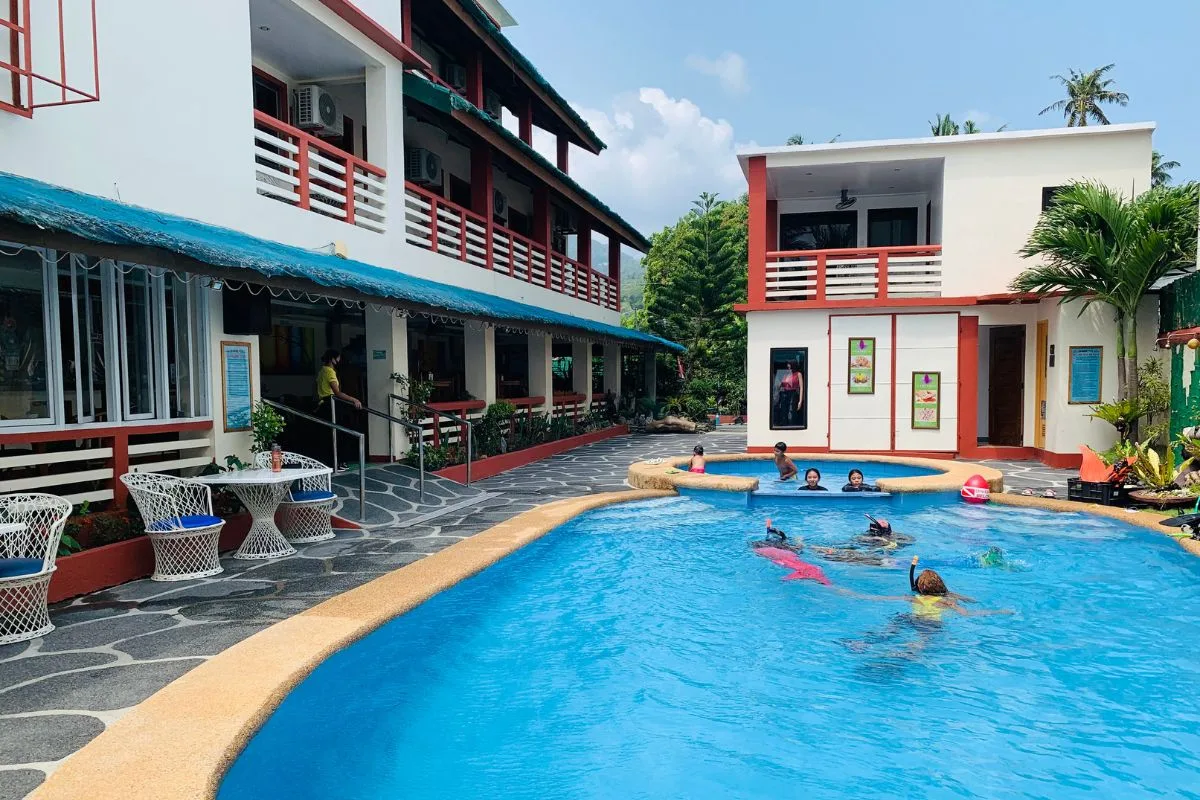
The dive centre
Badladz Dive Resort
PADI
Google 4.5/5 (425 reviews)
Dives: Sabang Wrecks, Monkey Beach, Alma Jane Wreck
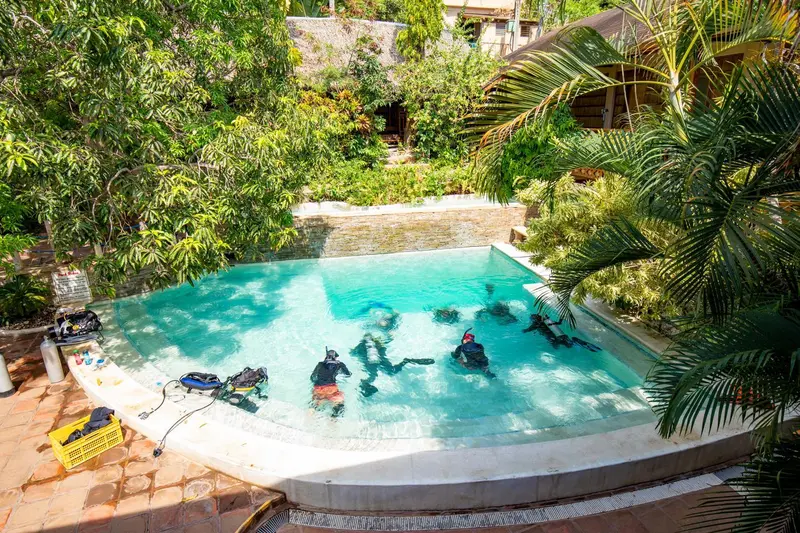 Dive centre in the hotel
★★
Google 4.5/5 (289 reviews)
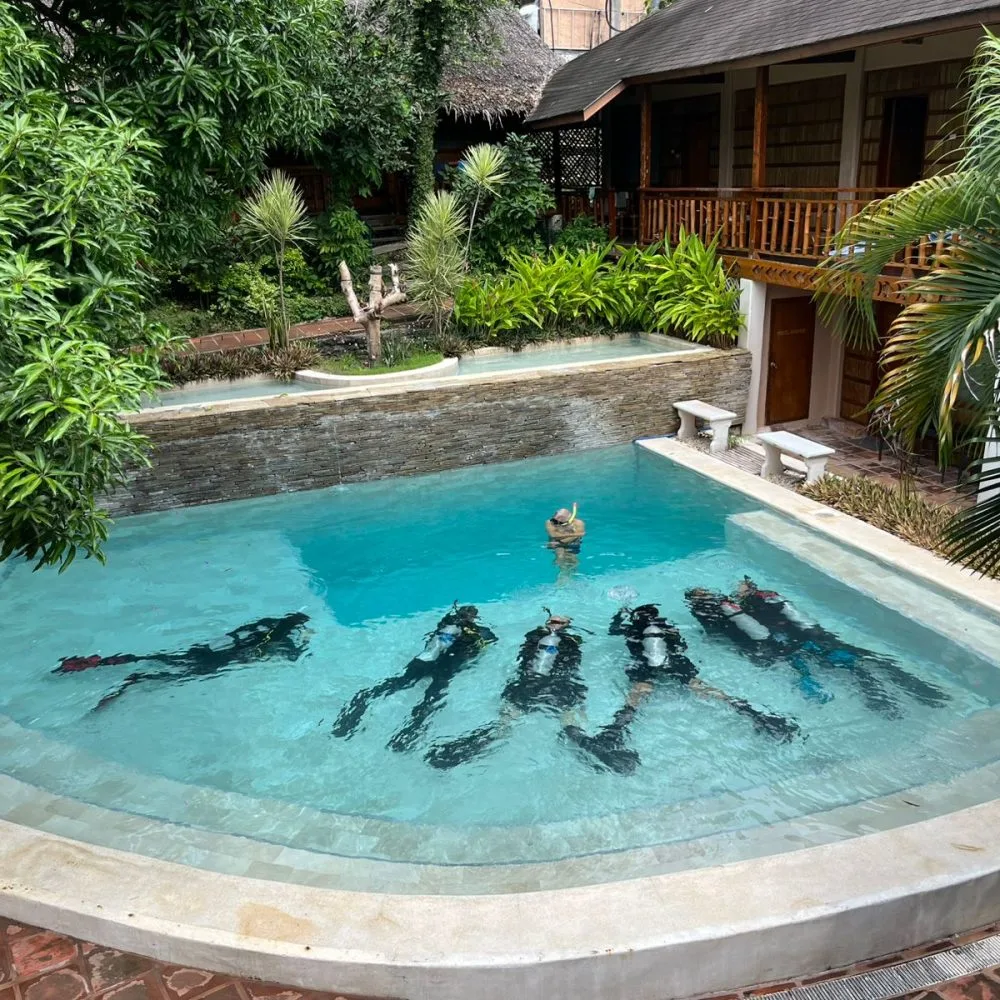
The dive centre
Asia Divers
PADI · TDI · SDI
Google 4.5/5 (289 reviews)
Dives: Verde Island drop-off, Alma Jane Wreck
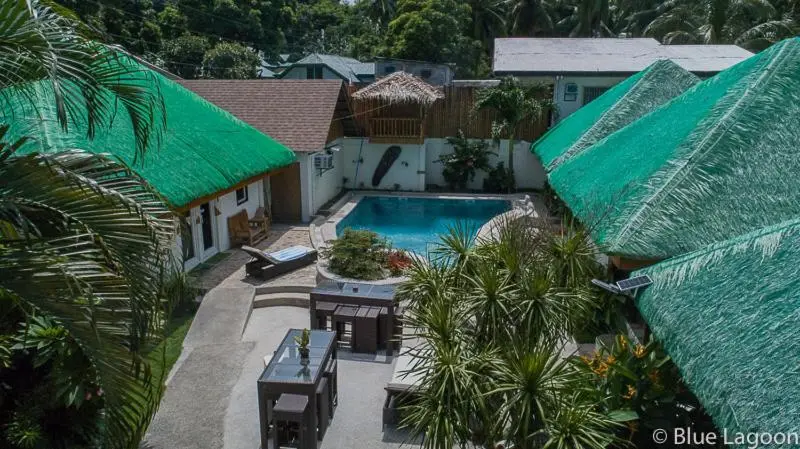 Dive centre in the hotel
★★
Google 4.8/5 (119 reviews)
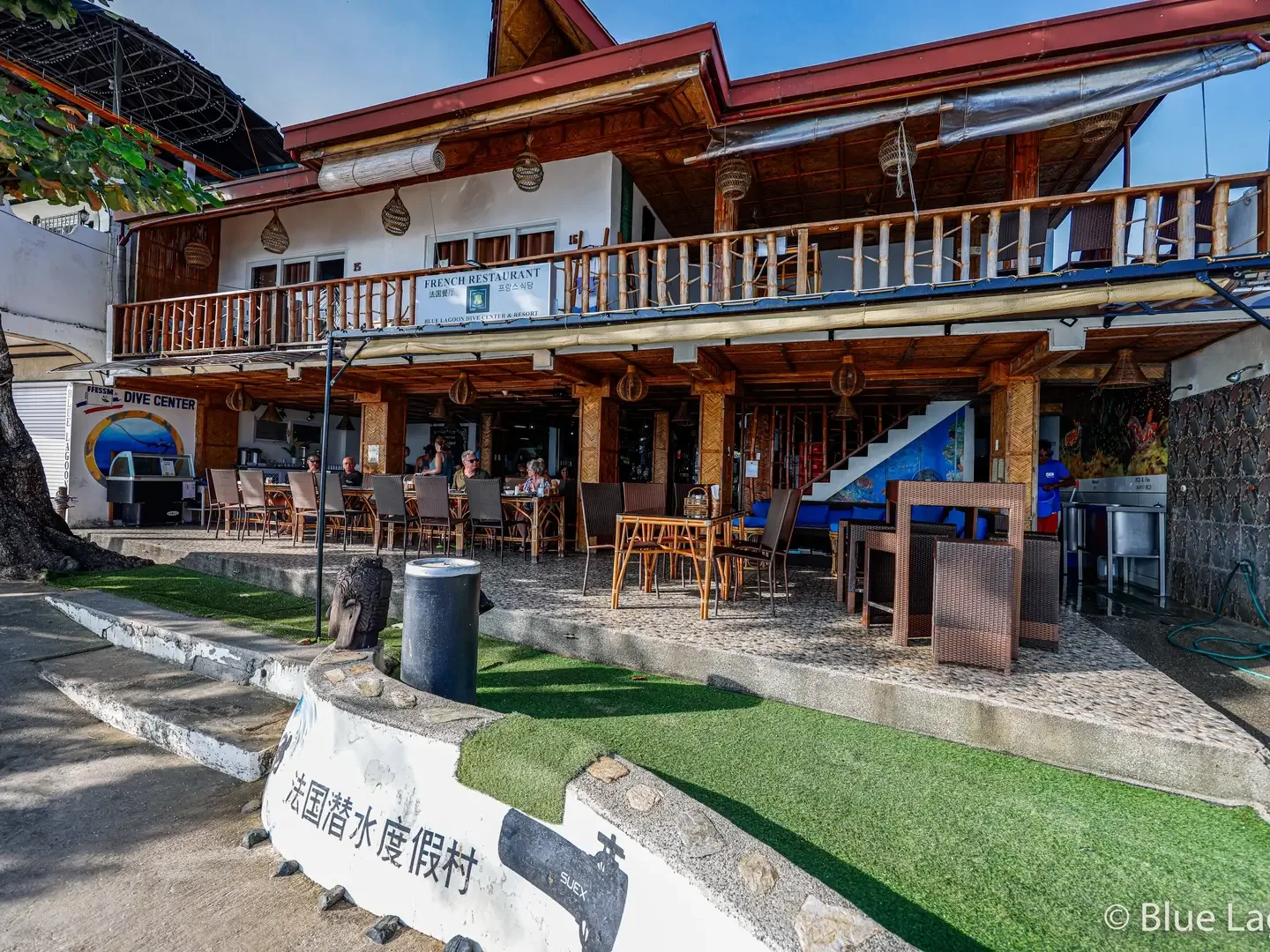
The dive centre
Blue Lagoon Dive Resort
FFESSM · SDI · TDI · PADI · CMAS · FSGT
Google 4.8/5 (124 reviews)
Dives: Fantasea, Ernest point, Verde island
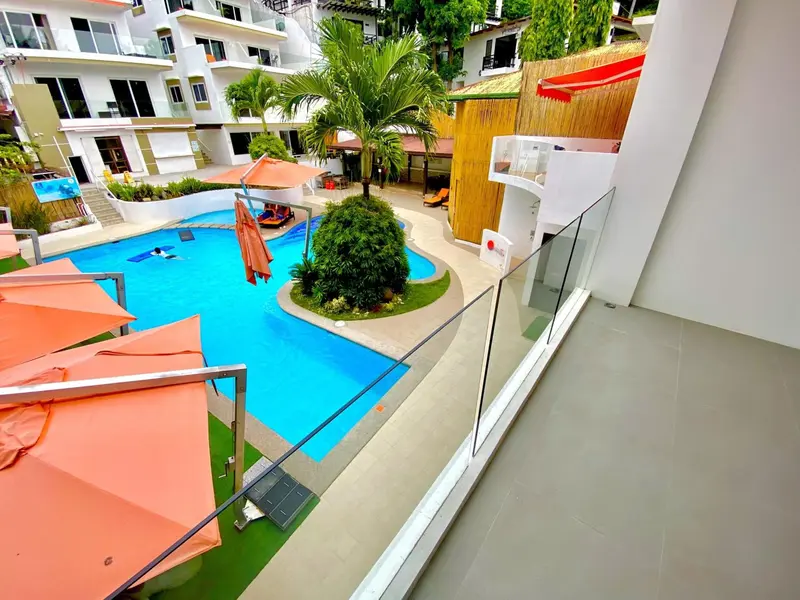 Dive centre in the hotel
★★★★
Google 4.5/5 (231 reviews)
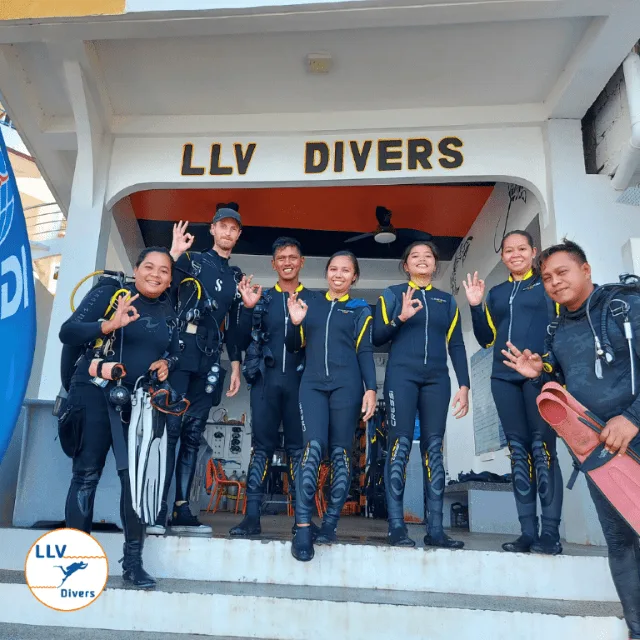
The dive centre
Lalaguna Villas Luxury Dive Resort and Spa
PADI
Google 4.5/5 (234 reviews)
Dives: Verde Island, West Escarceo, The Canyons
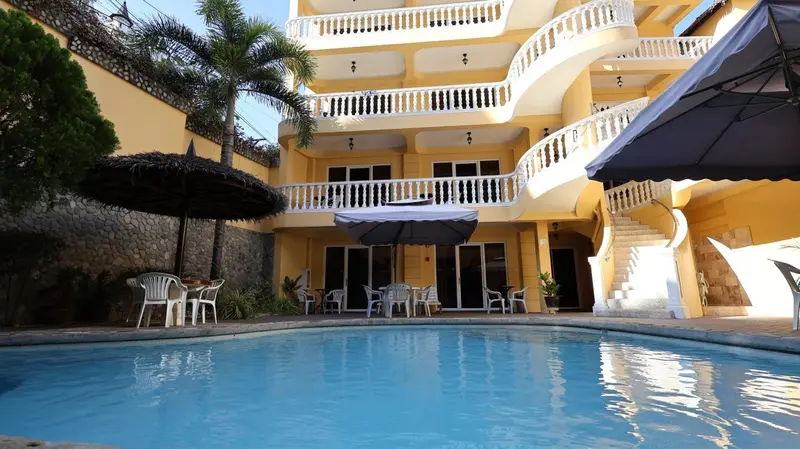 Dive centre in the hotel
★★★
Google 4.3/5 (165 reviews)
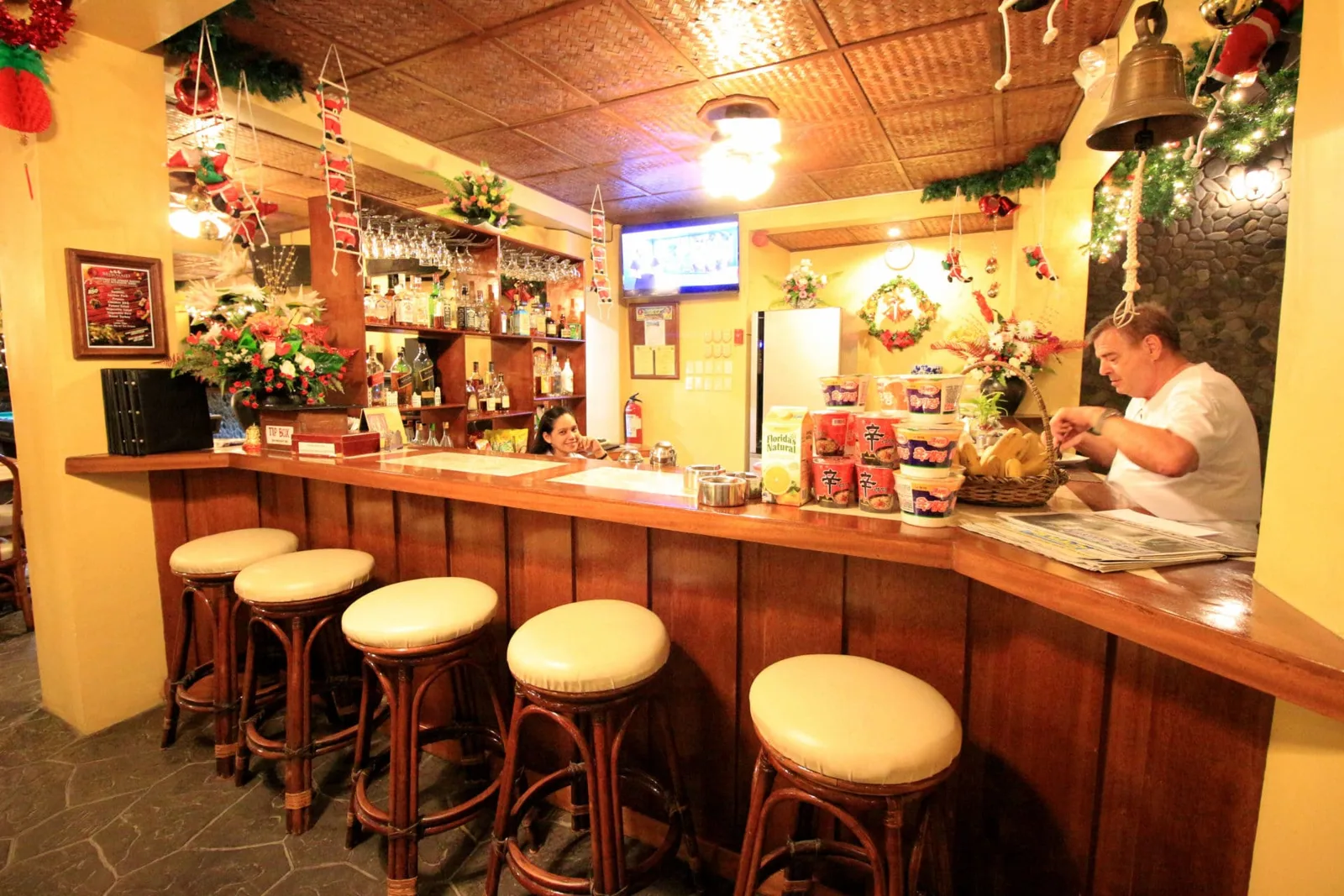
The dive centre
Mermaid Resort
PADI
Google 4.3/5 (165 reviews)
Dives: Verde Island
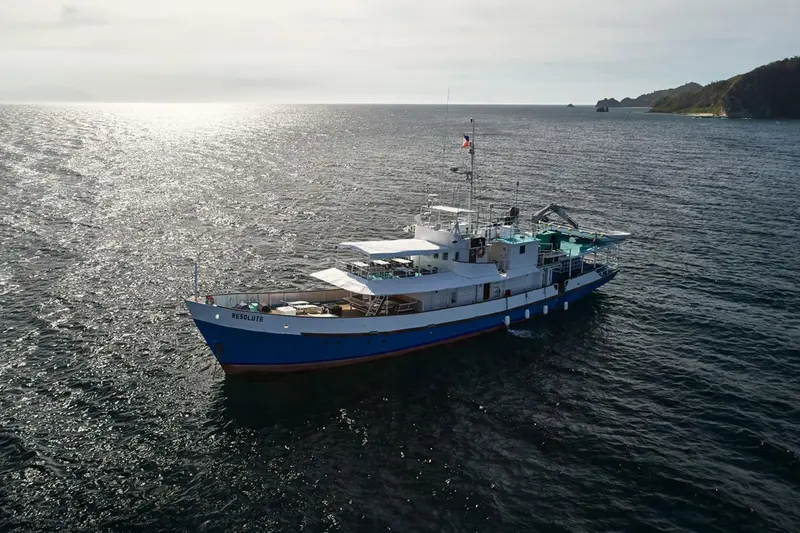
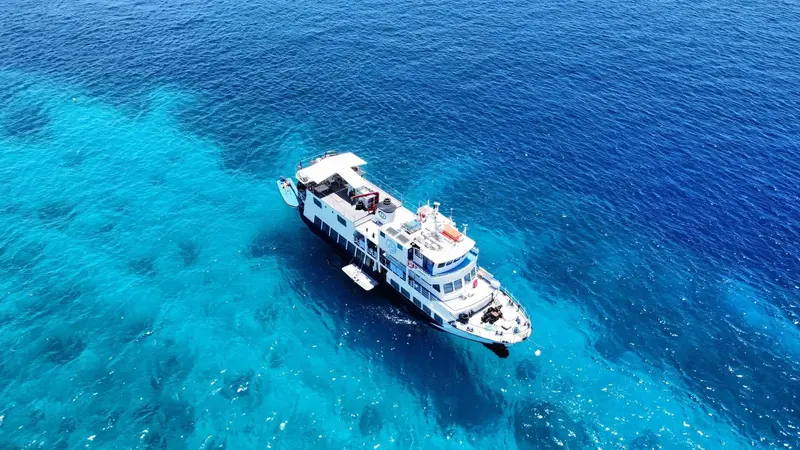
2 liveaboards run trips to Puerto Galera.
April to October offers generally calmer seas, making short boat trips and access to different sides of the bay easier. March to May has the lowest rainfall. Tides, wind and lunar phase can still alter conditions, so keep a spare day for ferry timing or unsettled weather.
Open Water divers can use sheltered sections, shallower reefs and Sabang Wrecks when conditions suit. Advanced training and drift-diving confidence help at West Escarceo, Sinandigan Wall and deeper sites. Canyons and Hibo Reef require comfort with strong, variable currents and deeper profiles; recent moving-water experience matters more than certification alone.
You can look for nudibranchs, frogfish, octopus, moray eels and peacock mantis shrimp on sandy slopes and muck areas. Coral reefs hold reef fish, lionfish and scorpionfish. Giant Clams features Tridacna gigas in shallow water, while deeper sites may bring tuna, mackerel, reef sharks or passing thresher sharks.
Plan five to seven days around short boat dives, mixing reefs, walls, wrecks, channels and sheltered sites. Keep arrival and departure flexible because the road, port and ferry sequence can be disrupted. Stay near boat departures, leave one day uncommitted, and use snorkelling or a calm land day when conditions or fatigue interrupt diving.