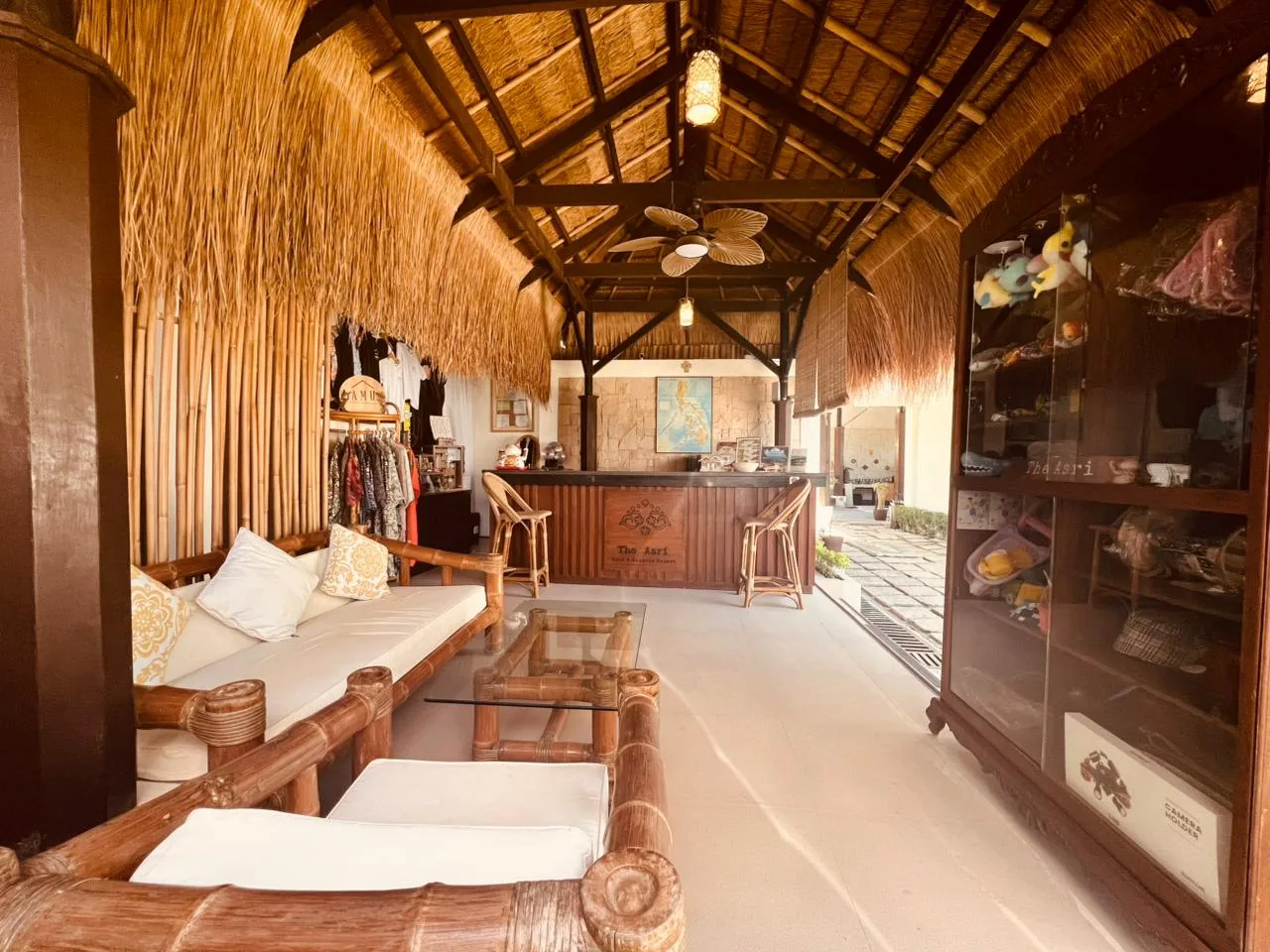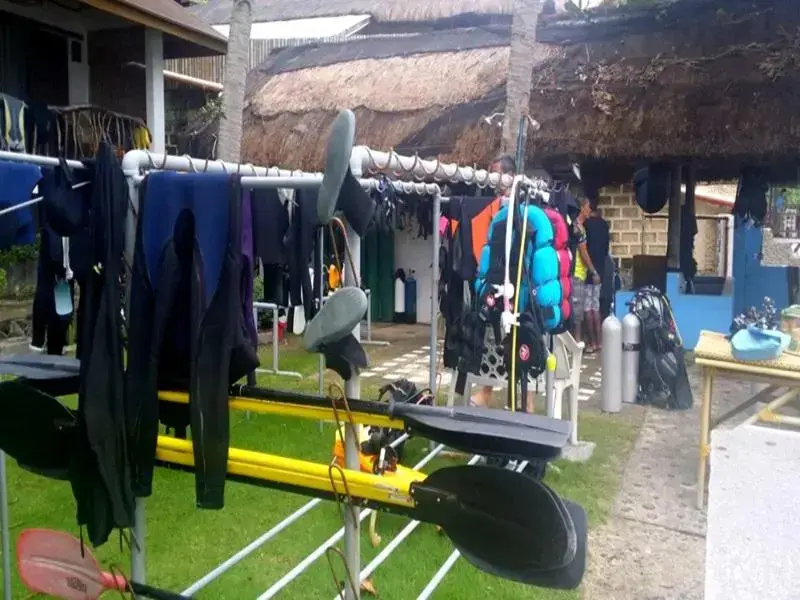
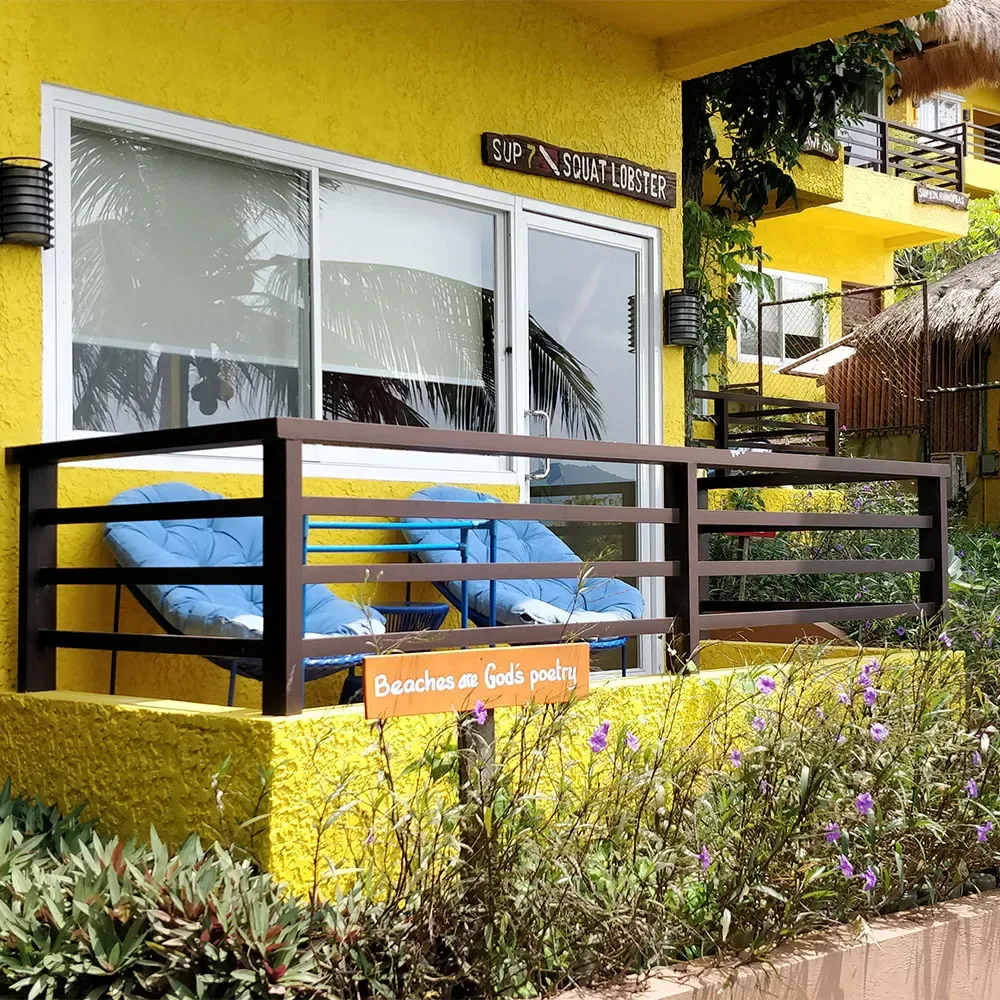
 Dive centre in the hotel
Buceo Anilao Beach and Dive Resort
★★★
Google 4.7/5 (214 reviews)
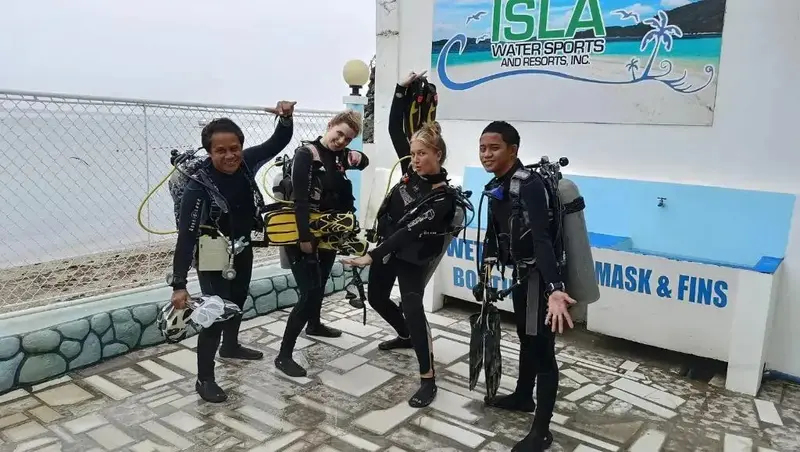
The dive centre
Buceo Anilao Beach Dive Resort
PADI
Google 4.7/5 (215 reviews)
Dives: Buceo Point (House Reef), Verde Island, Casino flottant coulé
Philippines · Asia
Buceo Point’s silty bottom, Verde Island’s slopes down to 38 metres, frogfish and nudibranchs define Anilao’s patient, close-looking style of diving.
For subtitles in English: start the video firstthen click the gearat the top right of the video, select “Subtitles/CC”, then “Auto-translate” and choose “English”.
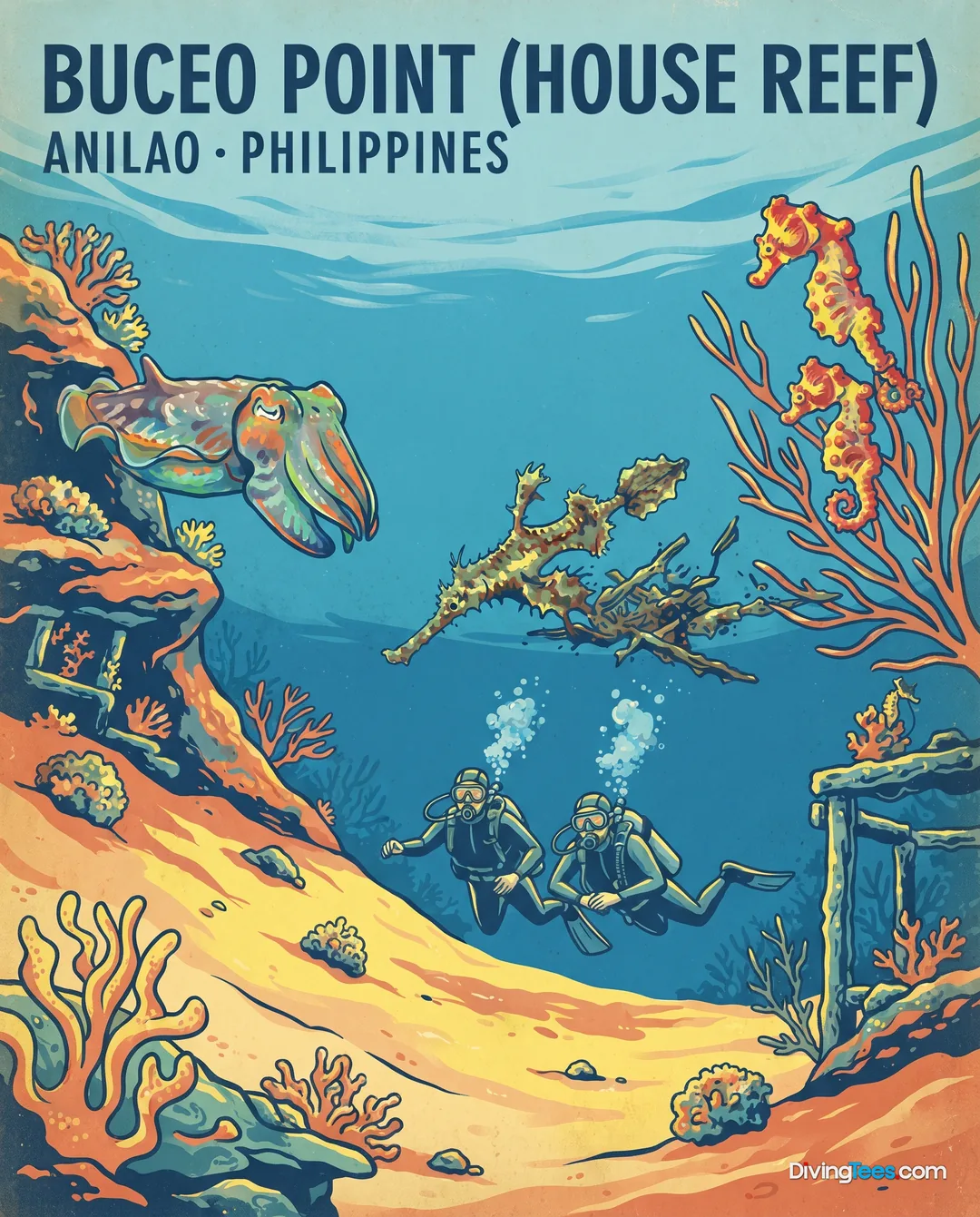
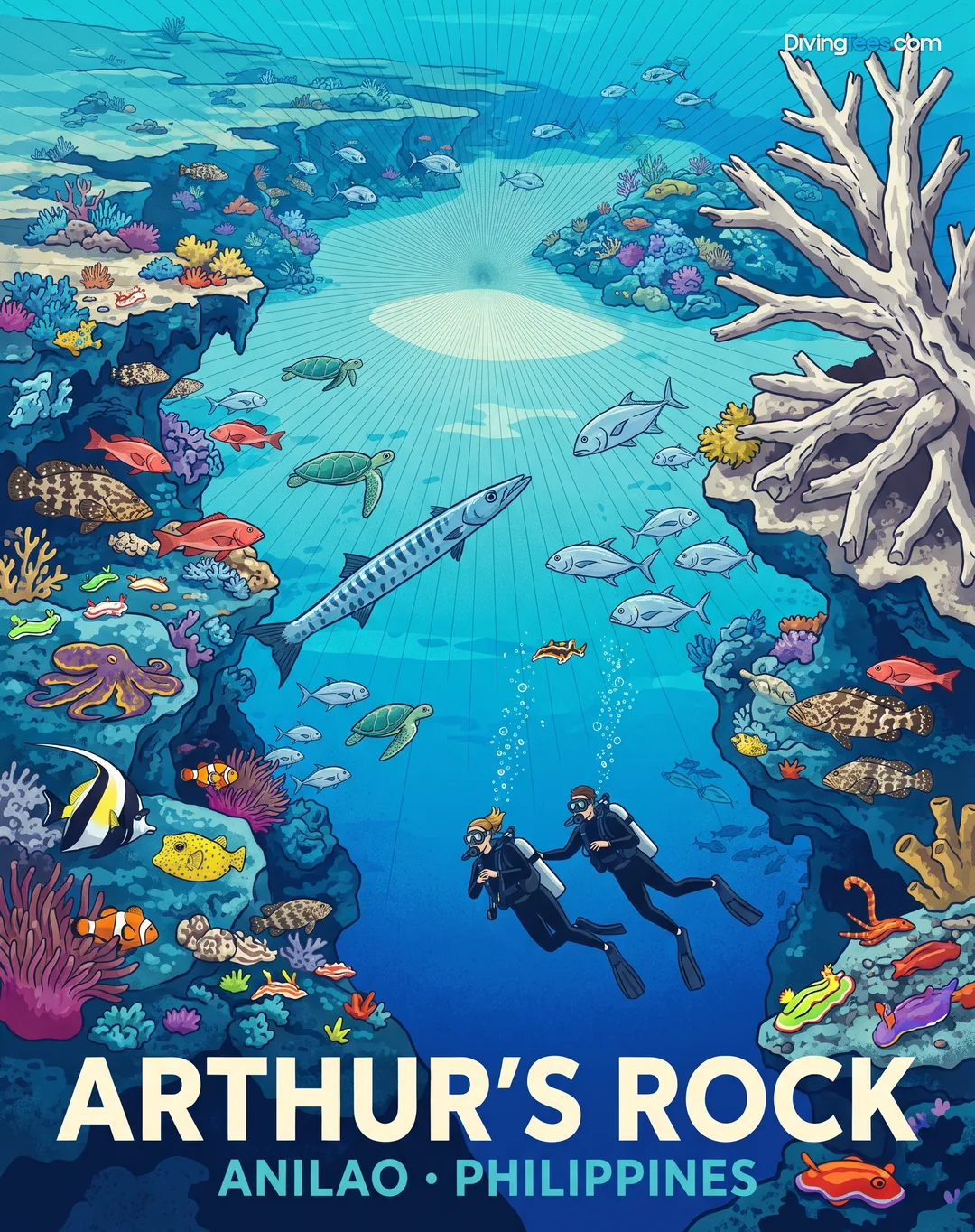
At Buceo Point, a soft, silty bottom rewards a slow fin and an even slower search for cryptic macro life. That house reef captures what Anilao is about: repeated dives from a resort base, short boat runs, reef slopes, walls and muck sites rather than a single headline wreck or pelagic guarantee. Verde Island adds a bigger-scale option, with dives from five to 38 metres, schooling pelagics and endemic species. It is a practical mainland base for divers who enjoy looking closely.
Anilao mixes shore and boat diving, with most outings involving short runs from the local jetties. Reef slopes, walls and muck bottoms dominate, and the diving generally suits repeat dives and patient observation rather than fast drift diving. Buceo Point is accessible to novice divers, with a maximum depth of 20 metres and usually light current, although weather and tides can change that. Conditions elsewhere are variable, so a calm-looking departure should not be taken as a promise of slack water throughout the dive. Visibility at Buceo Point is typically between six and 24 metres; silty sections reward careful positioning, particularly when several photographers are working the same patch of bottom. Verde Island reaches 38 metres and provides the more open reef setting, while local macro sites are where the close-focus work happens.
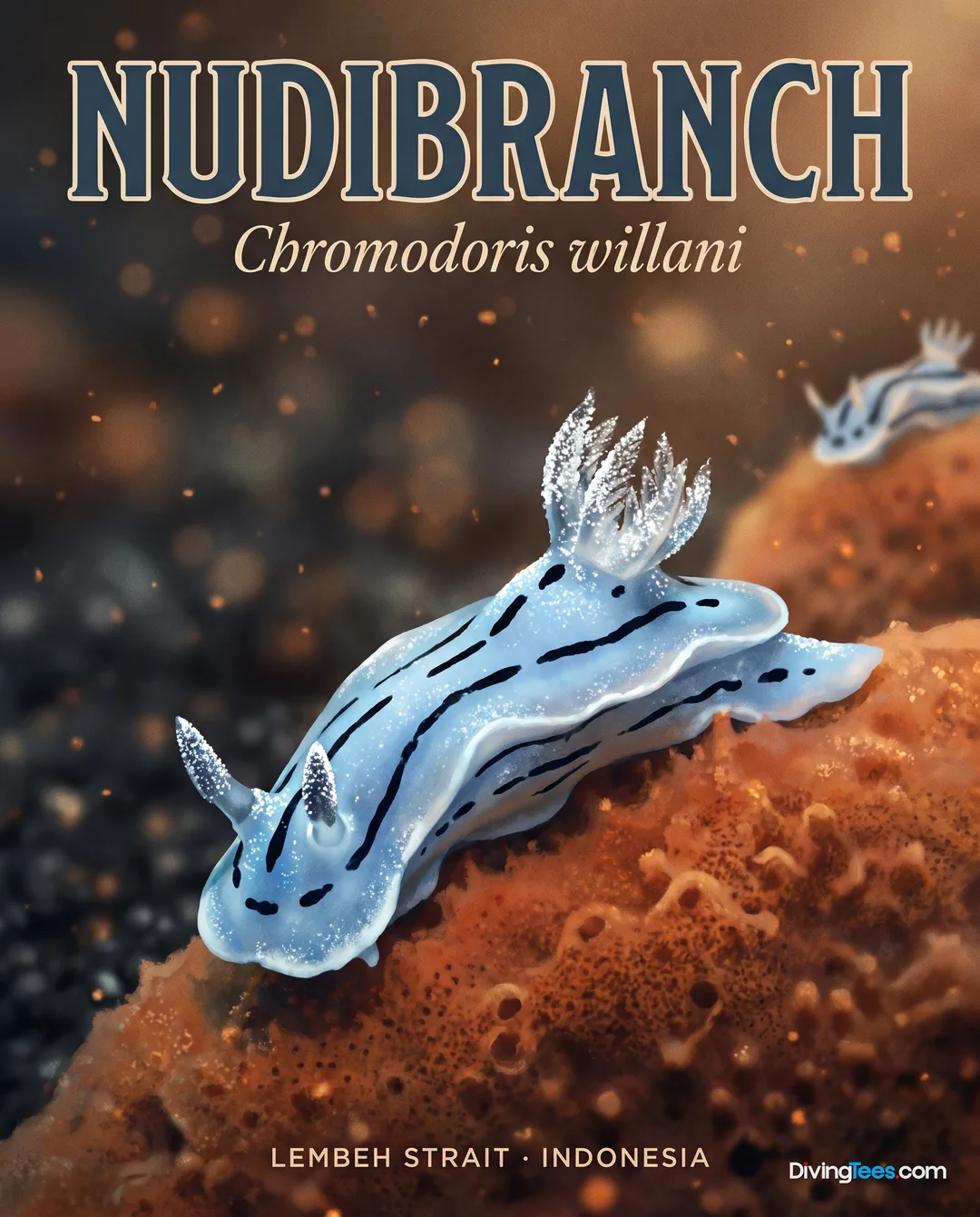
The reliable attraction is small life: frogfish, nudibranchs and seahorses are regular year-round subjects. Buceo Point’s soft bottom is particularly suited to searching for rare, cryptic creatures, provided divers move slowly enough to notice them. This is a destination where a guide’s pointing finger may reveal more than a dramatic drop-off, and where a second dive on familiar ground can produce something entirely different. Verde Island broadens the picture with schooling pelagics and endemic species in its highly diverse ecosystem. Manta rays and whale sharks belong in the category of rare encounters rather than animals around which to build an itinerary. A proper macro setup, patience and the ability to hold position matter more here than chasing large animals.
The measured calmest sea period is from April through June, making this the most straightforward window for boat diving and repeated trips to Verde Island. Rainfall is lowest from November through May, while the site information describes conditions at Buceo Point and Verde Island as generally favourable from October through June. April to June therefore combines the calmest recorded sea with the tail end of the drier period. October to March can still work well, particularly for divers concentrating on local muck and reef sites, but the boat programme should retain some flexibility for changing weather and tides. The practical reason to favour the calmer months is simple: Anilao rewards repetition, and more reliable boat access makes it easier to repeat a site or adjust the day’s plan.
Anilao suits all levels, including divers still building experience, and Buceo Point is specifically suitable for novice divers. PADI, SSI and BSAC qualifications are all a reasonable basis for local diving, with Nitrox useful for a schedule built around repeated dives. The real requirement is not an advanced speciality but controlled buoyancy, gentle finning and patience. Variable current and silty bottoms punish rushed movement, while the best macro subjects are easy to miss if a diver is more interested in covering ground than examining a small patch of reef.
From London Heathrow, Gatwick or Manchester, the journey begins with a flight to the Philippines, normally routing through Metro Manila or another gateway serving Batangas. Anilao has no airport, so the defining final leg is a road transfer to Anilao or Mabini on the Batangas peninsula. Allow several hours for that overland connection and plan baggage handling accordingly; this is not an island arrival built around a ferry hop. Once at the resort strip, many dive operations run their own boats, with departures from the shore or nearby jetties. Accommodation and diving are often close enough to be walkable, or require only a very short local transfer. Booking the road transfer alongside the diving schedule can remove an unnecessary layer of coordination after a long flight.
Pack a proper macro setup rather than arriving with only a wide-angle lens. Anilao’s strongest scenes are often a frogfish, nudibranch or seahorse found on a silty bottom, and the camera work depends on staying close without stirring the sediment. Plan several consecutive diving days: the destination pays back repetition, allowing time to revisit a muck site, follow tide and weather changes, and let a guide search patiently. Do not overweight yourself on soft-bottom dives; a cloud of silt can spoil the view for the divers behind you. Early departures can reduce congestion at the most photographed sites, while less-promoted macro sites may offer a quieter working distance. Treat the journey as a mainland road transfer, not a ferry-access island break, and avoid a rushed schedule after landing. Keep expectations centred on small subjects, with Verde Island providing the larger reef setting and occasional pelagic interest.
A five- to seven-day land-based stay gives Anilao its proper shape. Dive resorts combine local day boats with easy access to nearby shore and muck sites, so the day can be built around repeated macro dives rather than long transfers between islands. Keep one day flexible for weather, tides or a trip to Verde Island. A non-diving companion is best suited to a quiet resort base, beach time and a short inland visit in Batangas rather than a packed sightseeing programme.
Hello, I'm Marina, DivingDeal.com's AI assistant. I guide you through destinations, areas and countries.
Thinking about the whole trip and the flights? Talk it over with Edith →
Marina is an AI. Some links are affiliate links: DivingDeal may earn a commission, at no extra cost to you. Bookings are made with the partner.
In each one, the dive centre is inside the hotel: step out of your room and go diving.
Dive centre in the hotel★★★
Google 4.7/5 (214 reviews)
The dive centre
Buceo Anilao Beach Dive Resort
PADI
Google 4.7/5 (215 reviews)
Dives: Buceo Point (House Reef), Verde Island, Casino flottant coulé
★★★★
Google 4.5/5 (159 reviews)
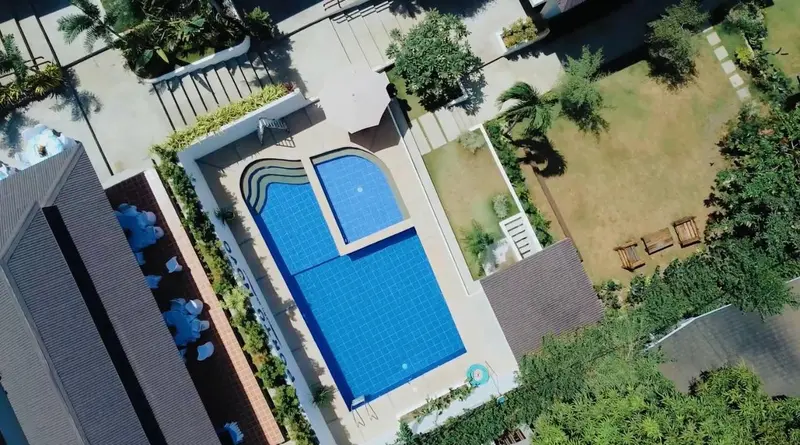
The dive centre
Solitude Acacia Resort
PADI · TDI · SDI
Google 4.5/5 (164 reviews)
Dives: Anilao
 Dive centre in the hotel
Google 4.7/5 (68 reviews)
The dive centre
Porto Novo Anilao Dive & Liesure Resort
SSI · TDI · SDI
Google 4.7/5 (69 reviews)
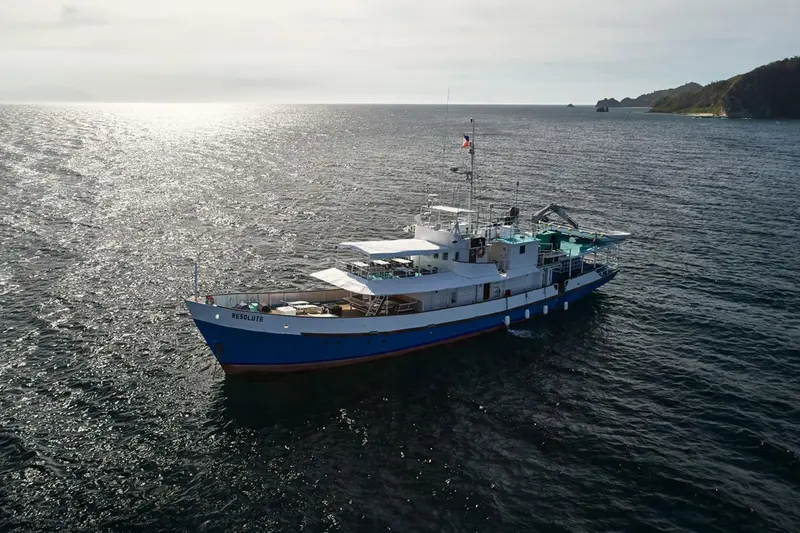
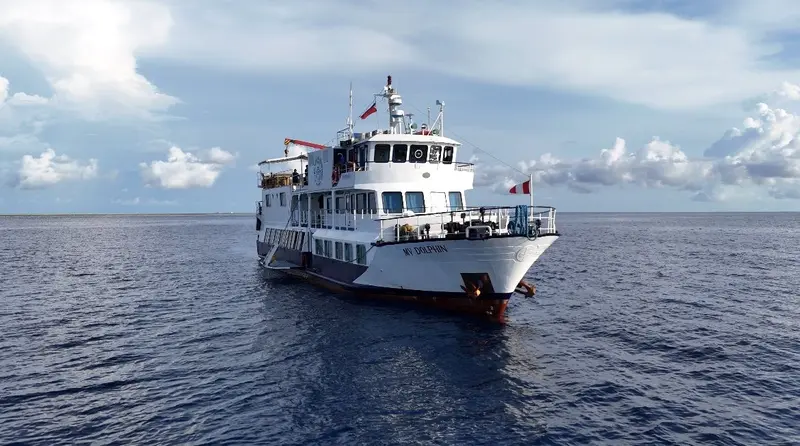
2 liveaboards depart from Anilao another way to explore the region, over several days at sea.
Your last day stays dry: no diving in the 18-24 hours before a flight, the perfect window to see the destination from another angle.
Ratings and reviews collected by Viator and Tripadvisor.
April through June offers Anilao’s calmest sea conditions, making boat diving and repeated trips to Verde Island more straightforward. Rainfall is lowest from November through May, while conditions at Buceo Point and Verde Island are generally favourable from October through June. Keep boat plans flexible because weather and tides can change.
Anilao suits all levels, and Buceo Point is accessible to novice divers. Controlled buoyancy, gentle finning and patience matter more than advanced qualifications, especially over silty bottoms and in variable current. PADI, SSI and BSAC qualifications are suitable, while Nitrox can help if you plan repeated dives.
Anilao focuses on close observation, with frogfish, nudibranchs and seahorses found throughout the year. Buceo Point offers muck diving over a soft, silty bottom, while Verde Island provides reef slopes, endemic species and schooling pelagics. Manta rays and whale sharks are rare encounters, not reliable itinerary features.
Plan a land-based stay at a dive resort, combining repeated local shore, muck and boat dives with a possible Verde Island trip. Allow flexibility for weather and tides, and consider several consecutive diving days so you can revisit sites. Travel involves a flight to the Philippines followed by a road transfer to Anilao or Mabini.