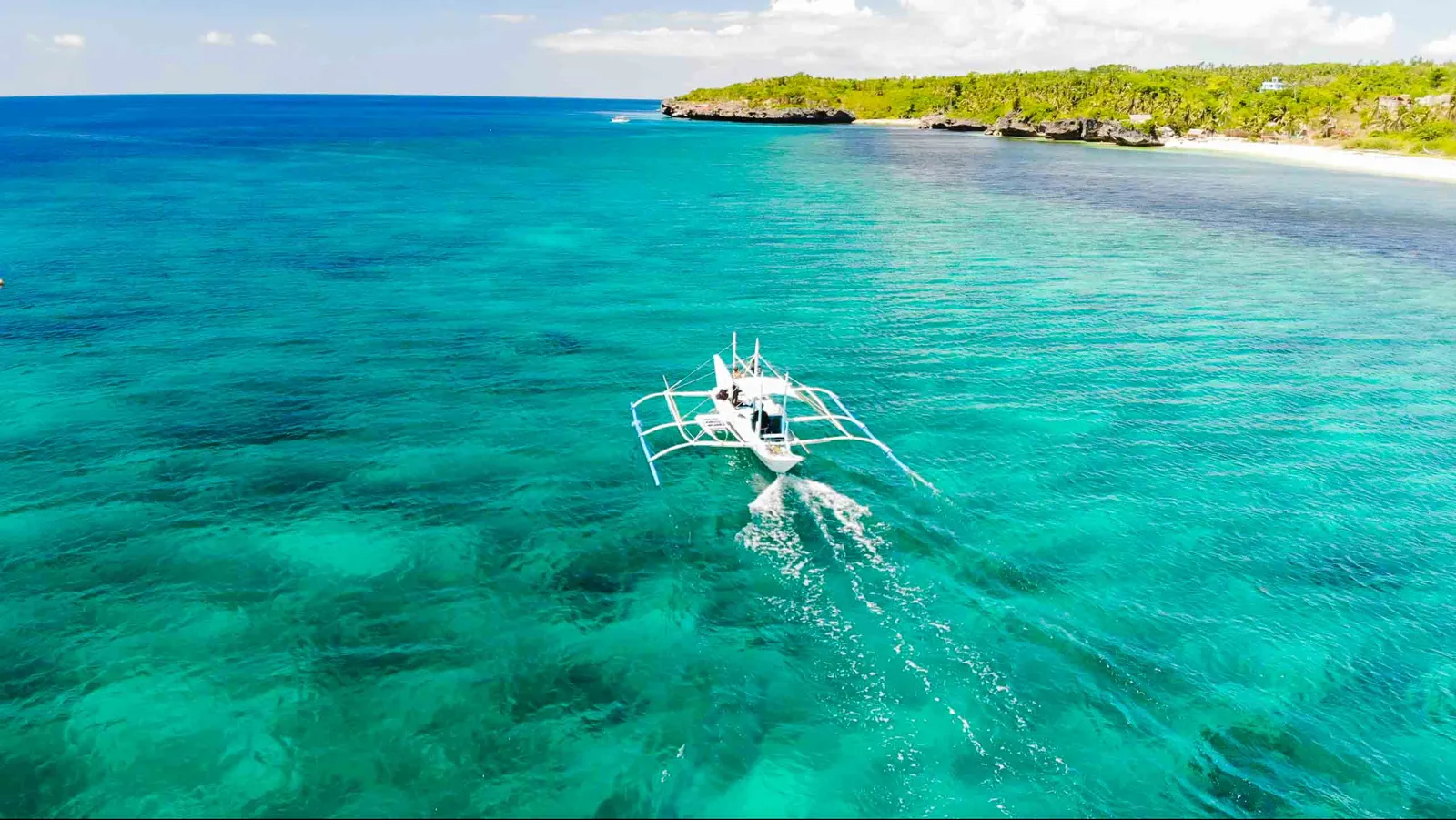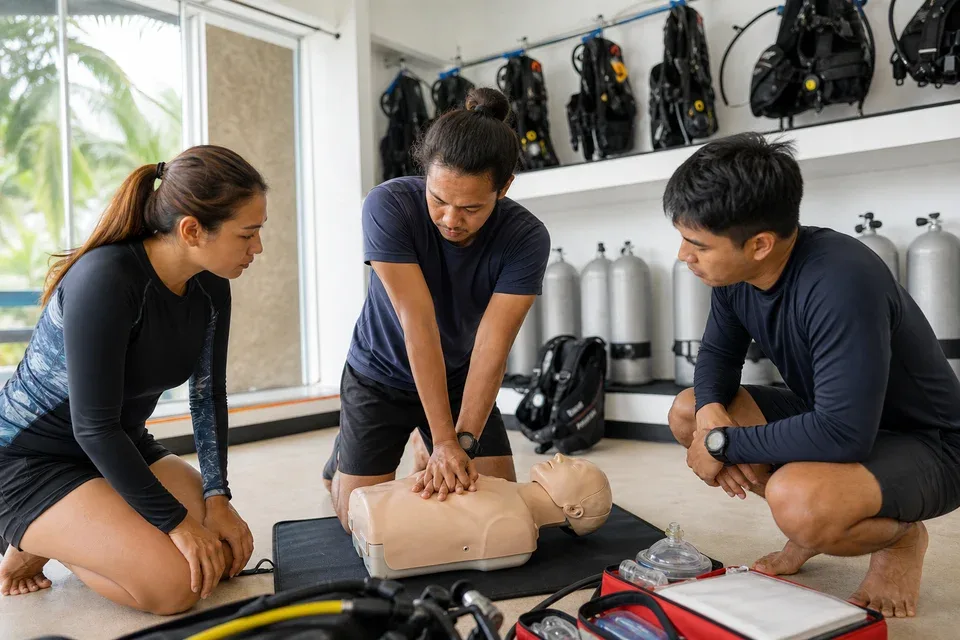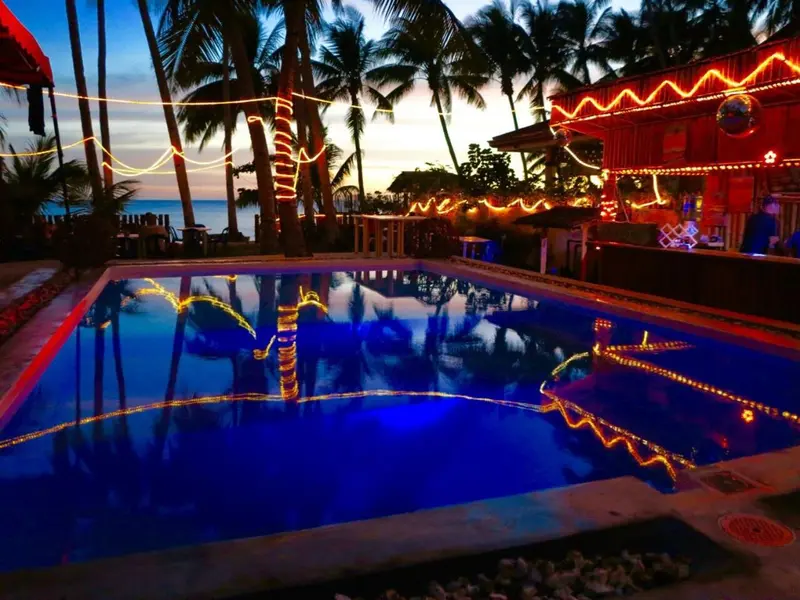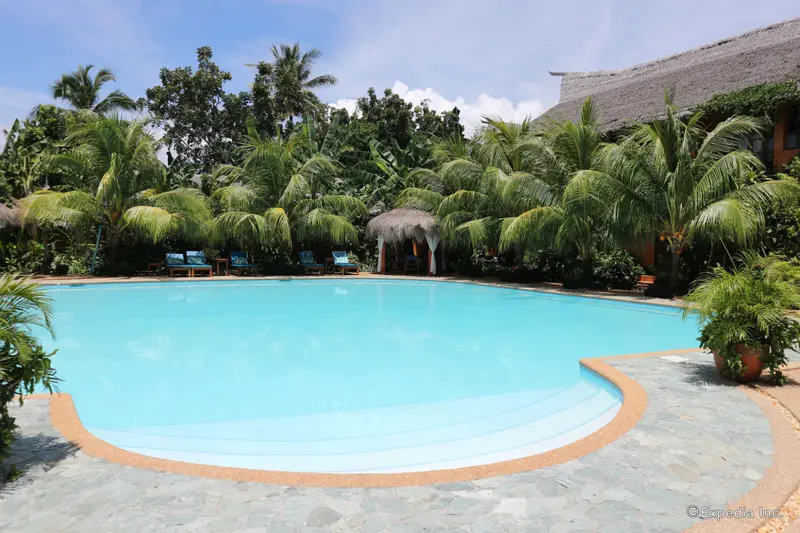



 Dive centre in the hotel
Apo Diver Beach Resort
★★★
Google 4.8/5 (288 reviews)

The dive centre
Apo Diver Siquijor
PADI
Google 4.8/5 (292 reviews)
Philippines · Asia
Underwater tunnels at Gato Island, coral walls to 55 metres at Capitancillo Islet, white-tip reef sharks and sea snakes define Siquijor's practical appeal.
For subtitles in English: start the video firstthen click the gearat the top right of the video, select “Subtitles/CC”, then “Auto-translate” and choose “English”.
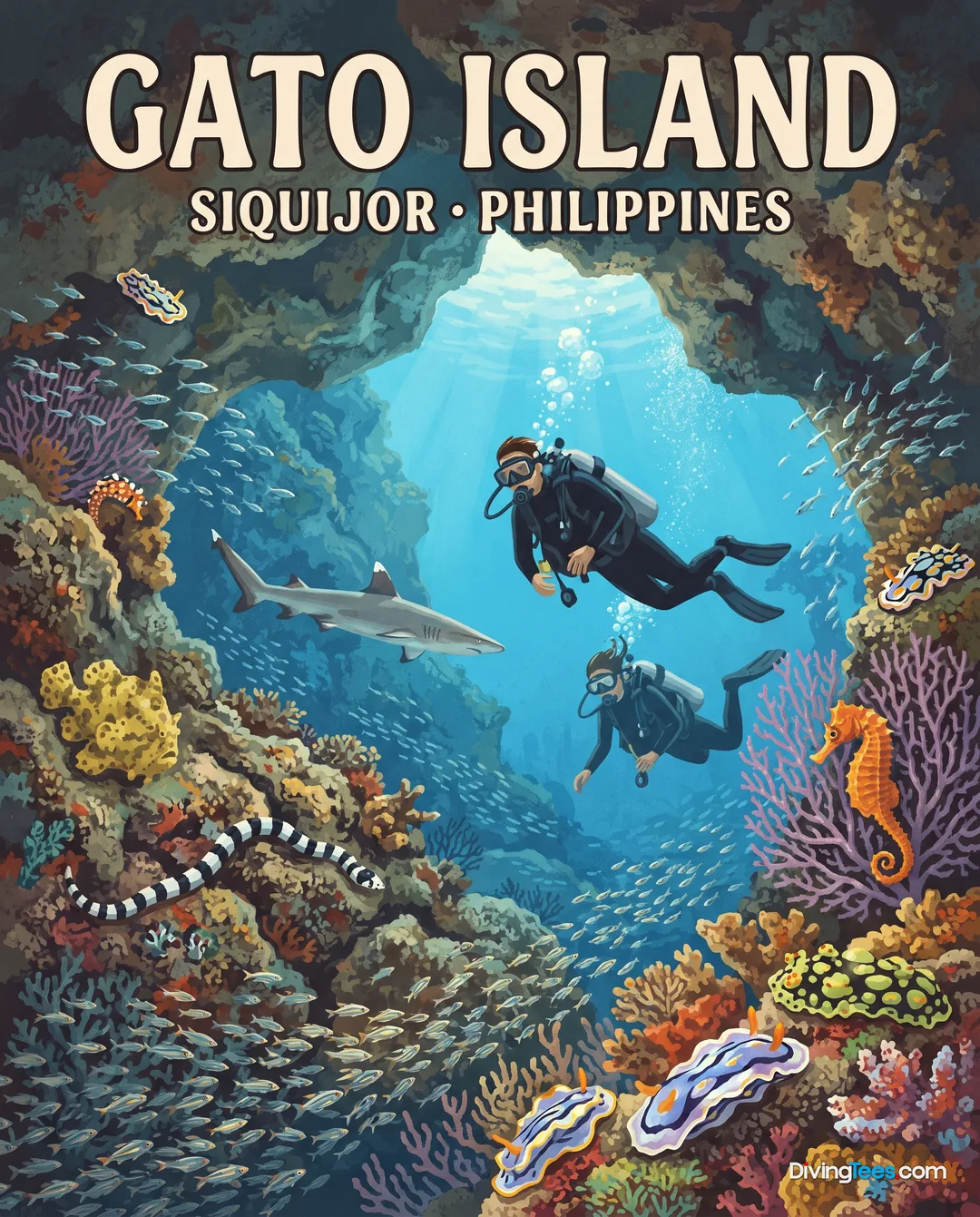
At Gato Island, divers pass through underwater tunnels where white-tip reef sharks and sea snakes may appear. Siquijor is a small island base for shore and boat diving, with short local transfers and a straightforward rhythm on land. Its appeal is not a signature wreck or high-current challenge, but the ability to combine calm reef outings, a few more demanding walls and macro-minded exploration with an uncomplicated island stay. It works particularly well for divers who prefer returning to one base rather than changing boats and hotels.
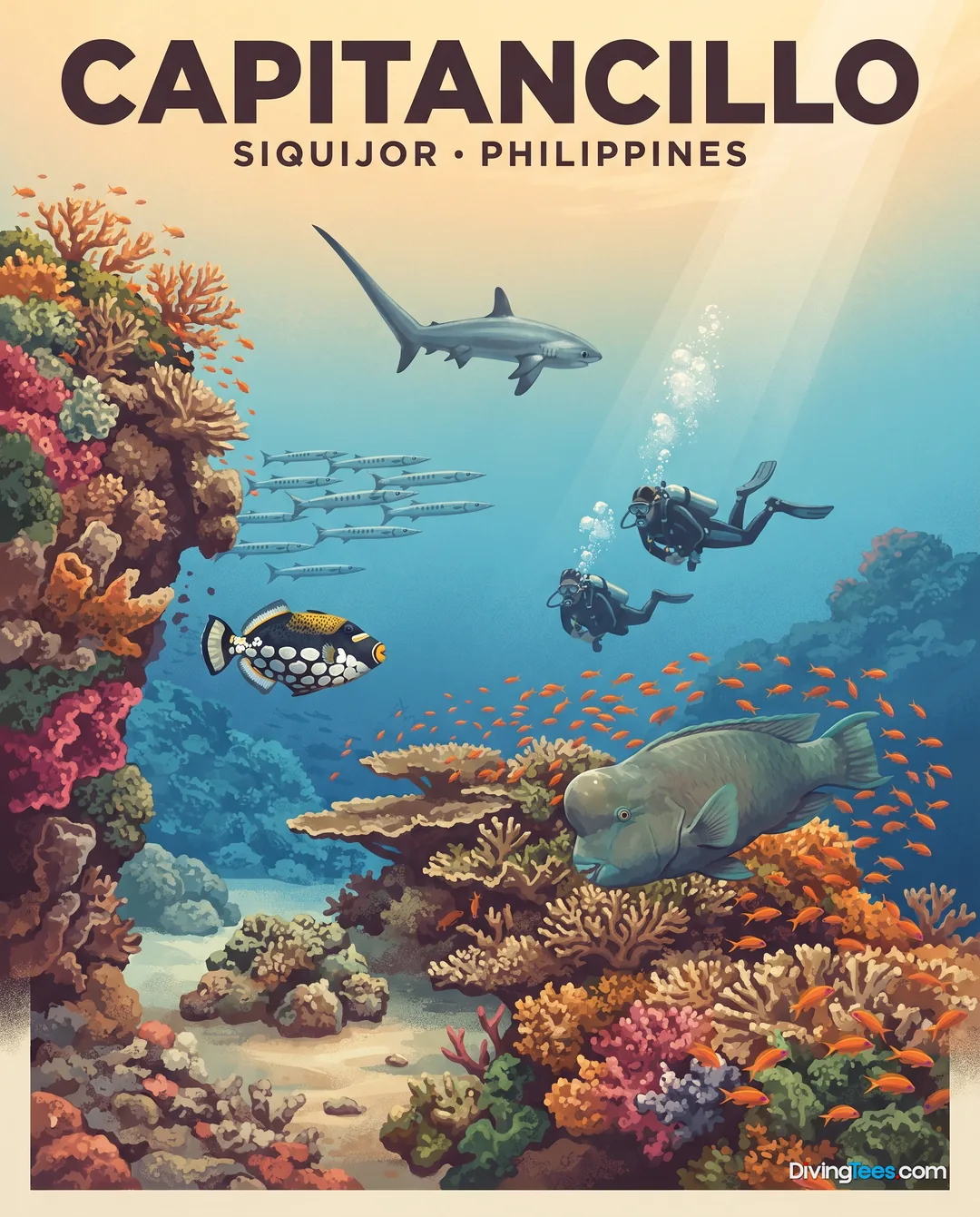
The diving mixes accessible reef work with more defined wall and tunnel terrain. Gato Island is an exploratory dive through underwater passages, where buoyancy control matters because the topography leaves little room for careless finning. At Capitancillo Islet, reef flats begin at about five metres and the walls continue to 55 metres. Sheltered sections can be mild, while exposed corners may carry strong current influenced by wind and tide. Visibility there is typically 15 to 30 metres. Most outings are best approached as relaxed reef dives, but the exposed wall sections call for a proper briefing, conservative turn pressures and readiness for a negative entry. Siquijor's general current profile is light, so it suits divers who want some underwater variety without making every dive an exercise in current management.
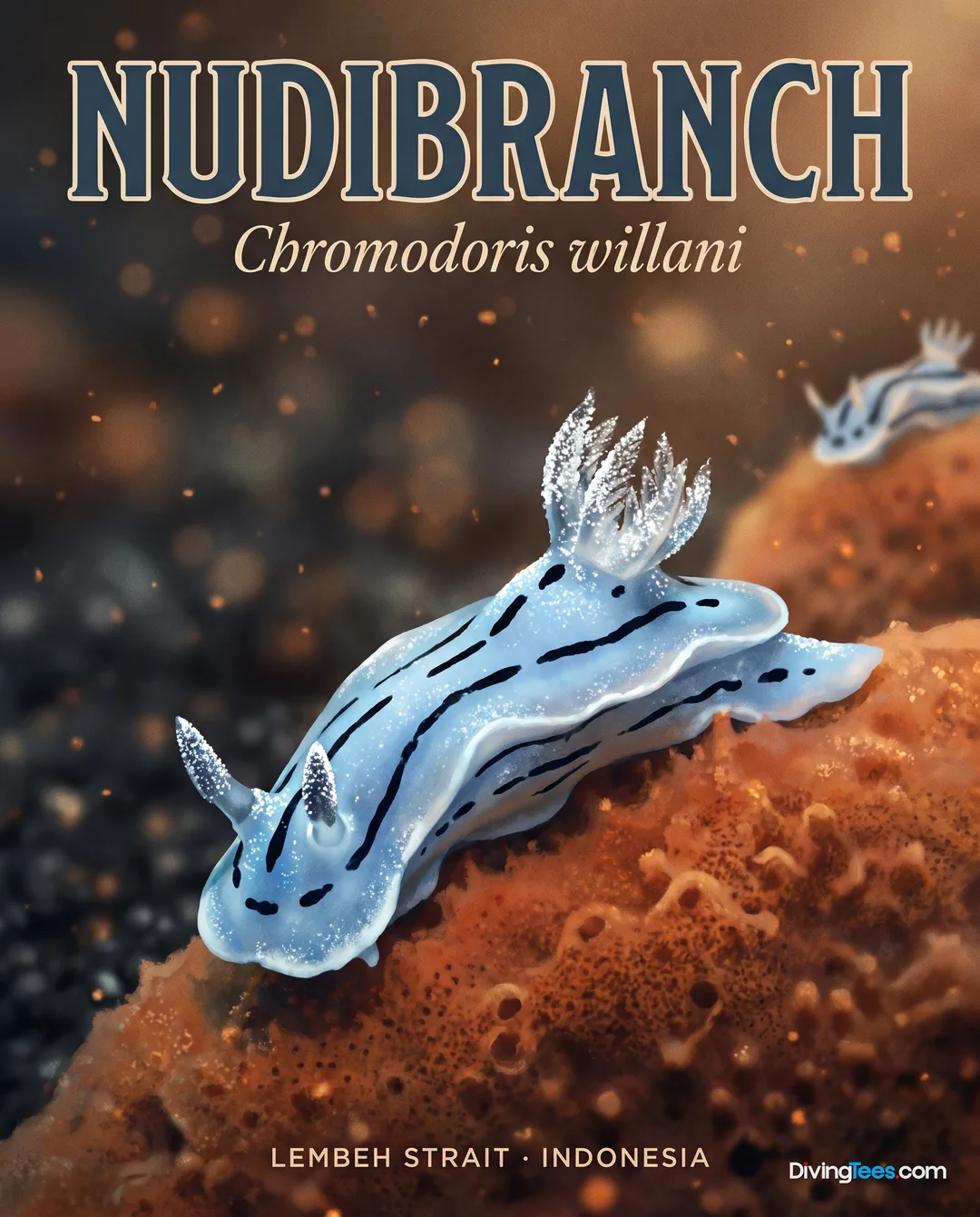
Gato Island provides the clearest wildlife encounter in the available site descriptions: white-tip reef sharks and sea snakes are associated with its tunnel and reef setting. The dive is as much about looking into and through the rock as scanning open water, so the animals become part of an exploratory route rather than a guaranteed performance. Capitancillo Islet brings the classic Philippine reef scene, with vibrant coral reefs and plentiful reef life across the flats and walls. April to June is the measured calmest period for the area, making it the most comfortable time to plan boat dives, but the available profile does not attach a separate wildlife season to sharks, sea snakes or reef life. The timing is therefore driven by sea conditions rather than a calendar animal event.
April to June is the clearest window for a lower-stress Siquijor diving trip: the sea is measured as calmest during these months. That matters because boat access shapes the day, and Capitancillo Islet can be affected by wind and tide, particularly around exposed corners where current may strengthen. Calmer water should make the crossing and the more open sections easier to manage, while still leaving the option of sheltered reef diving. There is no need to build the trip around a claimed seasonal shark or sea-snake appearance; the useful seasonal decision here is choosing the period that supports smoother boat movements and more predictable dive planning.
Siquijor is broadly suitable for all levels, especially divers who enjoy calm reef diving and short, uncomplicated outings. It is not generally an advanced-certification destination, but the deeper wall at Capitancillo Islet and its exposed corners are a different proposition from the reef flats. Gato Island also rewards confident buoyancy because of its tunnels. BSAC, PADI and SSI divers should match their planned dives to their training, recent experience and comfort with current, depth and overhead-like topography rather than treating every site as interchangeable.
From London Heathrow, Gatwick or Manchester, the journey to Siquijor requires a long-haul flight to the Philippines, followed by at least one domestic connection and a ferry. The island has no airport, so the sea crossing is unavoidable. Common routing patterns use Dumaguete, Cebu or Bohol as Visayas hubs, followed by a road transfer to the relevant ferry terminal and the crossing itself. Exact timings depend on the connections chosen, but the ferry should be treated as the fixed part of the journey rather than a minor final detail. Once on Siquijor, the island is small enough for a single land base and road transfers to local dive points, avoiding the need for complicated island-hopping during the stay.
Plan the ferry before fixing the first and last dive days. A delayed crossing can remove a complete dive window, and a tight same-day chain through several islands leaves no useful margin. For the same reason, keep a land day before the flight rather than building another boat transfer into the departure. Siquijor works best as a single-base trip: changing islands adds movement without improving the basic diving rhythm. Do not arrive expecting a liveaboard-style current destination or a marquee wreck itinerary; the island's strength is short access to reef, wall and exploratory diving. Bring the mask, exposure protection or other comfort equipment that makes a difference to personal control, since a small island hub may not offer the rental depth of a major resort centre. If travelling with a non-diver, leave room for beaches and inland sightseeing rather than scheduling every day around boats.
A week-style land stay can be organised around a single base, with shore and boat dives fitted around the ferry timetable rather than daily inter-island moves. Keep at least one flexible day for weather, delays or simply a slower island day. Non-diving companions have beaches and inland sightseeing available on Siquijor, so the trip need not be built entirely around underwater activity. A final low-key day on land is sensible before the journey off the island.
Hello, I'm Marina, DivingDeal.com's AI assistant. I guide you through destinations, areas and countries.
Thinking about the whole trip and the flights? Talk it over with Edith →
Marina is an AI. Some links are affiliate links: DivingDeal may earn a commission, at no extra cost to you. Bookings are made with the partner.
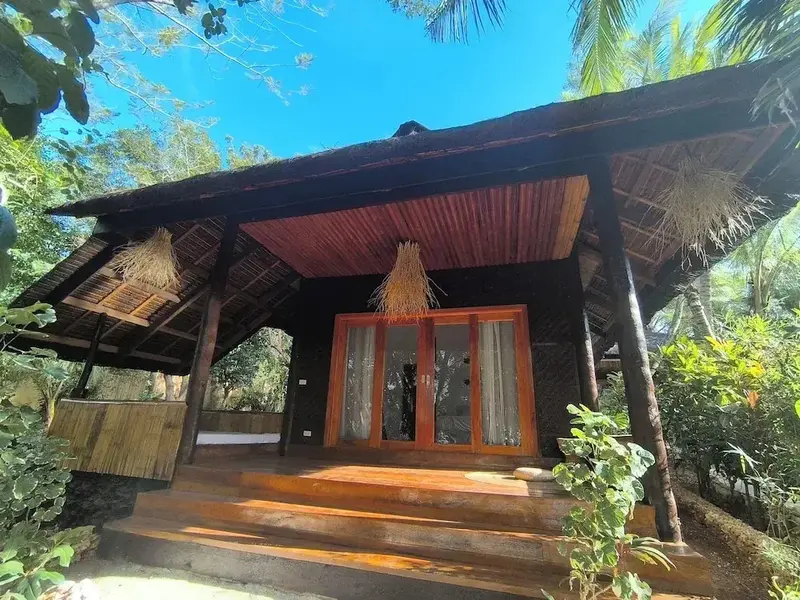
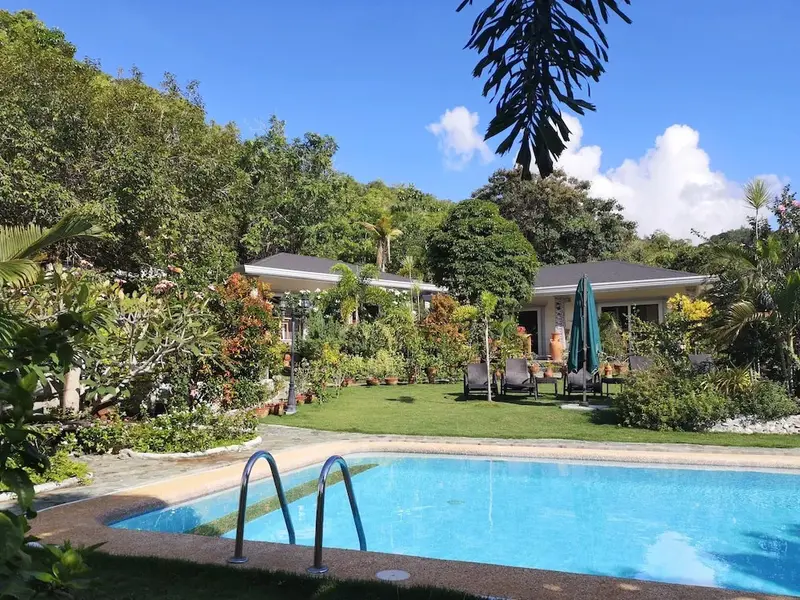
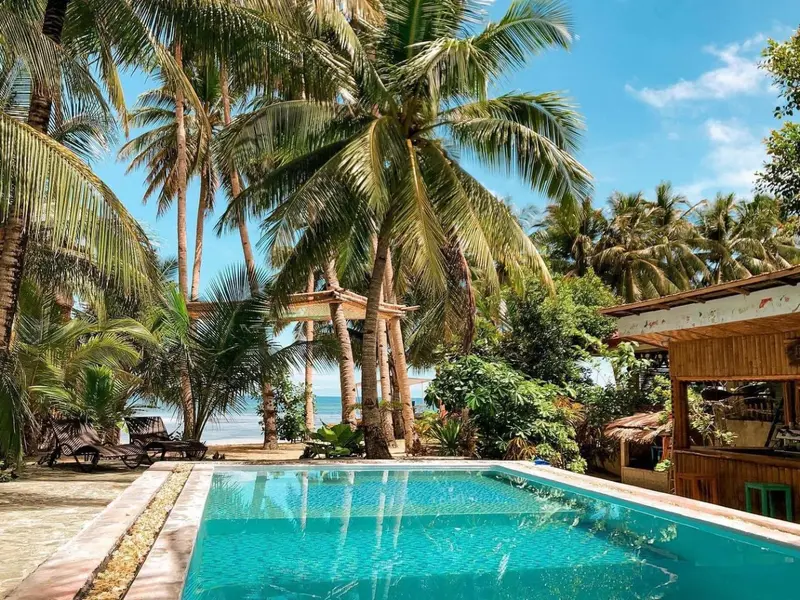
In each one, the dive centre is inside the hotel: step out of your room and go diving.
Dive centre in the hotel★★★
Google 4.8/5 (288 reviews)
The dive centre
Apo Diver Siquijor
PADI
Google 4.8/5 (292 reviews)
Your last day stays dry: no diving in the 18-24 hours before a flight, the perfect window to see the destination from another angle.
 Culture
⏱ 6 h · ★ 4.5 (15 reviews)
from £37$49€44
see on Viator ↗
 Culture
⏱ 9 h · ★ 3.0 (4 reviews)
from £152$203€182
see on Viator ↗
Ratings and reviews collected by Viator and Tripadvisor.
Plan your Siquijor diving trip between April and June, when the sea is at its calmest. This can make boat crossings and exposed sections around Capitancillo Islet easier to manage, while sheltered reefs remain an option. The seasonal choice is driven by smoother sea conditions, not a separate shark or sea-snake season.
Siquijor suits divers of all levels, particularly those who enjoy calm reef diving and uncomplicated outings. You should match each dive to your training and recent experience, because Capitancillo Islet has deeper walls and exposed corners with stronger current. Gato Island also requires confident buoyancy control in its underwater tunnels.
At Gato Island, you can explore underwater tunnels and reef habitat where white-tip reef sharks and sea snakes may appear. Capitancillo Islet offers vibrant coral reefs, plentiful reef life, flats and walls. The experience combines looking through rock passages with scanning coral terrain, so wildlife forms part of an exploratory dive.
Use Siquijor as a single land base for shore and boat diving, with local road transfers keeping the routine straightforward. Arrange the ferry before fixing your first and last dive days, allow a flexible land day for delays or weather, and keep a low-key day before leaving. Beaches and inland sightseeing suit non-divers.