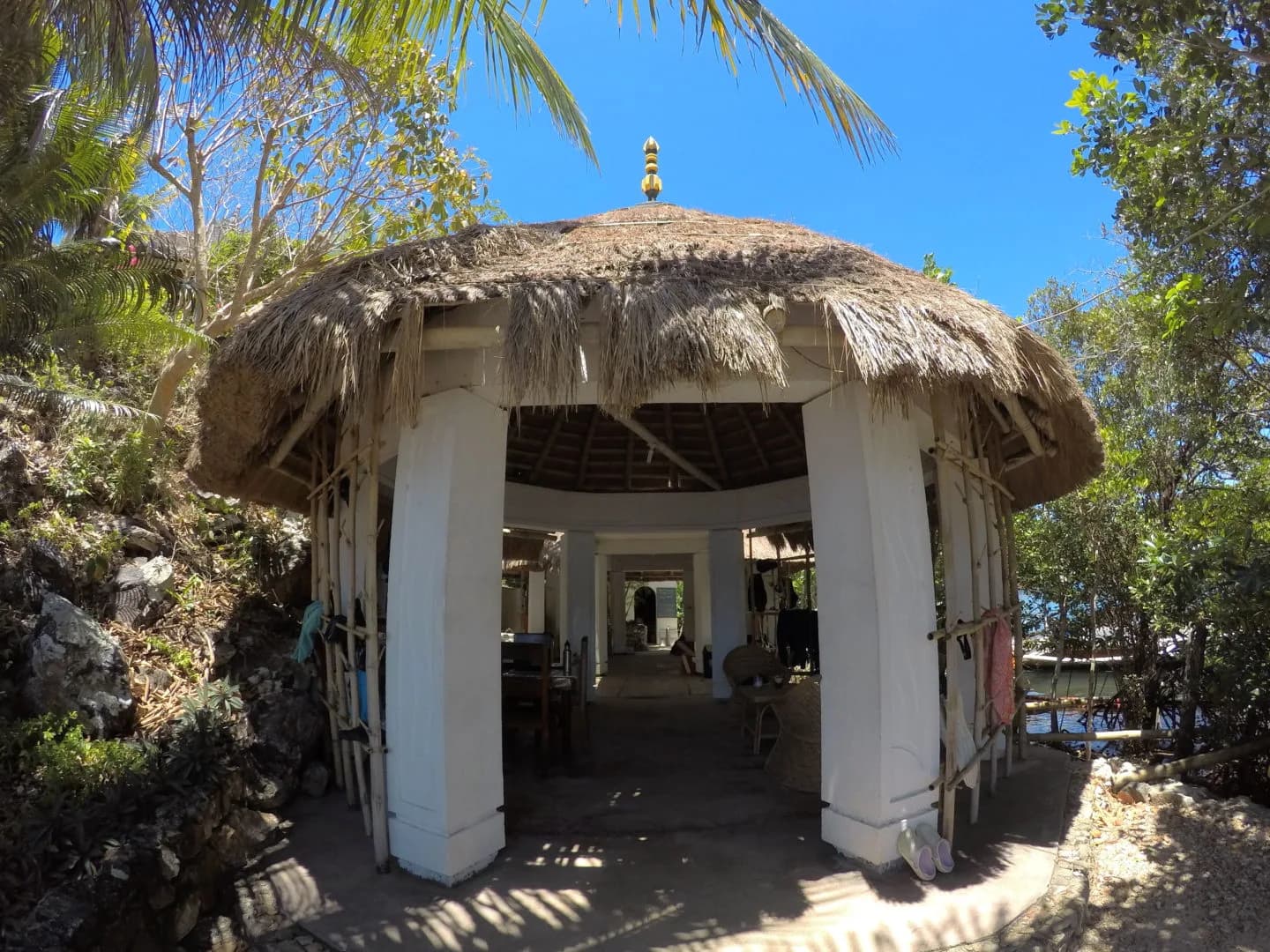

Gunter's Dive Center
★ 5/5 (158 reviews)
4.3 km away as the crow flies
Coron · Philippines · Asia
Max. depth · 38 mExplore the Akitsushima, a 118-meter Imperial Japanese Navy seaplane tender, offering a unique glimpse into WWII history and an abundance of marine life.
For subtitles in English: start the video firstthen click the gearat the top right of the video, select “Subtitles/CC”, then “Auto-translate” and choose “English”.
The Akitsushima, a formidable Imperial Japanese Navy seaplane tender stretching 118 meters in length, met its fate on September 24, 1944, during the Battle of Coron Bay. This significant vessel now lies capsized on its port side in the strategic passage between Lajo and Manglet Island. The hull crown begins around 22 meters, extending down to the sandy seabed at 36 meters. Her hull still bears the testament to the ferocity of that day, with evidence of multiple hits and internal explosions that nearly tore the vessel in half near its stern. The remaining metal on the starboard side and the ship's bottom are what prevent the stern from completely separating.
Your descent will take you along the overturned hull, where the sheer scale of this military vessel is palpable. Near the stern, the ship’s large crane, once used to hoist seaplanes, is still intact and now rests on the sandy bottom. This impressive structure attracts schools of giant batfish and barracudas, which often congregate around its framework. Moving forward along the wreck, you'll encounter a 3-barreled anti-aircraft gun installation, still positioned at the front of the seaplane tracks, providing a clear perspective on the vessel's defensive capabilities. Around these structures, schools of barracudas often find shelter, and yellowfin tuna might be spotted moving through the deeper waters.
The Akitsushima's role as a heavily armed seaplane tender makes her a unique wreck, offering a very different internal layout compared to cargo vessels. The damage inflicted by the intense conflict, from structural deformation to sections indicating where internal explosions tore through her, is evident throughout the wreck. Each bent plate and collapsed deck is a fragment of history, allowing for a deeply immersive experience. For divers with the proper certification, the Akitsushima offers notable penetration opportunities. Advanced wreck divers can explore an impressive path into the engine room, where the ship’s four engines are still visible, offering a glimpse into the internal mechanics of this WWII warship. These internal sections, with their confined spaces and intricate machinery, require a comprehensive understanding of overhead environments.
The resident marine life around the Akitsushima is primarily drawn to the wreck's structure and the deeper environment. Giant grouper are frequently encountered living within the ship's larger openings and overhangs. The wreck acts as an artificial reef, providing shelter and feeding grounds, which contributes to the consistent presence of larger pelagic species. Pay attention to the darker, quieter sections for glimpses of these resident fish.
This is a deep dive, typically ranging from 22 meters at the hull to 36 meters on the sandy seabed. A minimum Advanced Open Water Diver (AOWD) certification is required due to these depths. For any penetration into the wreck, especially into the engine room, a Wreck Diver Specialty certification is essential. Currents can vary, but generally, the site is manageable, requiring attention to bottom times and decompression limits characteristic of deep wreck diving. Optimal diving conditions are found during the warm and generally dry autumn season, from October through March; the cool and wet tropical monsoon season from July through September is best avoided.
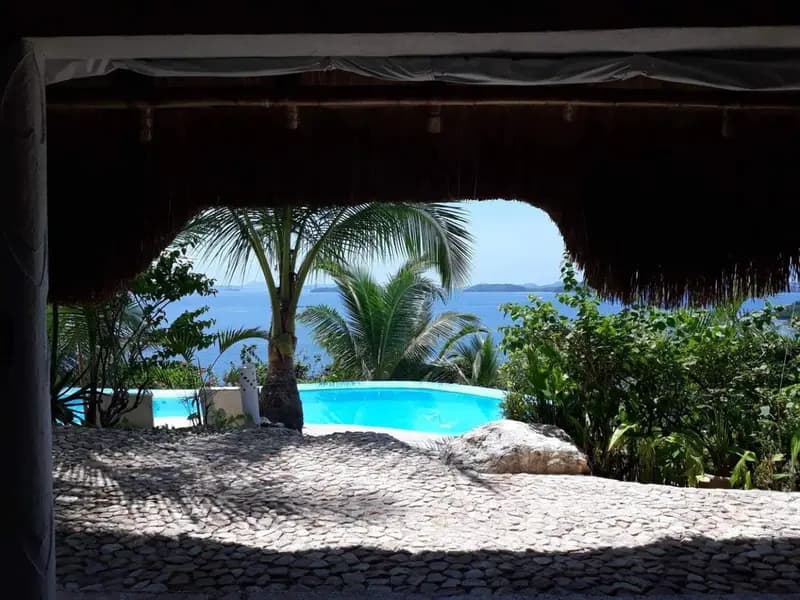
★★★★
★ 9.5/10 (303 reviews)
3.7 km away as the crow flies
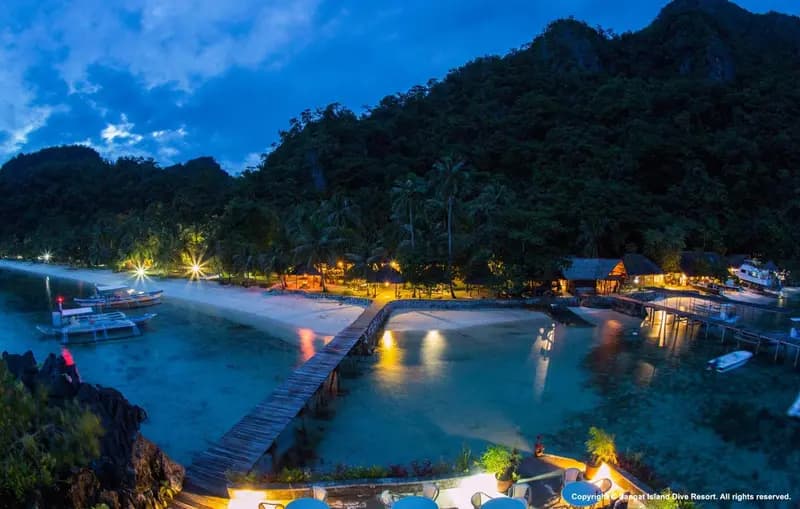
★★★
★ 9.3/10 (277 reviews)
11 km away as the crow flies
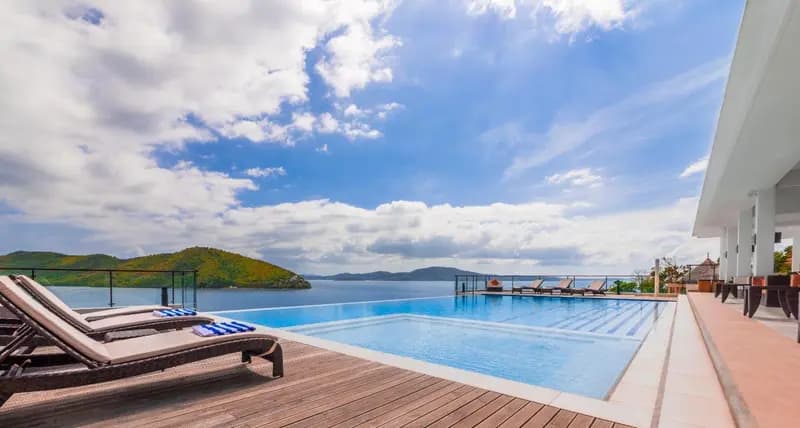
★★★★
★ 8.6/10 (192 reviews)
4 km away as the crow flies
★★★
★ 8.8/10 (246 reviews)
8.5 km away as the crow flies
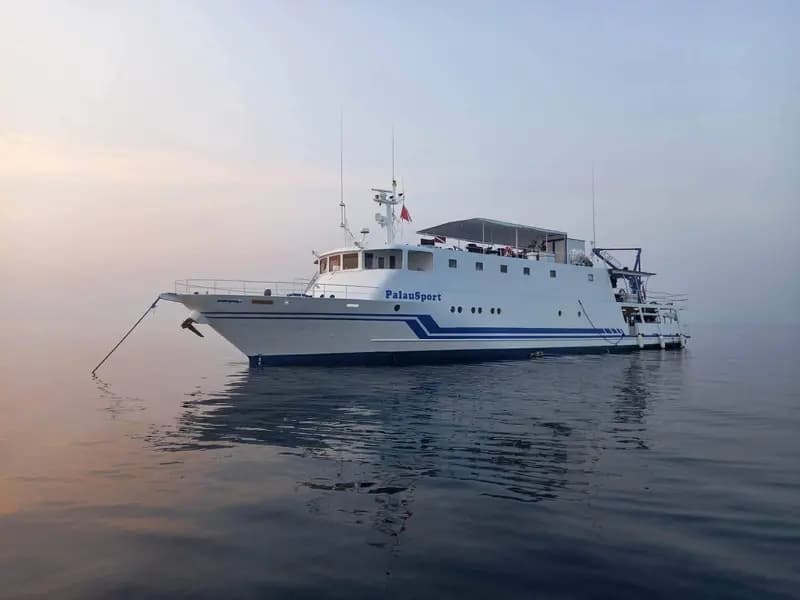
2 liveaboards depart from Coron another way to explore the region, over several days at sea.