

Reggae Dive Center
★ 4.9/5 (1,673 reviews)
5.1 km away as the crow flies
Coron · Philippines · Asia
Max. depth · 25 mTwin Peaks offers a dive across two coral-covered pinnacles, providing a diverse reef experience close to Barracuda Lake.
For subtitles in English: start the video firstthen click the gearat the top right of the video, select “Subtitles/CC”, then “Auto-translate” and choose “English”.
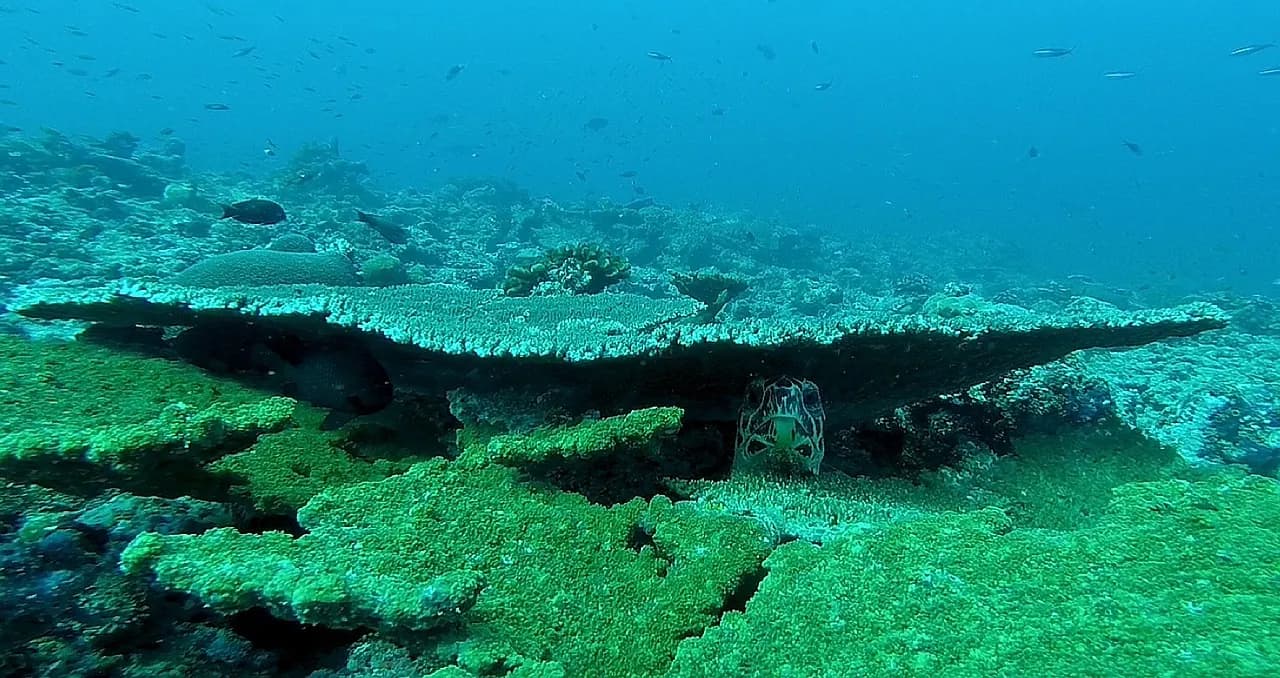
Twin Peaks presents itself as a thriving coral reef system, defined by its two prominent pinnacles. Dropping down, you'll find these structures are encrusted with a remarkable array of corals, forming a landscape that shifts between hard and soft varieties. The initial descent reveals how the light filters through the water, illuminating the upper reaches of these coral gardens where smaller reef fish dart among the branches. This topography provides both shelter and hunting grounds, creating a constant hum of activity around the formations.
As you traverse the site, moving from one peak to the other, you'll notice the distinct character each pinnacle offers. Butterflyfish (Chaetodon spp.) and angelfish (Pomacanthidae family) are regular inhabitants here, navigating the reef with a quiet confidence. Their presence is a good indicator of the reef's health, as they rely on the intricate coral structures for feeding and protection. Keeping an eye on the transition zones between the peaks can often reveal subtle changes in the marine community, with different species favouring specific microhabitats.
The maximum depth at Twin Peaks reaches 25 metres, although much of the vibrant activity occurs shallower. This depth profile allows for extended bottom times within recreational limits, giving you ample opportunity to explore the various nooks and crannies of the reef. The deeper sections tend to host larger coral formations, providing expansive territories for resident fish. It's in these larger structures that you might find turtles (Chelonioidea) grazing, undisturbed by your presence as long as you maintain a respectful distance.
While the site generally provides a relaxed diving experience, a notable characteristic of Twin Peaks is the variable current. It can range from calm to strong, shifting the feel of the dive. This variability often shapes the distribution of marine life, with certain areas becoming more active as plankton-rich waters are brought in. Understanding how the current behaves here is key to orienting your dive, allowing you to either drift along with it or find sheltered spots behind the pinnacles for closer observation.
Beyond the resident reef fish and occasional turtles, the site's overall biodiversity is a draw. The density and colour of the corals themselves are a highlight, creating a richly textured backdrop for your dive. The interplay of light and shadow over these formations, particularly during mid-morning or late afternoon, adds another dimension to the visual experience. Twin Peaks, with its twin structures, offers a focused look into a robust reef ecosystem, making it a clear choice when diving this region.
Twin Peaks is accessible from Open Water Diver level, with a minimum depth of 5 metres and a maximum exploration depth of 25 metres. Current can be strong at times, so maintaining good buoyancy and situational awareness is advised, especially when navigating between the two peaks. A local surcharge of 200 Philippine Pesos applies to dive this site.
★★★★
★ 9/10 (912 reviews)
5.5 km away as the crow flies
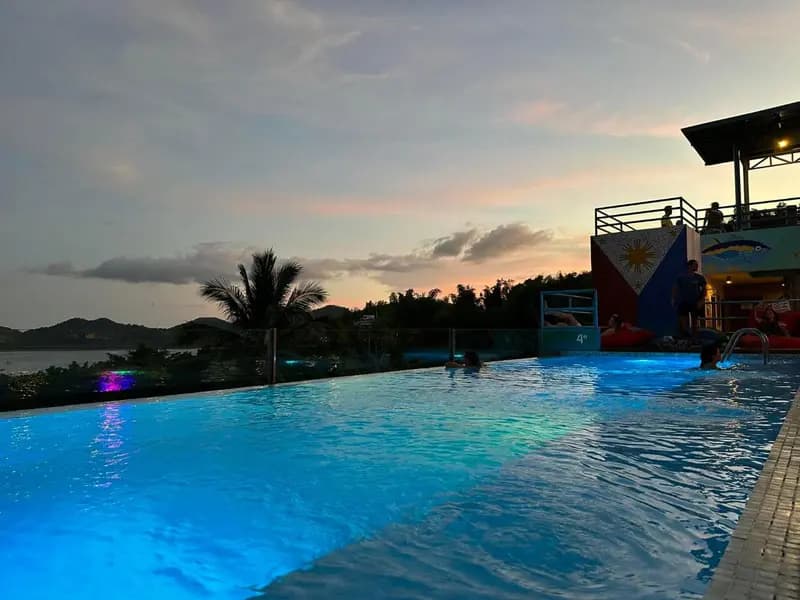
★ 8.7/10 (424 reviews)
5.4 km away as the crow flies
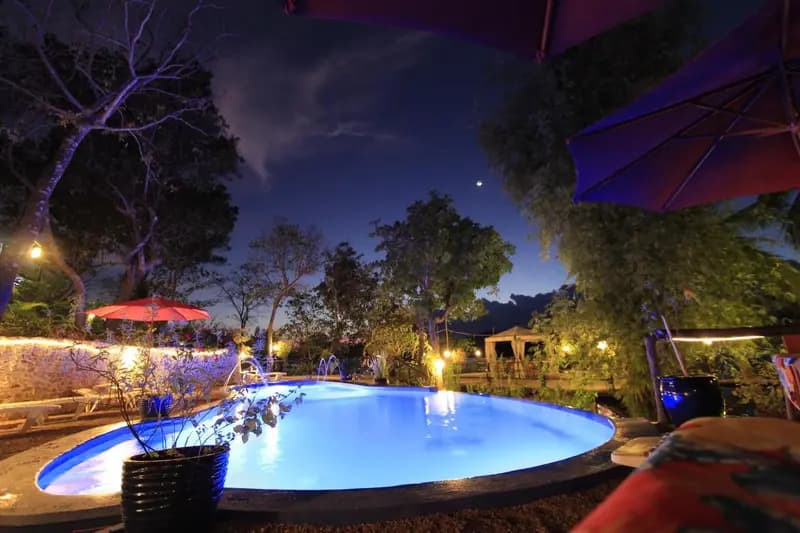
★★★
★ 8.6/10 (595 reviews)
5.3 km away as the crow flies
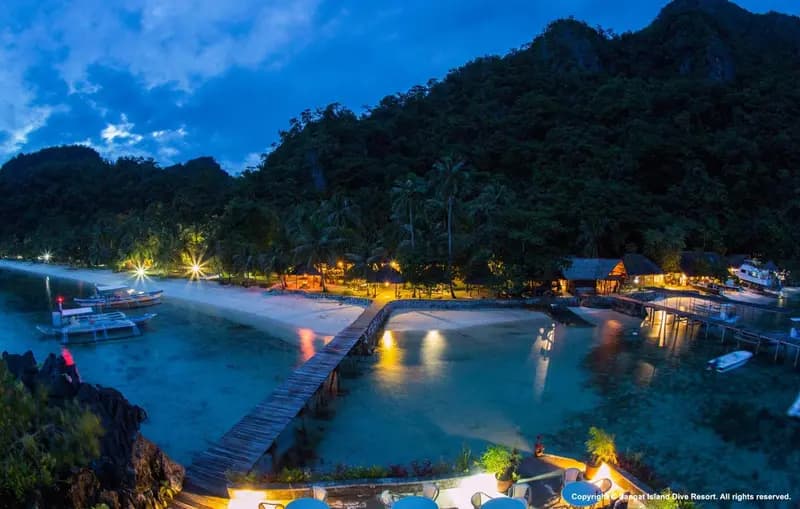
★★★
★ 9.3/10 (277 reviews)
16 km away as the crow flies
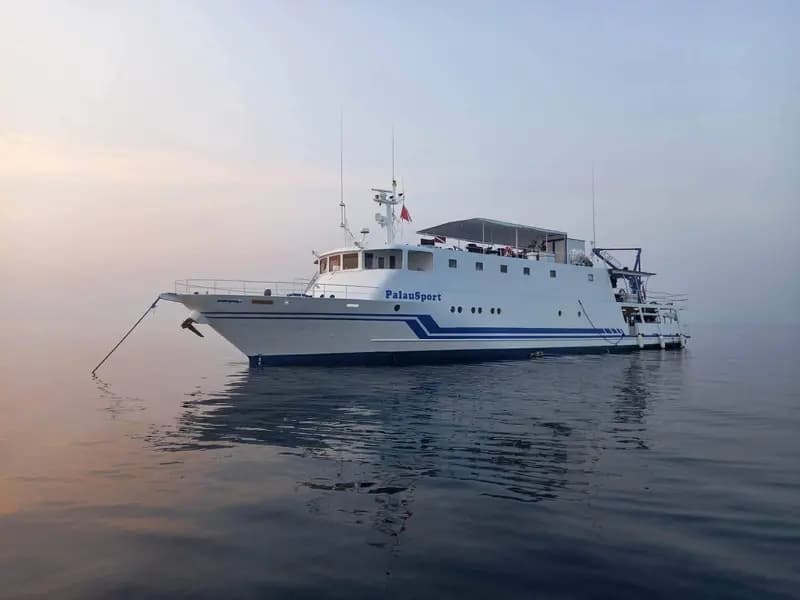
2 liveaboards depart from Coron another way to explore the region, over several days at sea.