
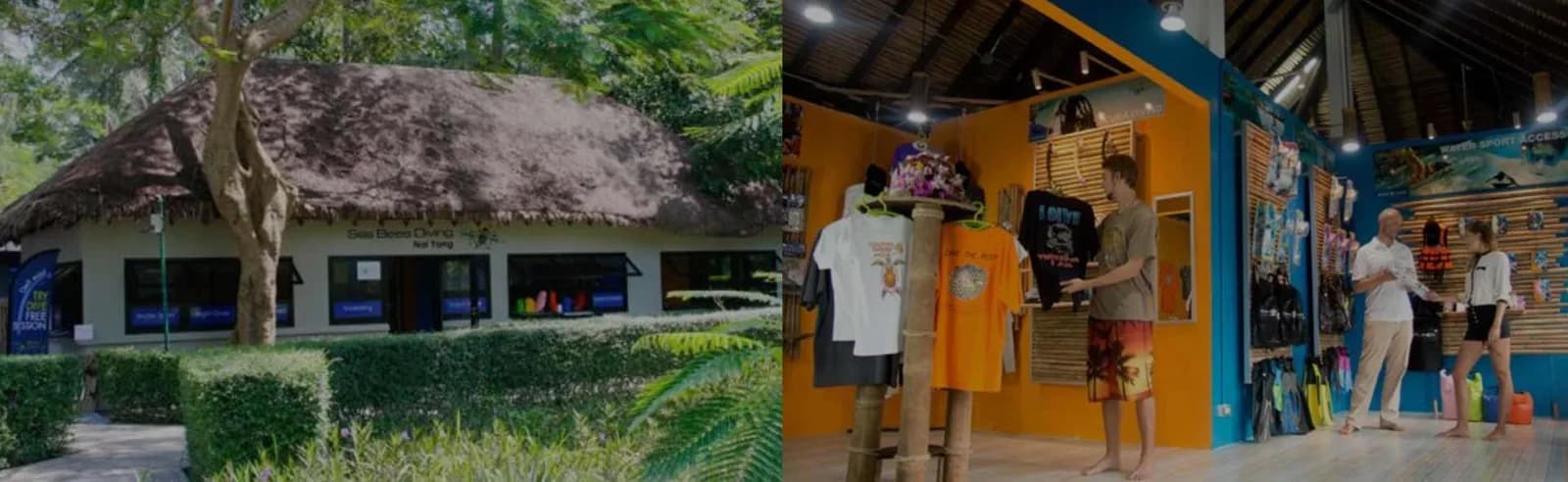

Sea Bees Diving
★ 4.9/5 (1,229 reviews)
121 km away as the crow flies
Koh Phi Phi · Thailand · Asia
Max. depth · 35 mTurtle Rock offers a unique blend of shallow coral gardens, deeper rock formations, and sandy plains that attract diverse marine life, including numerous sea turtles.
For subtitles in English: start the video firstthen click the gearat the top right of the video, select “Subtitles/CC”, then “Auto-translate” and choose “English”.
Turtle Rock, located near Kata Beach in Phuket, stands out due to its distinctive rock formation that resembles a turtle, a clear marker both above and below the surface. The site’s topography consists of large, stacked boulders and branching staghorn corals that form an extensive reef system along the island's edge. Your descent here often brings you immediately into an environment rich with these structures, with average depths around the rocky areas typically sitting between 15 and 20 metres, offering ample time for exploration.
The northern section of Turtle Rock presents a shallower plateau, ranging from 8 to 10 metres deep, characterized by clear passages that invite careful navigation. This area is particularly engaging for divers who appreciate intricate swim-throughs and a more intimate look at the reef inhabitants. These shallower sections transition smoothly into wider sandy patches, providing a contrast to the dense coral gardens and rock formations, presenting different ecosystems within a single dive.
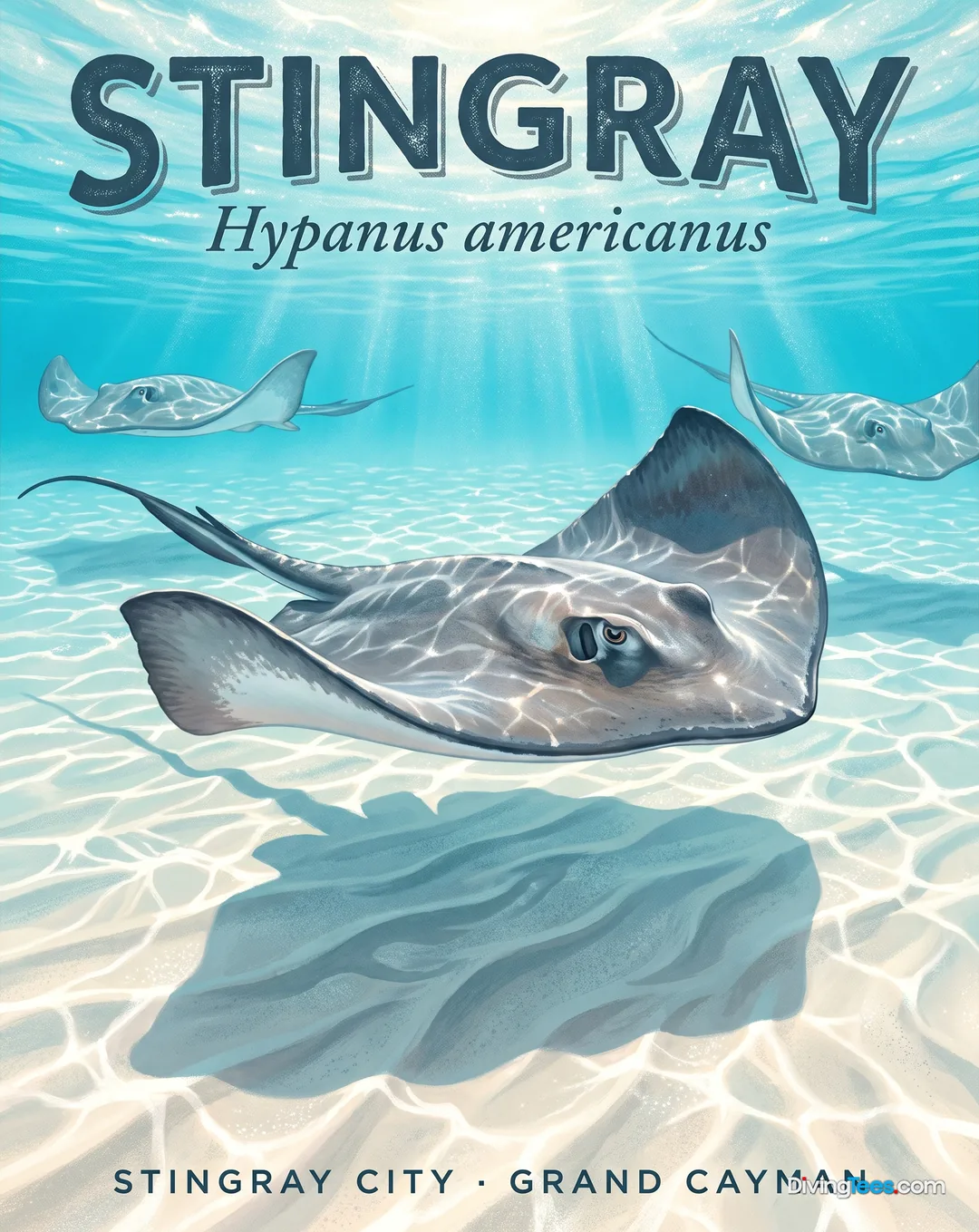
Venturing deeper, the site’s maximum depth extends to 35 metres where you can find hidden overhangs and smaller crevices. These deeper zones are prime spots for discovering creatures like moray eels and the well-camouflaged scorpionfish. The change in depth brings a shift in light and water movement, often revealing congregations of fusiliers schooling above the coral heads, and blue-spotted stingrays (Neotrygon kuhlii) resting on the sandy bottom.
Beyond the main rock formations, the sandy areas host specific fauna, including kuhl’s stingrays and garden eels (Heteroconger hassi), which sway gently from their burrows, adding a dynamic element to the seabed. Keep a keen eye on the sand and the edges of the reef for blue-spotted stingrays as they are a regular sight here. This varied habitat ensures that whether you prefer shallow reef exploration or deeper, more geological features, there's always something to engage with.
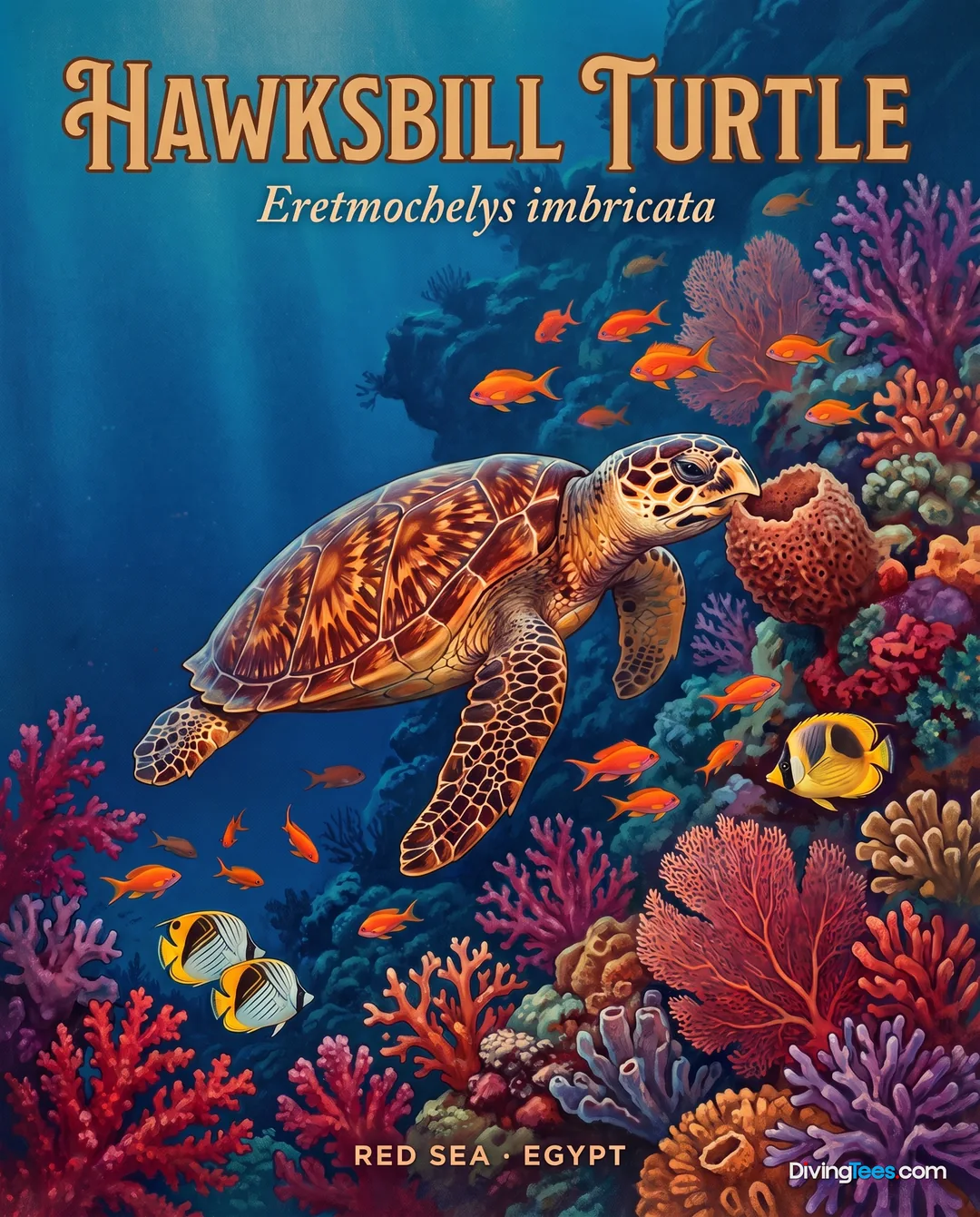
One of the site’s namesake attractions is the consistent presence of sea turtles, including both hawksbill (Eretmochelys imbricata) and green sea turtles (Chelonia mydas), often seen gracefully gliding over the coral gardens or resting on ledges. Alongside these larger residents, you’ll encounter various reef species such as sweetlips, snappers, groupers, angelfish, and a variety of nudibranchs. The intertwining of the rocky structure with soft coral gardens creates sheltered spots where these animals thrive.
The site also offers opportunities for macro enthusiasts. Within the crevices and coral formations, look for squat lobsters and the smaller, less conspicuous nudibranchs. These smaller creatures add another layer of detail to the dive, rewarding patient observation. The diverse array of hard and soft corals provides habitat for a broad spectrum of marine life, from the smallest invertebrates to larger schooling fish. This mix of environments contributes to the site's overall appeal.
The conditions at Turtle Rock generally involve moderate currents, making for a manageable drift in certain areas, though sometimes they can be quite calm, particularly in the shallower, more sheltered sections. Visibility averages between 10 and 20 metres, allowing for clear views of both the larger topography and the intricate details of the reef. The blend of calm, shallow areas with deeper, more exposed sections provides a comprehensive diving experience that caters to different preferences within a single dive.
This site is accessible from Open Water Diver level, with depths ranging from 10 to 35 metres. The current at Turtle Rock is typically moderate. Visibility usually ranges between 10 and 20 metres. The best period for diving this site is from October to May.
★★★★
★ 8.7/10 (2,559 reviews)
112 km away as the crow flies
★★★★
★ 8.8/10 (810 reviews)
132 km away as the crow flies
★ 9/10 (3 reviews)
121 km away as the crow flies

★★★★★
★ 8.6/10 (2,358 reviews)
160 km away as the crow flies