

Octopus Diving Center
Google 4.9/5 (213 reviews)
139 km away as the crow flies
Terceira · Azores · Atlantic
Max. depth · 20 mDescend on a volcanic islet rising from a sandy seafloor, a dedicated nursery for common stingrays (Dasyatis pastinaca) off Terceira.
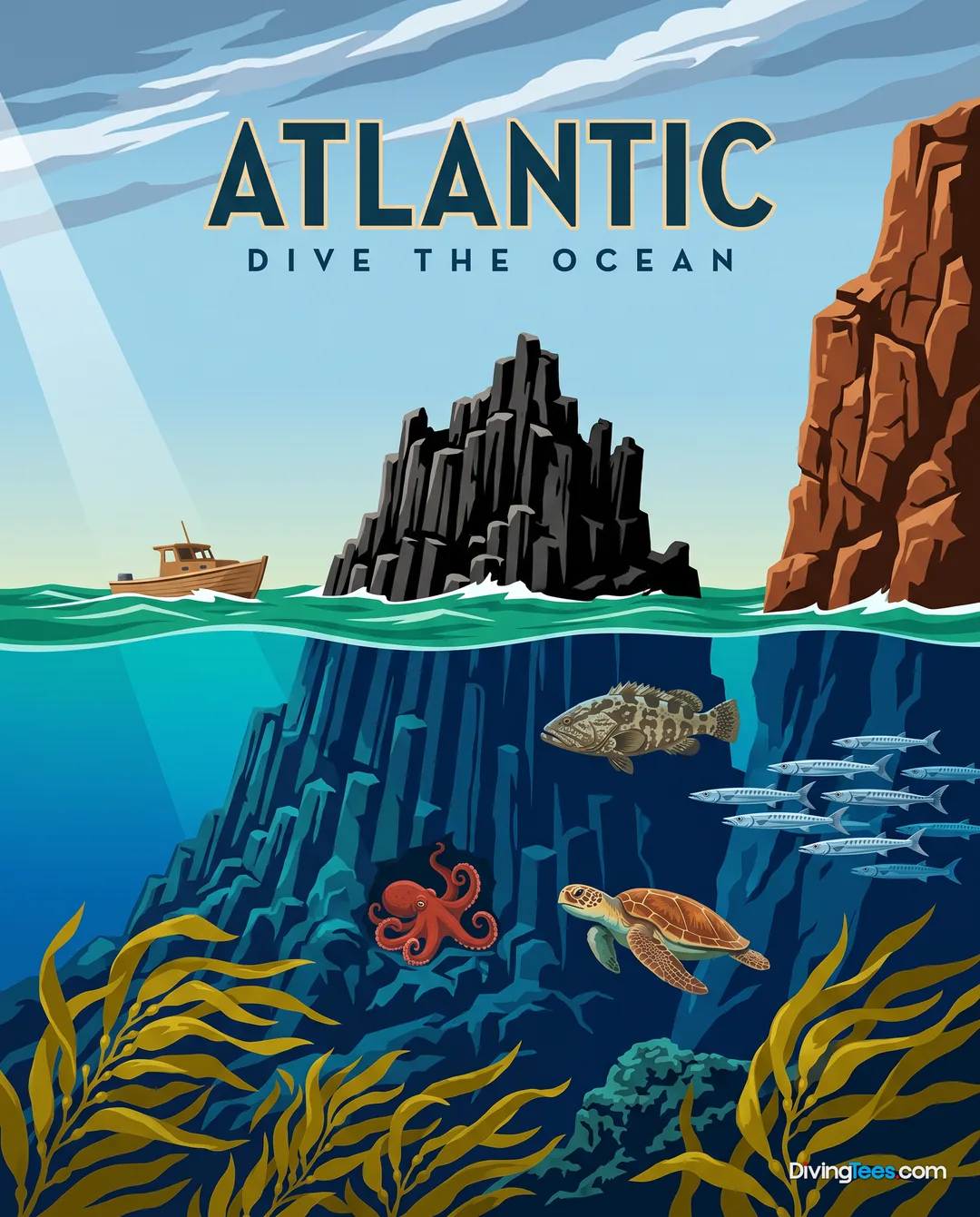
Approaching Ilhéu Negro, you'll see a dark volcanic outcrop breaking the surface, hinting at the geological drama below. This islet is a prime example of the Azorean underwater landscape, a standalone structure rising dramatically from the sandy bottom, establishing its own vibrant ecosystem. The dive begins around the base of this formation, providing a natural guiding point for exploration. The dramatic contours of the volcanic rock create numerous nooks and crannies, inviting careful inspection from the moment you descend.
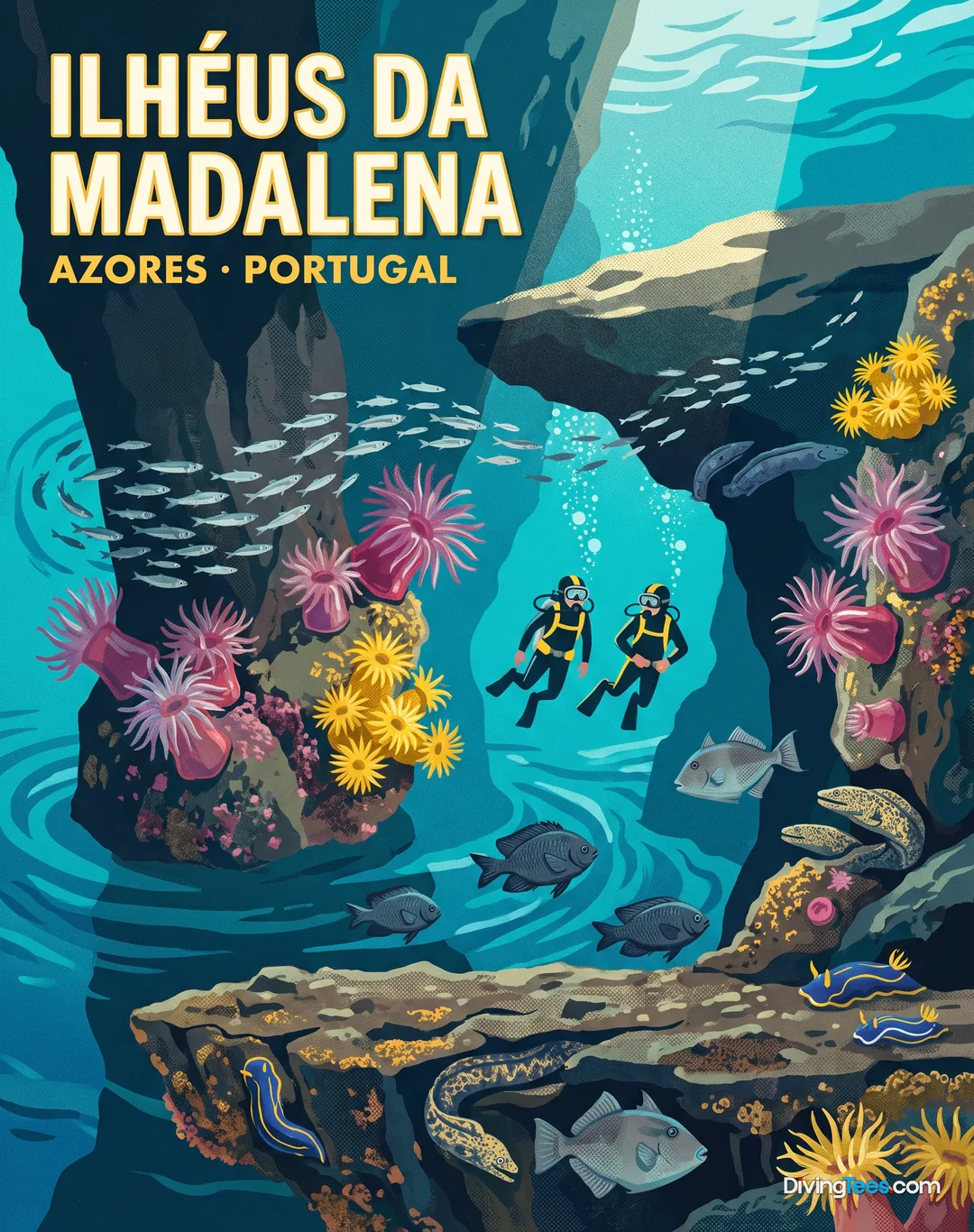
As you move around the islet, you'll find yourself amidst a thriving community of marine life, particularly in the shallower reaches. The volcanic rock is colonised by tube worms, their colourful plumes swaying gently in the subtle water movement. This intricate network of life provides shelter and foraging grounds for smaller creatures, setting the stage for what makes Ilhéu Negro truly special. The transition from the rugged rock face to the open sand offers different environmental niches, each with its own residents.
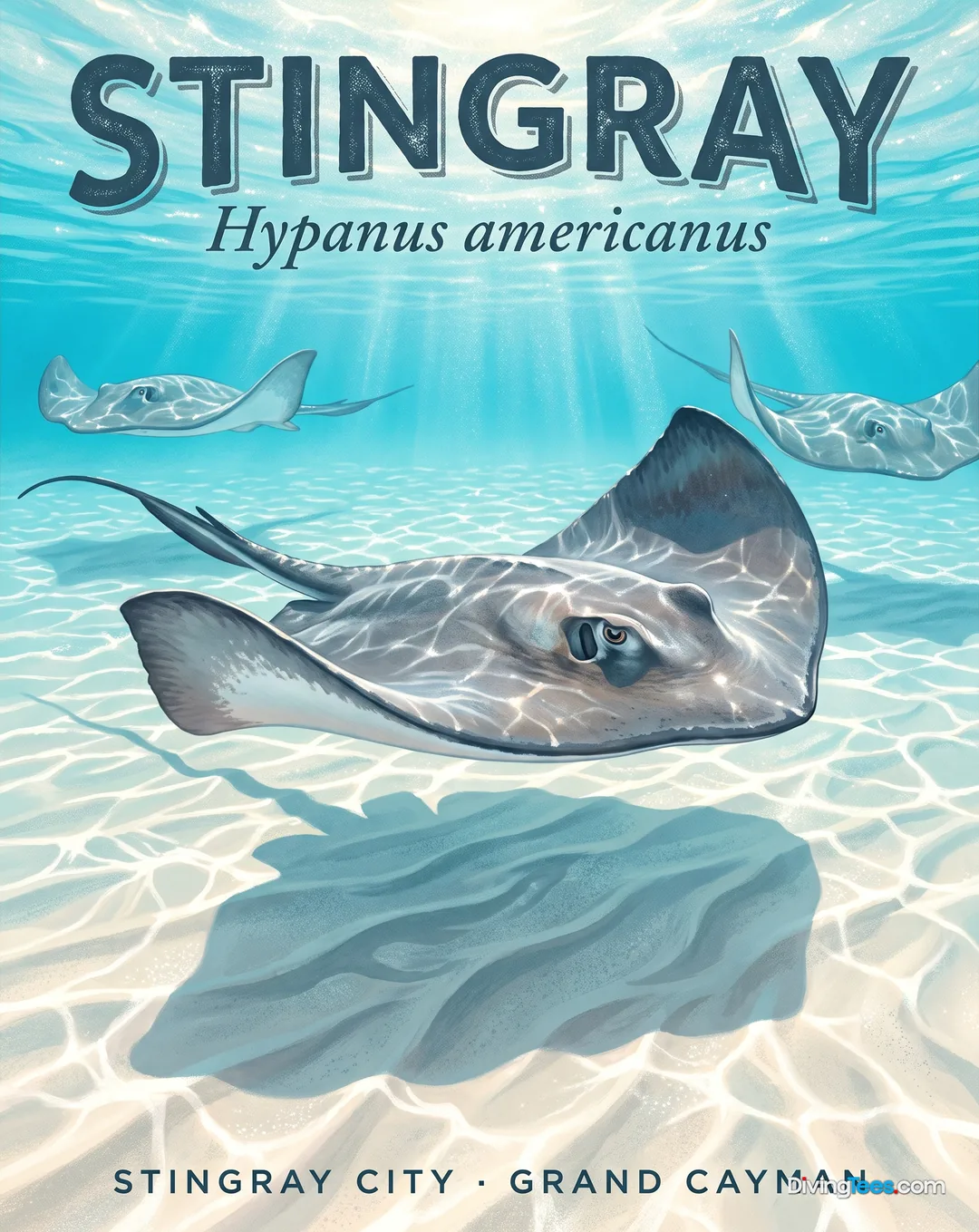
One of the standout features of Ilhéu Negro is its role as a nursery for common stingrays (Dasyatis pastinaca). Here, these magnificent creatures are often found resting or foraging on the sandy patches surrounding the islet. Observing them in this protected environment, where young rays can develop, provides a unique insight into their life cycle and behaviour. Their graceful movements over the sand are a highlight, a testament to the site's ecological importance.
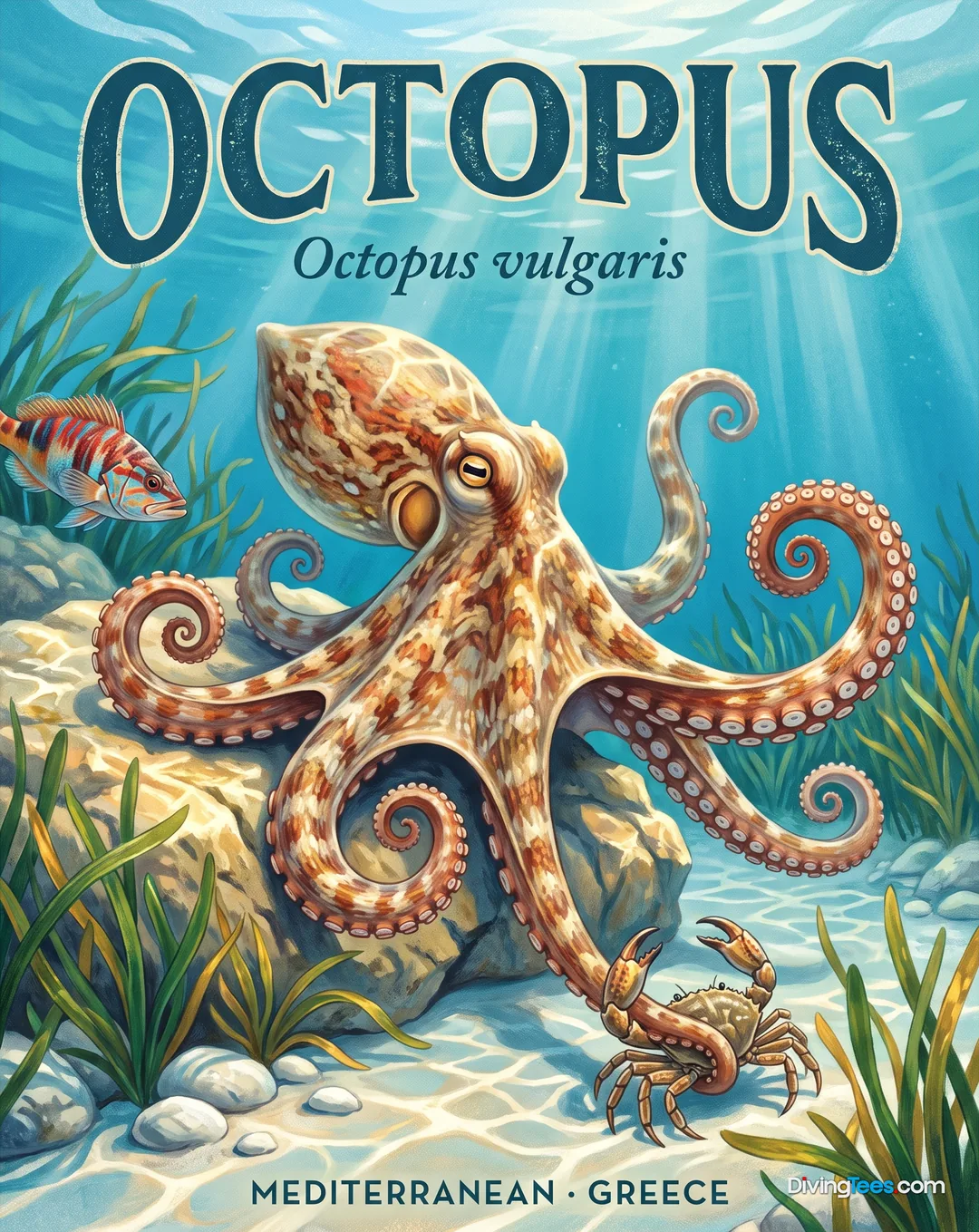
Beyond the stingrays, the waters around Ilhéu Negro teem with an array of reef-associated species. Parrotfish add splashes of colour against the dark rock, busily grazing on algae. Damselfish dart amongst the crevices, while octopuses display their camouflage prowess, blending seamlessly into the volcanic landscape. Moray eels can be spotted peeking from their rocky hideaways, always a fascinating encounter for those who take the time to look closely.
The intricate world of nudibranchs, with their varied forms and brilliant hues, can be discovered clinging to the rocks, particularly for the keen-eyed diver. These small, colourful sea slugs are a joy to find, demonstrating the micro-biodiversity that thrives here. The interplay of light filtering through the water onto the dark rock creates a perpetually changing canvas, enhancing the visual experience of exploring every detail.
This site offers a comfortable dive profile with depths ranging from a minimum of 5 meters to a maximum of 20 meters. It is accessible for beginner divers, making it an excellent location for those new to the underwater world or looking for a more relaxed exploration.
Ilhéu Negro is accessible for beginner divers and offers a comfortable dive profile. Its shallow setting suits you if you are new to underwater exploration or prefer a more relaxed dive. The volcanic islet also provides a clear natural guiding point, with sandy patches and rock formations to explore at an unhurried pace.
Ilhéu Negro ranges from five to twenty metres deep. You can explore around the base of the volcanic islet, moving between rugged rock and open sandy areas. The shallow depth range makes the site suitable for beginners and supports a relaxed exploration of its volcanic contours, crevices, and surrounding marine life.
Ilhéu Negro has subtle water movement around its volcanic rock and sandy bottom. The tube worms sway gently in this movement, while the islet’s contours create numerous nooks and crannies for careful inspection. The site offers a comfortable profile for you to explore its different habitats at a relaxed pace.
At Ilhéu Negro, you can look for common stingrays resting or foraging over sandy patches around the volcanic islet. Parrotfish and damselfish inhabit the rock, while octopuses and moray eels hide among its crevices. Keen-eyed divers can also find colourful nudibranchs, tube worms, and the islet’s diverse reef-associated life.