

Grand Bahama Scuba
Google 4.7/5 (82 reviews)
Grand Bahama · Bahamas · Caribbean
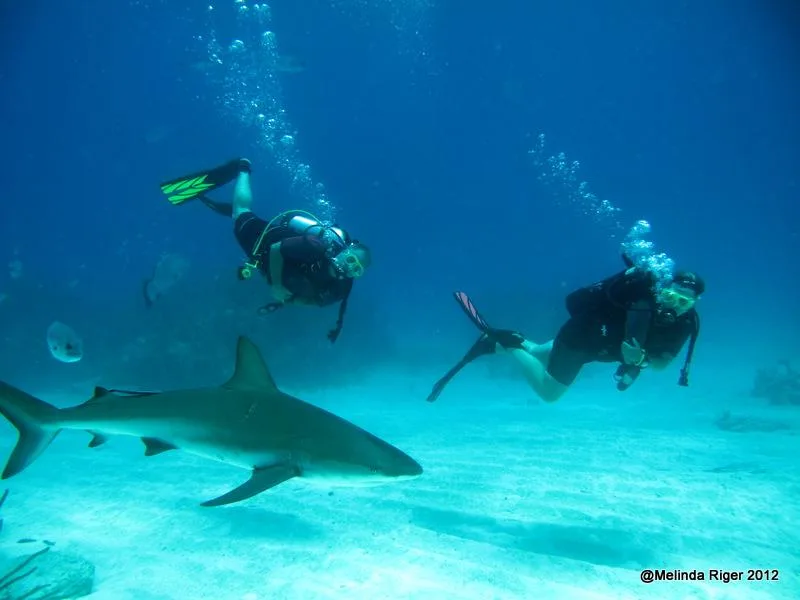
Max. depth · 10 mDescend onto the remains of a historic sugar-carrying sailing ship, heavily colonised by marine life, where encounters with large sharks are possible in just 6 metres of water.
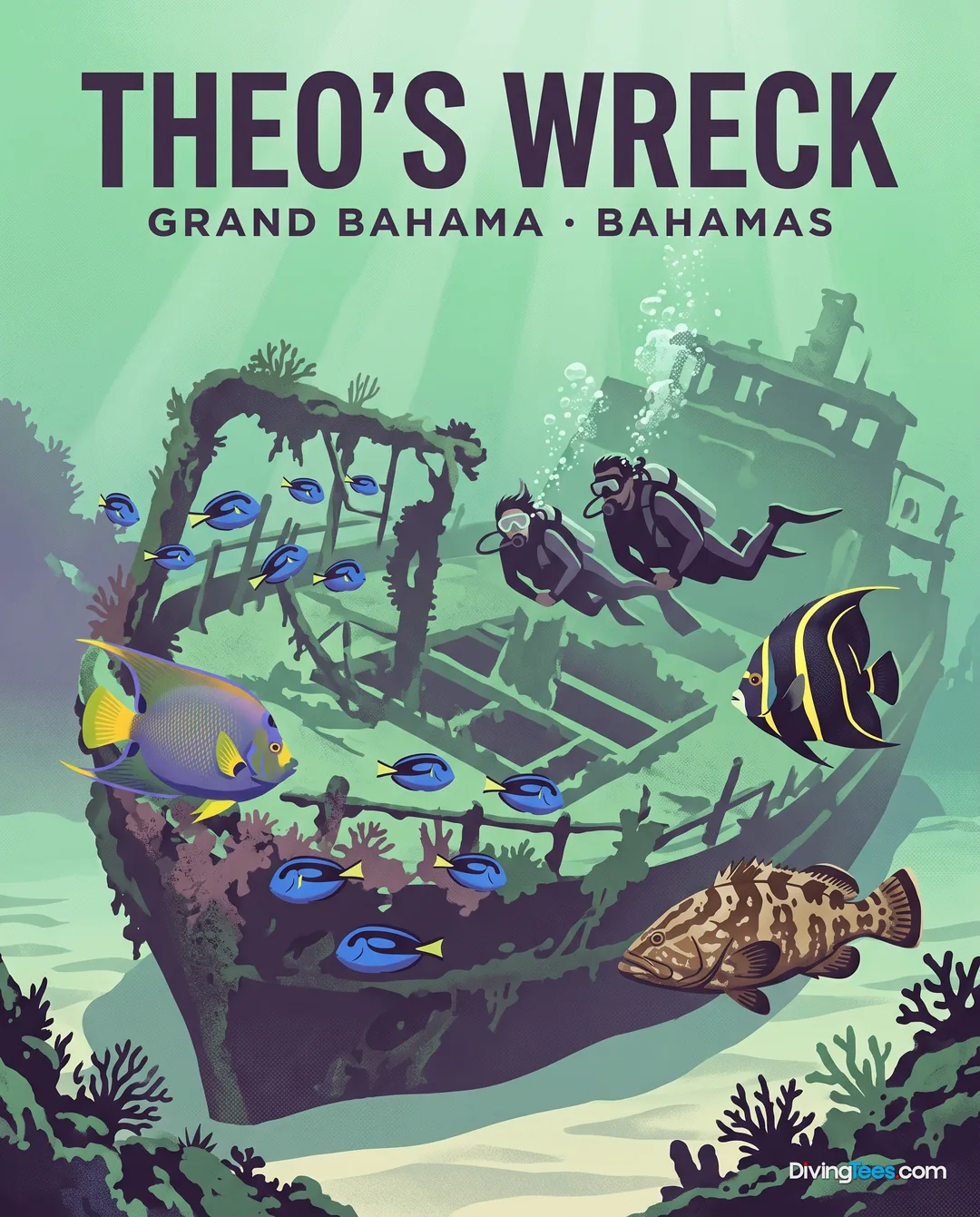
The Sugar Wreck lies on the sandy expanse of the Little Bahama Bank, just off the west end of Grand Bahama Island, a short boat ride from the Tiger Beach area. What remains of this old sailing ship, once laden with sugar, now rests peacefully in remarkably shallow water, a depth that rarely exceeds 10 metres. As you approach, the dark silhouette of the wreck emerges from the bright sand, its structure broken but still discernible, hinting at its past while serving a new purpose.
This is not a deep, intact wreck requiring specialized gear; instead, it's a testament to how marine life reclaims man-made structures. The scattered hull sections and frames are densely encrusted, transforming into an artificial reef. Hard and soft corals have found purchase, sponges grow in vibrant colonies, and algae cover much of the surface. This heavy colonisation creates intricate habitats for smaller reef inhabitants, making every square metre of the wreck a micro-ecosystem.
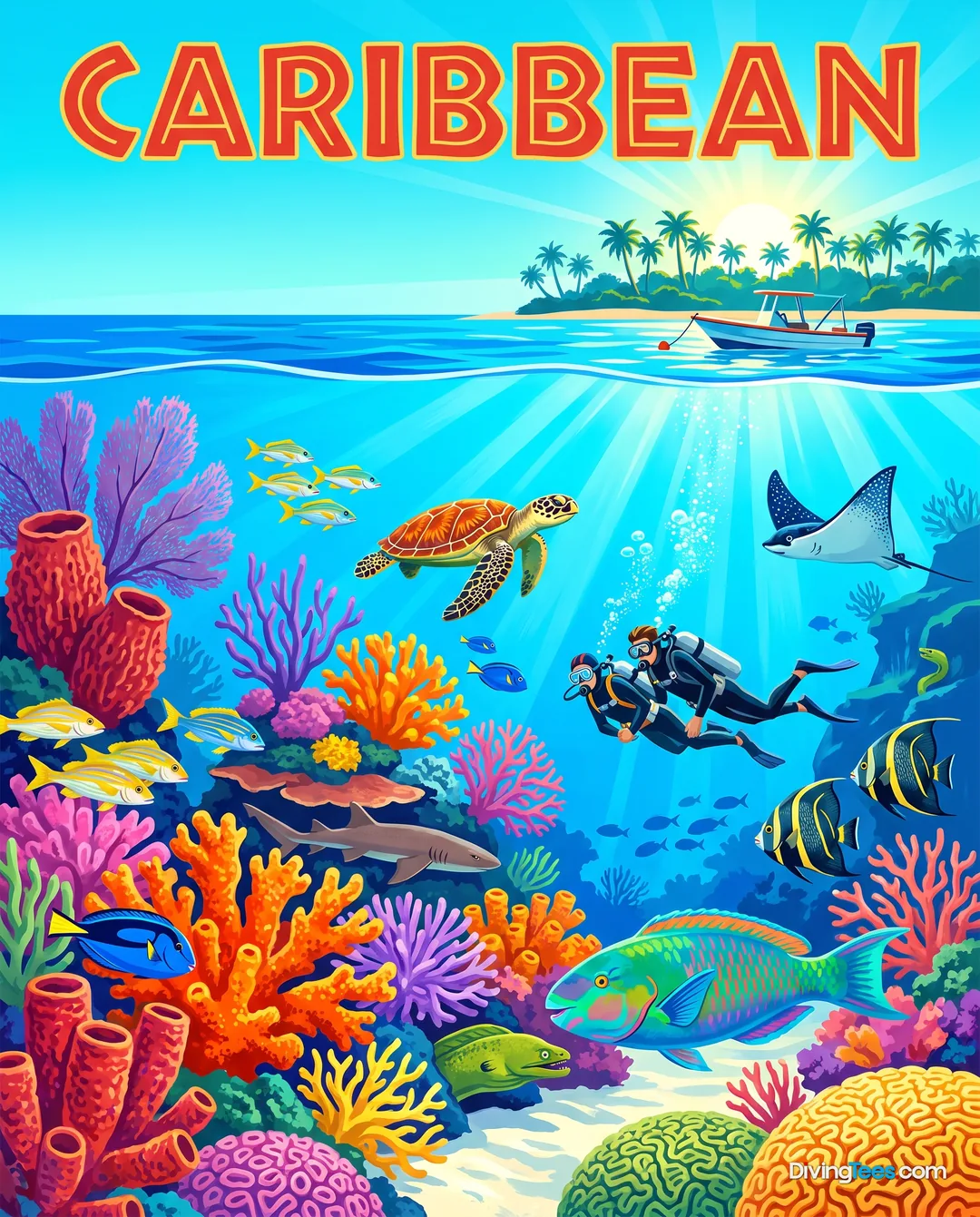
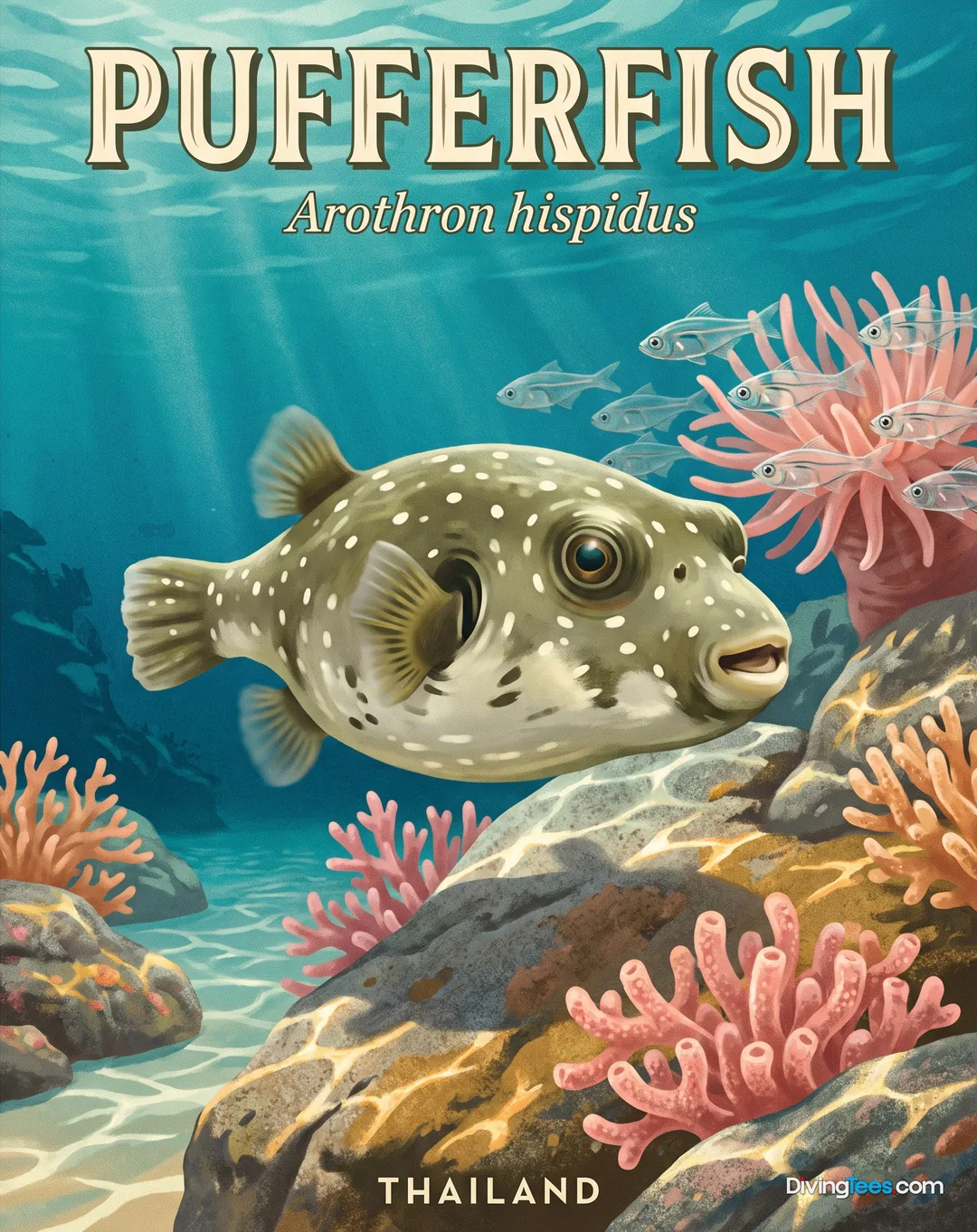
The topography around the wreck itself is primarily sand, but interspersed with small, isolated reef patches. These patches, combined with the wreck, act as magnets for fish. You'll find grunts and snappers schooling around the structure, while sweetlips dart among the coral heads. Gobies and wrasses are common, navigating the intricate surfaces, and you'll likely spot parrotfish, angelfish, and puffers grazing on the encrusting growth. Groupers and amberjacks can be seen patrolling the perimeter, taking advantage of the abundant food sources.
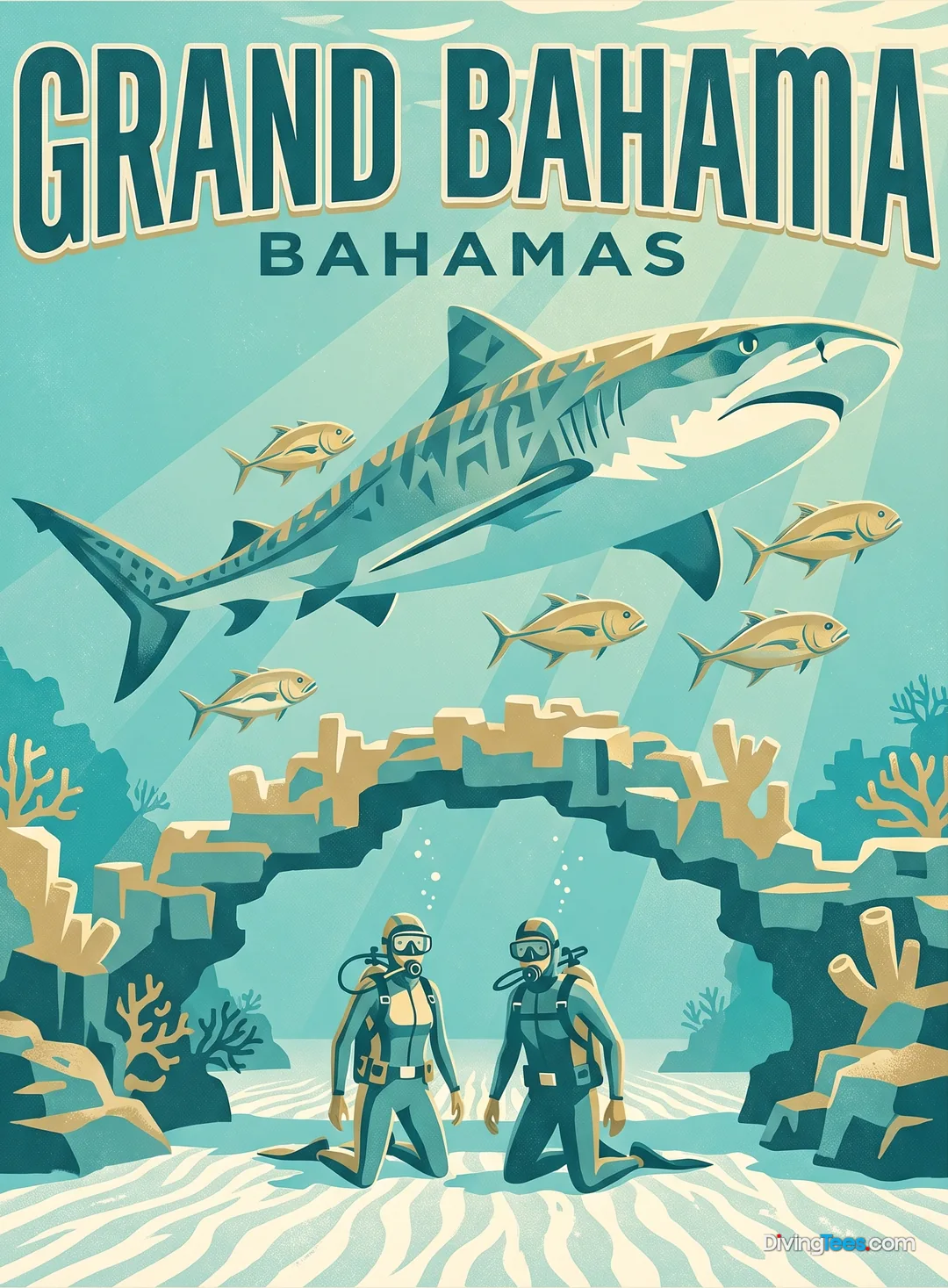
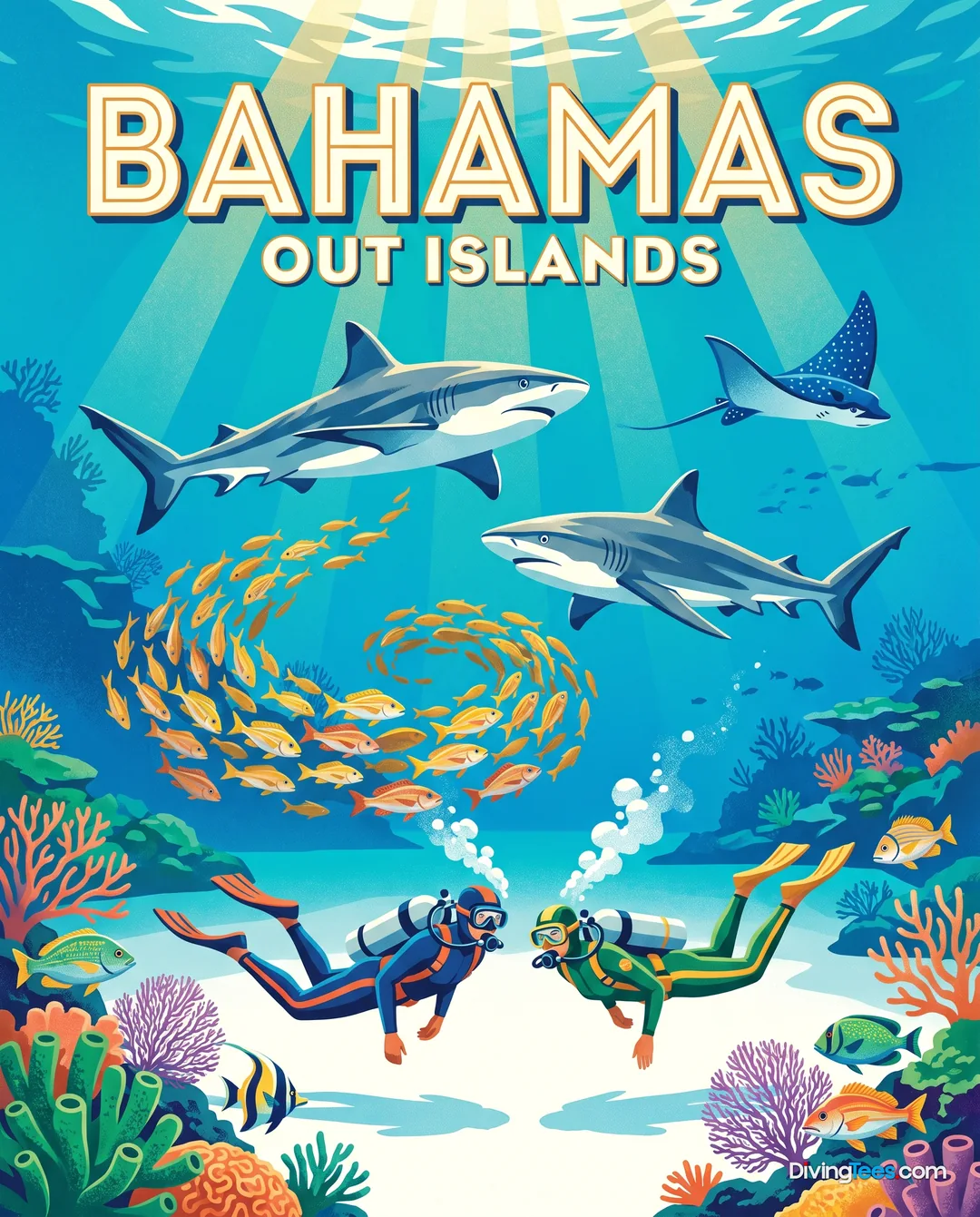
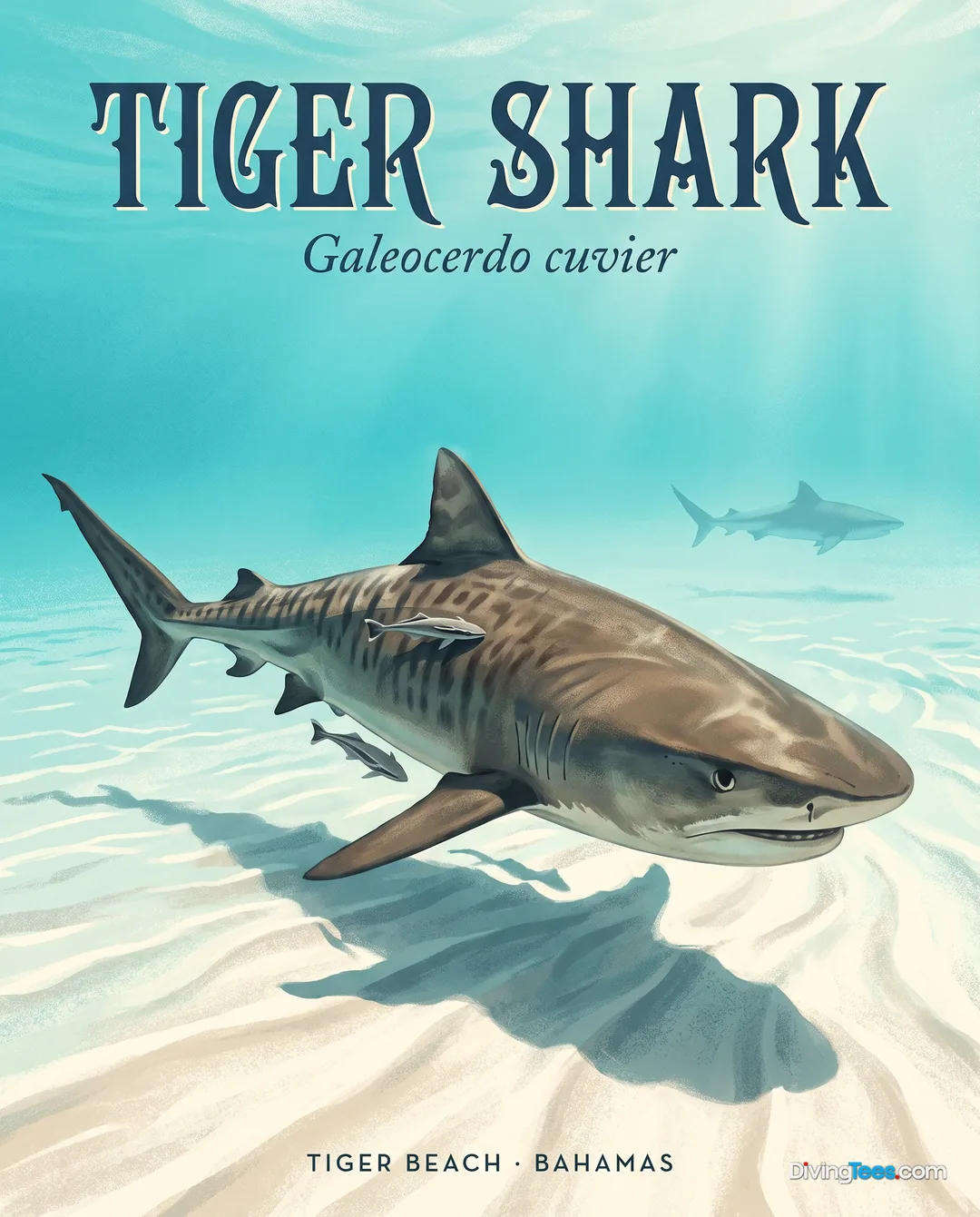
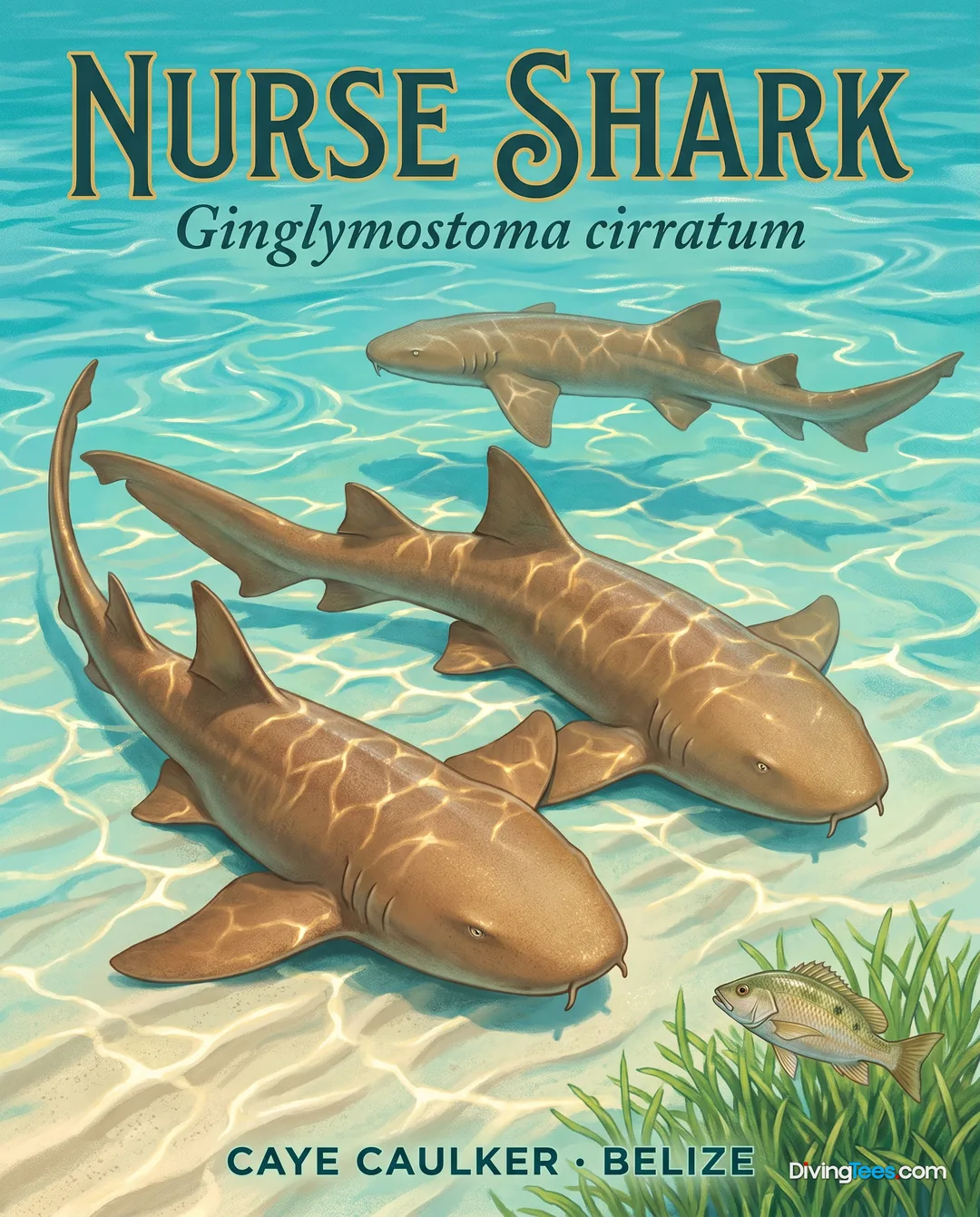
What sets Sugar Wreck apart, especially given its shallow depth, is the potential for larger shark encounters. Its proximity to Tiger Beach means that tiger sharks, lemon sharks, Caribbean reef sharks, and nurse sharks occasionally cruise around the wreck. While not a guaranteed sighting, encountering these animals in such clear, shallow water is a different experience than deeper pelagic drifts. It adds an element of unpredictability to what is otherwise a calm, accessible dive.
Visibility here typically ranges from 20 to 30 metres, often creating ideal conditions for photography and observation. The light current generally experienced on site allows for relaxed exploration of the wreck. Even with its relatively small footprint, the density of life and the interplay of sand, reef, and wreck provides enough to keep you engaged throughout a long bottom time, which the shallow depth easily permits. It's a site that rewards careful, unhurried observation.
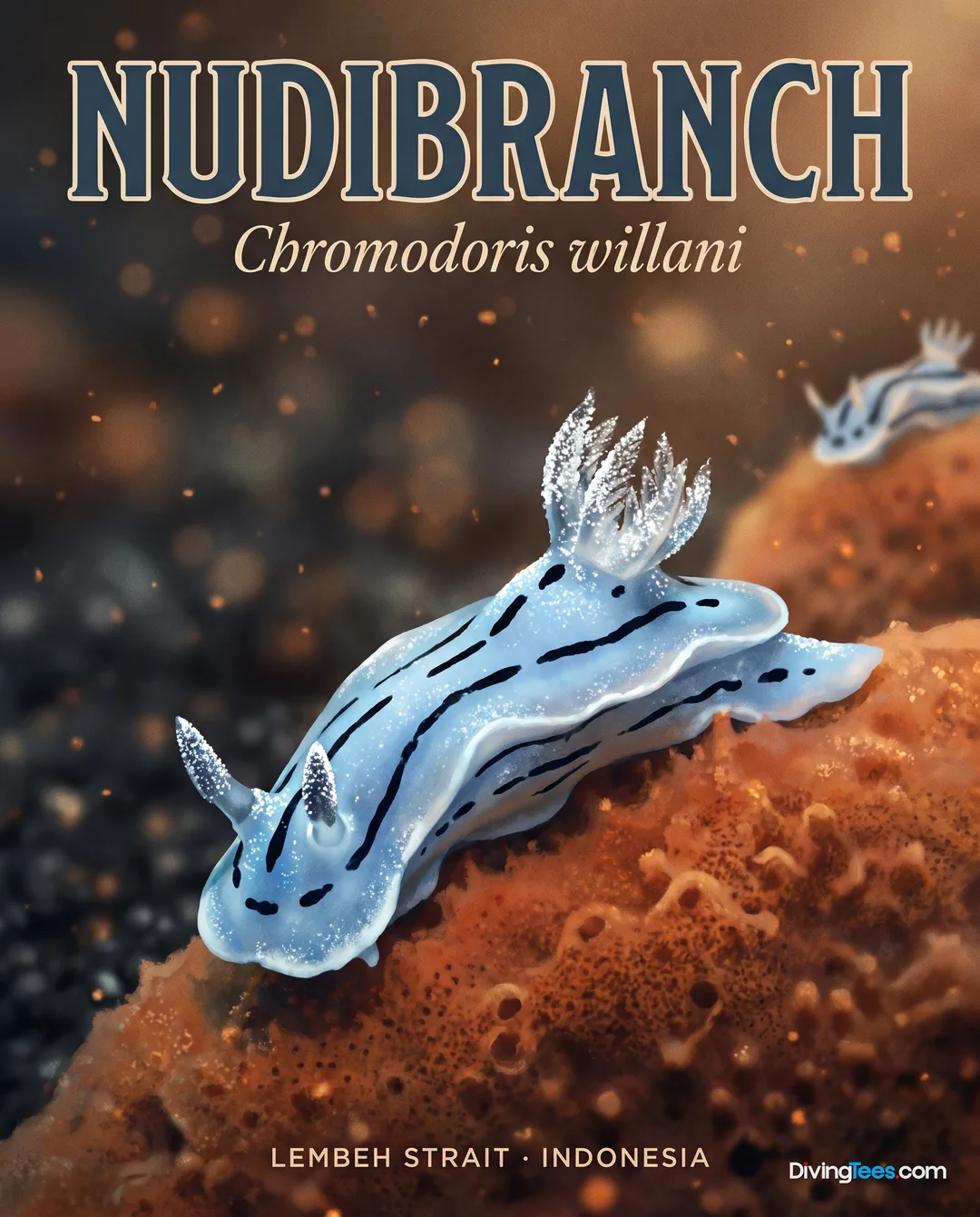
Beyond the fish, the wreck is home to invertebrates like arrow crabs and spiny lobsters, often tucked into crevices. Keep an eye out for nudibranchs, adding splashes of colour to the encrusted surfaces. Sea turtles are also frequent visitors, cruising over the wreck or resting on the sandy bottom nearby. The sheer concentration of life makes the Sugar Wreck a dynamic environment, constantly shifting with the movements of its inhabitants.
Diving this site means immersing yourself in a vibrant, living ecosystem built upon a piece of history. The light conditions and calm environment make it an excellent location to practice buoyancy control and macro photography, without the added challenge of strong currents or extreme depths. It serves as a reminder that even in shallow water, complex marine communities can thrive, offering compelling encounters for divers of all experience levels.
The Sugar Wreck is a shallow dive, with depths ranging from 6 to 10 metres. It is accessible for Open Water Diver certified individuals who are comfortable with boat dives. The current is typically light, which, combined with the shallow depth, makes for a relaxed dive. Visibility generally holds between 20 to 30 metres. The optimal time to visit, especially if you are interested in shark encounters, is between December and April, when water temperatures are comfortable and liveaboard activity around Tiger Beach is higher.
If you are interested in shark encounters, plan your visit between December and April. During this period, water temperatures are comfortable and liveaboard activity around Tiger Beach is higher. Sugar Wreck is just off the west end of Grand Bahama, a short boat ride from the Tiger Beach area.
Sugar Wreck is accessible to Open Water Diver certified individuals who are comfortable with boat dives. Its shallow setting, light current, and relaxed conditions make it suitable for divers of all experience levels. The site also provides a calm environment for practising buoyancy control and macro photography.
Sugar Wreck lies in shallow water between 6 and 10 metres, with the wreck’s depth rarely exceeding 10 metres. The current is typically light, allowing relaxed exploration. Visibility generally ranges from 20 to 30 metres, while the surrounding sand and isolated reef patches add interest around the wreck.
You can explore a historic sailing ship transformed into an artificial reef, densely covered with corals, sponges, and algae. Grunts, snappers, parrotfish, groupers, turtles, and invertebrates inhabit the wreck. Tiger, lemon, reef, and nurse sharks occasionally cruise nearby, while arrow crabs, lobsters, and nudibranchs occupy its crevices.