Martinique Plongée
Google 5/5 (564 reviews)
7.8 km away as the crow flies
Les Trois Ilets · Martinique · Caribbean
Max. depth · 60 mA volcanic headland offering a shallow coral plateau before dropping into a steep, current-swept wall.
For subtitles in English: start the video firstthen click the gearat the top right of the video, select “Subtitles/CC”, then “Auto-translate” and choose “English”.
Pointe Burgos begins as a volcanic headland that extends underwater to form a gentle coral plateau. Starting at very shallow depths of around 3 to 5 metres, the terrain consists of a mix of rocky scree, large boulders, and natural faults. This shallow zone provides an easy entry point for those wanting to explore the upper reef structure before the terrain shifts significantly. It is an ideal area for observing the transition from shallow reef life to deeper marine ecosystems.
As you move further out, the seabed begins a steady descent toward the 12 to 20-metre mark. At this stage, the topography becomes more complex, breaking into deeper fissures and irregular rock formations. This intermediate zone acts as a transition between the calm plateau and the verticality of the main drop-off. You will notice the light changing as the terrain drops away, signaling the start of the more challenging vertical sections.
The site's most defining feature is the dramatic escarpment that faces the open Caribbean Sea. This steep wall or tombant descends rapidly from the shelf, reaching maximum depths between 50 and 60 metres. The sheer scale of this drop-off provides a vertical playground for various species that thrive on high-energy edges. Navigating this edge requires precision, especially when the terrain shifts from the sloping plateau to the vertical descent.
Because the site is exposed directly to the Caribbean Sea, it is frequently subject to currents. These can vary from light to strong, depending on the swell, tide, and local wind conditions. You will often feel the most movement along the exposed edges of the drop-off, where the water flows more aggressively. This constant movement is precisely why the site is so biologically productive and attracts a high density of fish.
The movement of water across the wall brings in a variety of pelagic and reef species. You can expect to see large schools of mackerel and bonito moving through the water column. Larger predators like great barracuda often patrol the edges, while spotted eagle rays and southern stingrays glide through the currents. This makes the site particularly rewarding for wide-angle photography and those looking for active marine life.
Closer to the reef structure, the biodiversity remains high with many resident species. You will find various sponges and gorgonians covering the rocky surfaces, providing habitat for smaller organisms. Spotted moray eels and Caribbean spiny lobsters are common sights within the crevices of the benthos. French grunts, porkfish, and bar jack are frequently seen in larger groups, moving through the shallower sections of the plateau.
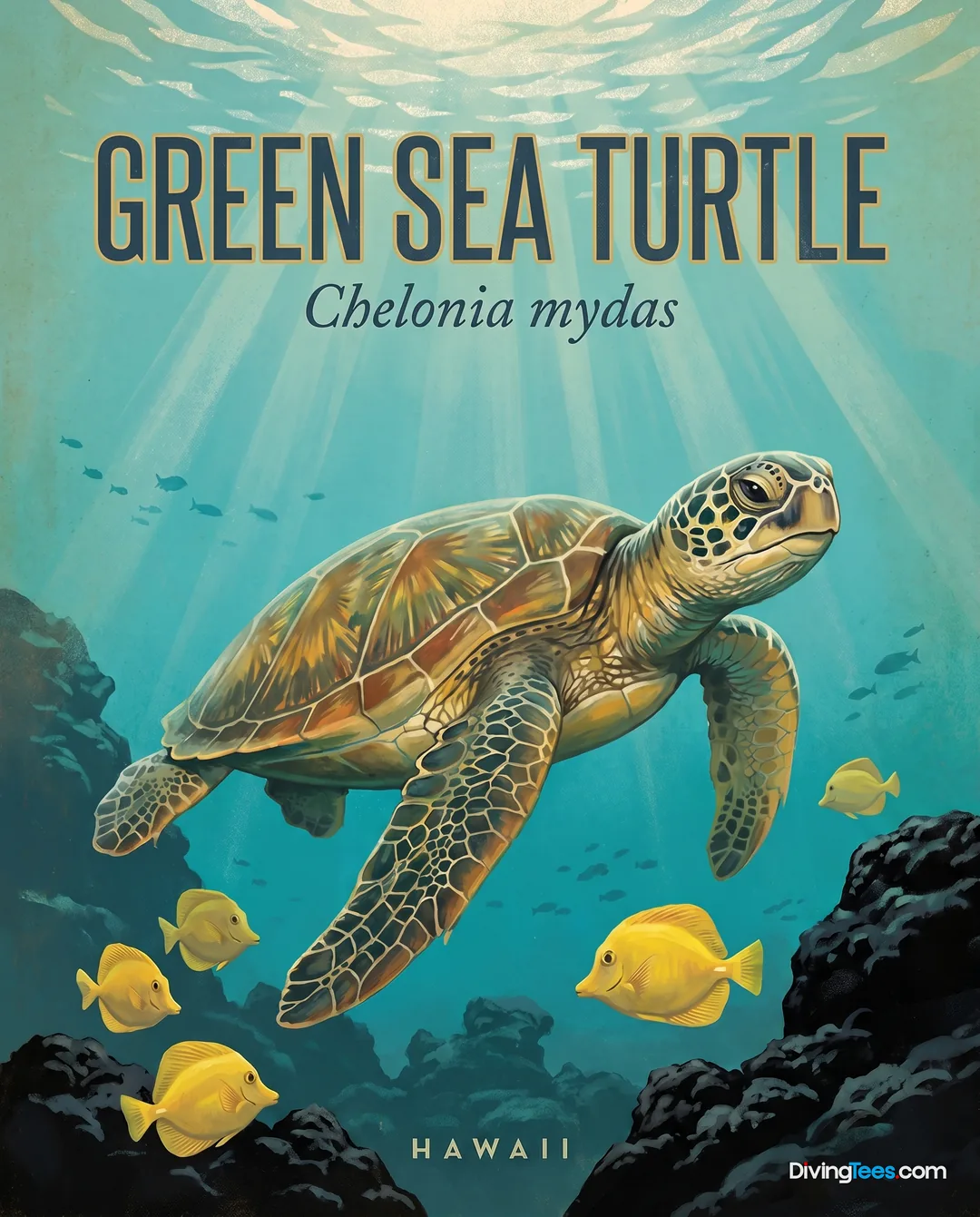
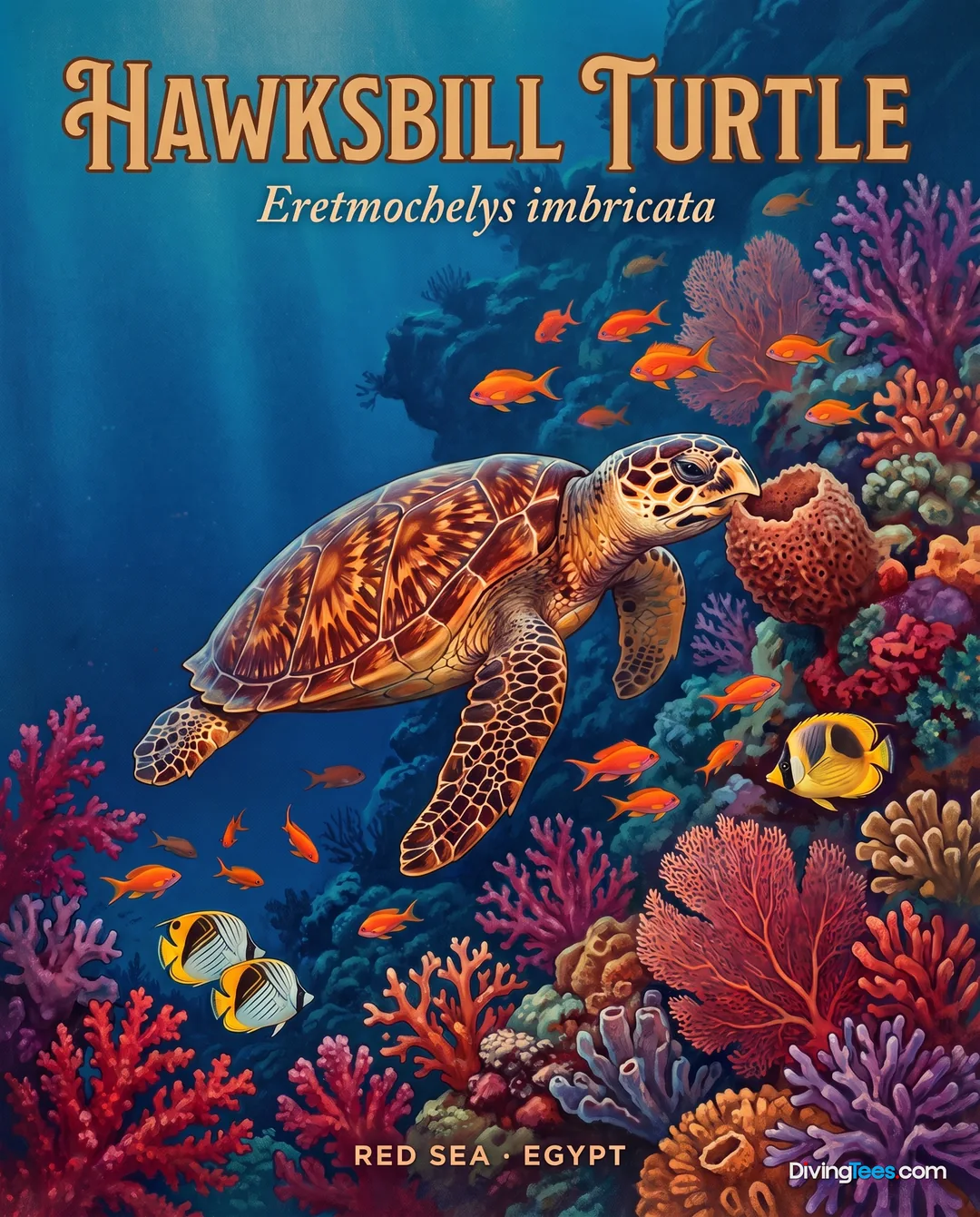
Turtles are a regular presence at Pointe Burgos, specifically green turtles and hawksbill turtles. These animals often use the reef structure for resting or grazing, and their presence adds to the site's dynamic feel. For those with more experience, the deeper sections may offer sightings of nurse sharks. The site serves as a crucial junction where the calm reef environment meets the more energetic, open ocean conditions.
Depth ranges from 3 to 60 metres. The site is accessible for Open Water divers on the shallow plateau, but an Advanced level is recommended for the deeper wall sections due to the vertical topography. Expect currents that can become strong along the drop-off depending on the tide and swell. Visibility typically ranges between 20 and 30 metres.
Pointe Burgos is exposed directly to the Caribbean Sea, so conditions vary with swell, tide, and local wind. Currents may range from light to strong, particularly along the drop-off. Visibility typically ranges between 20 and 30 metres, giving you clear conditions when the water movement and exposure are manageable.
Pointe Burgos offers shallow exploration from about 3 to 5 metres across a volcanic coral plateau, suitable for Open Water divers. The seabed descends through 12 to 20 metres before reaching a steep wall that drops to 50 to 60 metres. Advanced level is recommended for the deeper vertical sections.
At Pointe Burgos, currents can become strong along the exposed drop-off, depending on the tide and swell. Local wind can also affect conditions. You will generally feel the most movement beside the wall, where water flows more aggressively. The plateau offers a gentler area before the terrain becomes vertical and exposed.
At Pointe Burgos, you can see diverse coral and rock formations covered with sponges and gorgonians, plus French grunts, porkfish, bar jack, moray eels, and Caribbean spiny lobsters. Green and hawksbill turtles are regular sights. Barracuda, mackerel, bonito, eagle rays, stingrays, and sometimes nurse sharks appear in deeper areas.