

The Dive Master
Google 4.9/5 (3,632 reviews)
Havelock · India · Indian Ocean
Max. depth · 23 mTribe Gate offers a vibrant reef system, perfect for encountering diverse marine life and for divers developing their skills in India's Andaman waters.
For subtitles in English: start the video firstthen click the gearat the top right of the video, select “Subtitles/CC”, then “Auto-translate” and choose “English”.
Tribe Gate sits off Havelock Island (Swaraj Dweep), approximately two kilometres from Govind Nagar beach. This site is established as a boat dive, presenting a dynamic reef system rather than a single fixed structure. Divers will descend onto a series of coral gardens, interspersed with sandy patches and rocky formations, creating a mosaic of habitats. The varying topography means that each section you explore holds different resident species, making every dive a new experience within the same site.
The dive profile at Tribe Gate generally begins shallow, with depths starting around three metres, ideal for initial buoyancy checks and familiarisation. As you move through the site, the reef gradually slopes down, reaching a maximum recorded depth of 23 metres. This depth range allows for flexibility, accommodating different experience levels within a single dive. The shallower areas are often bustling with smaller reef fish, while the deeper sections offer a chance to observe larger species moving along the reef structure.
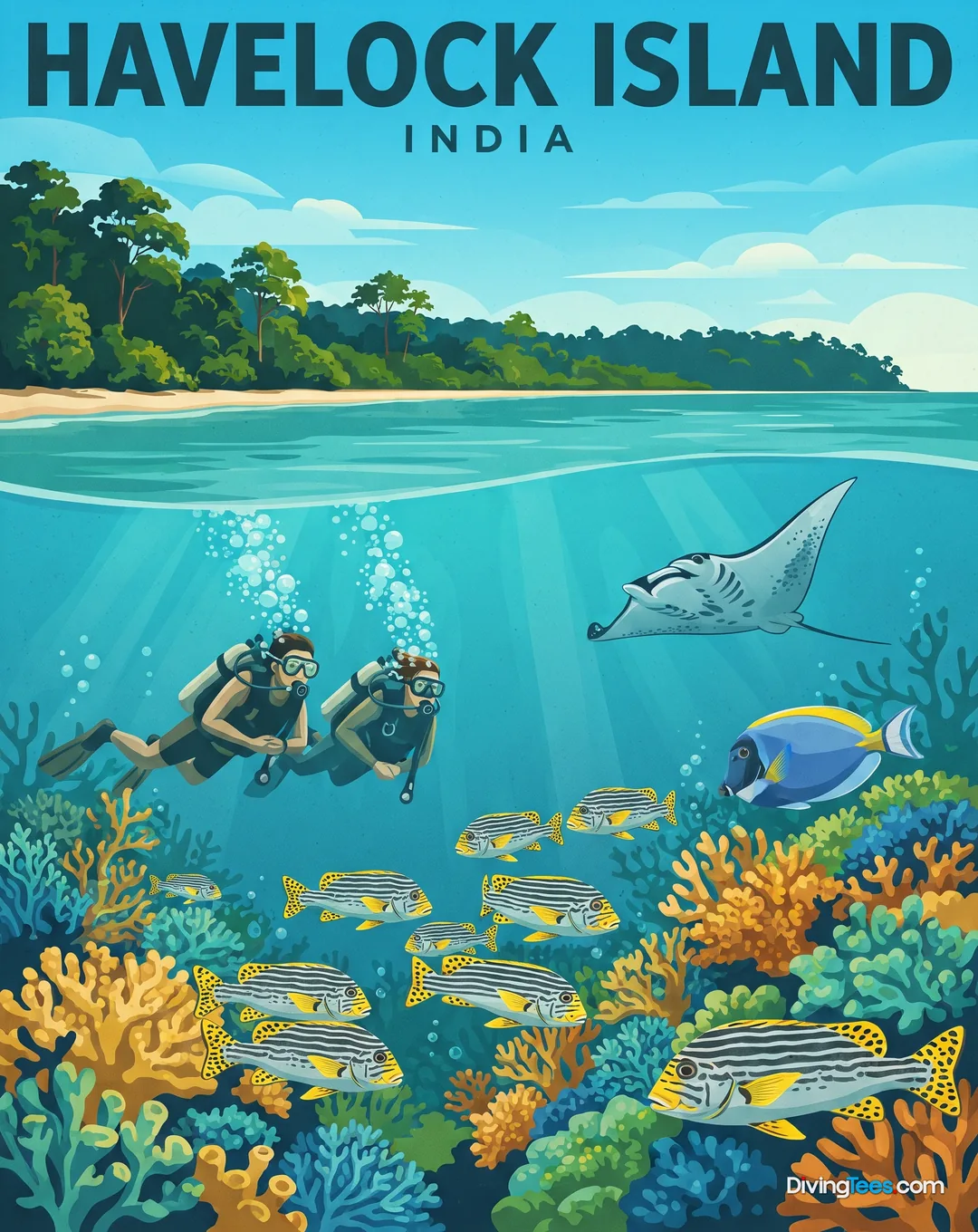
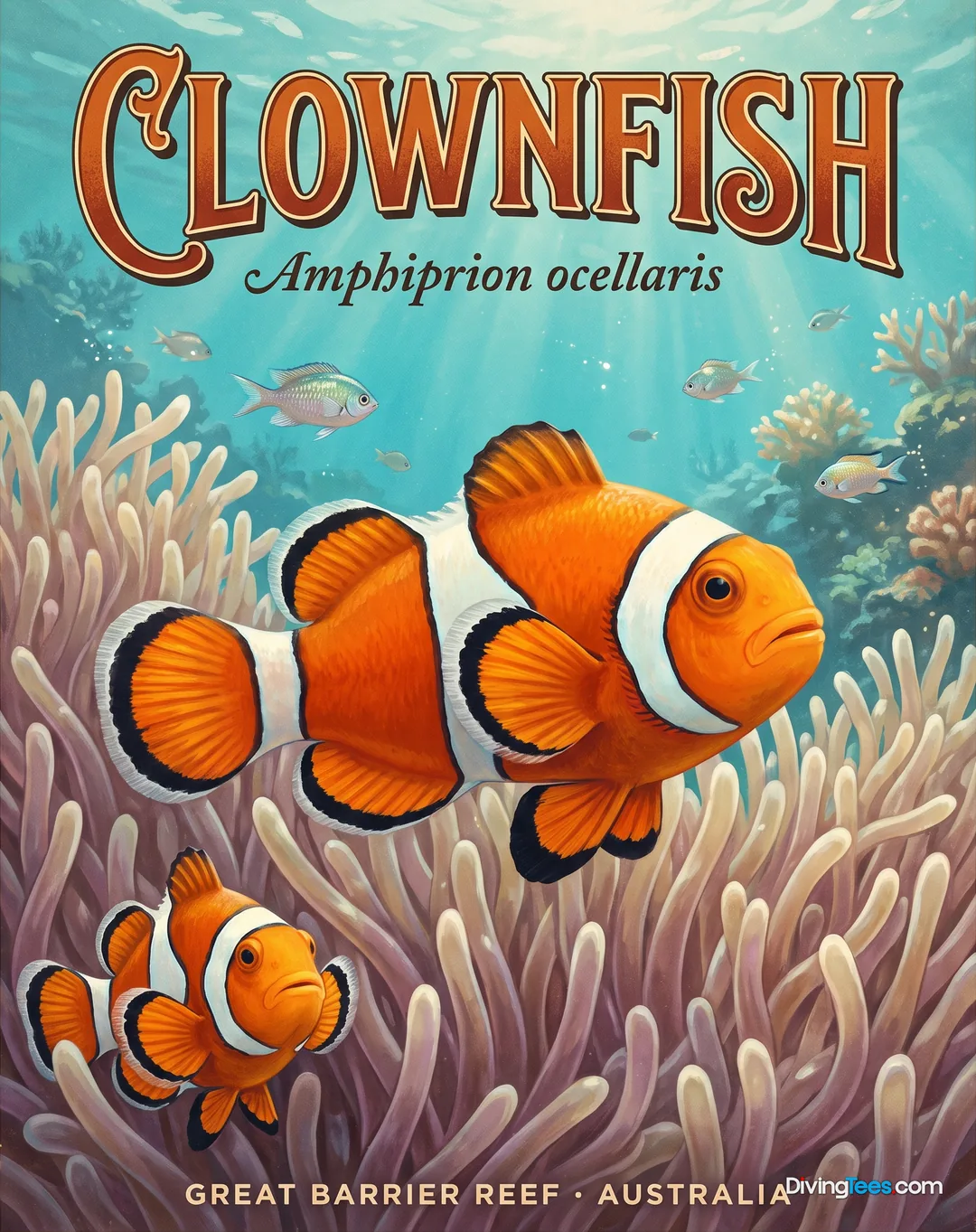
Marine life at Tribe Gate is consistently vibrant. You can expect to encounter large numbers of parrotfish (Scaridae), often seen grazing actively on the corals, alongside various species of clownfish (Amphiprioninae) within their anemone hosts. Surgeonfish (Acanthuridae), trumpetfish (Aulostomidae), and boxfish (Ostraciidae) are common sights, providing constant activity across the reef. Keep an eye out for octopus (Octopoda) camouflaging themselves amongst the rocks and coral heads, adding to the diversity of smaller creatures.
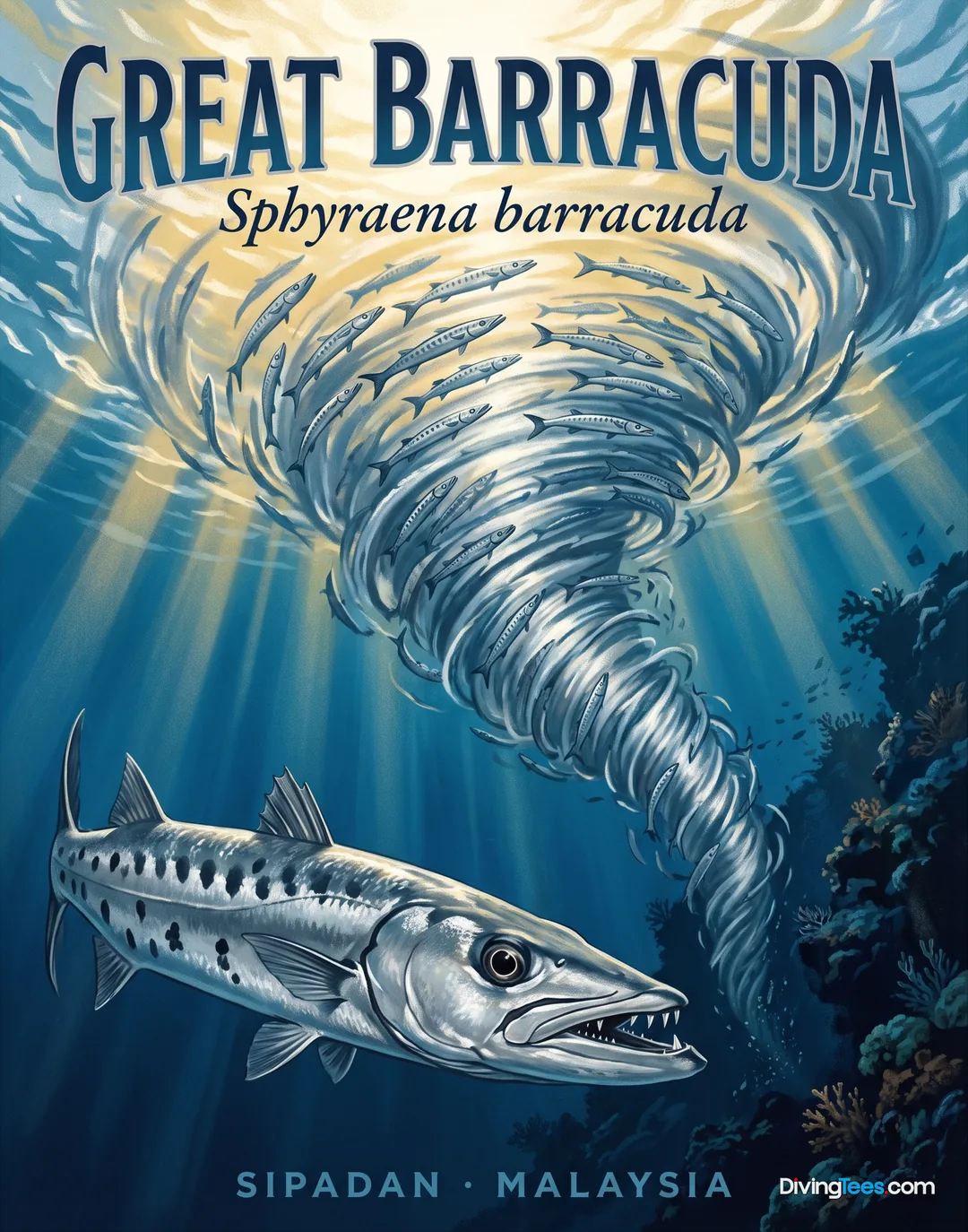
Beyond the smaller reef residents, Tribe Gate regularly hosts larger pelagic and reef species. Barracudas (Sphyraena) are frequently sighted, often patrolling the edges of the reef or schooling in mid-water. You may also encounter trevally (Carangidae) and various groupers (Epinephelinae) and snappers (Lutjanidae). Turtles (Chelonia mydas, Eretmochelys imbricata) are a highlight, seen moving deliberately along the reef or resting in sheltered spots, contributing to the site's reputation for significant faunal encounters.
The coral structures themselves are diverse, featuring healthy hard and soft corals, punctuated by sea fans. These formations create numerous hiding spots and feeding grounds, supporting the rich ecosystem. This varied habitat, from open reef to more sheltered crevices, ensures that there is always something new to observe, whether you are focusing on macro life or scanning the blue for larger fish. The composition of the reef helps sustain a consistent presence of marine life throughout the year.
Tribe Gate is distinguished by its blend of accessibility and marine richness. While it serves as an excellent training site for new Open Water divers due to generally calm conditions and manageability, it still offers enough to hold the interest of more experienced divers. The reliable presence of both small and larger marine species, combined with its clear visibility for much of the year, means it consistently delivers on the promise of an engaging dive experience, making it more than just a training ground.
This site is accessible from Open Water Diver certification for the shallower sections, while the deeper parts, reaching 23 metres, are suitable for intermediate divers. Visibility at Tribe Gate is consistently good, often extending beyond 20 metres. The best period for diving here is from October to May, offering optimal conditions; for prime barracuda sightings, consider visiting between November and February.
You can dive Tribe Gate during the period from October to May, when conditions are described as optimal. For barracuda sightings, consider visiting between November and February. Visibility is consistently good and often extends beyond 20 metres, supporting both reef exploration and scanning open water for larger marine life.
Tribe Gate is accessible to you as an Open Water Diver in its shallower sections, which begin around three metres. The deeper areas, reaching 23 metres, are suitable for intermediate divers. Generally calm conditions and a manageable profile also make the site useful for initial buoyancy checks and familiarisation.
You can explore Tribe Gate from three metres down to a maximum recorded depth of 23 metres. The reef slopes gradually through coral gardens, sandy patches, and rocky formations. This varied topography creates different habitats, with smaller reef fish in shallower areas and larger species moving along deeper reef sections.
You can expect generally calm conditions, good visibility, and a lively mix of marine life at Tribe Gate. Barracudas, trevally, turtles, and large parrotfish are regular encounters, while clownfish, surgeonfish, trumpetfish, boxfish, and octopus inhabit the reef. Coral gardens, sea fans, sandy patches, and rocky formations provide varied surroundings.