
The Dive Master
Google 4.9/5 (3,632 reviews)
Havelock · India · Indian Ocean
Max. depth · 27 mDescend into the hold of a 1955 cargo ship, now an artificial reef teeming with barracudas and giant groupers in the waters of Havelock Island.
For subtitles in English: start the video firstthen click the gearat the top right of the video, select “Subtitles/CC”, then “Auto-translate” and choose “English”.
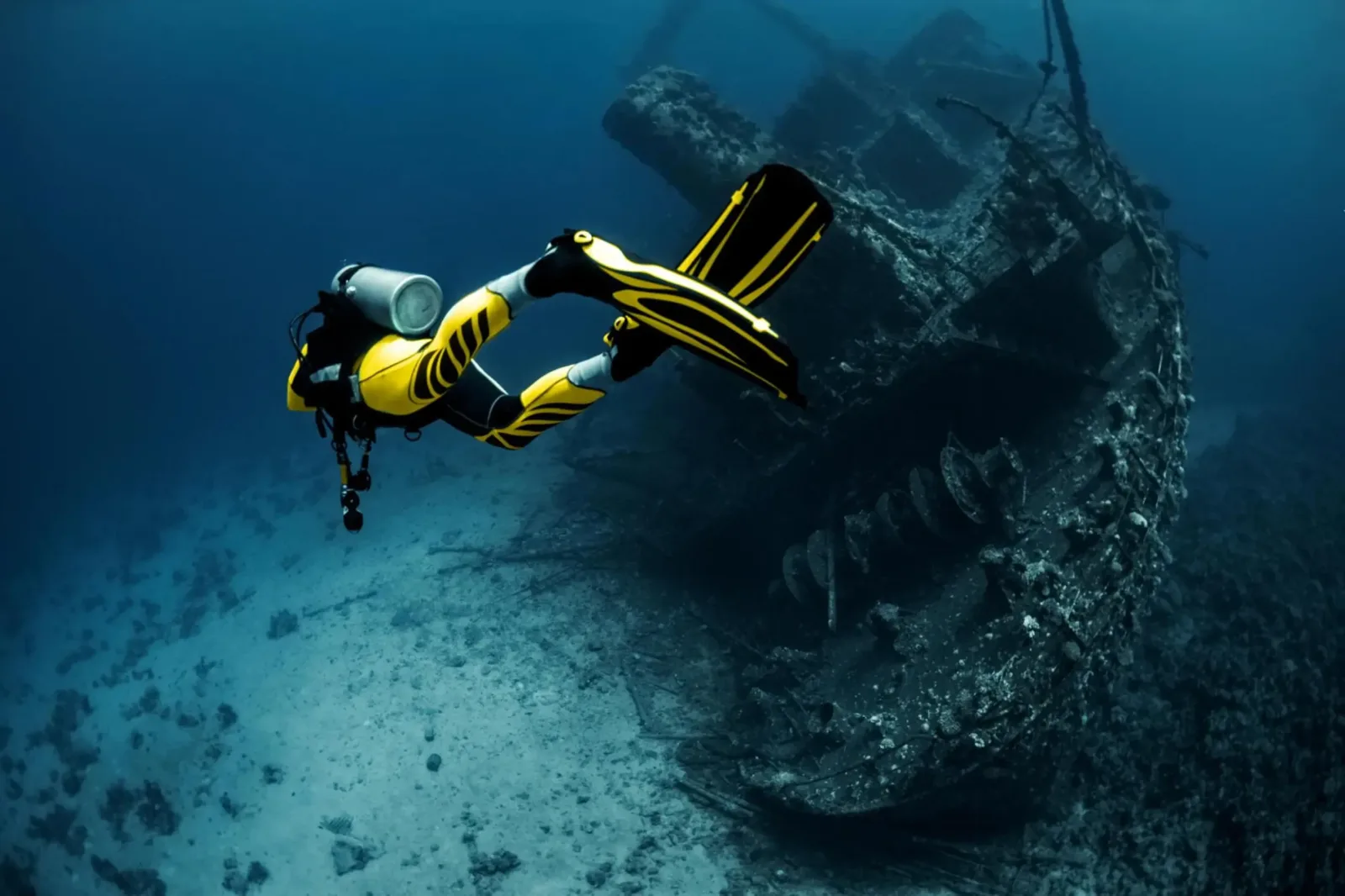
The Inchkeith Wreck, a cargo ship that sank in March 1955 after striking a rock near Duncan Island, now serves as a dynamic artificial reef off Havelock Island. Resting on its starboard side, the bow section still shows clear features like hatchways and the cargo hold. This historical relic offers a unique blend of human history and flourishing marine biology, drawing divers into its mysterious depths.
As you approach the wreck, the ambiance shifts with the often moderate visibility, lending a sense of discovery to the dive. The stern section holds a notably massive propeller, standing upright at 18 metres, which often becomes a focal point for exploration. Corals and anemones have begun to encrust the ship's skeleton, transforming its industrial lines into living topography, providing shelter and hunting grounds for various species.
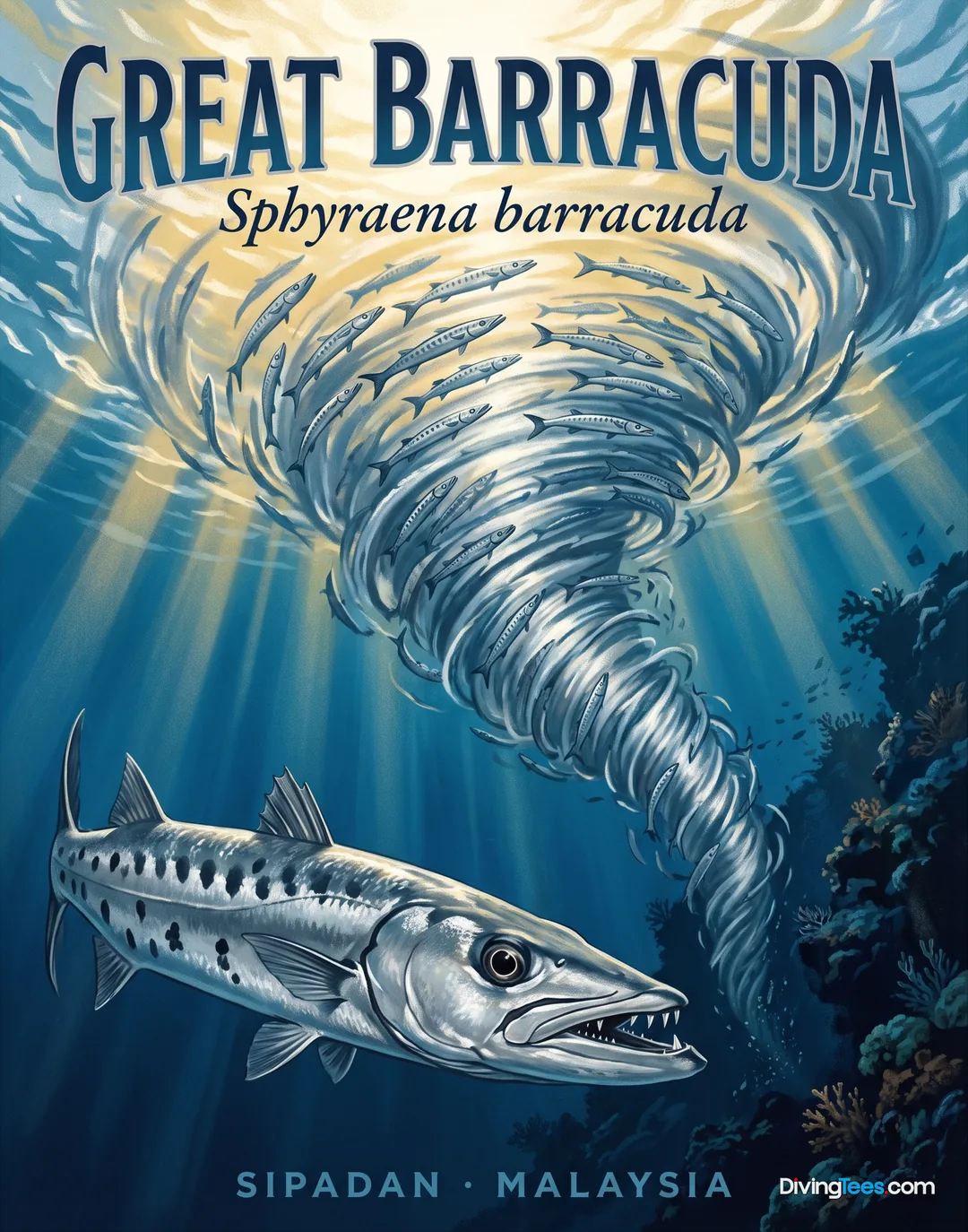
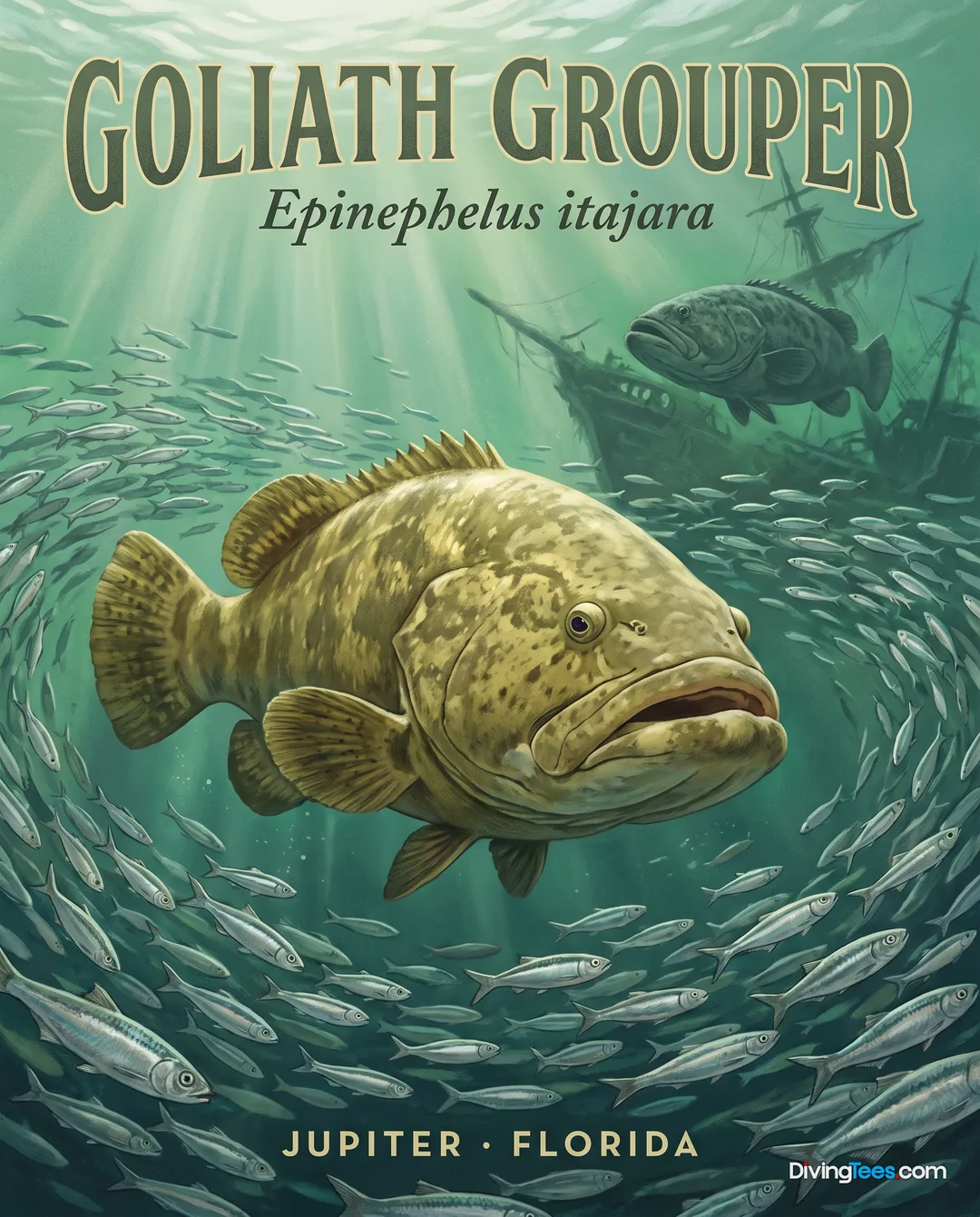
Beyond the wreck's structure itself, the marine life here is a significant draw. Solitary giant groupers (Epinephelus lanceolatus) are frequently seen emerging from the shadows of the deeper sections, while large barracudas (Sphyraena barracuda) patrol the perimeters. You'll often encounter schools of batfish (Platax) weaving through the ship's framework, creating a dynamic backdrop to the sunken vessel.
The wreck's surfaces host a community of smaller inhabitants. Scorpionfish (Scorpaenidae) blend into the textured parts of the hull, and cleaning shrimp (Caridea) are visible nestled in crevices. Moray eels (Muraenidae), snappers (Lutjanidae), and lionfish (Pterois) are also common residents, utilizing the wreck's intricate structure for shelter and hunting, contributing to the rich biodiversity of this site.
The site extends beyond just marine life, offering a historical journey. The Inchkeith's past life as a transport vessel for coal and timber becomes apparent as you explore the holds and deck features. This combination of a well-preserved structure at a manageable depth, coupled with robust coral growth and abundant fish life, makes it a distinctive wreck dive in the Andaman Islands.
While the structural integrity allows for clear navigation along its exterior, the depth profile and potential for varied visibility require attentiveness throughout the dive. The wreck provides ample opportunities for observation and photography, from wide shots of the entire vessel to detailed macro observations of the creatures that have made it their home. Each dive unfolds new details within this rich underwater environment.
The Inchkeith Wreck is a dive site primarily explored between 18 and 24 metres, though portions extend to 27 metres. Due to its depth and the nature of wreck diving, it is recommended for Advanced Open Water certified divers. Visibility is generally moderate to occasionally lower, which adds to the wreck's mysterious ambiance. The best period for diving here extends from October to May, with optimal visibility frequently reported between November and February.
You can dive Inchkeith Wreck from October to May. Visibility is frequently reported as more favorable between November and February, although conditions are generally moderate and can occasionally be lower. Planning within this seasonal period lets you explore the historic cargo ship and its coral-covered structure.
You should be an Advanced Open Water certified diver for Inchkeith Wreck because of its depth and the nature of wreck diving. The site is primarily explored between 18 and 24 metres, while some portions extend to 27 metres, including the upright propeller at 18 metres.
At Inchkeith Wreck, visibility is generally moderate and can occasionally be lower. These conditions create a mysterious sense of discovery as you follow the ship resting on its starboard side. You can still navigate clearly along the exterior while examining hatchways, cargo holds, coral growth, and wreck details.
At Inchkeith Wreck, you can explore a historic cargo ship that sank in 1955, including hatchways, cargo holds, deck features, and a massive upright propeller. Giant groupers, barracudas, batfish, scorpionfish, cleaning shrimp, moray eels, snappers, lionfish, corals, and anemones inhabit the structure.