
The Dive Master
Google 4.9/5 (3,632 reviews)
Havelock · India · Indian Ocean
Max. depth · 24 mDescend along a soft coral slope, where reef fish school in the shallows and stingrays rest on sandy patches at depth.
For subtitles in English: start the video firstthen click the gearat the top right of the video, select “Subtitles/CC”, then “Auto-translate” and choose “English”.
The Slope dive site is located just off the small white beacon marking the entrance to Havelock Jetty channel. You begin your descent in the shallows, where the reef starts at around 4 metres, before it gently slopes down to a sandy bottom at 24 metres. This gradual incline allows you to comfortably explore various depths and enjoy the light penetration in the upper sections without feeling pushed deeper than your comfort level. The site's predictable topography makes it a reliable choice for divers new to the area.
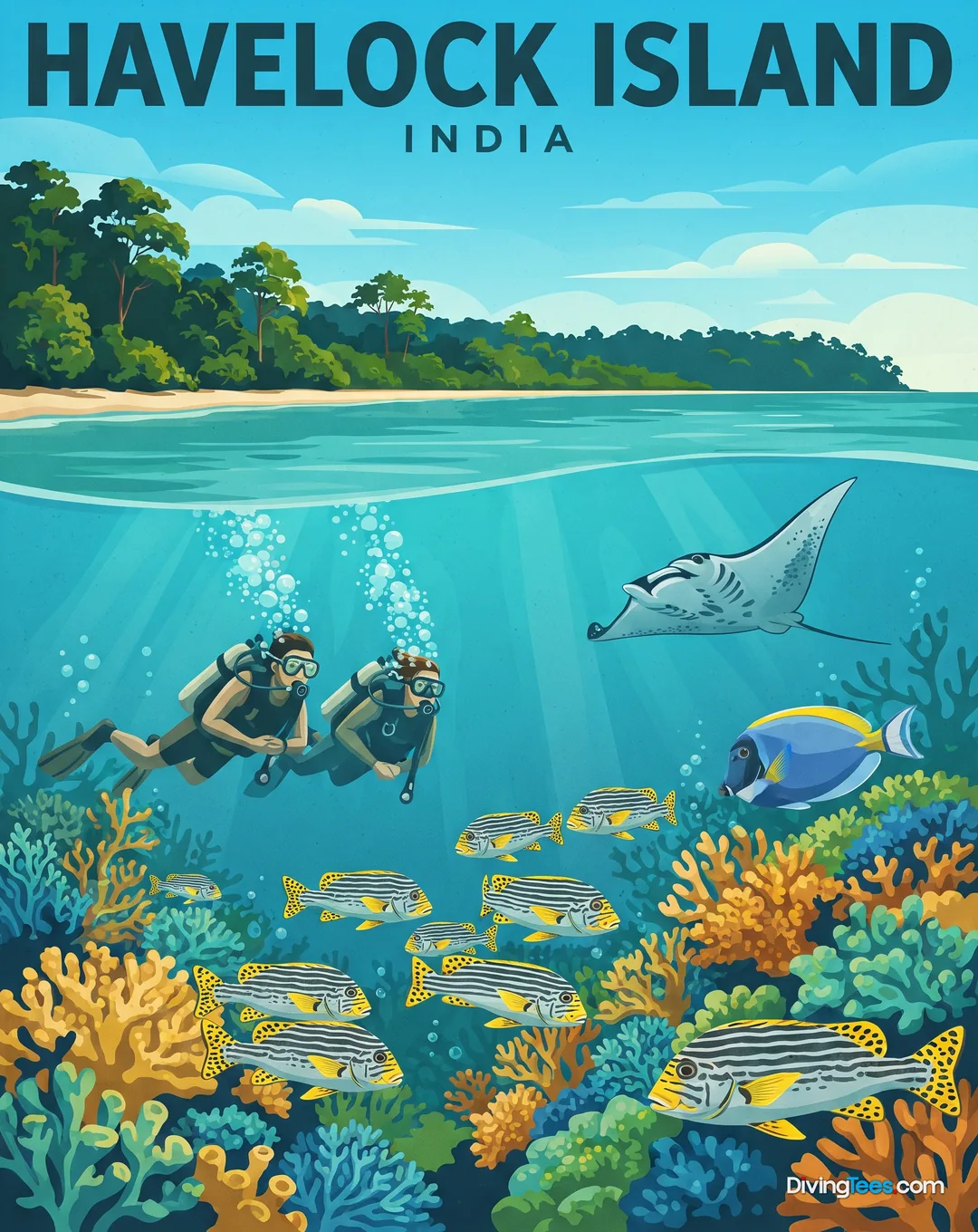
As you move further down the reef, the vibrant colours of hard and soft corals completely blanket the substrate, creating a rich backdrop for underwater photography. This coral growth supports a healthy reef ecosystem, with species like bannerfish, angelfish, and schools of fusiliers common throughout the dive. Keep an eye out for red-toothed triggerfish moving through the coral heads, especially at the transition zones where the reef meets the sand.
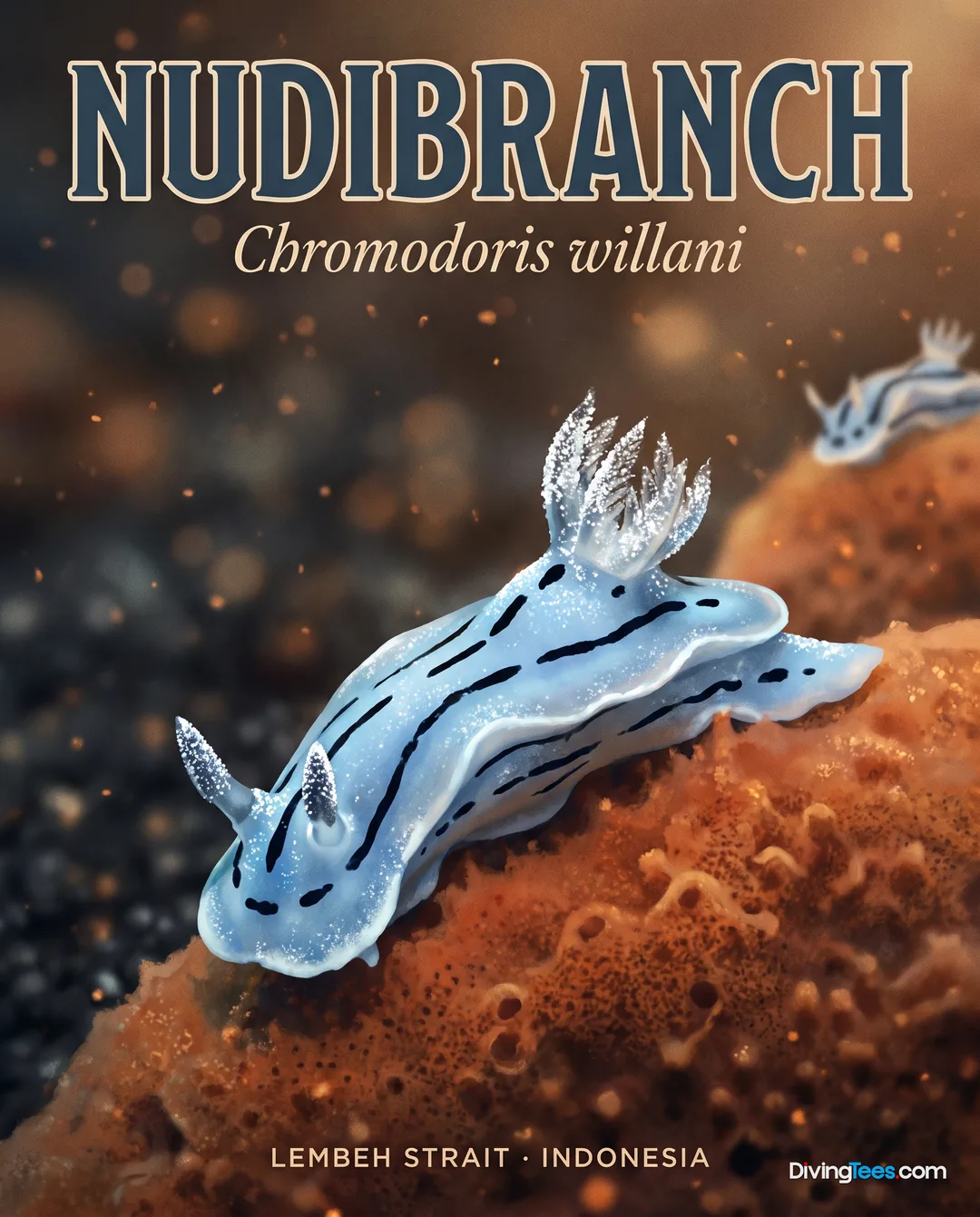
The varying depths on the Slope allow for multi-level dive profiles, maximizing your bottom time while exploring different micro-ecosystems. In the shallower sections, the sunlight illuminates a variety of macro life tucked away in the coral, such as nudibranchs and gobies. These smaller inhabitants provide a different focus from the broader reef scenes, rewarding an attentive eye.
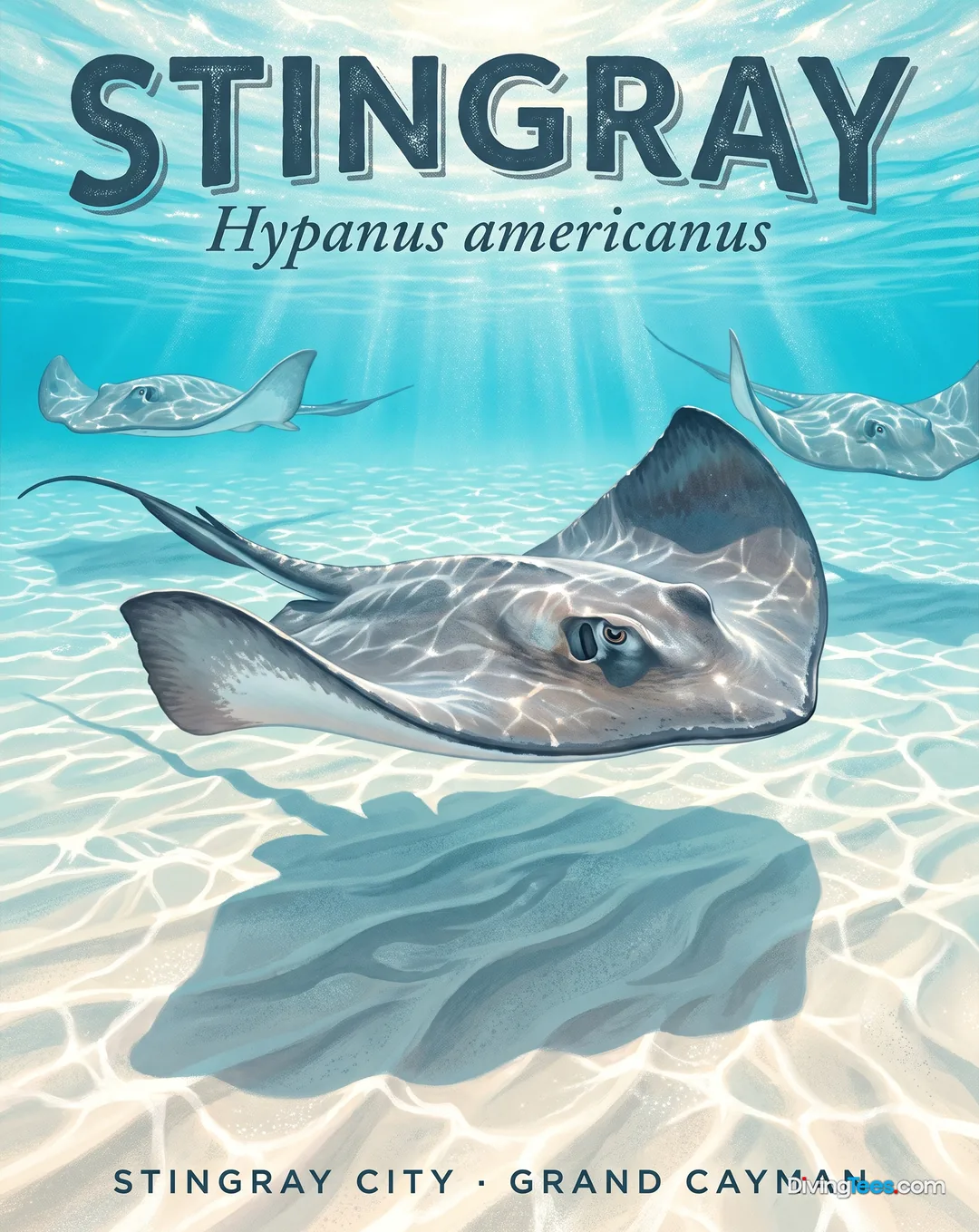
As you approach the sandy areas at the deeper end of the slope, the landscape changes. Here, you might spot a stingray resting partially buried in the sand or a scorpionfish camouflaged amongst the rubble. Groupers often patrol these transitions too, preying on smaller reef fish. The generally calm conditions prevailing at the Slope allow for a relaxed pace, giving you ample time to observe these interactions.
The site also serves as a good training ground for those refining their buoyancy or photography skills. The gentle gradient and calm current provide a stable environment, allowing divers to concentrate on their tasks without battling demanding conditions. While it's known as a good training site, its biodiversity and coral health still hold the attention of experienced divers looking for an easy, yet visually rewarding, dive.
The Slope is accessible for all levels of certified divers, with a minimum depth of 4 metres and a maximum recreational depth of 24 metres. Conditions are generally calm, with little to no current, making it ideal for relaxed exploration. While diving is possible year-round outside the monsoon season, the most stable conditions and clearest visibility are typically found between November and February.
The Slope is diveable year-round outside the monsoon season. For the most stable conditions and clearest visibility, plan your visit between November and February. This timing suits relaxed exploration and strong visibility across the gently sloping reef, from its shallow start toward the sandy deeper sections.
The Slope is accessible to certified divers of all levels. You can begin in shallow water at four metres and follow the gradual reef slope to a maximum recreational depth of twenty-four metres. Its predictable topography allows you to explore different depths without feeling pushed deeper than your comfort level.
You can generally expect calm conditions at The Slope, with little to no current. The gentle gradient and stable water allow relaxed exploration, buoyancy practice, and photography without battling demanding conditions. These conditions also give you time to observe reef life and interactions along the coral and sandy transitions.
At The Slope, you can see hard and soft corals, bannerfish, angelfish, schools of fusiliers, and red-toothed triggerfish. Shallow sections may reveal nudibranchs and gobies, while sandy areas can hold stingrays, scorpionfish, and patrolling groupers. The varied coral and reef scenes also provide subjects for underwater photography.