
The Dive Master
Google 4.9/5 (3,632 reviews)
Havelock · India · Indian Ocean
Max. depth · 18 mDescend into a vibrant coral garden just off Turtle Beach, where loggerhead and green sea turtles graze among staghorn corals in calm, shallow waters.
For subtitles in English: start the video firstthen click the gearat the top right of the video, select “Subtitles/CC”, then “Auto-translate” and choose “English”.
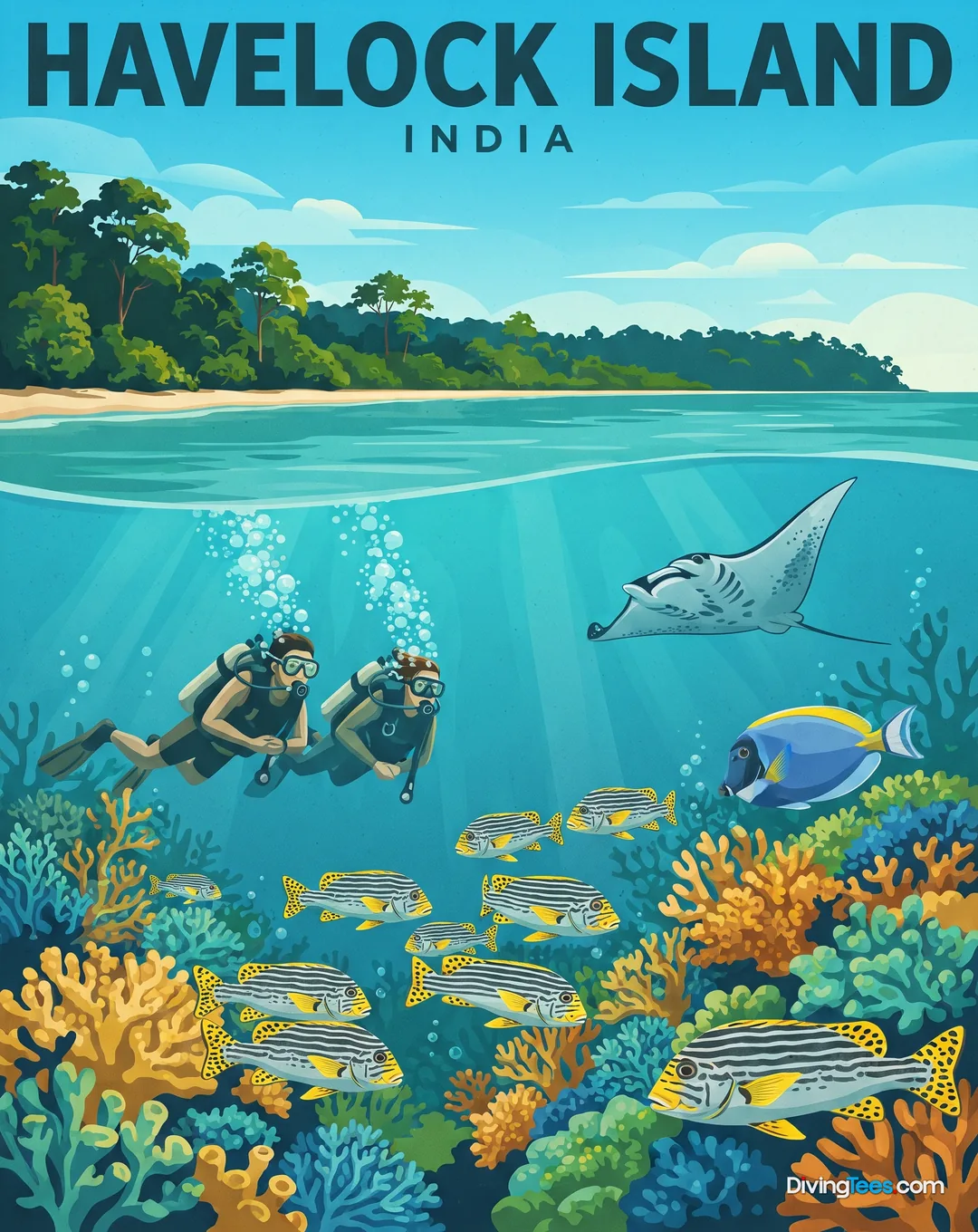
Turtle Beach, off Havelock Island, provides a clear underwater landscape focusing on its expansive coral gardens. The site primarily features staghorn coral, forming a dense and healthy ecosystem, which divers will notice immediately upon descent. While exploration is possible across various sectors, the overall topography remains consistent, offering a gentler exploration unlike more dramatic wall or current dives. It’s an inviting tableau, distinct from the deeper, more exposed sites in the Andaman Archipelago.
Entry into the water immediately reveals a sandy bottom interspersed with scattered coral heads, establishing a peaceful environment. As you progress, the coral becomes denser, forming a substantial garden. This gentle slope allows for a dive profile that can be tailored to experience or comfort, reaching a maximum depth of 18 metres. The natural structure of the reef provides ample opportunity to observe marine life within its shelter, inviting close inspection rather than requiring extensive navigation through complex formations.
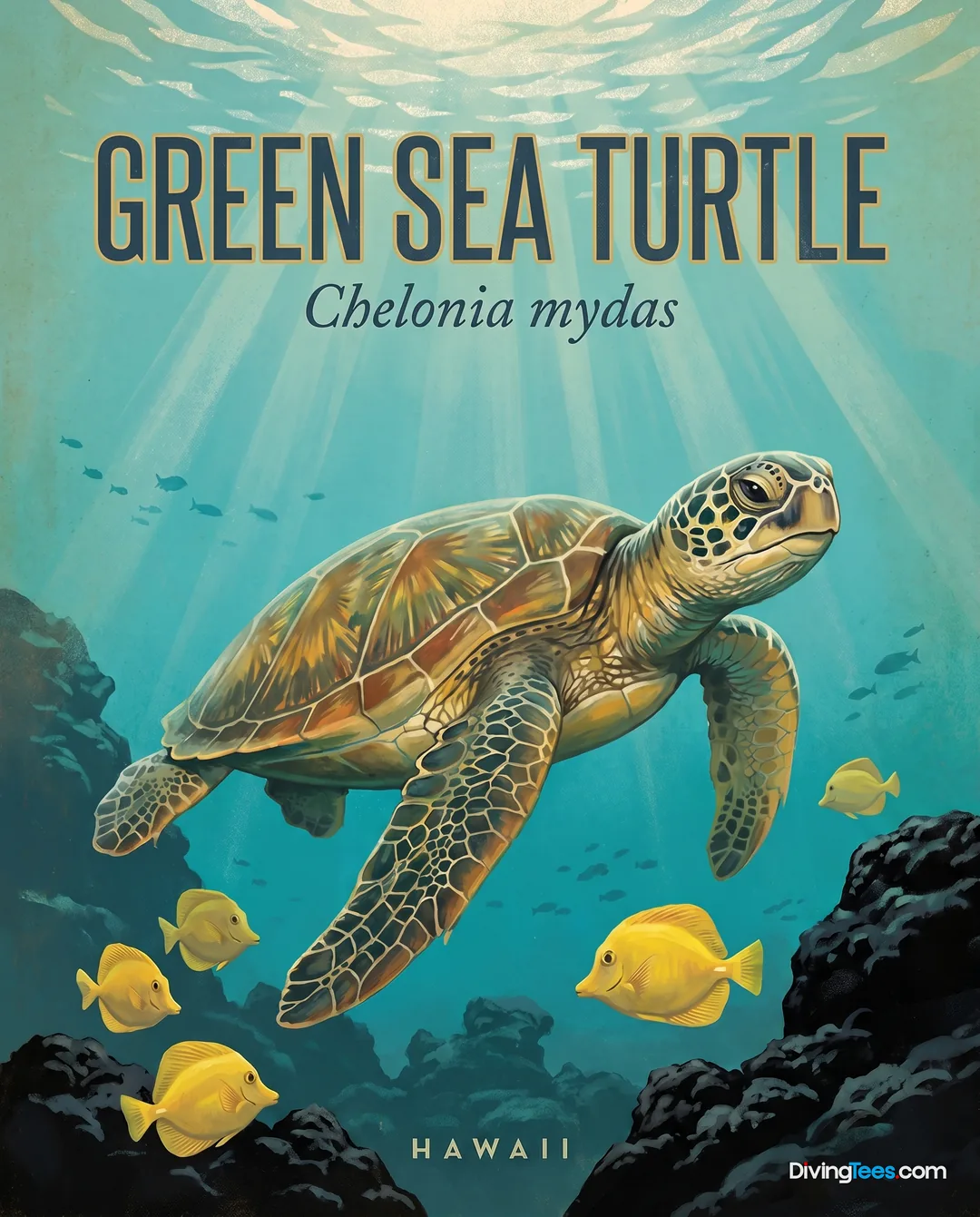
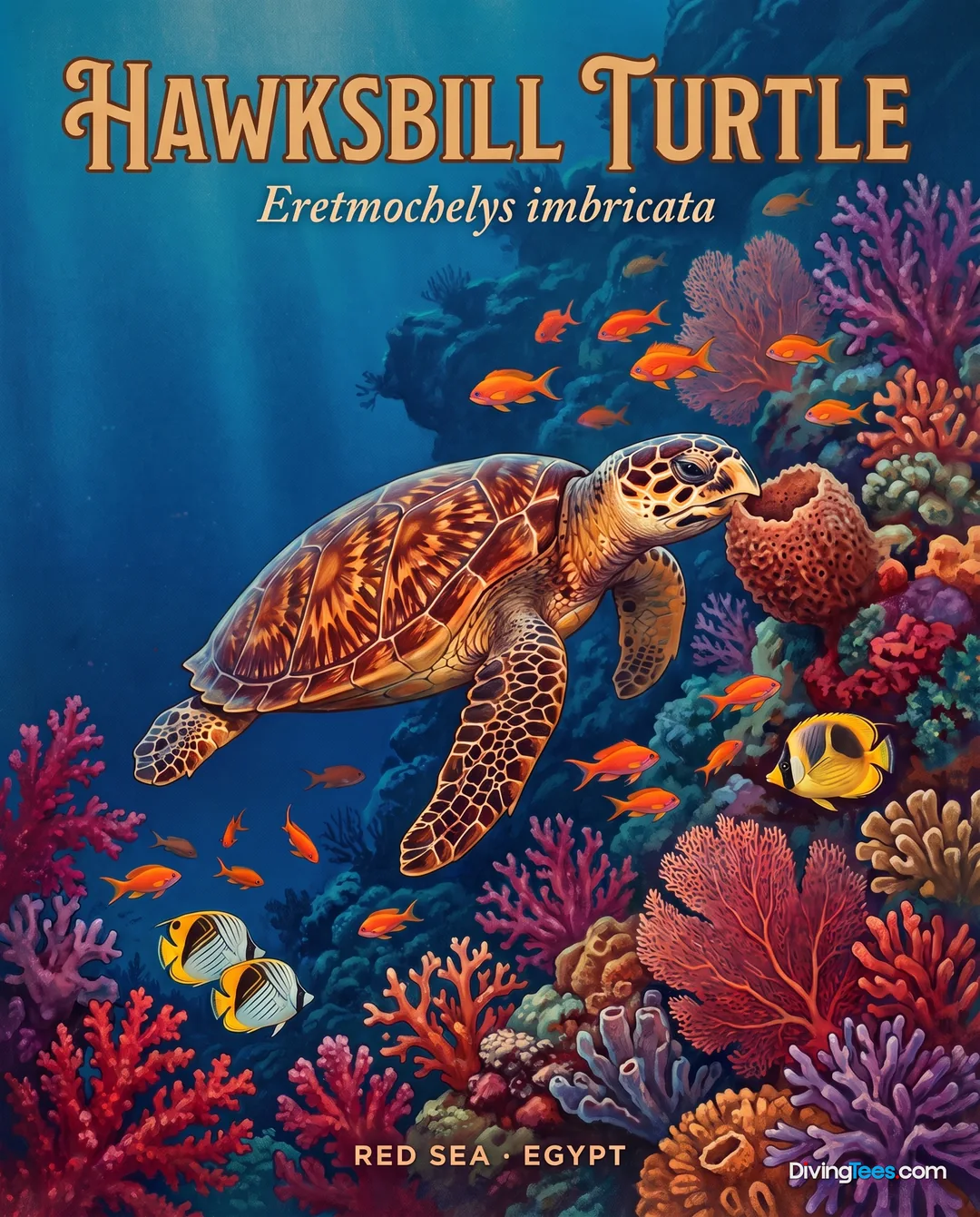
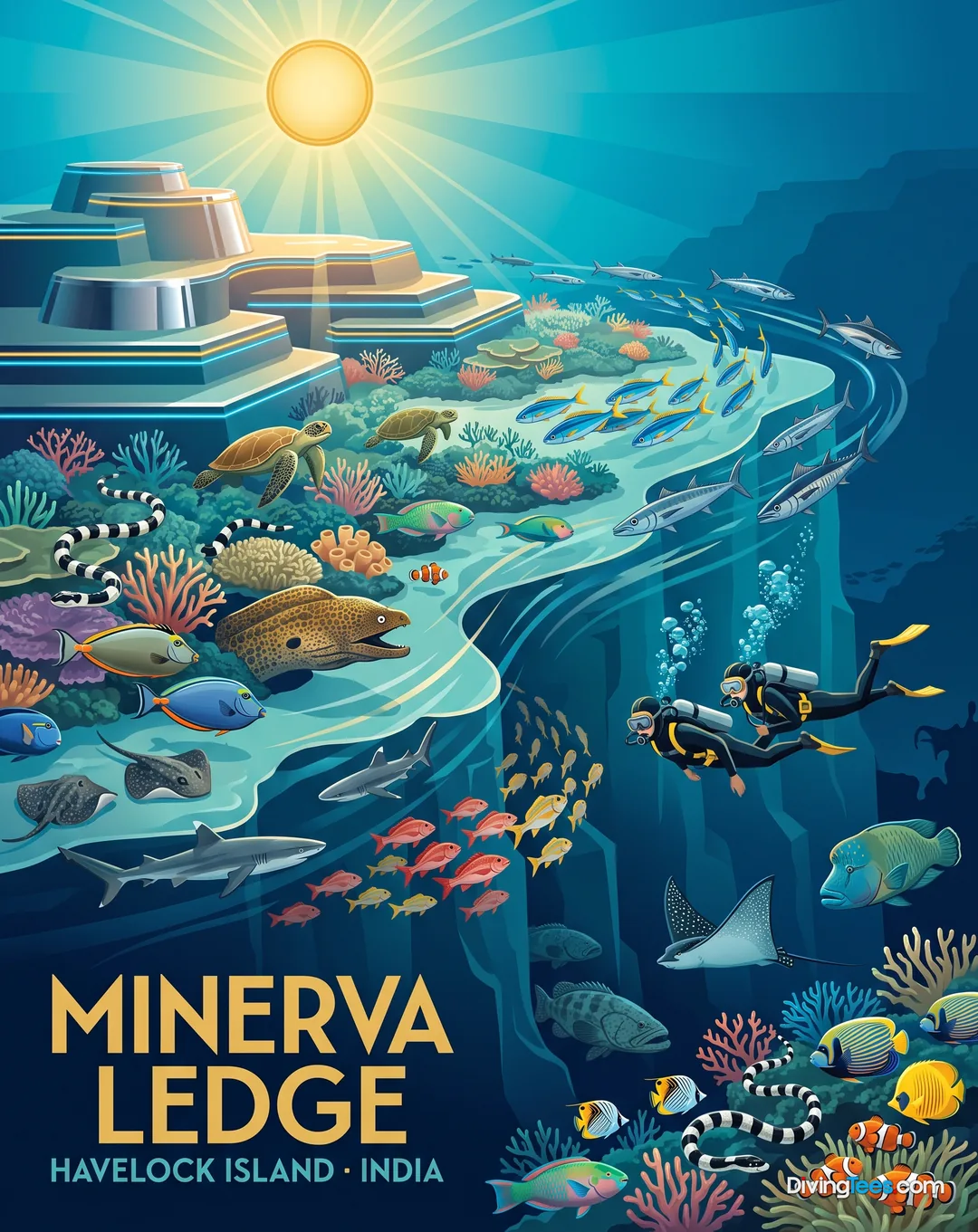
This site is particularly known for its resident population of green sea turtles (Chelonia mydas) and Hawksbill turtles (Eretmochelys imbricata). You will often find them grazing on the seagrass beds that lie adjacent to the coral formations or resting amidst the intricate coral structures. These turtles are accustomed to divers, often allowing for extended observations and photography, making their presence a defining characteristic of a dive here. Their consistent presence differentiates Turtle Beach from other sites where turtle encounters might be less frequent or predictable.
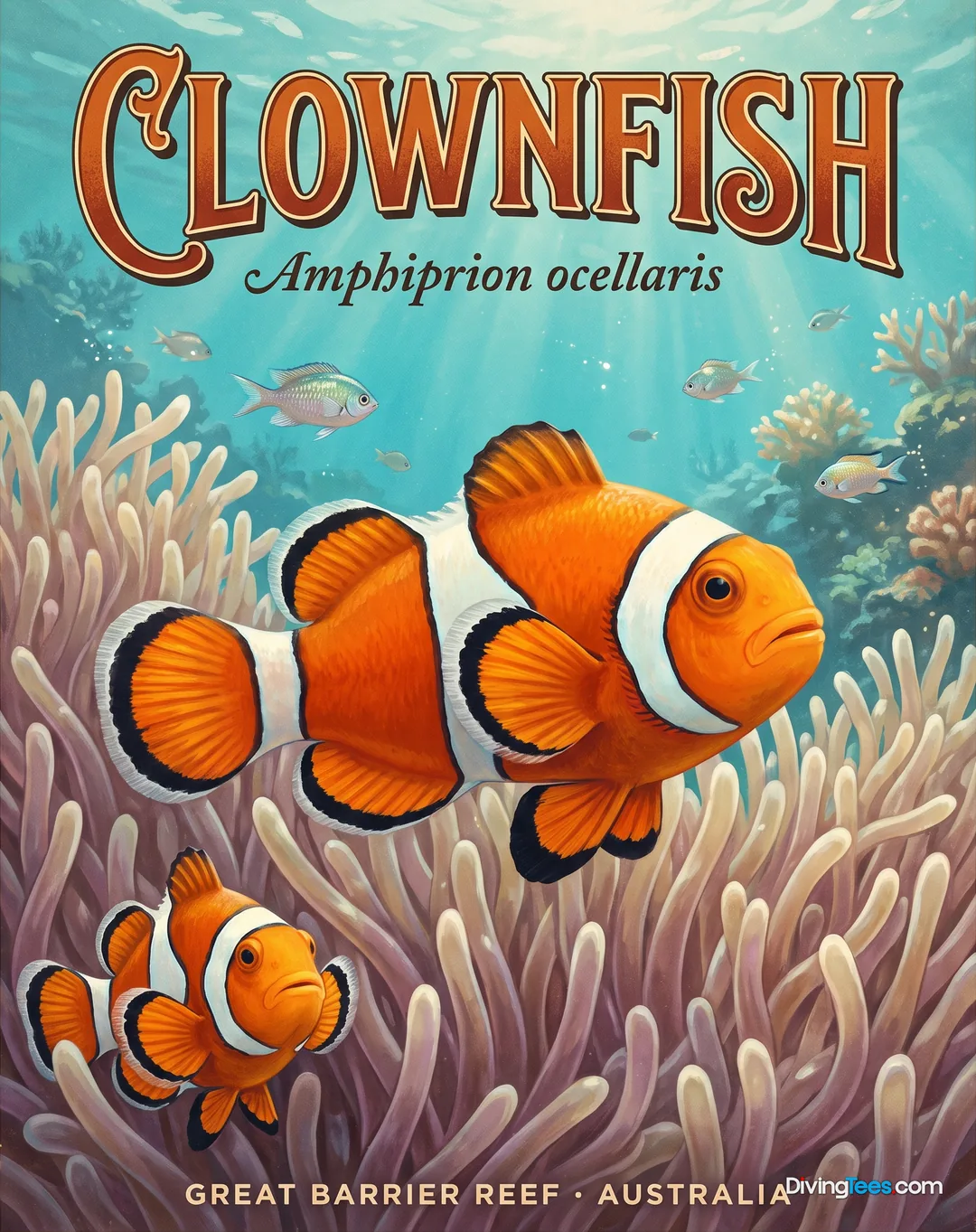
Beyond the turtles, the coral gardens host a variety of reef fish. You will encounter butterflyfish, clownfish, angelfish, and parrotfish in the shallower sections, along with schools of grunts (sweetlips) moving through the coral. These species inhabit the structure of the reef, providing constant activity. Keep an eye on the sandy patches as well, where stingrays sometimes rest, blending into the fine white sand.
The calm conditions at Turtle Beach make it ideal for focused observation and photographers. The generally placid water column allows for stable buoyancy control and steady framing of marine life without the constant battle against current. This absence of strong flow means you can dedicate your attention to the specific behaviors of the reef inhabitants rather than managing drift, allowing for a more deliberate and unhurried dive experience.
Dive depth at Turtle Beach ranges from a minimum of 4 metres to a maximum of 18 metres. The site is accessible to beginner divers. Conditions are consistently calm, with minimal current, which contributes to its reputation as a relaxed dive spot. The best period for diving here is between October and May, with November to February offering the clearest water and the most frequent turtle sightings.
You can dive Turtle Beach between October and May. For clearer water and more frequent sightings of green and Hawksbill turtles, choose the period from November to February. The site’s calm conditions and coral gardens support relaxed exploration throughout the recommended diving period.
Turtle Beach is accessible to beginner divers and offers a shallow profile from 4 to 18 metres. Its gentle slope lets you adjust the dive to your experience or comfort, while sandy areas and scattered coral heads lead into a dense staghorn coral garden.
Turtle Beach generally has calm conditions with minimal current, creating a relaxed setting for diving. The placid water helps you maintain stable buoyancy and steady framing when observing reef life or taking photographs, without needing to constantly manage drift during your exploration.
At Turtle Beach, you can encounter green and Hawksbill turtles grazing near seagrass beds or resting among the coral. The reef also shelters butterflyfish, clownfish, angelfish, parrotfish, and schools of grunts, while stingrays sometimes rest on sandy patches. Staghorn coral gardens provide the main underwater setting.