



Aquaventure Dive Center
Google 4.7/5 (72 reviews)
7.3 km away as the crow flies
Addu Atoll · Maldives · Indian Ocean
Explore one of the largest underwater caves in the Maldives, carved into a vibrant wall that drops into the deep.
Bodu Hoholha, also known as Bodu Hoholha Wall, is an outside reef dive on the northwest side of Addu Atoll, distinguished by its impressive subterranean landscape. The site begins with a shallow coral garden at 5 to 8 metres, before the reef drops off steeply into the blue. This wall is punctuated by large caves and overhangs, some of which are expansive enough for divers to enter and explore, offering a distinct experience from the typical channel dives in the region.
As you approach the main cave entrance, a dark aperture in the vibrant reef slowly reveals itself. The Addu Atoll is known for currents that are generally less forceful than in other parts of the Maldives, contributing to consistently clear water at Bodu Hoholha. This steady water movement ensures excellent visibility, often ranging from 10 to over 35 metres, allowing you a clear view of the cave's architecture as you begin your controlled descent into its vast opening.
Once inside the cavern, a new world unfolds. The overhead environment creates an intimate yet grand setting, with natural light filtering from the entrance creating dramatic effects. This is not a dive focused on speed or chasing pelagics within the cave itself, but rather on observation and appreciation of the unique geology. You will navigate through the initial, expansive spaces, allowing your eyes to adjust to the subdued lighting and the intricate details etched into the rock formations.
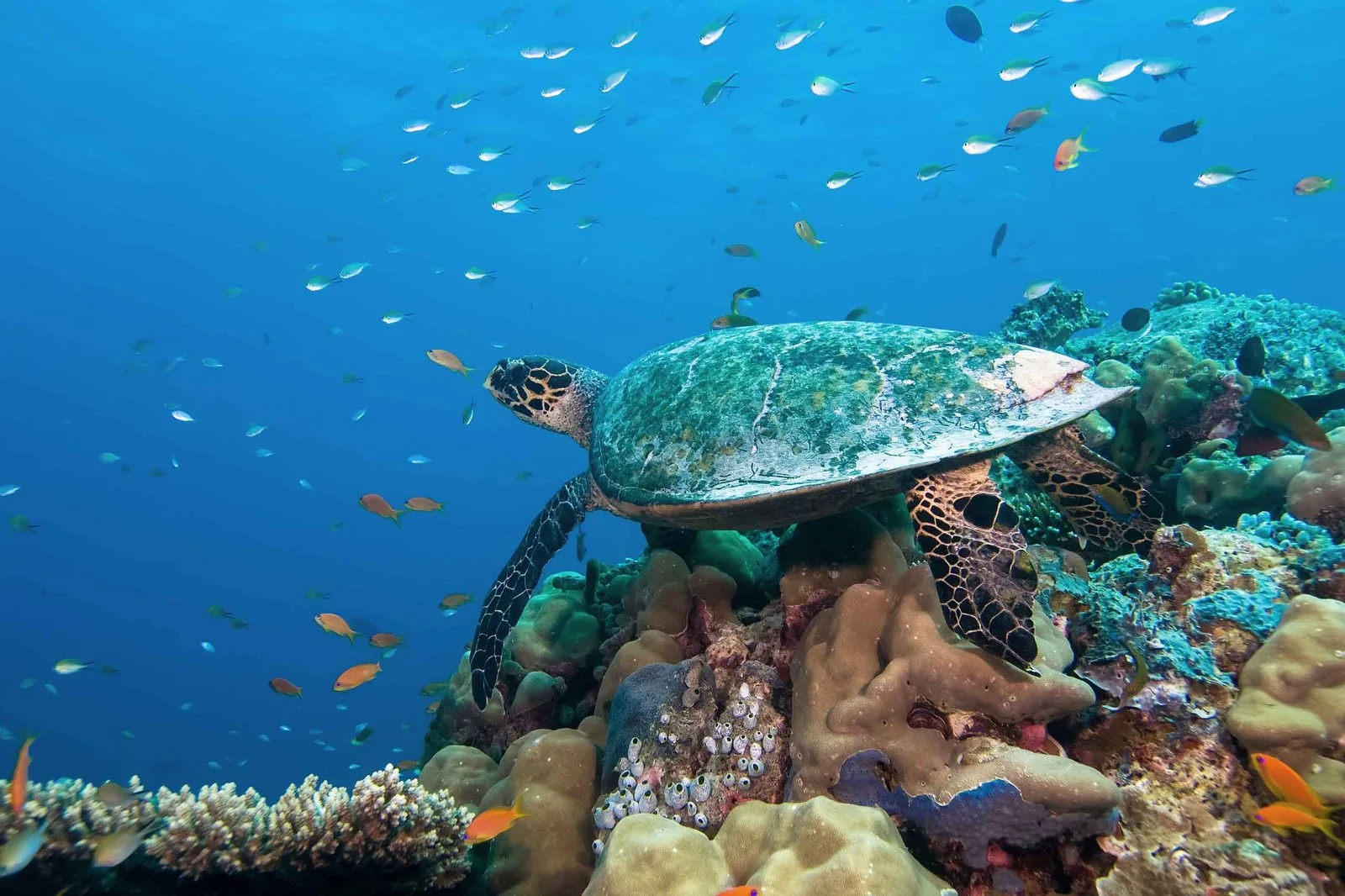
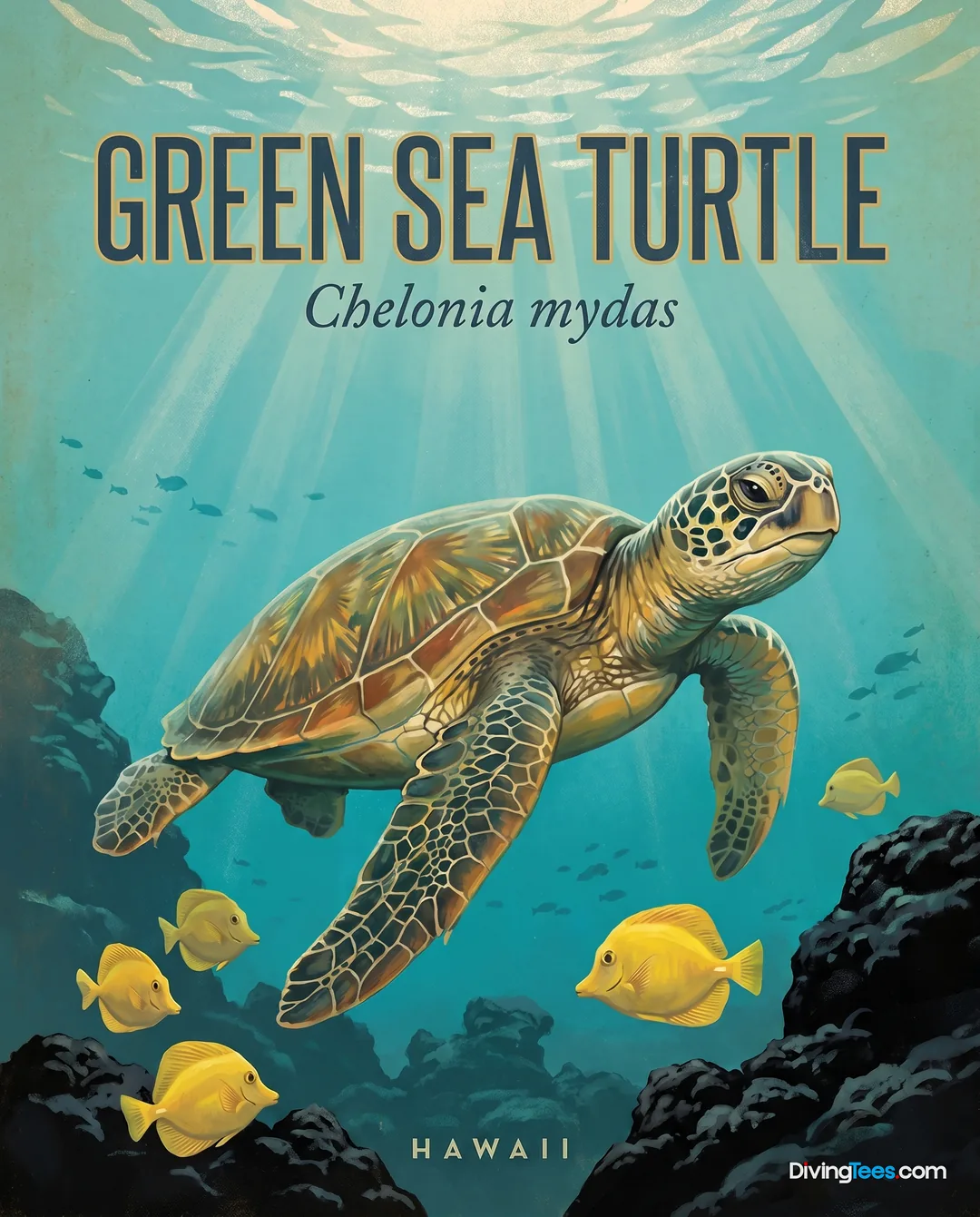
The wall itself is richly decorated, a canvas of gorgonians and soft corals in shades of blue and purple. Beyond the cave, the drop-off provides a habitat for a variety of marine life. You can expect to encounter schools of batfish (Platax orbicularis) moving along the reef, while green turtles (Chelonia mydas) are frequently seen, often in significant numbers, especially towards the shallower sections or at the nearby Turtle Point.
While the primary draw is the cave, the nuances of marine life within such a sheltered environment are part of the experience. Though large pelagics are typically found in open waters, the sheltered nooks and crannies of Bodu Hoholha will house smaller, resident species adapted to this unique ecosystem. Observing how this fauna has made a home within the cave’s structure adds another layer of intrigue to the dive, revealing life in an unexpected setting.
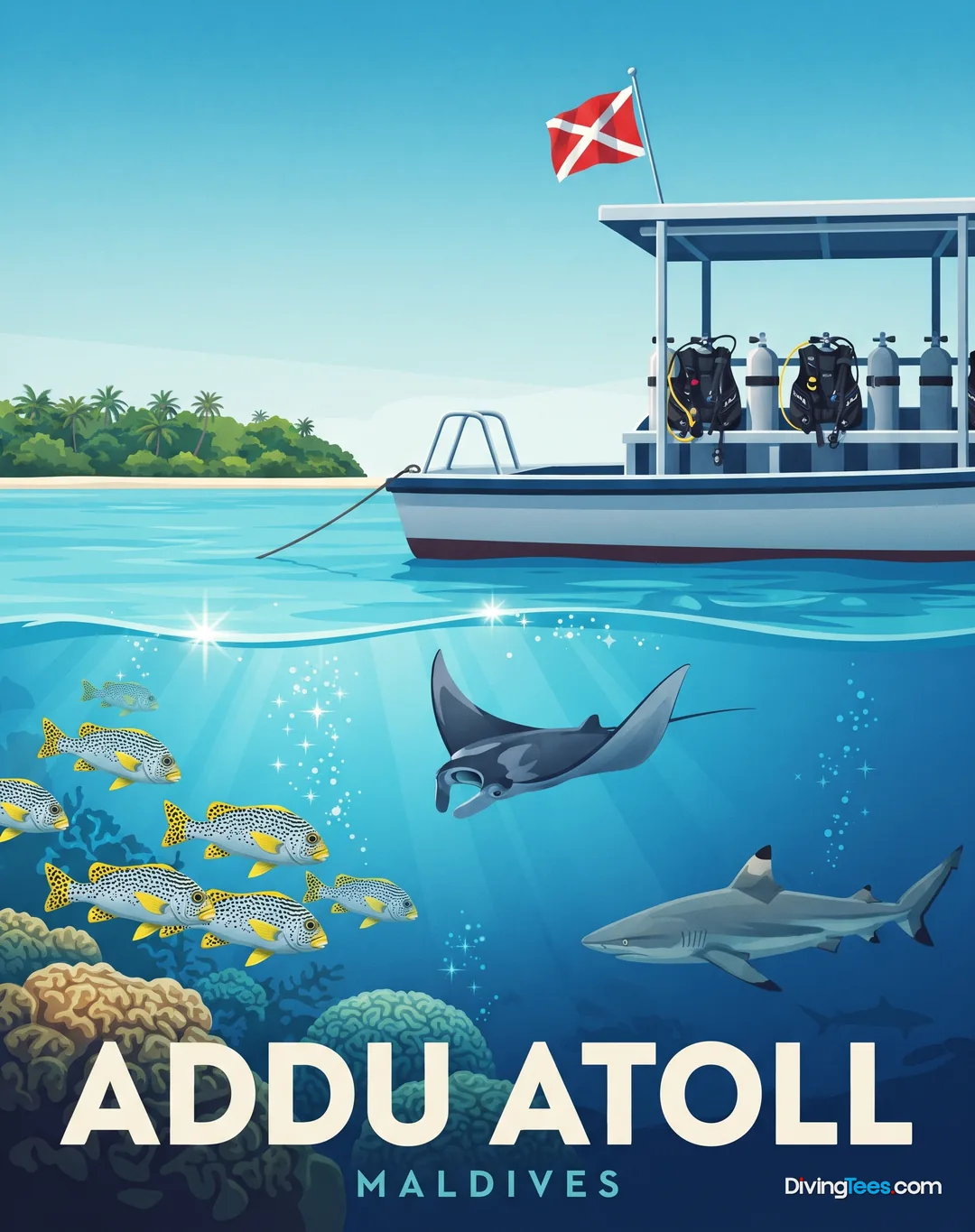
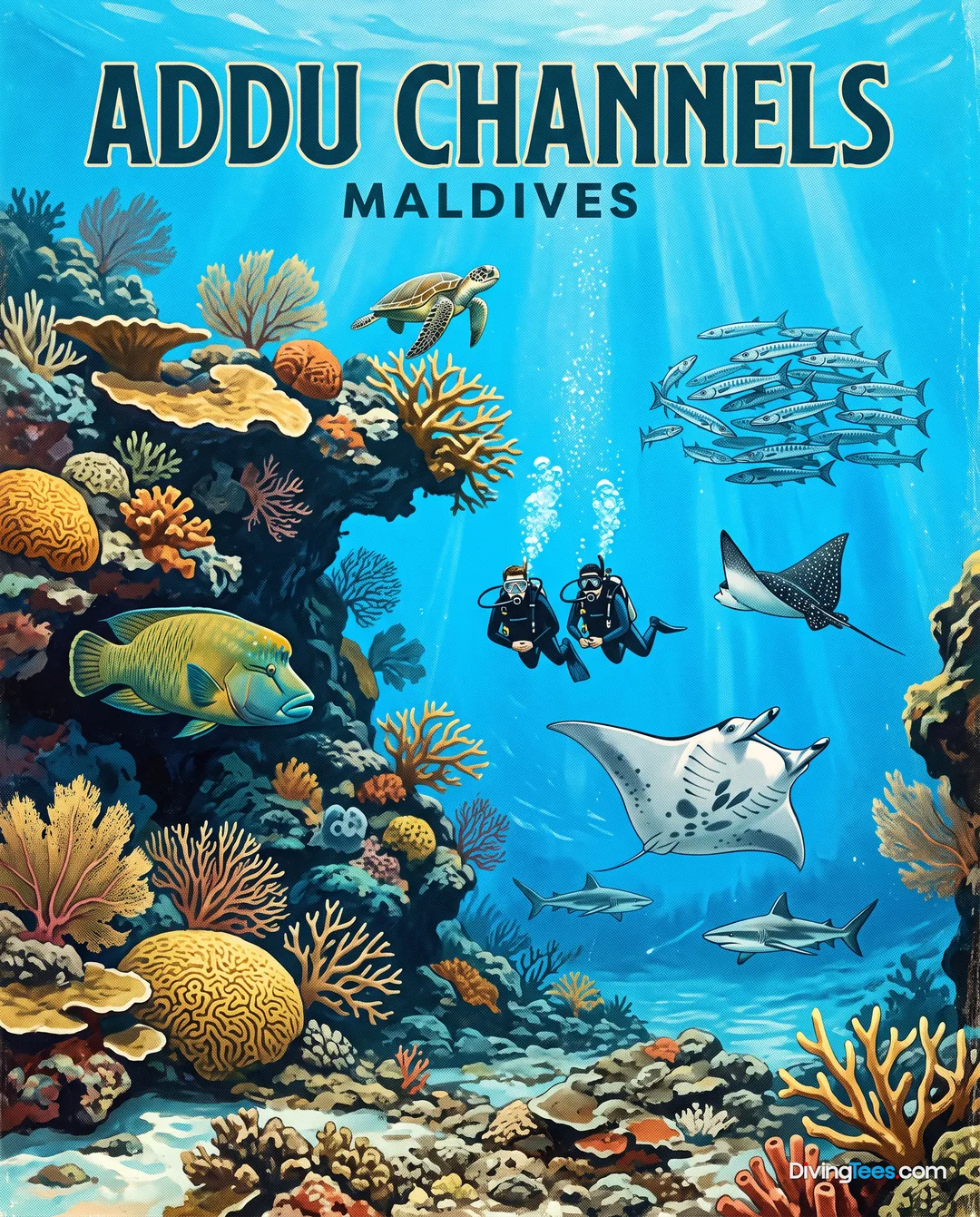
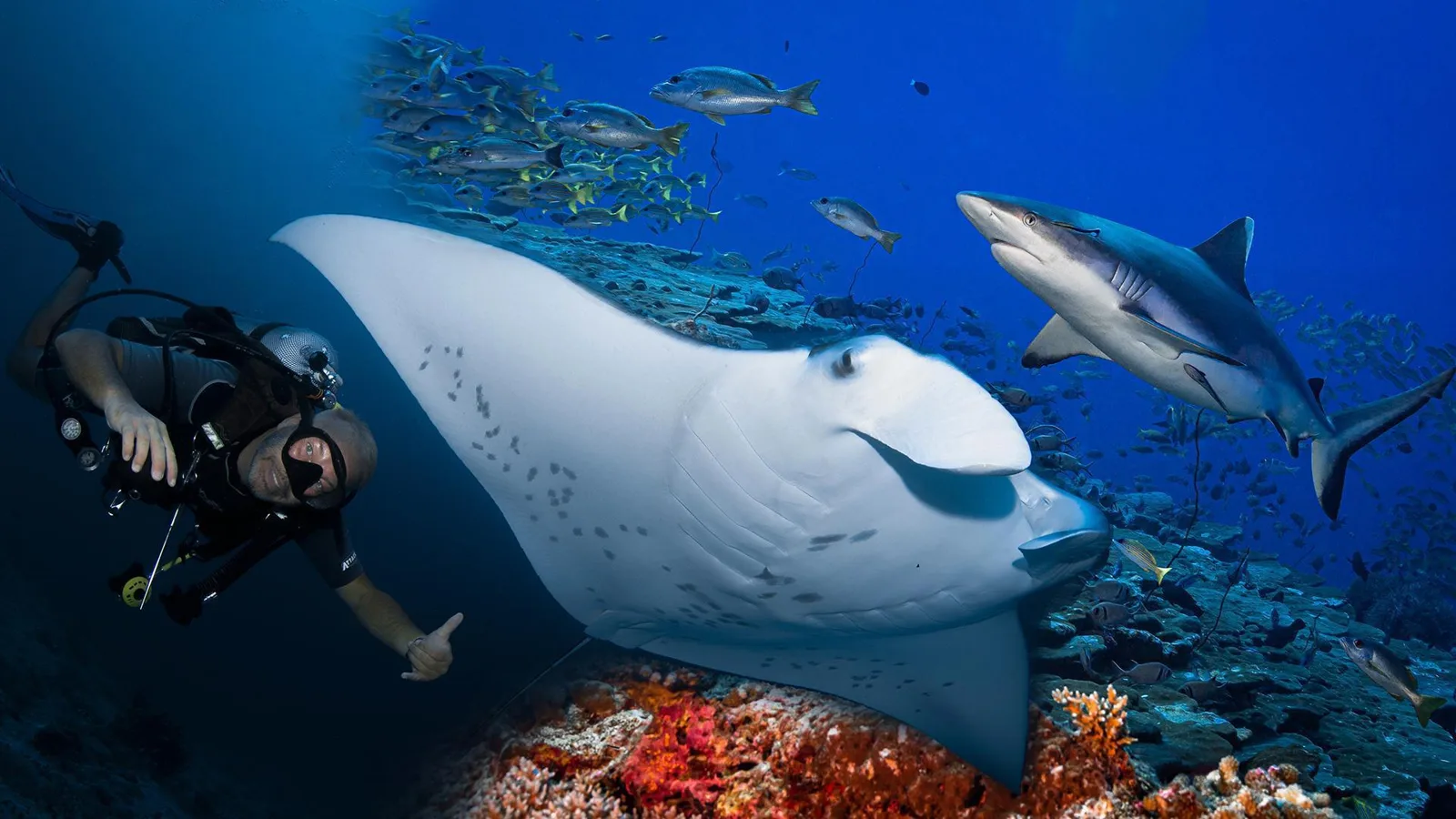
Out in the blue, away from the immediate reef structure, the currents can bring in larger visitors. Divers frequently encounter pelagic species such as tuna (Thunnus spp.), various sharks (Carcharhinidae spp.), and eagle rays (Aetobatus narinari) patrolling the deeper sections of the wall. The combination of the sheltered cave environment and the open ocean exposure makes for a diverse dive profile.
The dive profile within Bodu Hoholha encourages a slower pace, demanding careful buoyancy control and an attentive eye, particularly within the overhead environment. You will have the chance to explore various sections of this massive grotto, moving through its voluminous chambers. Each turn and corner reveals a new perspective of the cave's grand scale, making it essential to remain aware of your surroundings and the natural light sources that guide your way through its depths, enhancing the sense of exploration.
Bodu Hoholha is accessible to divers of all levels, with a minimum depth of 5 metres and the wall dropping into unknown depths. Currents are variable, generally less forceful than in other Maldivian atolls, but can still change with tides and weather. Visibility is consistently excellent, typically ranging from 10 to over 35 metres. Diving is possible year-round, with the best overall conditions and visibility usually found from November/December to April.
You can dive Bodu Hoholha year-round. The best overall conditions and visibility are usually found from November or December to April. Visibility is consistently excellent, typically ranging from 10 to over 35 metres, so you can appreciate the steep wall, caves, grottoes, and surrounding reef during any season.
Bodu Hoholha is accessible to divers of all levels. The dive begins in a shallow coral garden at 5 to 8 metres, then the reef drops steeply into the blue and unknown depths. You can enter and explore expansive caves and overhangs, requiring careful buoyancy control and awareness in the overhead environment.
Currents at Bodu Hoholha are variable and can change with tides and weather. They are generally less forceful than in other Maldivian atolls, while steady water movement contributes to clear conditions. You should remain attentive as you explore the wall, caves, and open-water areas where currents may bring larger visitors.
At Bodu Hoholha, you can explore one of the Maldives’ largest submerged caves, naturally lit grottoes, and a steep wall covered with gorgonians and soft corals. Green turtles are frequently seen, along with batfish, tuna, sharks, and eagle rays in the open water beyond the sheltered cave environment.