

Canareef Resort
Google 4.5/5 (905 reviews)
Addu Atoll · Maldives · Indian Ocean
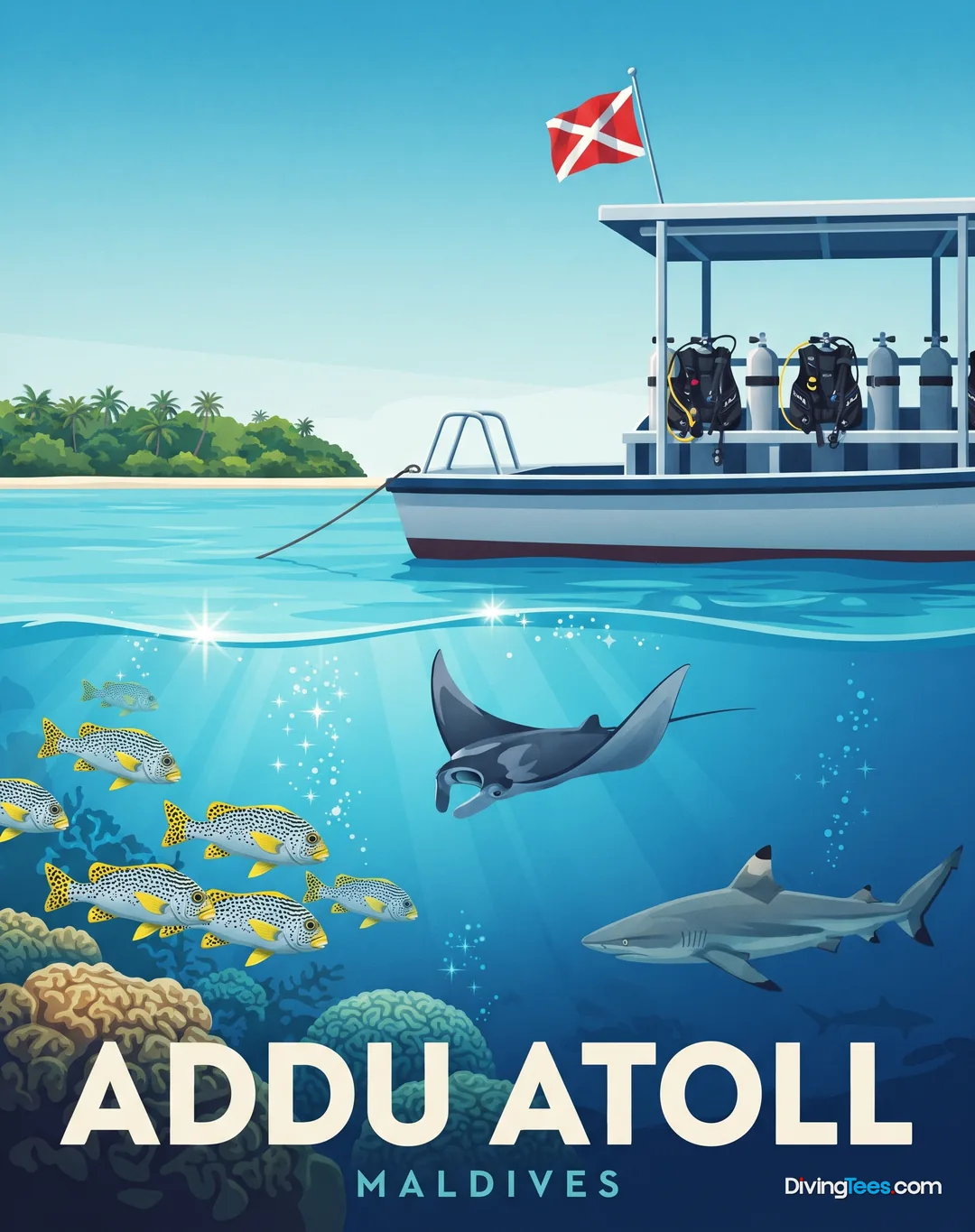
Navigate the channels of Addu Atoll, where moderate currents usher in pelagic encounters with mantas, sharks, and barracudas.
Diving the Canaux de l'Atoll d'Addu takes you through a series of four natural channels – Gan Kandu, Vilingili Kandu, Maa Kandu, and Kuda Kandu – each offering a unique perspective on the dynamic underwater landscape of the Maldives. These channels act as oceanic highways, funneling nutrient-rich waters into and out of the atoll, which in turn attracts a vibrant assembly of marine life. As you descend, the constant flow of water creates an energetic environment, yet the currents within these specific passages are generally considered manageable, allowing for thrilling drift dives without feeling overwhelmed.
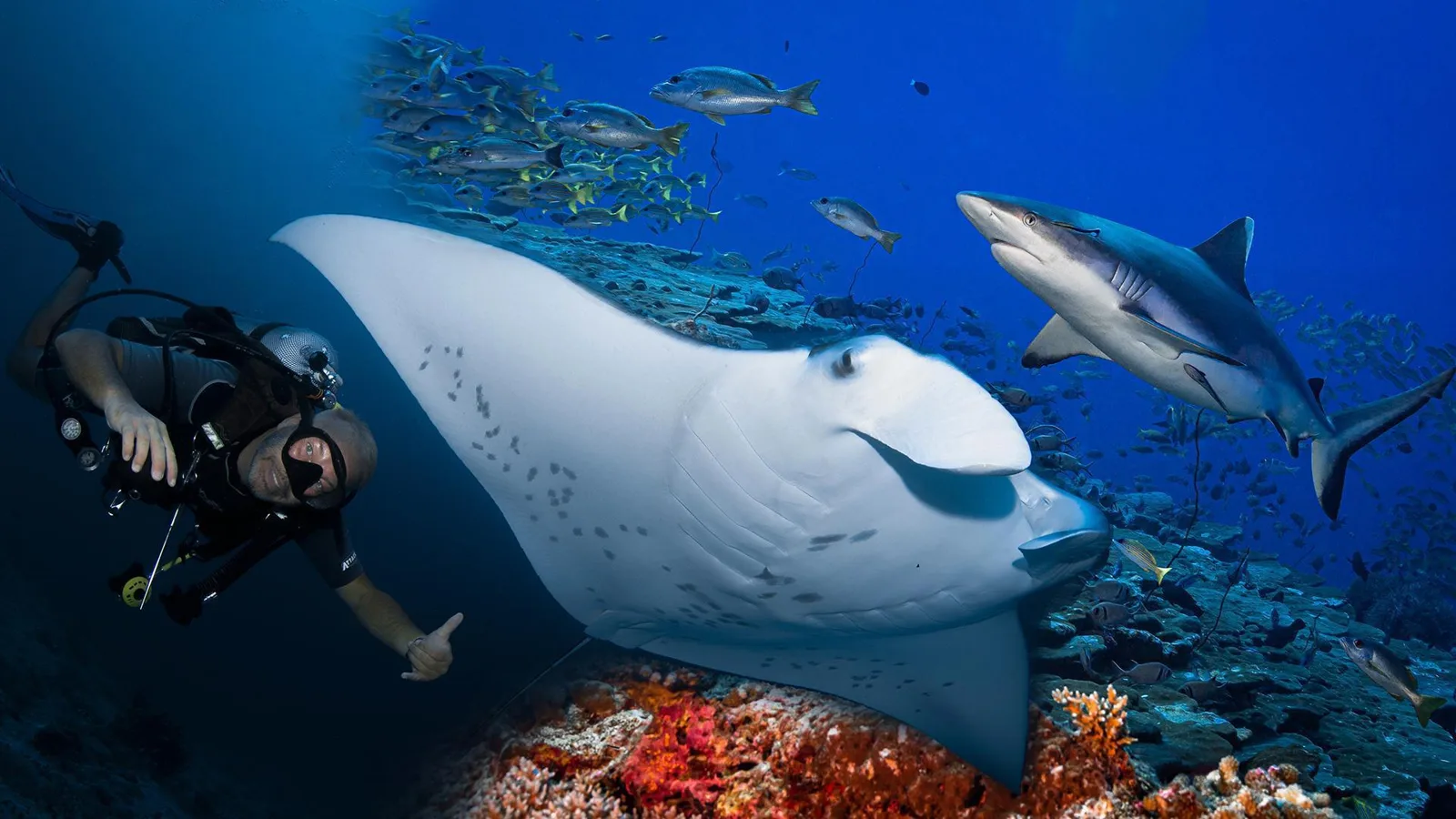
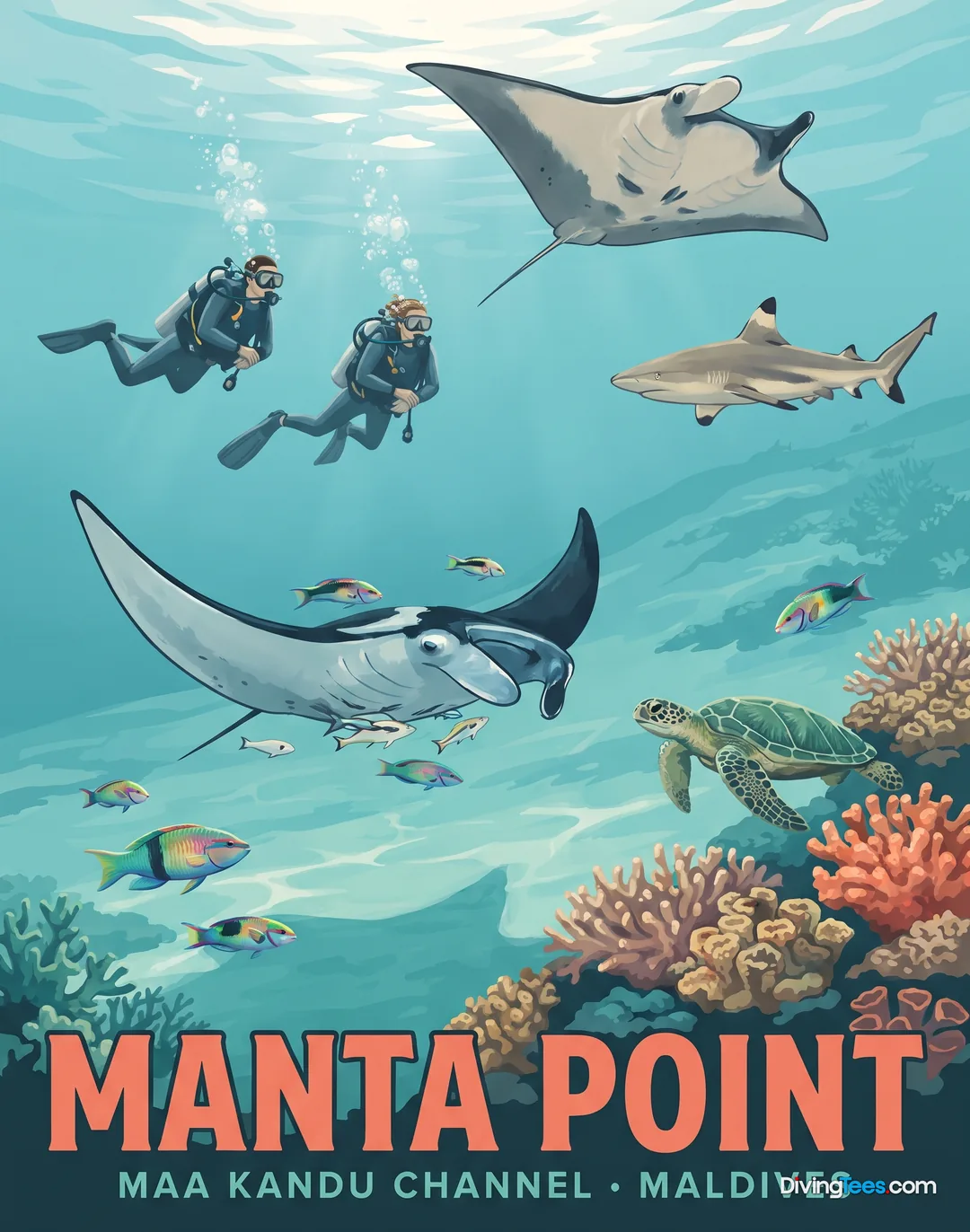
Your dive here is defined by the promise of pelagic encounters, a hallmark of these Maldivian channels. Mantas, often seen gliding effortlessly against the current, make their presence known, alongside various shark species patrolling the deeper sections of the channels. The currents, described as moderate in nature, play a critical role in these interactions, positioning you perfectly for observations as these large animals move through their natural hunting grounds or cleaning stations. This interaction between current and marine life is what truly sets these Addu channels apart, creating a dynamic underwater spectacle.
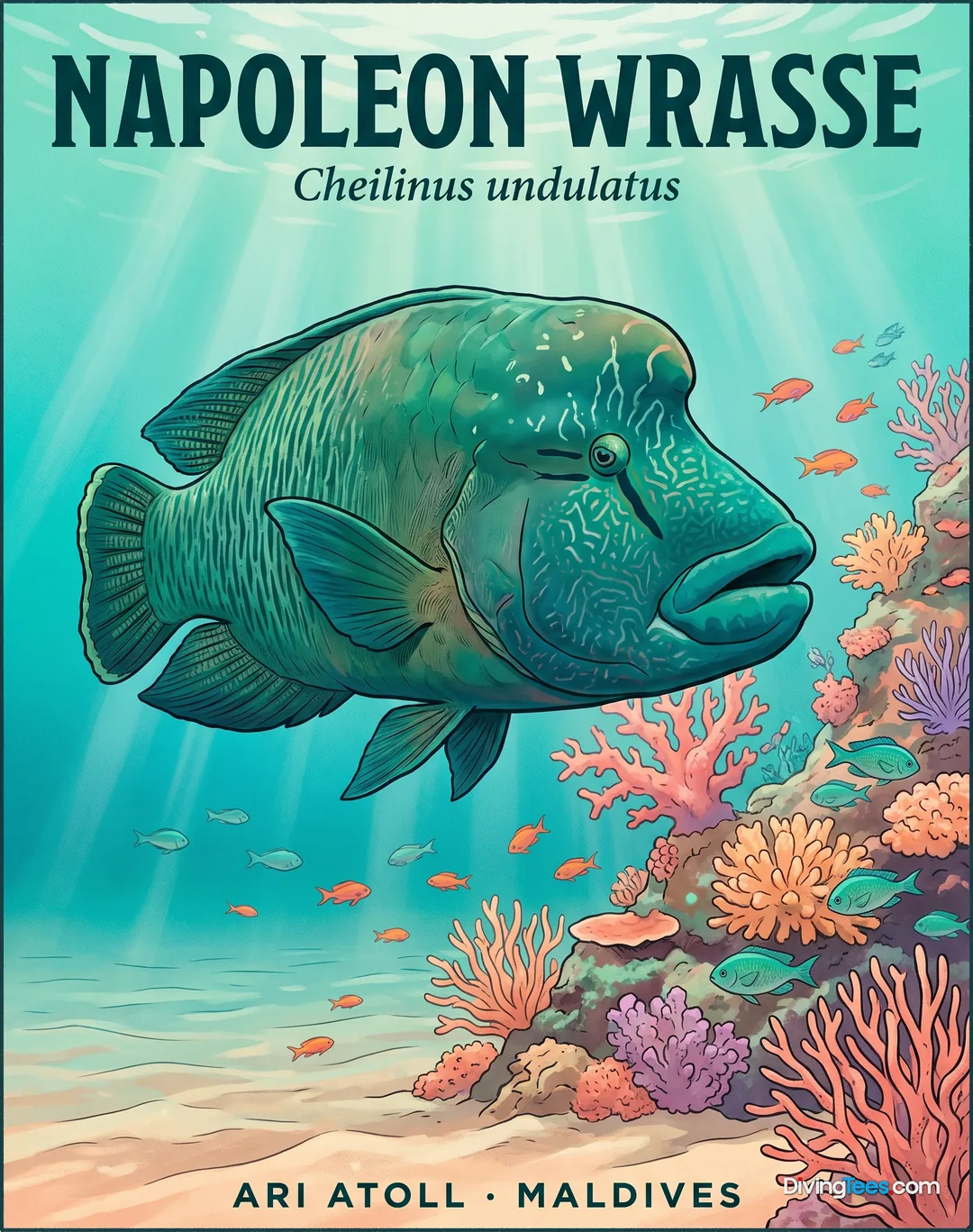
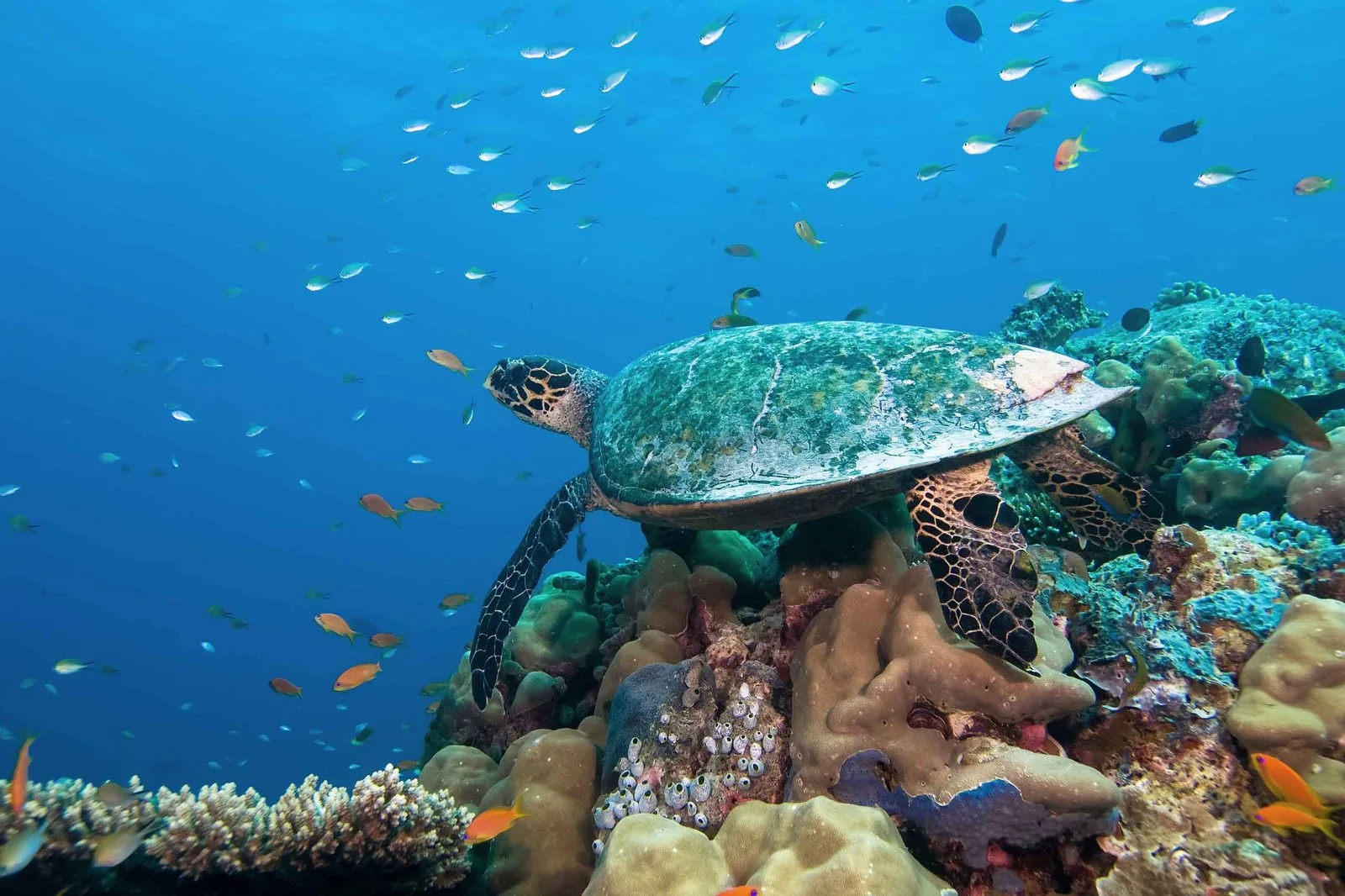
Beyond the prominent mantas and sharks, the channels are home to a diverse array of other impressive marine creatures. Barracudas are frequently sighted, often gathering in schools that shimmer and swirl as you approach. Eagle rays (Aetobatus narinari) are regular visitors, their distinctive spotted patterns visible as they gracefully navigate the water column. You will also encounter Napoleon wrasse (Cheilinus undulatus), identifiable by their prominent forehead bump, alongside the silent, watchful presence of green turtles (Chelonia mydas), often found resting or foraging on the channel edges.
The inherent nature of these channels ensures that a significant portion of the dive is spent observing the oceanic currents' effect on the ecosystem. While the flow of water creates a sense of drift, it also maintains an ecosystem of exceptional clarity. This consistent water movement ensures excellent visibility, allowing for expansive views of the channels and the marine life they host. This means you have not only the chance for close encounters but also the opportunity to appreciate the broader picture of the open ocean passing through these conduits.
All four channels are accessible to divers of all levels, with currents generally described as moderate. The consistent flow of water throughout the Addu Atoll promises excellent visibility year-round. The best period for diving here runs from December to April, characterized by sunny skies, although the low season from May to October can bring tropical rains.
You can dive the Canaux de l'Atoll d'Addu throughout the year, with excellent visibility maintained by consistent water flow. December to April is the best period, with sunny skies. From May to October, the low season can bring tropical rains, although the channels remain accessible for diving.
The Canaux de l'Atoll d'Addu are accessible to divers of all levels. Their four natural oceanic channels offer drift diving in generally moderate currents, creating an energetic underwater environment that remains manageable. You can explore Gan Kandu, Vilingili Kandu, Maa Kandu, and Kuda Kandu while observing the channel ecosystem.
Currents at the Canaux de l'Atoll d'Addu are generally moderate, with a consistent flow through the natural oceanic channels. You will experience drift diving as water moves through the passages, carrying nutrient-rich water into and out of the atoll. This flow also supports excellent visibility and attracts pelagic marine life.
At the Canaux de l'Atoll d'Addu, you may encounter mantas gliding against the current, various shark species, schools of barracudas, and eagle rays. The channels also host Napoleon wrasse and green turtles, which may rest or forage along the edges. Consistent water movement provides excellent visibility for observing this marine life.