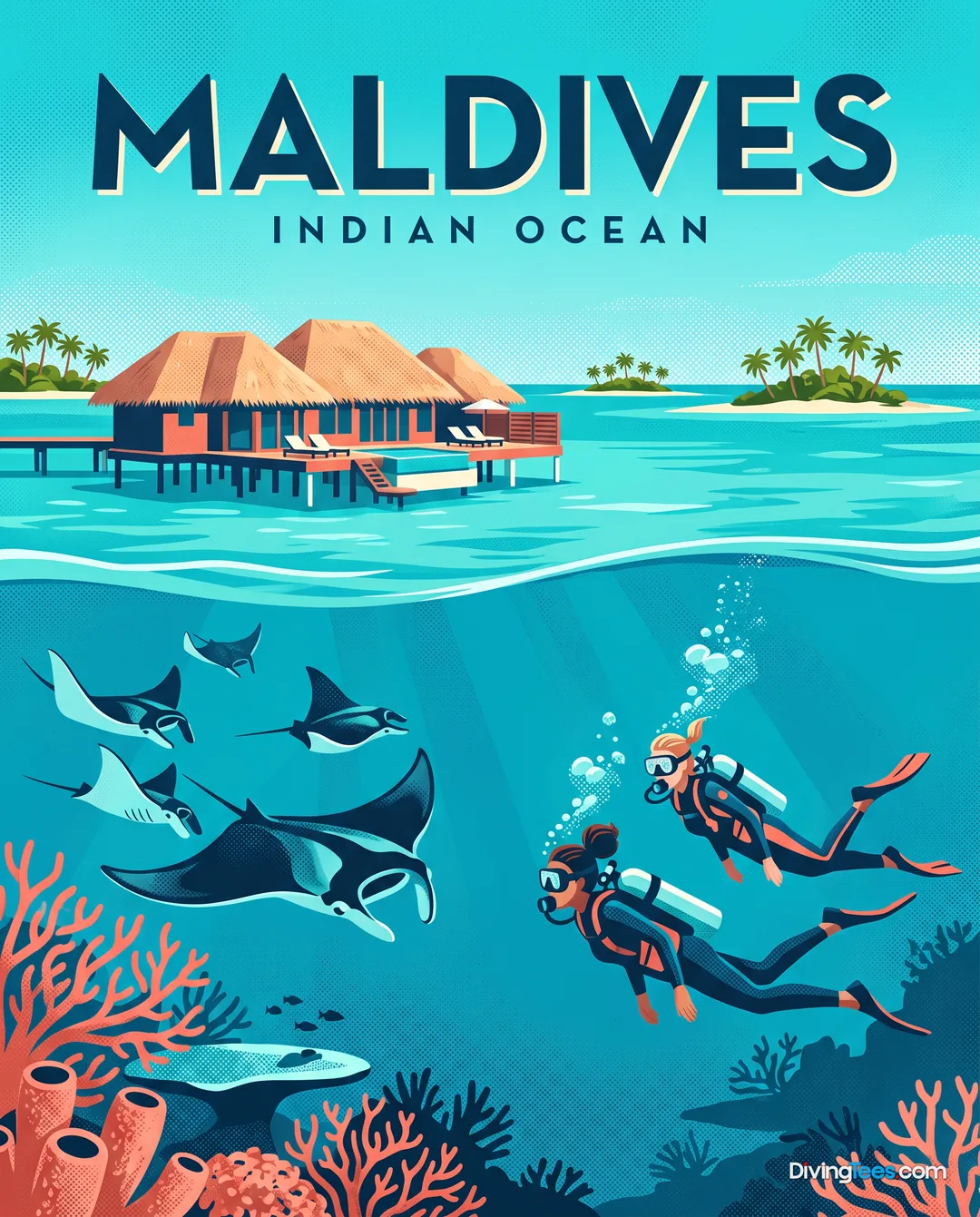
Liveaboards · Maldives
Spirit of Maldives — a new, dive-focused liveaboard with real space to breathe
What makes this boat unique
- Built in 2024, Spirit of Maldives carries up to 26 guests in 13 air-conditioned cabins with private bathrooms.
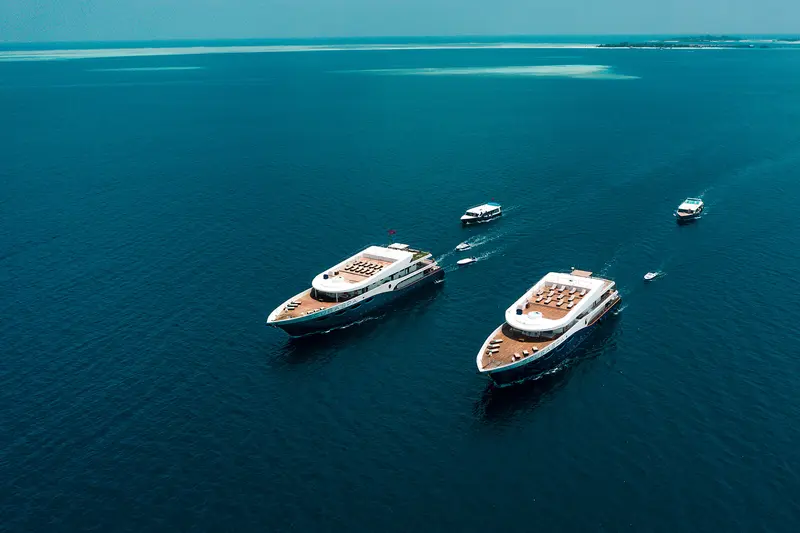
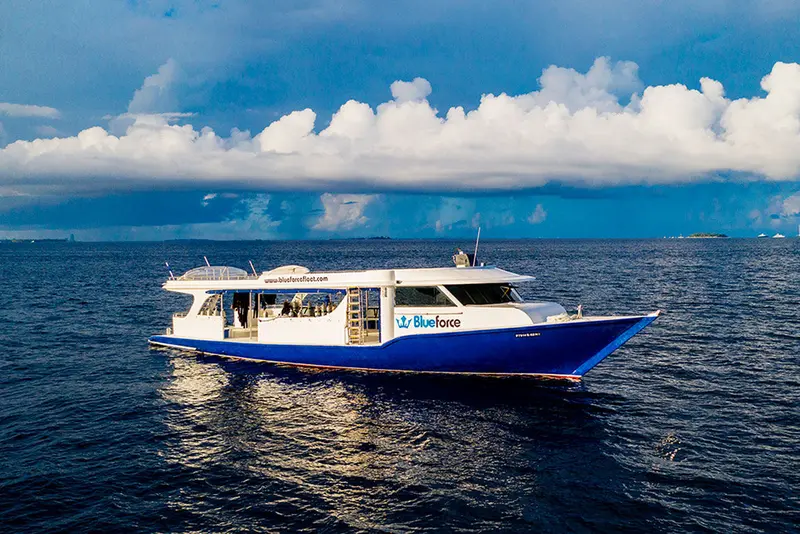
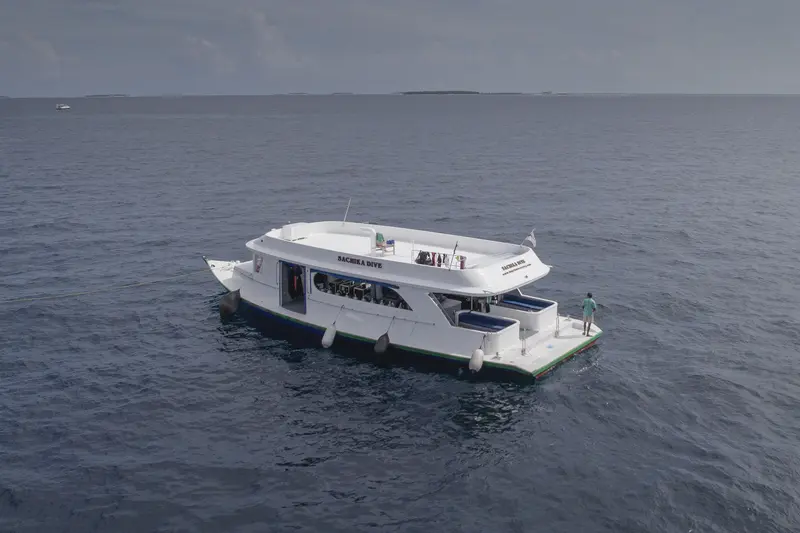
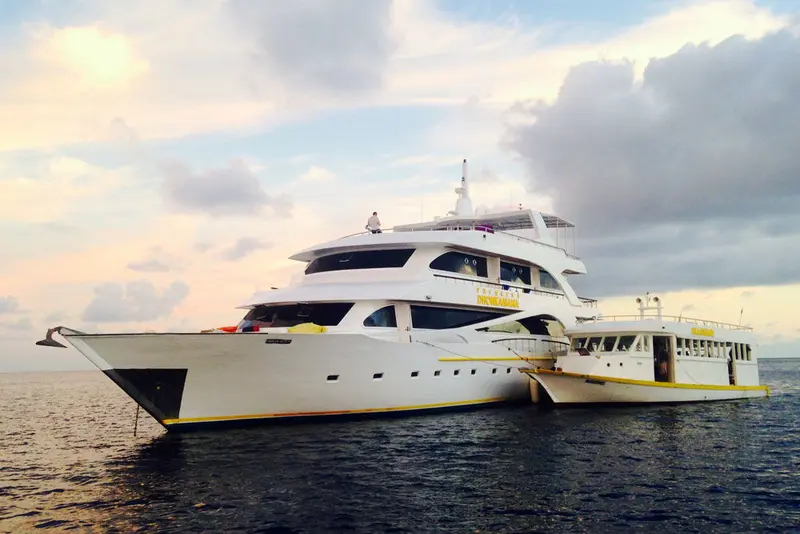
- The 20-metre dhoni is the dedicated dive tender, keeping the main vessel calm while divers reach the sites.
- Nitrox, night dives, dhoni transfers, tanks, weights and atoll permits are included in the diving programme.
- Routes cover the central, northern, equatorial and deep southern atolls, with trips lasting 8 or 11 days on the recorded departures.
For subtitles in English: start the video firstthen click the gearat the top right of the video, select “Subtitles/CC”, then “Auto-translate” and choose “English”.
The invitation
Spirit of Maldives is for divers who want the reach of a liveaboard without giving up the comfort of a new boat. The point is not simply to sleep near a reef: the vessel moves between atolls, follows conditions and currents, and uses a dedicated dhoni so the yacht does not become the dive platform. That matters in the Maldives. Divers can spend the day on channels, thilas, cleaning stations and marine reserves rather than circling one resort house reef. The boat also suits mixed groups. Non-divers can snorkel, kayak, visit islands or join guided nature walks while the divers are underwater. On board, the emphasis is clear: small groups, included nitrox, up to four dives a day, camera facilities and enough common space to recover between dives. Choose it for a route-led diving week with a comfortable base, not for a resort that happens to carry tanks.
Boarding
Spirit of Maldives entered service in December 2024, and it feels designed around the needs of a modern diving group rather than adapted from an older passenger boat. Boarding leads into a spacious interior lounge, dining area and open spaces that connect naturally with the sea. The upper areas give the boat its social life: sun loungers, ocean views and a jacuzzi for the hours when nobody wants another briefing. Starlink keeps the vessel connected, though internet access is paid. Movement between the lounge, dining room, camera area and dive operation is arranged for a week in wet gear, not just for a first impression. The 20-metre dhoni carries the diving away from the yacht, so the main boat remains a place to eat, rest and sleep while the tender handles the reef work. It is a clean break from the cramped, improvised feel of many older liveaboards.
The atmosphere on board
The atmosphere is built around a small group and a crew that stays visible through the whole day. Guides handle the dive briefings and the practical transitions, while the wider crew keeps meals, cabins, transfers and the boat moving without making guests manage the operation themselves. Passenger feedback places the crew and the food among the boat’s strongest features, and that fits the way Spirit of Maldives is set up: professional service matters here because a four-dive day leaves little patience for disorganisation. English is spoken on board. Evenings can stay simple—dinner, a drink, a book, a film or a look at the stars—rather than becoming a forced programme. Conservation lectures and island walks add substance to the time above water. Over a week, the group tends to form around what happened below: the shark in the channel, the manta at the station, the site that demanded a careful descent.
The sites you’ll dive
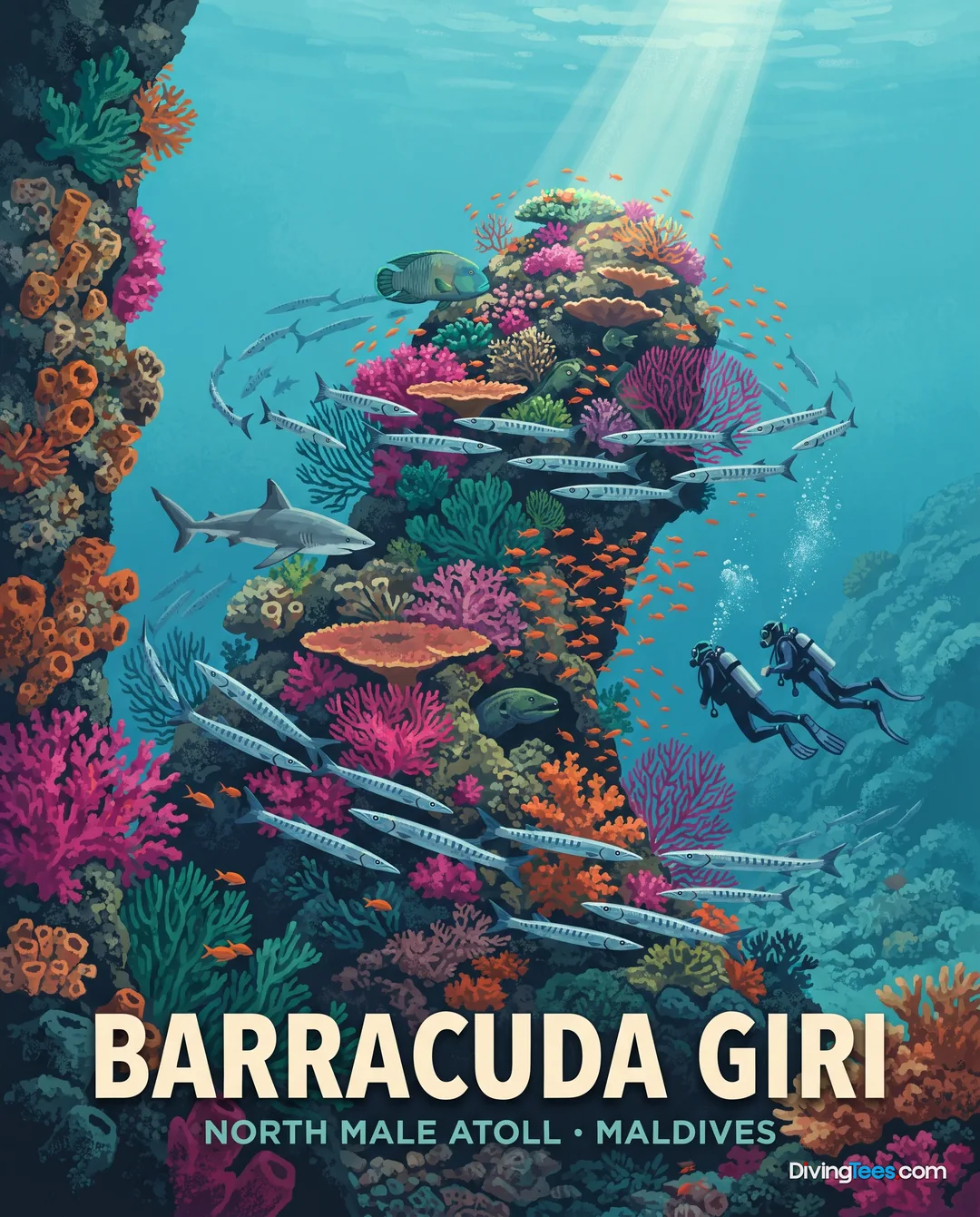
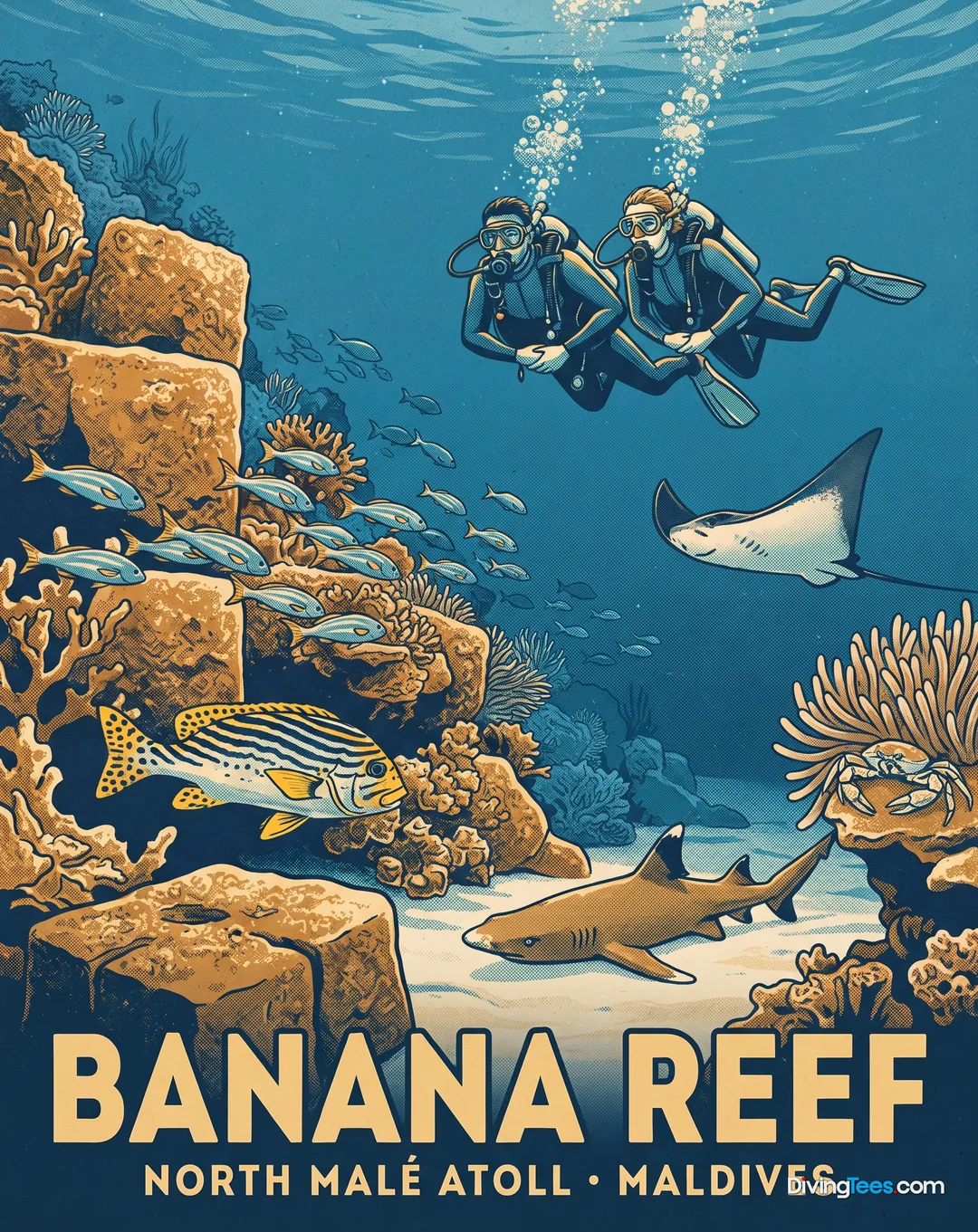
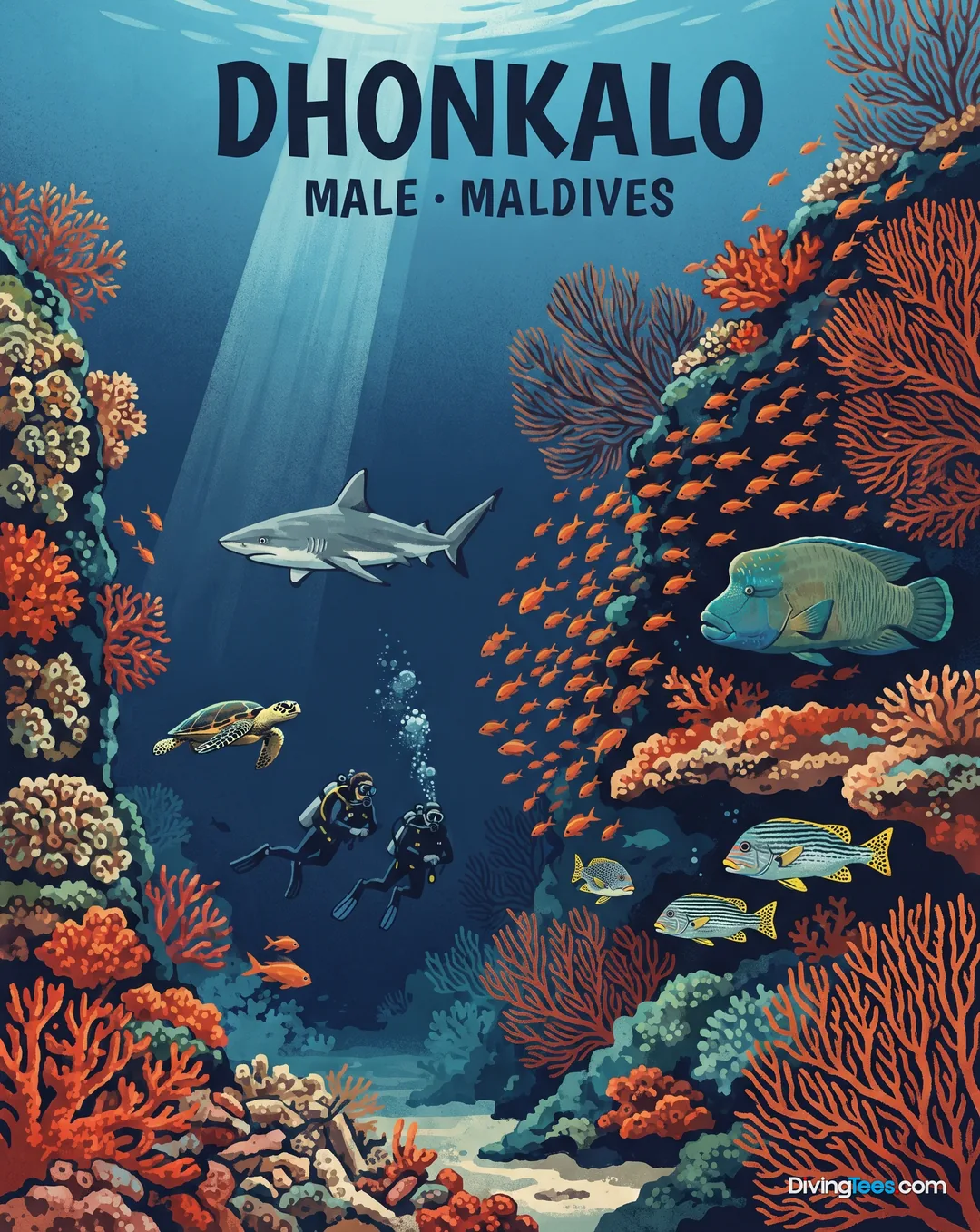
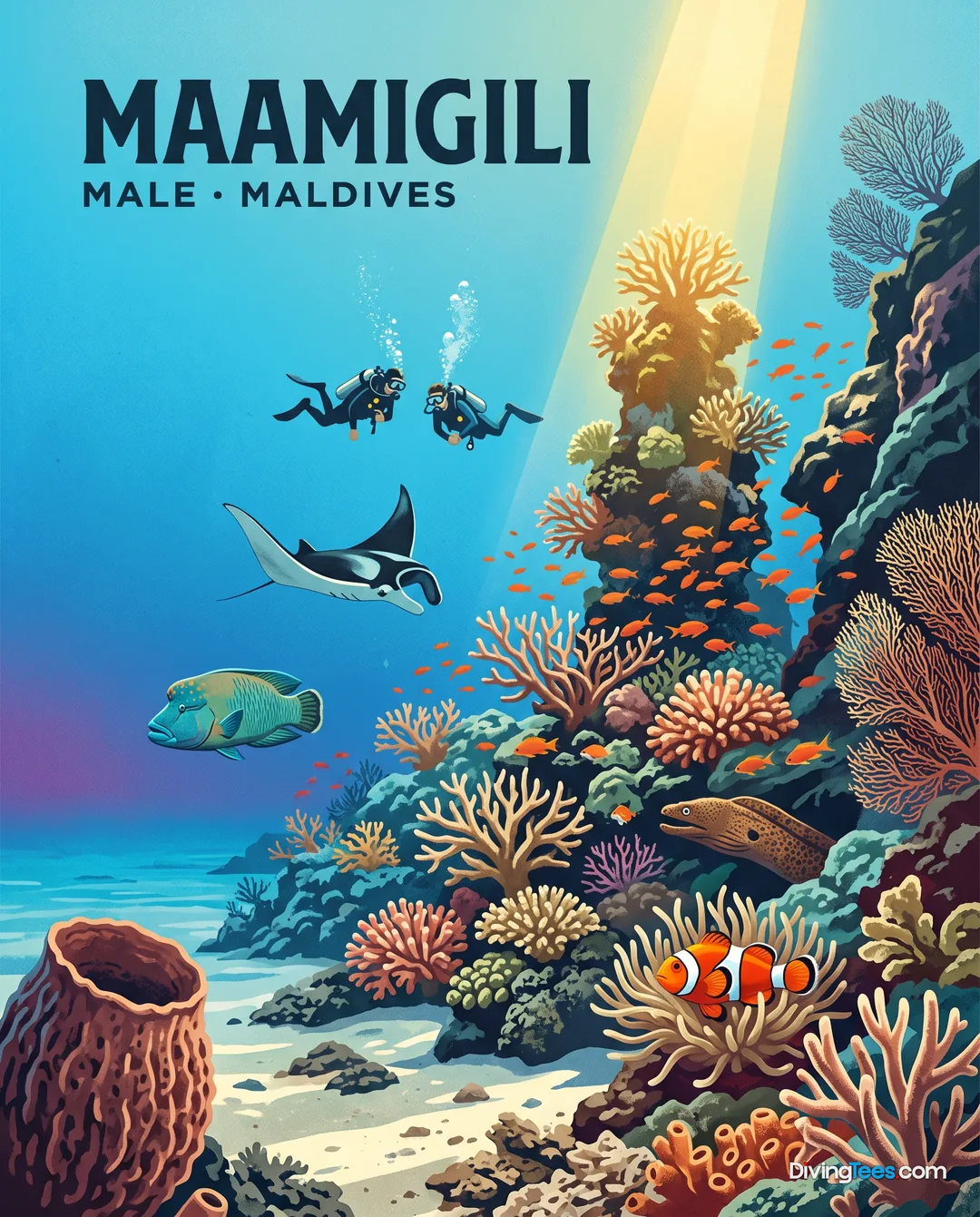
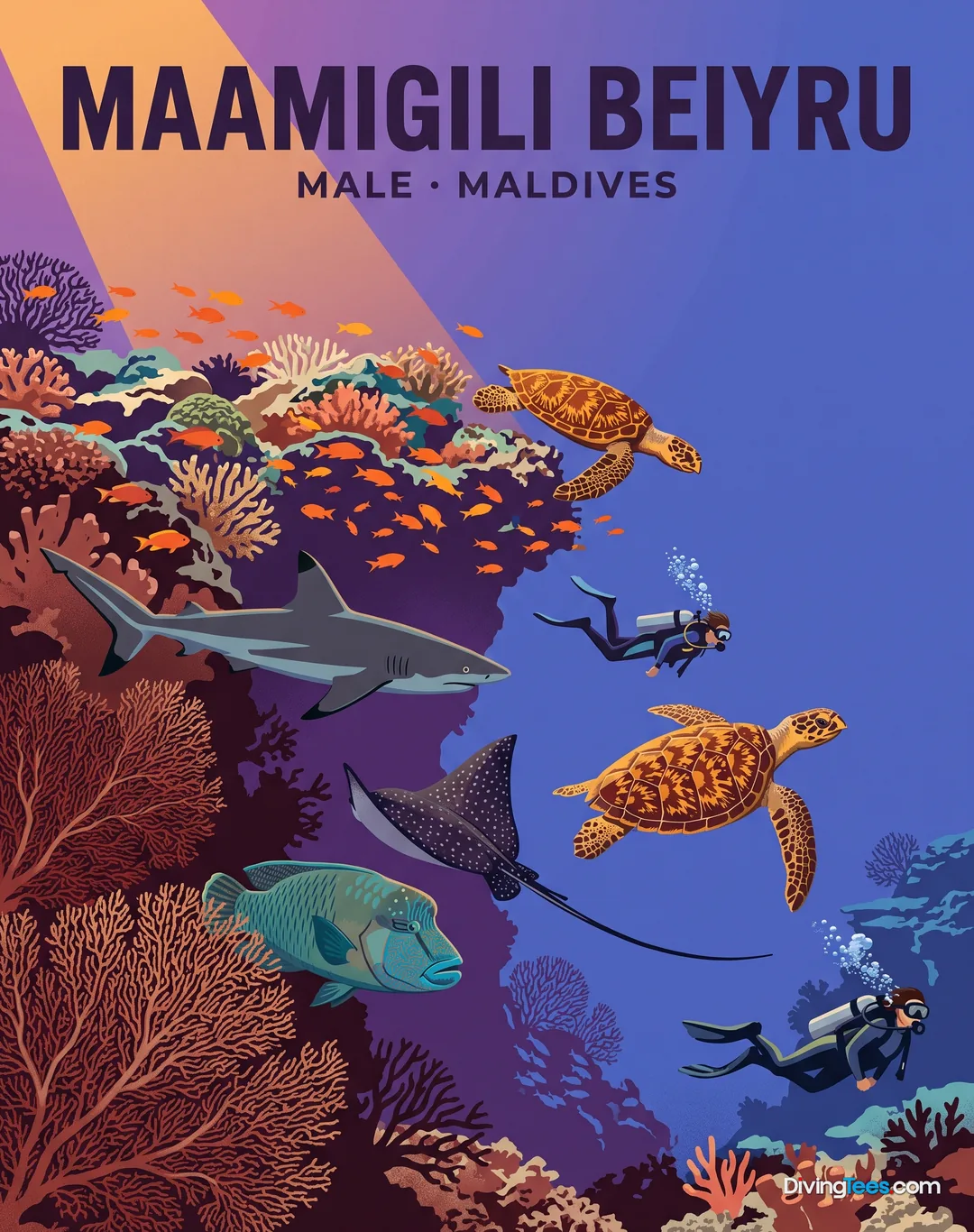
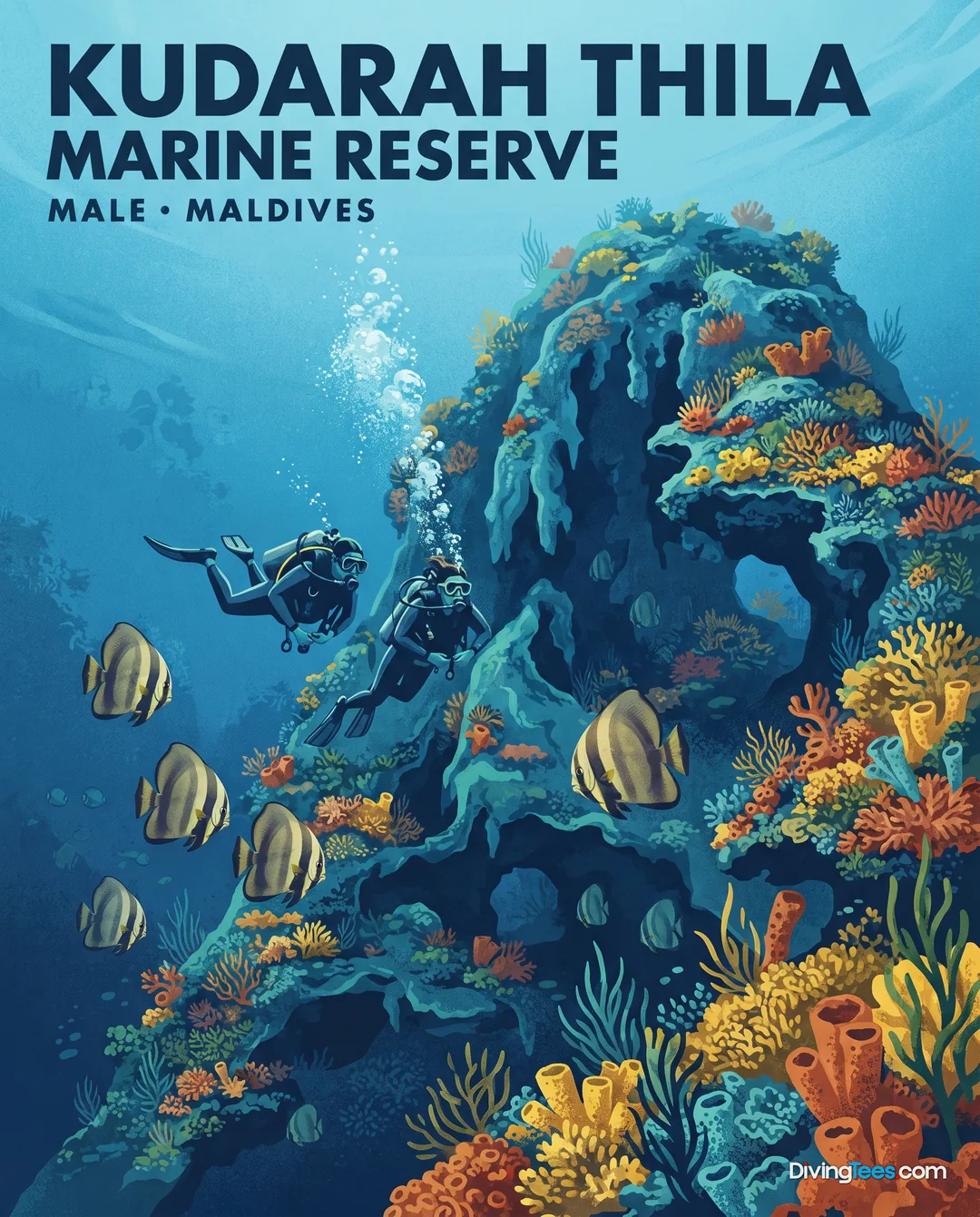
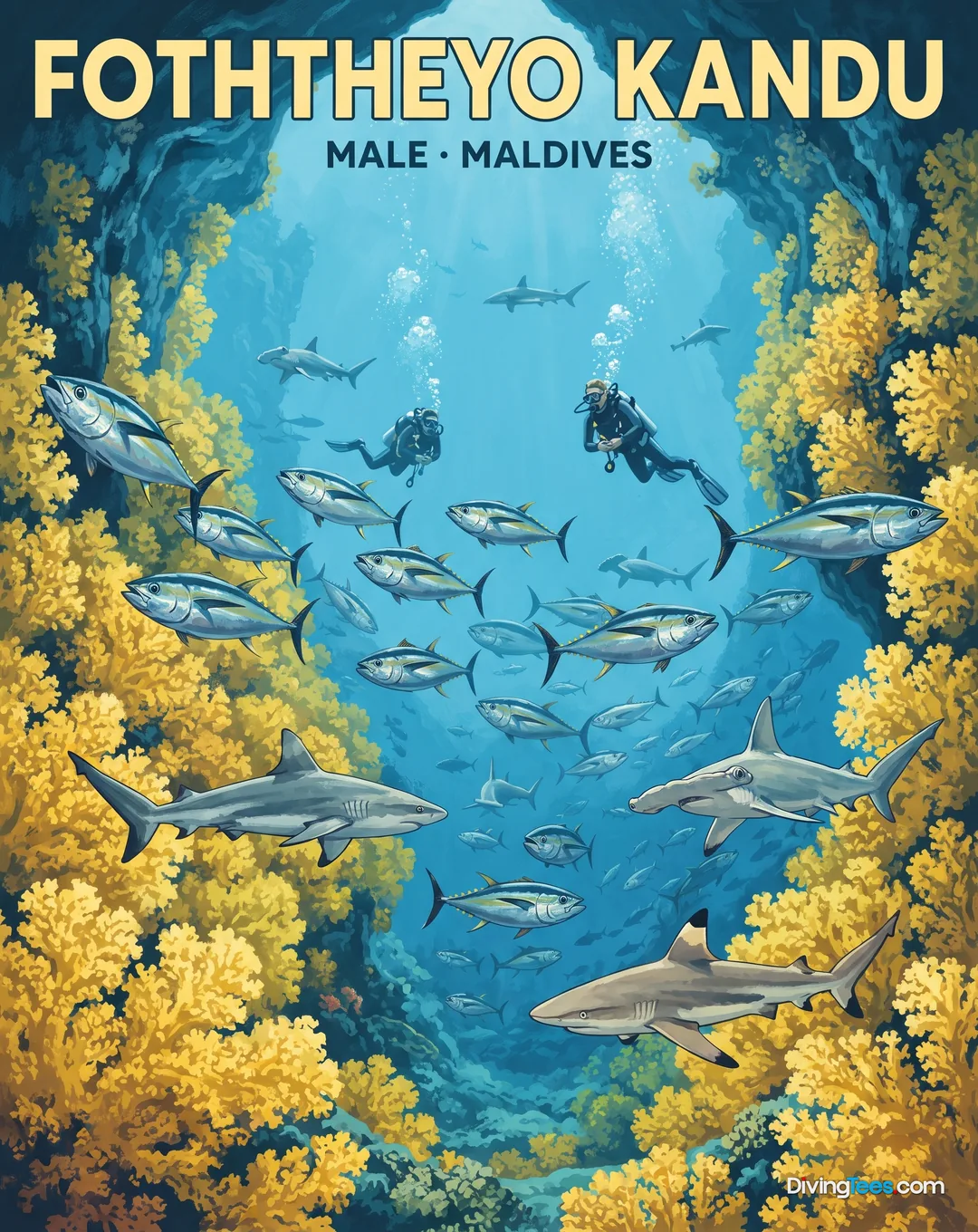
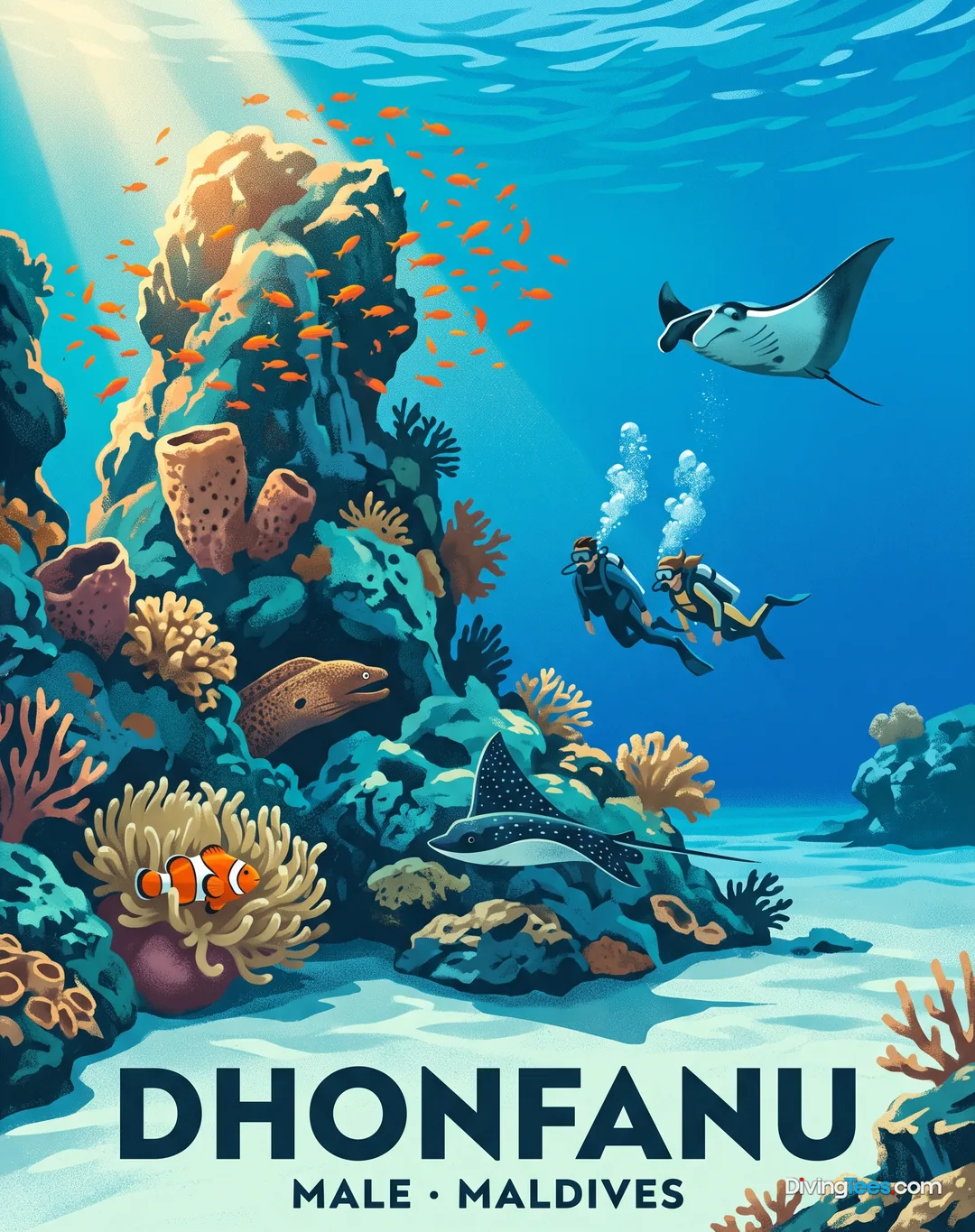
The recorded cruises leave from and return to Malé, with Heart of the Maldives trips lasting 8 days and 7 nights and Wonders of the Northern Atolls and Heart of the Maldives Adventure lasting 11 days and 10 nights. Recorded sites range from North Malé and Ari to Baa Atoll. At Barracuda Giri, three submerged pinnacles drop to a maximum of -30m and current brings barracudas, tuna and jacks over the reef. Banana Reef is a lively landmark with reef sharks, eagle rays and a busy reef ecosystem. Mushimasmigili Thila reaches -30m and is known for grey reef sharks at its up-current pinnacle. Dhonkalo is a manta cleaning station in a sandy channel. In South Ari, Maamigili and Maamigili Beiyru reach -30m and offer chances for whale sharks and mantas within protected waters. Kudarah Thila Marine Reserve reaches -30m, with clefts, overhangs and caves beneath schools of batfish. Myaru Kandu, the Shark Channel, reaches -30m; Foththeyo Kandu reaches -40m, where yellow soft corals cover extensive caves and strong currents meet pelagics. Further north, Dhigalhi Haa and Dhonfanu in Baa Atoll reach -30m, with coral, mantas and a swim-through. Fushifaru Thila reaches -35m and has dedicated manta cleaning stations.
Itineraries, dates and prices
Prices per person. Each month shows its lowest price: click a month, or pick an itinerary.
Next departures · 66 departuresfrom £1,707$2,282€2,039
October 2026
November 2026
January 2027
February 2027
March 2027
See dates and prices
If you click these links and make a purchase on the partner site, DivingDeal may earn a commission, at no extra cost to you.
Dates and prices taken from Divebooker and liveaboard.com, updated 19 October 2026
What you’ll meet underwater
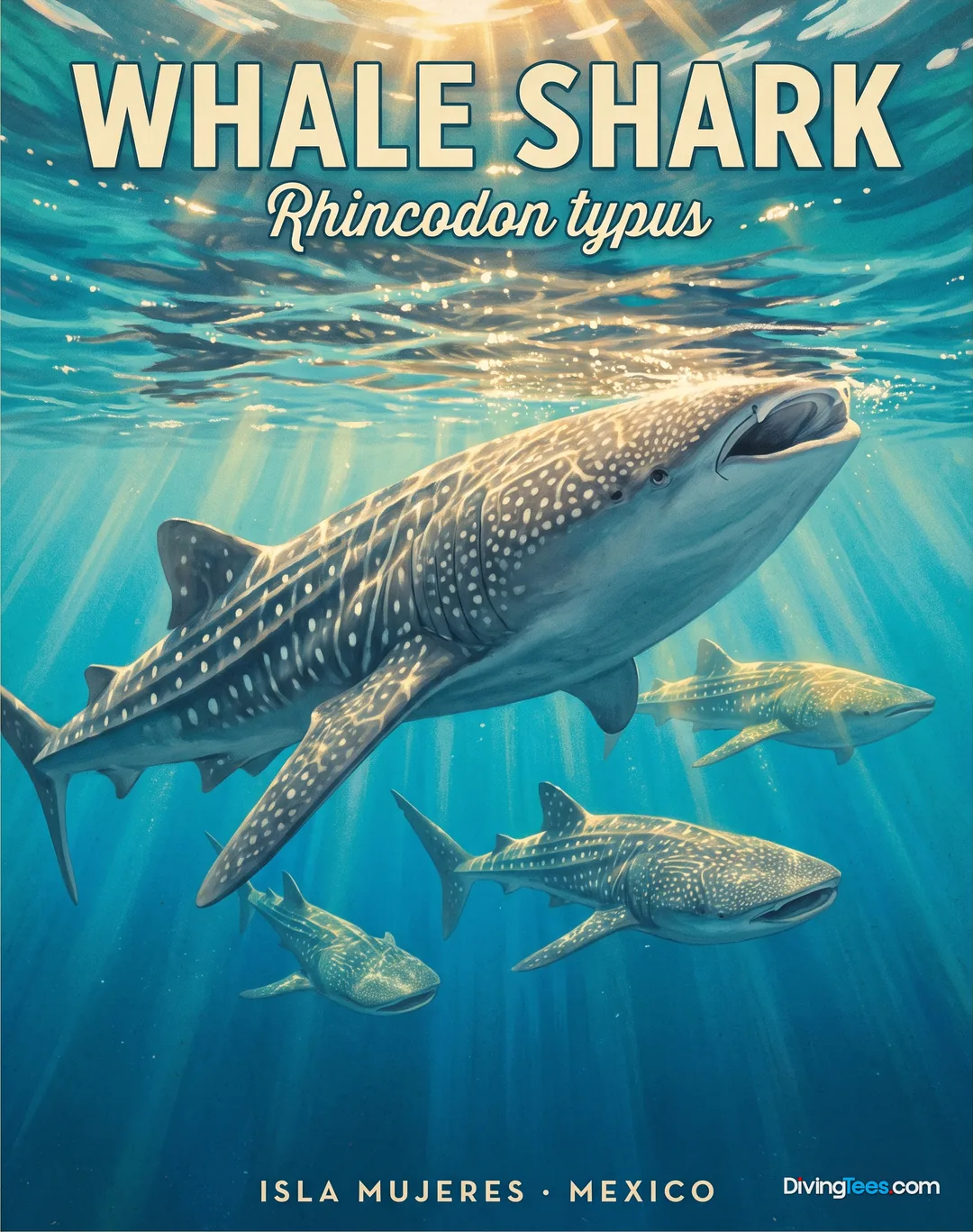
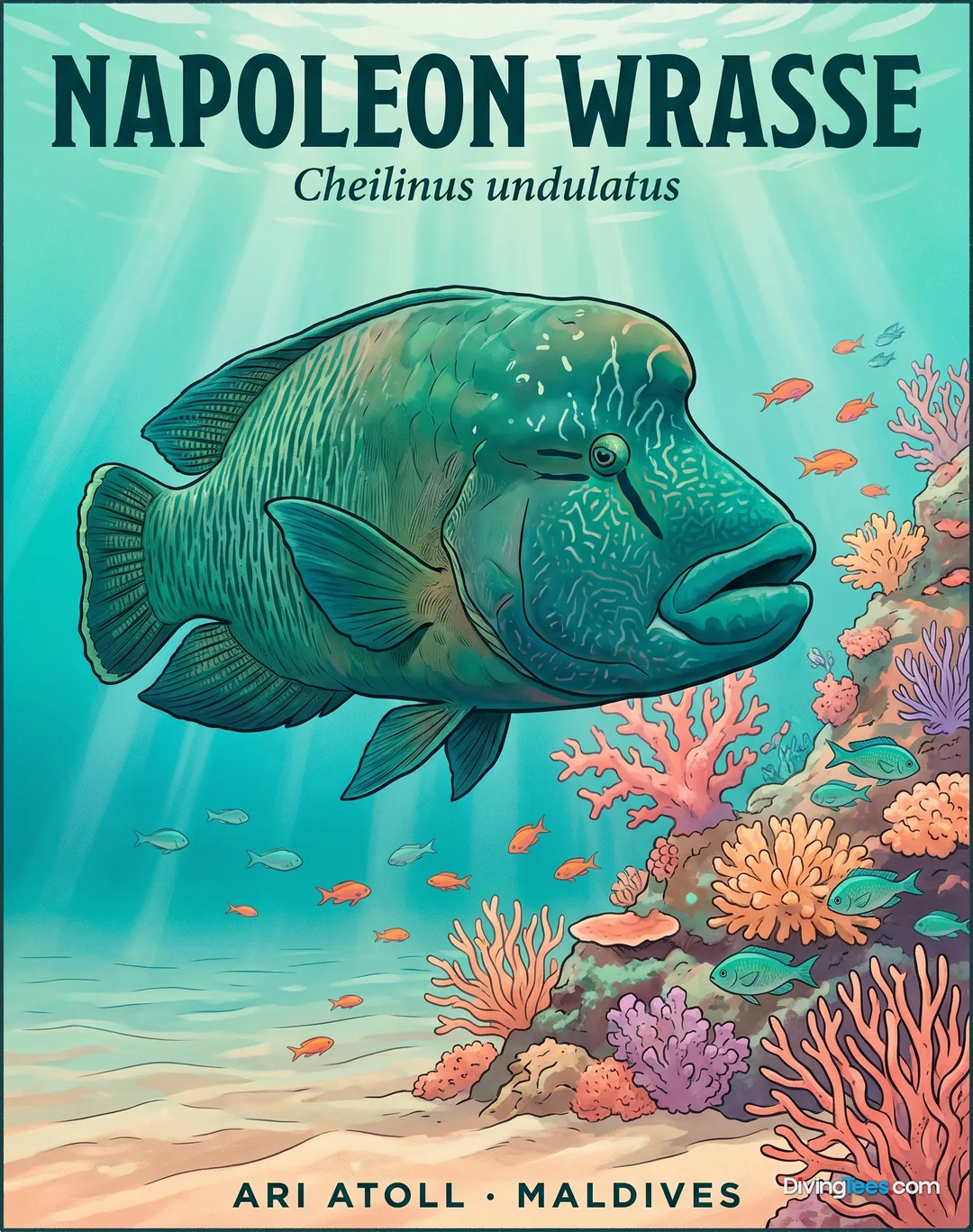
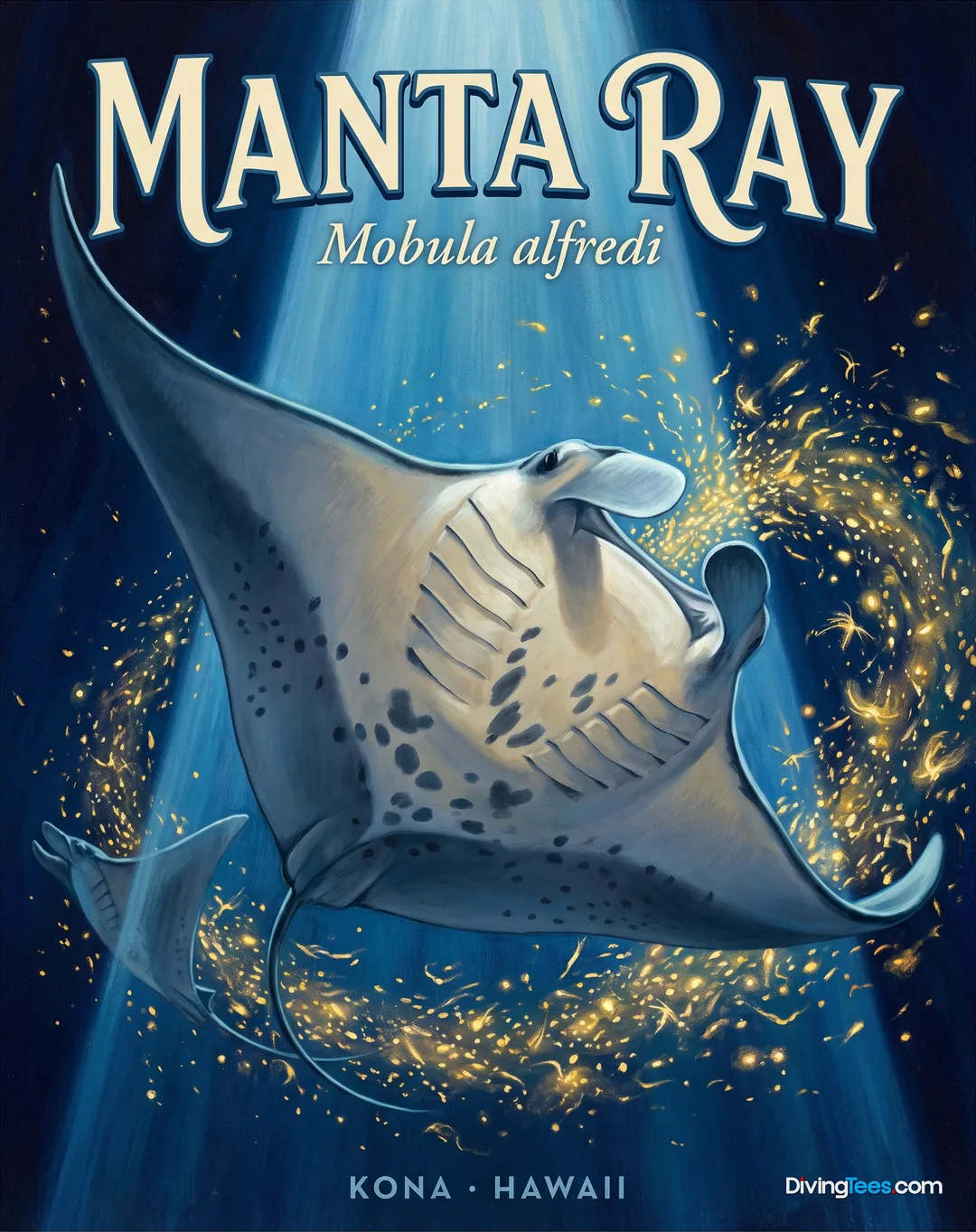
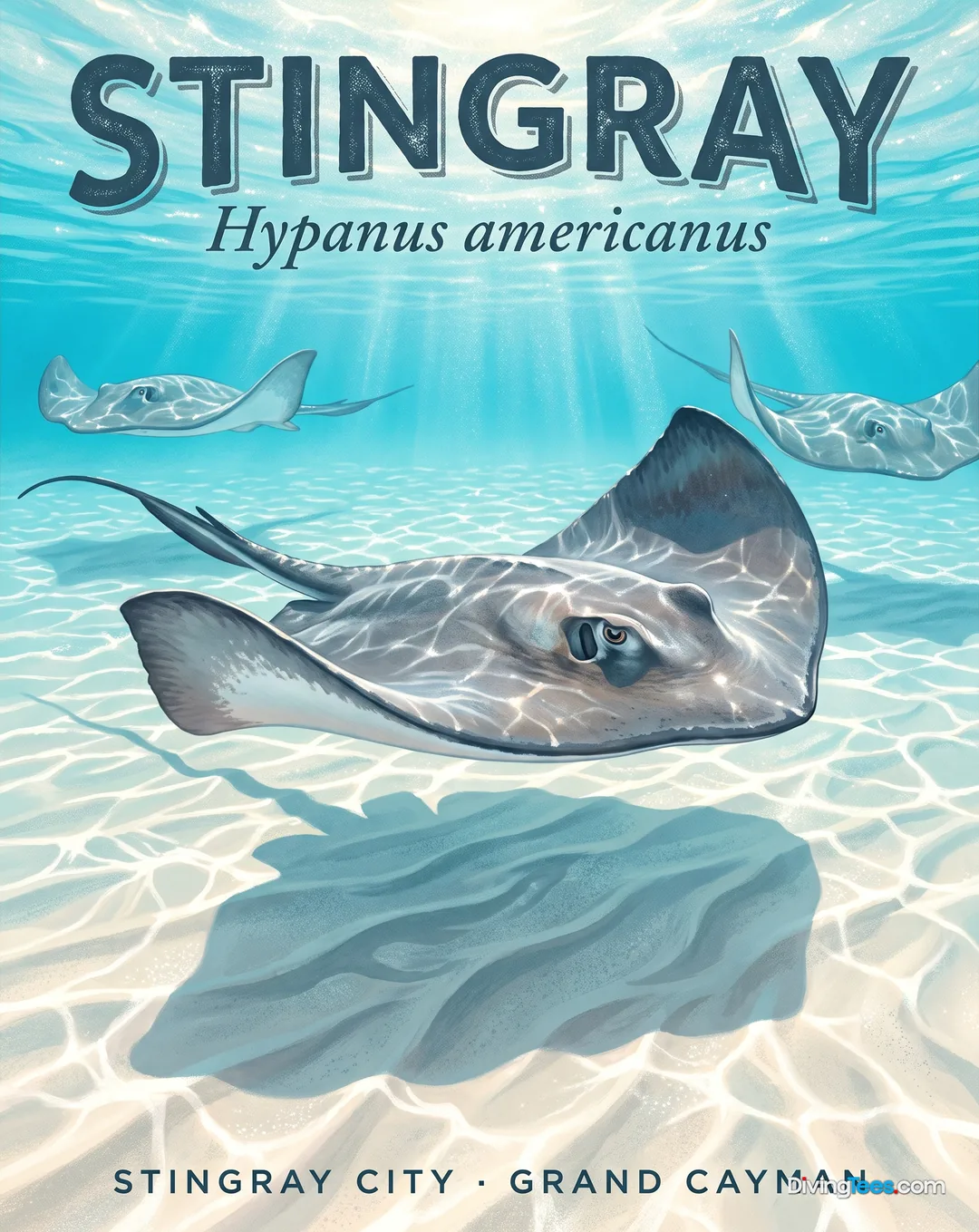
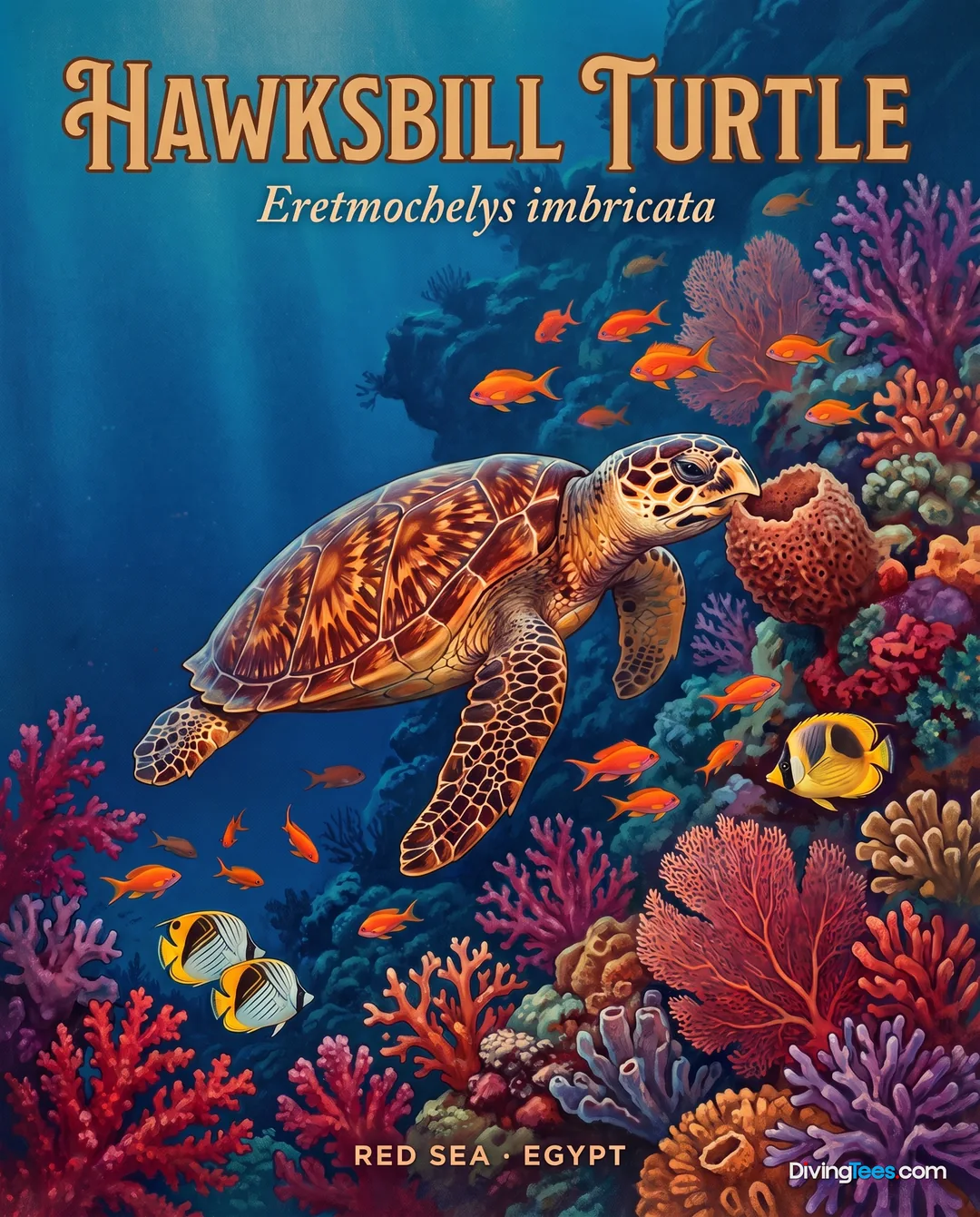
The route is built around large animals as much as reef life. Fusiliers appear across nine recorded sites, with Napoleon wrasse also recorded at nine; grey reef sharks occur at nine, sea turtles at eight, and barracudas, manta rays and tuna at seven each. Eagle rays, jacks, whitetip reef sharks, reef sharks, whale sharks, green turtles, morays and batfish add to the regular cast. The reason to study the site list is what appears only once. Barracuda Giri is the place on this route where groupers and anthias are specifically recorded. Banana Reef is the site associated with anemones. Maamigili is where gaterins and porcupinefish are recorded, while Dhigalhi Haa Marine Reserve is the specialist stop for soft coral and gorgonians. Fushifaru Thila Marine Reserve is the only listed site with a stingray, and Dhigu Thila the only one with a hawksbill turtle. At cleaning stations, wrasse bring mantas close; in channels, current concentrates sharks and schooling fish. Sightings remain wildlife encounters, not appointments.
Who puts you in the water
The dive team gives a briefing for every dive and prepares each group for the site rather than treating the route as a fixed sequence of easy reef dives. English is the working language. The operation is intended for current-aware divers on routes that include drift and channel diving; the Deep South itineraries require Advanced Open Water certification, at least 100 logged dives and experience in strong currents. Nitrox is included on board, while the Nitrox course and diving certifications are optional extras. A private guide can also be arranged. Safety equipment includes oxygen, an AED, first-aid kits, life jackets, life rafts, fire detection and extinguishing systems, radio and satellite communications, GPS, radar and a night watch.
The dive deck and the gear
The dive operation is centred on the separate 20-metre dhoni, with a 6-metre rigid inflatable also available as a tender. Divers gear up on the support boat and step into the water from its diving platform, then return to the dhoni rather than climbing back onto the main yacht after every dive. That keeps the larger vessel stable and leaves the dive deck focused on the job. Nitrox is included, and DIN adapters are available. Tanks, weights and the standard dive package are included; rental equipment is optional, with tanks and other equipment available separately. The boat has shaded dive space, rinse tanks, a separate camera rinse, a dedicated camera area and charging stations. SMBs and reef hooks are required for scuba activities, and each diver must have a dive computer; these are not items to assume are supplied as part of the included package. Oxygen is carried on board for emergencies.
Between dives
Between dives, the boat gives people several different ways to come down from the water. The shaded dive area protects the gear-up and waiting time, while the sun deck is open for those who want heat, wind and a clear view of the atolls. The air-conditioned lounge is the better refuge after a current-heavy channel dive, with books, films and documentaries for an hour without a screen or for an hour with one. The jacuzzi offers a deliberate pause rather than another activity. Kayaks and stand-up paddleboards are available for exploring quieter water, and island visits and guided nature walks bring the trip ashore without turning it into a resort holiday. The camera area gives photographers somewhere to charge, adjust and store equipment between dives. There is enough variety to let a non-diver have a day of their own while the divers are underwater.
A day on board
A day starts early enough for the first briefing to feel like the beginning of a working dive day, not a holiday excursion. Divers move to the dhoni, gear up there and enter the site from the tender while Spirit of Maldives stays clear of the immediate dive operation. The first dive is followed by food, water and a chance to rest before the next briefing. A second and third dive can be separated by the shaded dive area, the lounge or the sun deck, with meals and snacks keeping the gaps practical rather than empty. Some days include a fourth dive; night dives are part of the programme. Channel dives and drift dives shape the day when the current calls for them, and the boat moves between atolls when the route requires it. By evening, the work is finished: dinner, a drink, a conservation talk or an island experience, then sleep before the next site.
What you eat aboard
Food is one of Spirit of Maldives’ strongest points. Meals arrive as generous buffets prepared by the onboard chefs, combining local dishes with Western cooking and enough variety for a full diving programme. Vegetarian and vegan options are available, and snacks are served throughout the day rather than leaving divers to wait hungry between tanks. Dinner includes wine, while beer, cocktails and other drinks are handled through the bar; a beach barbecue is part of central itineraries. The practical value is obvious after a third or fourth dive: a diver can eat properly, return for a snack, and sit down again without turning the day into a search for food. The table is also where the different groups meet, because a Maldivian channel dive, a manta encounter and a long surface interval all become part of the same conversation.
Nights at sea
The cabins are air-conditioned and each has a private bathroom, hot water and a safe. Standard cabins are on the lower and upper decks; suites are on the main and upper decks, with the suites offering more room and a king bed with a single bed, while standard cabins use a double or twin arrangement. The important choice is not decoration but where the cabin sits in the boat: upper-deck accommodation gives a closer relationship with the sea and the outside areas, while lower-deck standards keep the sleeping space simple and practical. Panoramic windows are listed for the cabins, so daylight is part of the room rather than something reserved for the lounge. After several dives, that distinction counts. There is storage for personal equipment, daily cabin cleaning and cabin towels, but the night is still a night at sea: the boat remains your moving base, with the ocean outside the window and the next site reached without packing a bag.
Standard Cabin Lower Deck
Standard Cabin Lower Deck (#4)
Suite Cabin Main Deck
Standard Cabin Upper Deck
Suite Cabin Upper Deck
What to know before boarding
The recorded departures leave from and return to Malé. Airport-to-boat transfers are included, with the transfer listed at 4:00 PM. The exact meeting instructions are provided with the trip arrangements. Arriving in Malé the night before is the sensible choice, leaving a margin if an international connection is delayed.
What the boat does for the ocean
Spirit of Maldives adopted a manta ray first recorded on one of its trips through the Manta Trust adoption programme, supporting the identification and tracking of mantas. The crew also sets clear encounter rules on manta trips: keep distance, do not touch or chase the animals, and do not use flash. Conservation lectures on board turn those practices into part of the guest briefing rather than an afterthought.
- Year built
- 2024
- Length
- 40 m
- Beam
- 13 m
- Maximum number of passengers
- 26
- Number of cabins
- 13
- Number of bathrooms
- 14
- Engines
- 1 × Cummins 720 hp
- Cruising speed
- 8 knots
- Tenders
- Dhoni 20 m + 6 m rigid inflatable
- Website
- spiritliveaboards.com ↗
Hello, I'm Marina, DivingDeal.com's AI assistant. I answer in detail about hotels, dive centres and liveaboards.
Thinking about the whole trip and the flights? Talk it over with Edith →
Marina is an AI. Some links are affiliate links: DivingDeal may earn a commission, at no extra cost to you. Bookings are made with the partner.