Soneva Fushi
Google 4.8/5 (344 reviews)
Baa Atoll · Maldives · Indian Ocean
Witness the spectacle of hundreds of reef manta rays feeding in cyclone formation within the protected waters of Hanifaru Bay.
For subtitles in English: start the video firstthen click the gearat the top right of the video, select “Subtitles/CC”, then “Auto-translate” and choose “English”.
Hanifaru Bay lies within a protected marine zone on the eastern edge of the Baa Atoll, a small and shallow, dead-end reef inlet that translates in the local Dhivehi language as 'Hani' (narrow) 'faru' (reef). Its unique geological structure, a sandy bottom surrounded by a shallow reef along almost its entire perimeter, serves as a crucial aggregation site for a truly remarkable phenomenon.
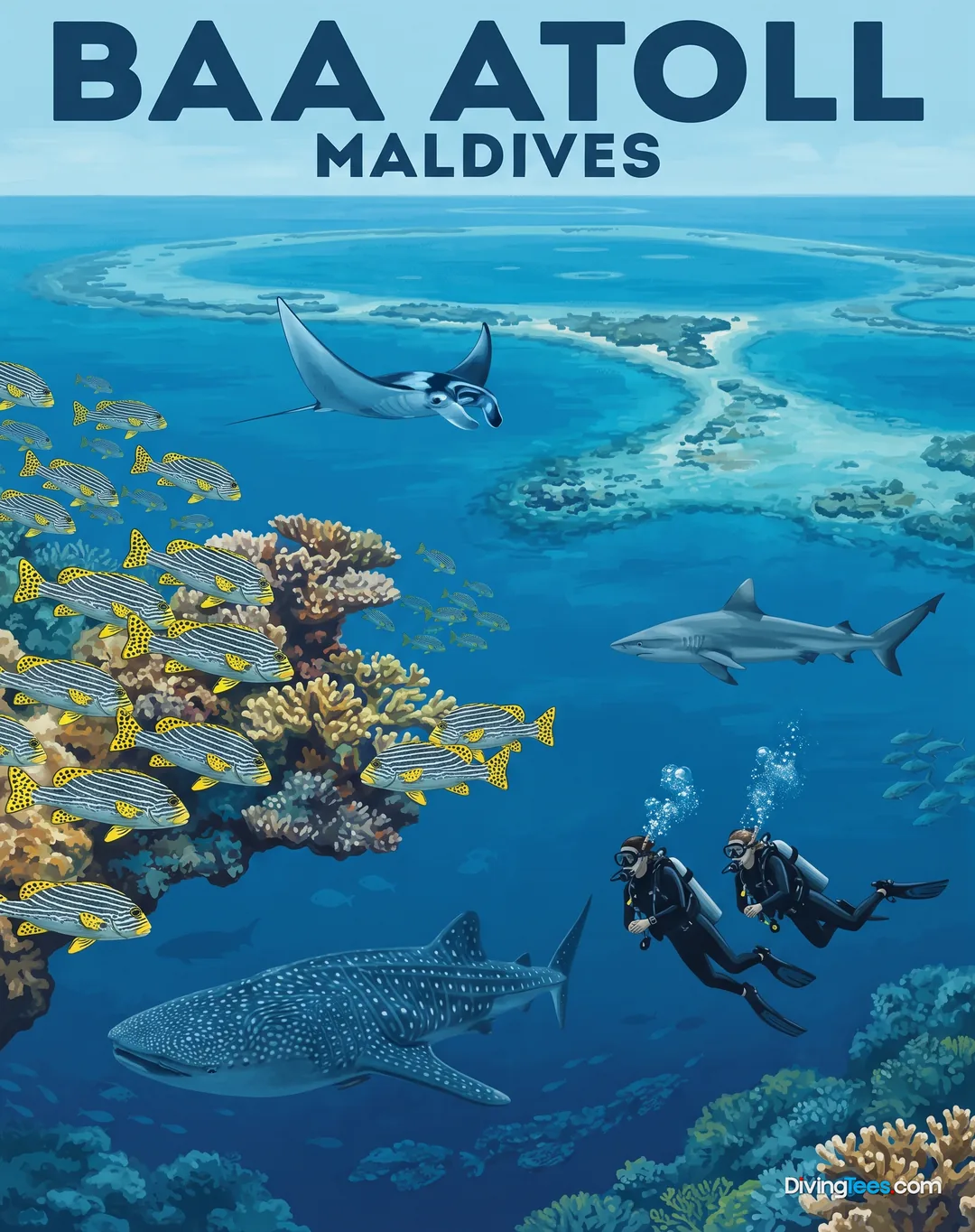
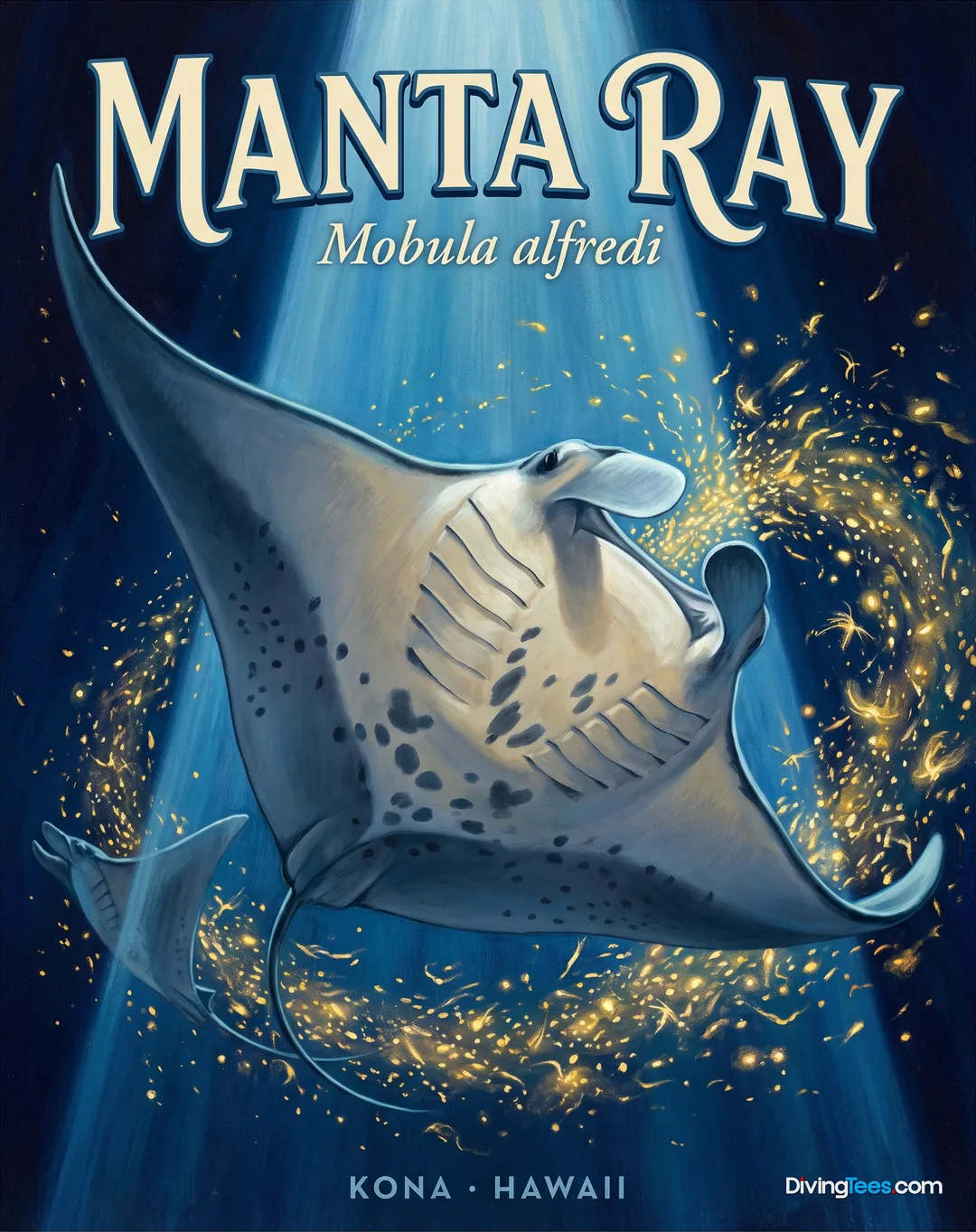
This specific corner of the Indian Ocean is globally recognised as one of the premier locations to encounter reef manta rays (Mobula alfredi) in vast numbers. These aggregations are primarily feeding events, drawn by the abundant plankton funnelled into the bay by the prevailing currents during specific times of the year. It's not uncommon to witness what's known as 'cyclone feeding,' a mesmerising display where mantas form a spiralling vortex, sifting plankton from the water column.
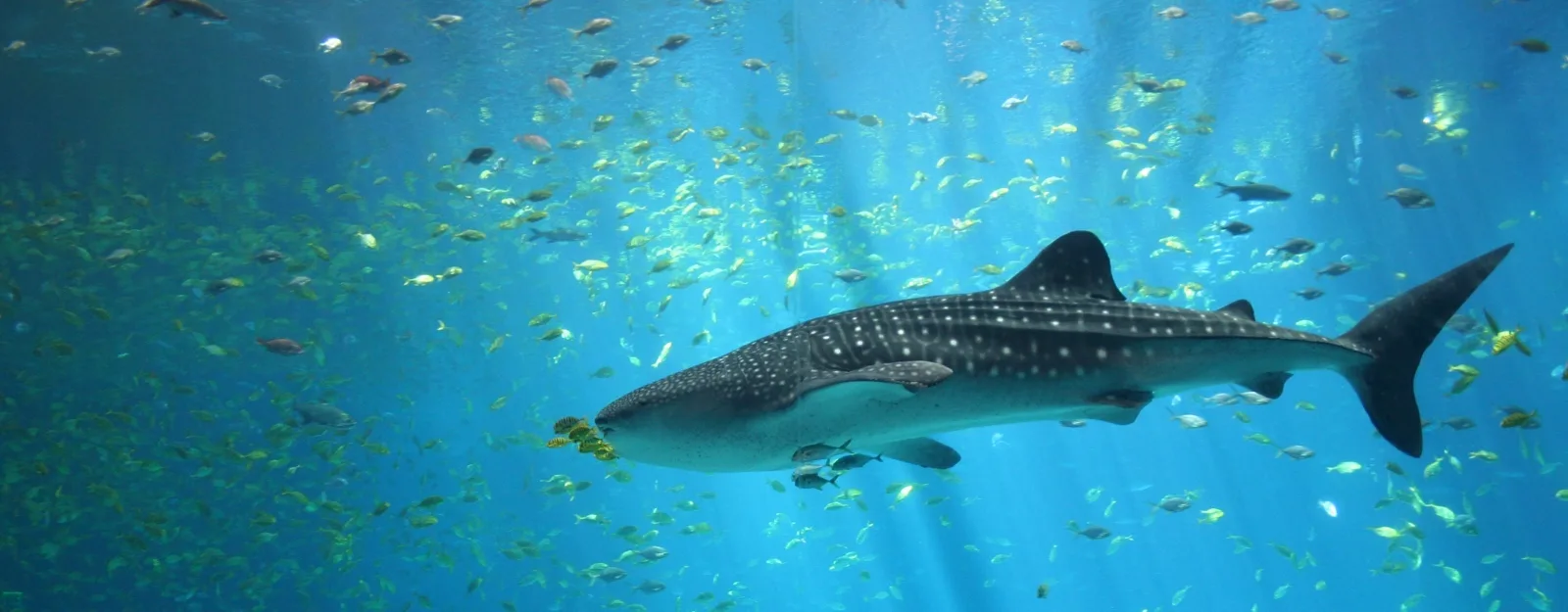
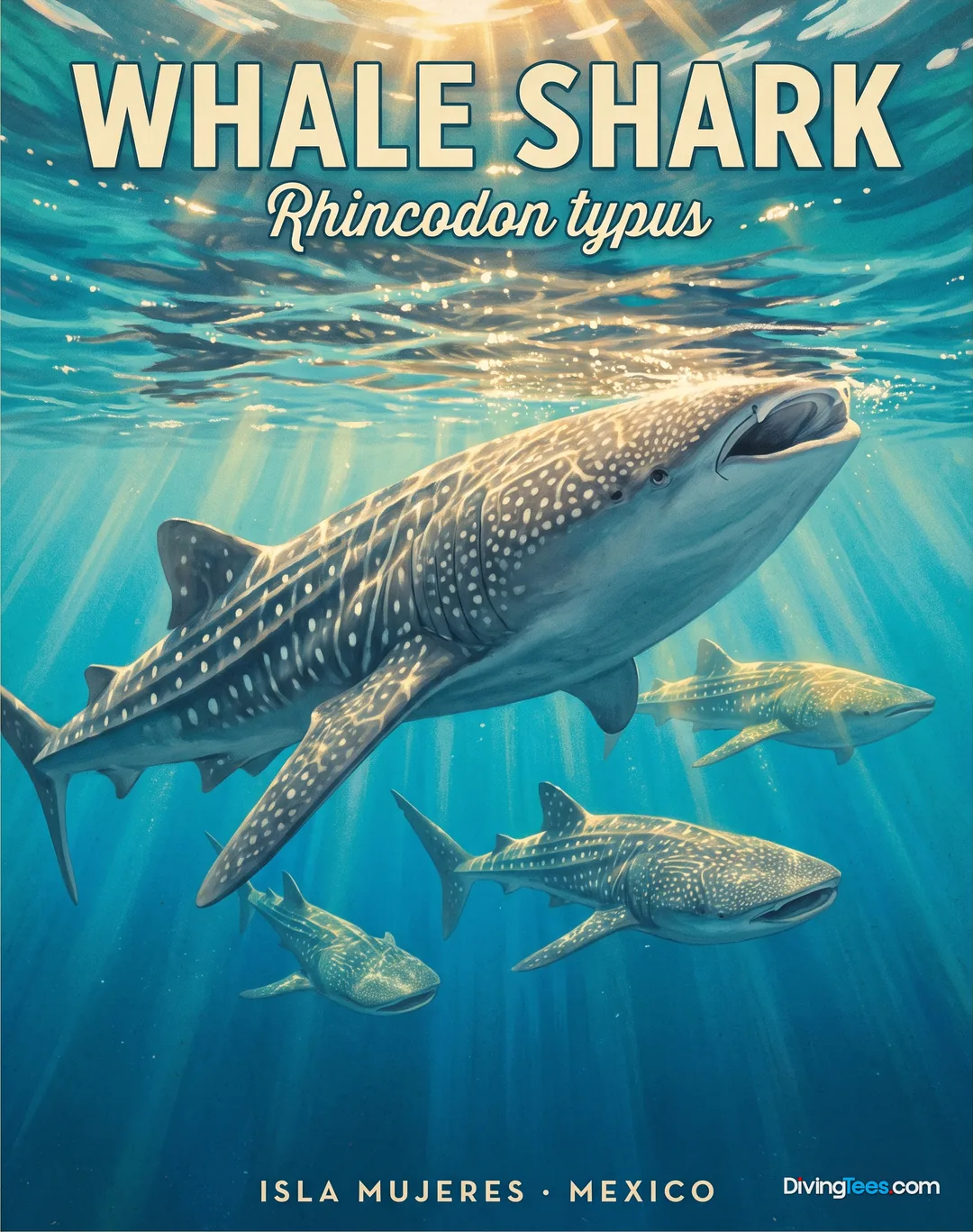
During these feeding frenzies, the sheer volume of mantas can be astounding, with records indicating up to 247 individuals observed within a single event. Over the past 15 years, the Maldivian Manta Ray Project has identified more than 1,800 distinct individuals at this site through photographic identification, underscoring its immense importance to the species. While the focus is undeniably on the mantas, you might also have the extraordinary chance to spot whale sharks (Rhincodon typus) joining the feast.
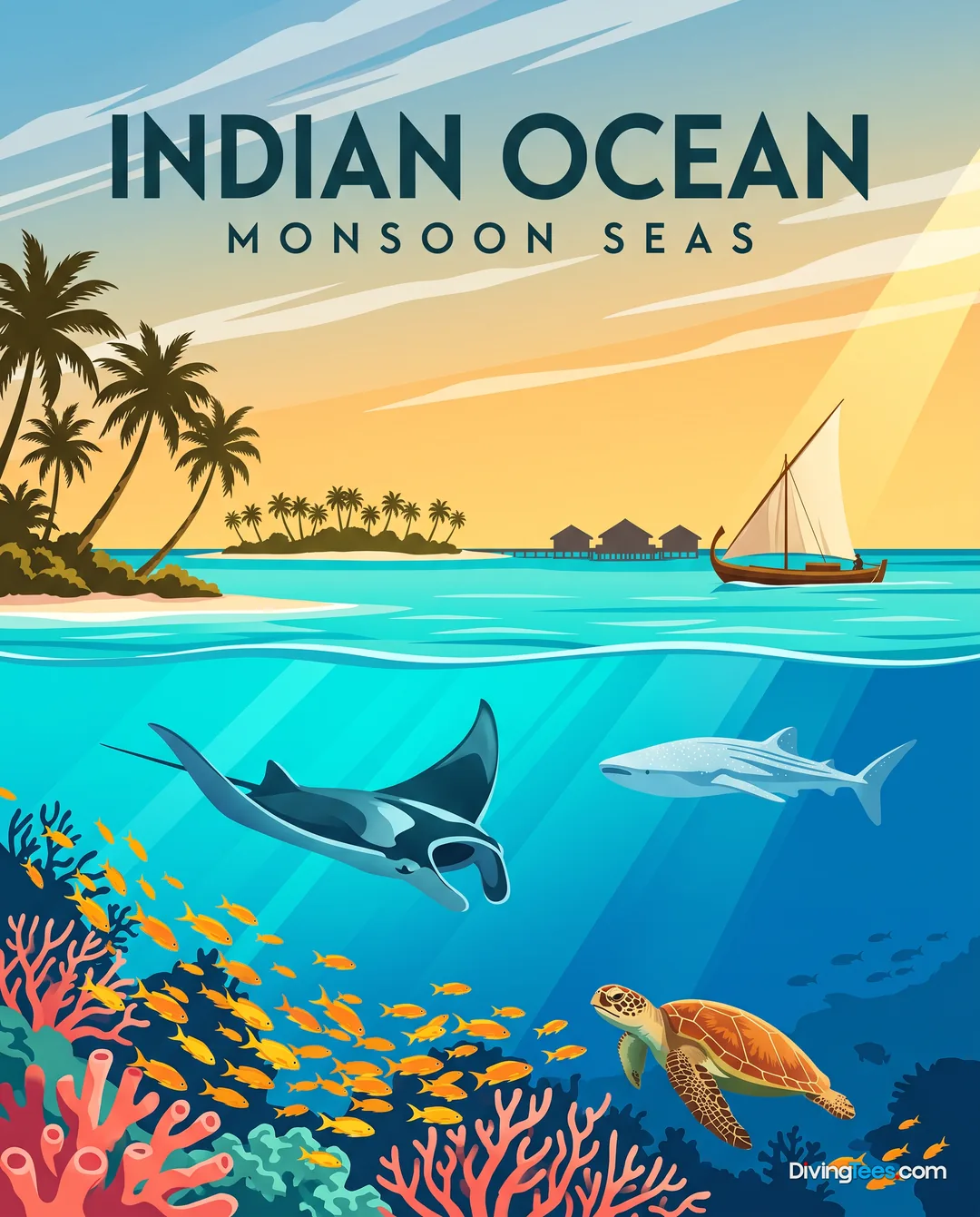
The conditions that permit such a gathering are dependent on the southwest monsoon, locally known as Hulhangu, which typically runs from May to the end of November. During this period, strong lunar currents create upwellings that concentrate plankton within the bay, attracting the filter feeders in their hundreds. Being within a UNESCO Biosphere Reserve, strict regulations are in place to ensure minimal disturbance to these incredible animals, ensuring their continued presence and the integrity of this fragile ecosystem.
The optimum period for experiencing the massive manta aggregations at Hanifaru Bay is from May to late November, coinciding with the southwest monsoon. You can expect strong currents, particularly lunar currents, that create the necessary conditions for the mantas' feeding events, leading to significant swirls within the bay itself.
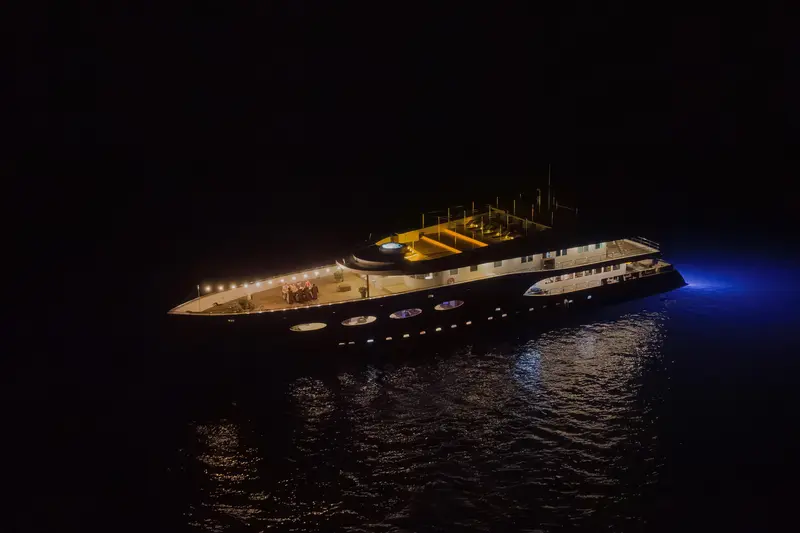
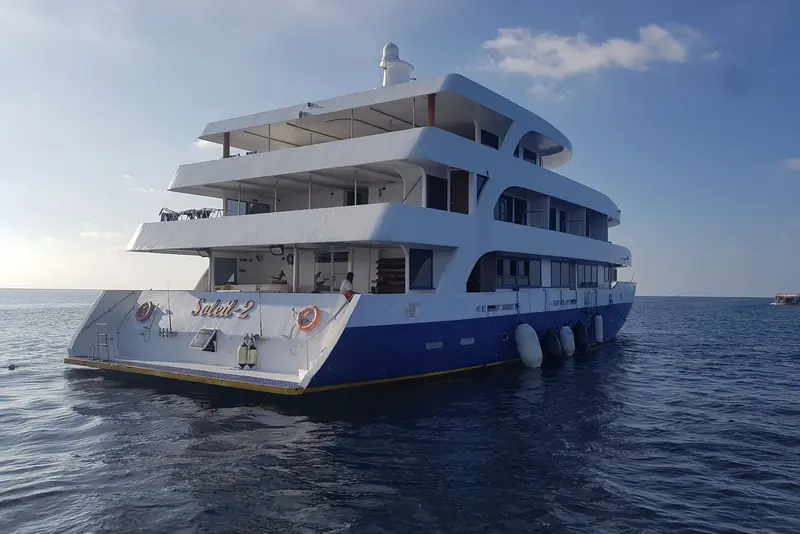
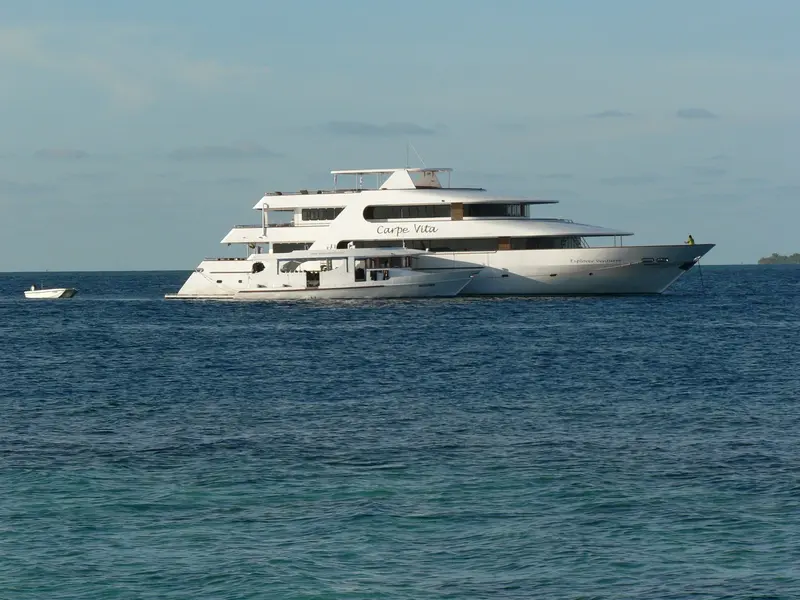
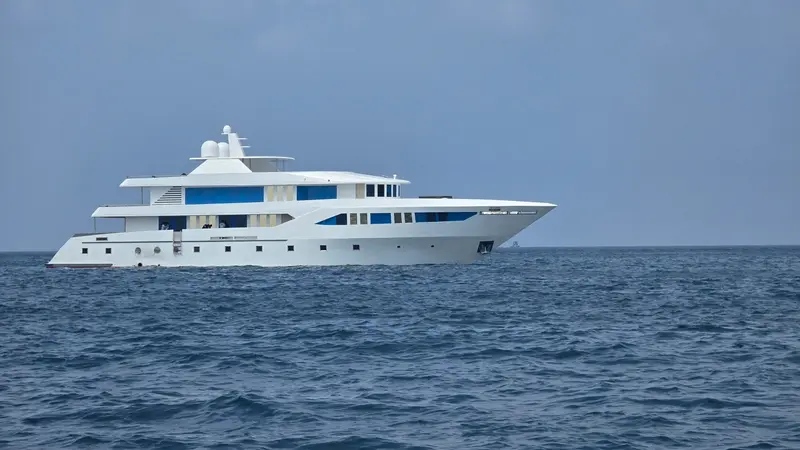
15 liveaboards run trips to Baa Atoll.
Plan your visit from May to late November, during the southwest monsoon known locally as Hulhangu. This seasonal period brings the currents and plankton concentrations that attract reef manta rays into the bay for feeding. The aggregation activity is linked specifically to these monsoon conditions.
You should expect strong currents at Hanifaru Bay, particularly lunar currents. These currents create upwellings that concentrate plankton inside the shallow, sandy-bottomed bay. Water movement can also produce significant swirls within the inlet, forming the conditions that draw reef manta rays together for feeding events.
At Hanifaru Bay, you can see reef manta rays, Mobula alfredi, gathering to feed on plankton. Their feeding may form a cyclone, with mantas creating a spiralling vortex in the water column. Whale sharks, Rhincodon typus, may also appear while the filter feeders are feeding.
Hanifaru Bay is a small, shallow, dead-end reef inlet surrounded by a shallow reef and containing a sandy bottom. During the southwest monsoon, prevailing currents funnel plankton into this protected bay. The concentrated food supports feeding gatherings of reef manta rays within the UNESCO Biosphere Reserve.