Liveaboards · Maldives
Maldives Master — a modern liveaboard built around serious diving
What makes this boat unique
- A 2024 vessel renovated in 2025, carrying up to 26 divers in 14 air-conditioned cabins.
- Its separate 19-metre dhoni, Blue Shadow, gives every diver a personal station, storage space and crew assistance while kitting up.
- The route covers Central Atolls and Baa, with 8-day/7-night and 11-day/10-night departures from Malé.
- The strongest marks go to the boat, crew and food, with diving also rated highly.
For subtitles in English: start the video firstthen click the gearat the top right of the video, select “Subtitles/CC”, then “Auto-translate” and choose “English”.
The invitation
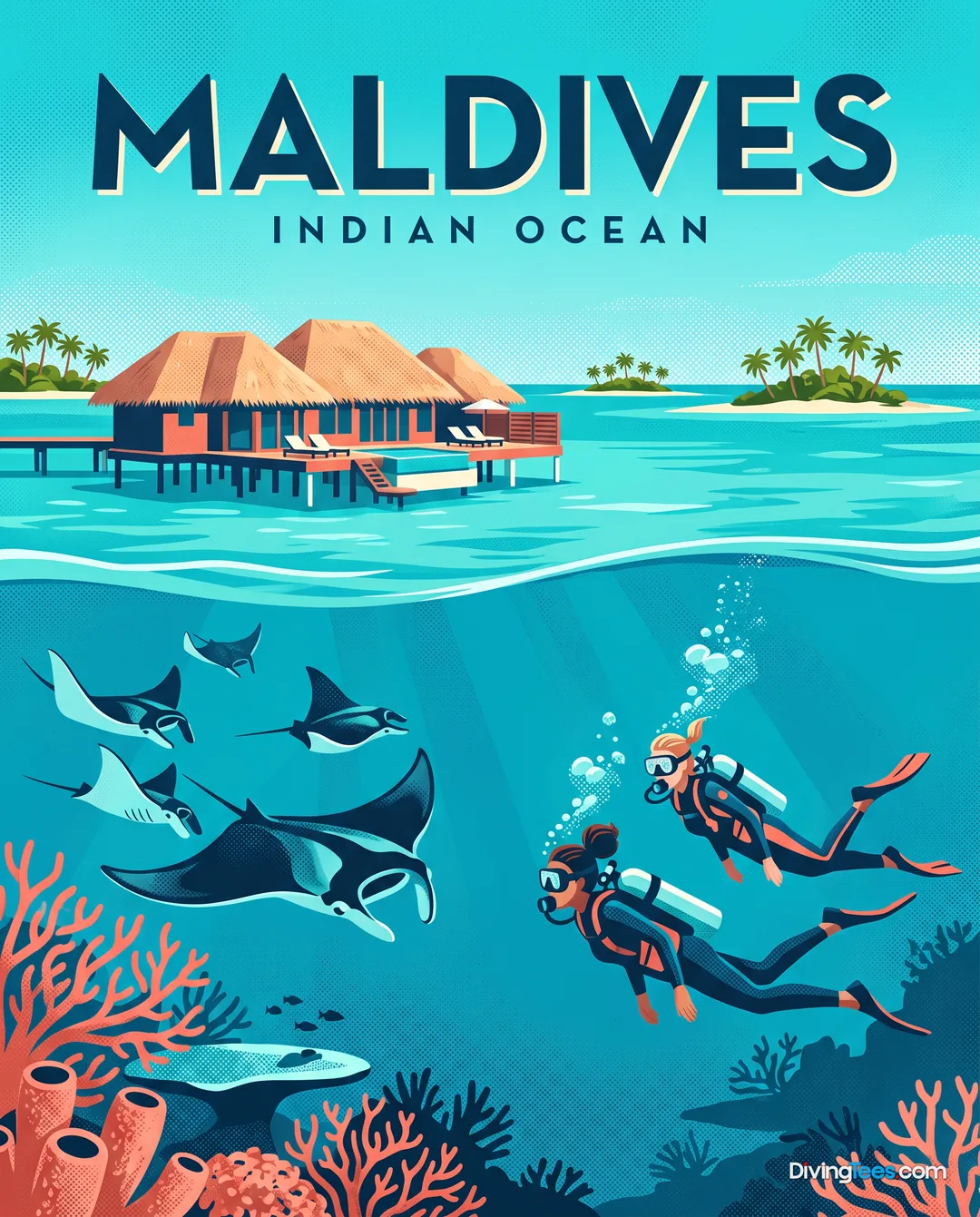
Maldives Master makes sense for divers who want the Maldives as a sequence of dives rather than as a hotel with a compressor attached. The main vessel gives the trip a modern, comfortable base, but the real character sits alongside it: Blue Shadow, the dedicated dhoni that carries the diving operation. That separation keeps wet gear, tanks and surface transfers away from the sleeping areas and gives the dive team room to work. The route is built around current-swept thilas, channels, cleaning stations and protected atolls, with grey reef sharks, mantas, whale sharks and large schools of reef fish among the reasons to come. Crew and food are major strengths, while the diving scores slightly below them; the boat suits divers who value a very well-run week and a proper support vessel over a small, intimate yacht.
Boarding
The first impression is of a recent, purpose-built liveaboard rather than a converted cruiser. Maldives Master was built in 2024 and renovated in 2025, so the spaces feel designed for modern liveaboard life: an indoor dining room, an air-conditioned lounge, shaded seating and several places to get outside without everyone collecting in one corner. The boat is large enough to spread people out, yet the diving moves to Blue Shadow, the custom-built dhoni, before anyone has to wrestle a fully loaded kit through the main vessel. The dhoni has its own toilet and showers, a top deck for the crossing, and room for divers to set up without standing on each other’s fins. That is the practical difference on a week centred on diving: the mother ship stays orderly while the working deck does the wet work.
The atmosphere on board
Maldives Master is at its best when the crew is doing the quiet work that lets divers concentrate on the next descent. The dhoni crew helps at individual stations, the dive team manages the transfers, and the main vessel gives everyone enough separate space that the group does not feel trapped together between dives. Passenger experience points to a crew that is especially helpful and committed, with food receiving the same strong response. English is spoken on board. By the middle of a trip, the social centre is usually the dive deck and the table rather than the bar: cameras are discussed, current plans compared and the day’s best animal gets argued over. The boat feels polished, but not anonymous. Its value lies less in luxury for its own sake than in removing friction from a demanding diving schedule.
The sites you’ll dive
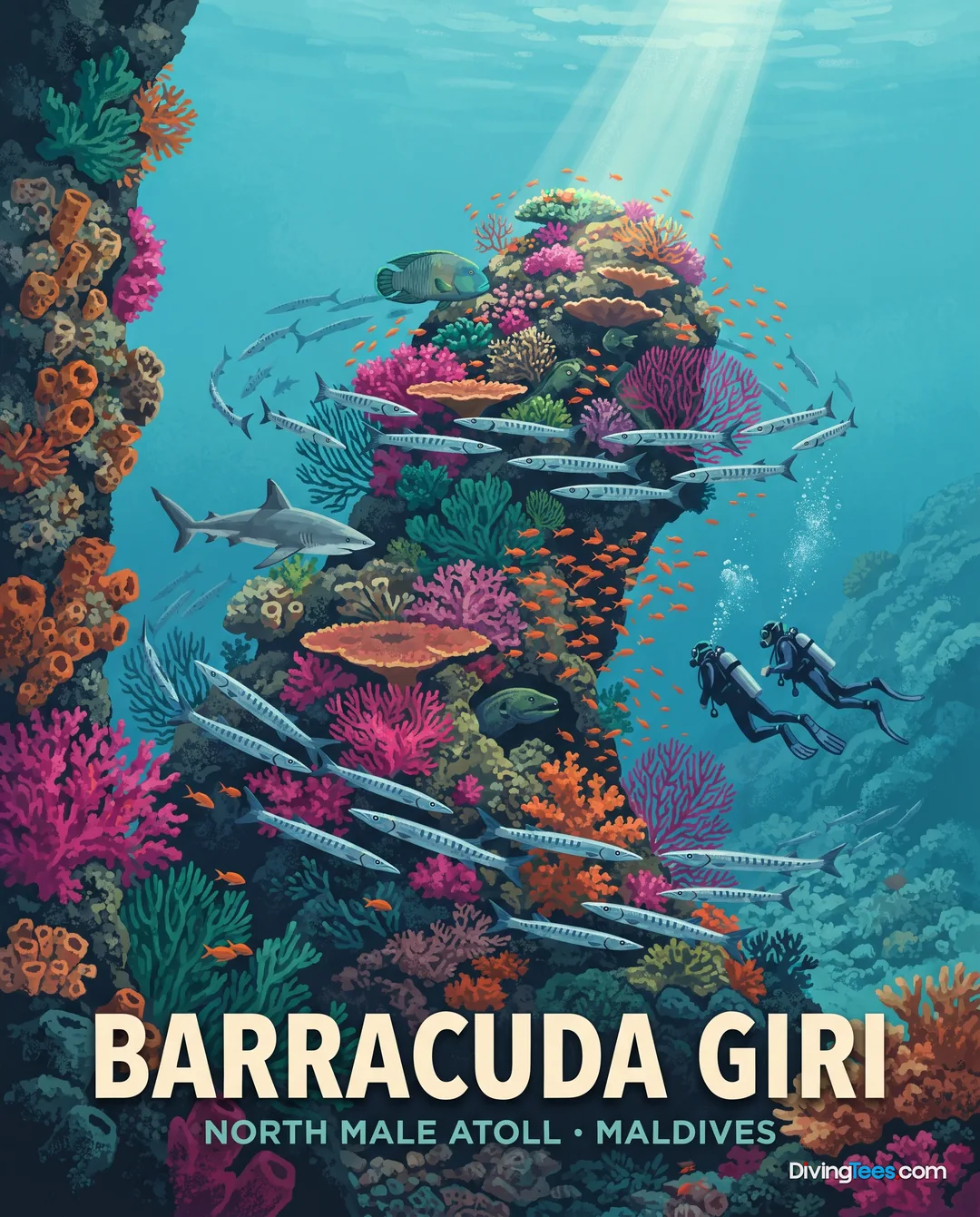
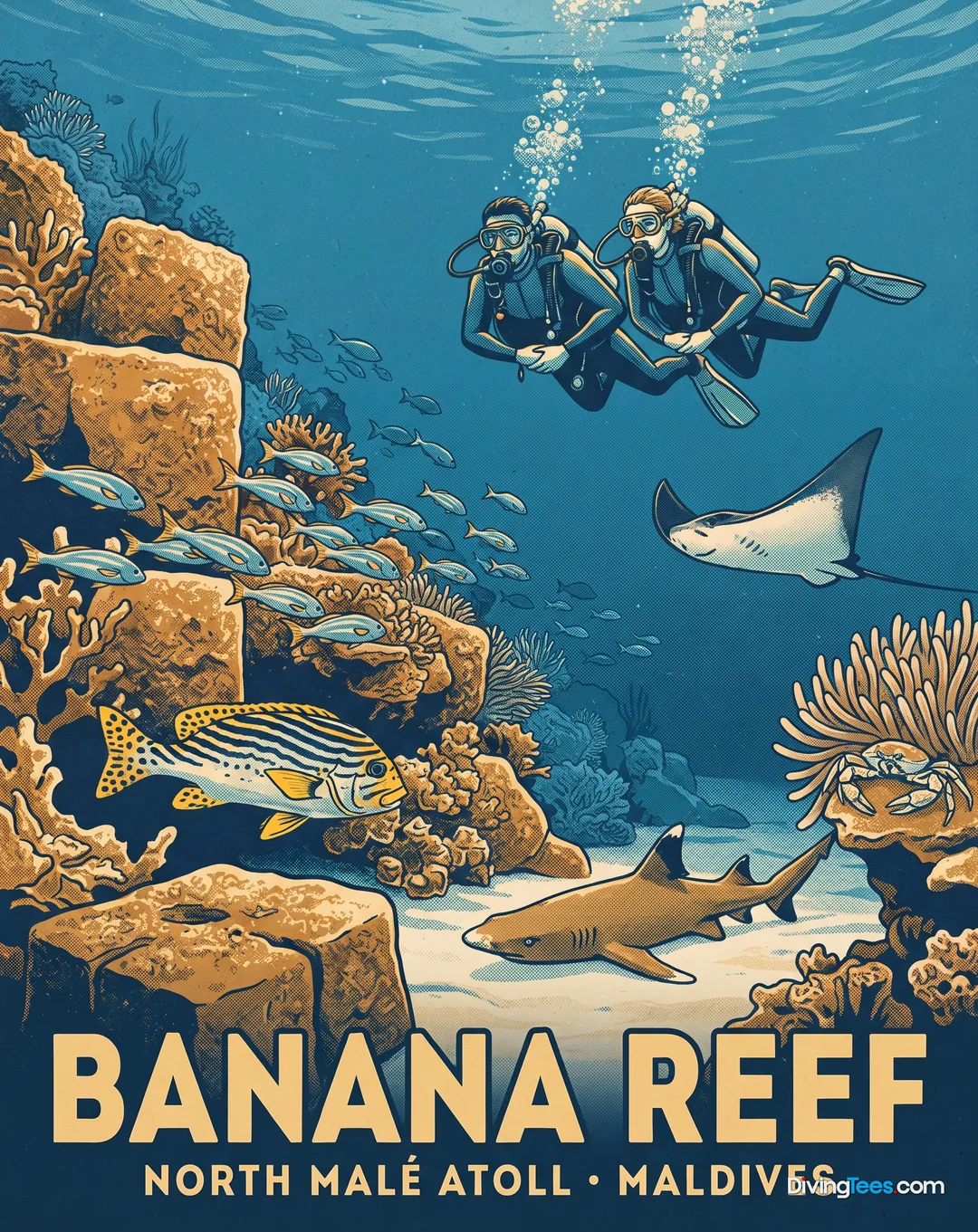
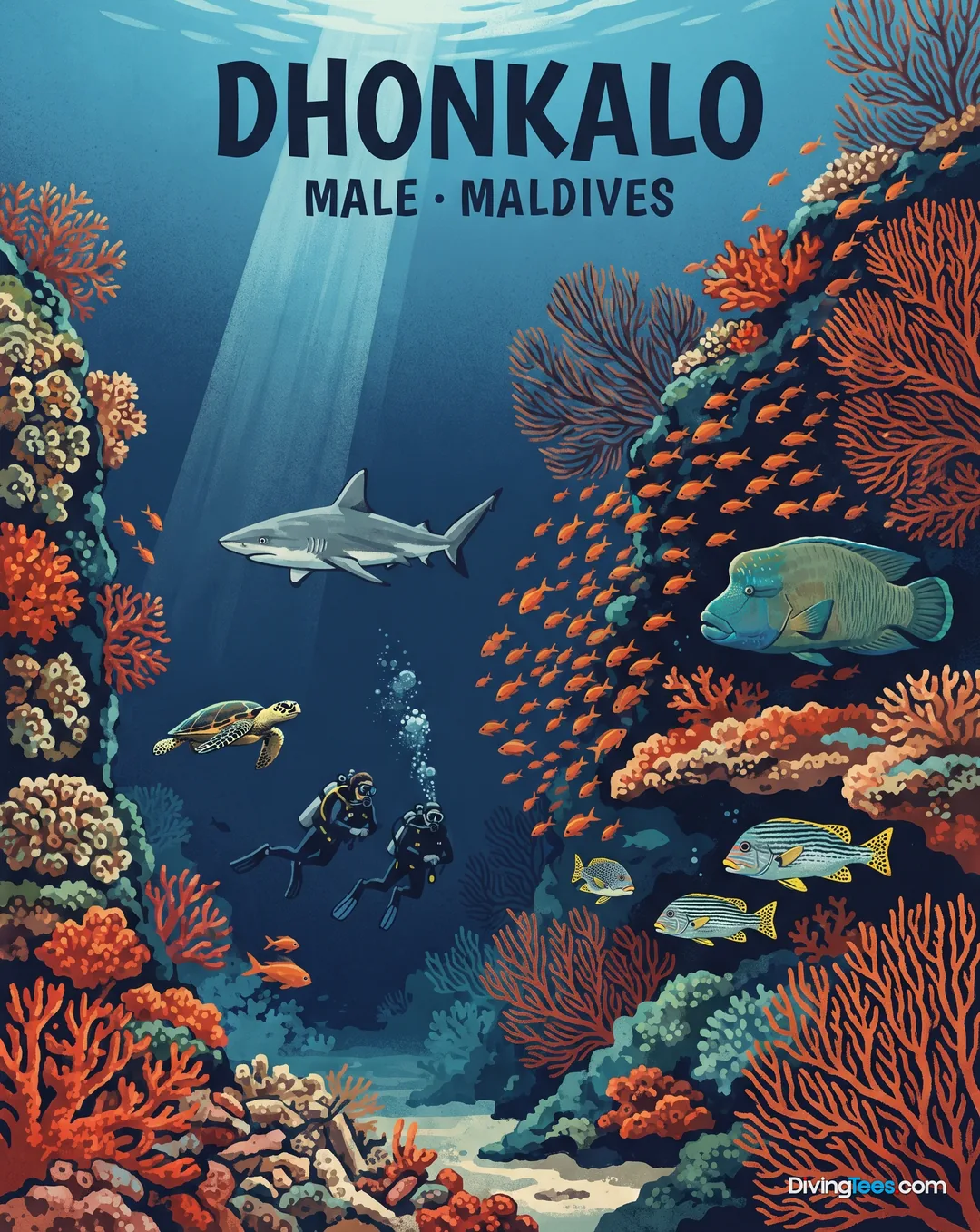
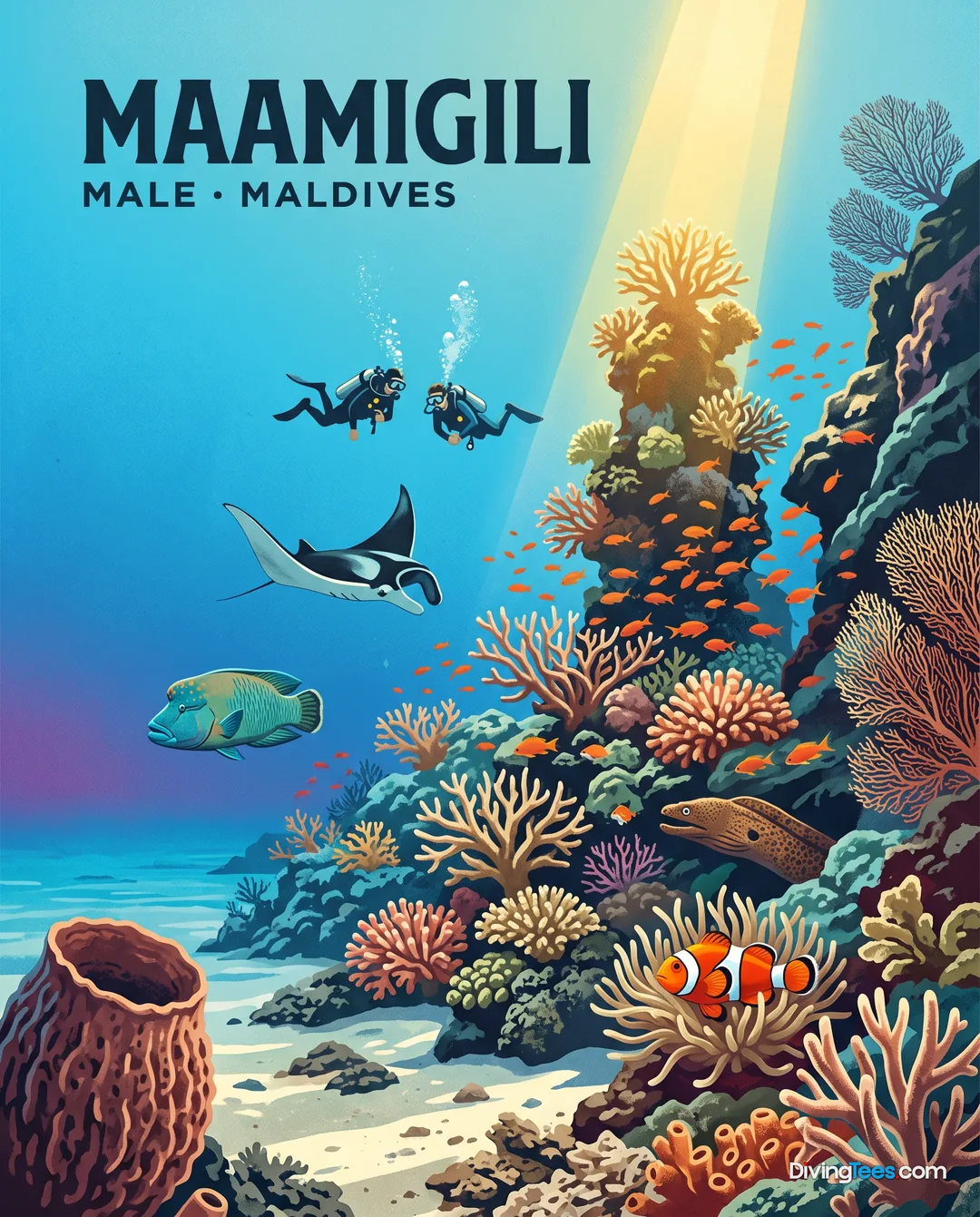
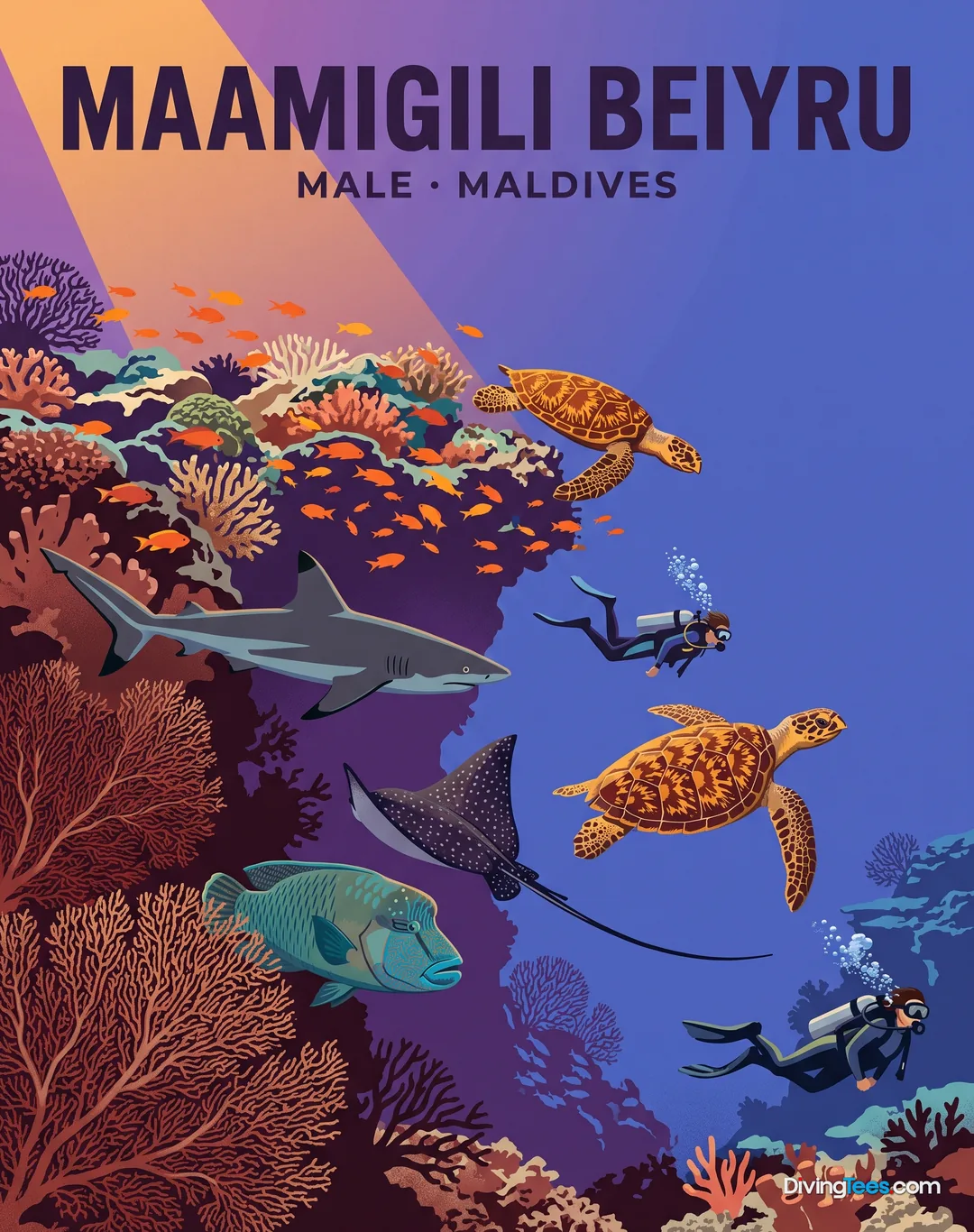
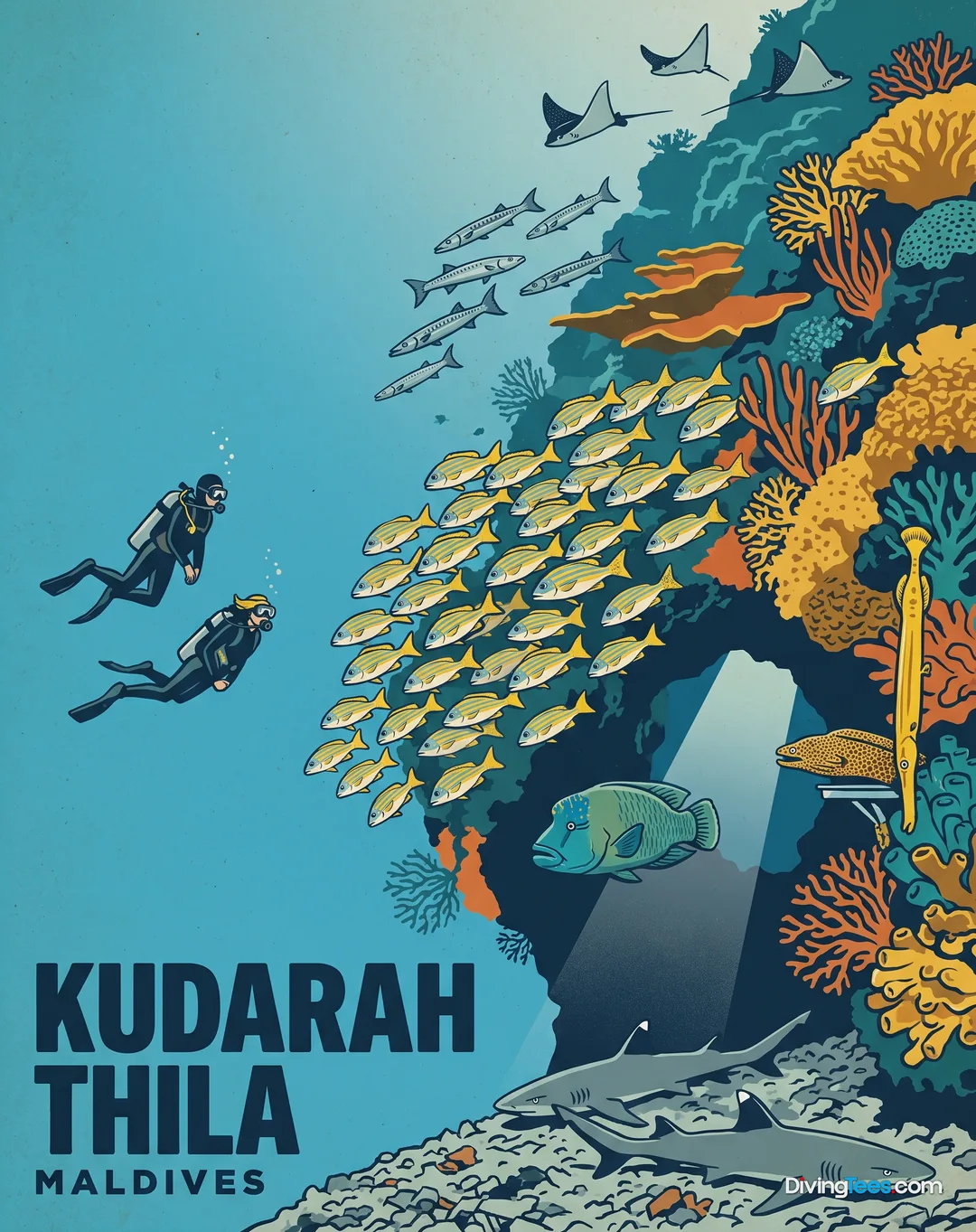
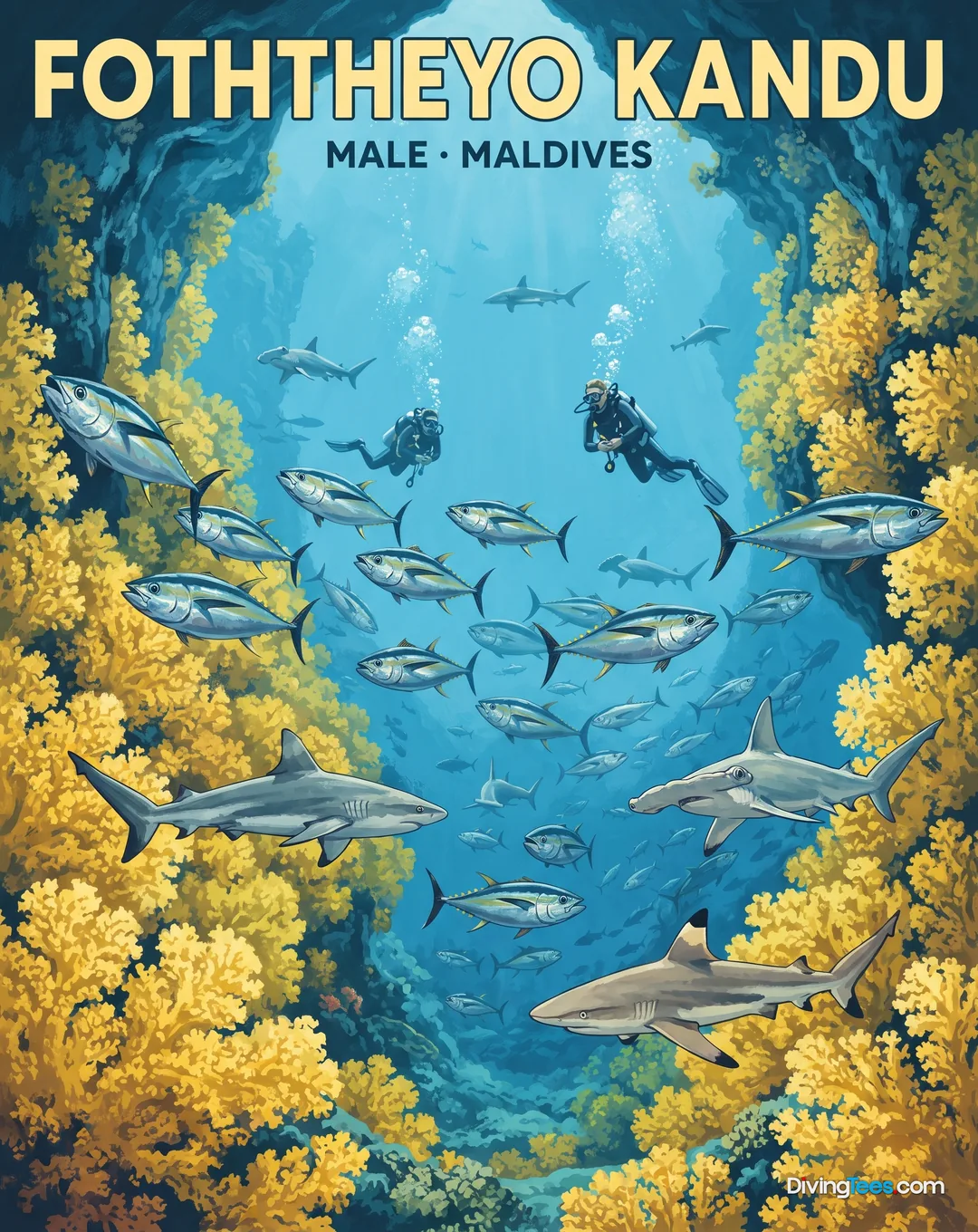
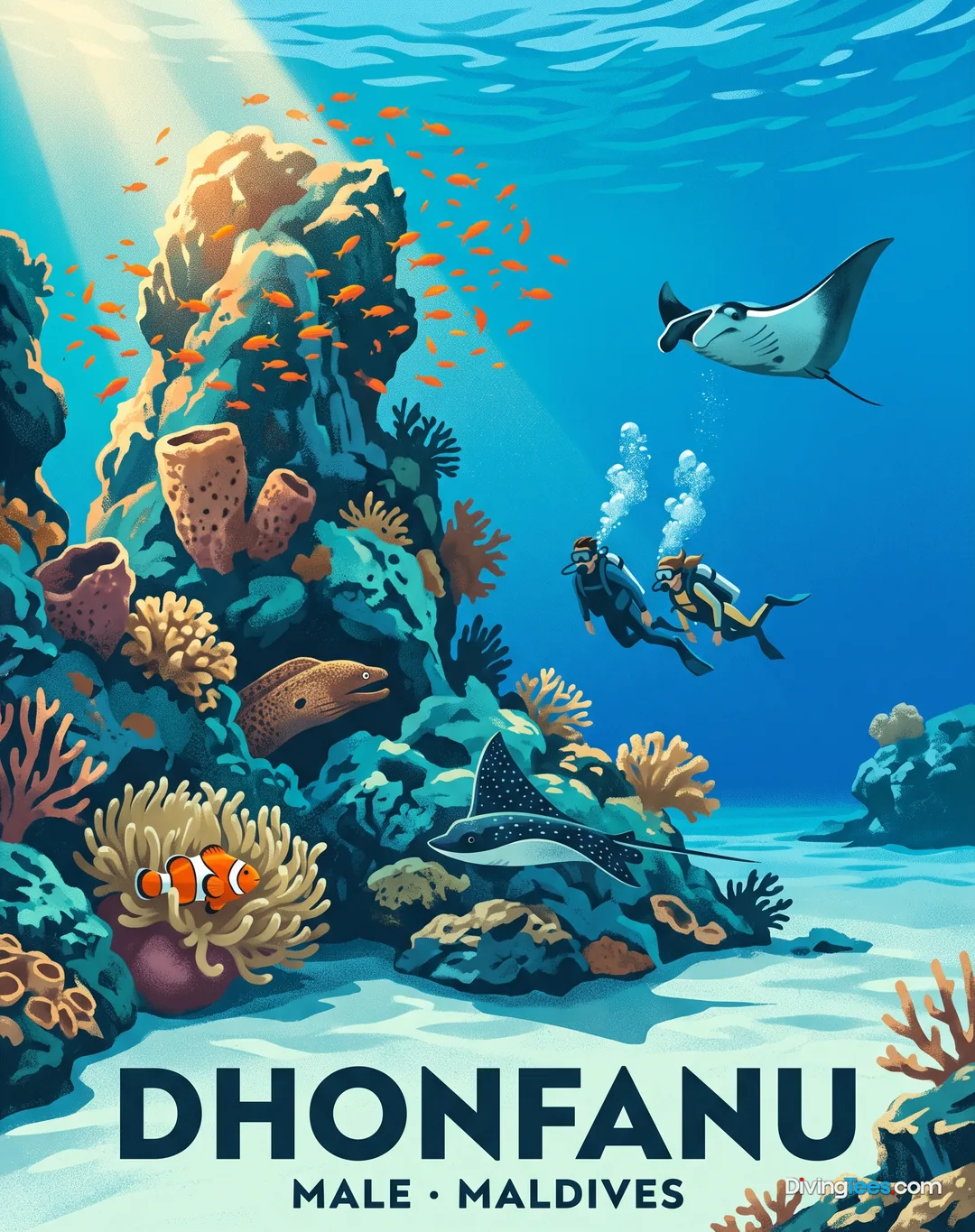
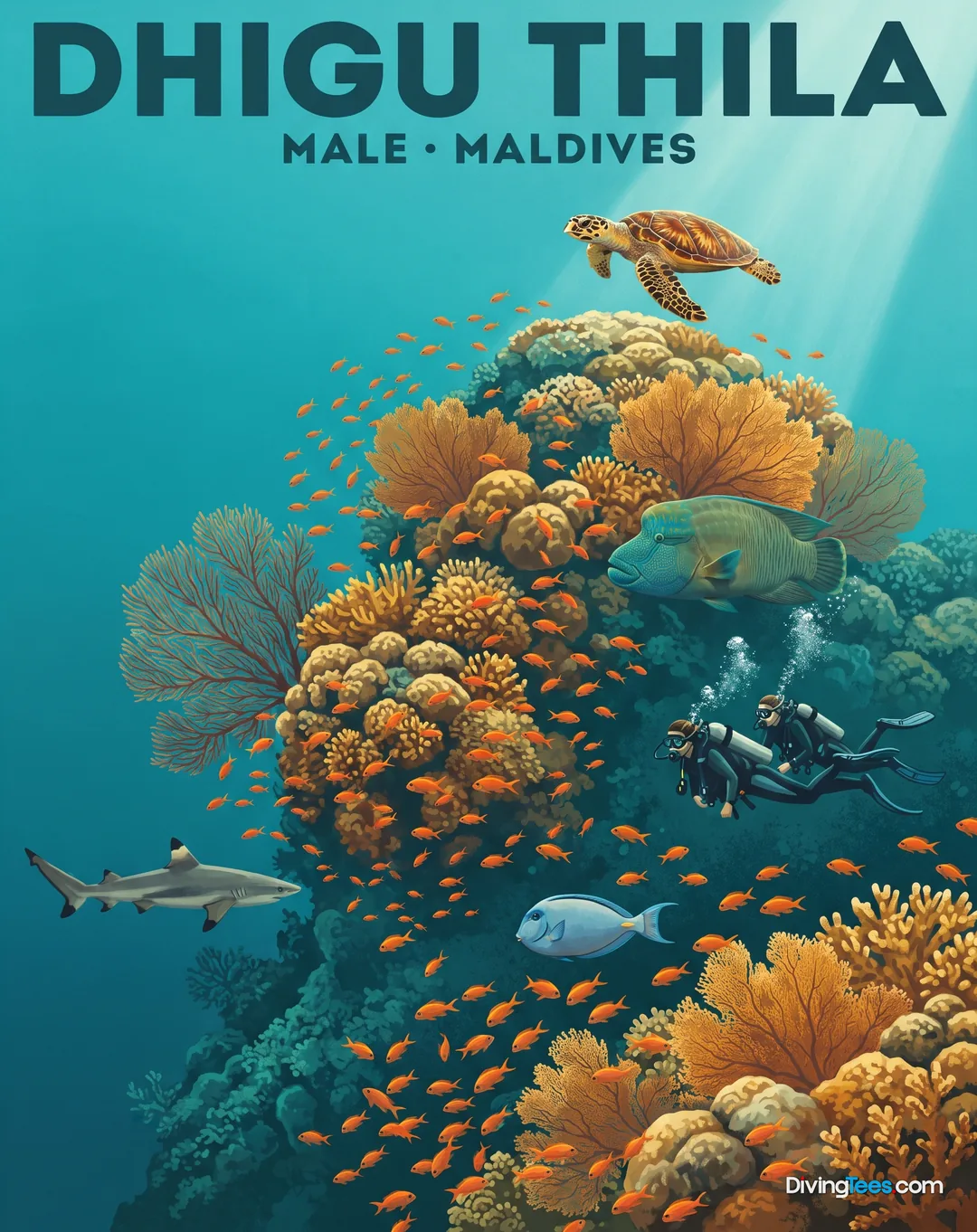
The route runs from Malé to Malé through the Central Atolls and Baa, on 8-day/7-night or 11-day/10-night itineraries. Barracuda Giri drops onto three pinnacles to a maximum of -30m, where current brings barracudas, tunas and jacks. Banana Reef is a lively reef landmark with reef sharks, eagle rays and bannerfish. Mushimasmigili Thila reaches -30m and is known for grey reef sharks at the up-current pinnacle; Dhonkalo reaches -25m and works as a manta cleaning station in a sandy channel. In South Ari, Maamigili and Maamigili Beiyru reach -30m and target whale sharks and mantas. Kudarah Thila, also to -30m, cuts through clefts, overhangs and caves filled with batfish. Guraidhoo and Myaru Kandu bring shark-filled current channels, while Foththeyo Kandu reaches -40m through caves covered in yellow soft corals. In Baa, Dhigalhi Haa and Dhonfanu reach -30m, with corals, mantas and a swim-through; Dhigu Thila, Fushifaru Thila and the remaining Central Atoll sites add more current, pinnacle and cleaning-station dives.
What you’ll meet underwater
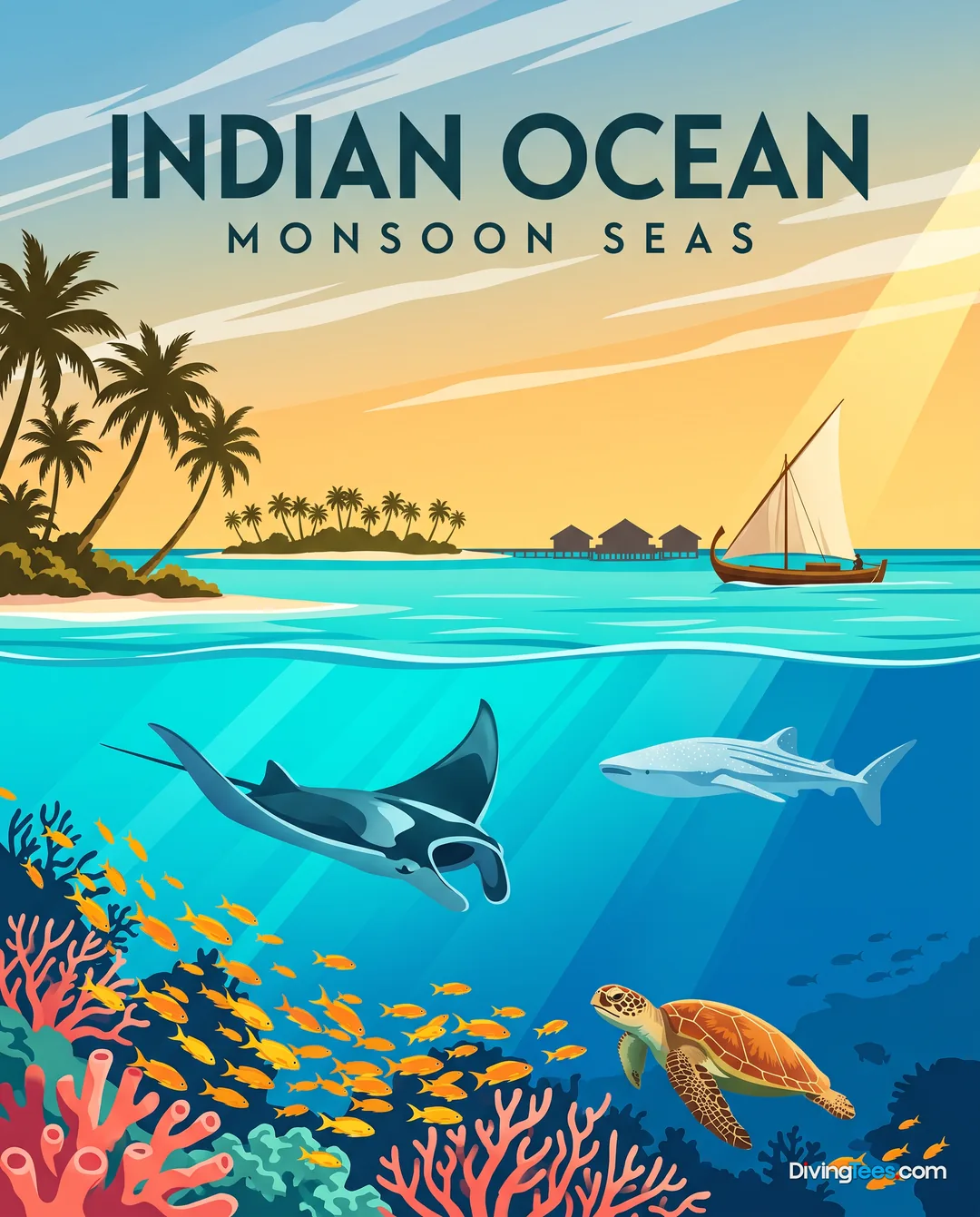
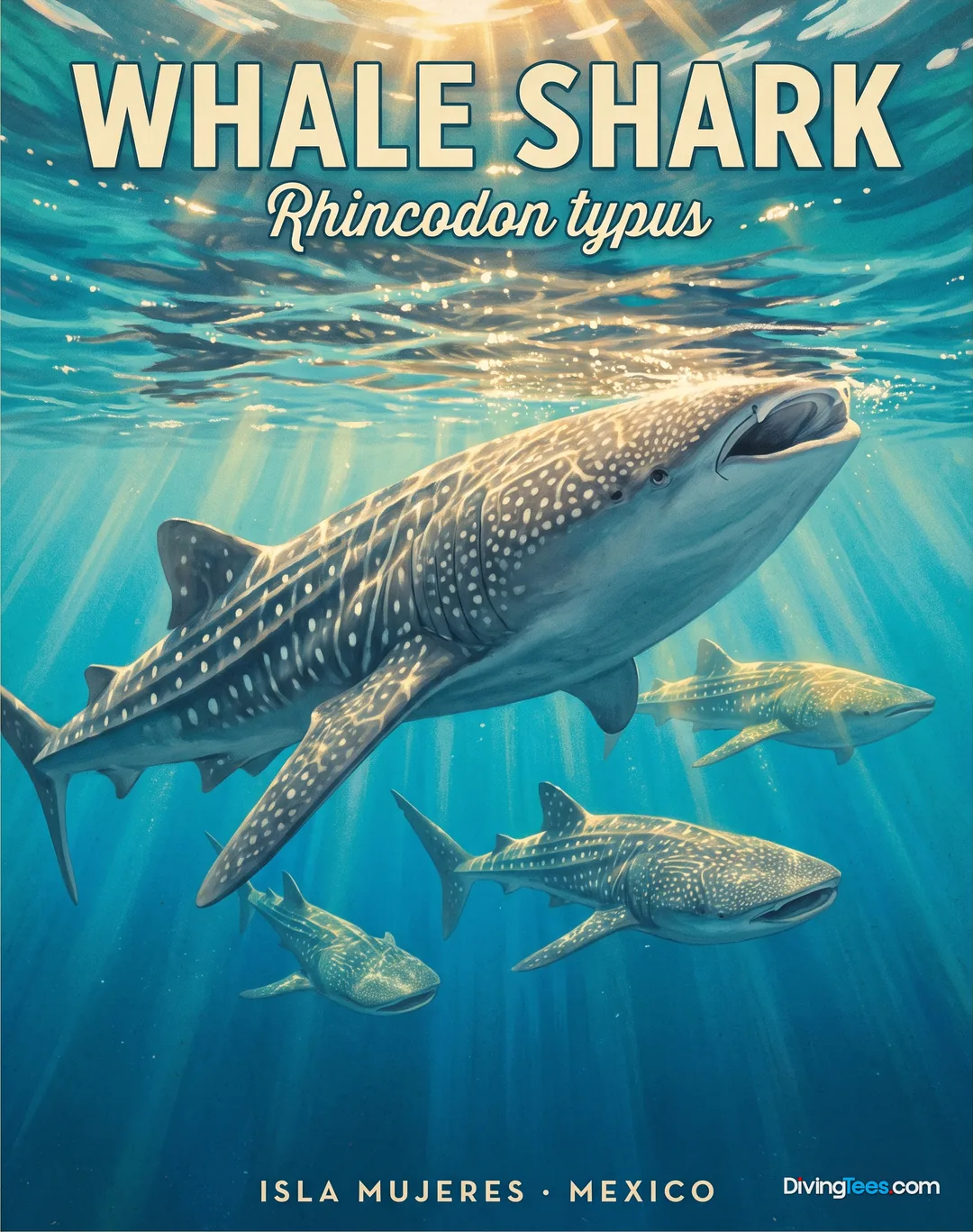
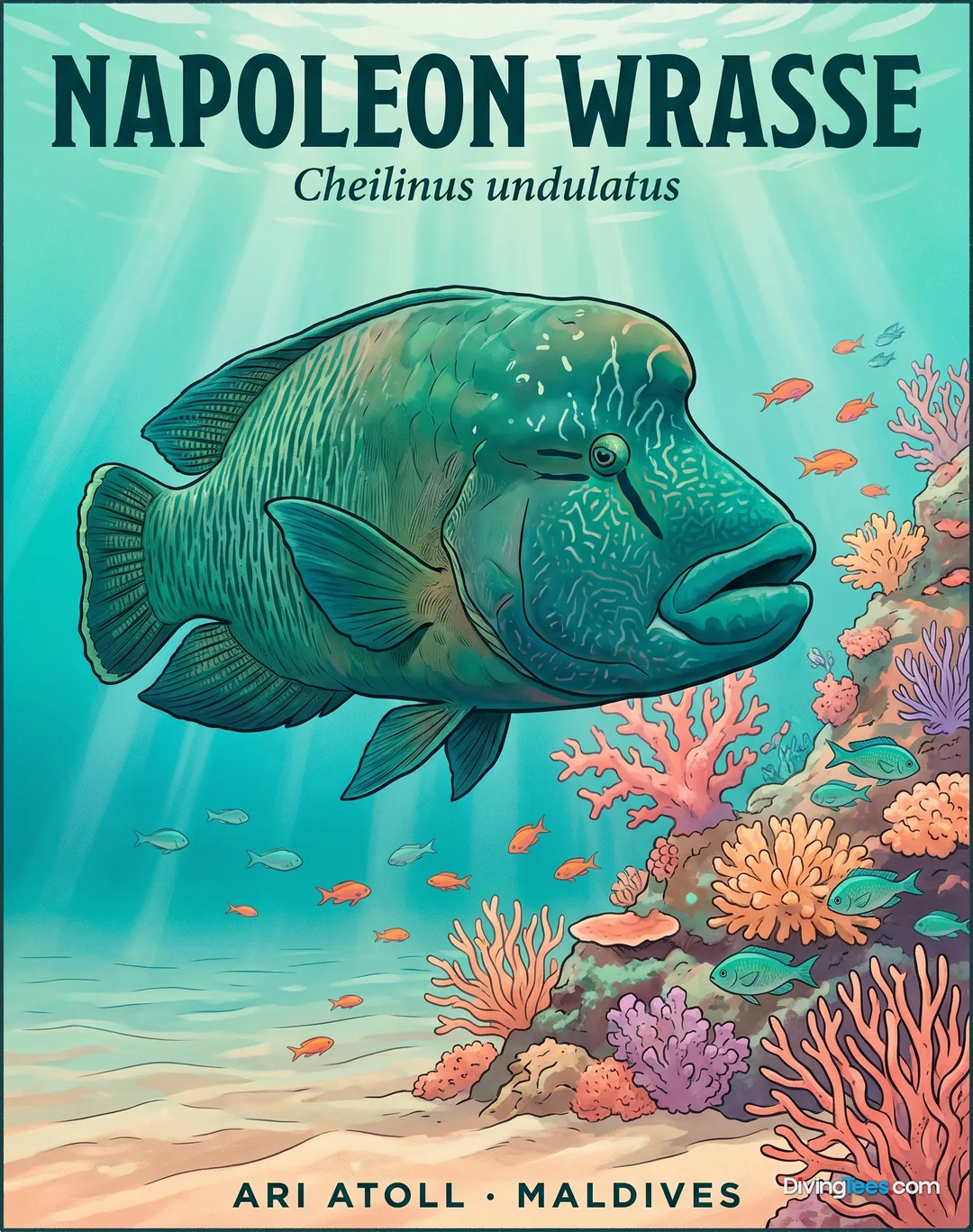
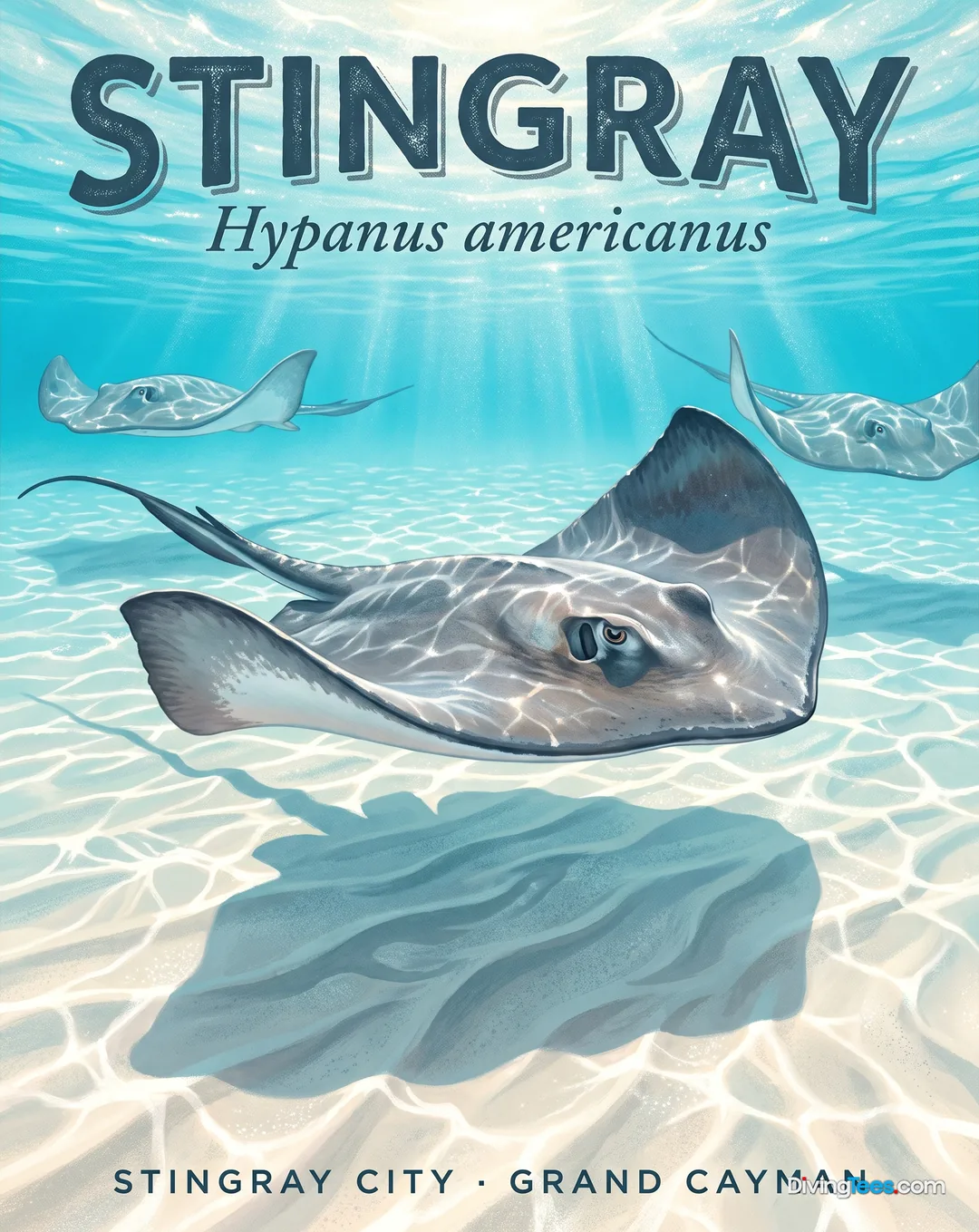
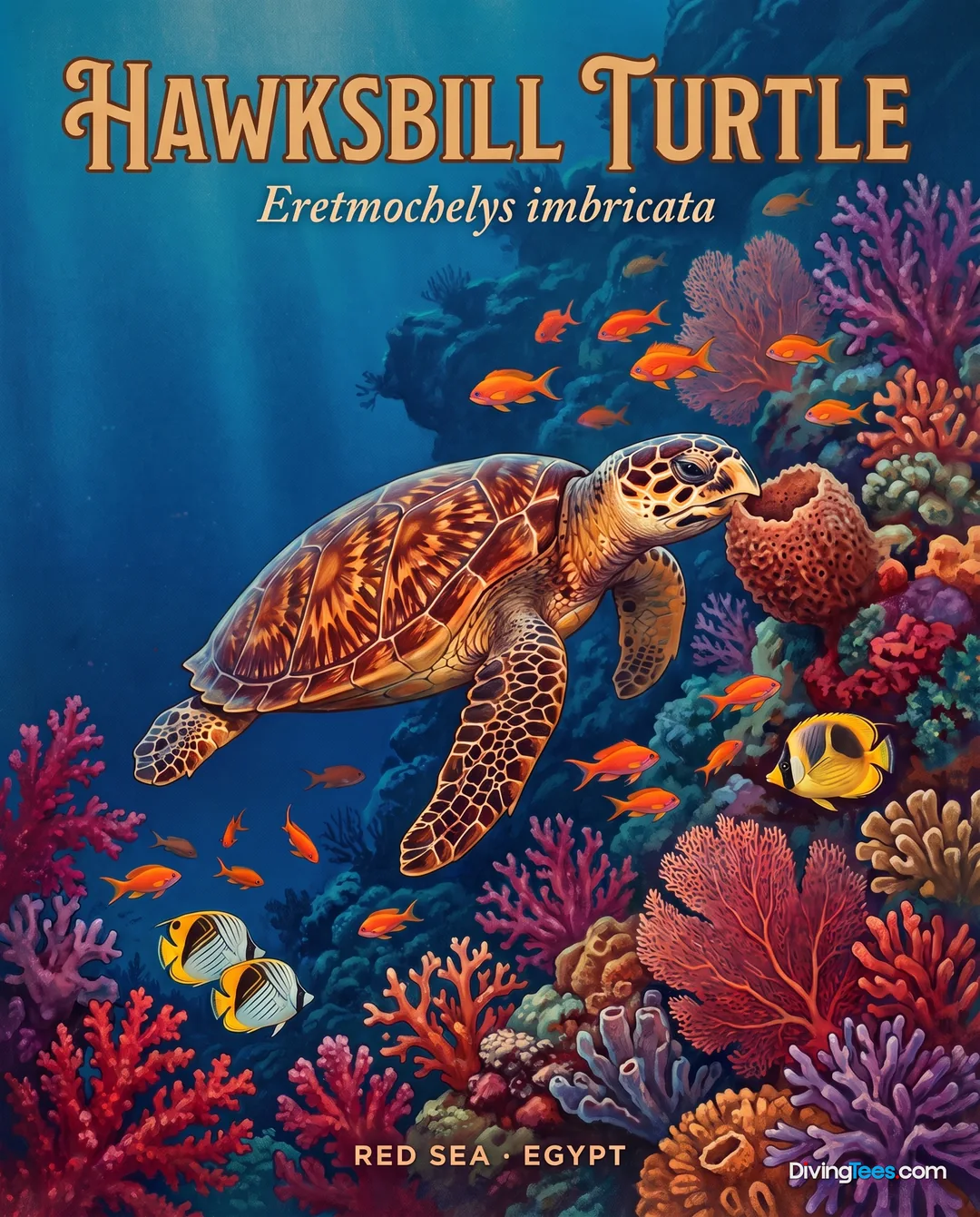
Across this route, the recurring cast is clear: fusiliers, Napoleon wrasse, grey reef sharks, sea turtles, eagle rays, barracudas, manta rays, tuna and jacks. White-tip reef sharks, reef sharks, whale sharks, green turtles, moray eels, batfish and giant trevally appear often enough to shape the route without making any sighting a guarantee. The site-specific encounters are what give individual dives their purpose. Grouper and anthias are recorded at Barracuda Giri; Banana Reef is the place for anemones. Maamigili is where gaterins and porcupinefish enter the picture, while Dhigalhi Haa Marine Reserve is notable for soft coral and gorgonians. Fushifaru Thila Marine Reserve is the named site for stingrays, and Dhigu Thila for hawksbill turtles. At Dhonkalo, mantas gather at the cleaning station; at Maamigili and Maamigili Beiyru, protected South Ari waters offer chances of whale sharks and mantas. Strong current is the common thread: it is what concentrates the pelagic life.

Who puts you in the water
Three guides are listed for the diving operation, and the crew speaks English. Courses are available on board, with diving qualifications also offered as an optional extra. Briefing style, group ratios, minimum logged dives and instructor qualifications are not stated, so the page does not invent them. The safety equipment is substantial: emergency oxygen, first-aid kits, life rafts, life jackets, fire alarms and extinguishers, radar, sonar, GPS, VHF/DSC/SSB radio, locator beacon, fish finder, mobile and satellite phones, and a bilge pump. The vessel also has crew trained in first aid. Divers should expect the guides to shape the plan around currents and conditions, but the exact grouping and qualification requirements belong in the trip information before departure.
The dive deck and the gear
The diving happens from Blue Shadow, a custom-built 19-metre dhoni with a personal station for every diver, space to store accessories and crew assistance during kitting up. Its size matters: the dive operation has room to stay organised even when the boat is carrying its full complement. A toilet with shower is inside the main deck, with two handheld showers at the back for rinsing off after a dive. Scuba and camera equipment have separate rinse tanks, and charging stations support the photo workflow. Two compressors and a nitrox membrane system support the fills; nitrox is available as an optional extra, and DIN adaptors are carried. Rental equipment is available, as are diving courses. The custom dhoni is the single tender, so divers board it for the run to the sites and enter and exit the water from the dedicated diving vessel rather than from the liveaboard itself.
Between dives
Between dives, the boat gives several different ways to come down from the water. The shaded outdoor lounge is the practical choice when the sun is high; the observation deck and upper sun decks are better for watching the atolls pass. The indoor lounge stays cool for reading, downloading photos or escaping the heat, while the jacuzzi offers a softer landing after a demanding current dive. The ocean deck is the unusual space: it keeps divers close to the water instead of lifting them away from it. In the evening, floodlights can draw plankton near the stern, with mantas and whale sharks sometimes coming to feed in the illuminated water. That is not a promised encounter, but it gives the surface interval an extra reason to stay outside.
A day on board
A day on Maldives Master is organised around the diving, not around a sightseeing timetable. The dhoni takes divers from the liveaboard to the site, the guide briefs the current and entry, and the boat collects everyone after the ascent. Between dives, the gaps belong to rinsing gear, checking cameras, eating, sleeping and moving to the next reef. Meals and snacks keep the day supplied without forcing everyone onto the same pace, while the air-conditioned lounge provides a reliable escape from the heat. When the vessel is underway, the dhoni’s top deck gives the better view of the crossing. Later, divers can return to the ocean deck and watch the water under the floodlights, where plankton may attract feeding mantas and whale sharks. The order is simple: briefing, dive, recovery, food, movement, then another descent.
What you eat aboard
Meals are served as a full-board buffet combining Western and local cooking, with vegetarian options available. That format suits a diving boat: divers can choose a light plate before getting wet, return for something more substantial, and take snacks and tea or coffee without turning every meal into a formal sitting. The bar carries beer and wine, while other drinks are separate. Food is one of Maldives Master’s clearest strengths, so the galley matters here more than the decorative extras. After a current dive or a long return across an atoll, a good meal is not background comfort; it is part of how the day is put back together.
Nights at sea
The cabin choice covers Premium Twin/Double, Superior Double, Premium Single and Superior Twin/Double categories. All are air-conditioned and have private bathrooms; the superior cabins add baths, and the upper-deck cabins bring sea views. The single cabins are intended for solo divers, while several twin cabins can be converted to doubles, which is useful when a couple and a buddy group arrive with different sleeping arrangements in mind. Storage is part of the design rather than an afterthought, and daily housekeeping keeps the small spaces usable once wet bags, camera cases and clothes begin to spread. Outside, the boat gives sleeping quarters a counterpoint: the ocean deck, shaded lounges and observation areas let divers hear the water instead of another cabin wall. The cabins are comfortable, but the trip’s best square metres are still on the dhoni and around the waterline.
Premium Twin/Double
Superior Double
Premium Single
Superior Twin/Double
What to know before boarding
Departures and returns are in Malé. Airport transfer is included, and domestic flights are separate when an itinerary requires them. Arriving in Malé the night before boarding is the sensible way to protect the first day on the boat from flight delays. Transfer details are provided with the trip arrangements.
Deck plan
- Year built
- 2024
- Year renovated
- 2025
- Length
- 42 m
- Beam
- 2.5 m
- Maximum number of passengers
- 26
- Number of cabins
- 14
- Number of bathrooms
- 18
- Engines
- 2 × Yanmar 6AYM 829 hp
- Cruising speed
- 10 knots
- Tenders
- 1 custom-built dhoni
- Website
- masterliveaboards.com ↗
Hello, I'm Marina, DivingDeal.com's AI assistant. I answer in detail about hotels, dive centres and liveaboards.

Thinking about the whole trip and the flights? Talk it over with Edith →
Marina is an AI. Some links are affiliate links: DivingDeal may earn a commission, at no extra cost to you. Bookings are made with the partner.