

Himmafushi Scuba Adventure
Google 5/5 (263 reviews)
126 km away as the crow flies
Male · Maldives · Indian Ocean
Max. depth · 30 mMaamigili Beiyru offers consistent encounters with whale sharks and manta rays within the protected waters of the South Ari Atoll Marine Protected Area.
Maamigili Beiyru stretches for approximately 15 kilometres along the southwestern outside of South Ari Atoll, forming the core of the South Ari Marine Protected Area (SAMPA). This designation protects a vibrant ecosystem, specifically designed to preserve the critical habitat for large pelagic species. The topography here is not about intricate reef structures but rather a long, continuous outer reef that acts as a natural highway and feeding ground, drawing in the ocean's gentle giants.
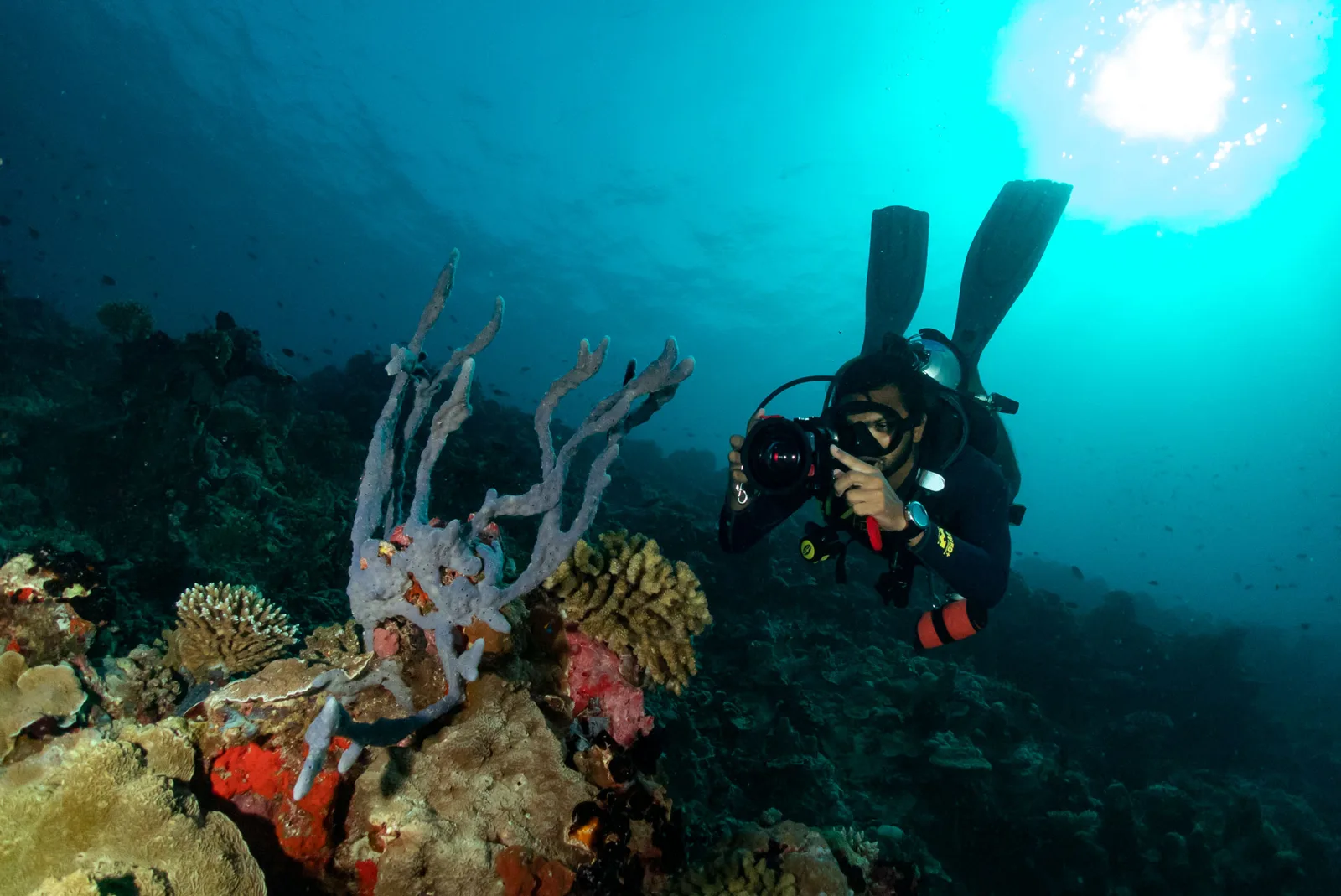
When you descend at Maamigili Beiyru, you'll find the reef sloping gently from a minimum depth of 5 metres down to about 10–15 metres, forming a relatively narrow hard-coral plateau. This plateau then drops off into much greater depths, creating a distinct edge where the pelagic action often unfolds. Your dive profile here is typically guided by the movements of the large filter feeders, inviting you to spend significant time in the mid-water column, scanning the blue.
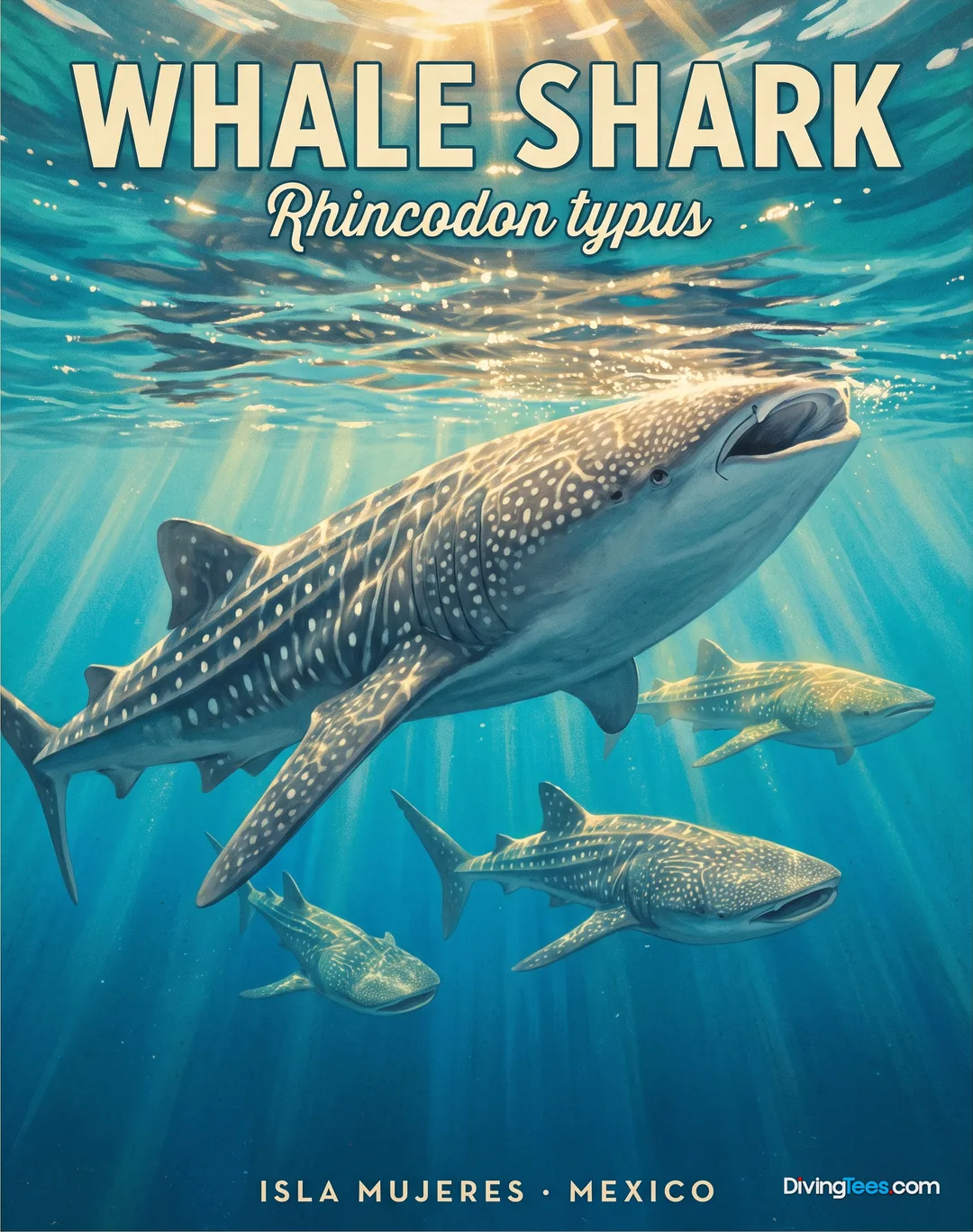
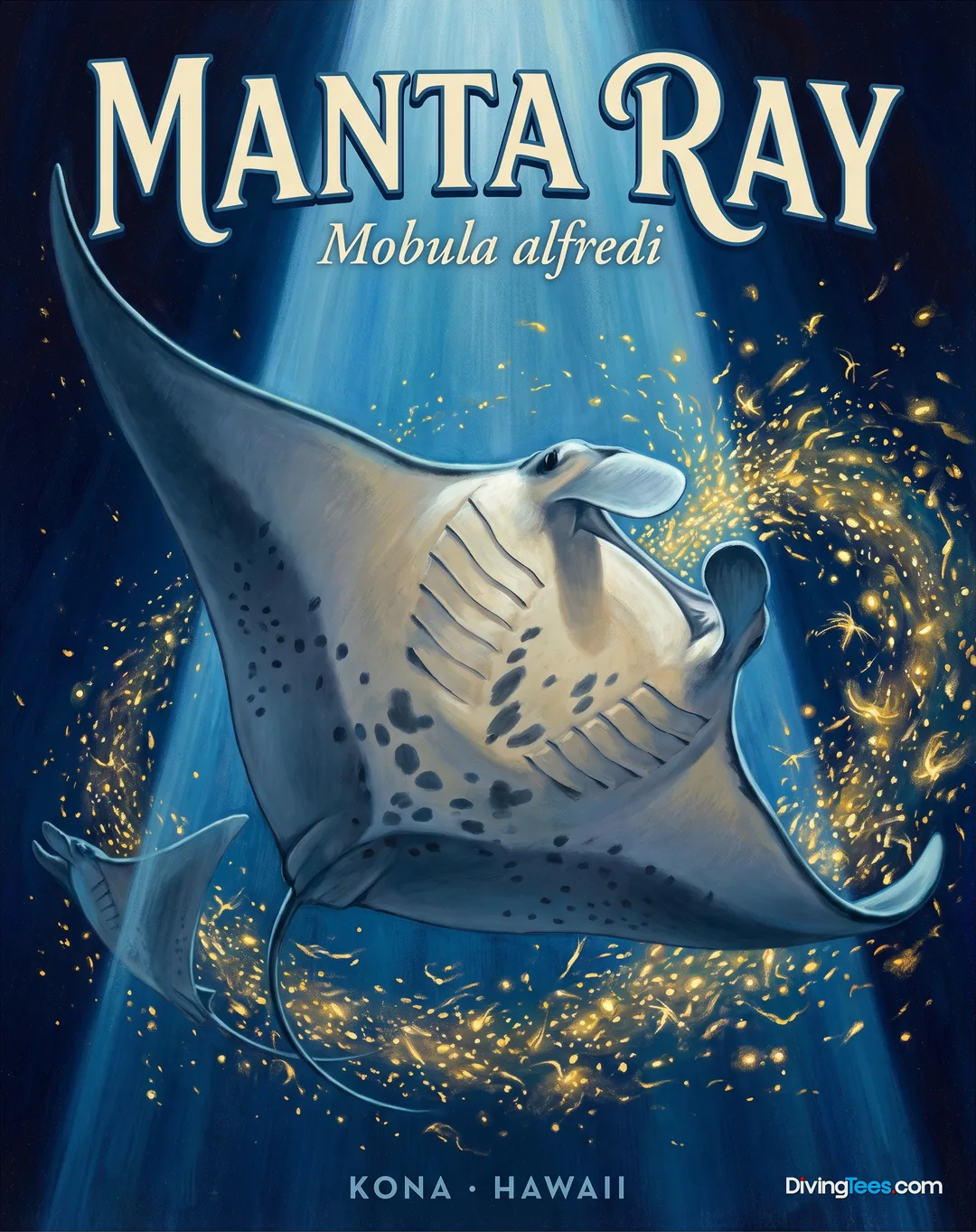
The primary draw of Maamigili Beiyru is its reputation as a year-round aggregation zone for whale sharks (Rhincodon typus), often with multiple individuals present at once. These encounters frequently occur along the coral plateau and drop-off, making it an accessible experience for many divers. The site is also known for consistent sightings of manta rays (Manta birostris), which are drawn to the rich plankton blooms characteristic of the South Ari Atoll.
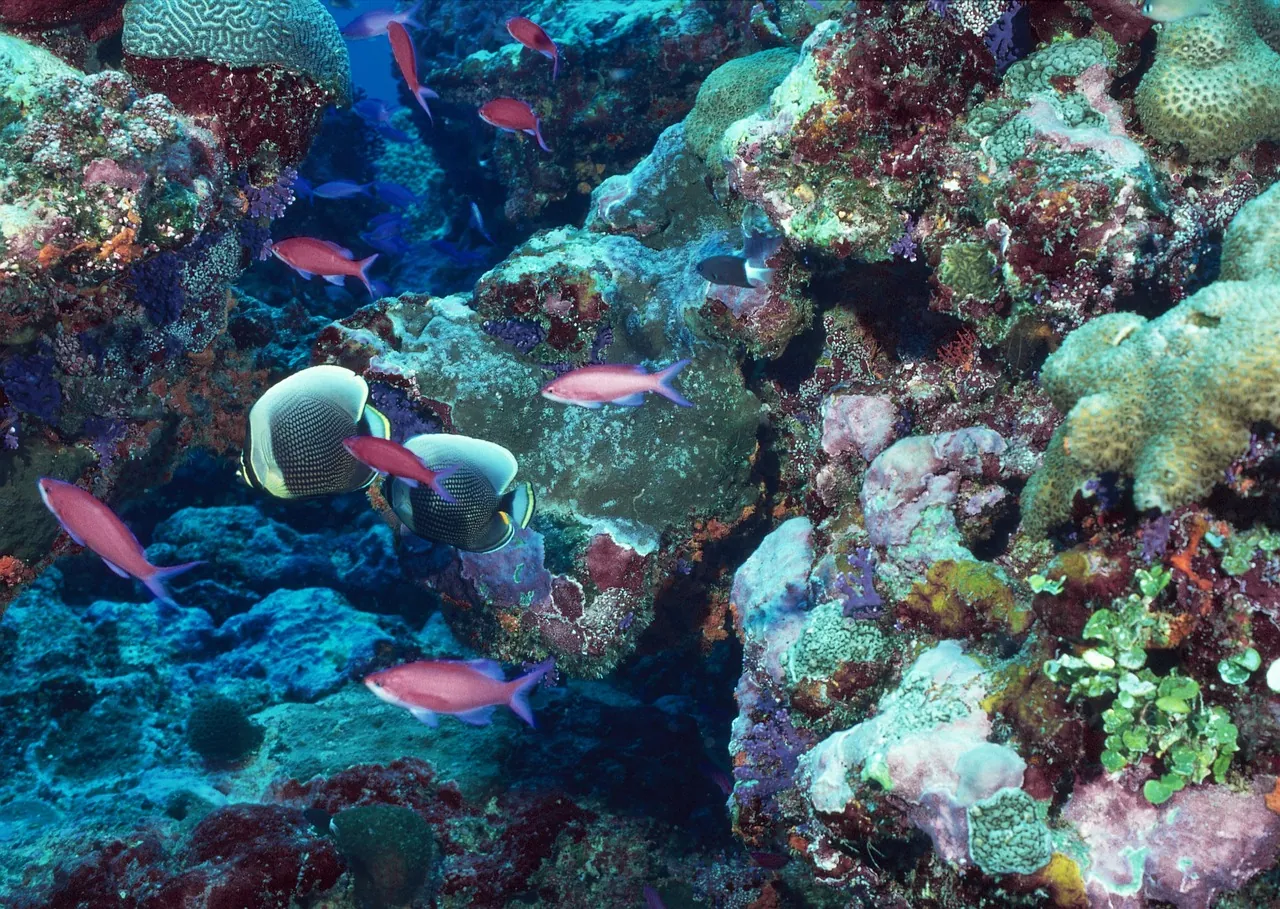
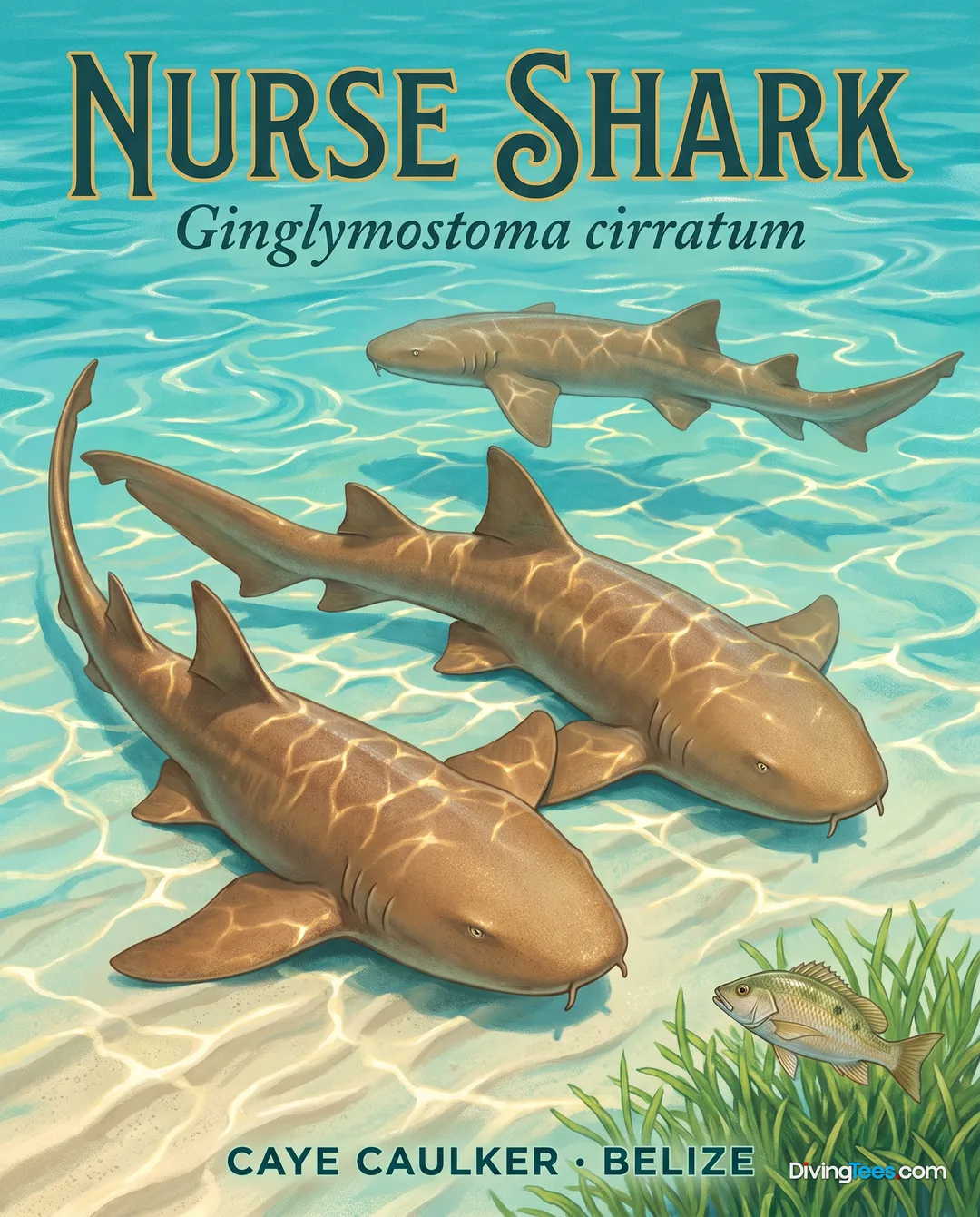
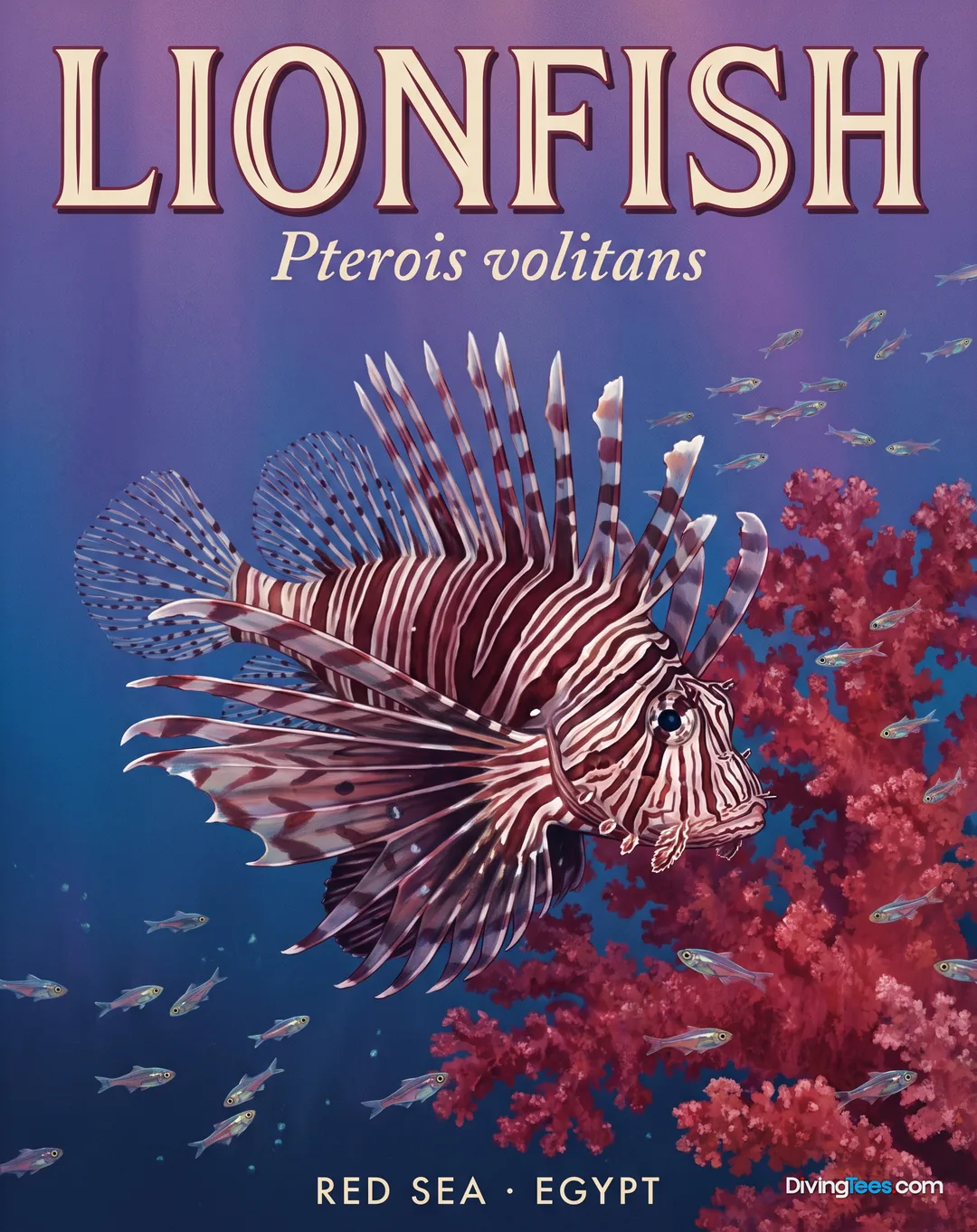
While the focus is often on the large pelagics, the reef itself supports a diverse community. You can expect to see tawny nurse sharks and reef sharks patrolling the deeper sections, while hawksbill turtles and other sea turtles graze on the corals. Lionfish, lobster, angelfish, and butterflyfish are common inhabitants of the reef structure, adding to the visual richness of the dive.
Currents at Maamigili Beiyru are variable. They are typically mild to moderate, but can become stronger, particularly in areas where whale sharks are encountered or along the main drop-off. The strength and direction of the current are influenced by tides and monsoons, so conditions are assessed daily. This variability means you need to be aware of your position and plan your dive accordingly, especially when engaging with pelagic animals in open water.
Visibility here generally ranges from 10 to 25 metres, offering clear views of the expansive blue and the approaching marine life. The best chances for whale shark encounters are reported between January and April, though diving is possible year-round. This site is not about navigating complex swim-throughs; it's about patient observation and gliding through the water, allowing the ocean's rhythms to dictate the dive.
Diving Maamigili Beiyru is an exercise in immersion, not just in the water, but in the natural rhythms of the ocean. The success of a dive often hinges on understanding the subtle cues of the environment, such as plankton movements that attract the filter feeders. It's an encounter-driven dive, where the thrill comes from the presence of these magnificent creatures rather than intricate reef exploration, offering a profound connection to the Maldivian pelagic ecosystem.
Maamigili Beiyru is accessible for divers from beginner to experienced levels, with depths ranging from 5 metres to 30 metres. Most whale shark encounters and reef exploration occur within the 5 to 25 metre range. Currents are typically mild to moderate but can strengthen, especially along the drop-off or during whale shark encounters, requiring good current awareness. Visibility generally ranges from 10 to 25 metres, with whale shark encounters possible year-round, and particularly good chances reported between January and April.
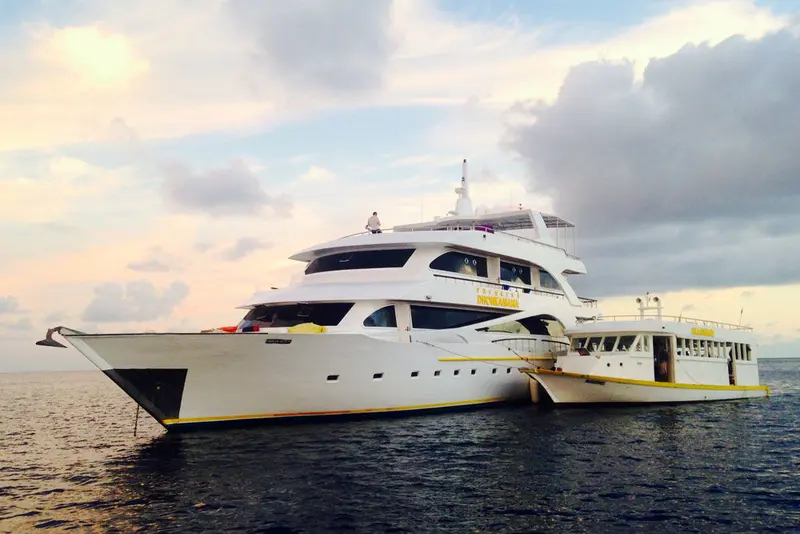
38 liveaboards depart from Male another way to explore the region, over several days at sea.
You can dive Maamigili Beiyru year-round, with particularly good chances of whale shark encounters reported between January and April. Visibility generally ranges from 10 to 25 metres. Daily conditions can vary with tides and monsoons, so the current strength and direction are assessed before your dive.
Maamigili Beiyru is accessible to divers from beginner to experienced levels. The reef slopes gently from 5 metres to about 10 to 15 metres, while whale shark and reef exploration commonly occurs within 5 to 25 metres. You should still maintain good current awareness when conditions strengthen near the drop-off or pelagic encounters.
Maamigili Beiyru ranges from 5 to 30 metres. The reef begins with a gentle slope from 5 metres to about 10 to 15 metres, forming a narrow hard-coral plateau before dropping into greater depths. Most whale shark encounters and reef exploration occur between 5 and 25 metres.
At Maamigili Beiyru, you may encounter whale sharks year-round, along with frequent manta rays, tawny nurse sharks, reef sharks, turtles, lionfish, lobster, angelfish, and butterflyfish. Currents are typically mild to moderate but may strengthen along the drop-off or during whale shark encounters, requiring awareness of your position and dive plan.