
Himmafushi Scuba Adventure
Google 5/5 (263 reviews)
123 km away as the crow flies
Male · Maldives · Indian Ocean
Max. depth · 30 mDescend into Maamigili's outer reef, a core part of the South Ari Marine Protected Area, for consistent encounters with whale sharks and manta rays.
For subtitles in English: start the video firstthen click the gearat the top right of the video, select “Subtitles/CC”, then “Auto-translate” and choose “English”.
Maamigili, also known as Maamigili Beyru or Maamigili Kandu, is an outer reef situated off Maamigili Island at the southern tip of South Ari Atoll. This site forms the core of the 42 km² South Ari Marine Protected Area (SAMPA), a globally recognized aggregation point for whale sharks. The dive profile typically begins on a shallow top reef, around 3 to 6 metres, which gradually slopes to about 10 metres before transitioning into a steeper wall. This wall features overhangs and crevices, extending down to 25-30 metres and beyond, providing a varied topography for exploration.
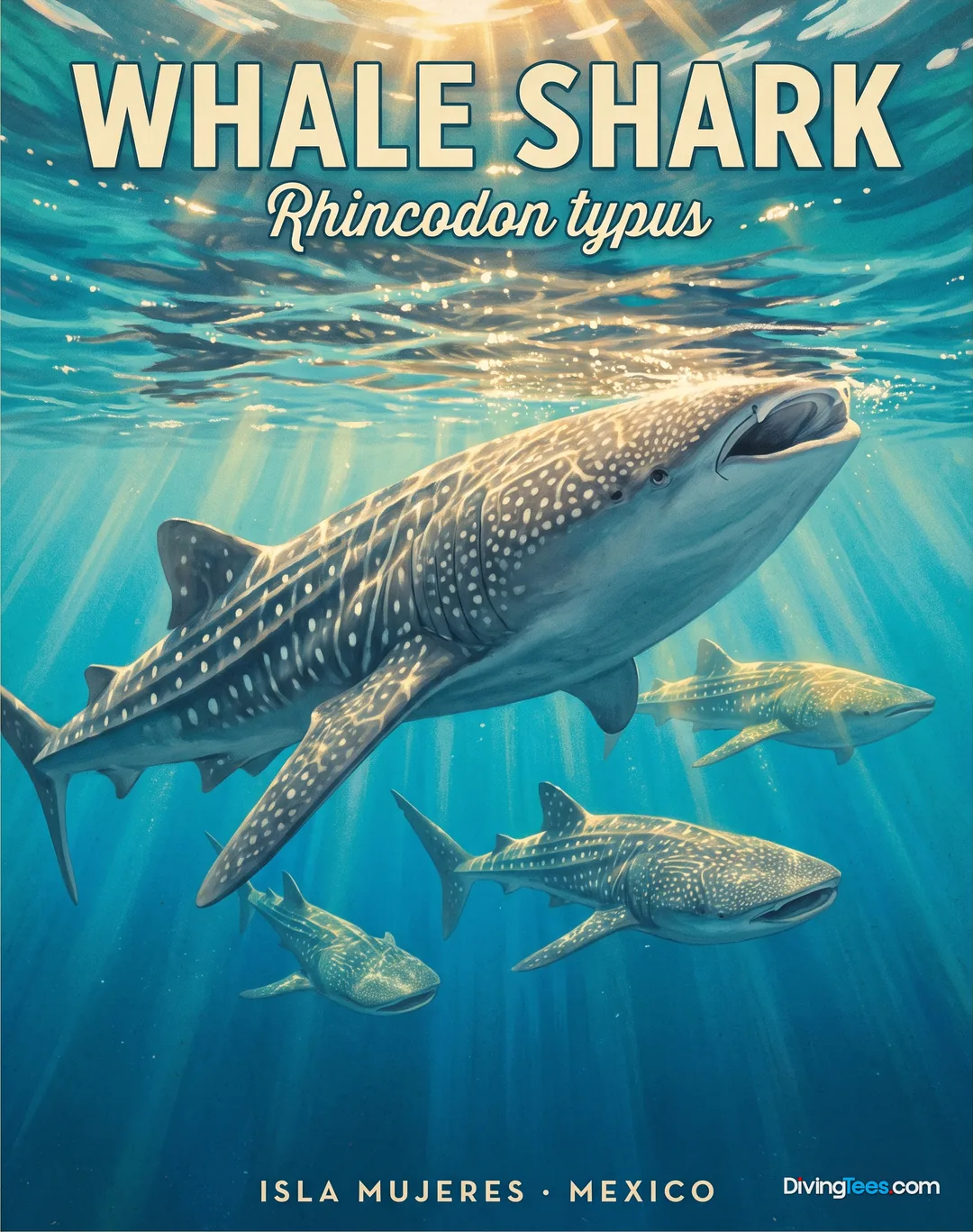
The primary draw to Maamigili is the consistent presence of whale sharks (Rhincodon typus), the largest fish in the ocean. These docile giants are often encountered cruising slowly in the bluer, open water, filtering plankton with their mouths agape. Sharing the water with a whale shark is an experience that redefines scale and interaction, offering a unique perspective on marine life. While whale sharks are present year-round, some periods, particularly from May to November, show higher encounter rates due to increased plankton availability.
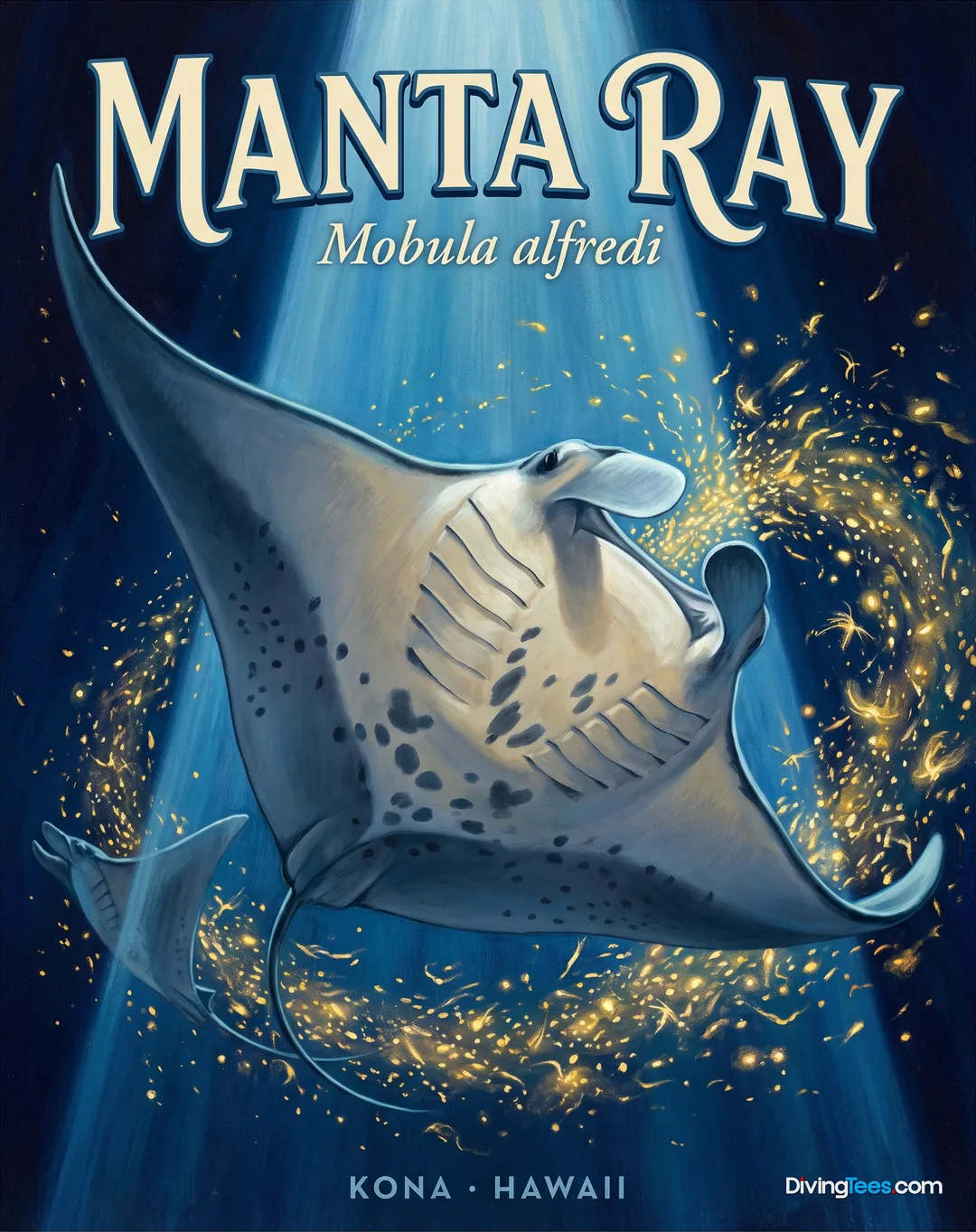
Beyond whale sharks, Maamigili is also a reliable location for observing majestic manta rays (Manta birostris or Mobula alfredi). These filter feeders glide effortlessly through the currents, often performing a balletic display as they feed or visit cleaning stations. The focus of a dive here often shifts to scanning the blue, waiting for these large pelagics to reveal themselves. Observing their methodical patterns provides an intimate look into their serene existence, making for an absorbing dive experience.
The site's location on an outer reef and channel means that currents can be variable, ranging from mild to moderate, typically flowing at 1 to 2 knots. The direction and strength of the current are influenced by tides and monsoons, which dictates the dive approach, whether proceeding with the reef on your right or left shoulder. This dynamic environment requires divers to be comfortable with open-ocean procedures and to maintain good buoyancy control, especially when scanning for pelagics in the blue.
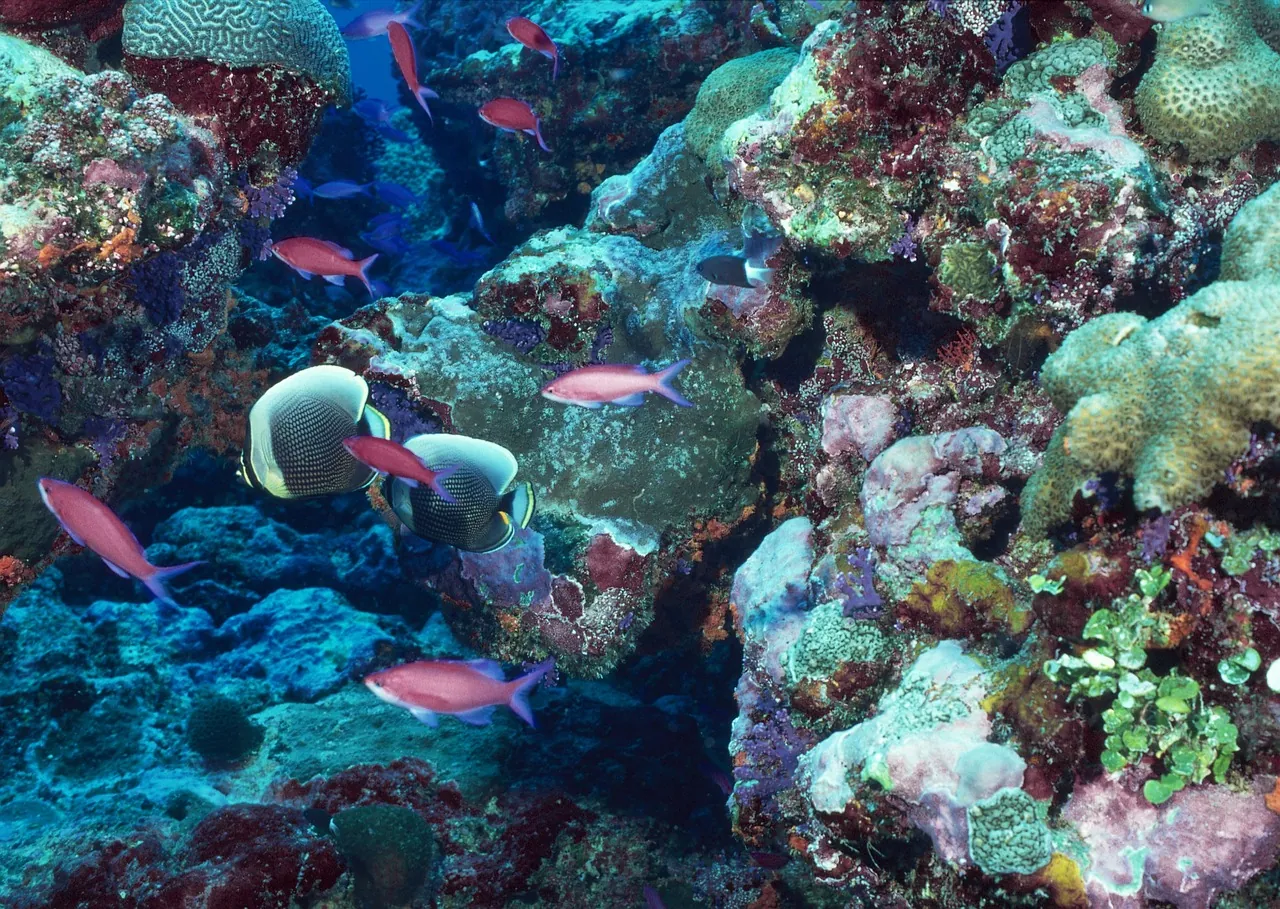
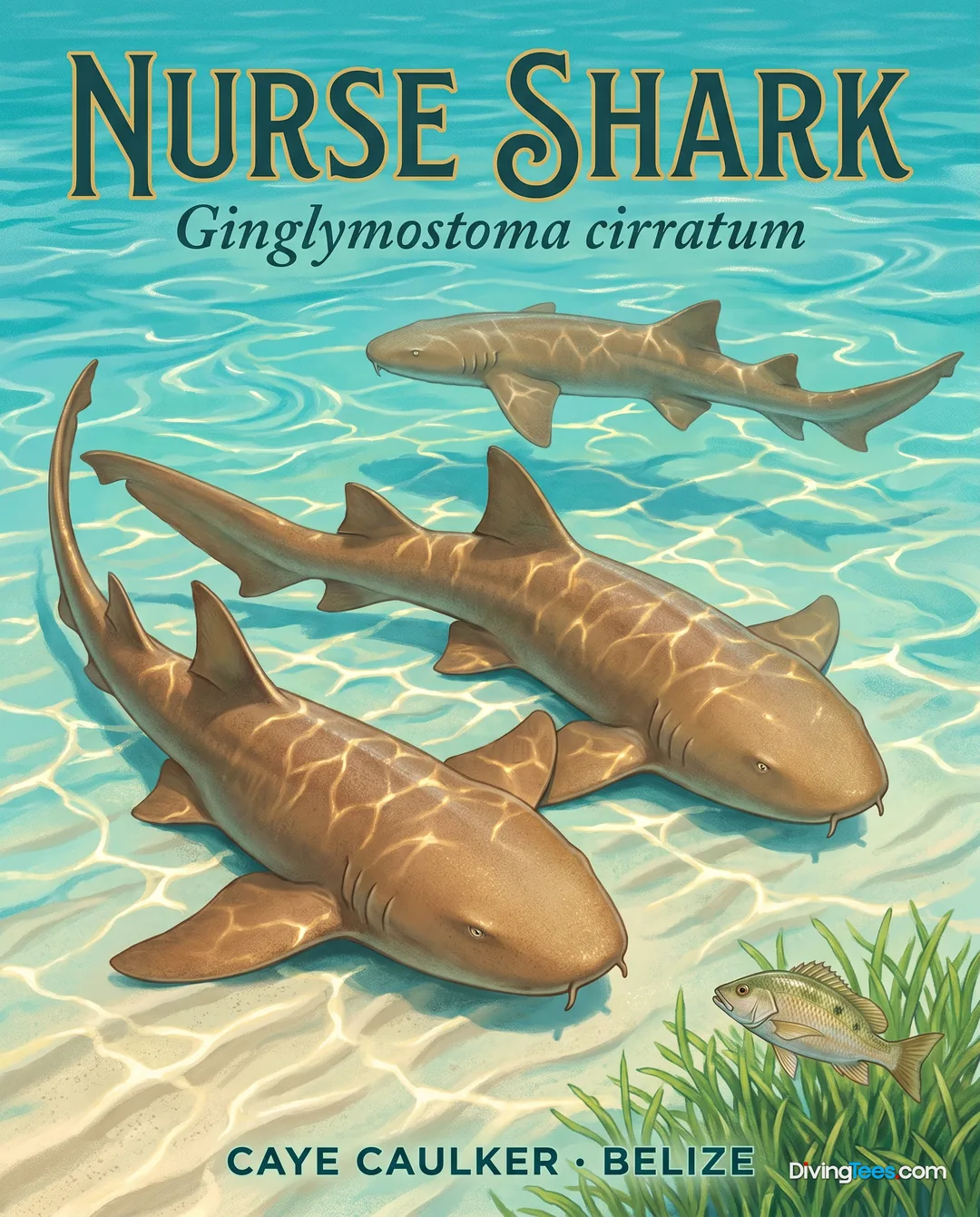
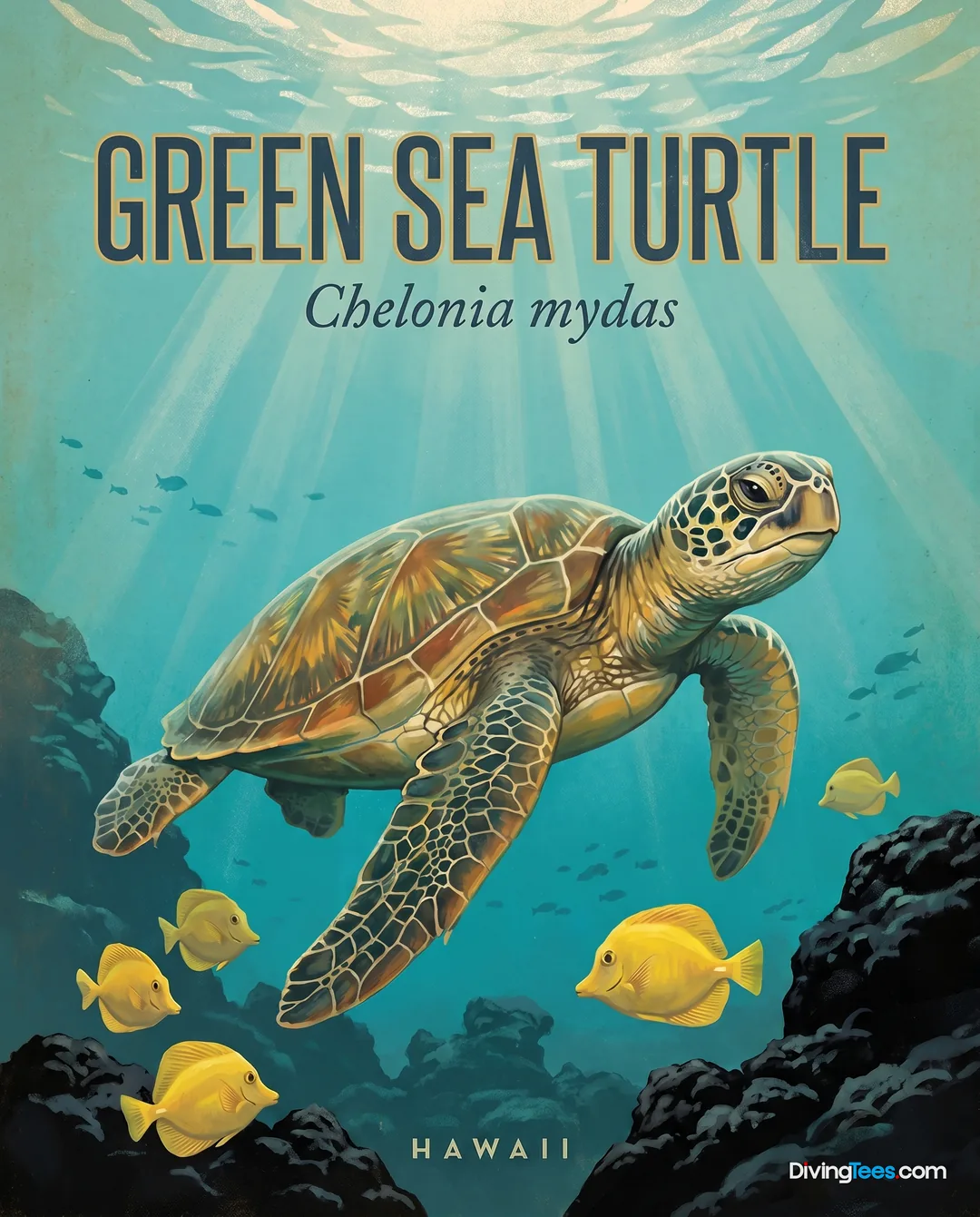
While the emphasis is on large pelagics, the reef itself supports a diverse range of marine life. White tip reef sharks and tawny nurse sharks are commonly seen patrolling the reef. Green turtles and hawksbill turtles are also frequent visitors, often found resting or feeding along the wall. The reef structure provides habitat for schooling reef fish, parrotfish, sweetlips, and porcupinefish, adding to the visual richness of the dive.
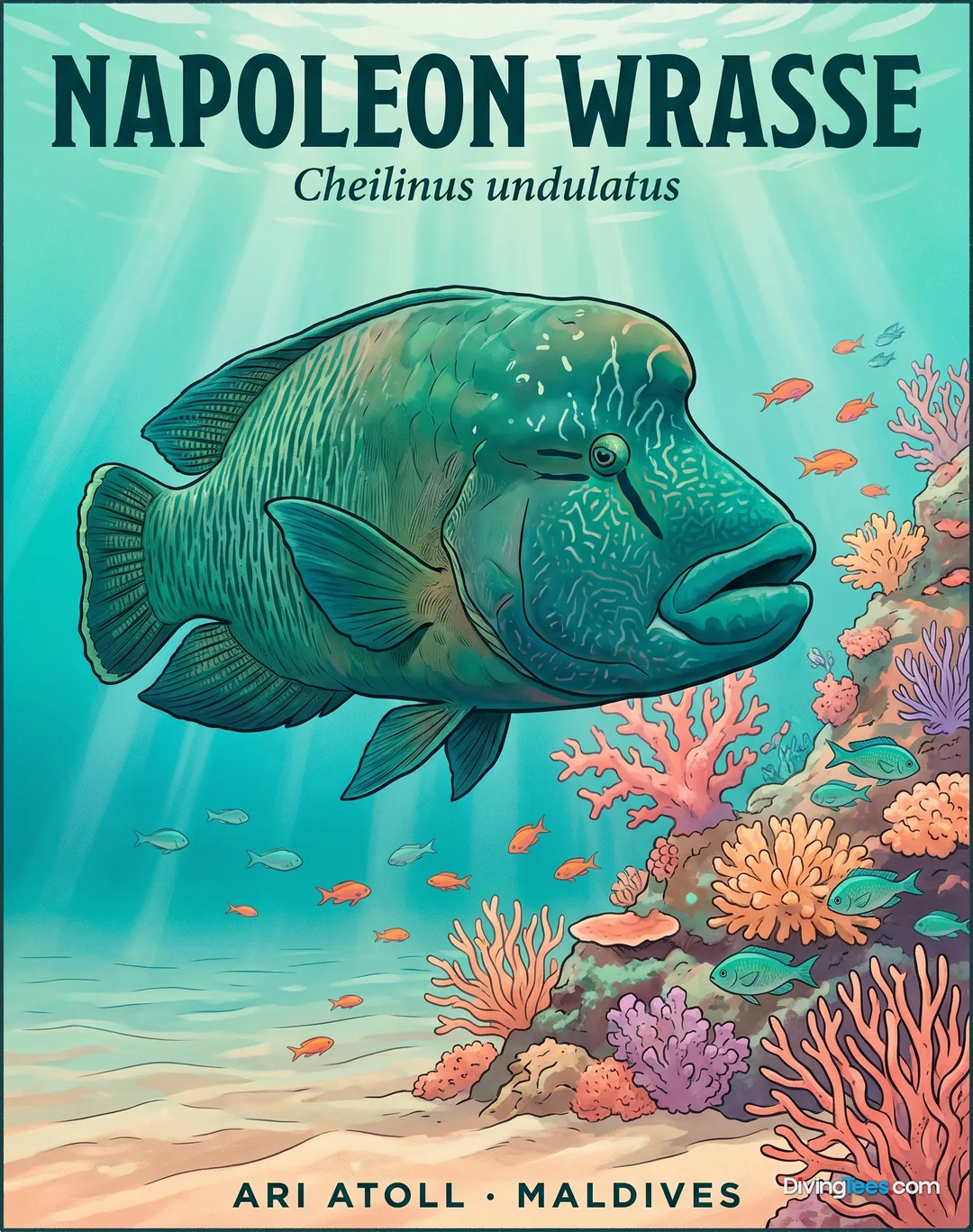
The topography of the wall, with its overhangs and crevices, offers hiding spots for smaller creatures like lobsters. Napoleon wrasse and stingrays are also part of the resident fauna, often encountered along the reef slope. Clownfish, or anemonefish, are typically found nestled within their anemones on the shallower parts of the reef, providing a contrast to the larger pelagic encounters.
Maamigili is heavily utilized for both scuba diving and snorkeling encounters with whale sharks, which can lead to intense boat traffic on the surface. For safety, the use of surface marker buoys and careful ascent procedures are strongly recommended. The site's reputation as the 'whale shark capital' of the Maldives ensures a steady stream of visitors, making awareness of other groups and surface conditions an important part of the dive plan.
Diving at Maamigili is accessible from a minimum depth of 3 metres, with the main reef wall extending down to 30 metres. The site is suitable for all experience levels, provided divers have good buoyancy control and are comfortable with mild to moderate currents and open-ocean boat procedures. Currents are variable, typically 1 to 2 knots, and their strength and direction are influenced by tides and monsoons. Visibility generally ranges from 10 to over 25 metres. The site is diveable year-round, with whale sharks present in all seasons; calmer seas and clearer visibility are often found during the northeast monsoon from December to April.
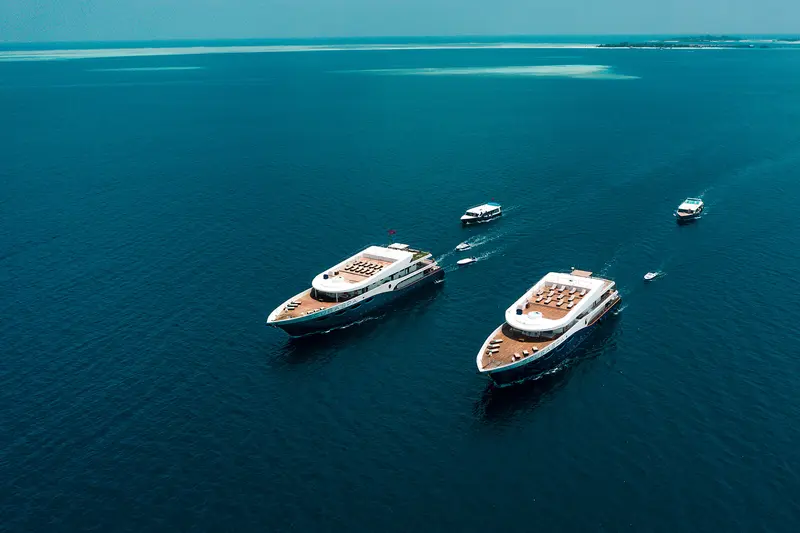
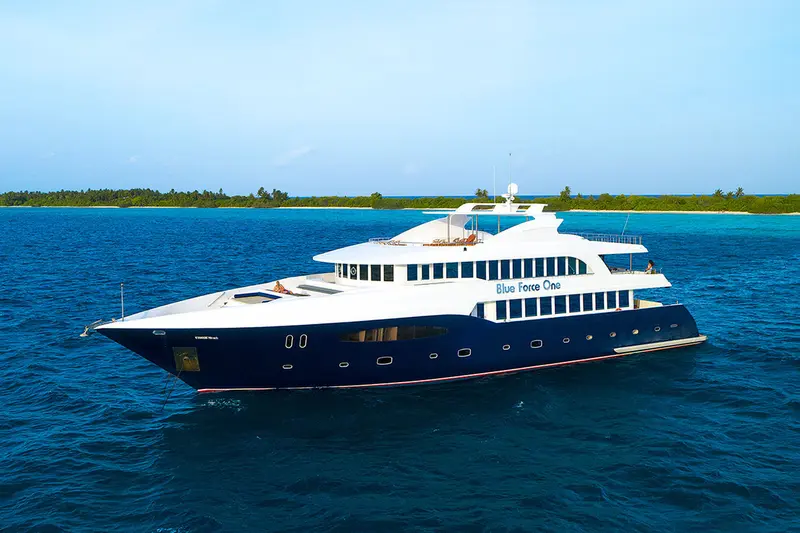
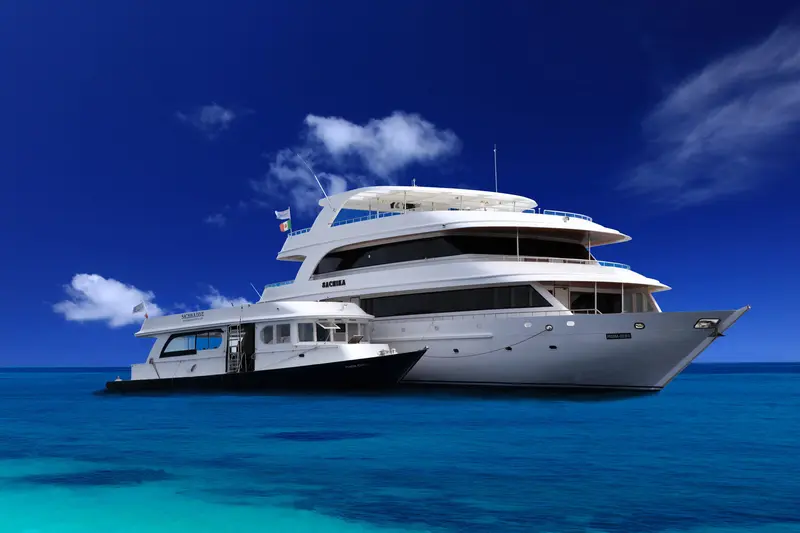
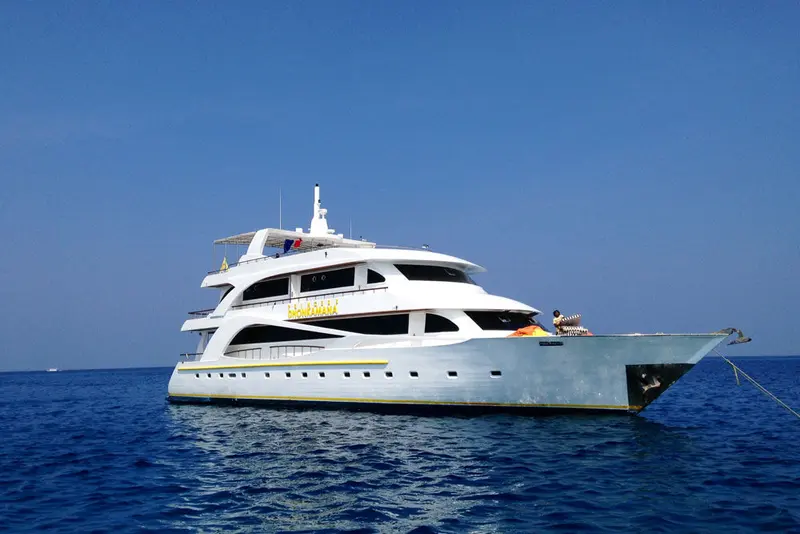
38 liveaboards depart from Male another way to explore the region, over several days at sea.
Maamigili is diveable year-round, and whale sharks are present in all seasons. Calmer seas and clearer visibility are often found during the northeast monsoon from December to April. Whale shark encounter rates may be higher from May to November, when increased plankton availability can attract them.
Maamigili is suitable for all experience levels if you have good buoyancy control and feel comfortable with mild to moderate currents and open-ocean boat procedures. You should also remain aware of surface conditions and other groups, as the site is used heavily for scuba diving and whale shark snorkeling.
Maamigili is accessible from 3 metres, with a shallow top reef around 3 to 6 metres, a slope to about 10 metres, and a wall reaching 25 to 30 metres and beyond. Currents are variable, typically 1 to 2 knots, with strength and direction affected by tides and monsoons.
At Maamigili, you can encounter whale sharks year-round and may see manta rays, white tip reef sharks, tawny nurse sharks, green turtles, and hawksbill turtles. The reef also shelters schooling fish, parrotfish, sweetlips, porcupinefish, Napoleon wrasse, stingrays, lobsters, and clownfish among overhangs, crevices, and anemones.