Sun Siyam Olhuveli
★★★★
★ 9.1/10 (2,464 reviews)
44 km away as the crow flies
Dive centre · Male · Maldives
5.0270 Google reviewsExplore the remote atolls of the Maldives aboard the Princess Maani or the Sachika, with Nitrox included on the Princess Maani.
For subtitles in English: start the video firstthen click the gearat the top right of the video, select “Subtitles/CC”, then “Auto-translate” and choose “English”.
First Class Cruising has been operating liveaboard safaris in the Maldives for 17 years, providing access to the archipelago's most remote and biodiverse atolls. From the central atolls to the deep south, the itineraries are designed to showcase the best of the region's marine life.
Whether you are looking for the high-energy drift dives of the central atolls or the deep-sea encounters in the south, these cruises offer a comprehensive way to experience the Maldives. The focus remains on professional service and a respect for the local ecosystem.
The team consists of four professional instructors, ensuring a high standard of safety and guidance on every trip. You will typically dive in small groups, with a guide-to-diver ratio of between four and six divers per guide.
Instruction and guidance are provided in English and Italian. The crew is trained to handle the specific demands of Maldivian diving, including managing currents and ensuring all safety protocols, such as the availability of oxygen and first aid, are strictly followed.
The centre offers a range of SDI-TDI courses for divers looking to advance their skills or begin their training. This includes everything from fundamental certifications to more advanced training programmes.
The Princess Maani is a large liveaboard vessel featuring 14 cabins and 8 suites. It is well-equipped for long-distance cruising and offers Nitrox as part of the standard service. On board, you will find a jacuzzi, a bar, and a dedicated dhoni for easier access to dive sites.
The Sachika is a second liveaboard option with a maximum capacity of 22 guests. This vessel features 10 cabins and 11 bathrooms, making it a comfortable choice for longer stays. Like the Princess Maani, it includes a dhoni and provides meals consisting of both European and Maldivian cuisine.
Full kit hire is available for those not travelling with their own equipment, including BCD, regulators, wetsuits, fins, masks, and dive computers. This allows you to arrive in Male without the burden of heavy luggage.
Safety equipment on board includes a defibrillator and a dedicated first aid kit. The boats also provide snacks, water, and towels to ensure you are comfortable between dives.
Maaya Thila is a renowned site famous for its impressive marine life, where you can regularly encounter reef sharks. It is a key location for seeing the vibrant life of the atoll.
Fish Head offers an exhilarating drift dive experience. This spot is known for its movement and the presence of reef sharks, making it a favourite for those who enjoy more active diving.
Rasdhoo Atoll provides the opportunity for early morning dives where you may encounter hammerhead sharks. It is a significant location for those seeking these large pelagics.
Fuvahmulah Island is a specialised destination known for encounters with tiger sharks. It is a must-visit for divers looking for these specific large predators.
And some of the dive sites the centre runs.
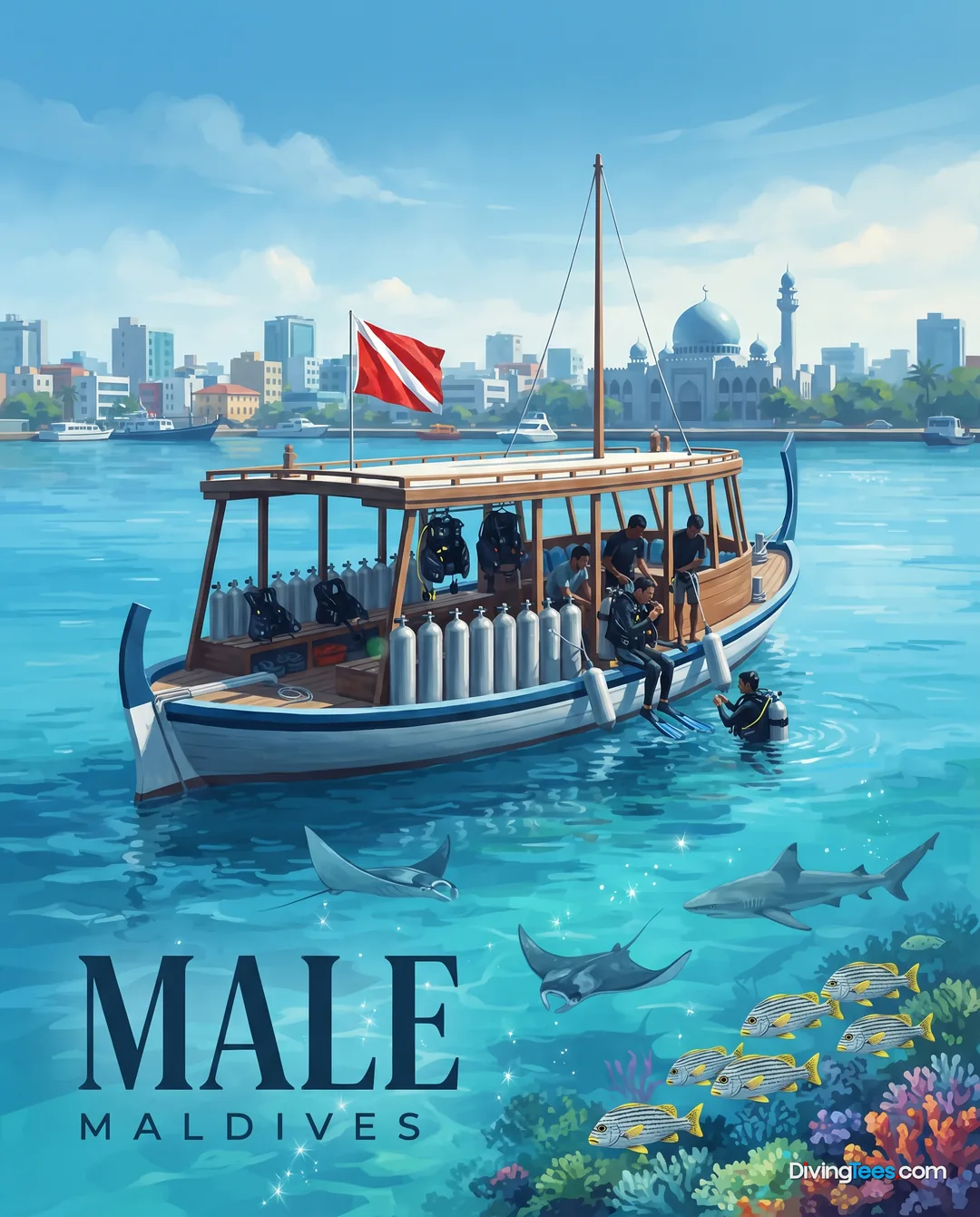
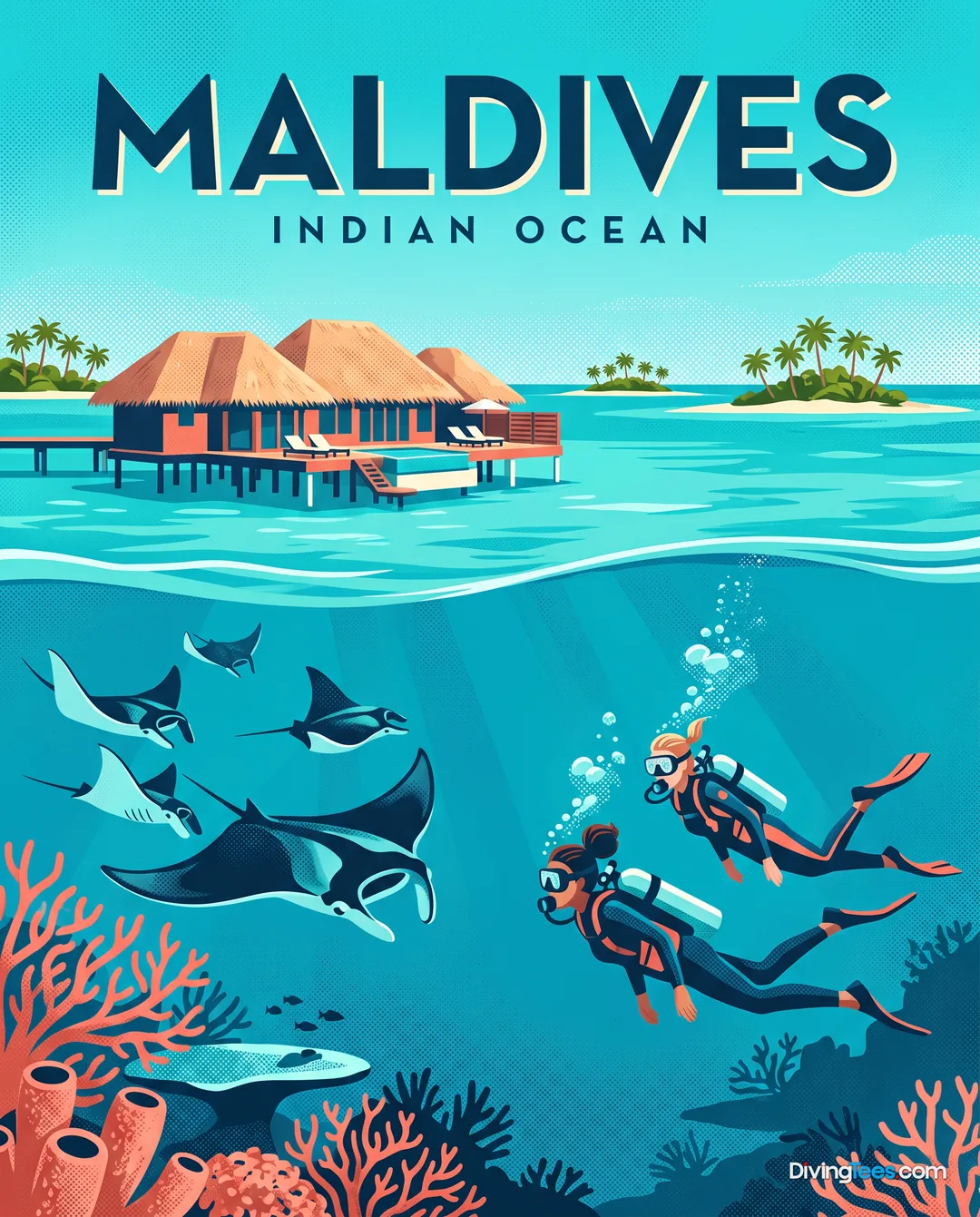
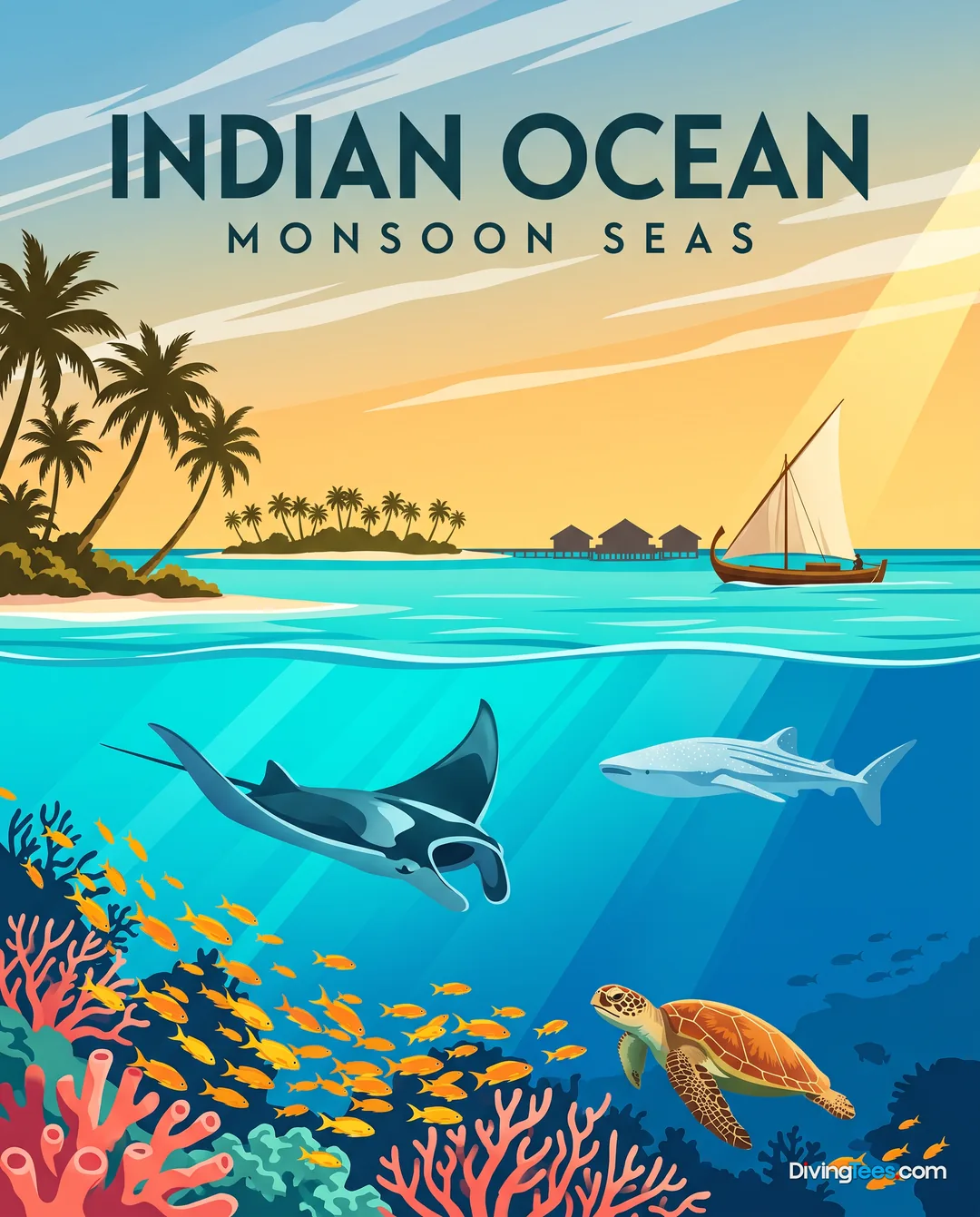
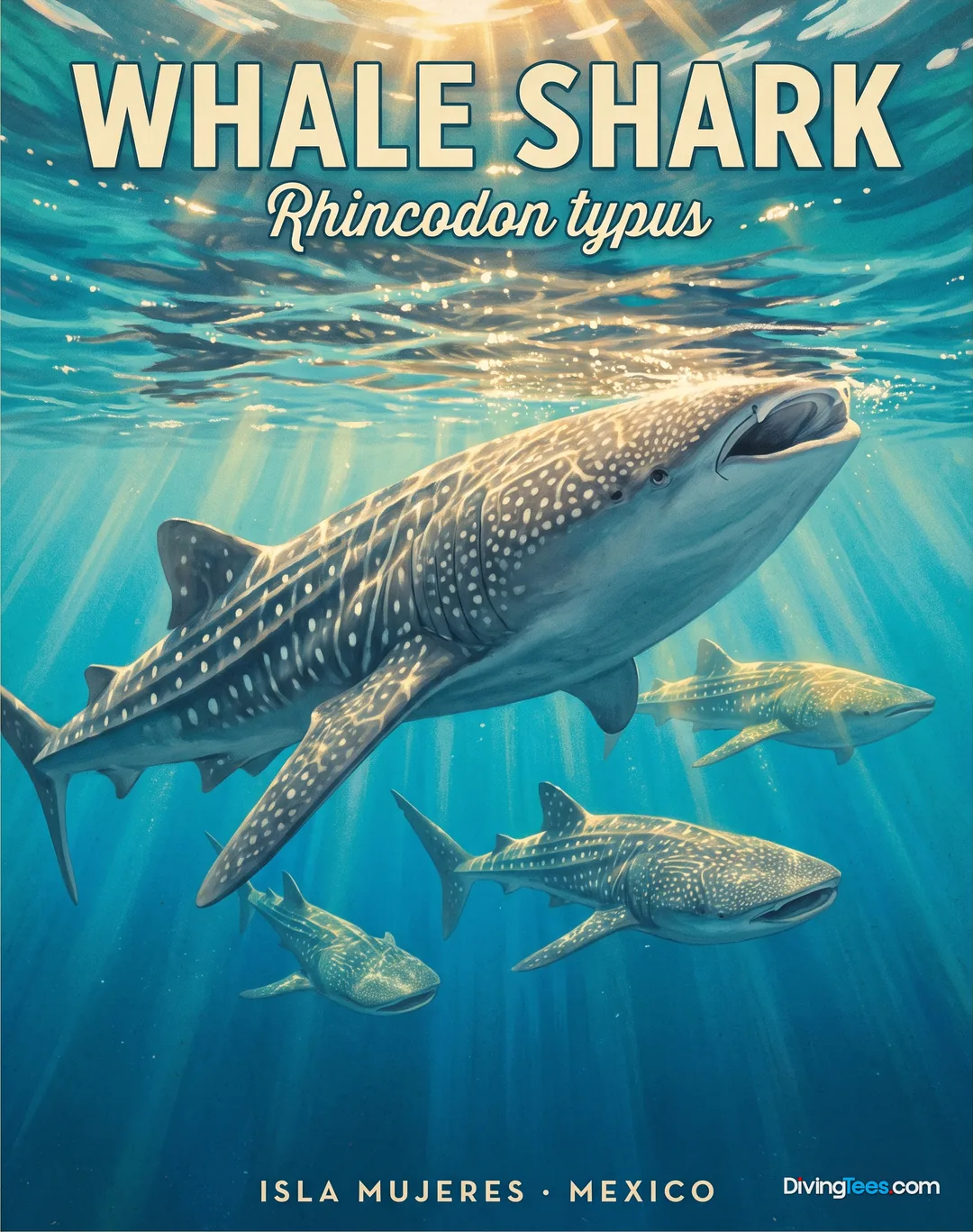
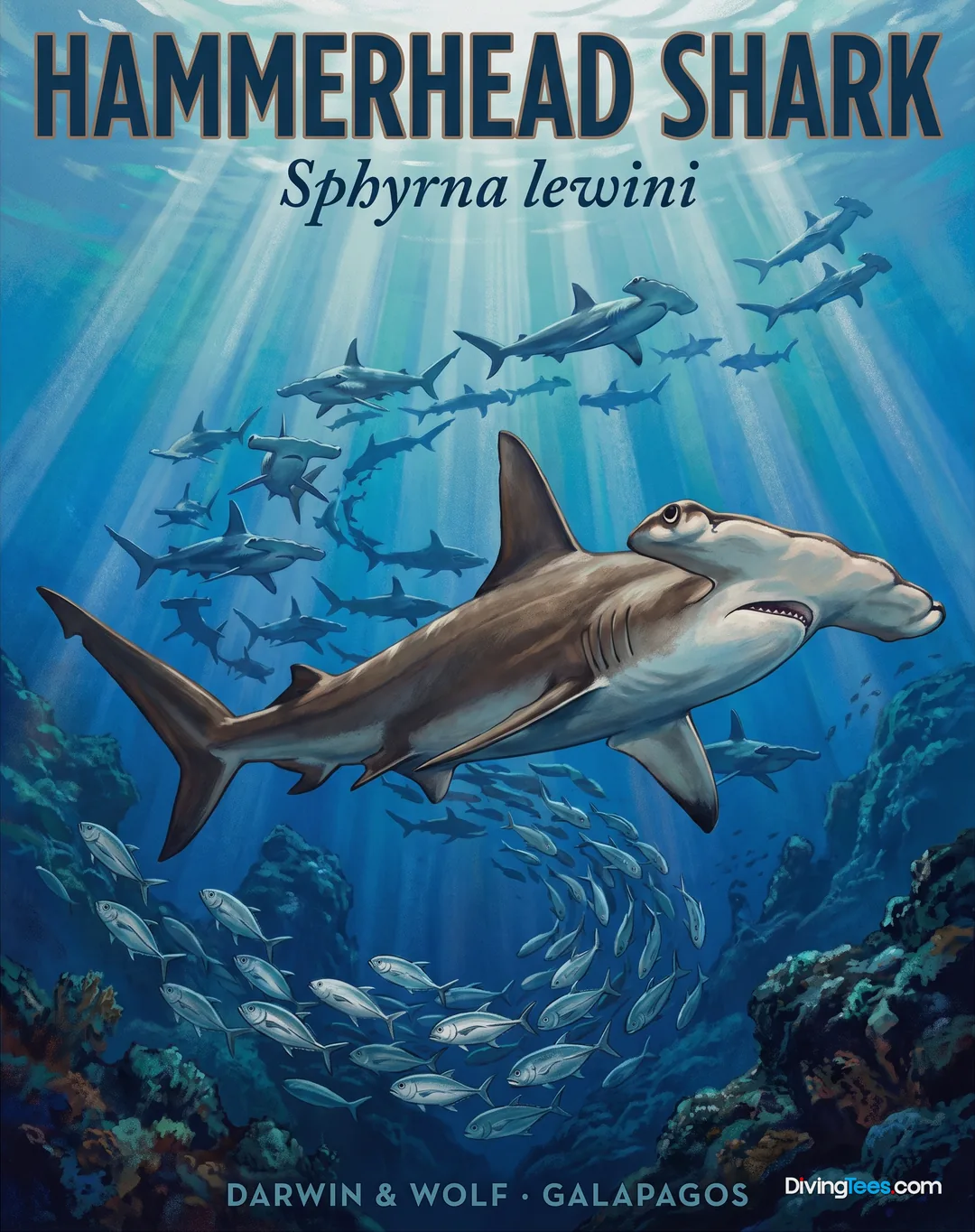
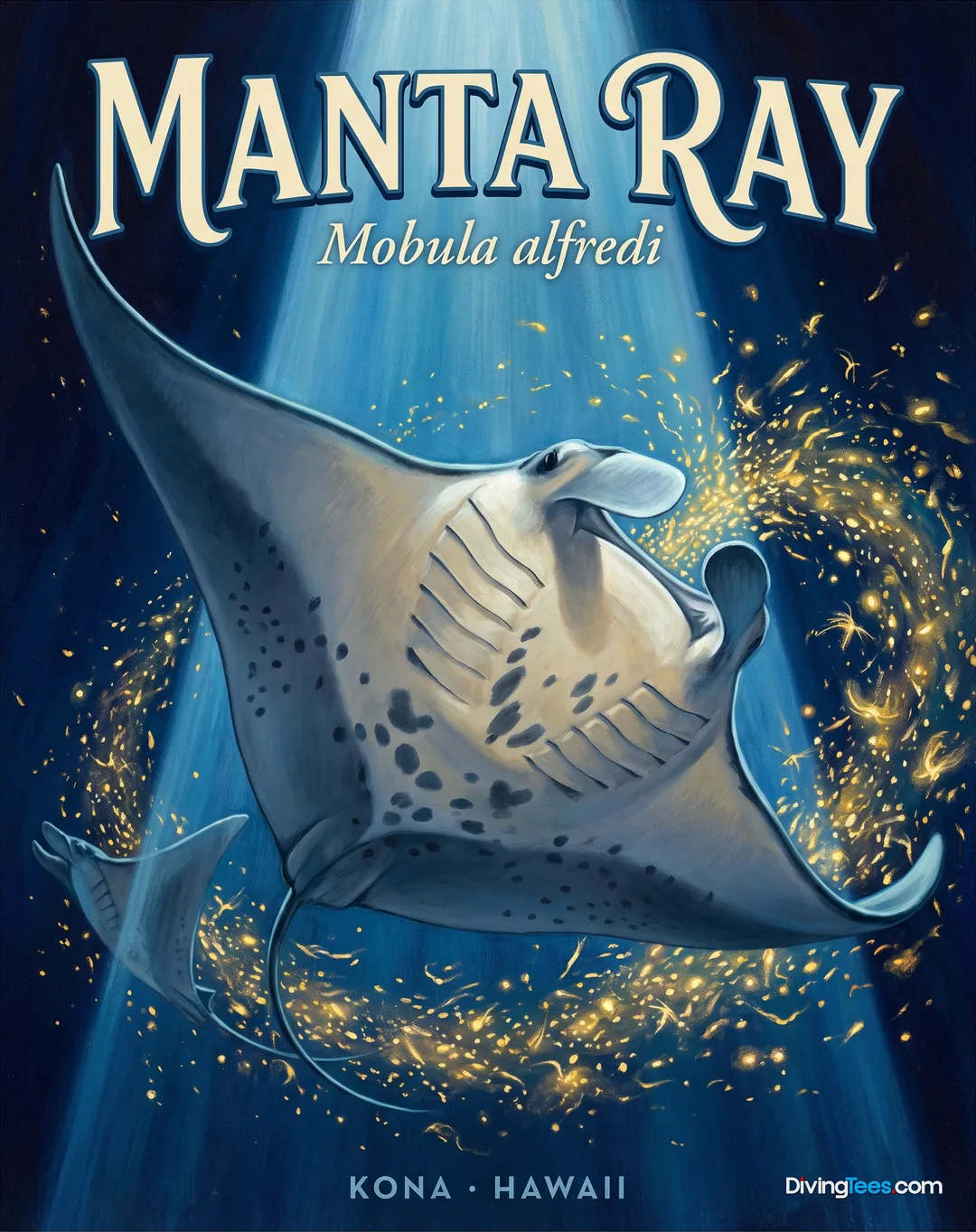
The Maldives offers incredible opportunities to see large pelagics. You can find whale sharks (Rhincodon typus) particularly from May to October in Hanifaru Bay or August to November in the western atolls. Manta rays (Mobula alfredi) are also abundant, especially during the same periods in Hanifaru Bay and Ari Atoll. Hammerhead sharks (Sphyrna lewini) are frequently sighted in the Rasdhoo Atoll, while tiger sharks can be found in the southern atolls between February and April.
Reef life is diverse and visible on almost every dive. You will encounter various species of reef sharks, including Grey reef shark (Carcharhinus amblyrhynchos), Whitetip reef shark (Triaenodon obesus), and Blacktip reef shark (Carcharhinus melanopterus). Other common residents include turtles, stingrays, and various species of colourful reef fish such as snapper (Lutjanus), grouper (Epinephelus), and parrotfish (Calotomus).
For those interested in the smaller details, the reefs are home to a wealth of macro life. Look out for nudibranchs, moray eels (Muraenidae), lionfish (Pterois volitans), and various species of scorpionfish (Scorpaenidae). You may also spot sea anemones (Actiniaria), crabs (Brachyura), and several types of colourful soft coral (Alcyonacea) and hard coral (Scleractinia) decorating the seascape.
The best time to visit is during the dry season from November to April, which typically brings calmer seas and better visibility. For those specifically seeking whale sharks and manta rays, the period from August to November is ideal.
During the wet season from May to October, you may encounter stronger currents, which are often excellent for drift diving. This period also sees an increase in plankton, which can reduce visibility but attracts large species like manta rays and whale sharks.
Hello, I'm Marina, DivingDeal.com's AI assistant. I answer in detail about hotels, dive centres and liveaboards.

Thinking about the whole trip and the flights? Talk it over with Edith →
Marina is an AI. Some links are affiliate links: DivingDeal may earn a commission, at no extra cost to you. Bookings are made with the partner.
★★★★
★ 9.1/10 (2,464 reviews)
44 km away as the crow flies
★★★★
★ 9.2/10 (772 reviews)
11 km away as the crow flies
★★★★★
★ 9/10 (2,711 reviews)
6.3 km away as the crow flies
★★★
★ 8.9/10 (470 reviews)
17 km away as the crow flies
Your last day stays dry: no diving in the 18-24 hours before a flight the perfect window to see the destination from another angle.
 Culture
⏱ 3 h · ★ 5.0 (54 reviews)
from €34
see on Viator ↗
 Culture
⏱ 3 h · ★ 5.0 (323 reviews)
from €53
see on Viator ↗
 City
City⏱ 5 h
from €550
see on Viator ↗
Ratings and reviews collected by Viator and Tripadvisor.