
Himmafushi Scuba Adventure
Google 5/5 (263 reviews)
94 km away as the crow flies
Male · Maldives · Indian Ocean
Max. depth · 30 mFushi Kandu offers a classic Maldivian channel dive, where the incoming or outgoing tide orchestrates encounters with grey reef sharks and schooling pelagics.
Fushi Kandu Marine Reserve is a channel dive, a 'kandu' in the local language, located on the eastern side of Laamu Atoll. This channel runs between the outer reef and the inner lagoon, stretching about 850 metres wide and 850 metres long. The protected area encompasses sections of the channel itself, its oceanic mouth, and the surrounding outer reef, which drops off into deeper water. Within the channel, several thilas rise from depths of 30 to 40 metres, adorned with gorgonian sea fans and hard corals, providing structure and shelter.
The currents here are a defining feature, typical of an atoll channel. Tidal flows dictate the conditions, ranging from light to strong, and are often utilized for drift diving. Your dive plan will typically align with either an incoming or outgoing current, as these movements bring in the pelagic life. This dynamic water movement ensures a constant supply of nutrients, contributing to the health of the coral ecosystems and attracting a diverse array of marine species.
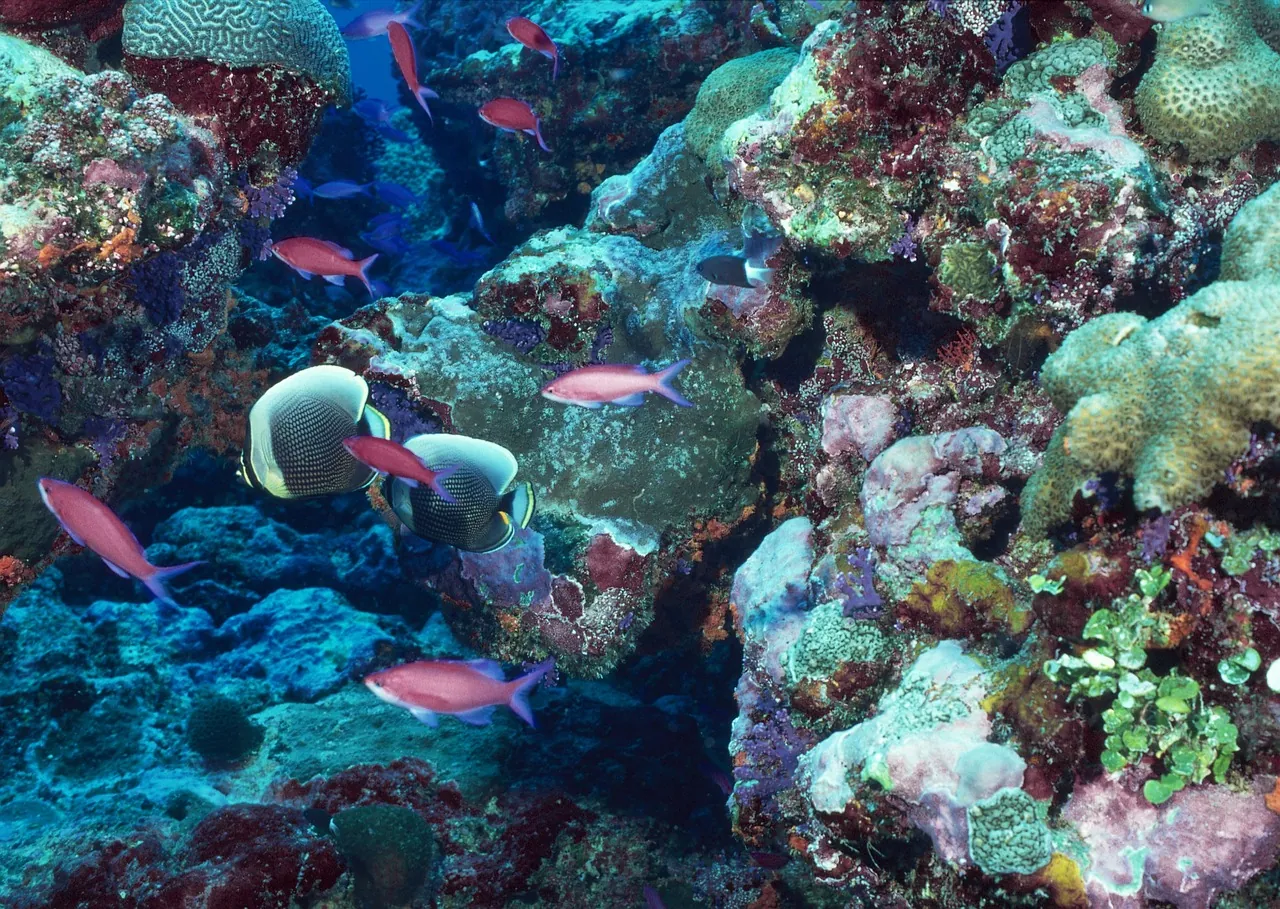
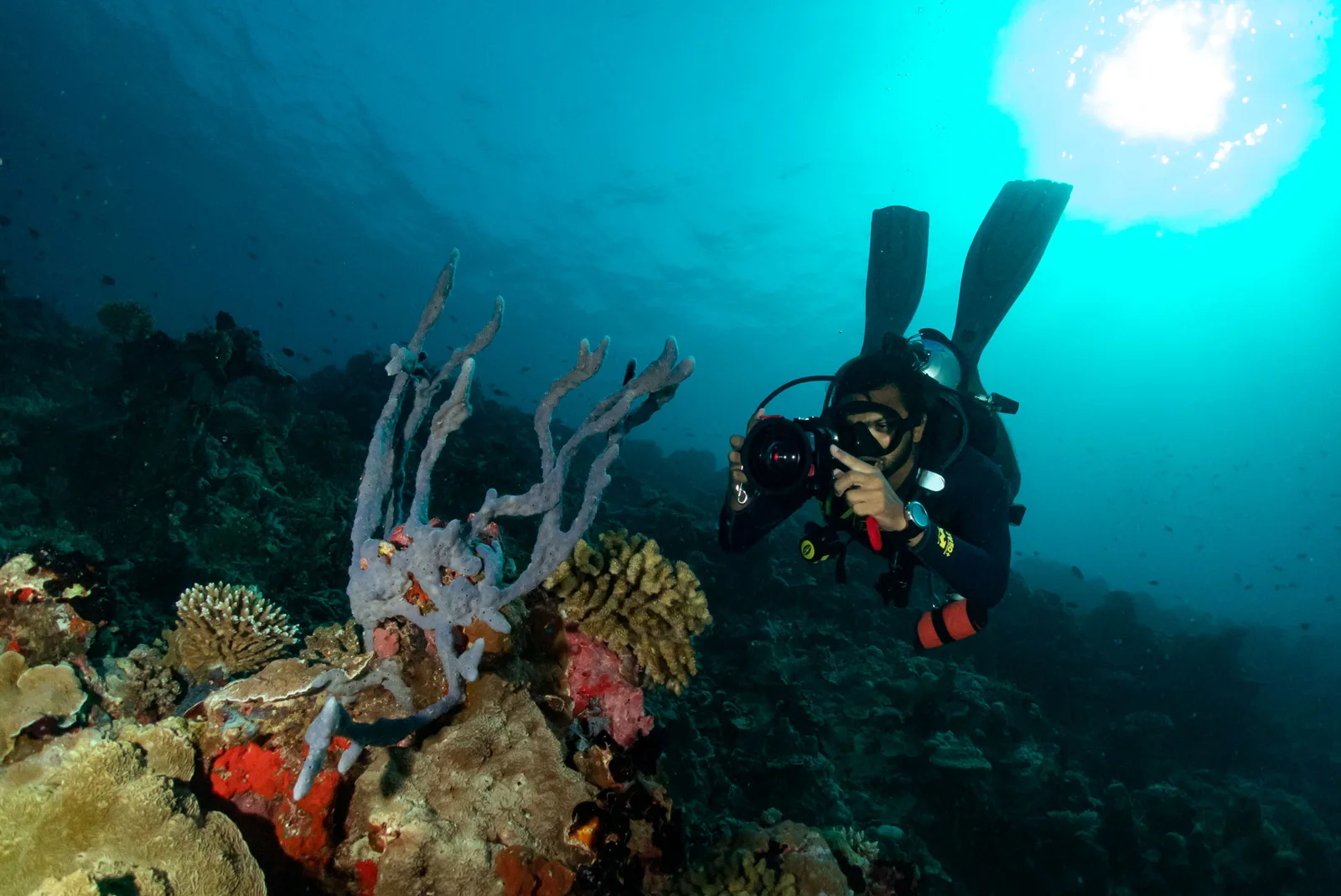
As you descend along the reef, the vibrant coral structures immediately signal the health of this protected area. The clear water allows sunlight to penetrate deeply, illuminating the intricate details of both hard and soft corals that blanket the reef walls. This rich backdrop supports a thriving ecosystem, from the smallest reef fish to the larger predators that patrol the channel, creating a visually engaging environment throughout the dive.
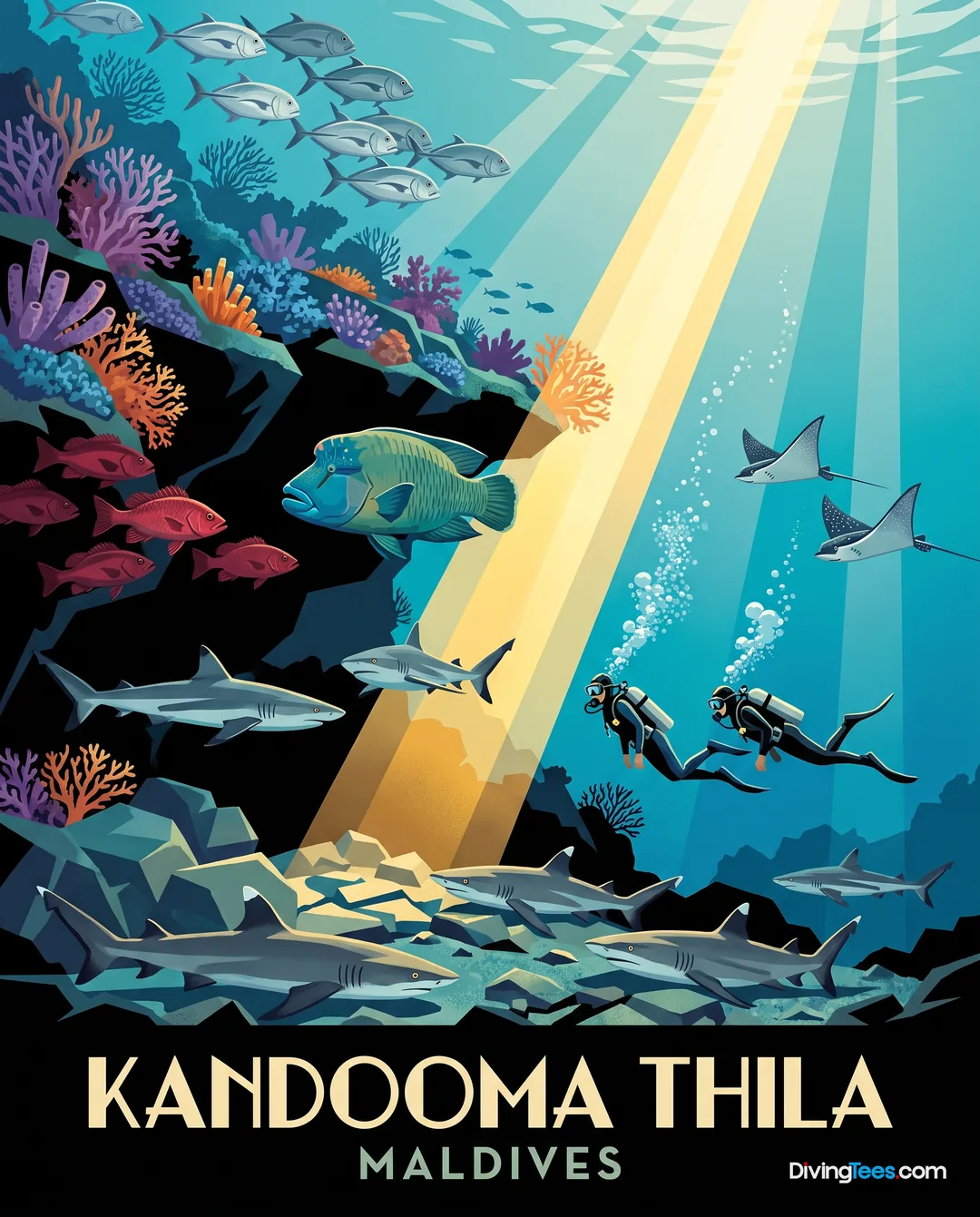
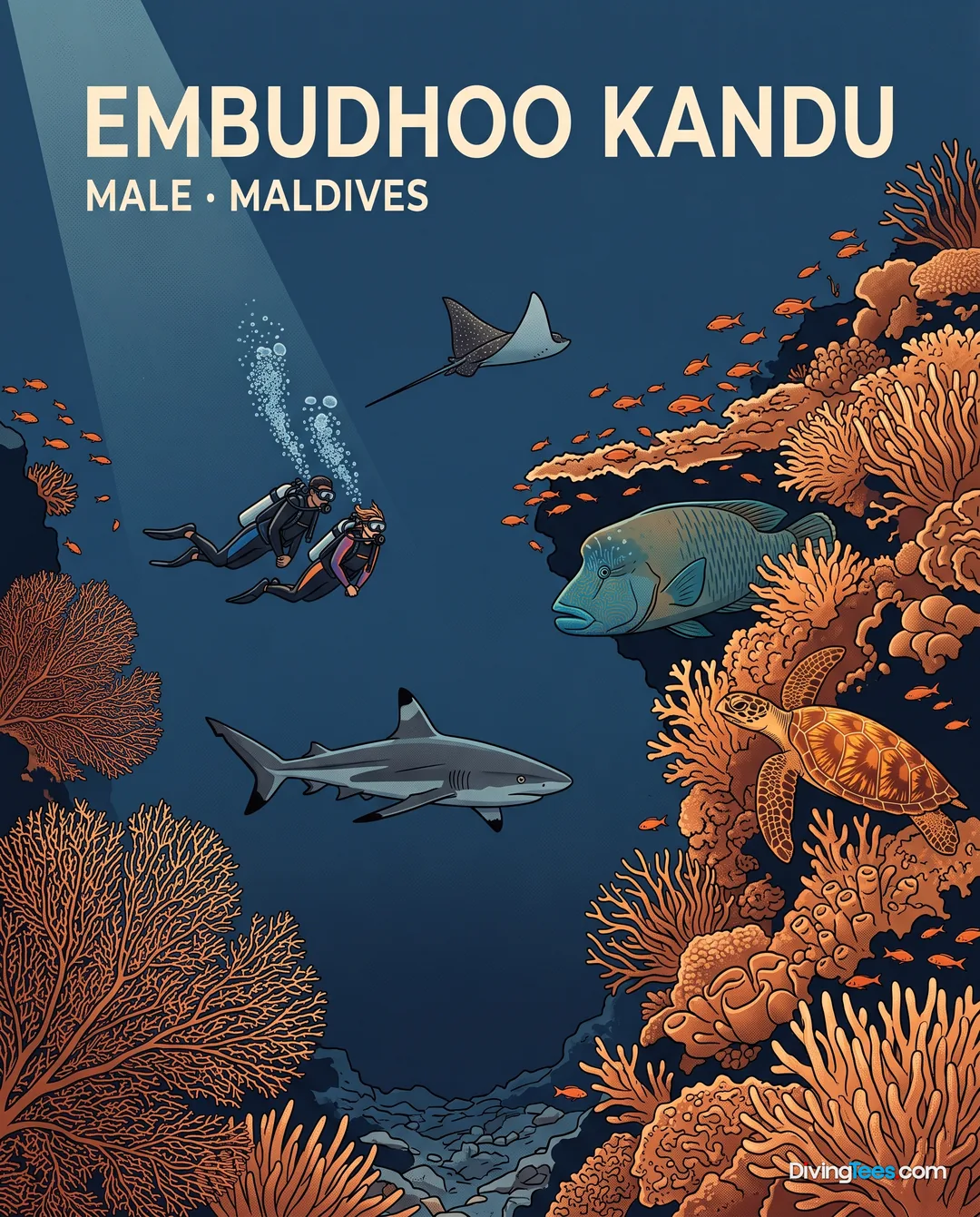
One of the primary draws of Fushi Kandu is the consistent presence of its resident shark populations. You will often find white tip sharks (Triaenodon obesus) cruising gracefully near the deeper sections of the reef, weaving between coral formations. Deeper out in the channel, the more imposing grey reef sharks (Carcharhinus amblyrhynchos) patrol with fluid, confident movements, a central part of the Fushi Kandu experience.
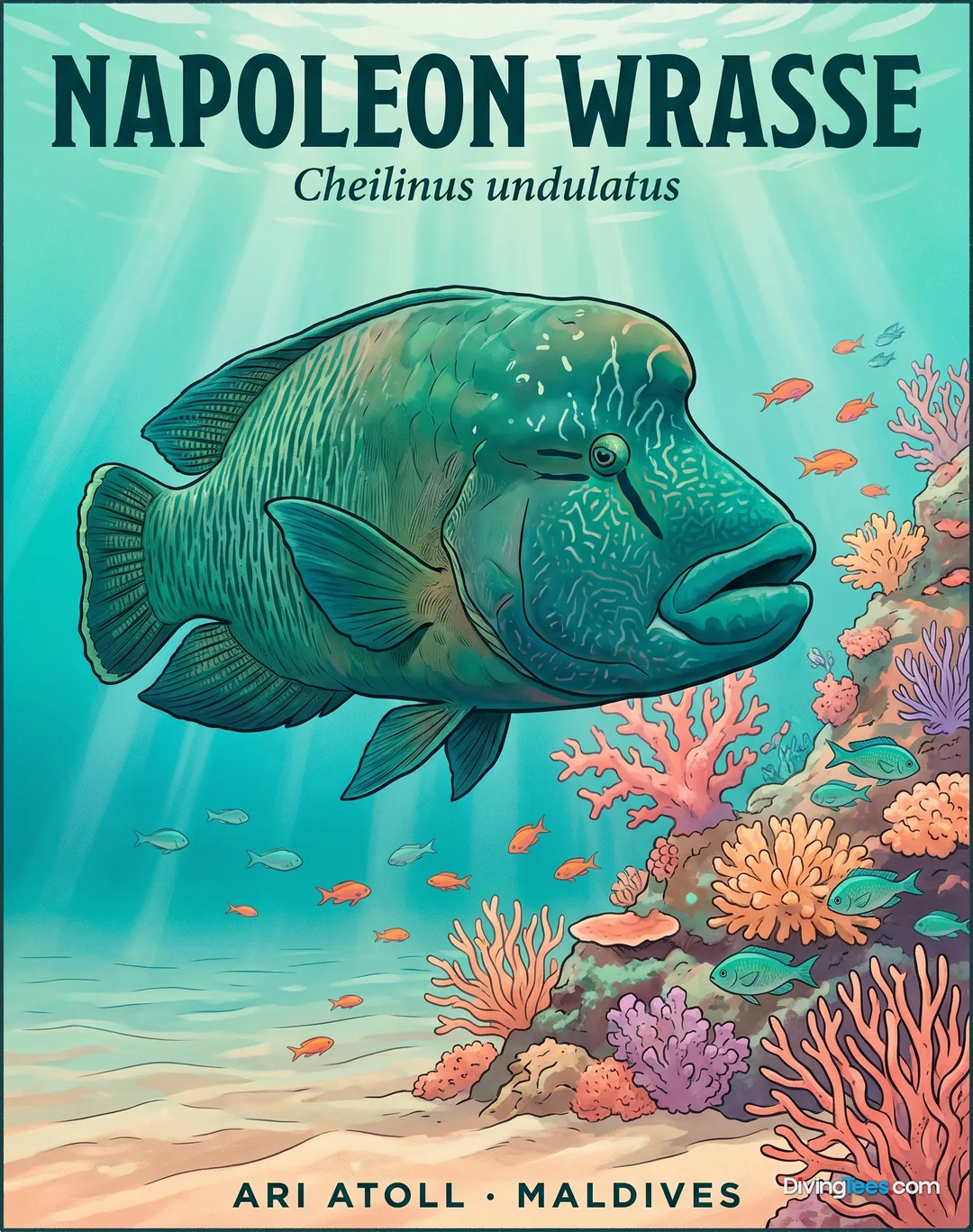
Beyond the sharks, the reserve hosts a diverse array of larger marine life. You can expect to encounter large Napoleon wrasses (Cheilinus undulatus) near the reef edges; their distinctive profiles and curious nature often lead to memorable interactions as they approach divers before disappearing back into the coral gardens. These impressive fish are a testament to the healthy and protected status of the reserve.
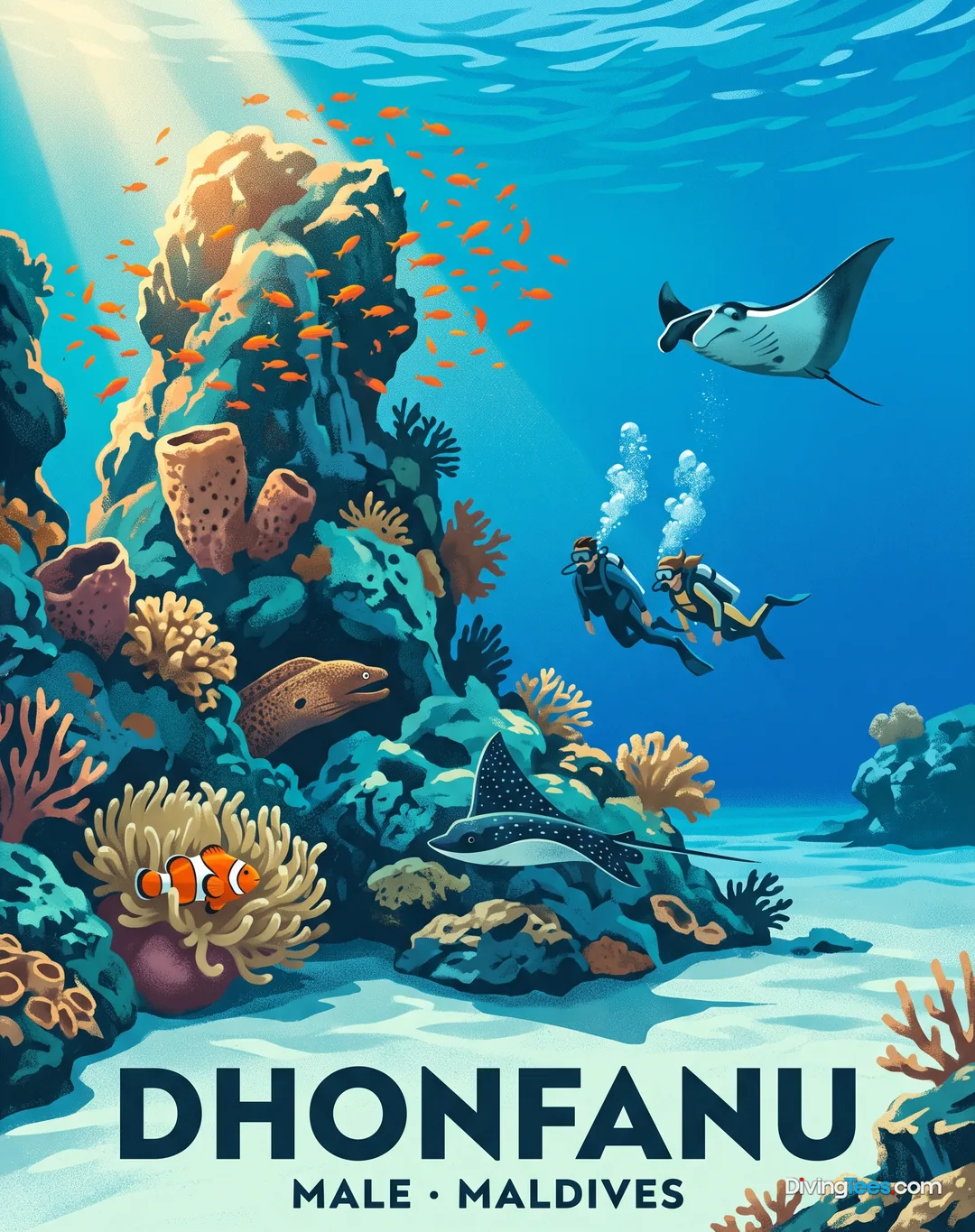
The currents, even when gentle, can bring a parade of pelagics through the channel. Spotted eagle rays (Aetobatus narinari) are a common sight, soaring past with an ethereal grace, their distinct spotted patterns visible from a distance. They navigate the currents with effortless precision, often appearing suddenly from the blue before vanishing just as quickly, adding an element of surprise to the dive.
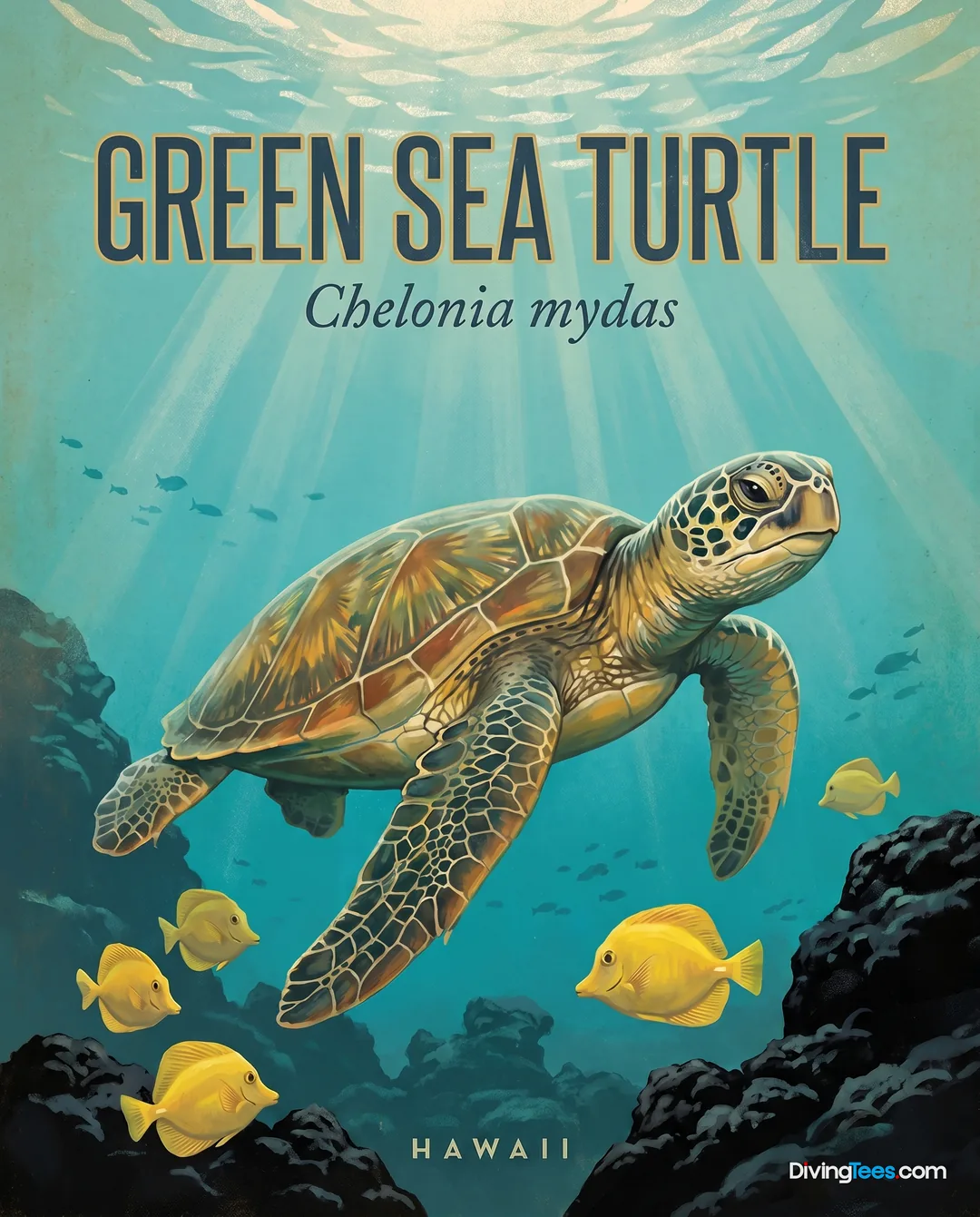
Sea turtles, including green turtles (Chelonia mydas) and hawksbill turtles (Eretmochelys imbricata), are an integral part of the Fushi Kandu landscape. You will frequently spot them resting on ledges or slowly meandering over the reef, occasionally surfacing for air with a calm, unhurried demeanor. Their serene presence adds a touch of ancient wisdom to the energetic marine reserve, highlighting the delicate balance of this underwater world.
Fushi Kandu is also recognized as an Important Shark and Ray Area, holding significant conservation value. It hosts a known reef manta ray (Mobula alfredi) cleaning station, which is visited by both adult and juvenile mantas for several months during the Southwest Monsoon. While not guaranteed on every dive, the possibility of encountering these majestic creatures adds another layer of excitement to the site, with occasional surface feeding also recorded.
Fushi Kandu is a drift dive, with depths ranging from 5 metres to a maximum of 30 metres. Due to the variable and potentially strong tidal currents inherent to channel diving, this site requires an Advanced Open Water certification or equivalent. Divers should have prior experience with medium to strong current channel or drift dives. Visibility typically ranges from 15 to 30 metres. The best time to encounter reef manta rays is during the Southwest Monsoon, with optimal visibility generally occurring from February to April.
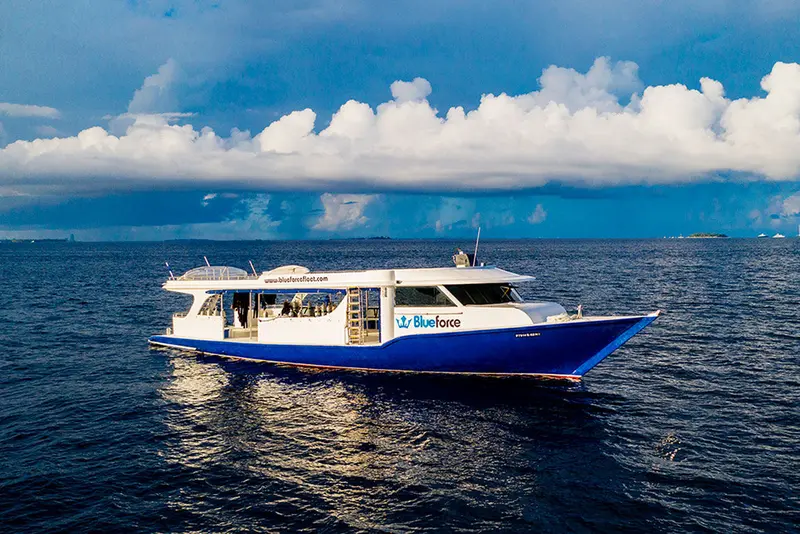
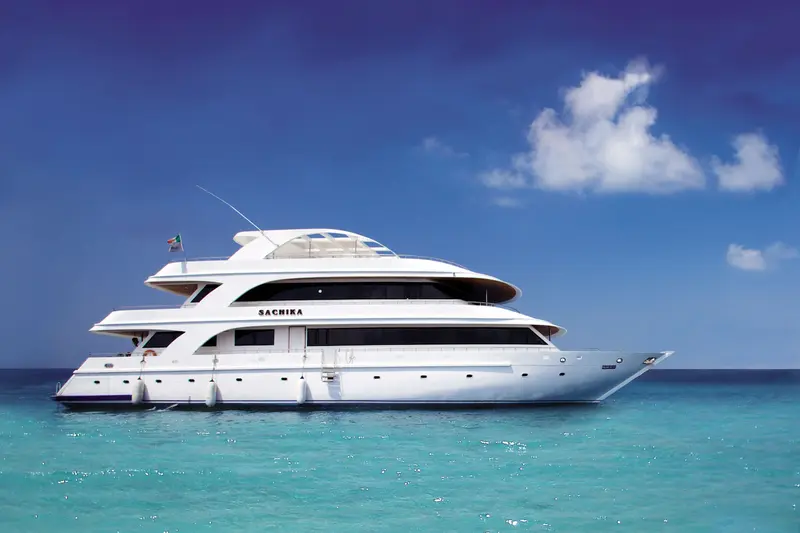
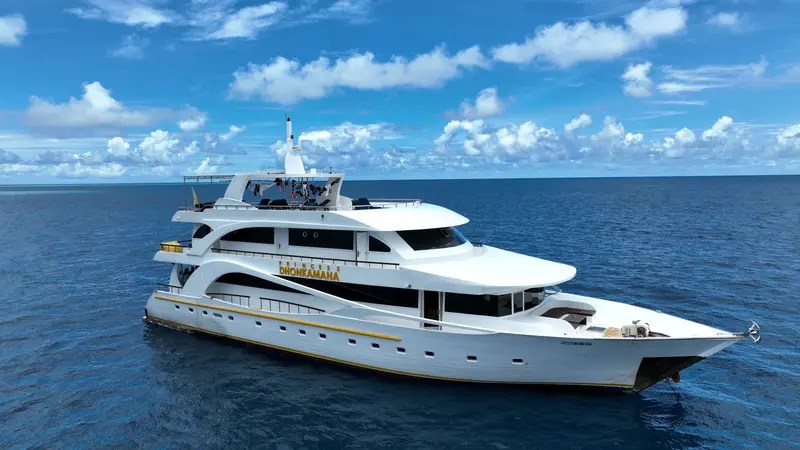
38 liveaboards depart from Male another way to explore the region, over several days at sea.
Choose the Southwest Monsoon if you want the possibility of encountering reef manta rays, as the cleaning station is visited for several months then. Visibility is generally optimal from February to April, while mantas are not guaranteed on every dive. You may also see occasional surface feeding during this period.
Fushi Kandu Marine Reserve requires an Advanced Open Water certification or equivalent because it is a channel drift dive with variable, potentially strong tidal currents. You should already have experience with medium to strong current channel or drift dives. Your dive plan typically follows either an incoming or outgoing current.
Fushi Kandu Marine Reserve ranges from five metres to a maximum of thirty metres. It is a drift dive through a channel between the outer reef and inner lagoon, with reef walls, hard corals, soft corals, and gorgonian sea fans forming the underwater structure. Several thilas rise within the channel.
At Fushi Kandu Marine Reserve, you can encounter grey reef sharks patrolling the channel and white tip sharks near deeper reef sections. Large Napoleon wrasses, spotted eagle rays, green turtles, and hawksbill turtles are also seen. Reef manta rays may visit the cleaning station during the Southwest Monsoon.