
Tgi Fasmendoo
Google 4.9/5 (526 reviews)
Raa Atoll · Maldives · Indian Ocean
Descend into the horseshoe-shaped reef of Shab Samadai, where resident spinner dolphins frequently approach divers in their natural environment.
Shab Samadai, aptly named Dolphin House, is a distinctive horseshoe-shaped reef structure in the clear waters of the Raa Atoll. The unique topography of the reef creates a sheltered haven, which is a major draw for cetaceans. As you descend, the gentle slopes and coral formations begin to reveal themselves, setting the stage for the captivating marine life that thrives here.
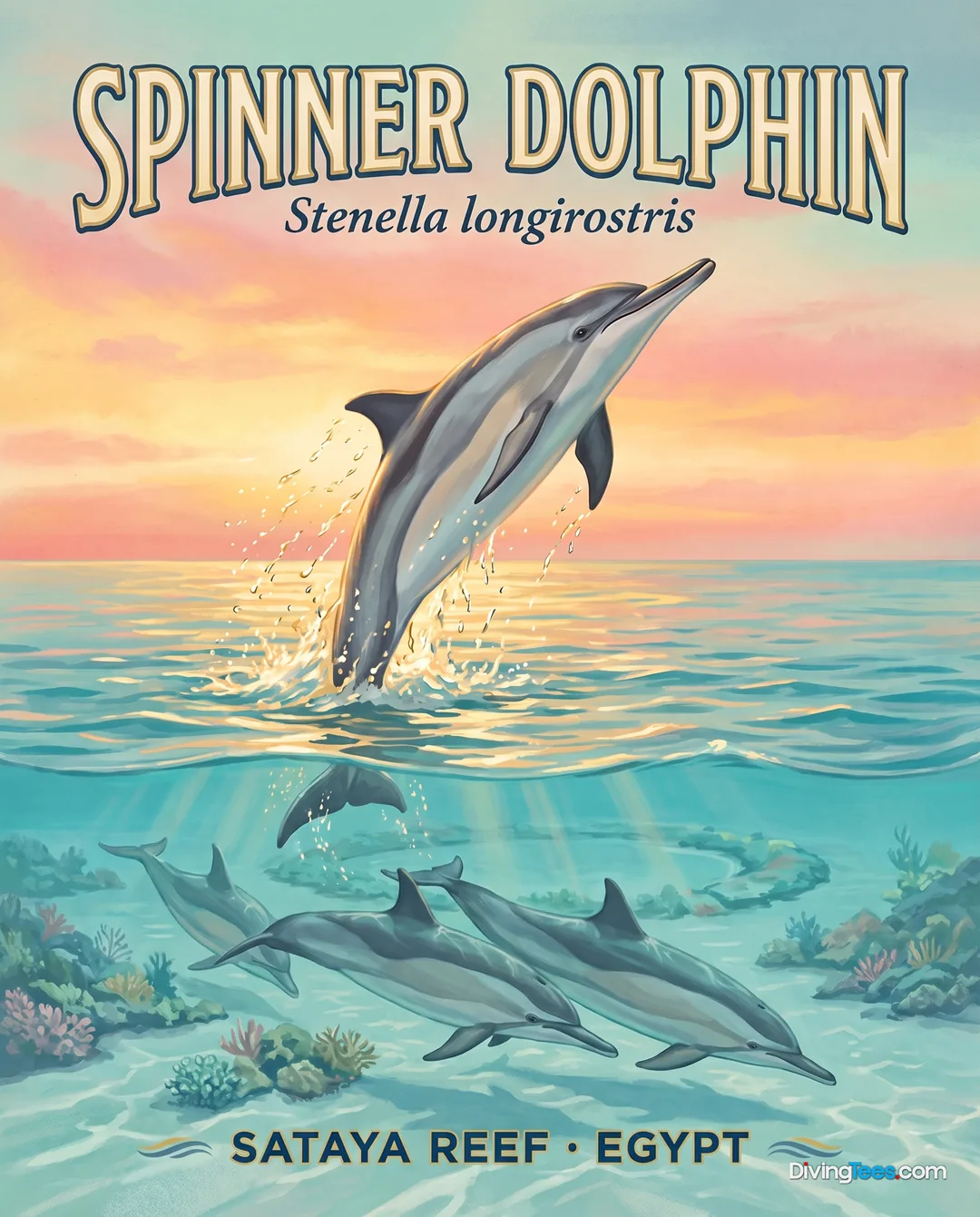
The primary residents of Dolphin House are the spinner dolphins (Stenella longirostris), often seen in significant schools. Unlike fleeting encounters at other sites, the dolphins here are notably curious and frequently approach divers. You'll find yourself sharing the water with these intelligent creatures, observing their graceful movements and natural social behaviours in their home environment.
Beyond the main dolphin encounters, the western tip of the horseshoe reef presents a series of smaller coral pinnacles. These formations are teeming with vibrant reef fish, creating a colourful backdrop against the blue water. Exploring these pinnacles allows for a closer look at the intricate ecosystem of the reef, from the smallest gobies to larger schools of jacks and snappers.
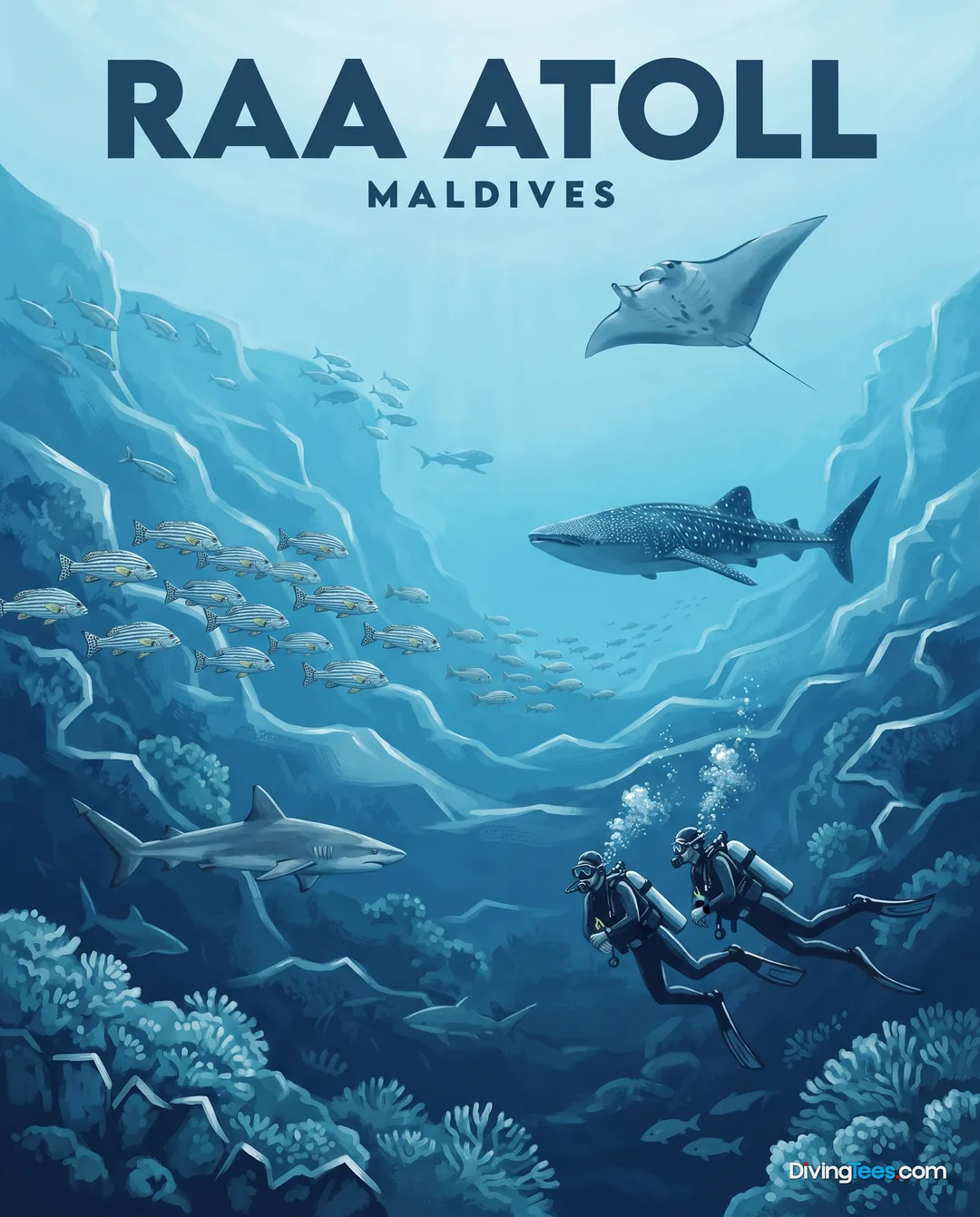
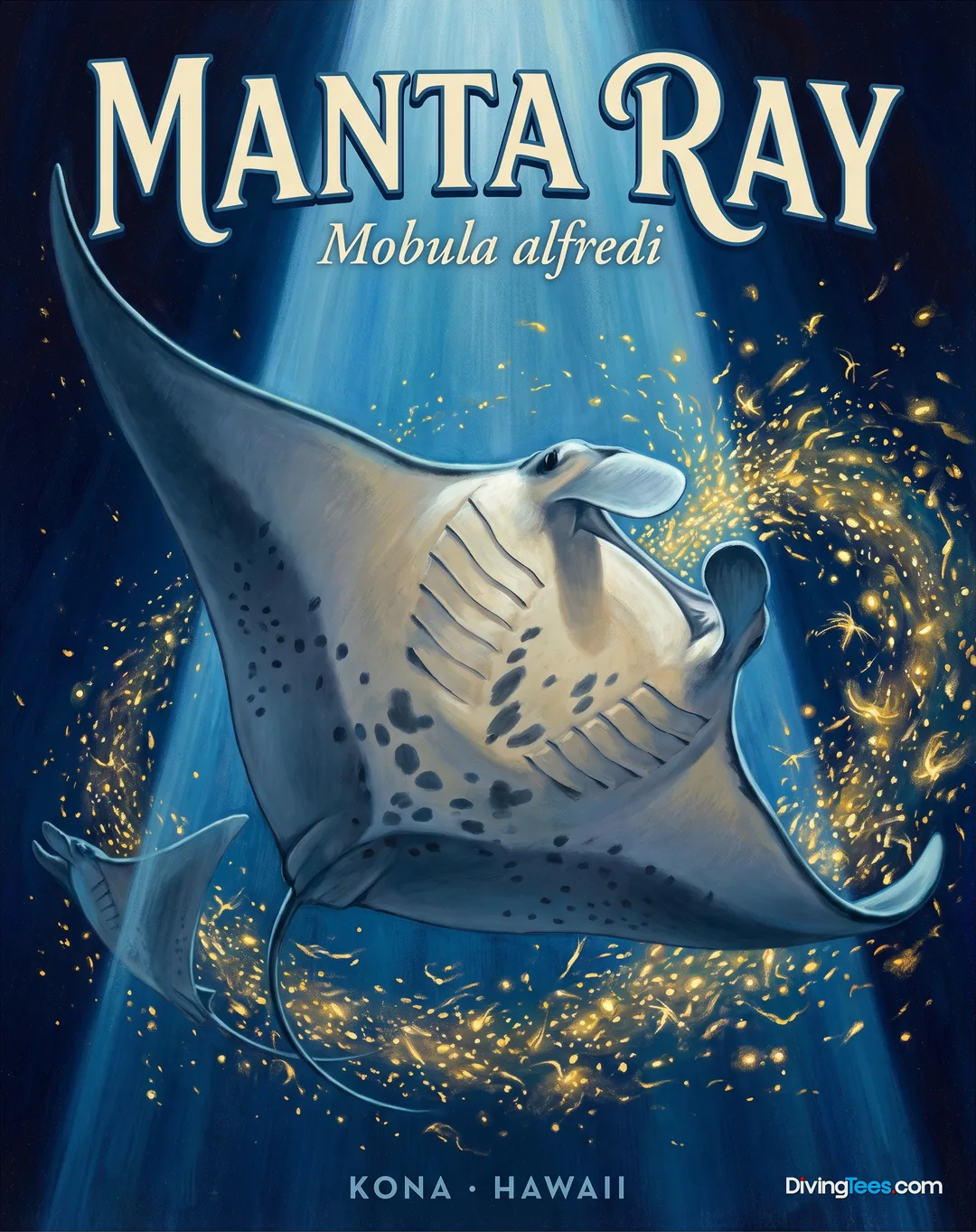
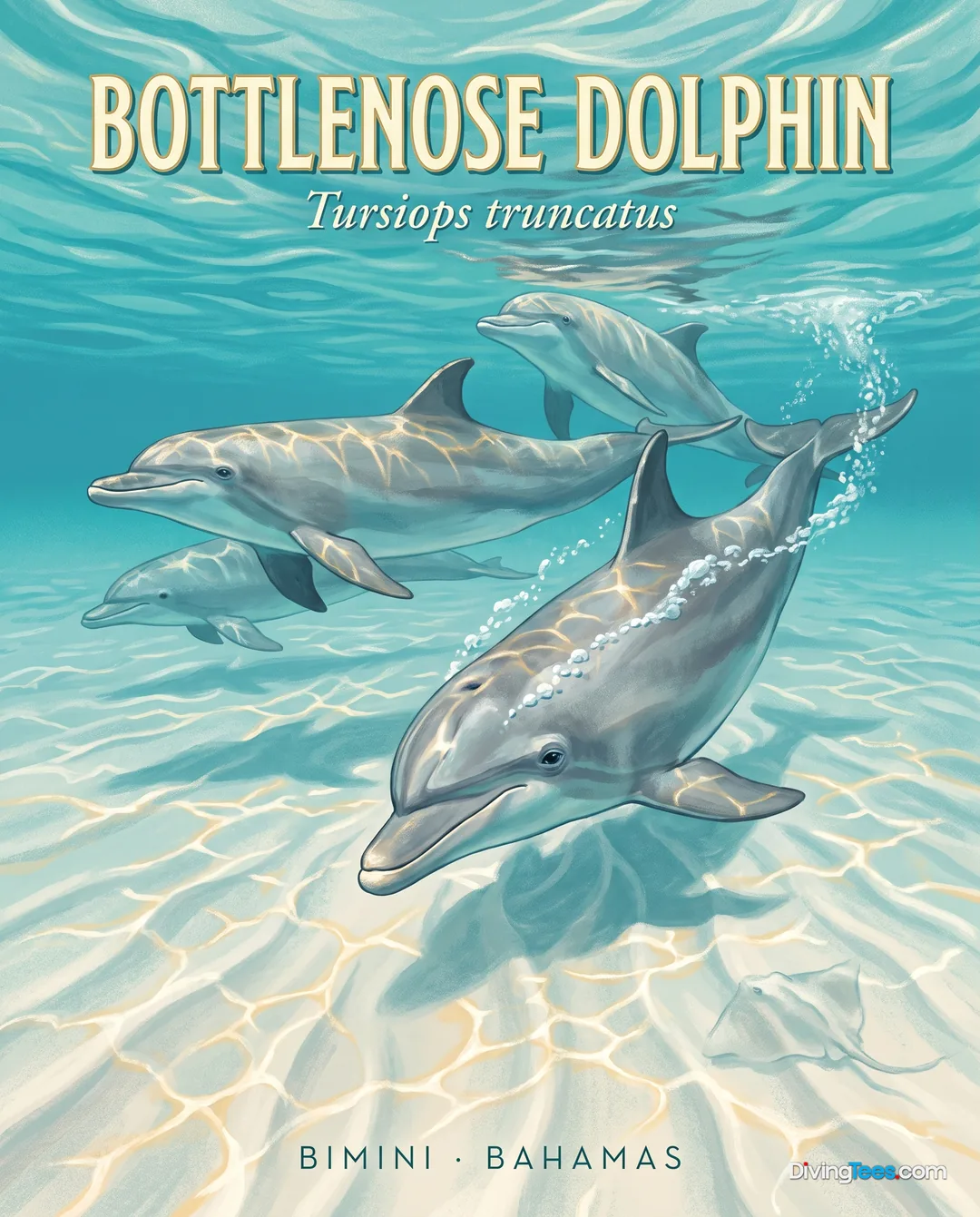
For divers embarking on a drift, the experience at Shab Samadai expands considerably. This is where the open ocean truly comes into play, offering a different suite of encounters. Beyond the spinner dolphins, you might also spot common bottlenose dolphins (Tursiops truncatus), larger shark species, majestic eagle rays (Aetobatus narinari), and the impressive manta rays (Manta birostris). These pelagic visitors add an element of exhilaration to the dive, making each journey along the reef edge unpredictable and rewarding.
This site is accessible to divers of all levels, welcoming everyone from novices to seasoned enthusiasts. While specific depths are not defined, the reef accommodates a range of diving experiences. The best time to visit is year-round, ensuring consistent conditions for dolphin encounters and exploring the diverse marine life.
You can visit Shab Samadai year-round. The site offers consistent conditions for dolphin encounters and marine life exploration throughout the year, giving you opportunities to see spinner dolphins, common bottlenose dolphins, reef fish, sharks, eagle rays, and manta rays during your visit.
Shab Samadai is accessible to divers of all levels, from novices to seasoned enthusiasts. You can explore the horseshoe-shaped reef, its gentle slopes, coral formations, and western coral pinnacles according to your experience, while enjoying the site’s range of diving experiences and marine life encounters.
Specific depths are not defined for Shab Samadai. The reef accommodates a range of diving experiences, with gentle slopes and coral formations forming part of its underwater environment. You can explore the horseshoe-shaped reef and western coral pinnacles without relying on a stated site depth.
Shab Samadai offers drift dives, allowing you to follow the reef edge while looking for spinner dolphins, common bottlenose dolphins, various sharks, eagle rays, and manta rays. At the western tip, small coral pinnacles hold abundant reef fish, adding a sheltered reef experience to the open-ocean encounters.